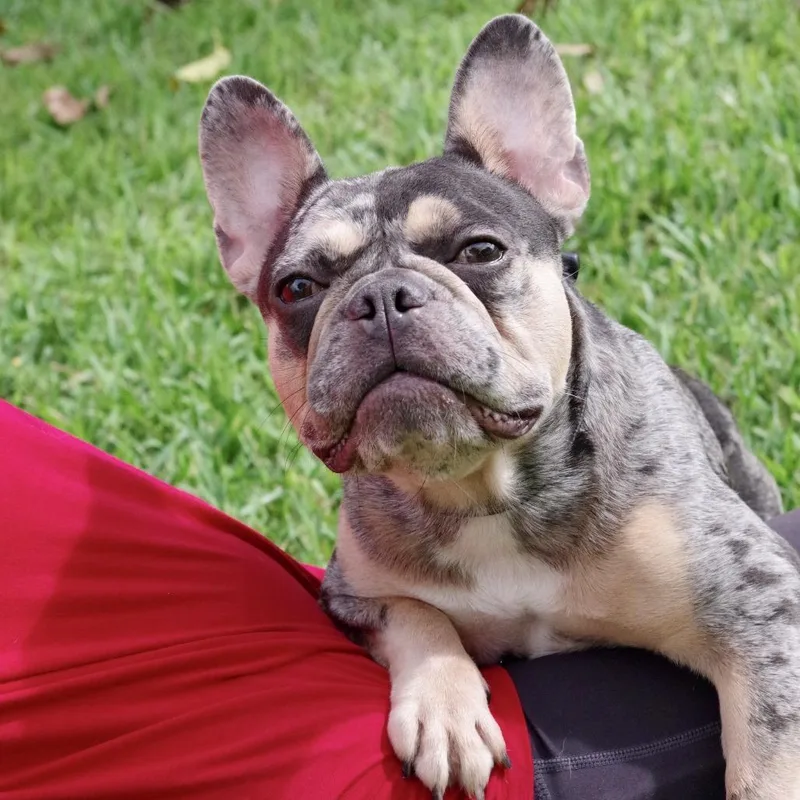
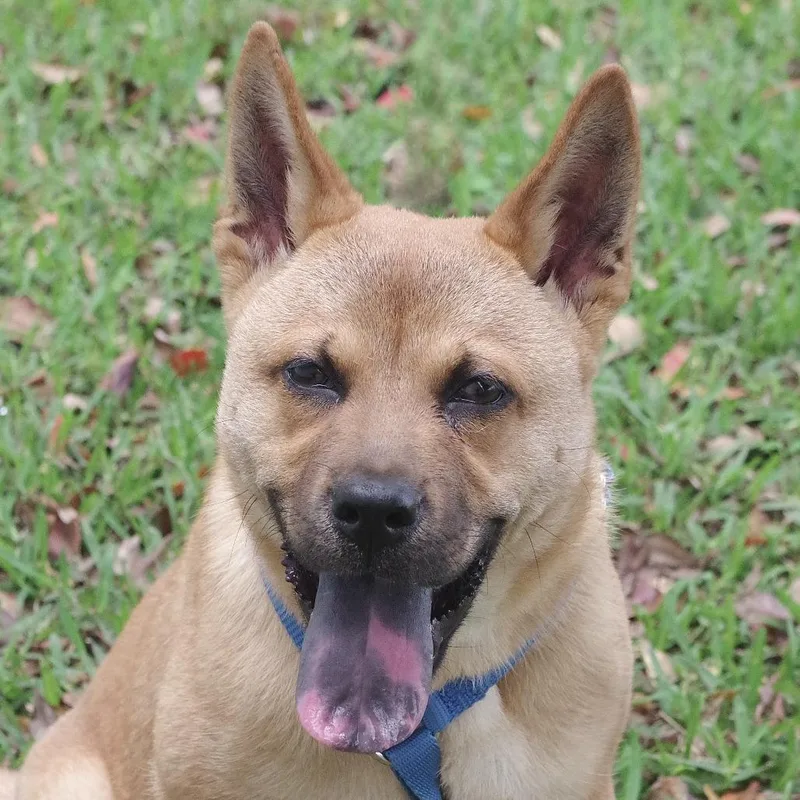
Wirehaired Terrier Dogs for Adoption in Miami, FL

Your guide to finding and caring for a Wirehaired Terrier in Miami

Wirehaired Terriers suit the tree-lined streets of Coral Way and Shenandoah, where a small, busy dog finds plenty to sniff. At 13 to 25 pounds, they fit an apartment in The Roads or Flagami just as well, as long as someone is home a fair amount and the barking is managed. They're curious and quick, so daily walks matter. Plan the longest ones for early morning or after sunset, because Miami's muggy heat takes over by midday.

251 Wirehaired Terriers available in Miami and nationwide

Find your forever Wirehaired Terrier

While we don't have enough dogs near Miami, keep in mind that many rescues may offer transport.

Wirehaired Terriers Available for Adoption Near Miami

About the Wirehaired Terrier breed

Wirehaired Terrier is a coat description more than a single breed. It's an alternate name for the Wire Fox Terrier, developed in England to bolt foxes from their dens, and it's also used for wire-coated terrier mixes with Jack Russell, Border, Cairn or Schnauzer relatives. What they share is a dense, crisp outer coat over a softer undercoat.

Most weigh 13 to 25 pounds and are bold, friendly and curious, with classic terrier habits like barking, digging and chasing small animals. In Miami, that makes a secure leash and fence important, along with indoor games when afternoons get too hot. Because ancestry varies, a dog's size, energy and coat tell you more than the name on the listing.


Weight
13–25 lbs
Height
12–16 in
Lifespan
12–15 yrs
Temperament
Energetic, Bold, Friendly, Alert
Group
Terrier
Shedding
Low

Owning a Wirehaired Terrier in Miami

Having a Wirehaired Terrier in Miami

Wirehaired Terriers are small, sturdy dogs with a wire coat that needs steady upkeep. In Miami, the trade-offs are energy that needs a daily outlet, grooming on a schedule, and a home that can handle some barking and plenty of heat.

Temperament

Wire-coated terriers are often cheerful and outgoing, and many enjoy playful kids who respect their space. Prey drive can send them after lizards, squirrels and cats, and some push other dogs. Expect barking at hallway noise in a Miami condo. Early socialization and training help, though each dog differs.

Exercise Needs

Plan on brisk daily walks plus fetch, tug or flirt-pole play. In Miami, put the longest outings at dawn or after dark and use afternoons for puzzle toys and short training sessions. City dog parks and bayfront paths give room to burn energy, with leashes on outside designated areas.

Health Considerations

Wire Fox Terriers can face lens luxation, cataracts, kneecap problems, Legg-Calvé-Perthes disease and allergic skin disease, and mixes may inherit other conditions. Humid weather can aggravate itchy skin and ears, so watch for scratching. A veterinarian can check eyes, joints and teeth, and year-round parasite prevention makes sense here.

Living Space

A small Wirehaired Terrier can do well in a Miami apartment or condo, provided walks happen daily and barking is managed. Thin walls and shared hallways make quiet-time training worth the effort. A fenced yard helps, but check it for gaps and low spots, since many terriers dig or squeeze out.

What it costs to own a Wirehaired Terrier in Miami

ExpenseTypical costPer year
Food$20 to $45 per month$240 to $540
Pet insurance$35 to $70 per month$420 to $840
Routine vet care$200 to $400 per year$200 to $400
Other*$840 to $2,190 per year$840 to $2,190
Estimated yearly total (after year one)$1,700 to $3,970

Other costs are estimates and vary with size, age and health.

* The dog license, flea, tick and heartworm prevention, a dental cleaning allowance, toys and bedding, and professional stripping or clipping every 6–8 weeks.

Adopt a Wirehaired Terrier in Miami.

Now that you know more, let’s find you a new best friend. These rescues and shelters below have dogs available in and near Miami.

Frequently Asked Questions

Yes, you can have a Wirehaired Terrier in Miami. Florida law bars local breed-specific rules, so no breed ban applies. Miami-Dade requires a County license tag for dogs over four months old, worn at all times and renewed yearly with the rabies vaccine. Landlords and condo associations can still set their own limits, so confirm your building's pet policy first.

Yes, a Wirehaired Terrier can live in a Miami apartment if daily exercise is covered and barking is managed. Dogs must be leashed in common areas and can't relieve themselves in halls, so plan quick elevator trips, a nearby dog park and some quiet-time training. Mental games on hot afternoons help burn off energy indoors.

Yes, with planning. Miami summers bring highs near 90°F, warm nights and heavy humidity, and a dense wire coat can overheat. Walk at dawn or late evening, carry water, and play indoors in the afternoon. Never leave a dog in a parked car, and watch for heavy panting, drooling or sudden lethargy.

Try Bayfront Park or Maurice A. Ferré Park downtown, both with dog parks, or the enclosed dog park at Blanche Park in Coconut Grove. Hobie Island Beach Park off the Rickenbacker Causeway is described as an off-leash dog beach. Terriers dig and bolt, so choose fenced areas and keep your dog leashed elsewhere.

Often, yes, if you like an active, chatty dog. A Wirehaired Terrier enjoys walks through Miami's tree-lined neighborhoods and its dog parks, and its small size suits condo life. The trade-offs are heat, humidity, barking and grooming every 6–8 weeks. Dogs vary, so judge each one by its energy and behavior, and plan ahead for hurricane season.

Only in a carrier. Miami-Dade Transit requires pets on Metrobus, Metrorail and Metromover to be in a properly enclosed carrier, while service animals are exempt. Many Wirehaired Terriers weigh 20 pounds or more, so a carrier may be tight, and a dog too big for one can't ride. Practice with the carrier at home first.

Patio policies vary by restaurant. Florida allows dogs only in outdoor dining areas, and only where the local government has adopted an ordinance, so don't assume a patio welcomes dogs. Ask before you sit, keep your terrier leashed and off chairs, and be ready to leave if barking starts. Dogs can't relieve themselves inside shops.

Plan on weekly brushing and stripping or clipping about every 6–8 weeks. Miami's humidity means checking the skin and ears for dampness and itching, and drying the coat after rain or swims. Professional grooming runs roughly $450 to $1,200 a year, included in the yearly other costs, and a shorter clip is cooler in summer.

Wirehaired Terriers shed very little. Their dense, wiry outer coat holds dead hairs in place instead of dropping them around the house, which is why the coat needs hand stripping or clipping to remove old hair. Some undercoat comes loose during seasonal changes. Mixes with smoother-coated ancestry may shed more, so the individual dog's coat matters.

Expect roughly $1,700 to $3,970 a year for a Wirehaired Terrier in Miami, covering food, insurance, routine vet care and other costs. Professional stripping or clipping every 6–8 weeks is the largest piece of the other costs. Emergencies, boarding and rental pet fees are extra, and costs vary with the dog's size and coat.

Find Wirehaired Terriers in Nearby Cities

Expand your search to find Wirehaired Terriers available for adoption near Miami.