Lancashire Heeler Dogs for Adoption in Miami, FL

Your guide to finding and caring for a Lancashire Heeler in Miami

A Lancashire Heeler fits Miami's older, tree-lined streets better than you might expect from a dog this busy. At 9 to 17 pounds, it's happy in a Coral Way or Shenandoah rental, as long as there's a good walk in the morning and some games in the afternoon. Heelers are sharp, chatty and affectionate with their people, so expect running commentary on every delivery driver. Evening walks work best once the humid heat eases, and Woodside Park's dog areas in The Roads give a small dog room to run.

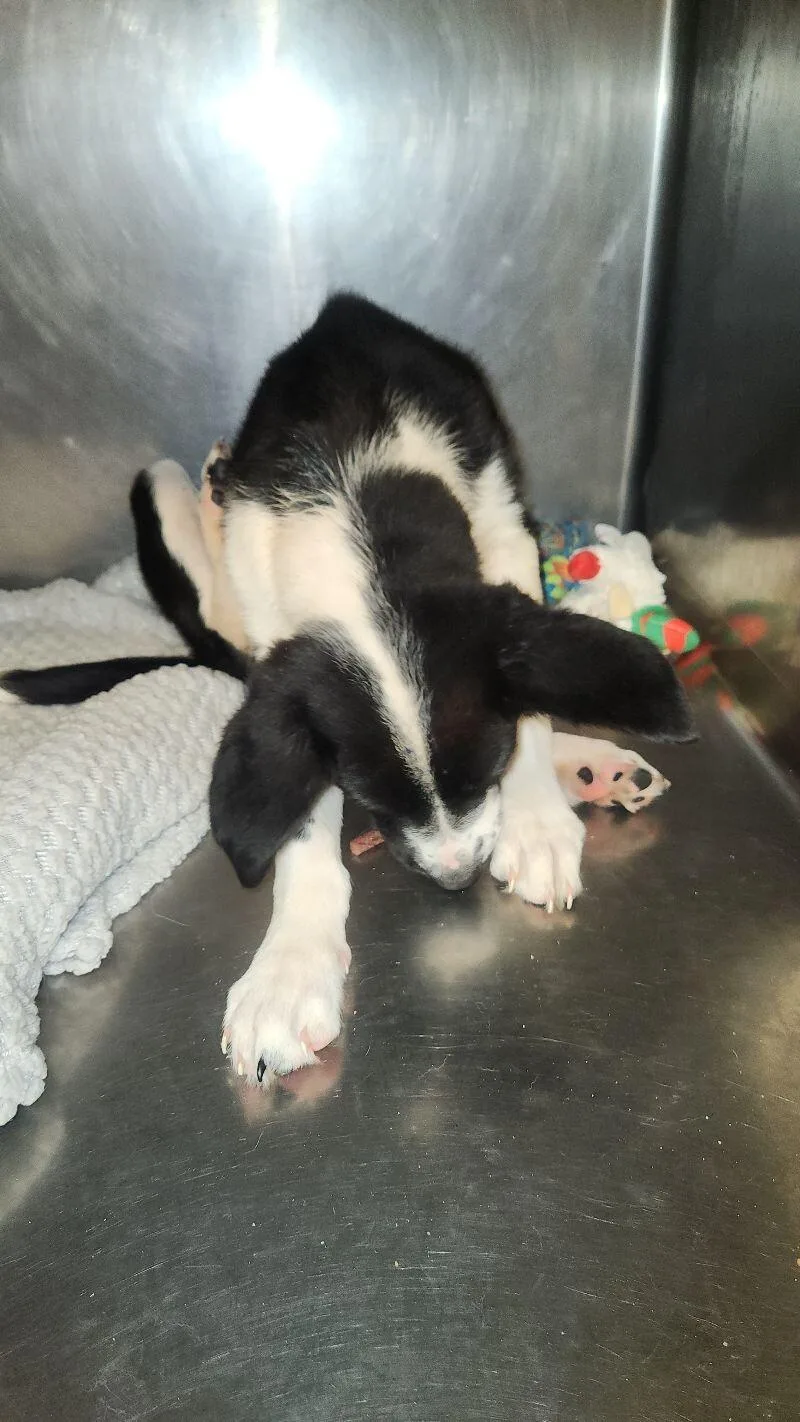
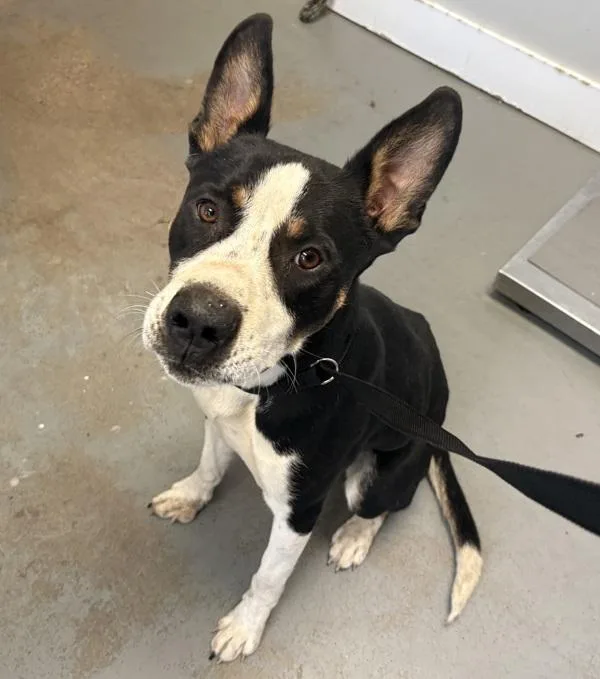
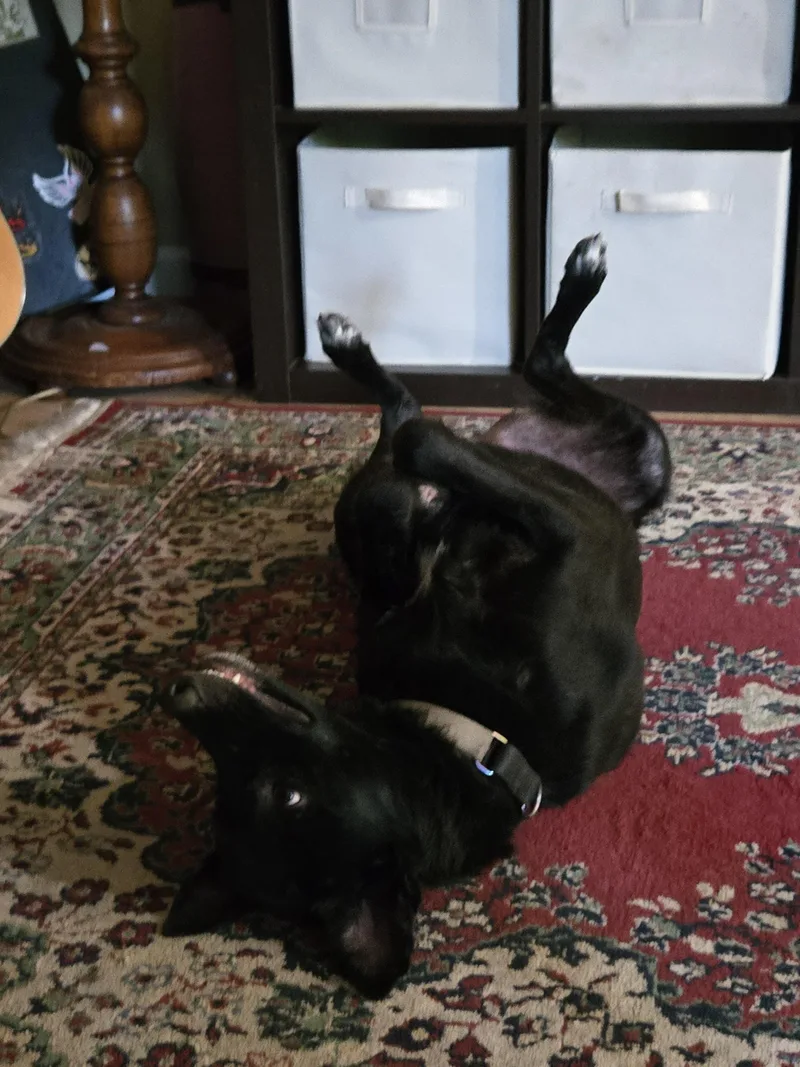
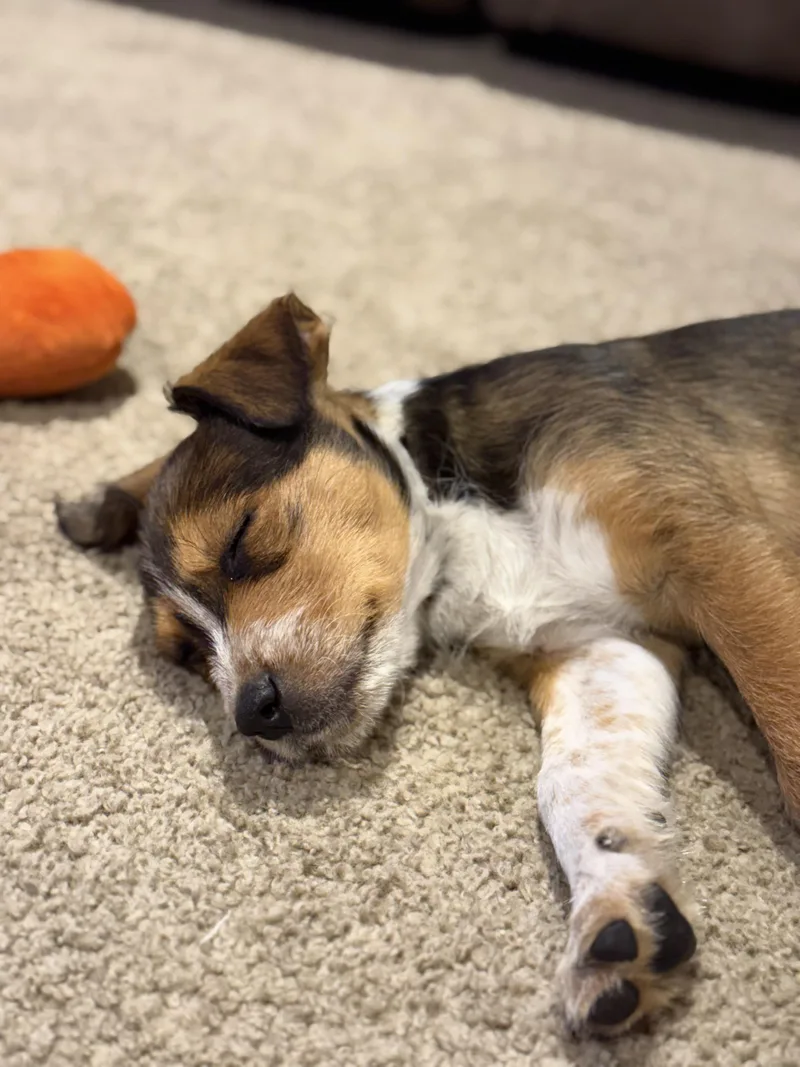
26 Lancashire Heelers available in Miami and nationwide

Find your forever Lancashire Heeler

While we don't have enough dogs near Miami, keep in mind that many rescues may offer transport.

Lancashire Heelers Available for Adoption Near Miami

About the Lancashire Heeler breed

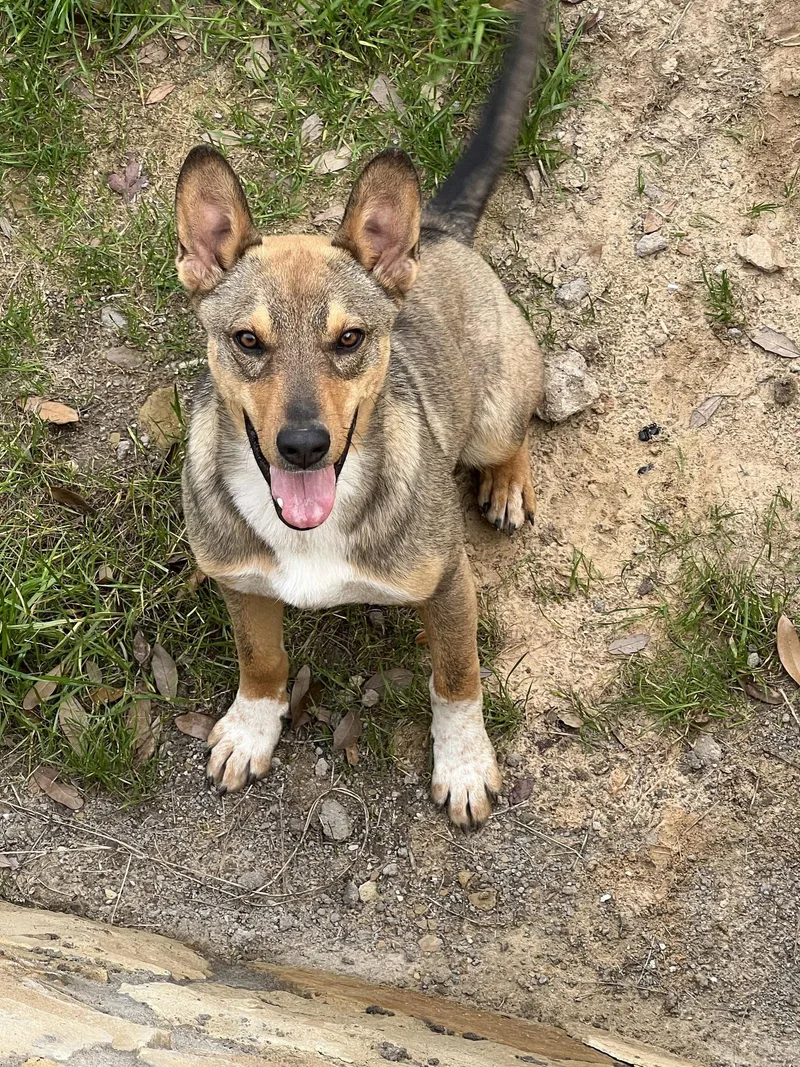
The Lancashire Heeler is a short-legged herding dog from northwest England, where it drove cattle to market and cleared barns of rats. It's generally thought to descend from Welsh Corgis and Manchester Terriers, and it has a sturdy body, a smooth weather-resistant coat in black and tan or liver and tan, and a habit of smiling at its people. The AKC recognized the breed in 2024.

Heelers tend to be alert, affectionate and quick to learn, with a herder's urge to chase and a ratter's prey drive. The short coat sheds lightly, though the undercoat comes out seasonally, and that dense coat means Miami's heat deserves respect. They're uncommon in the U.S., so patience helps, and dogs vary a lot in energy and sociability.

Weight
9–17 lbs
Height
10–12 in
Lifespan
12–16 yrs
Temperament
Alert, Energetic, Affectionate, Intelligent
Group
Herding
Shedding
Low to Moderate

Owning a Lancashire Heeler in Miami

Having a Lancashire Heeler in Miami

Heelers pair a herding dog's drive with a terrier's spark in a body under 20 pounds. In Miami, the practical questions are daily exercise, indoor activity during humid afternoons, barking in shared buildings, and regular eye screening.

Temperament

Many Heelers are cheerful and devoted, often reserved with strangers and quick to announce visitors. In a Miami condo or duplex, that alertness can mean barking at hallway noise, so early socialization and reward-based training matter. Herding instincts can show up as heel-nipping or chasing, and each dog's temperament varies.

Exercise Needs

Plan on daily walks plus active play like fetch, tug or puzzle games. In Miami, shift outdoor time to early morning or after sunset, since summer nights stay warm, and use indoor training or scent games when the heat index soars. A fenced dog park area suits a Heeler better than open ground.

Health Considerations

Heelers are often long-lived, but they can inherit eye conditions such as primary lens luxation and collie eye anomaly, and DNA or eye screening exists. A veterinarian can check the eyes and teeth. In Miami's warm, mosquito-friendly climate, year-round flea, tick and heartworm prevention is worth planning for.

Living Space

At 9 to 17 pounds, a Heeler fits Miami's rentals and condos well, provided it gets daily outings and enrichment. Barking may matter more to neighbors than square footage does, and county code addresses habitual noise. Dogs can't roam off-leash in building common areas, so plan leashed trips.

What it costs to own a Lancashire Heeler in Miami

ExpenseTypical costPer year
Food$20 to $45 per month$240 to $540
Pet insurance$35 to $70 per month$420 to $840
Routine vet care$200 to $400 per year$200 to $400
Other*$390 to $1,090 per year$390 to $1,090
Estimated yearly total (after year one)$1,250 to $2,870

Other costs are estimates and vary with size, age and health.

* Flea, tick and heartworm prevention, a dental cleaning allowance, the Miami-Dade dog license, toys and bedding, and light grooming for a short coat.

Adopt a Lancashire Heeler in Miami.

Now that you know more, let’s find you a new best friend. These rescues and shelters below have dogs available in and near Miami.

Frequently Asked Questions

Often yes, especially for active people who are home a fair amount. A Heeler's small size suits Miami condos and duplexes, and the mild winters make outings easy. The trade-offs are summer heat and humidity, barking in shared buildings, and a need for daily exercise and mental work. Dogs vary, so read each listing's description closely.

They can with planning. Inland Miami sees about 91 days a year at or above 90°F, and summer nights stay in the upper 70s. Walk at dawn or after sunset, keep outings short, carry water and rely on air conditioning midday. Never leave a Heeler in a parked car, and test pavement with your hand first.

Yes, a Heeler's compact size suits Miami apartments and condos. The bigger issues are barking and energy. Plan daily walks, training games and puzzle toys, and teach quiet manners early. County rules require leashes in building common areas and bar dogs from relieving themselves in hallways. Get landlord permission in writing before moving in.

Start with City dog parks such as Margaret Pace Park in Edgewater, Kennedy and Blanche parks in Coconut Grove, or Legion Memorial Park in the Upper Eastside. Woodside Park in The Roads has separate dog areas that suit a small Heeler. Off-leash play is allowed only in designated areas, and a Heeler's prey drive makes enclosed spaces safer.

Only in a closed carrier. Miami-Dade Transit requires pets to be in a properly enclosed carrier on Metrobus, Metrorail and Metromover, while service animals are exempt. At 9 to 17 pounds, many Heelers can fit a roomy carrier if they're comfortable in one, so practice at home first. Miami's rail is elevated rather than a subway.

Yes. Florida law bars local rules specific to breed, weight or size, and Miami-Dade's old pit bull ban ended in 2023, so no local breed restrictions apply to Heelers. You'll need a county license tag once the dog is four months old, renewed yearly with the rabies vaccine. Landlords and HOAs can still set their own pet rules.

Very little. The short, weather-resistant coat needs weekly brushing, with extra during the seasonal undercoat shed. Baths are occasional, and nails, ears and teeth need routine care. Don't clip the coat for the heat, since it helps protect skin. Grooming costs stay small, usually well under $100 a year, and are counted in Other costs.

A Lancashire Heeler is a small, sturdy herding dog from northwest England, about 10 to 12 inches tall and 9 to 17 pounds, originally used to drive cattle and catch rats on farms. It has a short black-and-tan or liver-and-tan coat, an alert, cheerful personality and plenty of energy. The AKC recognized the breed in 2024.

The Lancashire Heeler's roots likely go back several centuries in Lancashire, England, with some accounts dating it to the 1600s, when farmers and butchers used small heelers to drive cattle. The modern breed was revived in the 1960s, its club formed in 1978, and The Kennel Club recognized it in 1981. The AKC followed in 2024.

Expect roughly $20–$45 a month for food, $35–$70 for insurance, $200–$400 a year for routine vet care, and about $390–$1,090 a year for everything else, including parasite prevention, dental care and the license. That adds up to roughly $1,250–$2,870 a year for a small, short-coated dog.