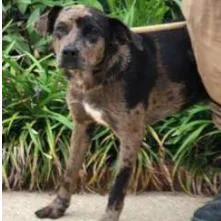
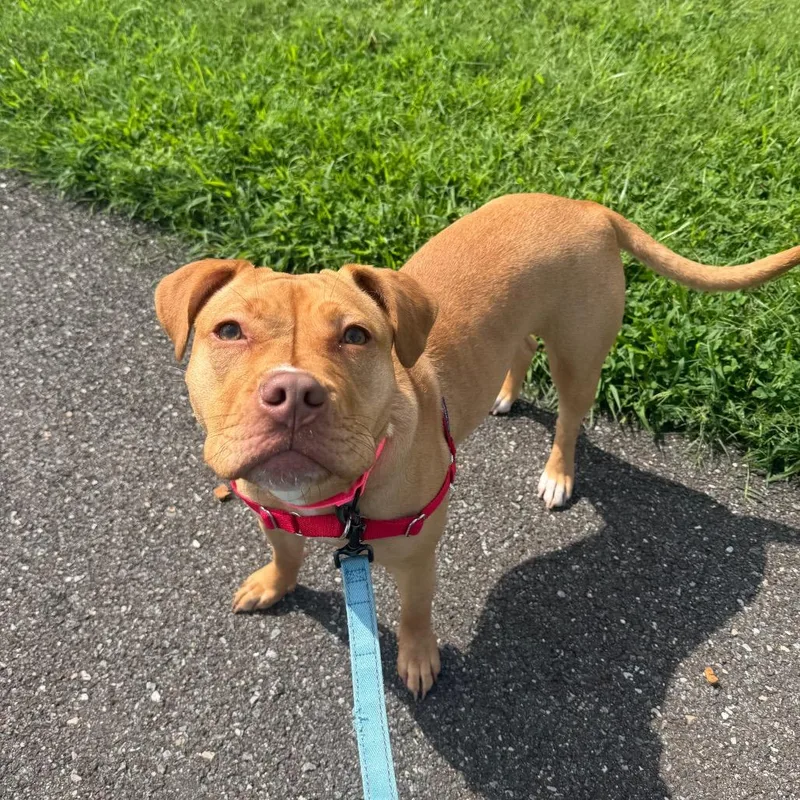
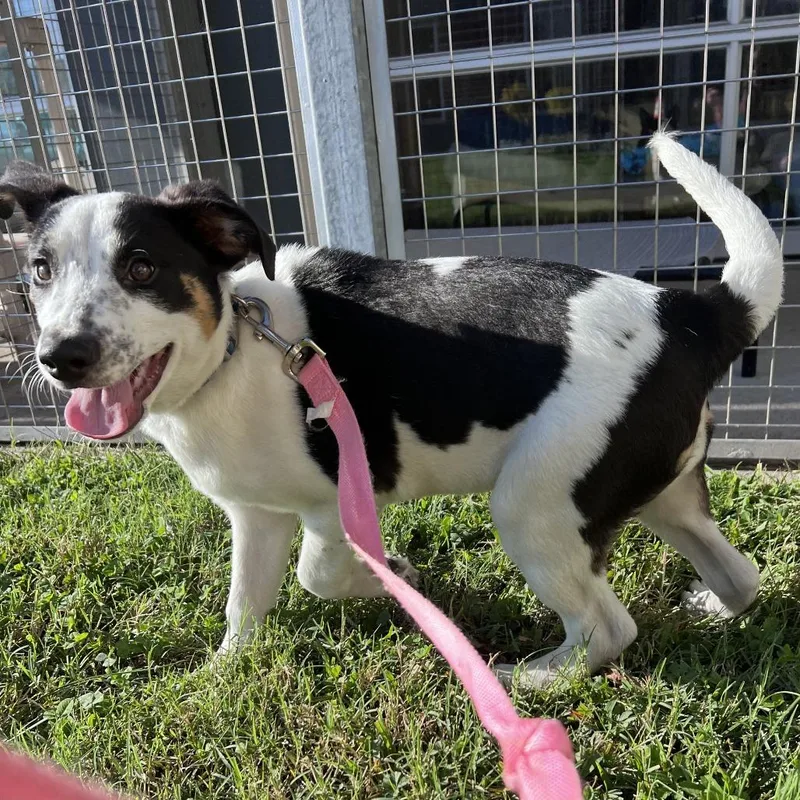
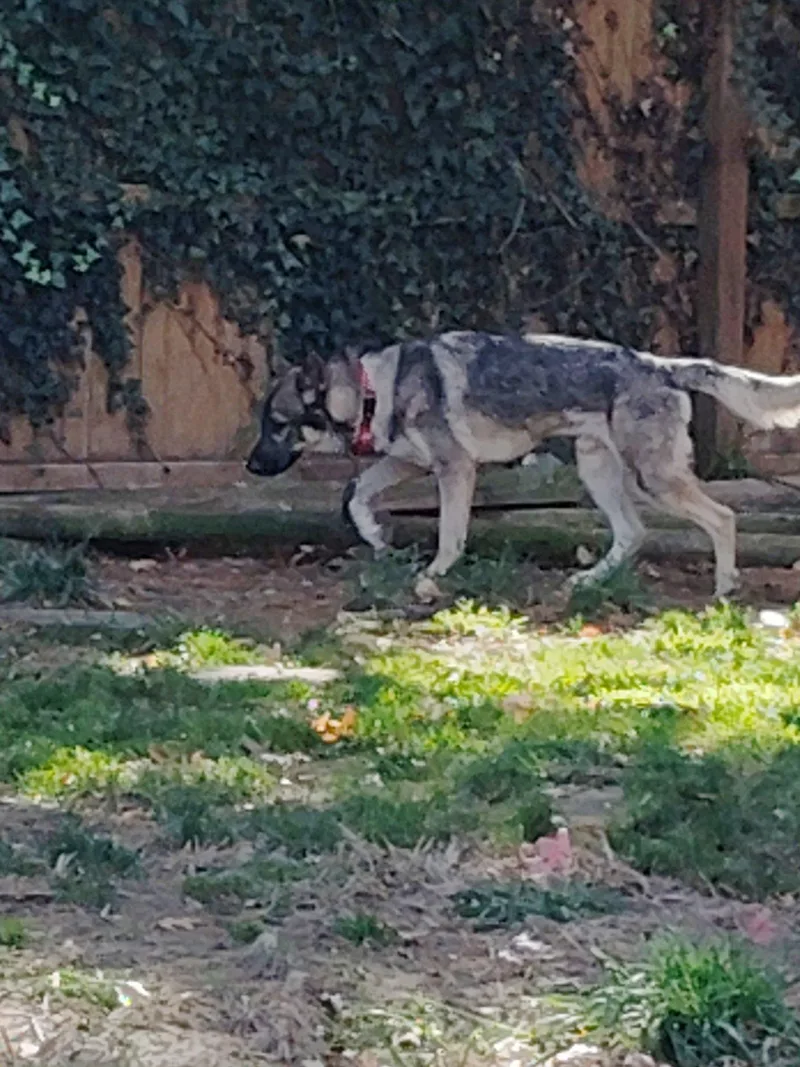
Saluki Dogs for Adoption in Wilmington, DE

Your guide to finding and caring for a Saluki in Wilmington

A Saluki in Wilmington needs a safe place to run and a quiet home to recover in. Gentle and reserved indoors, many settle happily into an East Side rowhouse or a house on the curved streets of Union Park Gardens. Outdoors is different: a Saluki's chase instinct usually beats its recall, so leashed laps through Brandywine Park and the Northern Delaware Greenway become the daily routine. Expect a lot of sleeping on the softest spot in the house afterward.

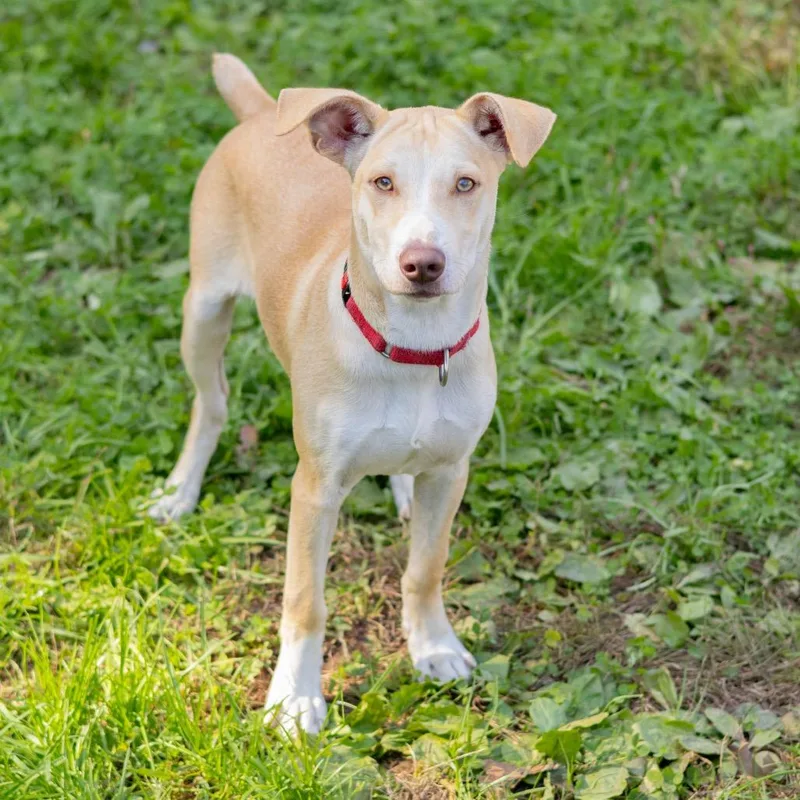
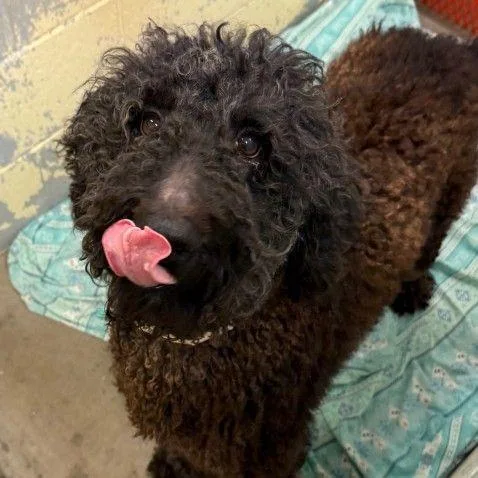
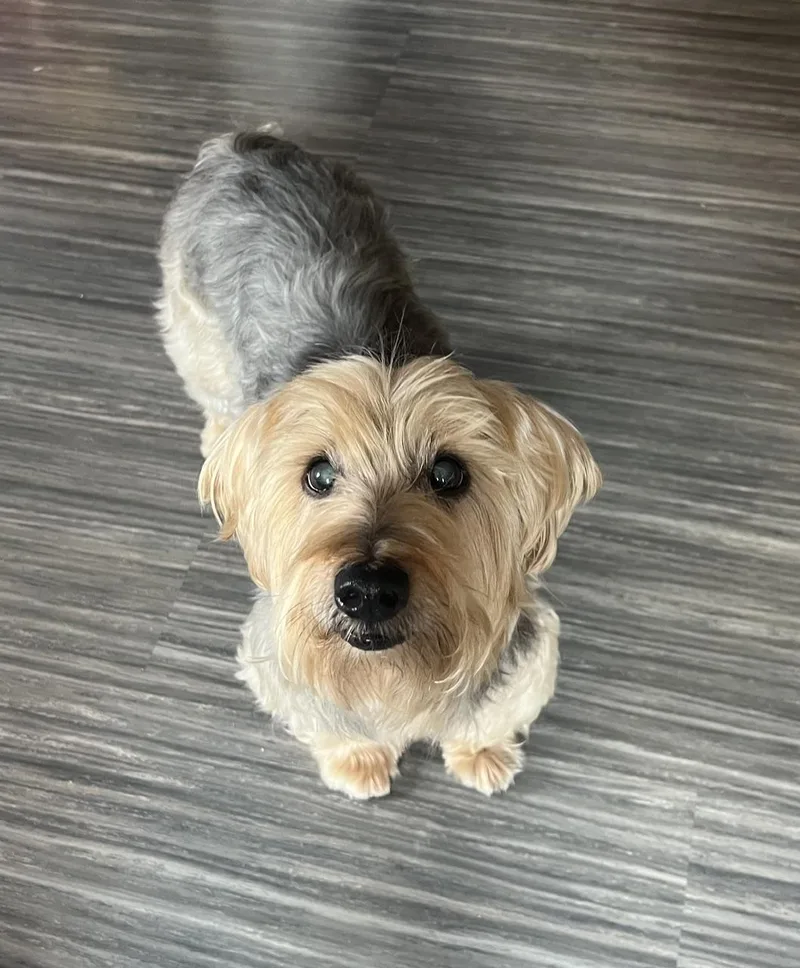
16 Salukis available in Wilmington and nationwide

Give a Saluki a home

While we don't have enough dogs near Wilmington, keep in mind that many rescues may offer transport.

Salukis Available for Adoption Near Wilmington

About the Saluki breed

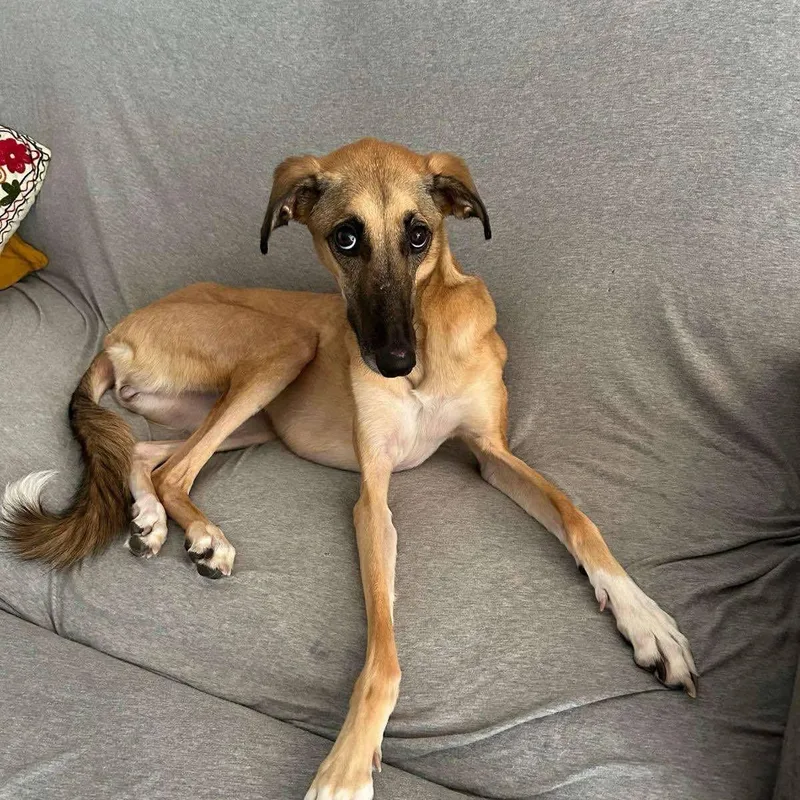
The Saluki is a sighthound from the Middle East and the Fertile Crescent, where nomadic peoples used it to course gazelle and hare across open desert. Artwork resembling the breed appears in ancient Mesopotamian and Egyptian sites. Salukis come in a feathered coat with silky fringes on the ears and tail, or a smooth coat, in colors from cream and red to black and tan, and they're lean, long-legged and built for distance.

Many Salukis are quiet, dignified and affectionate with their own people while staying reserved with strangers. Prey drive is intense, so cats and small pets may not be safe, and a fenced yard matters more than a big park. They suit patient adopters who offer soft bedding, daily exercise and low-pressure training, which pairs well with Wilmington's walkable neighborhoods and green space.

Weight
35–65 lbs
Height
23–28 in
Lifespan
12–15 yrs
Temperament
Gentle, Independent, Dignified, Athletic
Group
Hound
Shedding
Low

Owning a Saluki in Wilmington

Having a Saluki in Wilmington

A Saluki's eyes and legs run the show: it spots movement far away and wants to chase it. Its independent mind and lean, thin-skinned body shape everything from training to winter gear in Wilmington.

Temperament

Salukis are often sensitive, quiet and loyal, bonding closely with one or two people and staying aloof with visitors. Many are calm indoors and dislike rough play or noisy chaos. Prey drive can make small animals unsafe, and shy dogs may need patient introductions. Each Saluki differs, so judge the dog in front of you.

Exercise Needs

Plan on a long daily walk plus chances to sprint somewhere secure, since recall usually fails once a Saluki spots prey. In Wilmington, that means leashed miles on the Northern Delaware Greenway or the Riverwalk, with fenced space for sprints. Sniffing walks and gentle training add mental work. Between bursts, many Salukis nap for hours.

Health Considerations

Salukis are generally sturdy, but heart disease, hemangiosarcoma and other cancers, and hypothyroidism are the breed's main concerns. Healthy Salukis often have low thyroid values, so a vet familiar with sighthounds helps. Low body fat means anesthesia needs care, and thin skin tears easily. A veterinarian can check the heart and thyroid after adoption.

Living Space

Wilmington's rowhouses, apartments and older houses can all work if a Saluki gets daily exercise and a calm routine. A high, secure fence is very valuable for yard access, since many Salukis jump or squeeze through gaps when chasing. Padded bedding protects bony joints, and a warm coat helps in cold months.

What it costs to own a Saluki in Wilmington

ExpenseTypical costPer year
Food$55 to $110 per month$660 to $1,320
Pet insurance$55 to $110 per month$660 to $1,320
Routine vet care$250 to $500 per year$250 to $500
Other*$535 to $1,565 per year$535 to $1,565
Estimated yearly total (after year one)$2,105 to $4,705

Other costs are estimates and vary with size, age and health.

* The Delaware dog license, flea, tick and heartworm prevention, a dental cleaning allowance, toys and supplies, minimal home grooming, and a winter coat and padded bedding for a thin-skinned sighthound.

Adopt a Saluki in Wilmington.

Now that you know more, let’s find you a new best friend. These rescues and shelters below have dogs available in and near Wilmington.

Rescues and Shelters in or near Wilmington

Wilmington's adoption community includes city and nearby New Castle shelters and rescues that list dogs of every size and age. Here are the rescues & shelters in the Wilmington area with dogs available for adoption, worth asking whether a Saluki is coming in.

Frequently Asked Questions

Yes, you can own a Saluki in Wilmington. Delaware bars labeling a dog potentially dangerous based solely on breed, and Wilmington has no known breed-specific rules today. State law also treats tethering a dog nine or more consecutive hours in 24 as cruelty, so plan on a secure fenced yard or indoor time rather than a tie-out, which suits a Saluki's chase instinct anyway.

Yes, most Salukis can handle winter in Wilmington with the right gear, though they need more help than thick-coated dogs. Their low body fat means a coat on walks and warm bedding indoors. Delaware law also bars leaving a dog outside unattended in hazardous weather, so a Saluki should spend freezing nights and snowstorms inside.

Brandywine Park and Rockford Park are the best choices, but use their off-leash areas only if your Saluki has proven it stays under control, since most can't be recalled once prey appears. Dogs must stay leashed until the off-leash boundary, and Brandywine Park bars them from its playground, zoo and picnic areas. The Russell W. Peterson Urban Wildlife Refuge also asks visitors to leash pets.

A Saluki fits Wilmington well if you can offer leashed daily walks, a calm home and a warm winter setup. The city's walkable rowhouse neighborhoods and riverfront paths supply the routine. It's a harder fit if you're gone long hours, since many Salukis bond closely and some develop separation anxiety, or if you share your home with cats or other small pets.

No, Salukis can't ride DART First State buses, since riders leave pets at home except guide dogs. SEPTA Regional Rail from the Wilmington station requires pets to be in a carrier, and most Salukis, at 35 to 65 pounds, won't fit in one. Plan on walking or driving instead.

Yes, a leashed Saluki can join you on Wilmington restaurant patios when the restaurant allows dogs, under a 2020 Delaware law that leaves the choice to each business. Indoor dining is off limits to pets other than service animals. Many Salukis lie quietly under a table, but keep the leash short, since a small dog nearby can trigger a chase.

A Saluki needs little grooming in Wilmington: weekly brushing for a feathered coat, an occasional wipe-down for a smooth one, and regular nail trims. Feathering on the ears and tail can tangle after muddy spring walks, and winter calls for wiping paws after salted sidewalks. Professional grooming is rarely needed and falls under the Other costs.

A Saluki is a tall, slender sighthound from the Middle East, bred to chase gazelle and hare by sight across open country. It has long legs, a narrow head, a deep chest and either silky feathering or a smooth coat. Many are gentle, quiet and independent at home, with an intense chase instinct outdoors.

A Saluki can run roughly 40 miles per hour at full speed, and the 1996 Guinness Book of Records listed one at about 42.8 mph. Greyhounds may be quicker over a short sprint, but Salukis are known for holding high speed over longer distances. That speed is why secure fencing and leashes matter so much for this breed.

Expect roughly $55–$110 a month for food and $55–$110 for insurance, plus $250–$500 a year for routine vet care and $535–$1,565 a year in other costs. That puts a typical year at about $2,100–$4,700, not counting emergencies or illness. Winter coats and padded bedding for a lean Saluki add to the Other line.