Shar-Pei Dogs for Adoption in Washington, DC

Your guide to finding and caring for a Shar-Pei in DC

A Shar-Pei suits a Petworth rowhouse or a Columbia Heights apartment better than its scowl might suggest. They're calm indoors and content with two moderate walks a day, which fits a city of leashed strolls along Georgia Avenue and quiet side streets. Shar-Peis are often reserved with strangers, so a less crowded block helps. The hard part is DC's humid July heat, since the breed overheats easily and does best with early walks and a cool home.

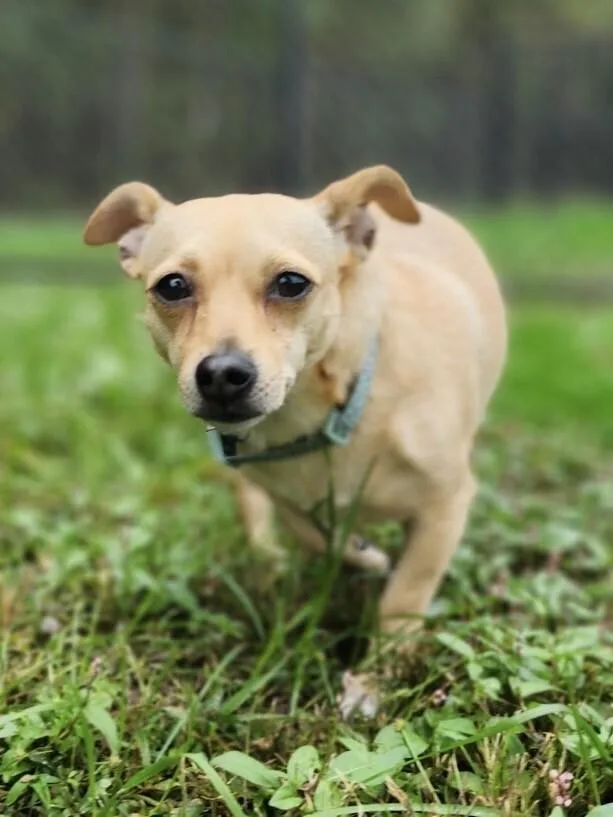
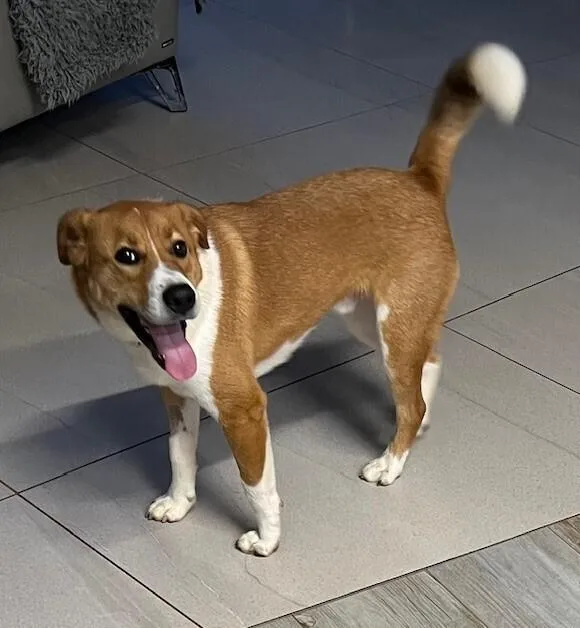
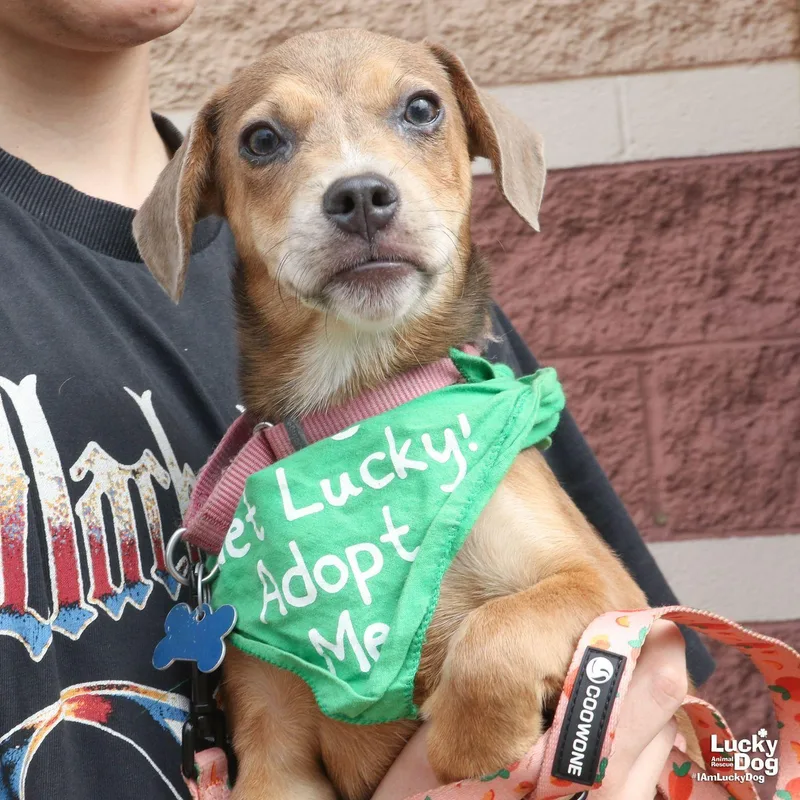
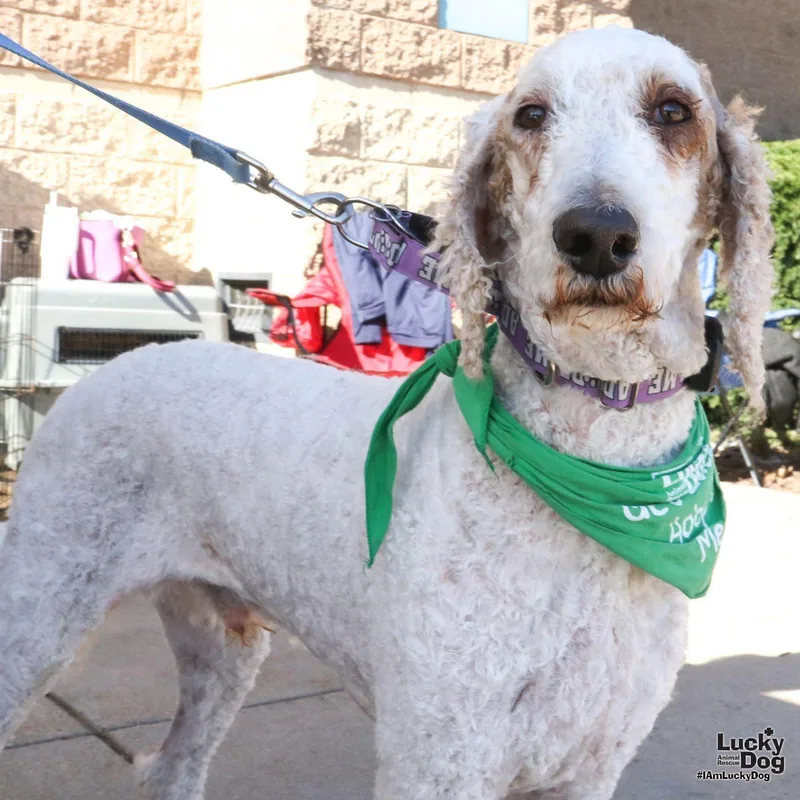
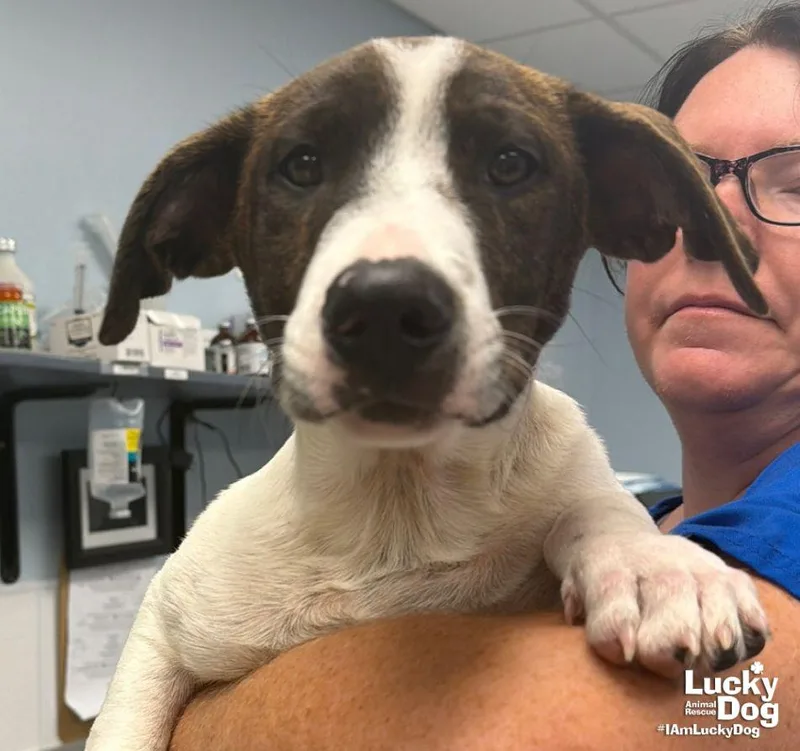
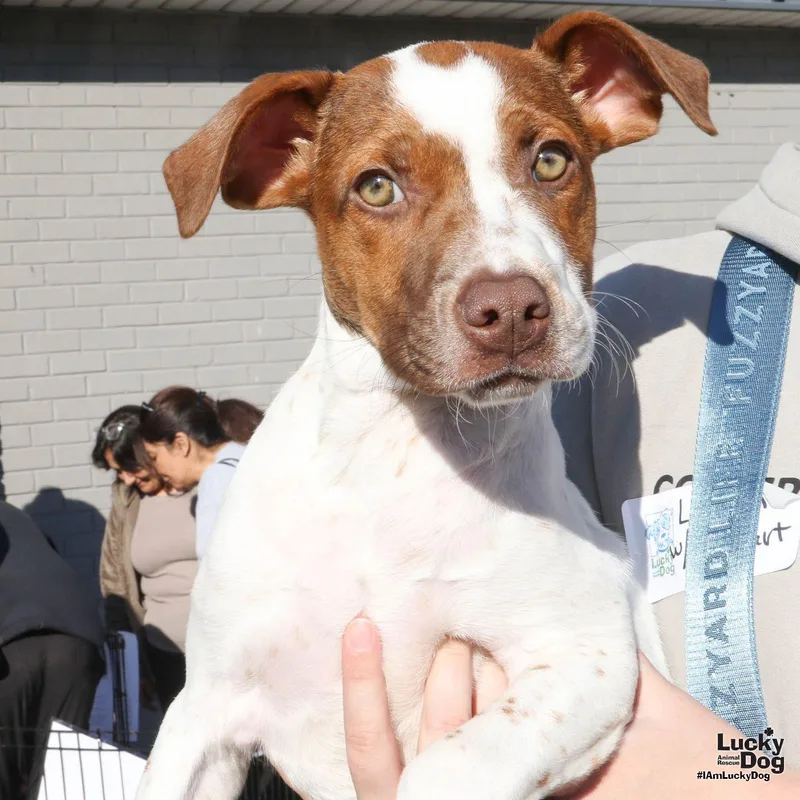
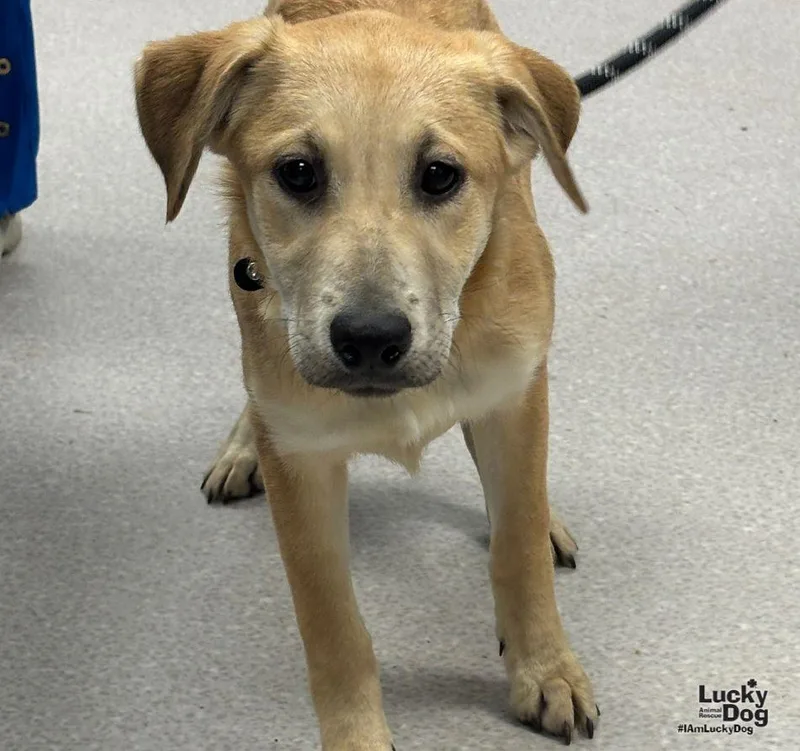
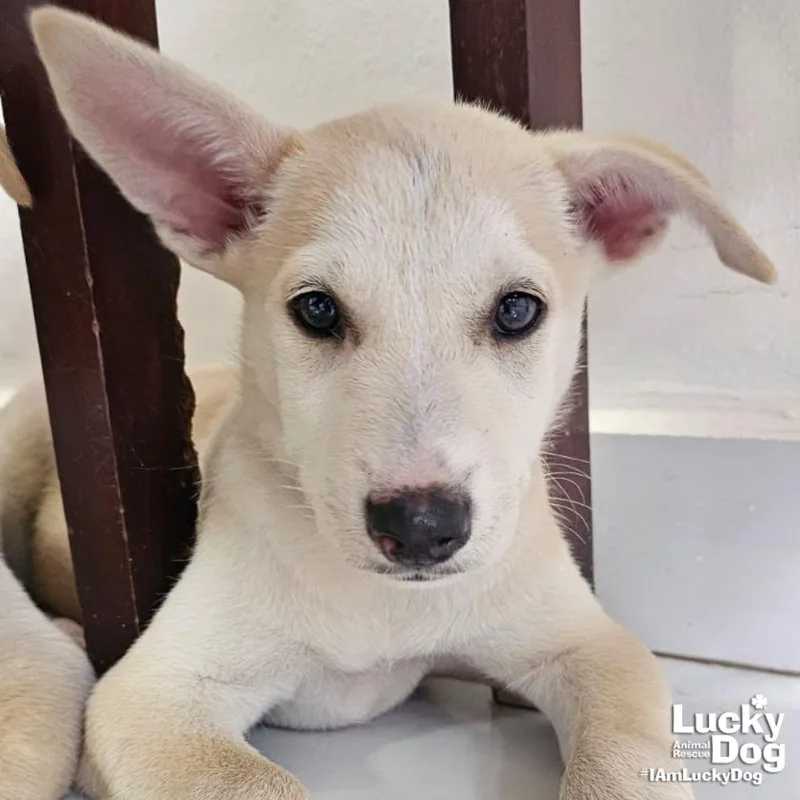
678 Shar-Peis available in Washington and nationwide

Bring home a Shar-Pei

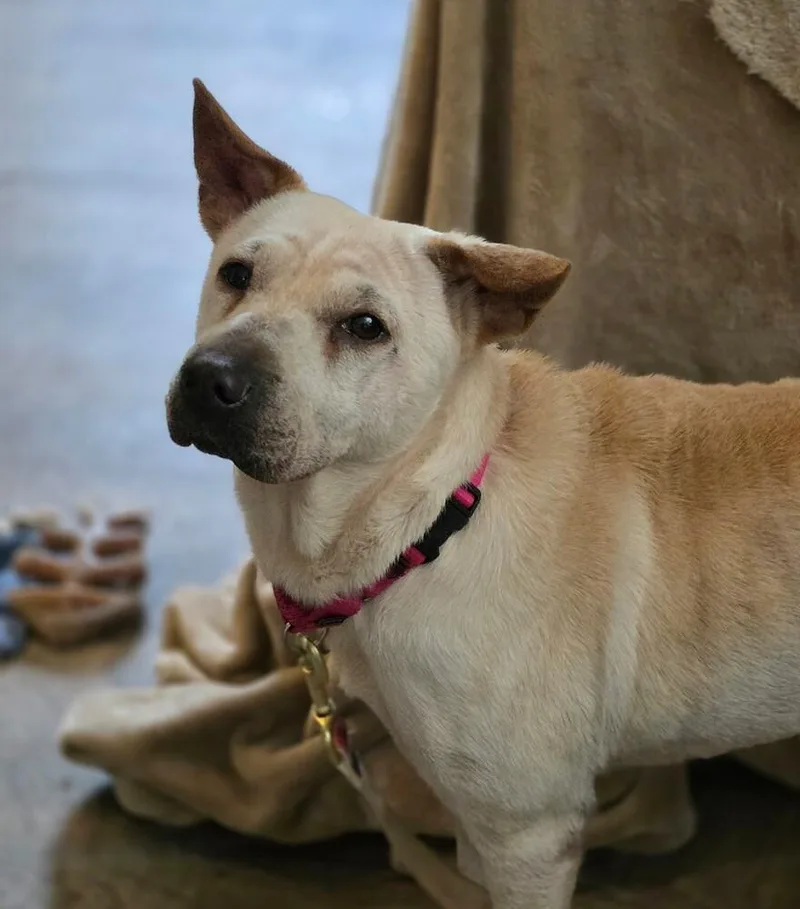
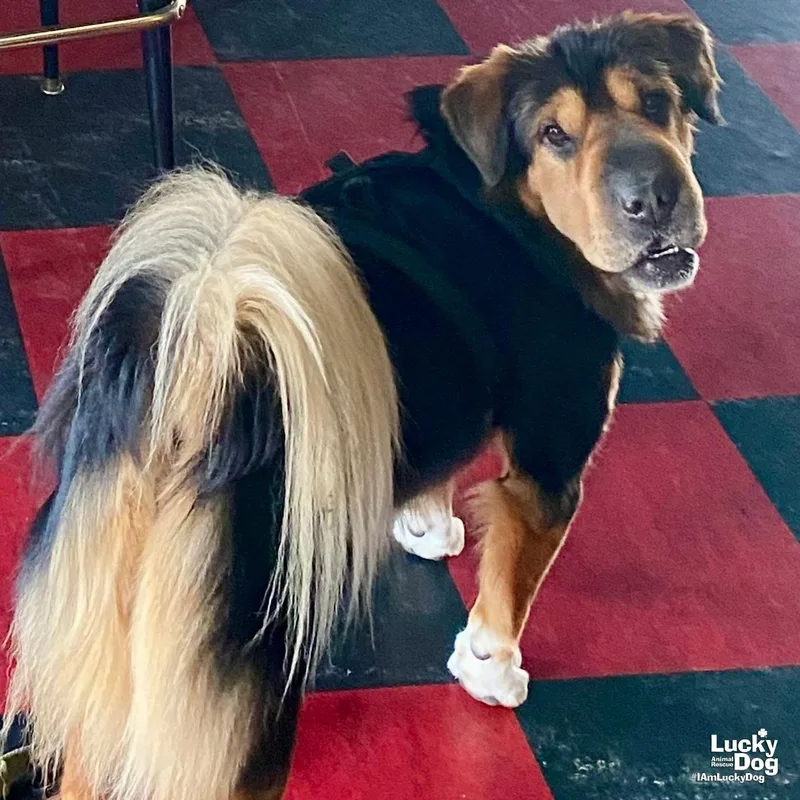
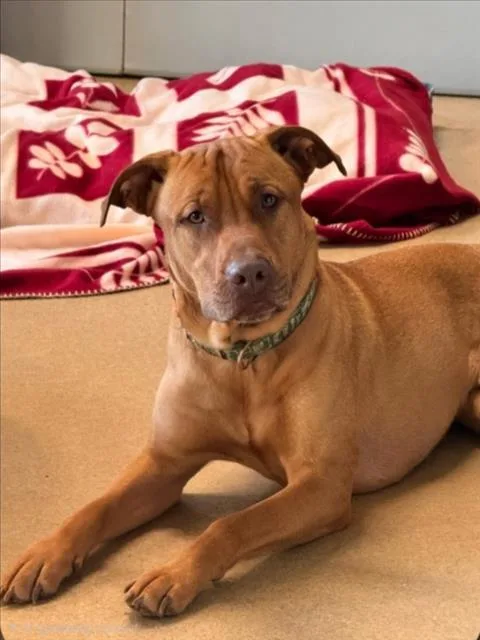
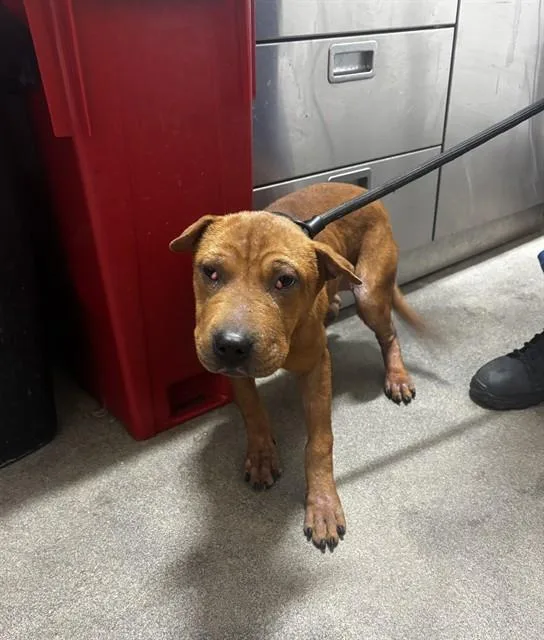
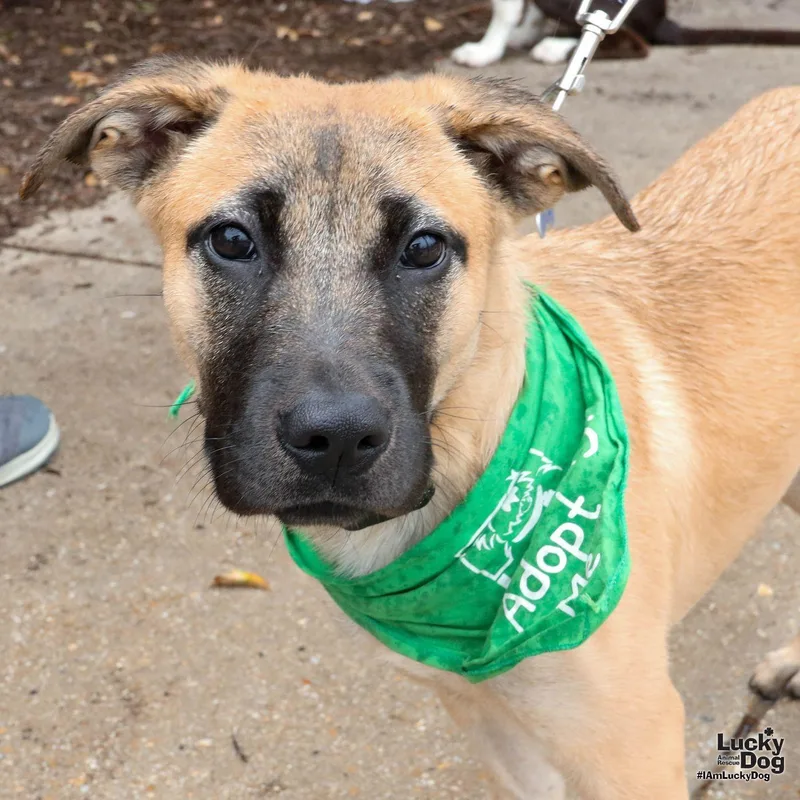
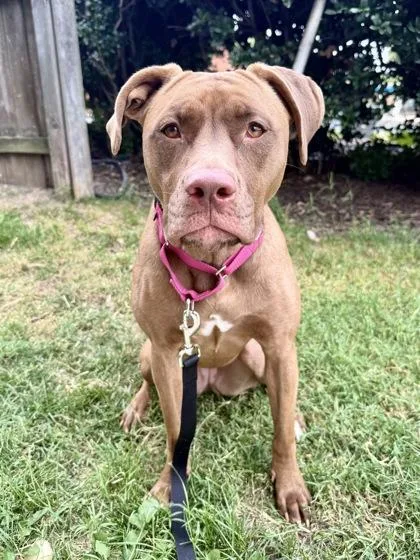
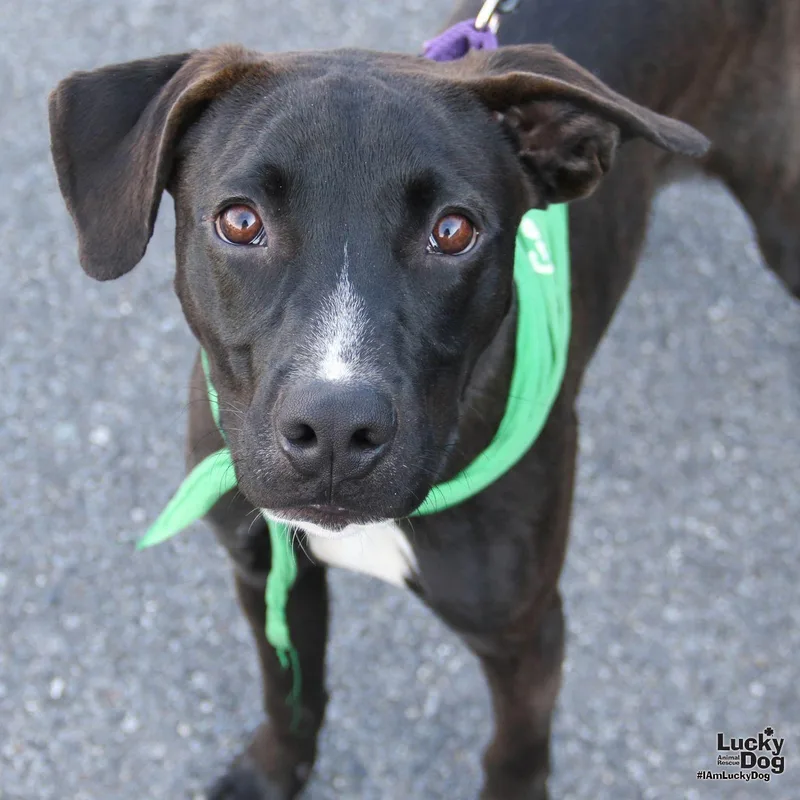
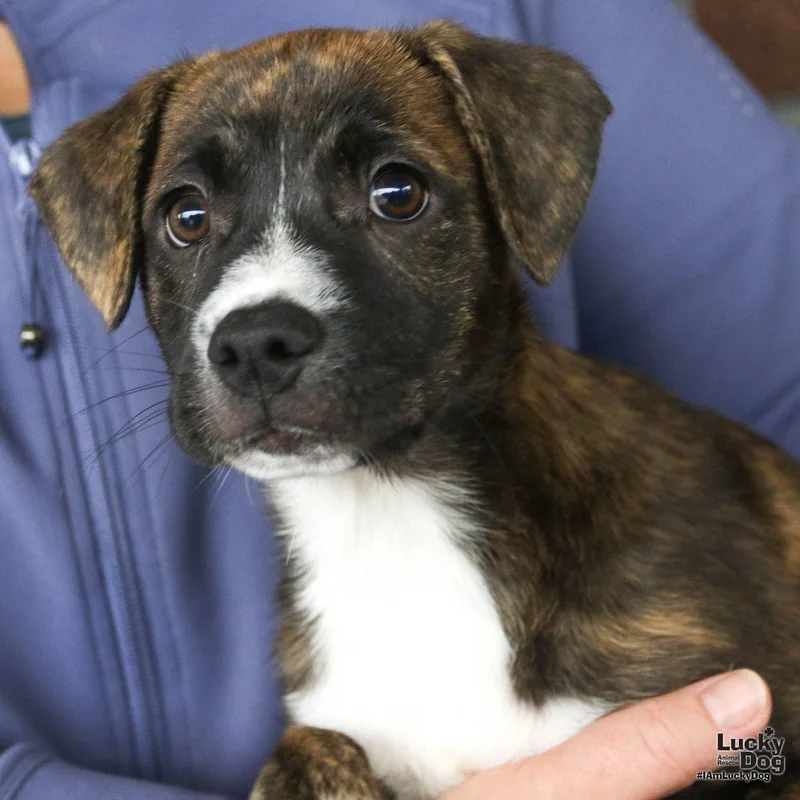
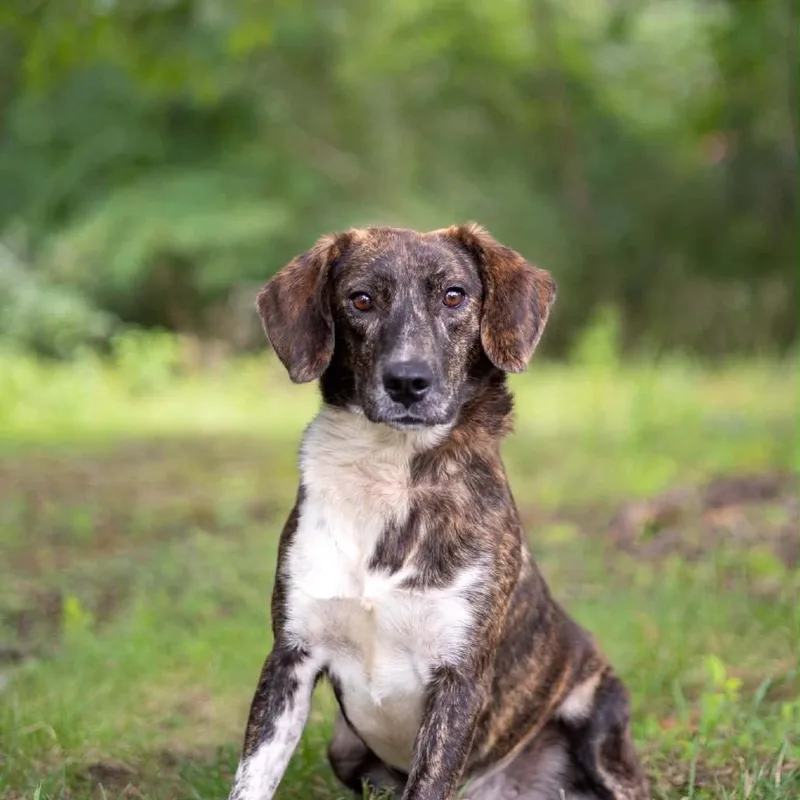
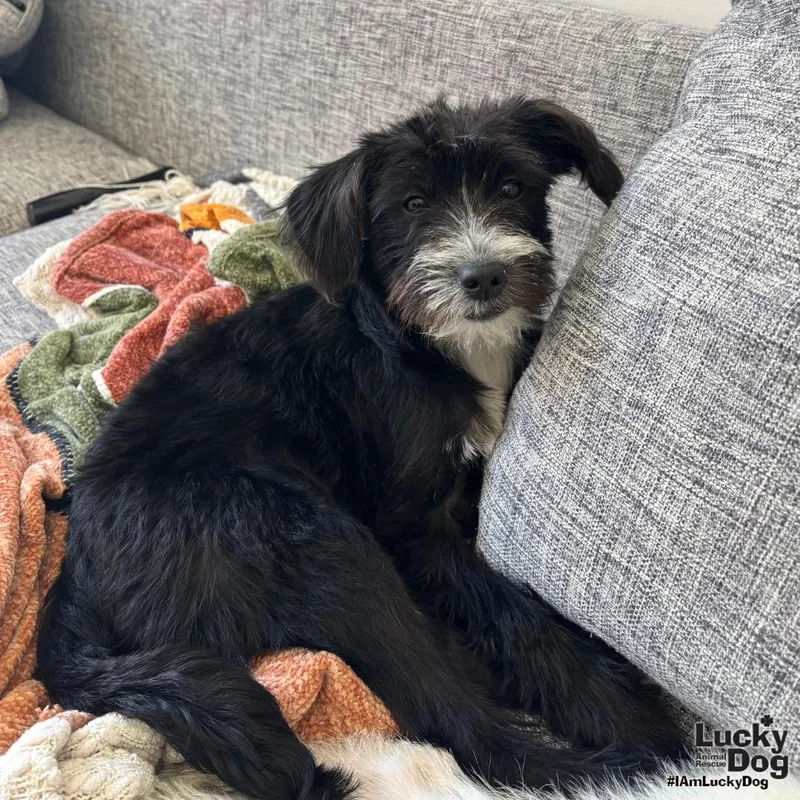
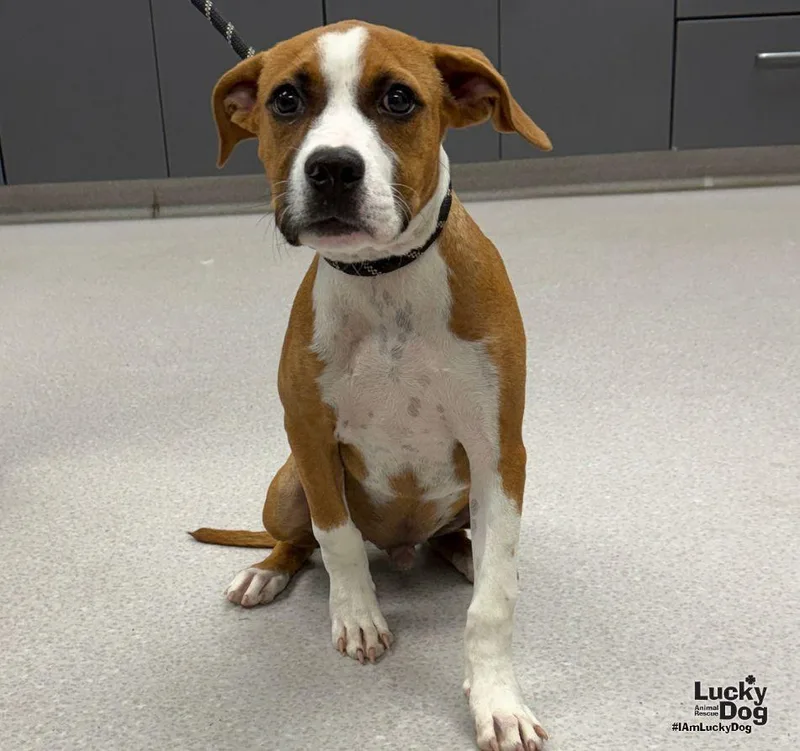
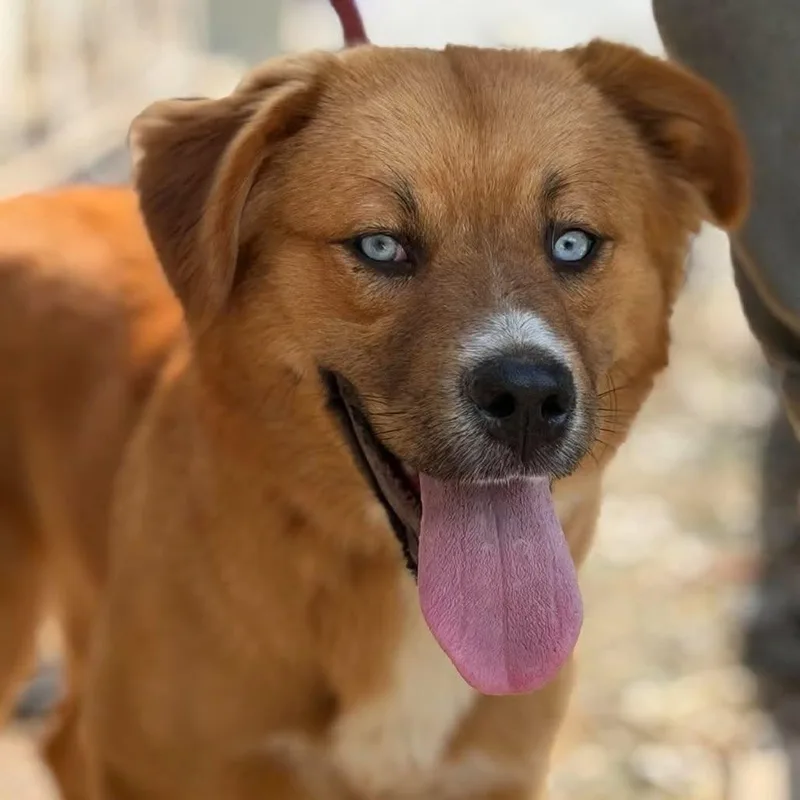
Shar-Peis Available for Adoption Near Washington

About the Shar-Pei breed

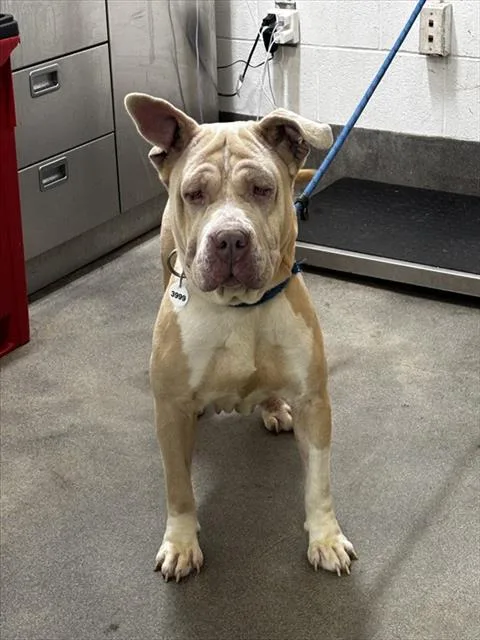
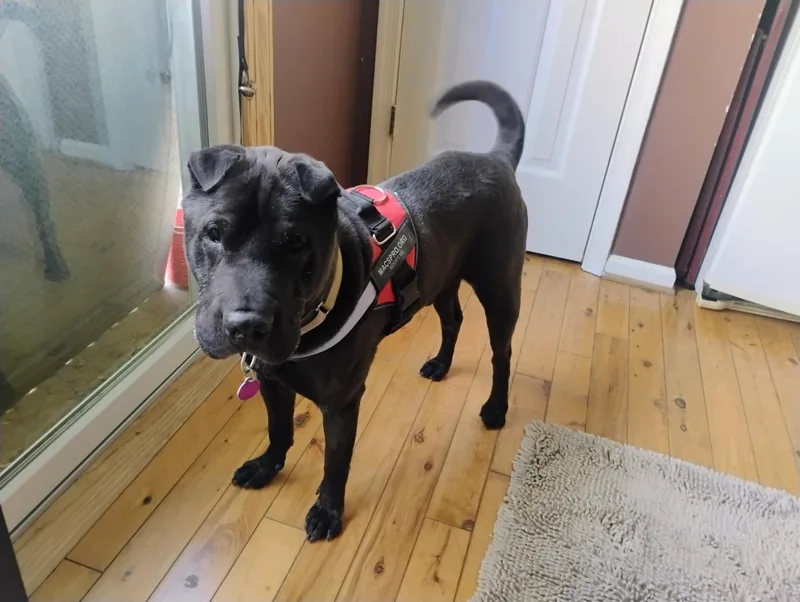
The Shar-Pei is a medium, square-built dog from southern China, known for deep wrinkles, a broad "hippopotamus" muzzle, small flat ears and a blue-black tongue. Its harsh, short coat gave the breed its name, which means sand skin. Adults usually weigh 45 to 60 pounds, and wrinkles often settle mostly on the head, neck and withers as a puppy matures.

In a city like Washington, the Shar-Pei's dignified, independent streak is a good match for owners who like a quiet companion. Many are clean, loyal and devoted to their family, though they can be aloof with visitors and picky about other dogs. Their care needs run higher than the short coat suggests, with skin folds, ears and eyes needing regular attention and a veterinarian who knows the breed.

Weight
45–60 lbs
Height
18–20 in
Lifespan
8–12 yrs
Temperament
Independent, Loyal, Protective, Calm
Group
Non-Sporting
Shedding
Moderate

Owning a Shar-Pei in Washington

Having a Shar-Pei in DC

In DC, a Shar-Pei is a medium, low-key dog whose real work is upkeep. Skin folds, ears and eyes need regular checks, and humid summers call for careful cooling. Dogs vary, so weigh your routine, building and budget.

Temperament

Shar-Peis are often loyal, calm and reserved, strongly attached to their own people and standoffish with strangers. On busy DC sidewalks, space and good manners matter, so reward-based training and gradual exposure to crowds, dogs and noise help. Some are choosy about other dogs, and each Shar-Pei has its own personality.

Exercise Needs

Plan on two daily walks plus some play or training games. Leashed loops on Rock Creek Park trails or quiet rowhouse blocks work well, while fenced dog parks suit only dogs that enjoy other dogs. In summer, shorten outings and walk early or after sunset, because a broad muzzle and heavy skin make overheating easier.

Health Considerations

Familial Shar-Pei fever, entropion, skin allergies, and fold and ear infections are the main concerns. Watch for unexplained fevers, swollen hocks, squinting or red eyes, and constant scratching. A veterinarian familiar with the breed can check eyes, skin and kidneys. Rain falls in every DC month, so dry the folds after wet walks.

Living Space

A Shar-Pei can do well in a DC apartment or rowhouse because it's usually quiet indoors. Fit depends more on keeping the home cool in July and August and on a secure leash routine. Hallways and elevators mean close passes with other dogs, so practice calm greetings.

What it costs to own a Shar-Pei in Washington

ExpenseTypical costPer year
Adoption fee$400, one time$400 in year one
Food$35 to $70 per month$420 to $840
Pet insurance$55 to $100 per month$660 to $1,200
Routine vet care$225 to $450 per year$225 to $450
Other*$490 to $1,500 per year$490 to $1,500
Estimated yearly total (after year one)$1,795 to $3,990
First-year total (with adoption fee)$2,195 to $4,390

Adoption fee is the fee on Shar-Pei listings in Washington on GetBuddy today. Other costs are estimates and vary with size, age and health.

* The $15 to $50 DC dog license, flea, tick and heartworm prevention, a dental cleaning allowance, toys and bedding, simple coat care, and cleansers and wipes for skin folds and ears.

Adopt a Shar-Pei in Washington.

Now that you know more, let’s find you a new best friend. These rescues and shelters below currently have Shar-Peis available.

Rescues in Washington with Shar-Peis Available

Washington's shelters and foster-based rescues care for dogs of every size, and their current listings appear below. Here are the rescues & shelters in the DC area where you can find Shar-Peis and other dogs available for adoption.

Frequently Asked Questions

Yes, you can get a Shar-Pei in Washington. DC has no breed ban, and its dangerous-dog rules judge a dog's behavior, not its breed. Expect a yearly dog license ($15 if spayed or neutered, $50 otherwise), rabies and distemper vaccines after four months, and a leash outside official dog parks. Seven or more animals require a hobby permit.

Yes, a Shar-Pei can live in a DC apartment if the unit stays cool and walks are reliable. They're usually quiet and calm indoors, which suits buildings in Columbia Heights or Shaw. Plan for hallway and elevator manners, since some are choosy about other dogs, and read the lease's pet terms before you sign.

Shar-Peis can handle a DC summer with care, but heat is their hardest season. Expect about 40 days at 90°F or higher, plus humidity. Walk at dawn or after sunset, keep the home cool, offer water, and avoid hot pavement. DC law bars leaving a dog outside unattended for more than 15 minutes above 90°F.

Rock Creek Park is the best bet for leashed Shar-Pei walks, with a leash no longer than six feet. Kingman Island and the Anacostia Riverwalk Trail also allow leashed dogs. Off-leash spots like Walter Pierce in Adams Morgan require a license, vaccination and a dog-park tag, so pick quiet hours if your dog is selective about other dogs.

No, a Shar-Pei is too large for Metro unless it is a service animal. Metrorail and Metrobus allow pets only in a closed carrier small enough to carry, and the carrier can't take a seat. A 45 to 60 pound dog won't fit one. The DC Streetcar also requires a crate for pets.

Sometimes, on patios only. DC law lets restaurants and bars choose to allow dogs in outdoor dining areas and sidewalk cafés, and a posted sign says so. Dogs must stay leashed or in a carrier and never unattended, and indoor dining rooms remain off-limits. A Shar-Pei that's wary of strangers may prefer a quiet corner table.

A Shar-Pei needs little brushing but steady skin care. Brush weekly with a rubber curry to remove loose hair, wipe and dry facial folds, and clean ears as your veterinarian advises. DC's humid summers and rainy days can leave folds damp, so dry them after walks and baths. Supplies fit inside the yearly Other costs on this page.

A Shar-Pei fits DC life if you can offer two moderate walks a day, a cool home in summer and calm handling around crowds. Their reserved nature suits quiet rowhouse blocks more than packed events. If you want a dog-park regular or a dog that tolerates long days alone, other breeds may be easier. Each dog differs.

We have 2 rescues with Shar-Peis available: K-9 Lifesavers and Lucky Dog Animal Rescue. You can see every rescue with Shar-Peis available in the list above these questions, or scroll to the top to see the Shar-Peis near Washington.

Expect roughly $1,800 to $4,000 a year in total. Food runs $35 to $70 a month, pet insurance $55 to $100 a month, routine vet care $225 to $450 a year, and other costs $490 to $1,500 a year. Skin, eye and ear problems can add vet bills, so budgeting a cushion is wise.