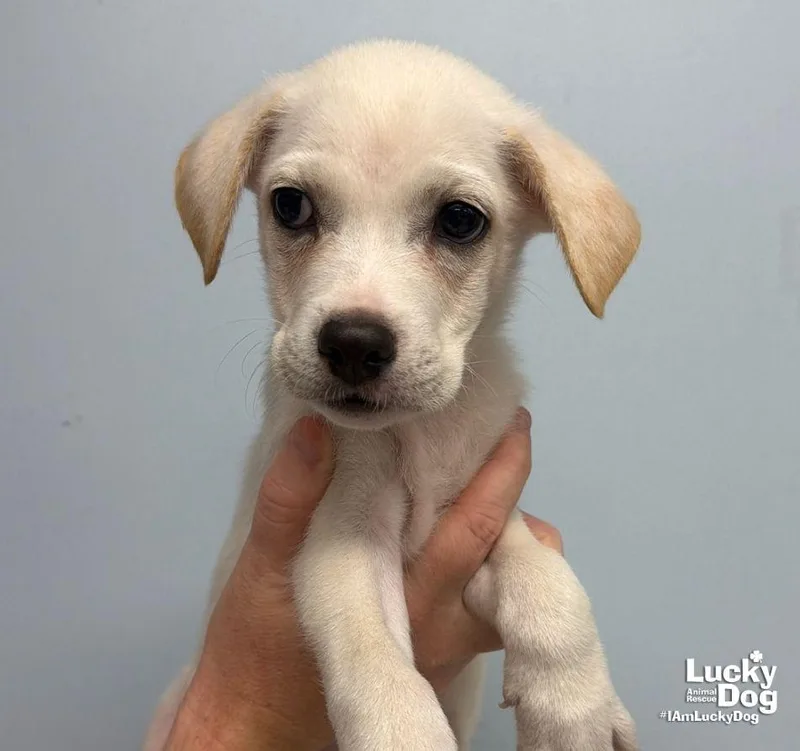
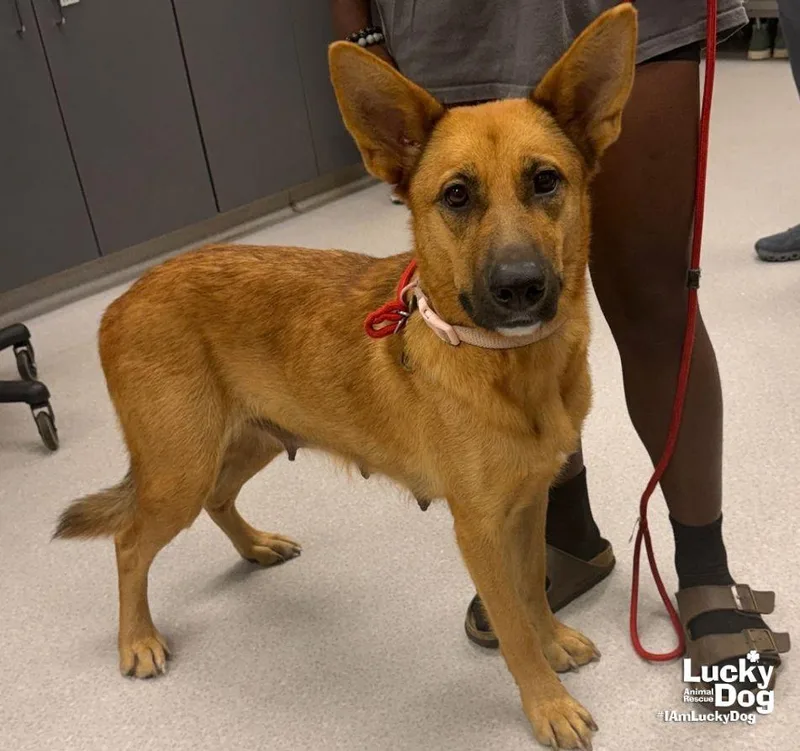
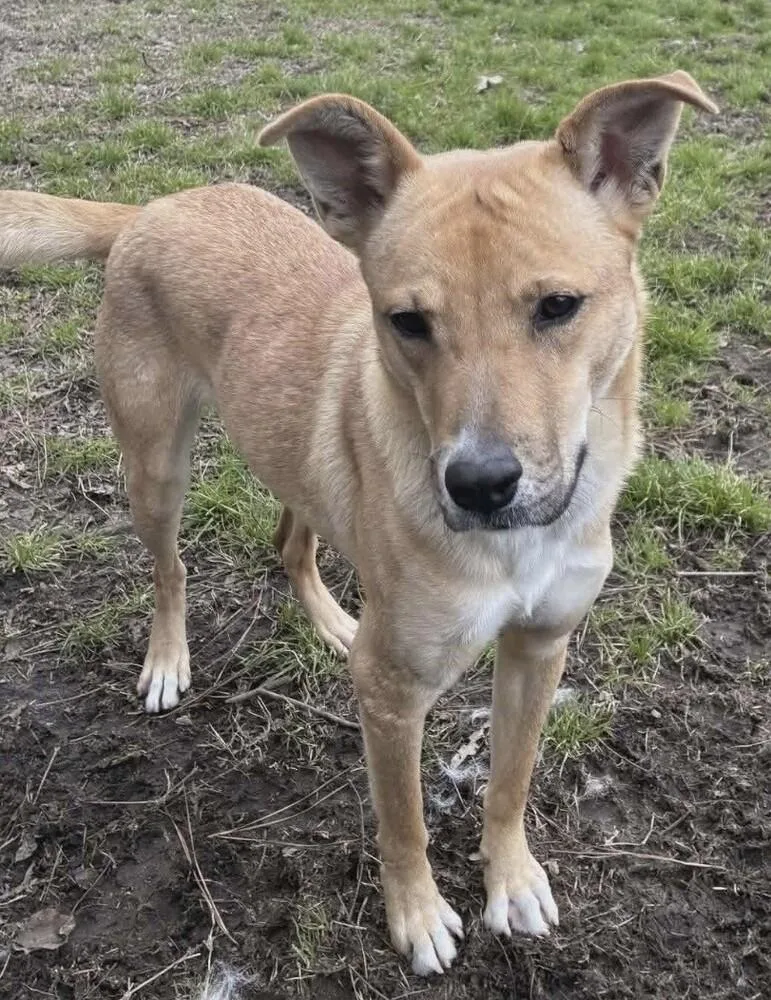
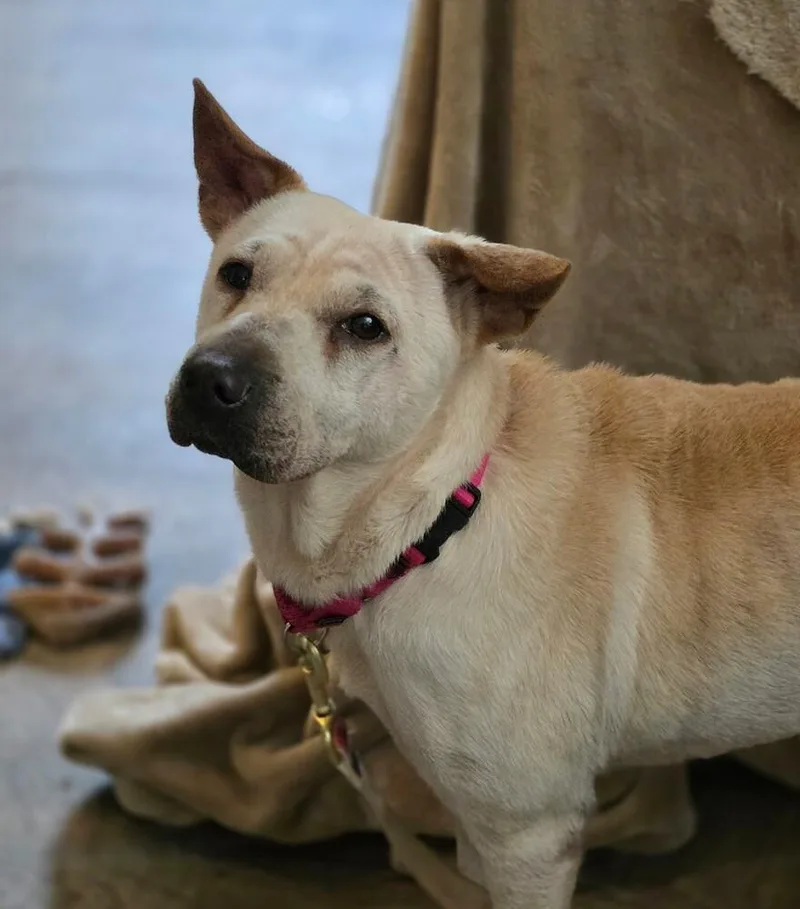
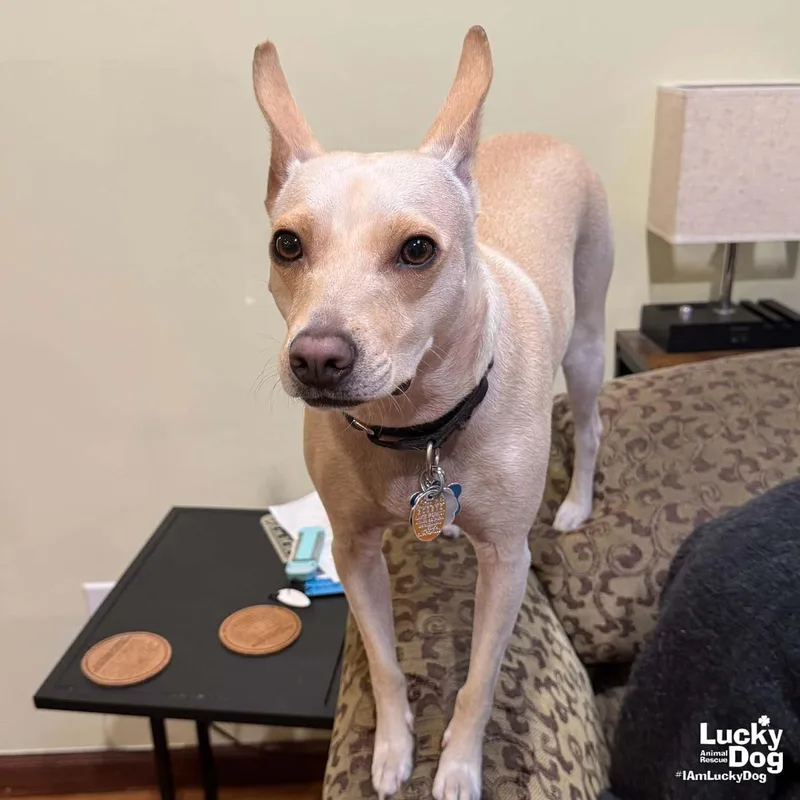
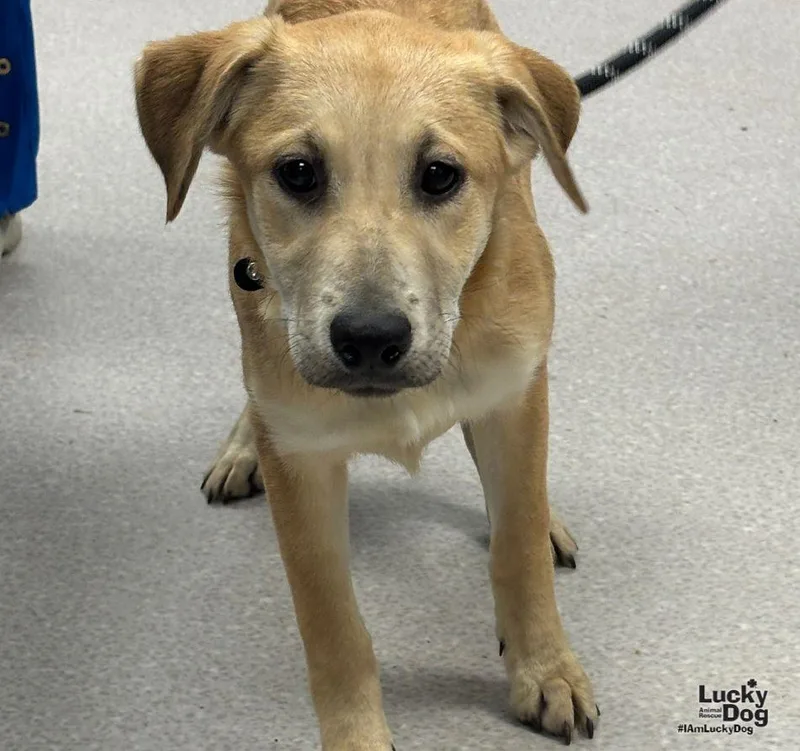
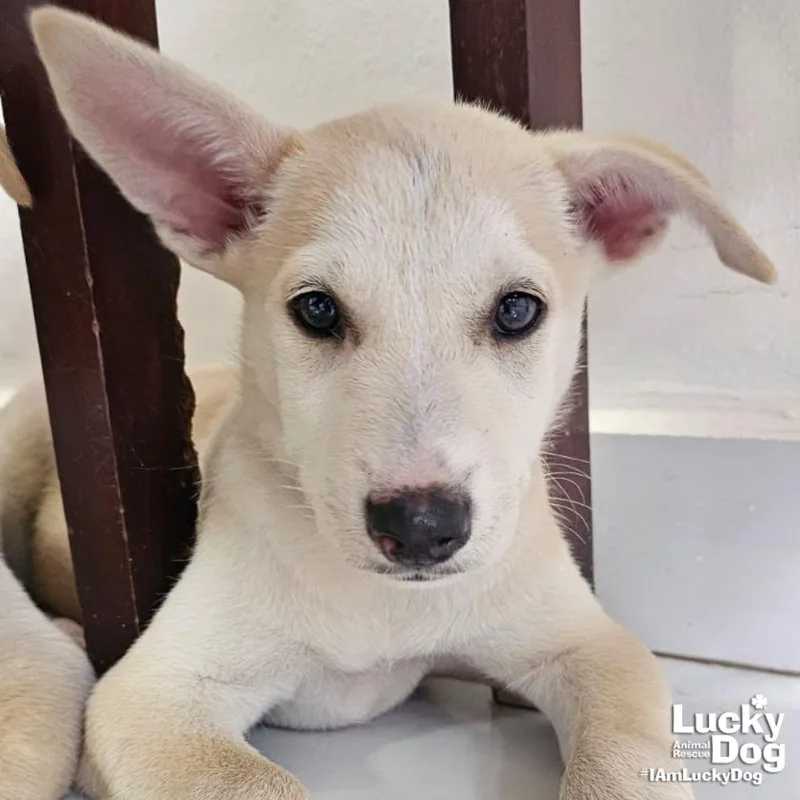
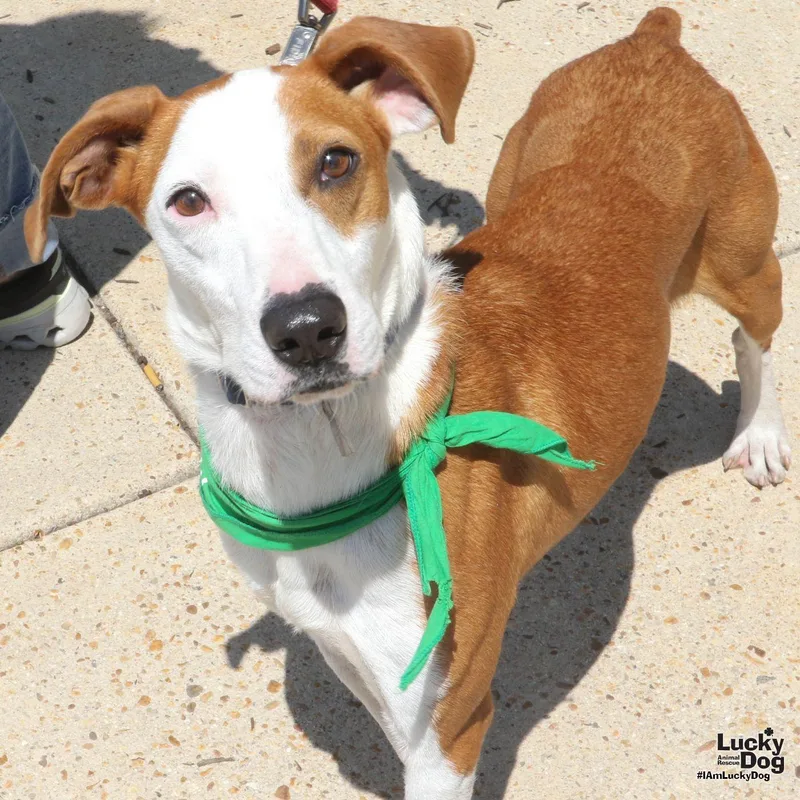
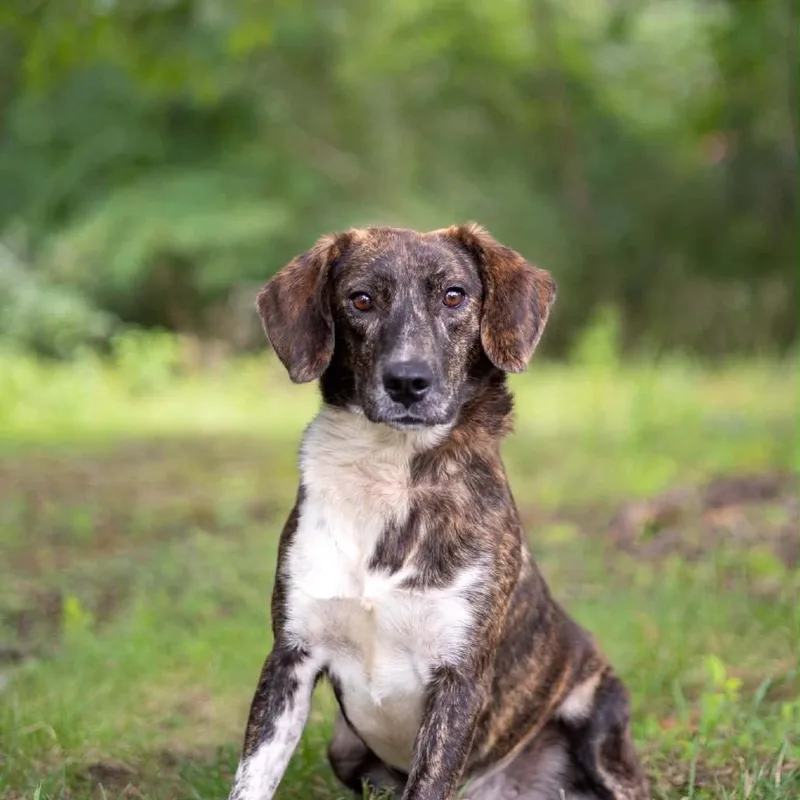
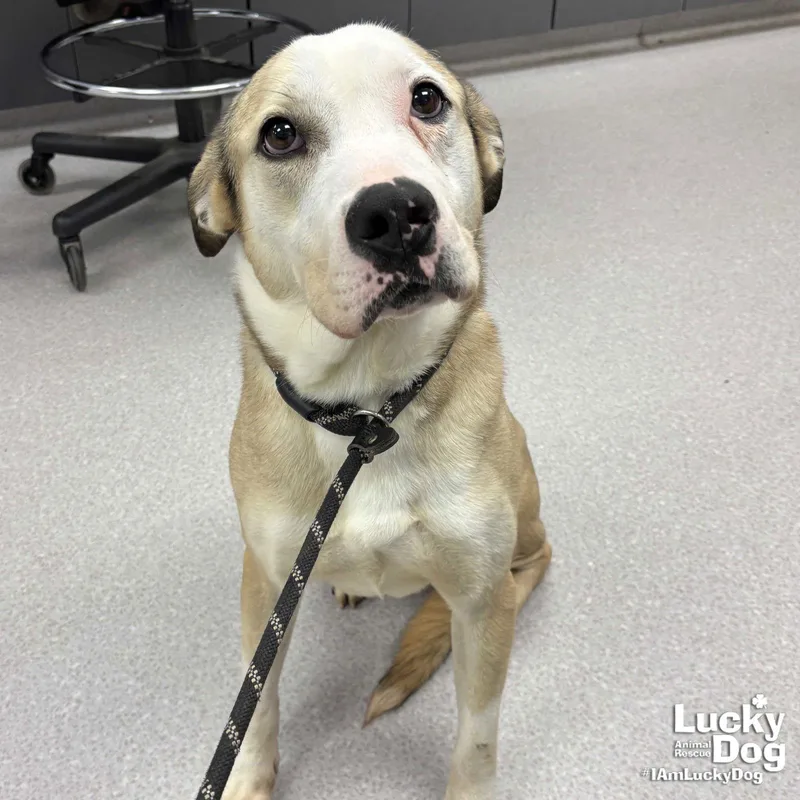
Carolina Dogs for Adoption in Washington, DC

Your guide to finding and caring for a Carolina Dog in DC

Carolina Dogs fit Washington best in quieter neighborhoods where they can learn the routine at their own pace. A house with a yard in Brookland or Hillcrest gives a watchful, shy dog room to settle without constant foot traffic. They're lean, athletic walkers, so the wooded trails around Fort Dupont Park suit them well on a leash. Many are found as strays and labeled by looks alone, so expect some patience. Plan on a secure fence, since these dogs dig and climb.

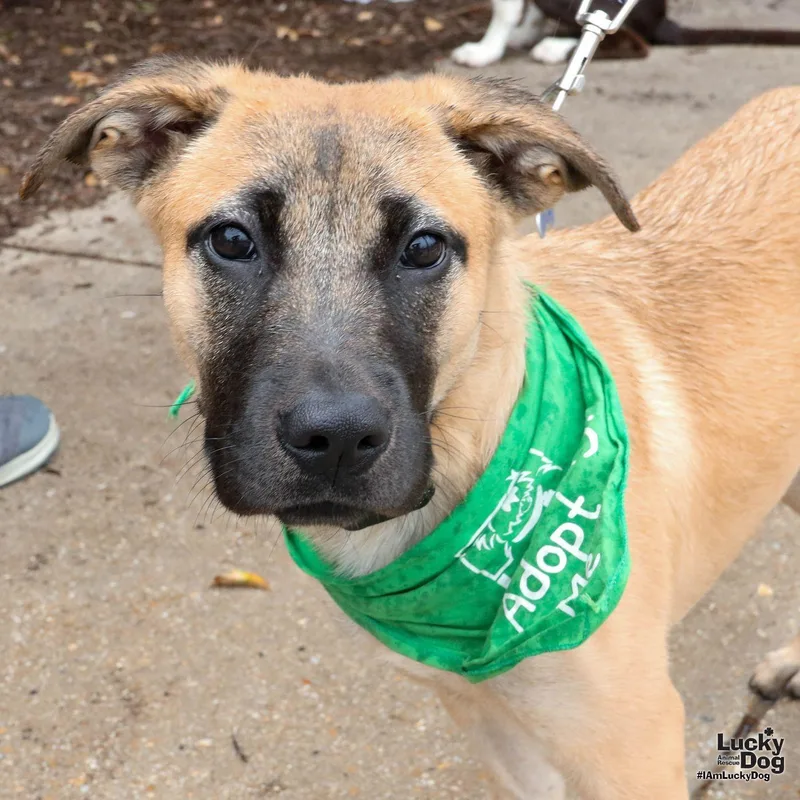
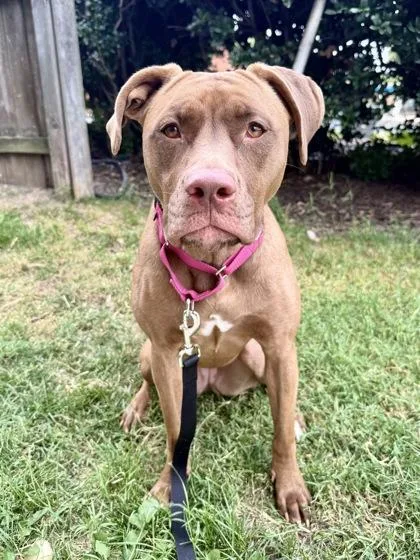
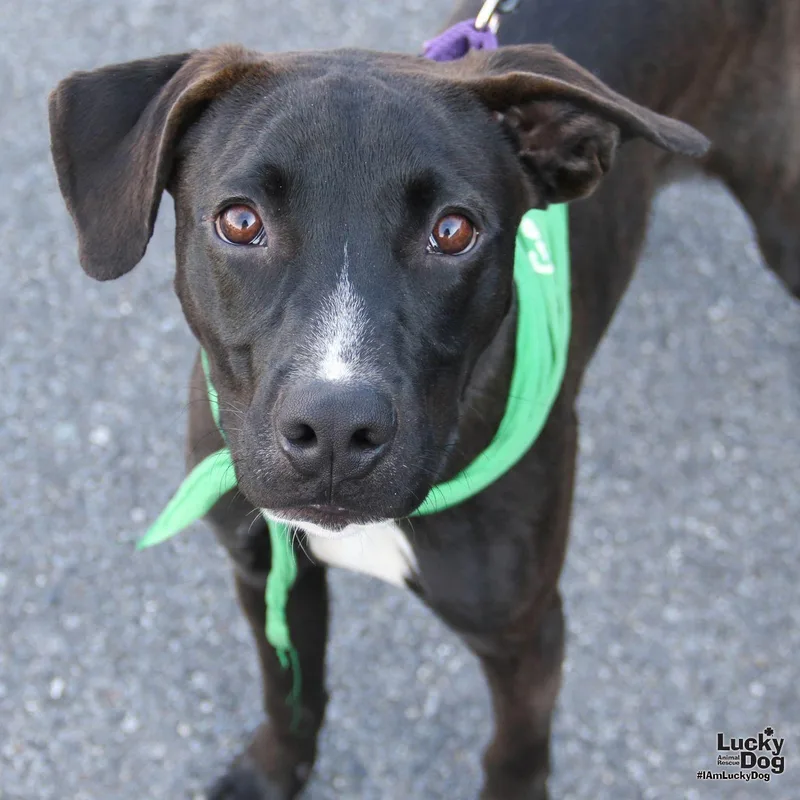
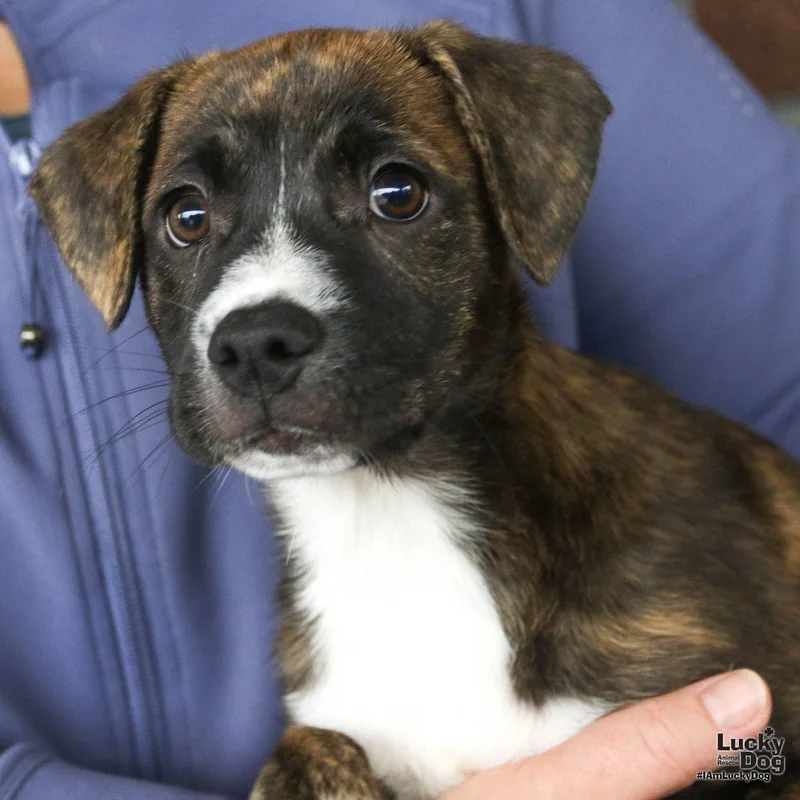
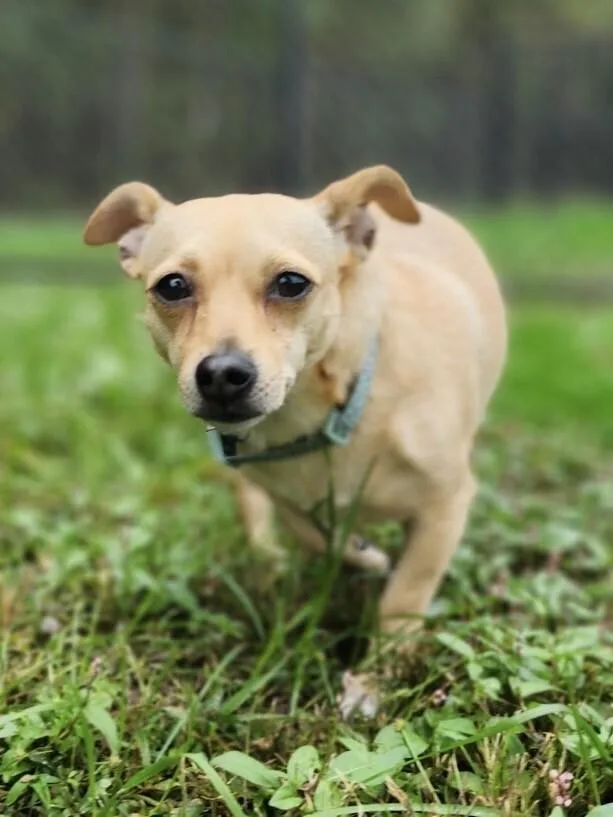
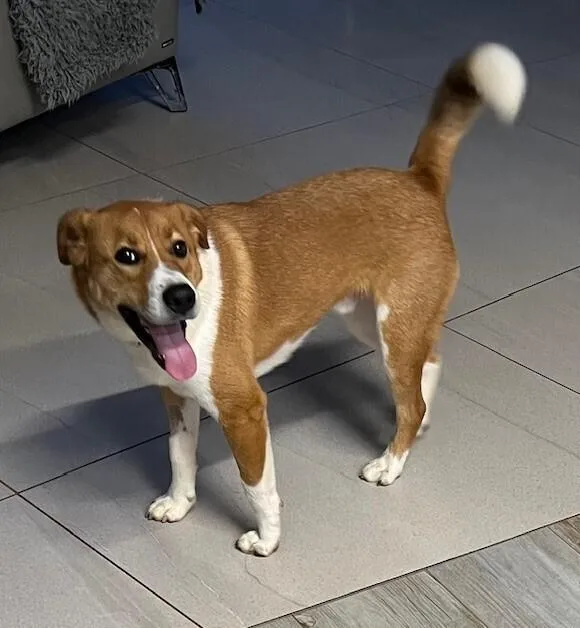
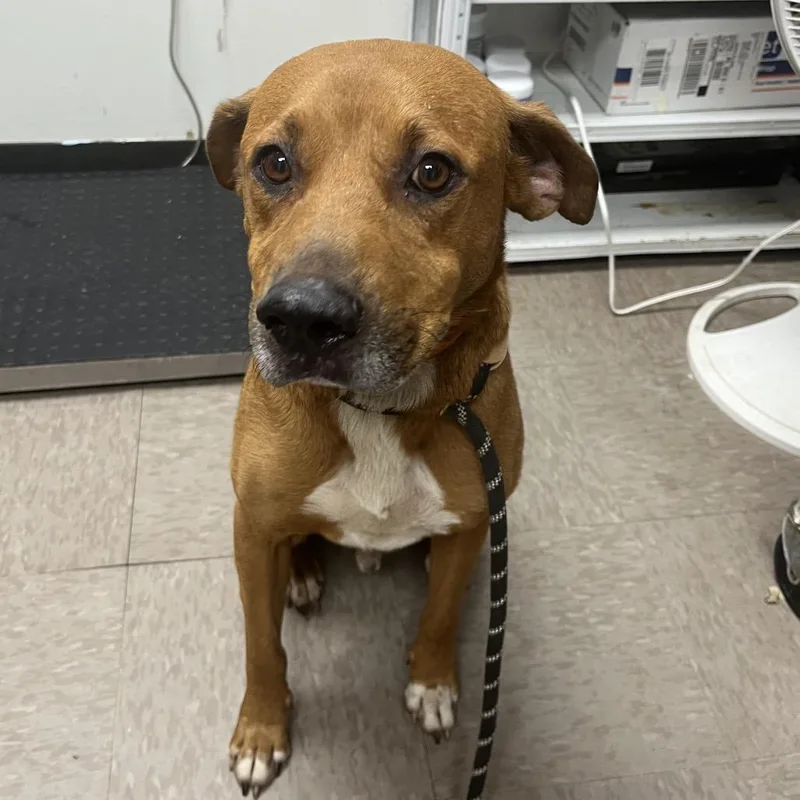
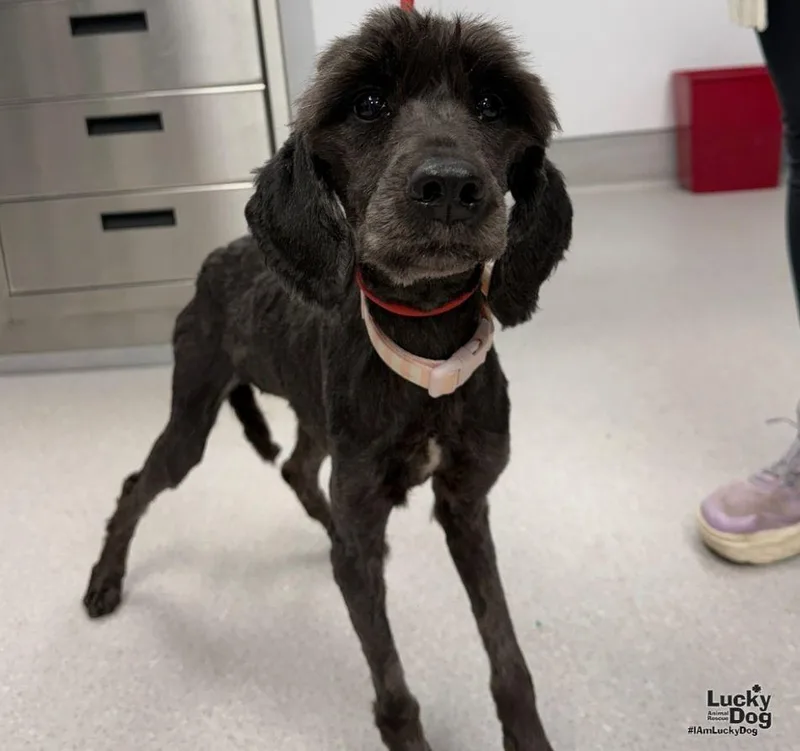
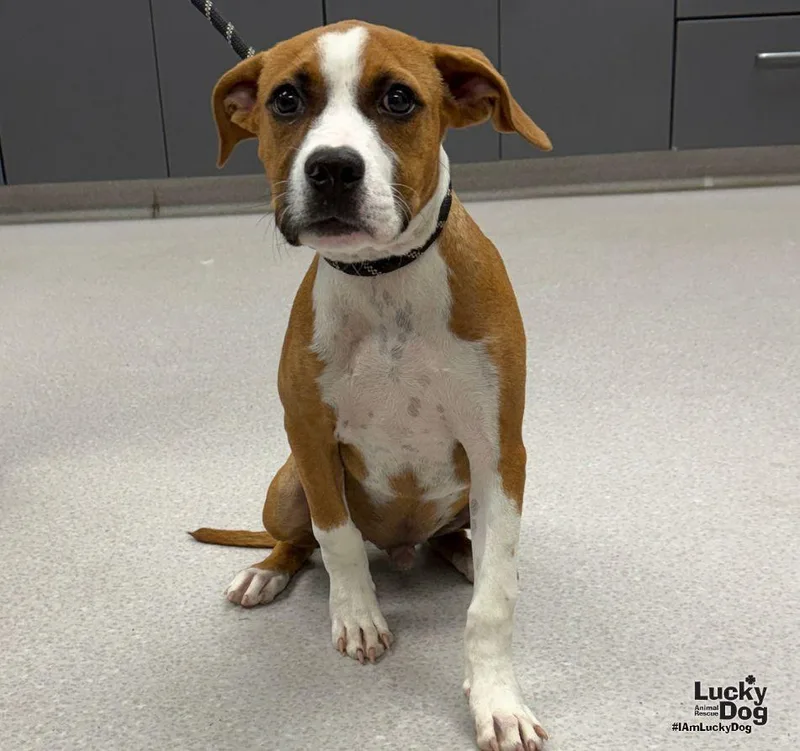
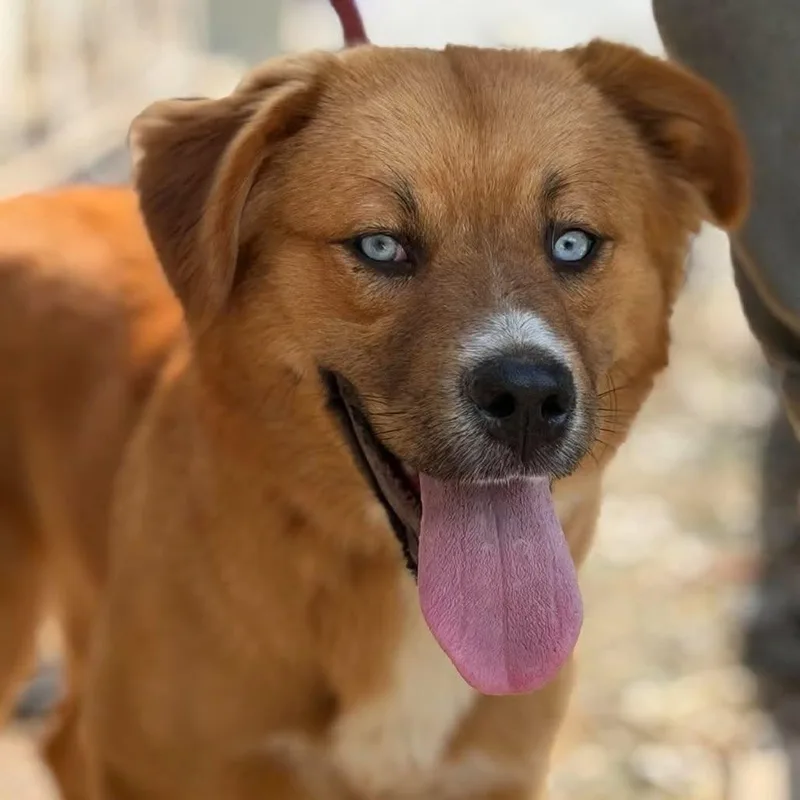
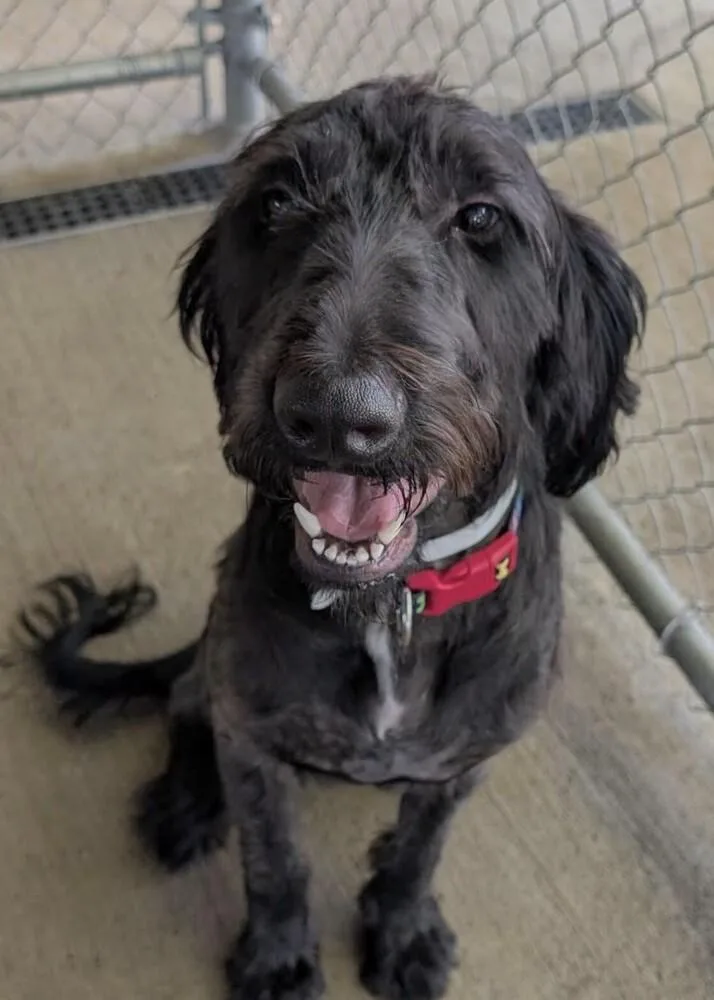
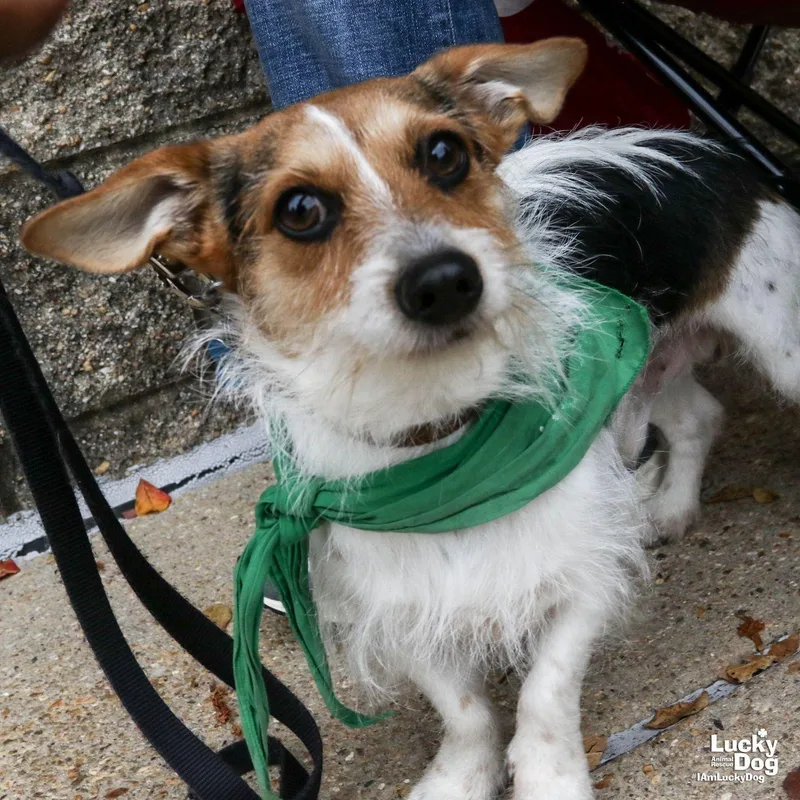
11 Carolina Dogs available for adoption in Washington

Adopt a Carolina Dog today

Carolina Dogs Available for Adoption in Washington

About the Carolina Dog breed

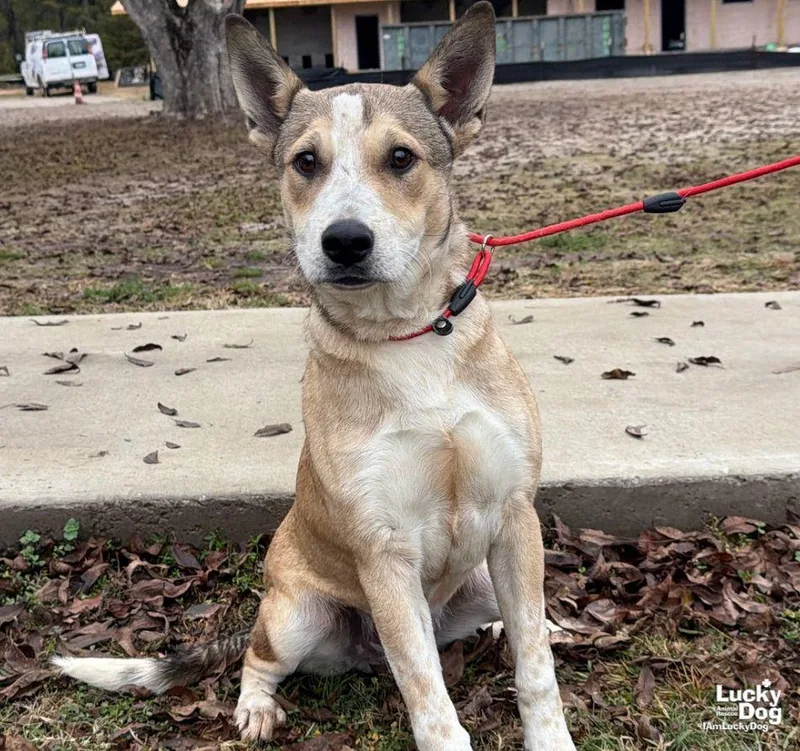
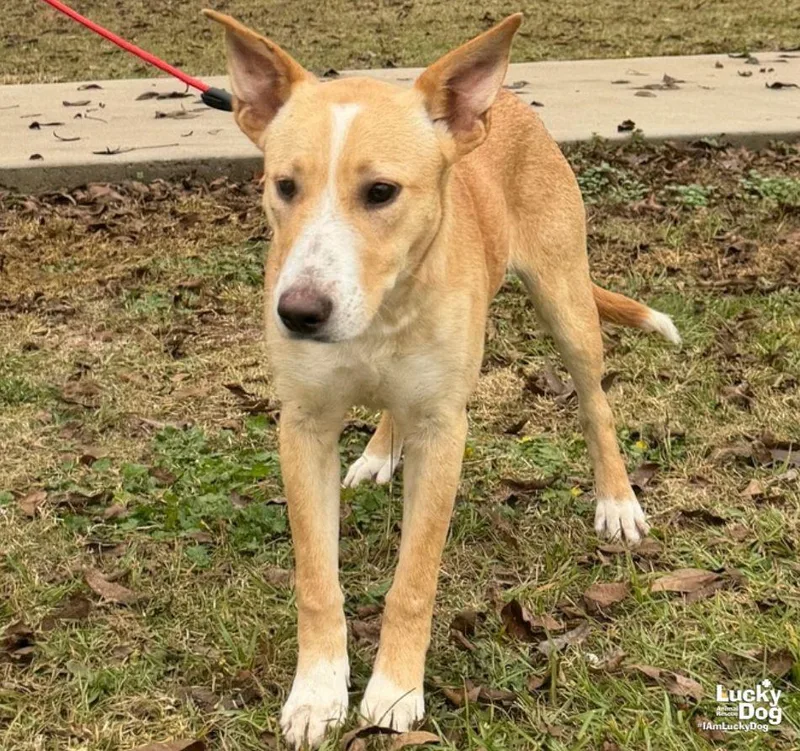
Often nicknamed the American Dingo, the Carolina Dog is a lean, medium-sized dog with tall pointed ears, a fishhook tail and a ginger or buff coat that thickens in winter. Dogs of this type lived free-ranging in the pine forests and swamps of the Southeast, and biologist I. Lehr Brisbin drew attention to them in the 1970s.

Carolina Dogs are pack-minded, alert and closely bonded to their families, while staying reserved with strangers. They're clever and resourceful, which can make them diggers and escape artists. In Washington, where many adopters share walls and sidewalks with neighbors, a calm, predictable routine helps. Because many dogs listed under this name are identified by appearance, a dog's behavior tells you more than the label does.

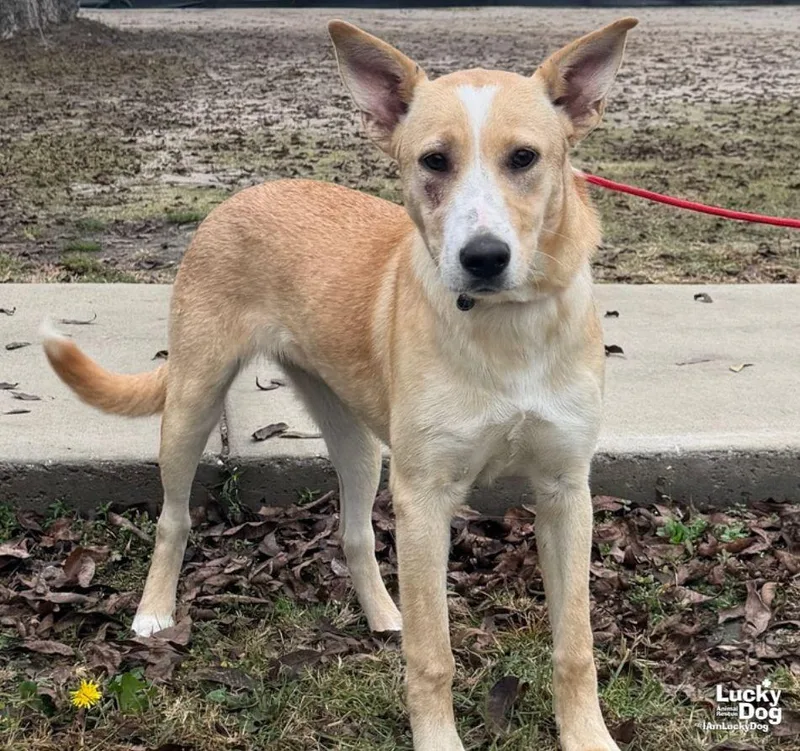
Weight
30–55 lbs
Height
17–24 in
Lifespan
12–15 yrs
Temperament
Independent, Alert, Loyal
Group
Hound
Shedding
Moderate

Owning a Carolina Dog in Washington

Having a Carolina Dog in DC

Carolina Dogs are lean, wary and resourceful, with a seasonal coat and a knack for testing fences. In Washington, that mix means a secure yard or careful leash habits, patient socialization and a calm home base matter more than square footage.

Temperament

Carolina Dogs are often devoted to their own people but cautious with strangers, which matters on busy Washington sidewalks and in shared building hallways. Many prefer to watch before engaging, so let the dog set the pace and reward calm behavior. Prey drive can be strong, so small pets need careful introductions, and each dog varies.

Exercise Needs

Plan on a brisk daily walk or two, plus mental work like scent games and puzzle feeders. Off-leash running belongs inside a fenced DPR dog park. Recall can be unreliable around wildlife, and coyotes have been recorded in Rock Creek Park, so a leash of six feet or shorter is the sensible choice on park trails.

Health Considerations

Carolina Dogs are generally considered hardy, but breed-specific health research is limited, so no dog should be assumed problem-free. Raccoons and bats are the main rabies carriers in DC, which makes vaccination important. Many are found as strays, so schedule a thorough first veterinary exam and keep parasite prevention and a healthy weight on track.

Living Space

A Carolina Dog can do well in a Washington rowhouse or apartment if exercise is regular and the routine is calm. A securely fenced yard is valuable, since many dig or climb, and a tall, tight fence beats a decorative one. Shy dogs often settle better in quieter buildings, with a safe retreat spot indoors.

What it costs to own a Carolina Dog in Washington

ExpenseTypical costPer year
Adoption fee$400 to $500, one time$400 to $500 in year one
Food$35 to $70 per month$420 to $840
Pet insurance$45 to $85 per month$540 to $1,020
Routine vet care$225 to $450 per year$225 to $450
Other*$440 to $1,200 per year$440 to $1,200
Estimated yearly total (after year one)$1,625 to $3,510
First-year total (with adoption fee)$2,025 to $4,010

Adoption fee is the range of fees on Carolina Dog listings in Washington on GetBuddy today. Other costs are estimates and vary with size, age and health.

* The Washington dog license ($15 for a spayed or neutered dog, $50 otherwise), a dental cleaning allowance, flea, tick and heartworm prevention, toys and bedding, and occasional brushing and baths.

Adopt a Carolina Dog in Washington.

Now that you know more, let’s find you a new best friend. These rescues and shelters below currently have Carolina Dogs available.

Rescues in Washington with Carolina Dogs Available

Washington's shelters and foster-based rescues list dogs of every size and background, including medium mixes. Here are the rescues & shelters in the DC area where you can find Carolina Dogs and other dogs available for adoption.

Frequently Asked Questions

Yes, DC has no known breed ban, and its dangerous-dog rules look at a dog's behavior rather than its breed. You'll need rabies and distemper vaccines for dogs over four months, an annual DC license and a leash outside official dog parks. Read your lease before you commit, since landlords can still set their own dog rules.

It can be, for adopters who want a watchful, athletic dog and can offer a calm routine. Walkable streets and trails supply plenty of exercise, but crowded sidewalks, sirens and neighborhood fireworks can stress a shy dog. Gradual socialization helps. Dogs vary, so a dog's actual behavior matters more than the Carolina Dog label.

Yes, if the building is fairly quiet and the dog gets daily walks and mental work. A shy Carolina Dog may find elevators, hallway traffic and shared walls stressful, so a ground-floor unit or a calmer block can help. Since most DC households rent, confirm the dog terms in writing before signing.

For off-leash play, try the fenced Palisades or Kingsman dog parks; a DC license and dog-park tag are required. For leashed walks, Theodore Roosevelt Island, Kingman Island and Kenilworth Park & Aquatic Gardens work well, with a leash of six feet or less and waste carried out. Quiet weekday mornings suit a shy Carolina Dog best.

Most can, with planning. Summers are humid and July is the hottest month, so walk early or late, bring water and skip hot pavement. A Carolina Dog's short seasonal coat and lean build help, but heat still tires any dog. Keep it indoors with air conditioning on days the District activates its heat emergency plan at 95°F.

Usually not. Metrorail and Metrobus allow pets only in a securely closed carrier small enough to carry, and it can't take up a seat; service animals are the exception. Most Carolina Dogs weigh 30 to 55 pounds, which is too big for a carrier. The DC Streetcar also requires a crate. Plan on walking or driving.

Sometimes, on patios only. DC law lets restaurants and bars choose to allow dogs in outdoor dining areas and sidewalk cafés, and a sign outside says whether they do. Dogs must stay leashed or in a carrier and never be left alone. Indoor dining rooms are off-limits. A wary Carolina Dog may prefer a quiet corner table.

Very little. Weekly brushing handles the short coat most of the year, with more frequent sessions in spring and fall as the coat changes with Washington's seasons. Baths are occasional, mainly after muddy trail days or winter salt. Most owners can do this at home, which is why grooming adds little to the Other cost line.

We have 2 rescues with Carolina Dogs available: Lucky Dog Animal Rescue and K-9 Lifesavers. You can see every rescue with Carolina Dogs available in the list above these questions, or scroll to the top to see the Carolina Dogs in Washington.

Budget about $35 to $70 a month for food and $45 to $85 for insurance, if you choose coverage. Routine vet care runs about $225 to $450 a year, and other costs such as prevention, dental care, supplies and the license add roughly $440 to $1,200 a year. Costs vary with the dog's size and health.