Basenji Dogs for Adoption in Denver, CO

Your guide to finding and caring for a Basenji in Denver

A Basenji suits Denver best when its day includes a real run and a secure place to burn off energy. In Central Park, the walkable streets and the Sand Creek Greenway make for good leashed outings, and a fenced yard in Athmar Park or Ruby Hill gives a clever escape artist less to test. At 20 to 26 pounds, a Basenji is easy to carry up the stairs of a Capitol Hill apartment building. Outside the fenced dog parks, expect to keep it on a leash.

155 Basenjis available in Denver and nationwide

Fall for a Basenji

While we don't have enough dogs near Denver, keep in mind that many rescues may offer transport.

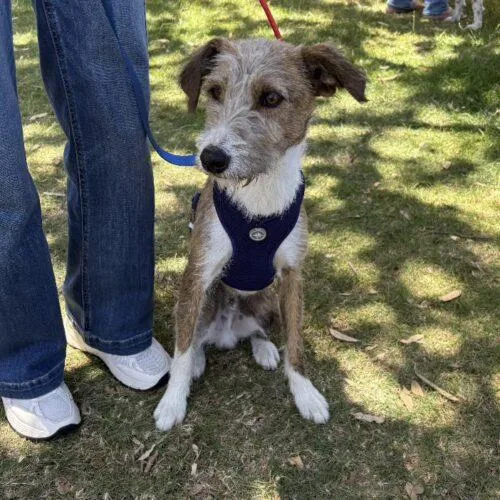
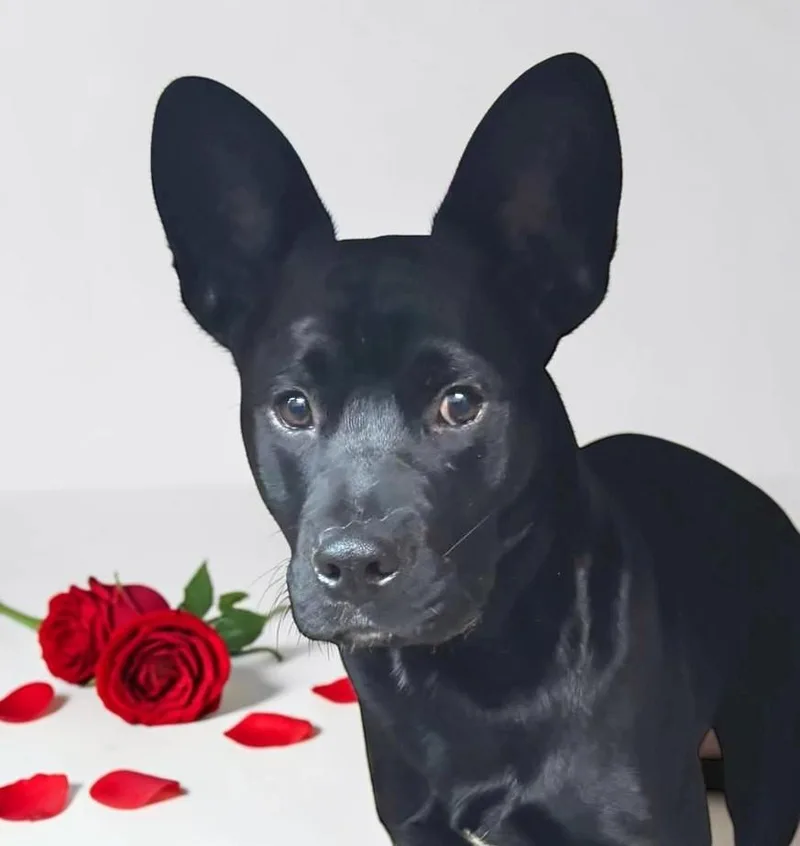
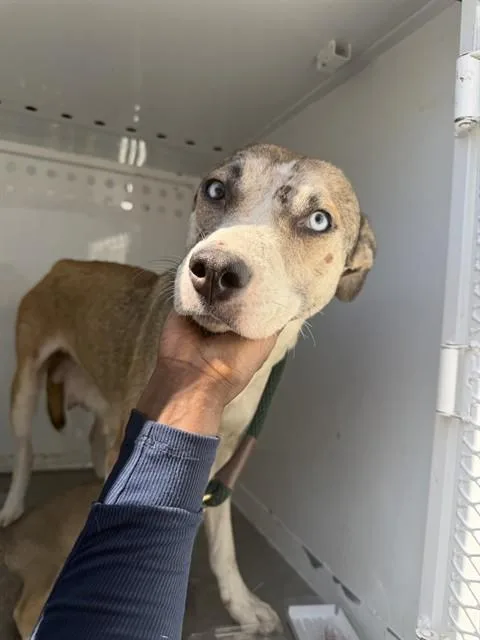
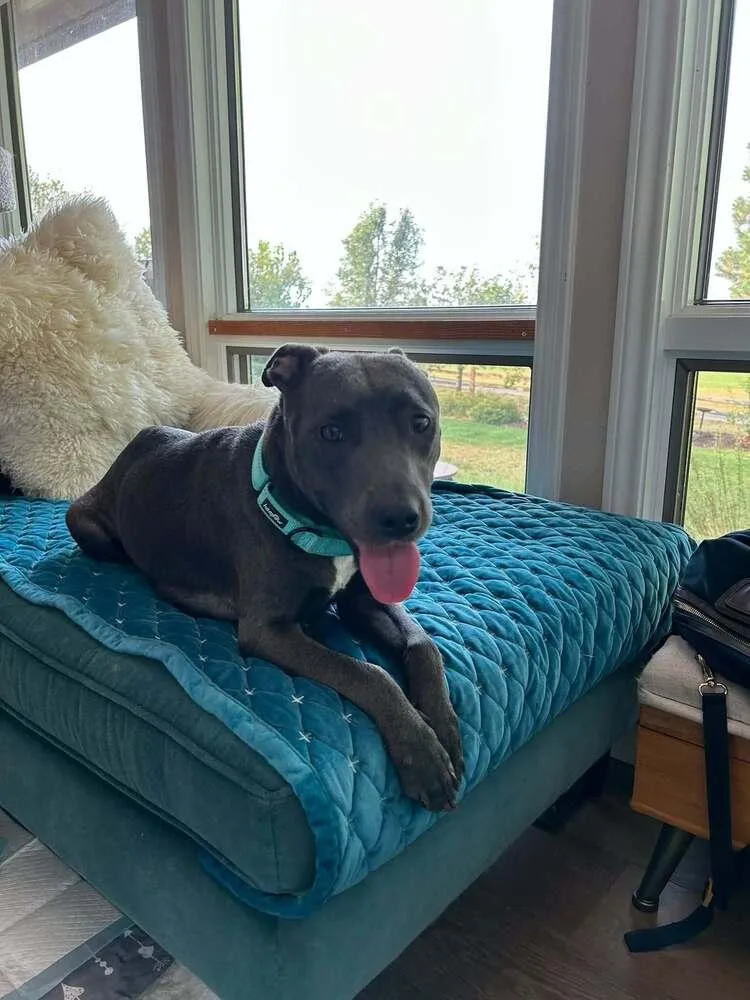
Basenjis Available for Adoption Near Denver

About the Basenji breed

The Basenji is a small hunting dog from Central Africa's Congo basin, where village hunters used it to track small game and drive it toward nets. It's one of the oldest dog lineages known, and it rarely barks in the usual way. Instead it yodels, howls and makes a sound called a baroo. Standing about 15 to 18 inches tall and weighing 20 to 26 pounds, it has a wrinkled brow, upright ears, a tightly curled tail and a short coat it keeps clean like a cat.

Many Basenjis are affectionate at home but independent, reserved with strangers and quick to chase anything that runs. In Denver, that means secure fencing, a sturdy harness and leash on the greenways, and plenty of mental work for the days when a snowstorm or hail keeps everyone inside. Dogs vary, so a Basenji's own habits matter more than the breed description.

Weight
20–26 lbs
Height
15–18 in
Lifespan
12–15 yrs
Temperament
Independent, Intelligent, Alert, Affectionate
Group
Hound
Shedding
Low

Owning a Basenji in Denver

Having a Basenji in Denver

Basenjis pair catlike independence with a hunter's drive and an unusual voice. In Denver, the biggest questions are how you'll exercise a dog that must stay leashed outside dog parks, how you'll secure your home and yard, and how it handles cold winters.

Temperament

Basenjis are usually affectionate with their families, alert and aloof with strangers. They think for themselves, so they may ignore cues that seem pointless, which takes patience. Strong prey drive makes small pets and wildlife a concern, and some Basenjis prefer to be the only dog. In a busy Denver building, calm leashed outings help it get used to neighbors.

Exercise Needs

Most Basenjis need a vigorous run or brisk walk every day, plus games that make them think. Outside Denver's fenced dog parks, every park, trail and greenway is leash-only, which suits a Basenji's chase instinct. Puzzle toys, scent games and short training sessions fill in on snowy or stormy days.

Health Considerations

Basenjis can carry inherited conditions, including Fanconi syndrome (a kidney disorder), progressive retinal atrophy, pyruvate kinase deficiency and hypothyroidism. A veterinarian can screen with urine tests, bloodwork and eye exams and suggest a checkup schedule. In Denver winters, ice melt and salt can irritate paws, so rinse or wipe them after walks.

Living Space

A Basenji's size and mostly quiet nature suit Denver condos and apartments, including the high-rises around Cheesman Park, as long as daily exercise happens. Yards need secure fencing, since Basenjis climb and squeeze through gaps. Many dislike cold and damp, so a warm indoor spot matters.

What it costs to own a Basenji in Denver

ExpenseTypical costPer year
Food$20 to $45 per month$240 to $540
Pet insurance$40 to $85 per month$480 to $1,020
Routine vet care$200 to $400 per year$200 to $400
Other*$390 to $1,090 per year$390 to $1,090
Estimated yearly total (after year one)$1,310 to $3,050

Other costs are estimates and vary with size, age and health.

* The Denver dog license, a yearly dental cleaning allowance, flea, tick and heartworm prevention, durable chew toys and bedding, and minimal grooming for a short coat.

Adopt a Basenji in Denver.

Now that you know more, let’s find you a new best friend. These rescues and shelters below have dogs available in and near Denver.

Frequently Asked Questions

Yes. Denver's breed-specific permit applies only to three pit bull–type breeds, so a Basenji faces no breed restriction. The city's general rules still apply: licensing, rabies shots and spay/neuter after six months, plus a household limit of five animals, no more than three of them dogs. Review these before you adopt.

Yes, with some help. Winter lows sit near 19°F, and a short, thin coat gives a Basenji little protection, so a coat or sweater on walks makes sense. Afternoons often reach the mid-40s, which helps. Many Basenjis dislike cold and wet, so keep outings brief on the coldest days, wipe off ice and salt, and offer a warm bed.

Fenced dog parks suit a Basenji better than open space, since chase drive makes roaming off leash risky. Berkeley Dog Park in the northwest and Fuller Dog Park near Five Points are two of the 17. Dogs need a license and rabies tag, and handlers may bring two dogs. For leashed walks, try Sloan's Lake or the Bear Creek Trail, and stay out of lakes during posted algae warnings.

Only in a carrier. RTD allows small pets in carriers on its buses and trains, with service animals as the exception. At 20 to 26 pounds, a Basenji is on the large side for a carrier, and RTD gives no size limit, so the dog must fit comfortably inside with the door closed. On commuter rail, a crated pet stays on the floor or your lap.

It can be, for active people who enjoy daily walks and don't mind winter gear. Denver's trails and dog parks give a Basenji plenty to sniff and run, and cool summer nights keep evening outings comfortable. Expect to leash outside dog parks, secure your home and keep a coat handy for snowy months. Long days alone can lead to chewing.

Yes, but only on patios of restaurants that opt in. Denver restaurants can choose to allow leashed dogs on qualifying unroofed patios, and dogs are never allowed indoors. Your Basenji needs current vaccination tags, must stay off seats and tables, and must keep 15 feet from food service stations. Since Basenjis are reserved with strangers, choose quieter hours.

Very little. A Basenji's short coat sheds lightly and the dog cleans itself like a cat, so a weekly rub with a soft brush or rubber mitt is plenty, plus nail trims and the occasional bath. In Denver winters, the real chore is wiping salt, ice and snow from paws. Any professional trims fit well within the yearly $390 to $1,090 for other costs.

A Basenji is a small, ancient hunting dog from Central Africa, famous for not barking. It belongs to the AKC Hound Group and was recognized in 1943. Basenjis are lean and elegant, with a wrinkled forehead, upright ears and a tightly curled tail. They tend to be clever, independent, clean and energetic, with a strong instinct to chase.

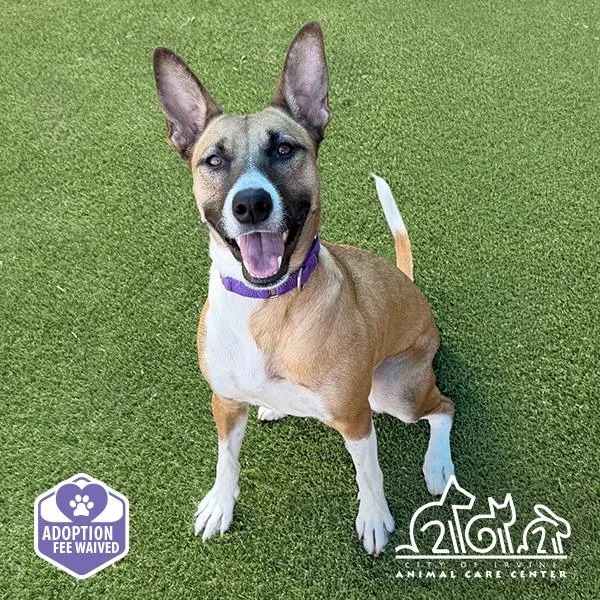
A Basenji looks like a small, athletic dog with a short, fine coat, upright pointed ears, a wrinkled forehead and a tail curled tightly over its back. Common colors are chestnut red, black, tricolor and brindle, always with white feet, chest and tail tip. It moves with a quick, springy trot often compared to a trotting racehorse.

Expect roughly $1,310 to $3,050 a year for a Basenji in Denver, or about $110 to $255 a month. That covers food, pet insurance, routine vet care and other yearly costs like the dog license, dental cleaning and parasite prevention. Your total will shift with food choice, insurance plan and any health issues.

Find Basenjis in Nearby Cities

Expand your search to find Basenjis available for adoption near Denver.