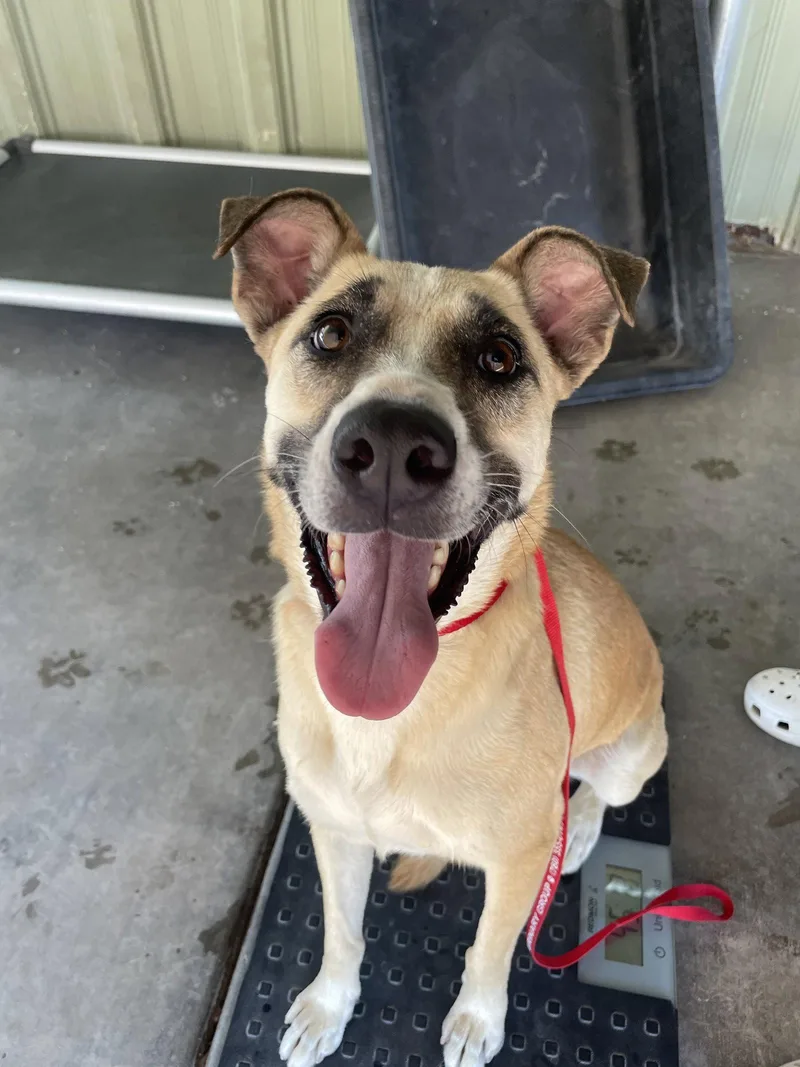
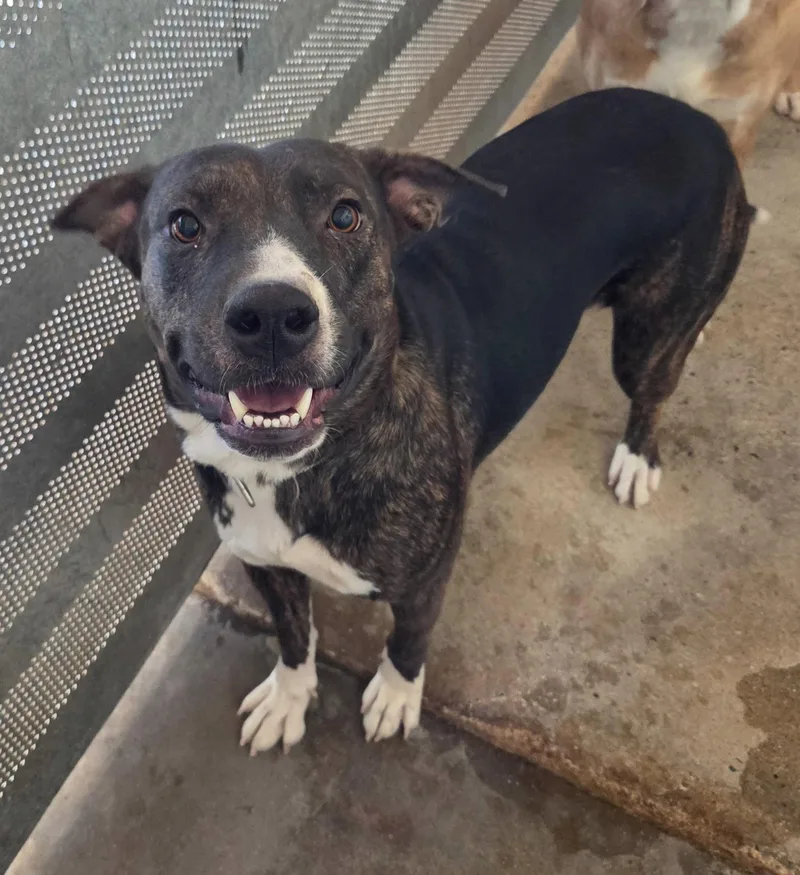
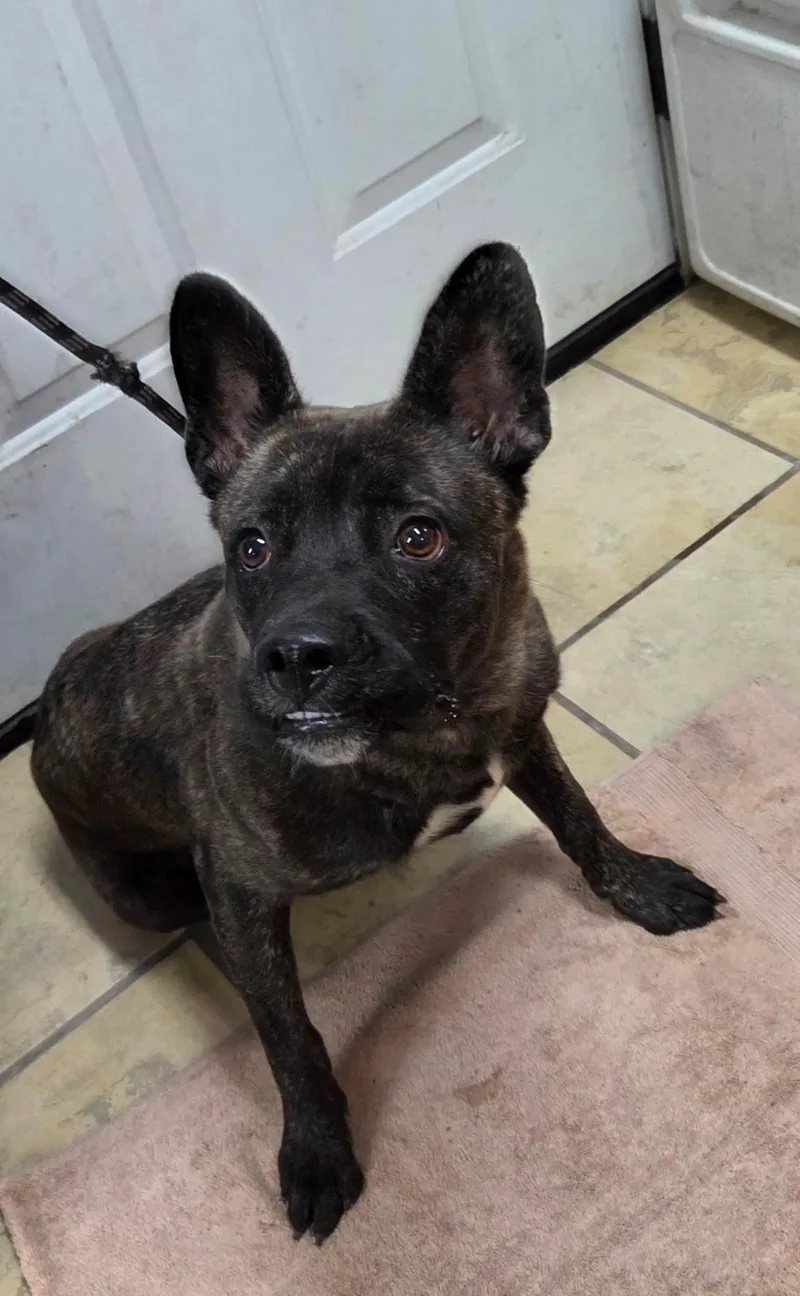
New Guinea Singing Dogs for Adoption in El Centro, CA

Your guide to finding and caring for a New Guinea Singing Dog in El Centro

859 dogs similar to New Guinea Singing Dog available in El Centro and nationwide

Fall for a New Guinea Singing Dog

While we don't have enough dogs near El Centro, keep in mind that many rescues may offer transport.

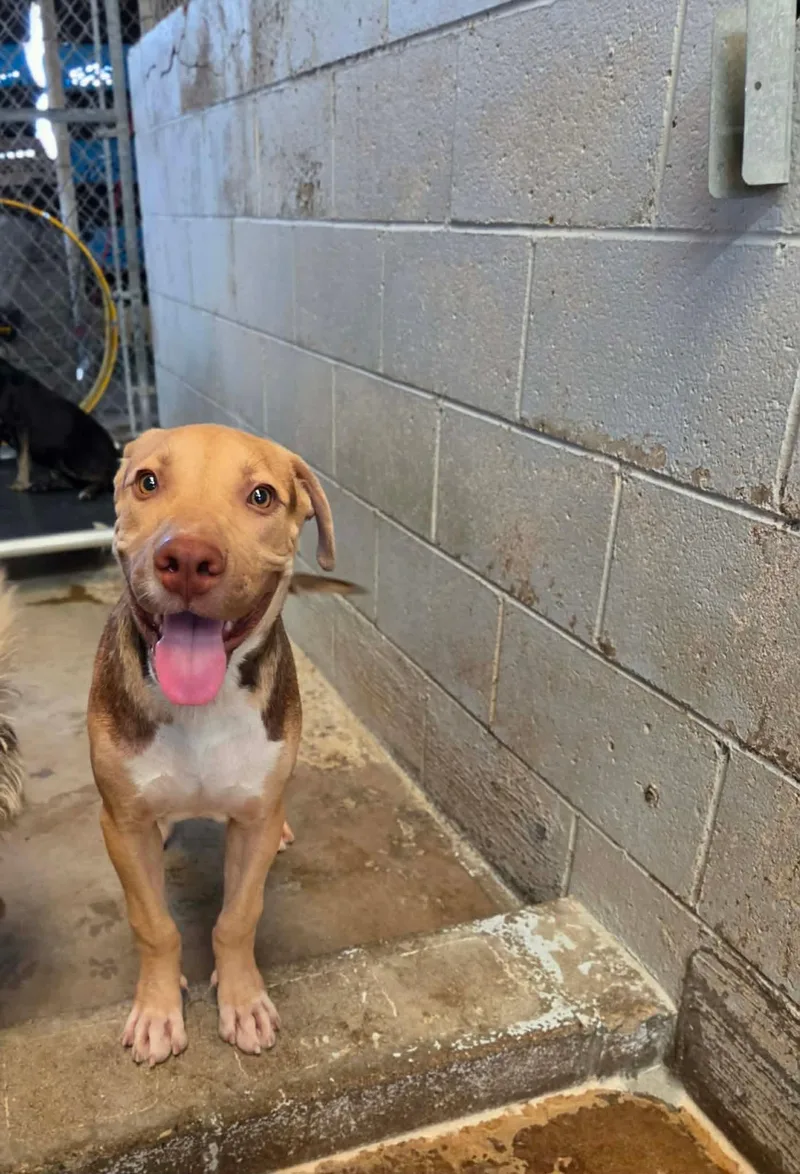
New Guinea Singing Dogs and Similar Breeds Available for Adoption Near El Centro

About the New Guinea Singing Dog breed

Few dogs sound like the New Guinea Singing Dog, whose eerie, rising howl has been compared to a yodel or whale song. It belongs to an ancient dog lineage closely related to the dingo, and genetic work suggests it descends from the highland wild dogs that still live in the mountains of New Guinea. Nearly every singing dog outside the island comes from a few animals collected in the mid-twentieth century and bred in zoos and by dedicated keepers.

Singing dogs are compact and foxlike, usually 20 to 31 pounds, with a broad head, erect ears and a bushy, white-tipped tail. They are curious, agile and intensely independent, more like a primitive breed or a cat than a typical companion dog. Many climb, dig, slip through gaps and hunt small animals with real determination. They are rare and best suited to experienced keepers prepared for an unusual animal.

Weight
20–31 lbs
Height
12–18 in
Lifespan
12–18 yrs
Temperament
Independent, Alert, Vocal, Curious
Group
Hound
Shedding
Moderate

Owning a New Guinea Singing Dog in El Centro

Having a New Guinea Singing Dog in El Centro

A New Guinea Singing Dog keeps many of the instincts of a wild-living canid. Its remarkable voice, climbing and escape skills, intense prey drive and independent mind matter far more to daily life than its manageable size, and they set it apart from almost any household breed.

Temperament

Singing dogs tend to be curious, alert and affectionate on their own terms with familiar people, yet often wary of strangers. Many are highly independent, uninterested in pleasing people and quick to test limits. Same-sex fighting, especially during breeding season, and serious prey drive toward cats, birds and small pets are common concerns. Each dog's socialization history matters greatly.

Exercise Needs

New Guinea Singing Dogs are agile, athletic dogs that need daily physical activity and a lot of mental stimulation. Leashed walks, exploration, digging spots, climbing structures and food puzzles help channel their energy. Off-leash time is risky because their recall is rarely reliable and their hunting instinct is strong. Boredom often shows up as escape attempts or nonstop vocalizing.

Health Considerations

Because the captive population descends from very few founders, inbreeding is a real concern for long-term health, and lifelong risks are not well known. Published breed-level health data are limited, so screening is less established than for mainstream breeds. Choose a veterinarian comfortable with primitive breeds.

Living Space

Singing dogs need very secure containment: tall fencing with a top or inward overhang, dig guards, and locked gates, since many can climb and jump remarkably well. An apartment rarely suits them, and their loud howling can trouble neighbors. A house with a secure, enriched enclosure and an owner who works from home often works best.

What it costs to own a New Guinea Singing Dog

ExpenseTypical costPer year
Food$20 to $45 per month$240 to $540
Pet insurance$35 to $70 per month$420 to $840
Routine vet care$200 to $400 per year$200 to $400
Other*$390 to $1,090 per year$390 to $1,090
Estimated yearly total (after year one)$1,250 to $2,870

Other costs are national averages for New Guinea Singing Dogs; we don't have costs specific to El Centro yet.

* Flea, tick and heartworm prevention, a dental cleaning allowance, a dog license, toys, puzzles and bedding, and home brushing through the yearly coat shed; license fees vary by city.

Adopt a New Guinea Singing Dog in El Centro.

Now that you know more, let’s find you a new best friend. These rescues and shelters below currently have New Guinea Singing Dogs available.

Rescues in El Centro with New Guinea Singing Dogs Available

Here are the rescues & shelters in the El Centro area where you can find New Guinea Singing Dogs and other dogs available for adoption.

Frequently Asked Questions

New Guinea Singing Dogs are considered domestic dogs, but only barely in practice. They belong to an ancient lineage that lived alongside people in New Guinea yet was never shaped by selective breeding the way most breeds were. Captive singing dogs keep many wild-type instincts, including strong independence, climbing and hunting drive, so they behave differently from typical pets.

No exact count exists, but New Guinea Singing Dogs are very rare. The conservation society that studies them estimates roughly 300 to 500 living with owners in North America, plus smaller groups in zoos and in Europe, nearly all descended from a handful of founders. In the wild, related highland wild dogs were photographed in New Guinea's mountains in 2016.

A New Guinea Singing Dog sounds unlike any other dog. Its signature howl starts with a sharp rise in pitch and holds a high, wavering tone rich in overtones, often described as a yodel or something like whale song. Howls usually last a few seconds, and groups sing together in chorus. They also yelp, chirp and trill, but rarely bark.

A New Guinea Singing Dog is a small, ancient dog from the island of New Guinea, closely related to the Australian dingo. It is known for its distinctive singing howl, foxlike looks, flexible body and catlike agility. Most live in zoos, sanctuaries and with experienced private keepers. Their wild relatives, the highland wild dogs, still live in remote mountain regions.

New Guinea Singing Dogs can be rewarding companions for experienced owners, but they are poor pets for most households. They tend to be independent, loud, escape-prone and driven to hunt cats and small animals, and some show same-sex aggression toward other dogs. People who succeed with them usually have secure enclosures, lots of time at home and experience with primitive breeds.

New Guinea Singing Dogs are not formally listed as endangered by the IUCN, which treats them as a form of domestic dog rather than a wild species. Even so, the captive population is small and inbred, and wild highland dogs are rarely seen. Conservation groups therefore consider the lineage vulnerable to loss of genetic diversity.

Yes, New Guinea Singing Dogs shed, mostly with the seasons. Their dense, short coat drops a noticeable amount of undercoat during seasonal sheds and relatively little the rest of the year. Weekly brushing, and more frequent brushing during a heavy shed, keeps loose hair manageable. The coat is otherwise low-maintenance and rarely needs bathing.

The New Guinea Singing Dog belongs to one of the oldest dog lineages known. Genetic studies place it, with the dingo, in an ancient branch of early domestic dogs that reached the region with people thousands of years ago, and researchers think the singing dog lineage was already distinct by the end of the last glacial period, roughly 11,700 years ago.

In the wild, New Guinea's singing dogs and highland wild dogs eat small to mid-sized marsupials, rodents, birds and some fruit. In captivity they usually do well on a balanced, high-quality commercial dog food, and some keepers feed carefully planned raw diets. They often hunt any small animal they can reach, so feeding should never include live prey or unsupervised pets.

We have 1 rescue with New Guinea Singing Dogs available: Humane Society of Imperial County. You can see every rescue with New Guinea Singing Dogs available in the list above these questions.