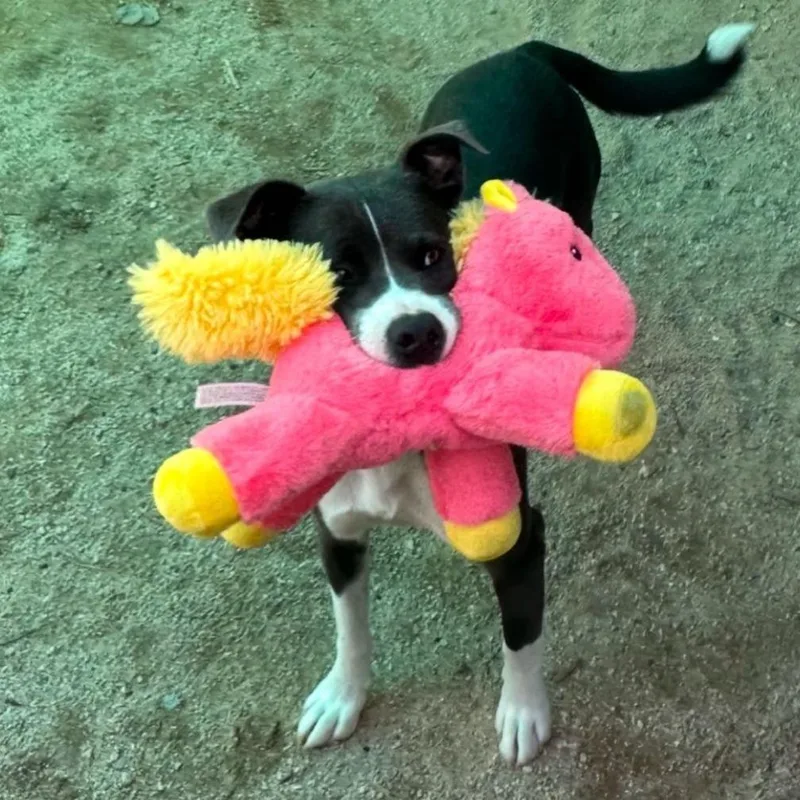
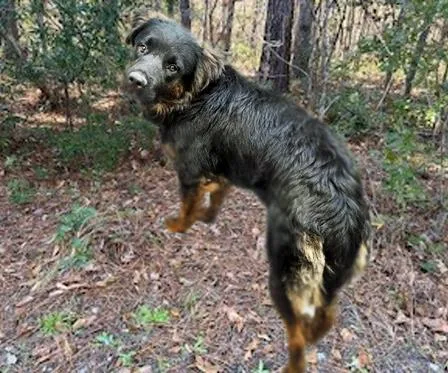
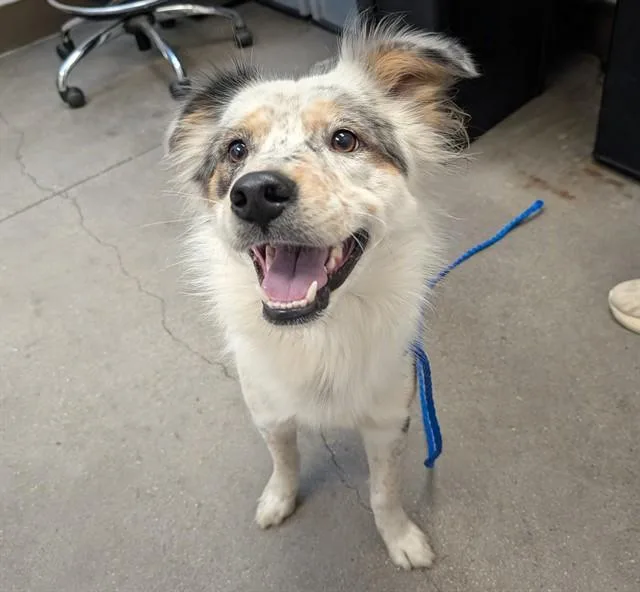
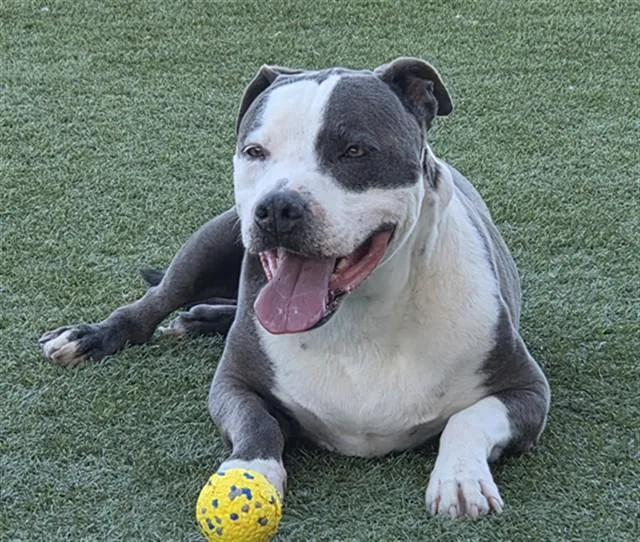
Carolina Dogs for Adoption in Tucson, AZ

Your guide to finding and caring for a Carolina Dog in Tucson

Carolina Dogs tend to do best in Tucson's quieter single-family neighborhoods. On the east side, where streets date mostly to the 1950s through 1970s, a watchful, reserved dog has room to settle in and a calm place to walk, like the leashed Rillito path near the Fort Lowell area. They're wary of strangers, so a busy student block near the university can be a lot. A lean, athletic Carolina Dog will happily do its walking at dawn, before the summer heat sets in.

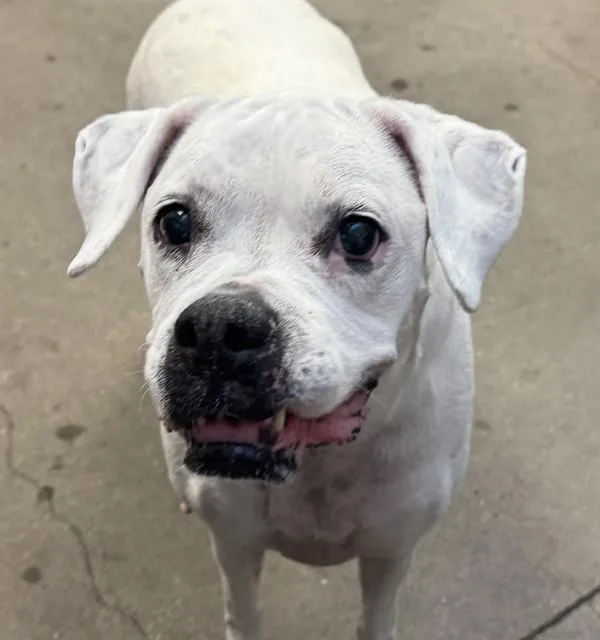
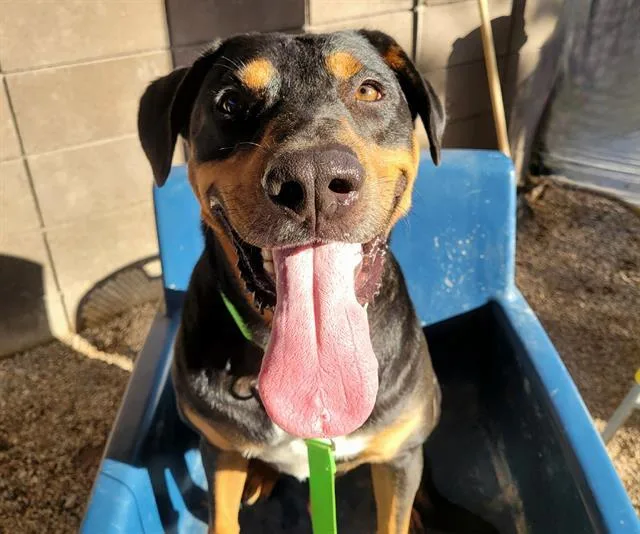
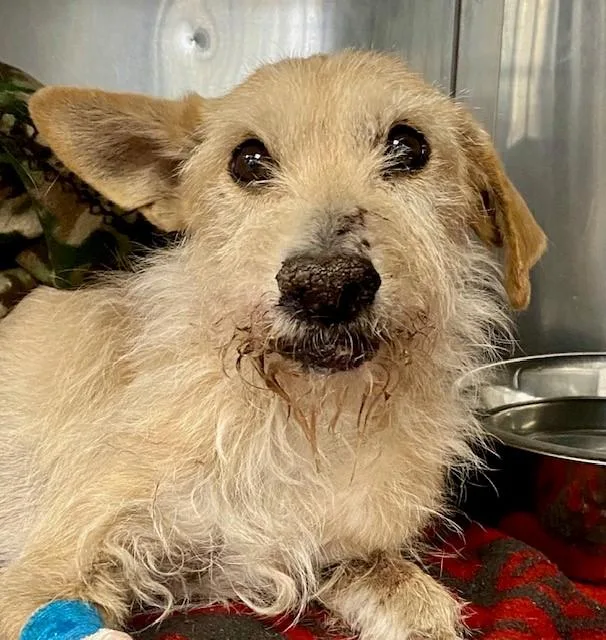
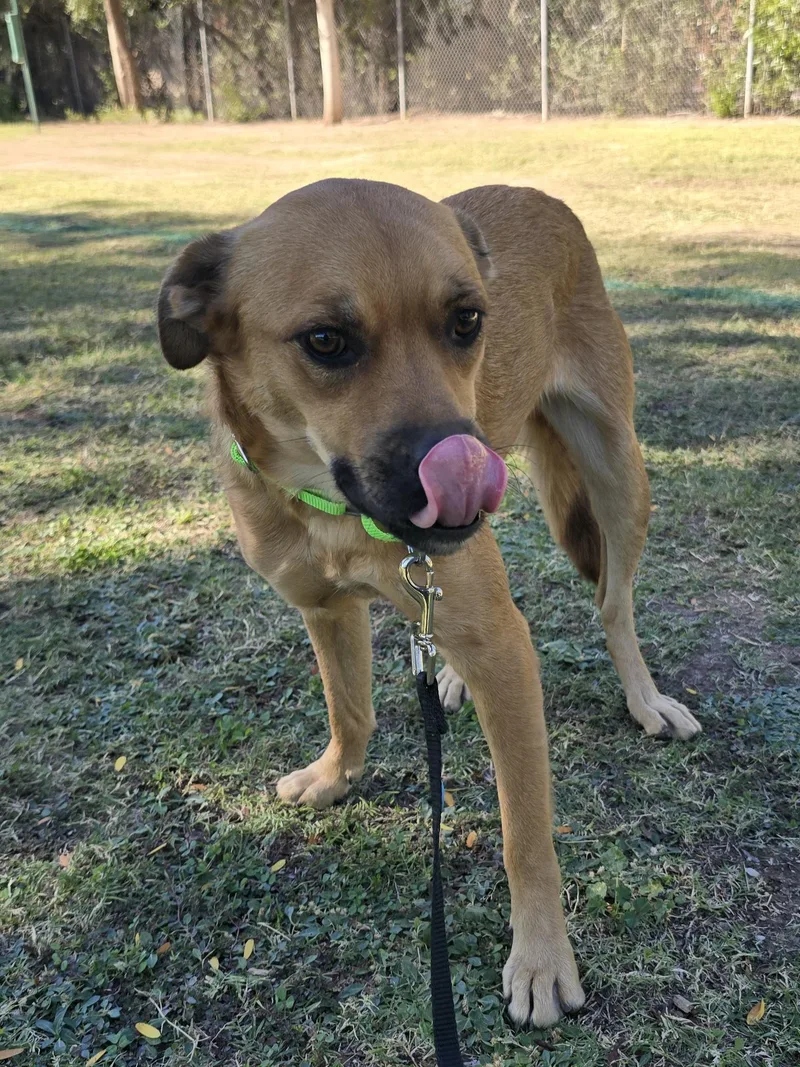
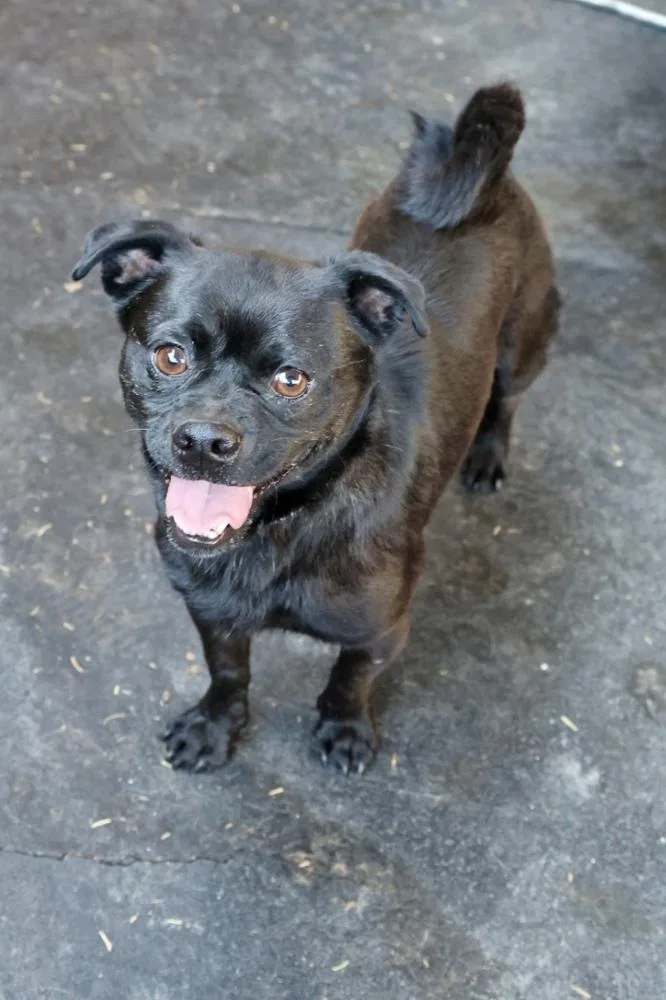
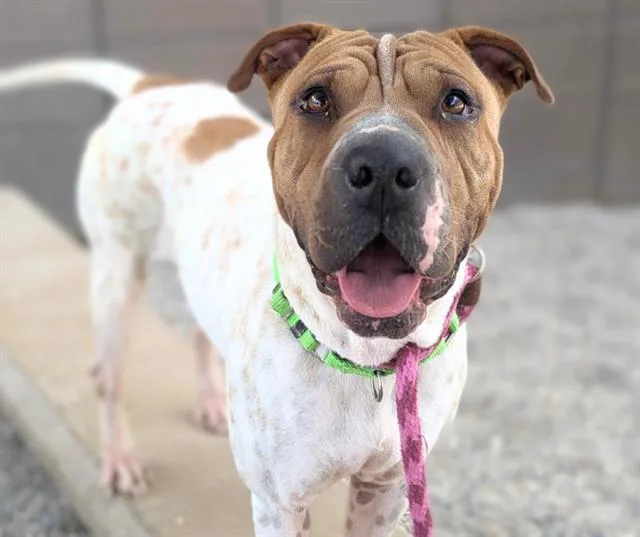
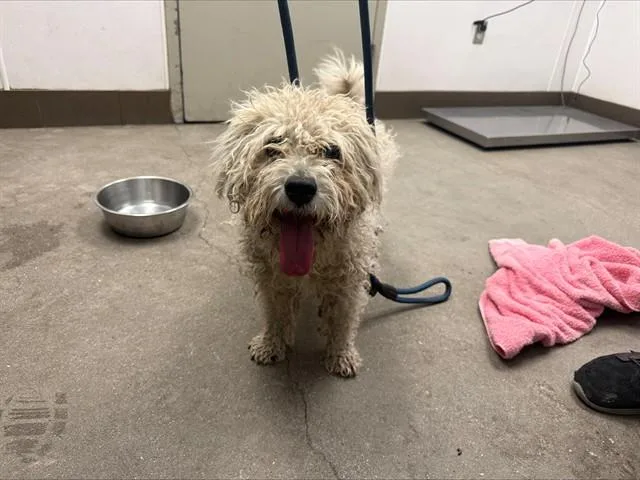
22 Carolina Dogs available for adoption in Tucson

Adopt a Carolina Dog today

Carolina Dogs Available for Adoption in Tucson

About the Carolina Dog breed

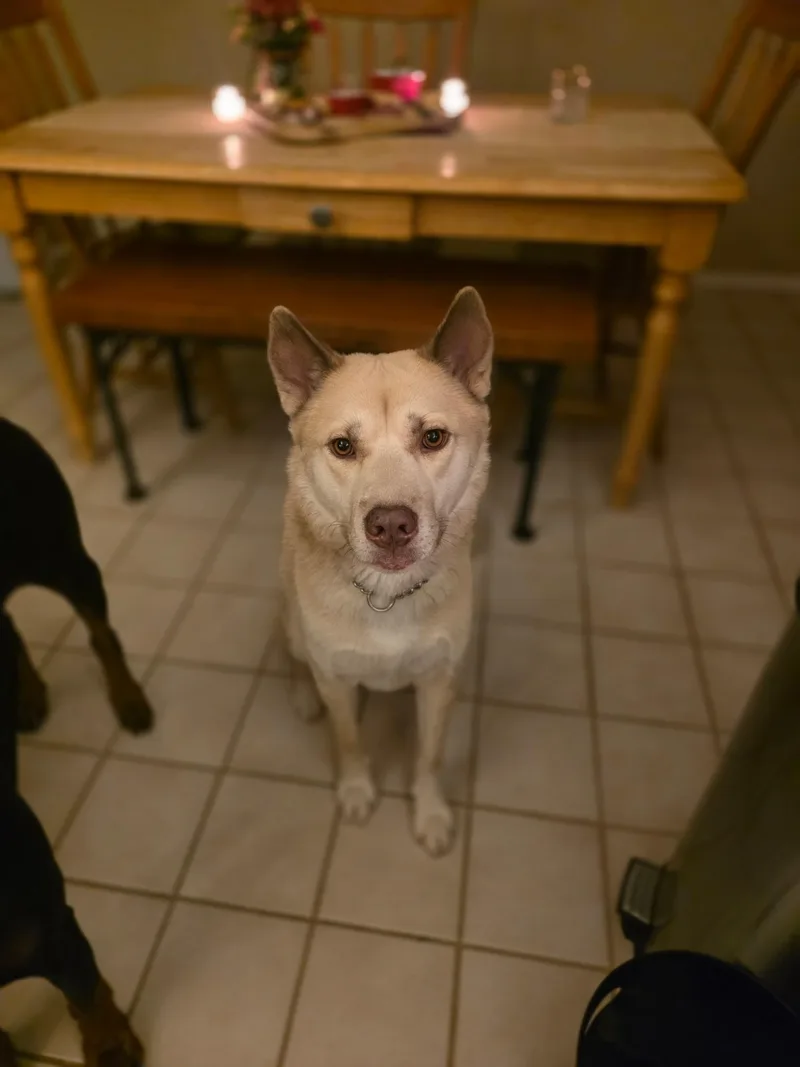
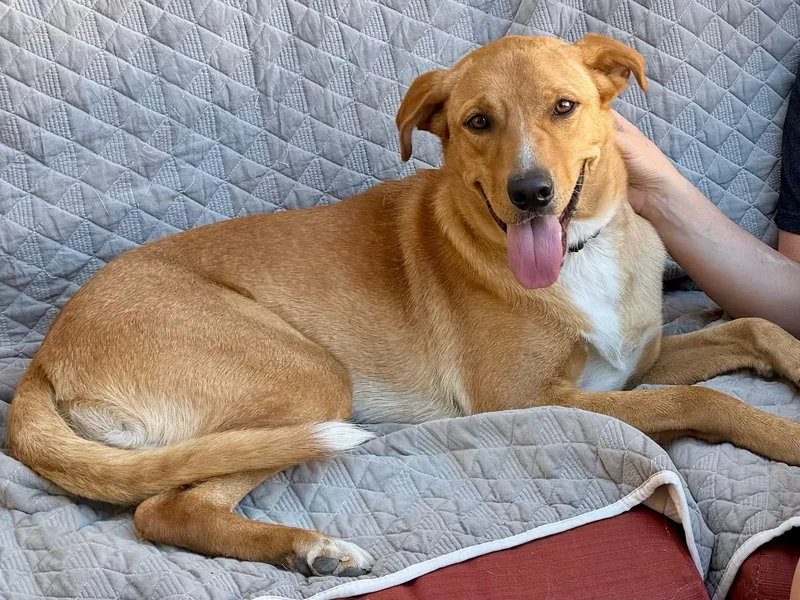
The Carolina Dog is a lean, medium-sized dog, usually 30 to 55 pounds, with tall pointed ears, a fishhook tail and a coat most often ginger or buff. Dogs of this type roamed the longleaf pine forests and cypress swamps of the Southeast, and biologist I. Lehr Brisbin brought them wider attention in the 1970s. The nickname "American Dingo" is about looks, not ancestry.

Carolina Dogs are pack-minded, closely bonded to their families and often shy with strangers. They're clever, and that can mean digging and fence-testing, which matters in a city of fenced single-family yards. Many shelter dogs labeled Carolina Dogs are mixes identified by appearance, so how a dog actually behaves tells you more than the label.

Weight
30–55 lbs
Height
17–24 in
Lifespan
12–15 yrs
Temperament
Independent, Alert, Loyal
Group
Hound
Shedding
Moderate

Owning a Carolina Dog in Tucson

Having a Carolina Dog in Tucson

Carolina Dogs are lean, quick and self-reliant, with a seasonal coat and a knack for escaping. In Tucson, that adds up to a dog that wants secure fencing, early-morning exercise and steady, patient socialization.

Temperament

Carolina Dogs are usually devoted to their own people and cautious with everyone else. A quiet street and a predictable routine help a reserved dog relax in Tucson, while crowded sidewalks and noisy events can overwhelm one. Reward-based training builds confidence, and a strong prey drive means cats and small pets need slow introductions.

Exercise Needs

Plan on a daily walk or run plus mental work such as scent games or puzzle feeders. The paved, leashed Chuck Huckelberry Loop gives Tucson walkers a flat route, and city dog parks offer fenced space, though not every dog enjoys the crowds. Recall can be unreliable near wildlife, so keep the leash on outside fenced areas.

Health Considerations

Carolina Dogs are generally hardy, but research on the breed is limited, so book a thorough first vet exam. In Tucson, ask the vet about valley fever, which sickens an estimated 6 to 10 percent of dogs in Pima County each year. Dust, digging and sniffing rodent holes raise the risk.

Living Space

A Carolina Dog can manage in a Tucson apartment if exercise is steady and the home is calm, but a securely fenced yard is a real advantage for a digger or climber. Check fence bottoms and gate latches. A quiet corner indoors gives a shy dog somewhere to retreat.

What it costs to own a Carolina Dog in Tucson

ExpenseTypical costPer year
Adoption fee$200 to $350, one time$200 to $350 in year one
Food$35 to $70 per month$420 to $840
Pet insurance$45 to $85 per month$540 to $1,020
Routine vet care$225 to $450 per year$225 to $450
Other*$440 to $1,190 per year$440 to $1,190
Estimated yearly total (after year one)$1,625 to $3,500
First-year total (with adoption fee)$1,825 to $3,850

Adoption fee is the range of fees on Carolina Dog listings in Tucson on GetBuddy today. Other costs are estimates and vary with size, age and health.

* The $20 Pima County license for a spayed or neutered dog, flea, tick and heartworm prevention, a dental cleaning allowance, toys and bedding, and occasional brushing and baths.

Adopt a Carolina Dog in Tucson.

Now that you know more, let’s find you a new best friend. These rescues and shelters below currently have Carolina Dogs available.

Frequently Asked Questions

Yes, most can with planning. Triple-digit heat runs from roughly late May through September, so exercise at dawn, when summer lows in the 70s make walks realistic, and keep afternoons indoors with cool water. Test the ground with your hand, choose shade or grass over asphalt, and never leave a dog in a parked car.

Yes. Tucson has no breed-specific rules, and Arizona law bars cities from adopting them, so any limits come from landlords or insurers. Dogs released for adoption by Arizona shelters are generally spayed or neutered first, and microchipping is a smart safeguard for a clever dog that may test fences.

Try the leashed Chuck Huckelberry Loop along the Rillito or Santa Cruz river parks for quiet early walks, or Wagging Tails Dog Park in Lincoln Regional Park, which has three turf areas. Pima County lists Agua Caliente Park and Sweetwater Preserve as leash-friendly trails. Sabino Canyon and Tucson Mountain Park don't allow dogs.

Yes, with steady exercise and a quiet building. Shy dogs can find busy hallways and neighbors stressful, so an end unit or upper floor may help. Carolina Dogs get restless without outlets, so plan puzzle feeders and indoor games for hot afternoons, and confirm any weight limit before you apply.

Generally no. Tucson allows pets on Sun Tran buses and the Sun Link streetcar only in an enclosed carrier small enough to fit on your lap, with service animals as the exception. At 30 to 55 pounds, a Carolina Dog won't fit, so plan on walking or driving.

Only to patios, and only where the restaurant has county approval to allow dogs, so it's up to each place. Dogs must stay leashed and under control, and pet dogs aren't allowed indoors. Many Carolina Dogs are wary of strangers, so a busy patio can be stressful; start with calm, short outings.

Very little. A weekly brush handles the short coat, with extra sessions during seasonal sheds, and an occasional bath is plenty. Home care keeps grooming costs low. After desert walks, check paws for cactus spines and heat burns, and keep nails trimmed.

A Carolina Dog is a medium-sized primitive dog from the Southeastern United States, recognized by the United Kennel Club and recorded in the AKC's Foundation Stock Service. These dogs have erect pointed ears, a curved tail and usually a ginger or buff coat. Many are loyal to their people, reserved with strangers, and clever enough to need secure fencing.

We have 3 rescues with Carolina Dogs available: Pima Animal Care Center, Paws Without Borders and Hope of Deliverance. You can see every rescue with Carolina Dogs available in the list above these questions, or scroll to the top to see the Carolina Dogs in Tucson.

Expect roughly $1,600 to $3,500 a year for a Carolina Dog in Tucson, or about $135 to $290 a month. That covers food, insurance, routine vet care and other costs such as the license and parasite prevention. Valley fever testing and desert wildlife emergencies can add costs, so a savings cushion helps.

Find Carolina Dogs in Nearby Cities

Expand your search to find Carolina Dogs available for adoption near Tucson.