Lhasa Apso Dogs for Adoption in Anchorage, AK

Your guide to finding and caring for a Lhasa Apso in Anchorage

A Lhasa Apso suits Anchorage better than its size suggests, since that heavy coat was made for cold. On a Government Hill street, a couple of brisk walks and some indoor play cover most of what a Lhasa needs, and it will announce every visitor at the door. The catch is the coat: it mats without regular brushing, which matters when winter walks leave snow clinging to every strand. Many Lhasas are wary of strangers, so crowded sidewalks near downtown take some patience.

148 Lhasa Apsos available in Anchorage and nationwide

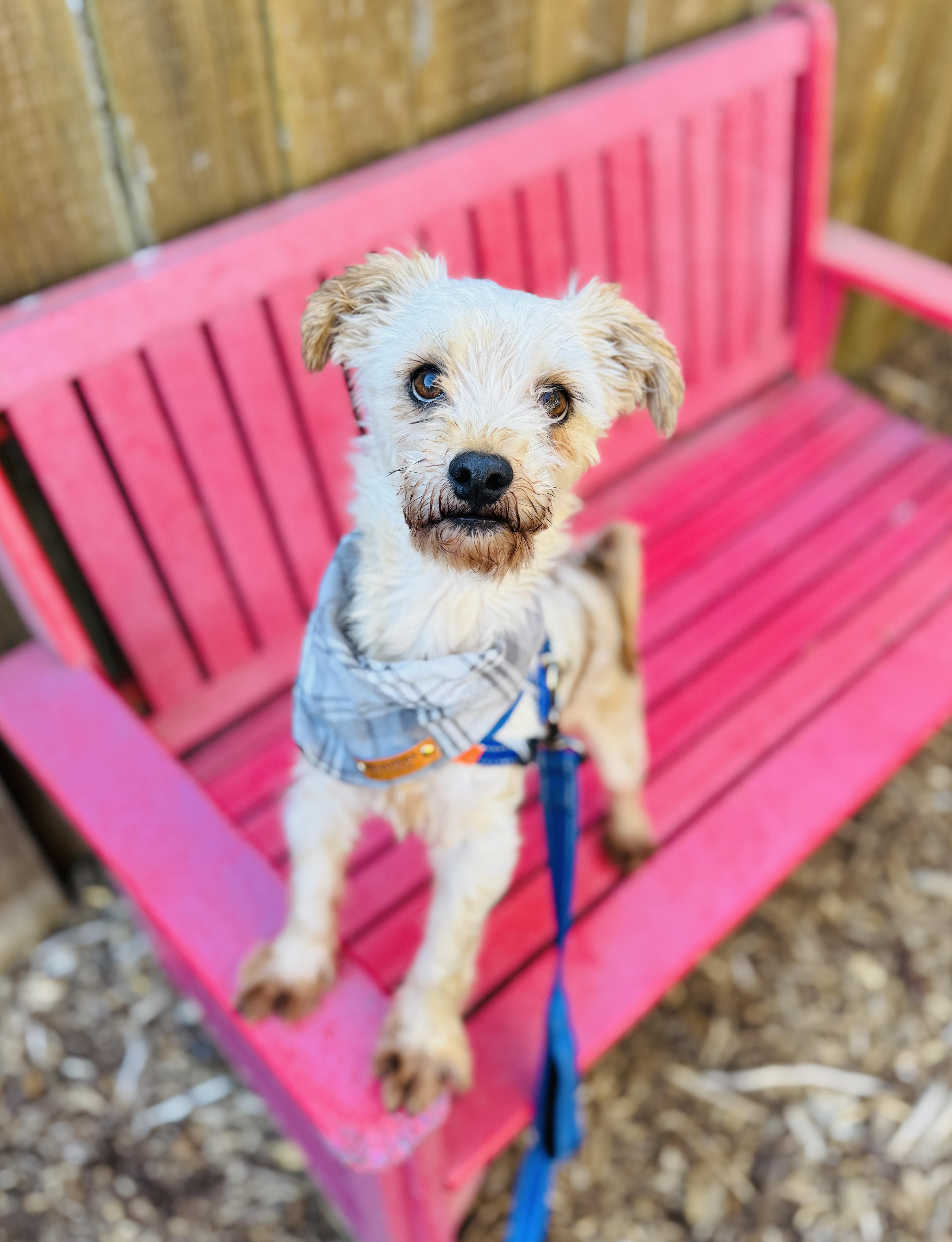
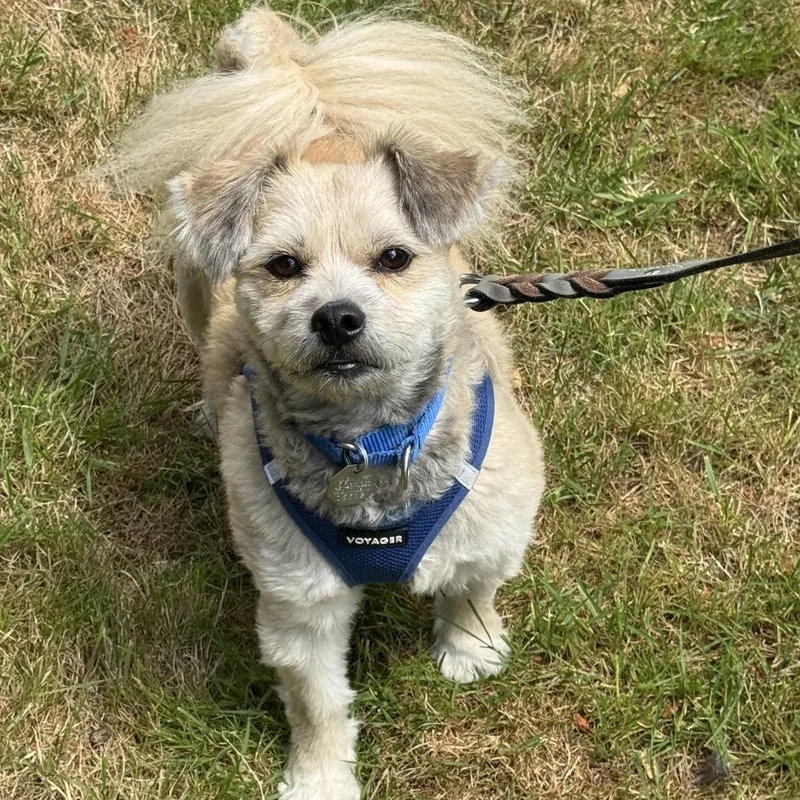
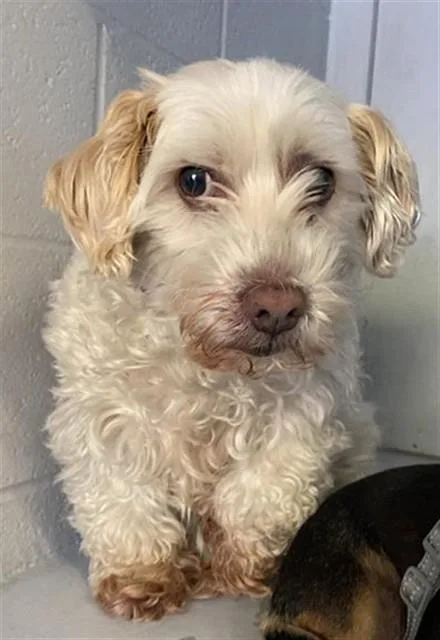
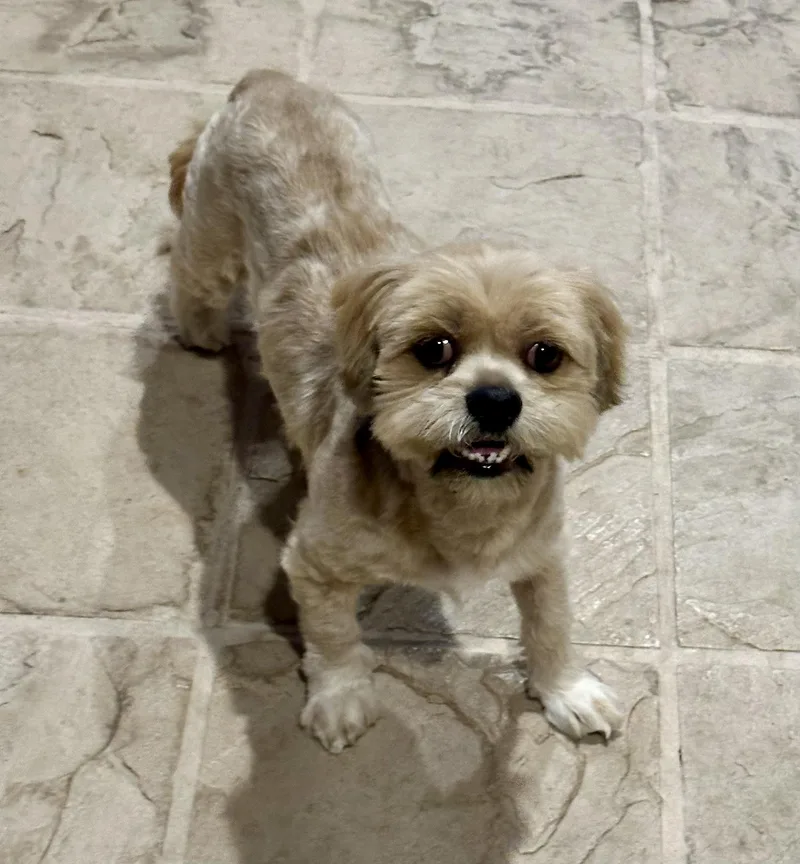
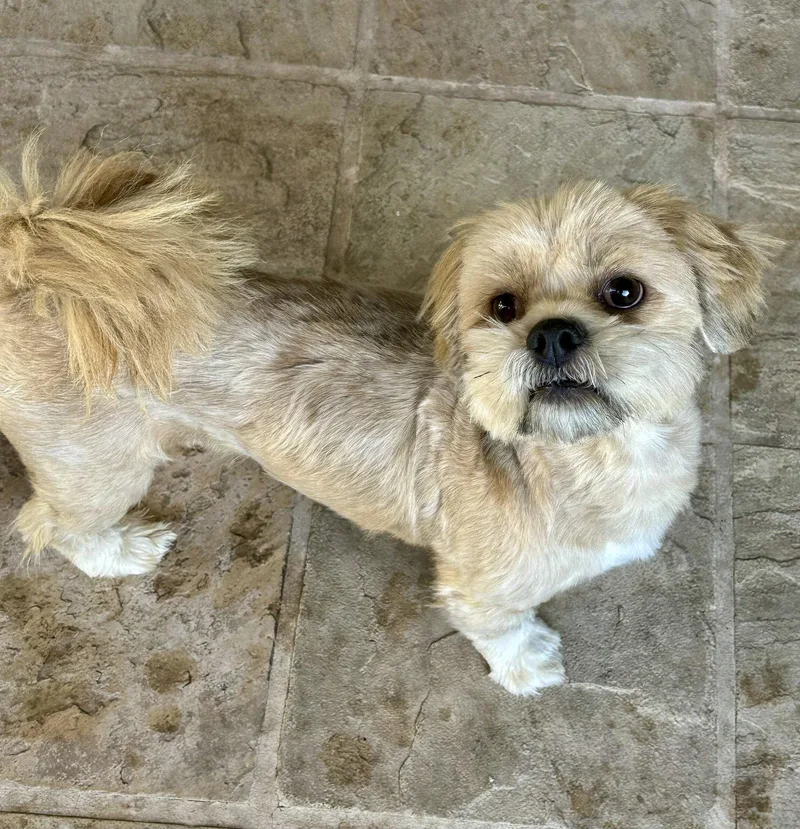
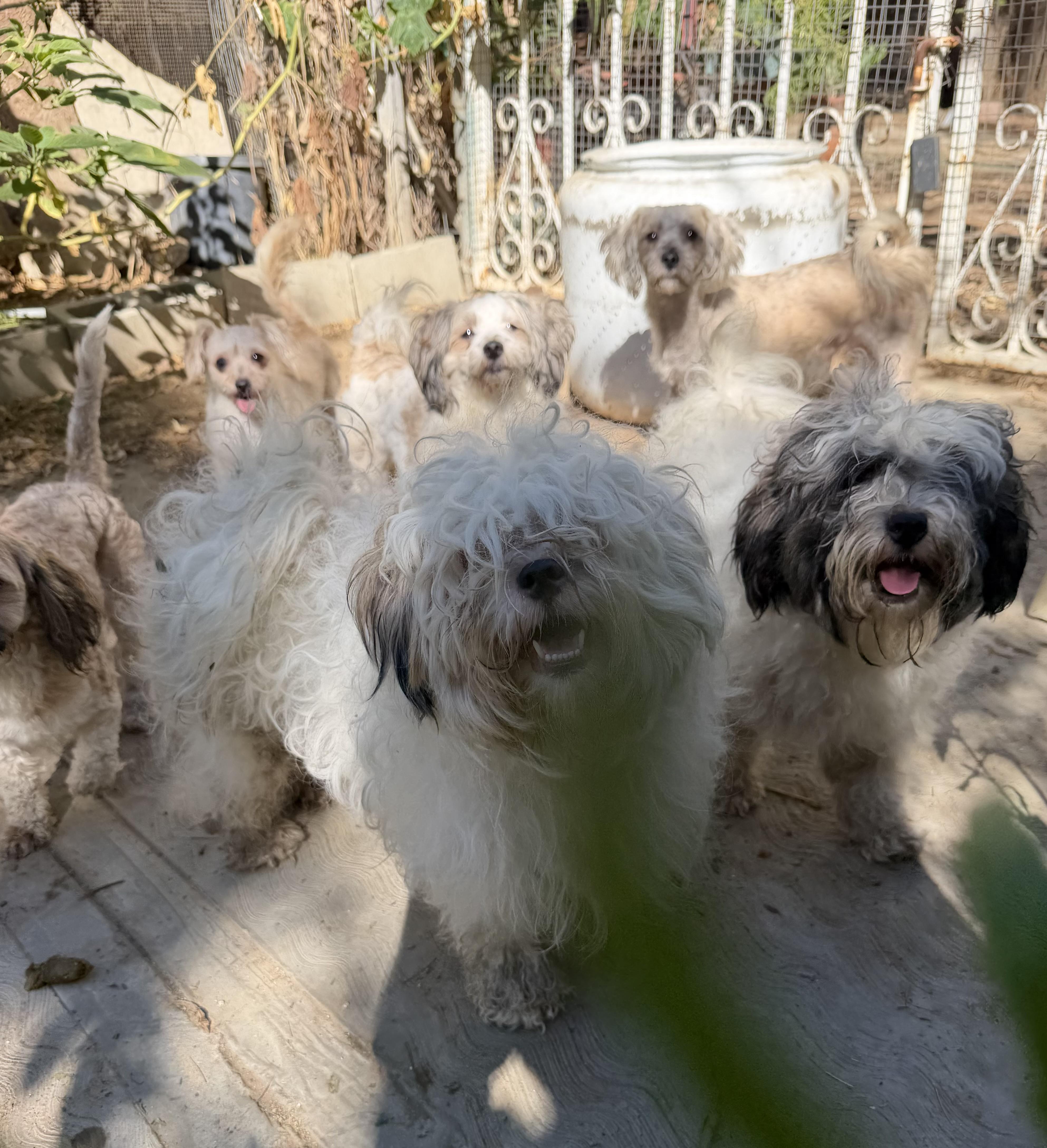
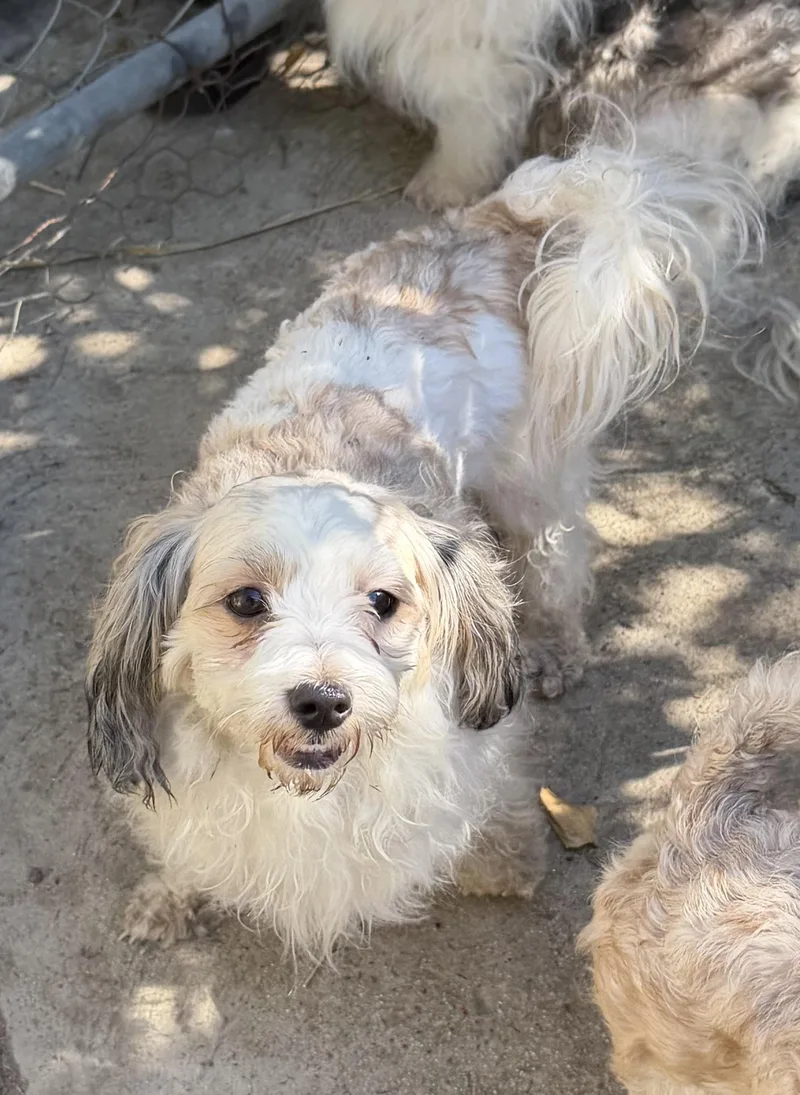
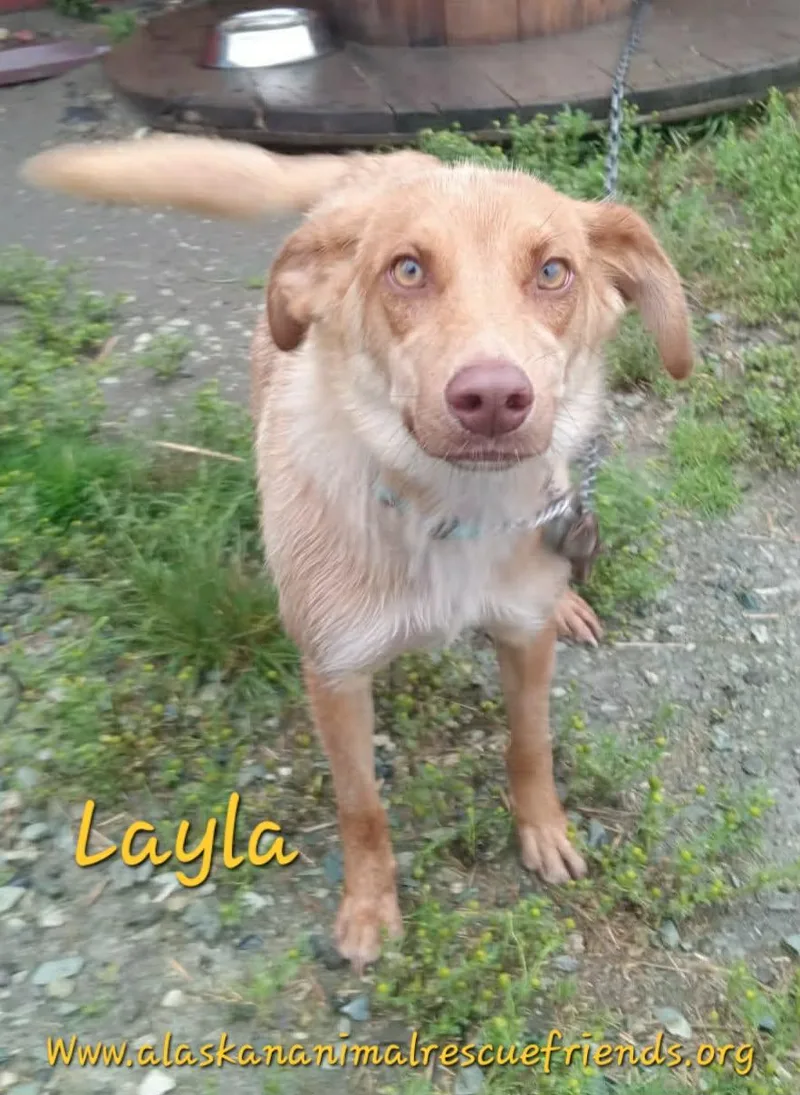
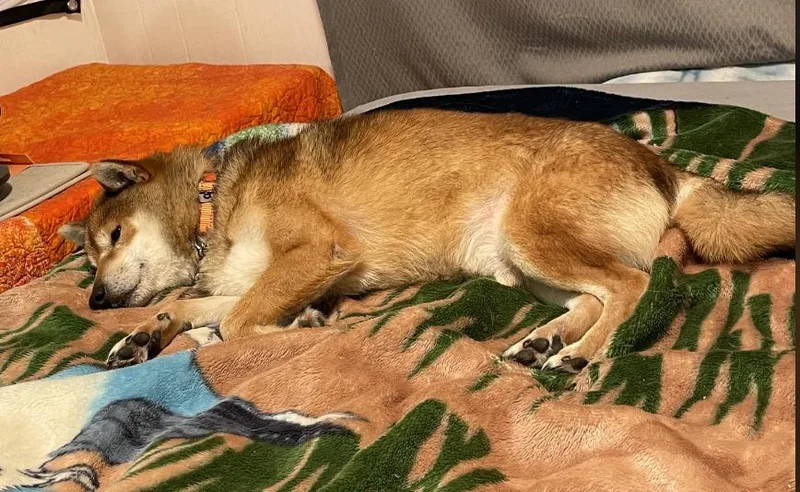
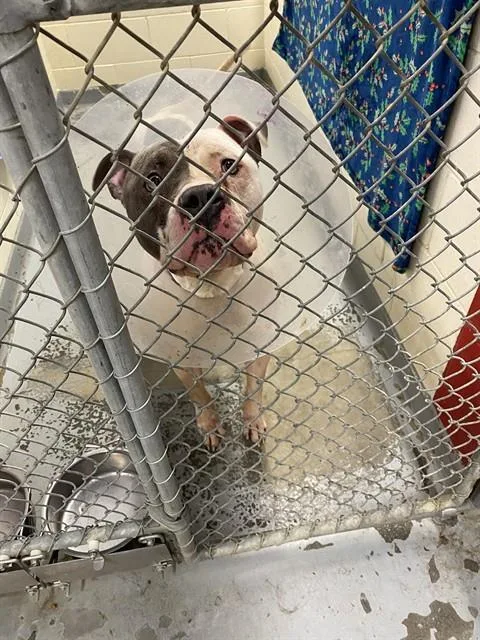
Meet a Lhasa Apso who needs you

While we don't have enough dogs near Anchorage, keep in mind that many rescues may offer transport.

Lhasa Apsos Available for Adoption Near Anchorage

About the Lhasa Apso breed

The Lhasa Apso began as a sentinel in Tibetan palaces and monasteries and is named for Tibet's capital. A pair reached the United States in 1933, a gift from the 13th Dalai Lama, and the AKC now lists the breed in the Non-Sporting Group. Adults weigh about 12 to 18 pounds and stand 9 to 11 inches tall, with a hard, straight double coat in golden, honey, black, white, red and parti colors.

Lhasas tend to be devoted and funny with their families, reserved with strangers, and quick to bark at anything unusual. They think for themselves, so patient, reward-based training works better than pressure. Shedding is low, but the coat needs daily brushing if kept long or regular trims if clipped into a puppy cut. In Anchorage, that coat is an asset in winter and a chore when snow and spring mud clump in it.

Weight
12–18 lbs
Height
9–11 in
Lifespan
12–15 yrs
Temperament
Confident, Independent, Alert, Loyal
Group
Non-Sporting
Shedding
Low

Owning a Lhasa Apso in Anchorage

Having a Lhasa Apso in Anchorage

Lhasa Apsos are small, sturdy dogs with moderate exercise needs, a coat that demands steady upkeep, and a few inherited health concerns worth knowing about. In Anchorage, icy sidewalks, early darkness and moose in green spaces shape daily routines as much as the breed does.

Temperament

Many Lhasas are loyal and playful at home and aloof with newcomers, and they bark to announce them. In Anchorage, that alertness suits dark winter evenings but can wear on neighbors in shared buildings. Dogs vary, so early socialization and calm, reward-based training matter more than the breed label.

Exercise Needs

Two or three walks a day plus indoor play usually satisfy a Lhasa. In Anchorage, keep your dog leashed outside designated off-leash areas, as city code requires, and give moose a wide berth, especially in spring when cows have calves. Short sniff walks and puzzle feeders fill the dark winter days.

Health Considerations

Lhasas can inherit kidney disease (renal dysplasia), eye problems such as cherry eye and dry eye, kneecap problems, disc disease and dental disease. Icy sidewalks can lead to slips that stress the back and knees. Regular checkups, dental care, eye exams and bloodwork as the dog ages help a veterinarian catch problems early.

Living Space

A Lhasa fits apartments and houses alike, and a fenced yard isn't essential. Barking at hallway noise is the main concern in shared buildings. In Anchorage, a secure leash and a spot by the door to wipe snow and ice-melt off paws make daily life easier.

What it costs to own a Lhasa Apso in Anchorage

ExpenseTypical costPer year
Adoption fee$200, one time$200 in year one
Food$20 to $45 per month$240 to $540
Pet insurance$40 to $85 per month$480 to $1,020
Routine vet care$200 to $400 per year$200 to $400
Other*$940 to $2,323 per year$940 to $2,323
Estimated yearly total (after year one)$1,860 to $4,283
First-year total (with adoption fee)$2,060 to $4,483

Adoption fee is the fee on Lhasa Apso listings in Anchorage on GetBuddy today. Other costs are estimates and vary with size, age and health.

* Professional grooming, a yearly dental cleaning, flea, tick and heartworm prevention, the Anchorage dog license ($15 spayed or neutered, $23 not), and toys and bedding.

Adopt a Lhasa Apso in Anchorage.

Now that you know more, let’s find you a new best friend. These rescues and shelters below currently have Lhasa Apsos available.

Rescues in Anchorage with Lhasa Apsos Available

Anchorage's adoptable dogs come from a municipal shelter and volunteer, foster-based rescues around the city. Here are the rescues & shelters in the Anchorage area where you can find Lhasa Apsos and other dogs available for adoption.

Frequently Asked Questions

Yes, Lhasa Apsos can live comfortably in Anchorage. Their heavy double coat copes with long winters, and cool summers rarely overheat them. The tradeoffs are ice, early darkness and wildlife: keep walks short on sub-zero nights, wipe ice-melt from paws, use reflective gear, and keep your Lhasa leashed because moose and bears roam the city's green spaces.

Yes. Anchorage has no known breed-specific rules, and its dangerous-dog system is based on a dog's behavior, not its breed. Anyone keeping four or more dogs needs a multi-animal facility license. Barking for more than five minutes without a pause can draw a citation, which is worth planning for with a watchful Lhasa.

Yes, a Lhasa's small size and moderate energy suit apartments. The main issue is barking at hallway noise, which can bring neighbor complaints, so practice quiet-time training and keep up daily walks. With icy, dark winter sidewalks, a towel by the door for paws helps. Lease terms vary, so read the pet policy and deposit rules before signing.

Chanshtnu Muldoon Park and Whisper Faith Kovach Park have fenced off-leash areas with small-dog sections, and Russian Jack Springs Park has an unfenced off-leash corner. For leashed walks, try Kincaid Park, where moose are common, so stay alert. Dogs need a license and current rabies vaccination to use off-leash areas.

Brush a long-coated Lhasa daily and plan a professional groom about every 6–8 weeks; a short puppy cut reduces brushing but still needs regular trims. Anchorage winters add snow, ice balls and spring mud that tangle the coat, so brush after wet walks and trim hair between the toes. Grooming is the largest part of the cost table's Other line.

Anchorage has buses but no rail, and People Mover generally accepts pets in closed, six-sided carriers. A Lhasa's 12–18 pound frame fits a carrier made for small dogs, while service animals are treated separately. Rules can change, so practice carrier training at home first, and expect a dog too big for a carrier to stay off the bus.

Usually not. Alaska's food code doesn't list pet dogs among the animals allowed in food establishments, with exceptions such as service animals. Patio policies vary by restaurant, so don't assume your Lhasa is welcome at a table. Leashed walks and park outings are the safer bet for a small dog in Anchorage.

A Lhasa Apso is a small, sturdy dog from Tibet, bred to serve as an indoor watchdog in monasteries and palaces. It has a long, heavy double coat, a plumed tail curled over its back and a confident, sometimes aloof personality. The AKC places it in the Non-Sporting Group, and many make loyal, entertaining companions.

We have 1 rescue with Lhasa Apsos available: Kitty and K-9 Connection. You can see every rescue with Lhasa Apsos available in the list above these questions, or scroll to the top to see the Lhasa Apsos near Anchorage.

Expect roughly $20–$45 a month for food, $40–$85 a month for insurance, $200–$400 a year for routine vet care, and $940–$2,323 a year for other costs, led by professional grooming. Together that comes to about $1,860–$4,283 a year, before emergencies or one-time supplies like a crate, harness and winter gear.