Burmese Cats for Adoption in Nashville, TN

Your guide to finding and caring for a Burmese in Nashville

Burmese cats do well in Nashville homes where someone is around a lot, whether that's a Hillsboro Village house or a Germantown apartment. They're social, playful cats that follow you from room to room and greet guests at the door. A sunny window perch and a sturdy cat tree go a long way for an indoor Burmese, and a spring thunderstorm is easier when the cat is curled up next to you. Expect a cat that wants in on every evening routine.

24 Burmese available in Nashville and nationwide

Find your Burmese

While we don't have enough cats near Nashville, keep in mind that many rescues may offer transport.

Burmese Available for Adoption Near Nashville

About the Burmese breed

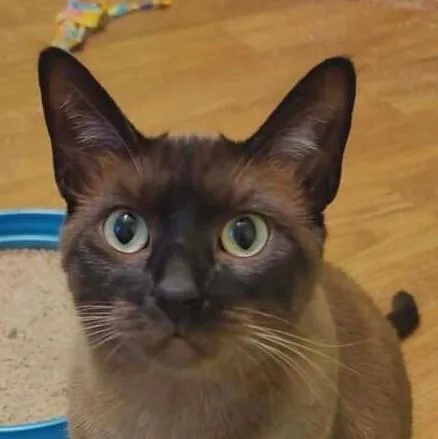
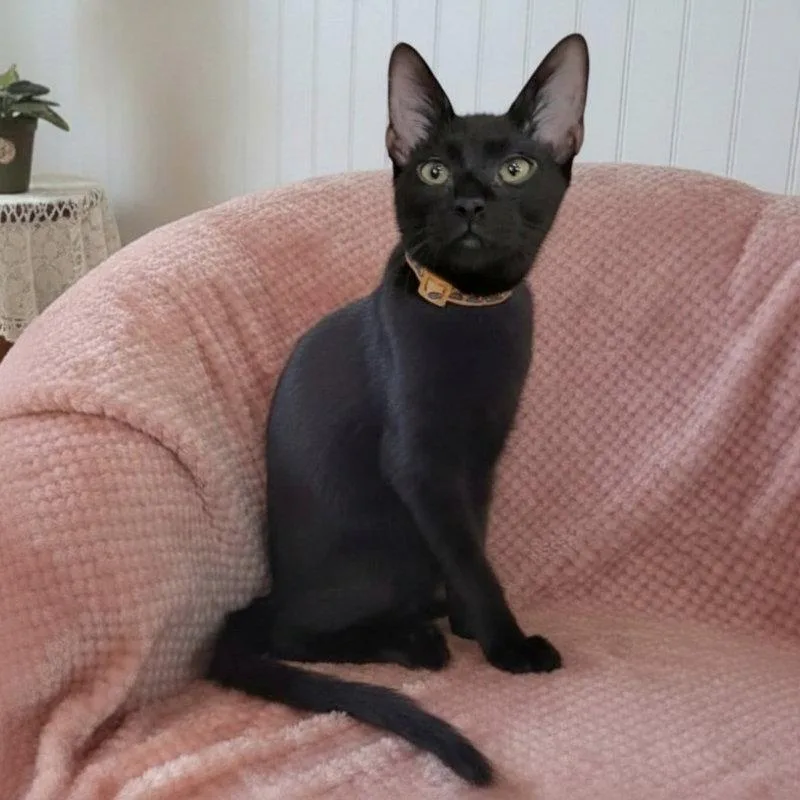
Nearly every Burmese in America traces back to Wong Mau, a walnut-brown cat brought to San Francisco in 1930 and paired with Siamese cats to establish the breed. Burmese are compact, muscular and heavier than they look, usually 8 to 13 pounds, with a short, glossy coat and large gold eyes. Sable is the classic color, though champagne, blue and platinum are common too.

Burmese are known for being people-focused and playful well into adulthood. Many follow their family around, learn games like fetch and speak up softly when they want attention. In Nashville, that makes them a good match for homes where someone is often around or another pet offers company. Adopters should also know about inherited conditions in the breed, including diabetes, and that adult cats vary in personality.

Weight
8–13 lbs
Height
9–11 in
Lifespan
12–17 yrs
Temperament
Affectionate, Social, Playful
Shedding
Low

Owning a Burmese in Nashville

Having a Burmese in Nashville

Burmese pair a dense, satin-coated body with a big need for company. Daily play, easy grooming and a few breed-linked health risks shape how well one fits a Nashville household's schedule, whether that's an apartment or a house.

Temperament

Burmese are affectionate, curious and sociable, and many follow people around like a dog. In a Nashville apartment or house, that closeness is a plus if someone is home often. Most get along with respectful kids and cat-friendly dogs, though adult cats differ, so consider how each cat reacts to your household.

Exercise Needs

Plan on daily interactive play, such as wand toys, fetch and puzzle feeders, to keep a Burmese lean and busy. Nashville's long, humid summers and rainy days make indoor play the main outlet, so sturdy cat trees and window perches earn their space. A secure catio can add variety.

Health Considerations

Burmese can be prone to diabetes, low potassium, feline orofacial pain syndrome and, in some lines, a serious inherited head defect in kittens. Keep a Burmese lean, watch for extra thirst or weakness, and schedule regular checkups with blood work as it ages. In Nashville's warm months, keep flea and tick prevention current.

Living Space

A Burmese adapts to Nashville's apartments and houses alike, provided it has company, play and places to climb. Indoor living also keeps it clear of the coyotes that turn up in Nashville neighborhoods. Many dislike long hours alone, so busy households may want a compatible second pet.

What it costs to own a Burmese in Nashville

ExpenseTypical costPer year
Food$25 to $50 per month$300 to $600
Pet insurance$30 to $60 per month$360 to $720
Routine vet care$150 to $350 per year$150 to $350
Other*$458 to $1,158 per year$458 to $1,158
Estimated yearly total (after year one)$1,268 to $2,828

Other costs are estimates and vary with size, age and health.

* The $8 Davidson County rabies tag, litter, flea and tick prevention, a dental cleaning allowance, toys, scratchers and climbing furniture, and minimal grooming for the short coat.

Adopt a Burmese in Nashville.

Now that you know more, let’s find you a new best friend. These rescues and shelters below have cats available in and near Nashville.

Rescues and Shelters in or near Nashville

Nashville's rescue community includes a large Metro shelter and several nonprofit groups, many of them foster-based, placing cats into homes. Here are the rescues & shelters in the Nashville area with cats available for adoption, worth asking whether a Burmese is coming in.

Frequently Asked Questions

Often, yes, if someone is home a fair amount. Burmese are social, playful cats that adapt well to Nashville's apartments and houses, and their short coat copes with humid summers when the home is cool. Plan for daily indoor play, a safe spot for severe storms and regular checkups, since the breed carries some inherited health risks.

Yes. A Burmese's medium size and low shedding suit apartment life, provided it has climbing spaces, window perches and daily play. Before signing a lease, get the landlord's pet policy, fees and deposit terms in writing, and ask whether a balcony enclosure is allowed. Metro sets no pet-count cap, so the building's rules decide.

Yes. Nashville's animal code has no breed-specific rules, so a Burmese is treated like any other cat. Metro requires cats six months or older to be vaccinated for rabies and registered with Davidson County, and it doesn't mandate spay/neuter or microchips. A collar ID and microchip still help a lost cat get home.

Yes, as indoor cats. Nashville summers are hot and humid, but a short coat and a cool home make them manageable. Provide air conditioning, shade and fresh water in several spots, and never leave a cat in a parked car. Heavy panting, drooling or weakness can signal heat stress and needs a veterinarian right away.

Only in a carrier. WeGo's code of conduct allows non-service animals on its buses and the WeGo Star train only in an approved transfer cage, and Nashville has no subway. A Burmese is medium-sized, so a sturdy carrier should work, but confirm current WeGo carrier requirements and fares before your first trip.

Very little. A weekly rubber-brush session keeps the short, satin coat glossy, and shedding stays low even in Nashville's humid summers. Add regular nail trims and tooth care. Professional grooming is rarely needed, which is why it's a small part of the Other costs on this page, alongside litter, parasite prevention and dental care.

A Burmese is a medium-sized, muscular shorthaired cat known for a glossy, satin-like coat, gold eyes and a famously people-oriented personality. Most American Burmese trace back to a single brown cat, Wong Mau, brought to San Francisco in 1930. They are playful, social and affectionate, and they come in sable, champagne, blue, platinum and other colors.

The name Burmese simply means from Burma, the country now called Myanmar. It refers to where the breed's foundation cat, Wong Mau, was believed to come from, in the region near the border between Burma and Thailand. Brown cats resembling the Burmese are thought to appear in old Thai cat manuscripts, long before the modern breed was developed in America.

Burmese cats are moderately vocal. They usually speak up when they want attention, food or company, but they are generally quieter than their Siamese relatives, with softer, sweeter voices. Many hold chatty conversations with their people and greet them at the door. Individual cats vary, and some are quite talkative while others rarely meow.

Expect roughly $1,270 to $2,830 a year for a Burmese in Nashville, covering food ($25 to $50 a month), insurance ($30 to $60 a month), routine vet care ($150 to $350 a year) and other costs ($458 to $1,158 a year). Insurance runs higher because the breed has well-documented inherited conditions.