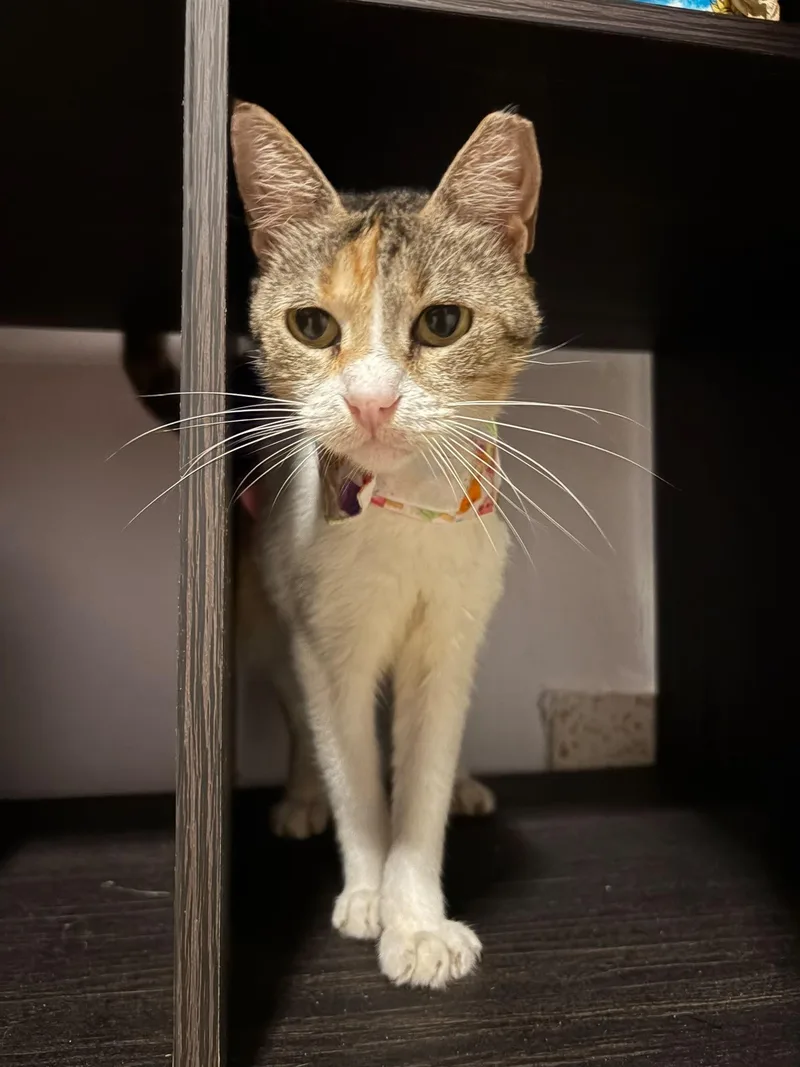
Cornish Rex Cats for Adoption in New York, NY

Your guide to finding and caring for a Cornish Rex in NYC

A Cornish Rex suits a small New York apartment well, because it wants your company more than square footage. In a Ridgewood one-bedroom or a Manhattan walk-up, this lean, curious cat will turn a windowsill into a lookout and a hallway into a racetrack. Vertical space matters more than floor space, so a tall cat tree goes a long way. The thin coat also means a warm spot matters once January settles in. It's a good match if you're home a fair amount.

18 cats similar to Cornish Rex available in New York and nationwide

Fall for a Cornish Rex

While we don't have enough cats near New York, keep in mind that many rescues may offer transport.

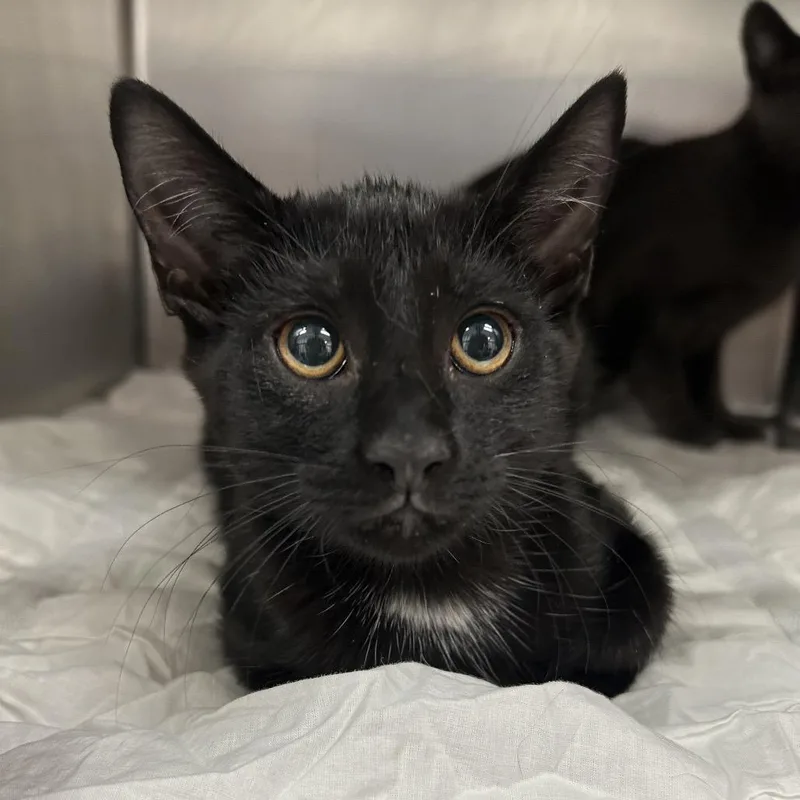
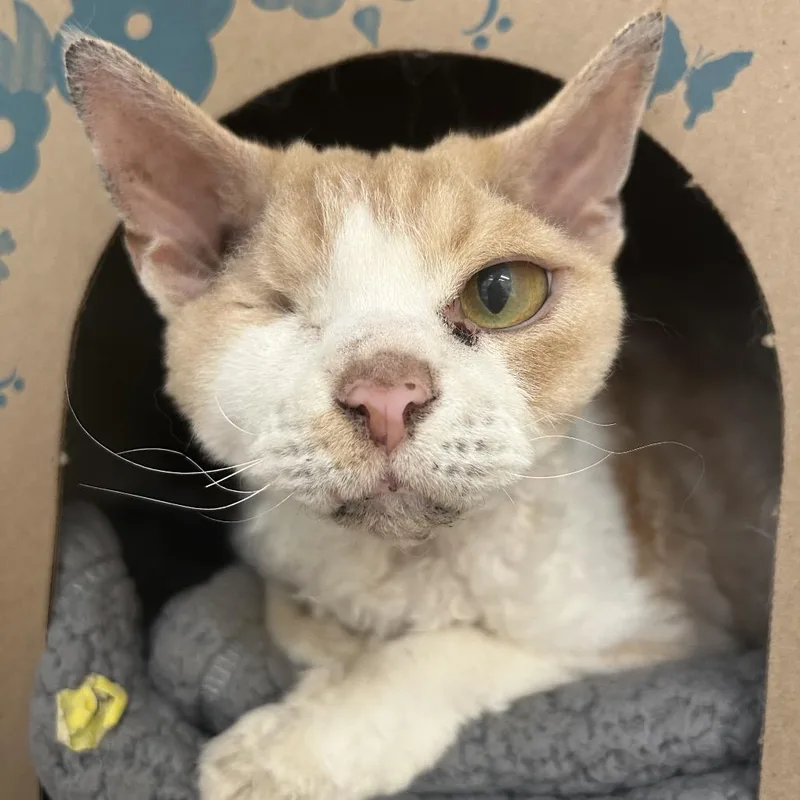
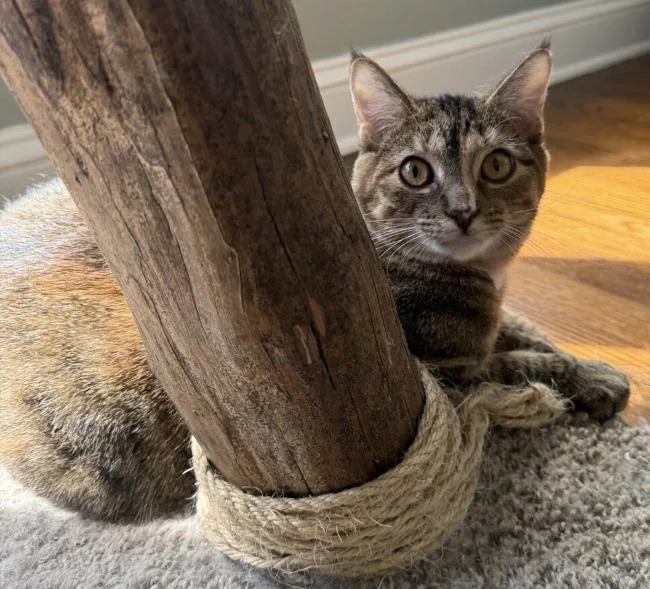
Cornish Rexes and Similar Breeds Available for Adoption Near New York

About the Cornish Rex breed

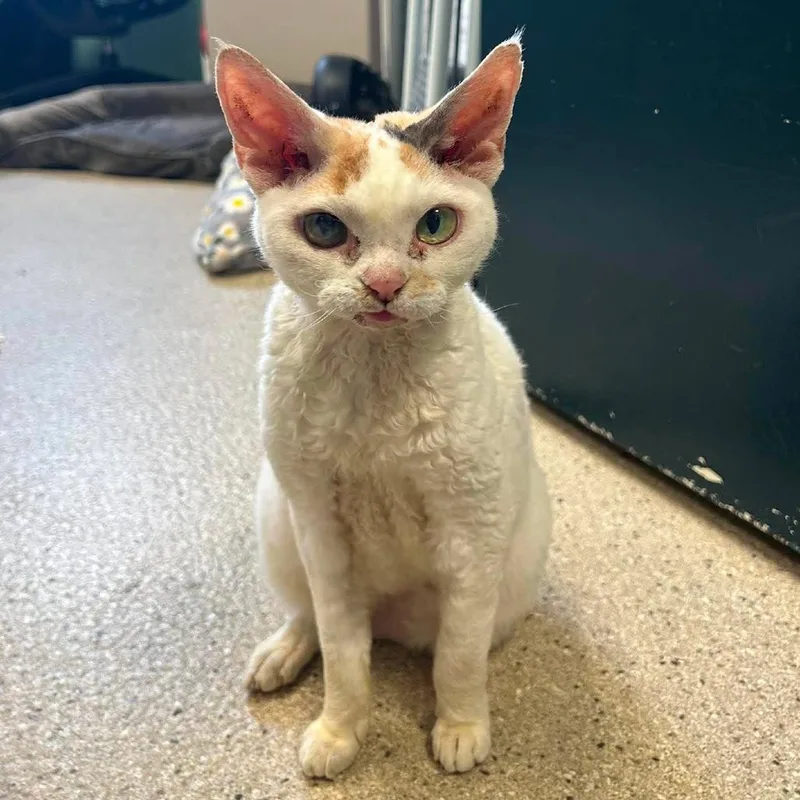
The Cornish Rex began with a curly-coated kitten born on a Cornwall farm in 1950. Its coat is only the soft down layer, which lies in tight waves that feel like warm suede. Add a lean, arched body, long legs, an egg-shaped head and very large ears, and it's easy to pick out. The coat sheds little, but the breed isn't truly hypoallergenic.

Many Cornish Rex cats stay playful and kitten-like well into adulthood. They often fetch, follow their people from room to room and curl up on warm laps. Because the coat gives little protection from cold or sun, they live indoors and need cozy resting spots, occasional baths and regular ear cleaning. For a New York household, that adds up to a small, active cat who rewards daily attention.

Weight
6–10 lbs
Height
8–12 in
Lifespan
11–15 yrs
Temperament
Active, Affectionate, Playful, Curious
Shedding
Low

Owning a Cornish Rex in New York

Having a Cornish Rex in NYC

A Cornish Rex is a busy, people-oriented cat with a very thin coat, which shapes what a good New York home looks like. Expect plenty of play, warm resting spots and regular ear and skin care, whether you live in a studio or a townhouse.

Temperament

Cornish Rex cats tend to be outgoing and attached to their people, which suits a compact NYC apartment where you're often in the same room. Many greet guests happily, though a loud building can unsettle some. Every cat differs, so notice how a cat reacts to noise and handling before deciding.

Exercise Needs

Plan on several short, energetic play sessions a day with wand toys, balls and fetch. In an apartment, climbing makes up for limited floor space: a tall cat tree, wall shelves and a window perch all help. Food puzzles keep a Rex busy on days when you're out late.

Health Considerations

Hypertrophic cardiomyopathy and progressive retinal atrophy have been reported in the breed, so a veterinarian can check the heart and eyes at the first visit. The thin coat also tends toward oily skin and waxy ears, which routine care handles. Weigh the cat regularly, since many Rexes have big appetites.

Living Space

Most New York apartments work for a Cornish Rex if they're warm and offer vertical space. A studio is fine with a cat tree, a window perch and company. Keep window screens secure in a walk-up or high-rise, since a curious jumper can slip out of an open window.

What it costs to own a Cornish Rex in New York

ExpenseTypical costPer year
Food$20 to $40 per month$240 to $480
Pet insurance$25 to $50 per month$300 to $600
Routine vet care$150 to $350 per year$150 to $350
Other*$500 to $1,350 per year$500 to $1,350
Estimated yearly total (after year one)$1,190 to $2,780

Other costs are estimates and vary with size, age and health.

* Litter, parasite prevention, a dental cleaning allowance, toys and scratchers, bath and ear-care supplies, and warm bedding or sweaters for a thin coat.

Adopt a Cornish Rex in New York.

Now that you know more, let’s find you a new best friend. These rescues and shelters below have cats available in and near New York.

Rescues and Shelters in or near New York

The shelters and rescues below list adoptable cats around New York City, and the selection changes often. Here are the rescues & shelters in the NYC area with cats available for adoption, worth asking whether a Cornish Rex is coming in.

Frequently Asked Questions

Yes, a Cornish Rex can live happily in a New York apartment, even a studio, as long as it has warmth, climbing space and company. Vertical space matters more than square footage, so add a tall cat tree and a window perch. Plan daily play sessions, and keep window screens secure on upper floors.

Yes, as long as your Cornish Rex is in a bag or other container and carried so it doesn't annoy other riders. That's the MTA rule for the subway and buses. At 6 to 10 pounds, a Rex fits a standard carrier easily. In winter, drape a blanket over the carrier, because the thin coat chills fast.

Yes, as indoor cats with plenty of warmth. Central Park averages about 67 freezing nights and 29.8 inches of snow a year, which is far too harsh for a thin-coated Rex outdoors. Offer a heated bed, blankets or a sweater, and keep its resting spots away from drafty windows.

Often, yes. A small, low-shedding, athletic cat adapts well to compact apartments, as long as you can offer daily play and companionship. Noisy buildings and long workdays can be harder on a people-loving Rex, so a second pet or a flexible schedule helps. Each cat's comfort with noise varies.

Yes. No breed-specific ownership rules apply in NYC, and the city requires no cat license. State law does require rabies vaccination. NYCHA public housing allows one dog or one cat per household, registered within 30 days. Private leases and co-op rules vary, so read yours before you commit.

A Cornish Rex needs no brushing, but expect weekly ear cleaning and baths as often as every week or two if the skin turns oily. Dry the cat thoroughly and keep it warm afterward, especially in winter, and skip blow dryers. Bath and ear-care supplies fall under the yearly Other costs, so no groomer is required.

No, Cornish Rex cats are not hypoallergenic. The main cat allergen, a protein called Fel d 1, comes from saliva and skin glands rather than hair, and Cornish Rex cats produce it like other cats. Because they shed little, some people with mild allergies report fewer symptoms. Spend time with a specific cat before adopting to test your reaction.

A Cornish Rex is a small, slender cat breed from Cornwall, England, known for its short, wavy coat made only of soft down hair. It has large ears, a long arched body, long legs and an egg-shaped head. Cornish Rex cats are typically active, affectionate and playful, and they need indoor living, warmth and plenty of attention.

Cornish Rex cats shed very little. They lack the outer guard hairs and middle awn hairs most cats have, so their short, curly down coat drops far less hair around the home. Light shedding still happens, and the coat can thin seasonally. Instead of brushing, many owners just stroke the coat or wipe it with a soft cloth.

Budget roughly $1,200 to $2,800 a year for a Cornish Rex in NYC: food at $20 to $40 a month, insurance at $25 to $50 a month, routine vet care at $150 to $350 a year and $500 to $1,350 in other yearly costs. There's no city cat license fee. NYC's overall price level is among the highest in the U.S., so get local quotes.

Find Cornish Rexes in Nearby Cities

Expand your search to find Cornish Rexes available for adoption near New York.