Chartreux Cats for Adoption in Omaha, NE

Your guide to finding and caring for a Chartreux in Omaha

Chartreux cats suit Omaha's apartment neighborhoods well, since they're quiet and happy to watch the street from a window. A Chartreux in a Little Bohemia flat or an Aksarben Village apartment won't bother the neighbors with noise, and a sunny perch gives it plenty to watch. These cats like steady routines and a favorite person nearby, so they fit someone who works from home or keeps regular hours. Plan on play sessions each evening to keep that sturdy frame lean.

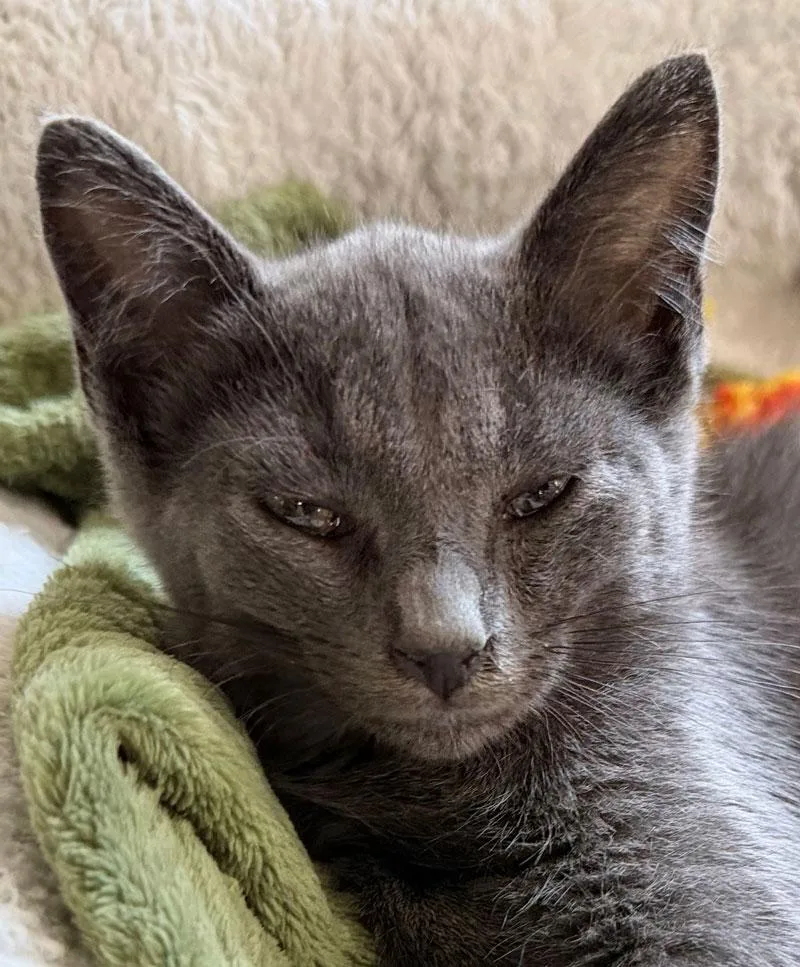
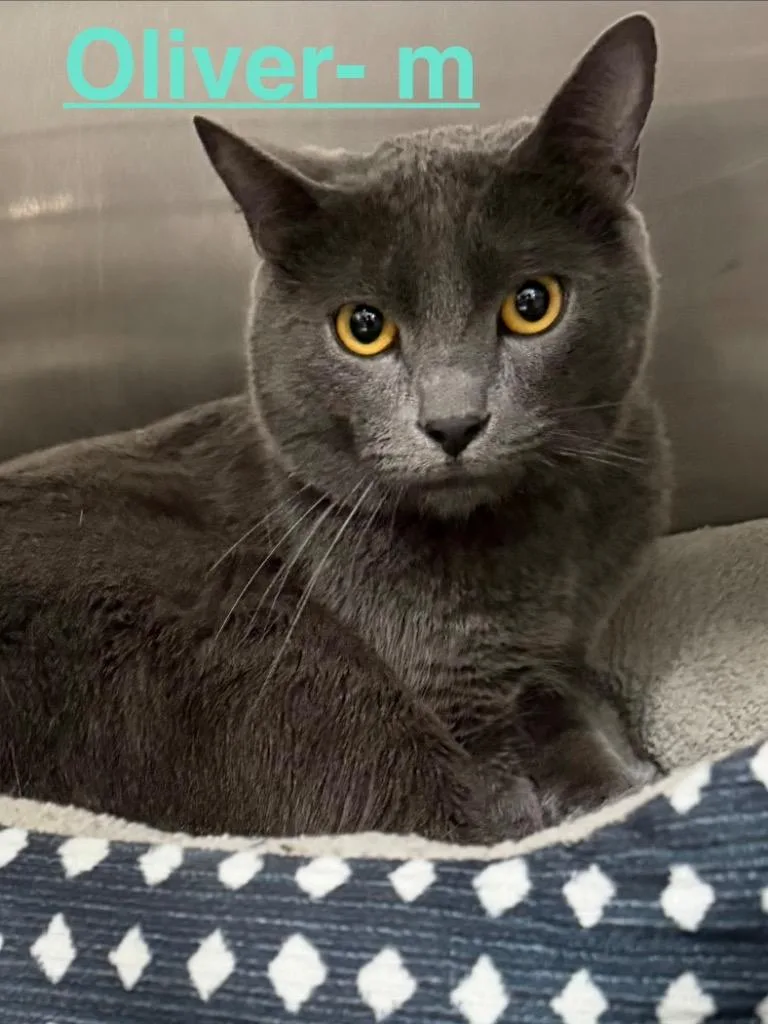
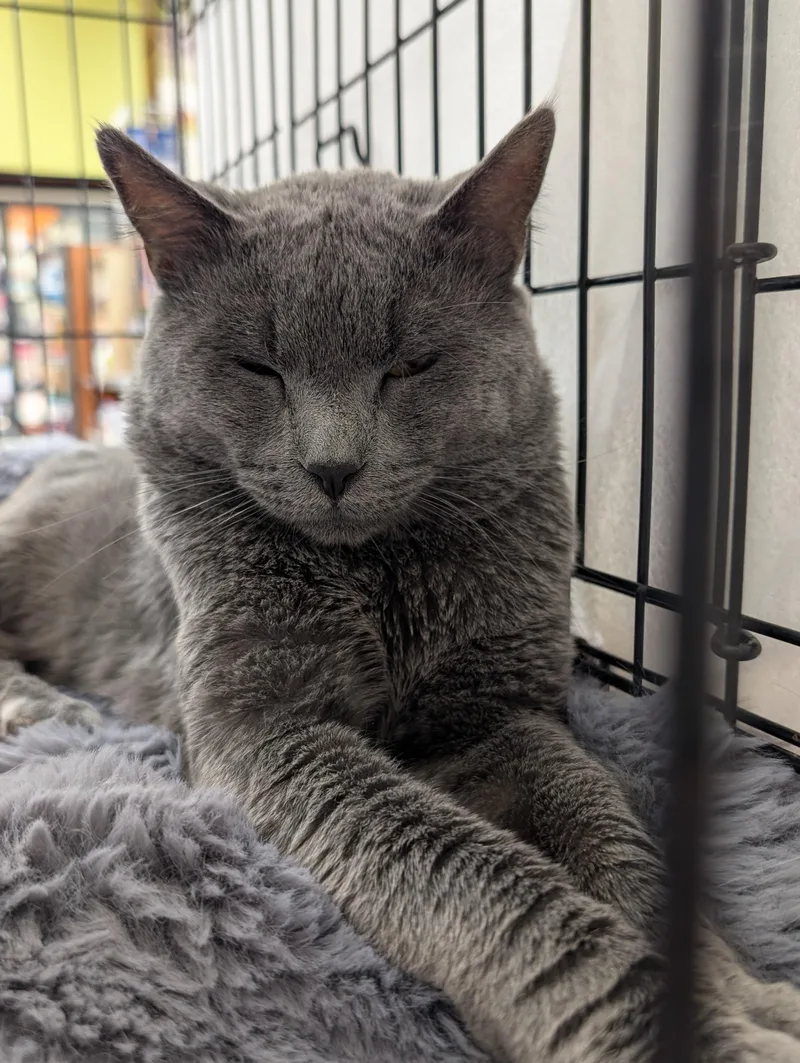
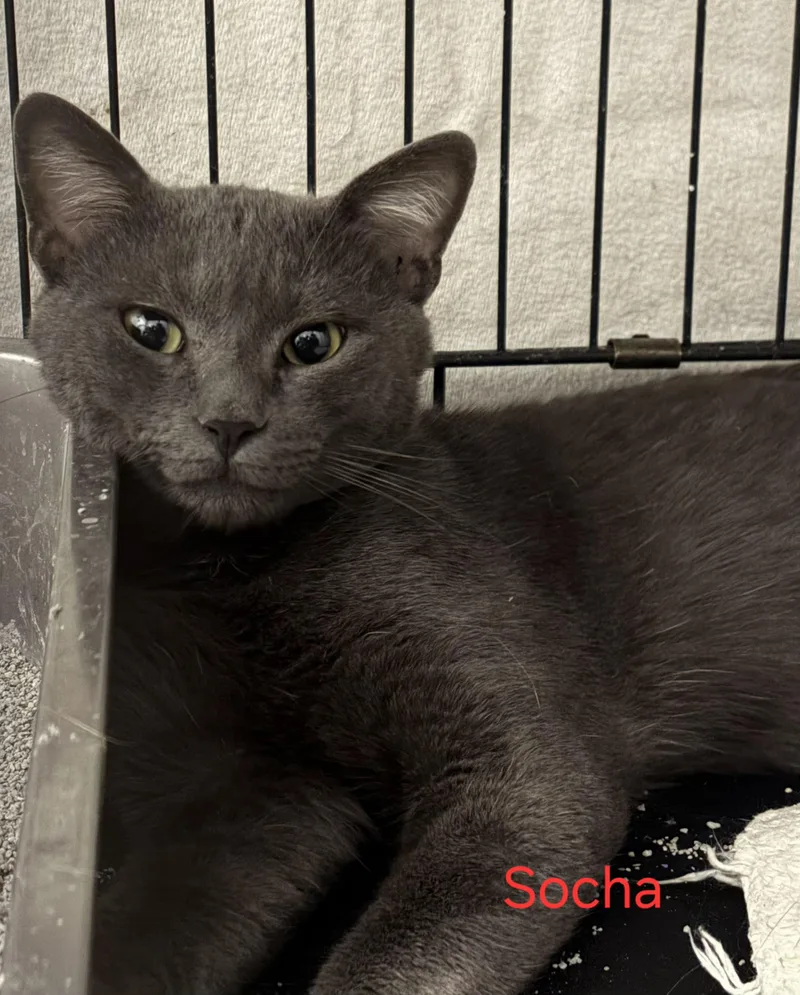
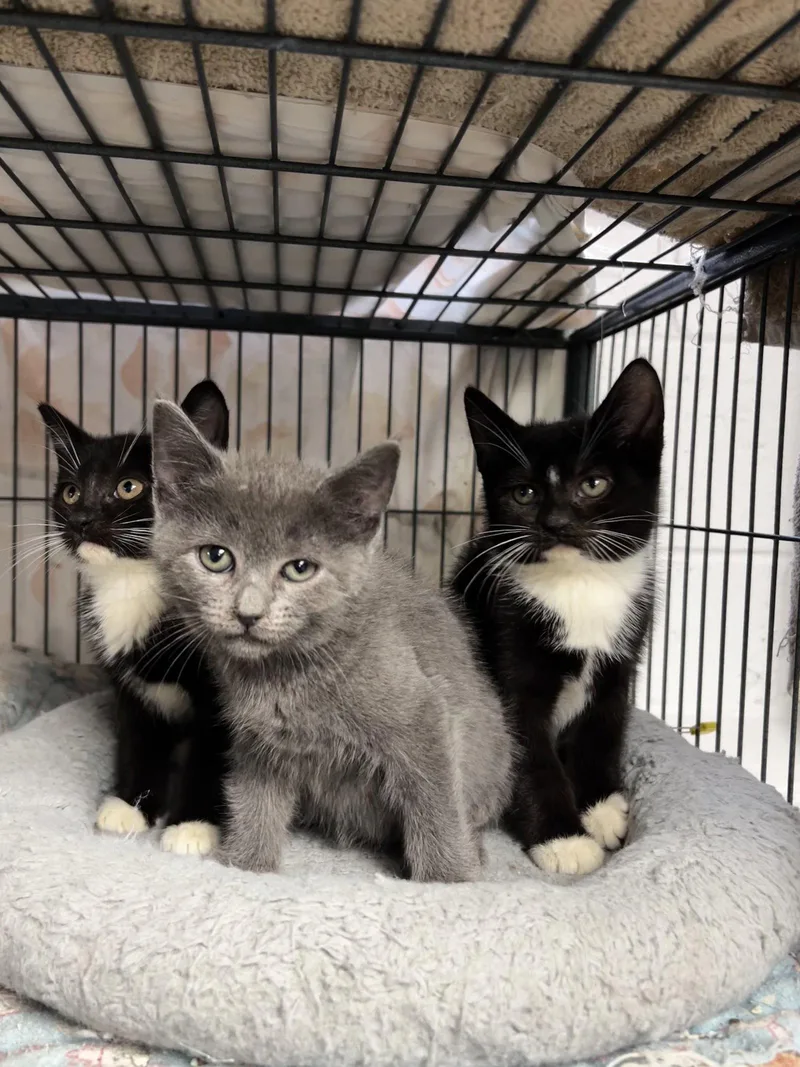
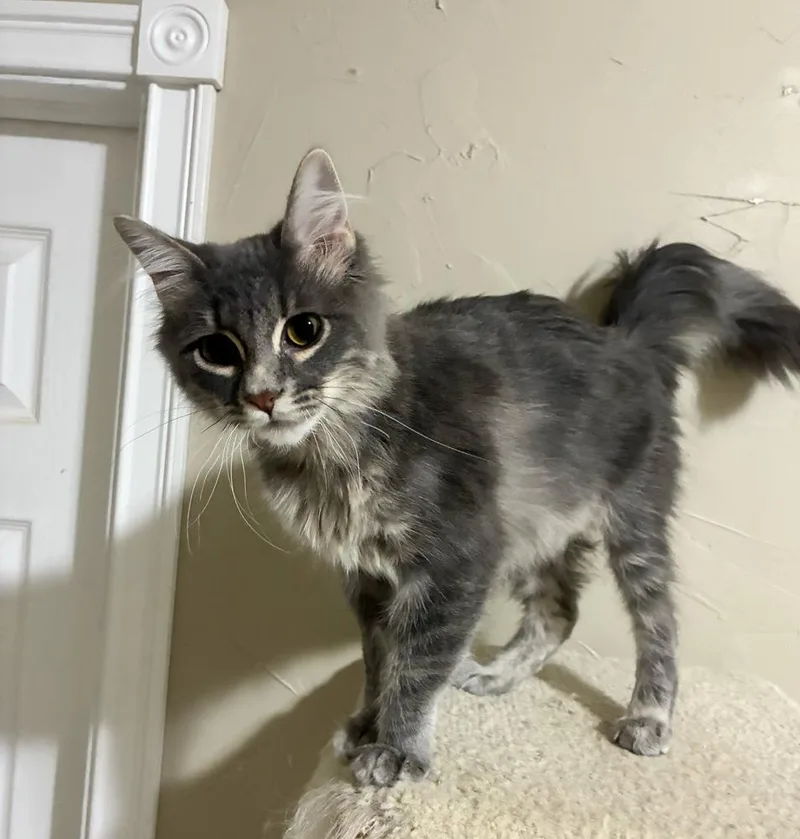
16 Chartreuxes available in Omaha and nationwide

Say hello to your Chartreux

While we don't have enough cats near Omaha, keep in mind that many rescues may offer transport.

Chartreuxes Available for Adoption Near Omaha

About the Chartreux breed

The Chartreux is a sturdy blue cat from France, built on fairly short legs with a dense, woolly, water-resistant coat and gold to copper eyes. Its tapered muzzle gives it a gentle, smiling look. The breed is uncommon in the United States, so a Chartreux in Omaha is a lucky find rather than something to count on.

Most Chartreux are calm, quiet and attached to their household, often trailing a favorite person from room to room. They talk in soft chirps more than meows. Play comes in short bursts, and a measured diet matters because they put on weight easily. In Omaha's apartments and older Midtown homes, the main needs are a window perch, daily play and weekly brushing, with extra brushing when the coat sheds in spring and fall.

Weight
7–14 lbs
Height
9–11 in
Lifespan
12–15 yrs
Temperament
Quiet, Loyal, Calm, Gentle
Shedding
Moderate

Owning a Chartreux in Omaha

Having a Chartreux in Omaha

Chartreux are quiet, steady cats that fit apartments and busy streets well. Their sturdy build and love of hunting games mean daily play matters, and their dense coat needs regular brushing, especially through Omaha's seasonal swings.

Temperament

Chartreux tend to be calm, gentle and loyal, often choosing one favorite person to follow around. That suits a quiet Omaha apartment or a home with steady routines. Many accept respectful children and calm pets after gradual introductions, though each cat arrives with its own comfort level and may watch newcomers before engaging.

Exercise Needs

Plan on a few short, lively play sessions a day with wand toys, feathers and toy mice, which satisfy the Chartreux hunting instinct. Food puzzles add mental work. In Omaha, long winters keep cats indoors, so scheduled play and a tall cat tree matter for keeping this weight-prone breed lean and busy.

Health Considerations

Chartreux are generally hardy, but patellar luxation, a kneecap that slips out of place, is documented in the breed, and weight gain and dental disease are common concerns. Measured meals, play and yearly veterinary checkups help. A vet can check the knees and teeth soon after adoption.

Living Space

A Chartreux adapts well to Omaha's mix of apartments, condos and older houses, as long as it has a cat tree and a window perch. Indoor living is safest, partly because coyotes are seen in several neighborhoods. Most tolerate workday absences, though they appreciate company and routine.

What it costs to own a Chartreux in Omaha

ExpenseTypical costPer year
Food$25 to $50 per month$300 to $600
Pet insurance$25 to $50 per month$300 to $600
Routine vet care$150 to $350 per year$150 to $350
Other*$472 to $1,210 per year$472 to $1,210
Estimated yearly total (after year one)$1,222 to $2,760

Other costs are estimates and vary with size, age and health.

* Litter, the Omaha cat license (lower for spayed or neutered cats), flea and tick prevention, a dental cleaning allowance, toys and scratchers, and brushing supplies for seasonal shedding.

Adopt a Chartreux in Omaha.

Now that you know more, let’s find you a new best friend. These rescues and shelters below have cats available in and near Omaha.

Rescues and Shelters in or near Omaha

Omaha's open-admission shelter and foster-based rescues list their adoptable cats here, and the lineup changes often. Here are the rescues & shelters in the Omaha area with cats available for adoption, worth asking whether a Chartreux is coming in.

Frequently Asked Questions

Yes. Omaha has no known ban on Chartreux or any other cat breed. You'll need to license the cat by 4 months old (cheaper if spayed or neutered), keep rabies vaccination current, and stay within the five-cat household limit. The breed is uncommon, so watch the listings on this page and save a search to hear about new cats.

Yes, a Chartreux usually does well in an Omaha apartment. These cats are quiet, so noise rarely bothers neighbors. Give it a cat tree, a window perch and daily play to stay lean. Before signing a lease, confirm any pet deposit stays within Nebraska's cap of a quarter of one month's rent.

Yes, the dense, woolly coat copes well with Omaha's cold as long as the cat lives indoors. Keep its bed away from drafty windows and offer a warm spot. Nebraska winters can bring sub-zero nights, so a cat should never be left outside, and a power-outage plan with blankets and water is wise.

Yes, but only in a carrier. Omaha has no subway, but Metro buses, including ORBT, require pets to ride in a carrier, which suits a medium-sized Chartreux. Keep it on your lap or the floor, not a seat, and out of the aisle. Check current fares with Metro, and expect the trip to feel stressful.

Plan on brushing once or twice a week, and more often during the heavy sheds in spring and fall. The dense, woolly coat thickens for Omaha winters and sheds as the weather warms. A slicker brush and comb cover most of it, and professional grooming is rarely needed, so supplies fall under the Other costs above.

Often, yes, for someone who wants a quiet, affectionate indoor cat. Chartreux handle apartments and cold winters well and tolerate workdays alone. They need daily play, measured meals and a plan for storm season and summer heat. A household that wants a lap cat every minute may find some Chartreux more reserved.

Yes, Chartreux cats are rare, especially outside France. Relatively few are registered each year in the United States, and they seldom appear in shelters. Many blue-gray shelter cats are domestic shorthairs or mixes rather than Chartreux. Breed rescues and cat rescues occasionally have adult Chartreux available, so watching listings regularly helps.

Chartreux is pronounced shar-TROO in French, and many English speakers say shar-TREW. The name may come from the Carthusian monks of the Grande Chartreuse monastery, though some historians link it to a Spanish wool. Whichever origin is true, the breed's name is tied to its French homeland.

You can identify a Chartreux by its solid blue-gray woolly coat, gold to copper eyes, sturdy muscular body on fairly short legs and a rounded head with a tapered muzzle that looks like a smile. Look-alikes include Russian Blues, which have green eyes and a sleeker coat, and British Shorthairs, which are rounder. Pedigree papers confirm a purebred.

Expect roughly $1,200 to $2,800 a year for a Chartreux in Omaha. That covers food at $25–50 a month, pet insurance at $25–50 a month, routine veterinary care of $150–350 a year, and about $470–1,210 a year in other costs such as litter, dental care and the city license.