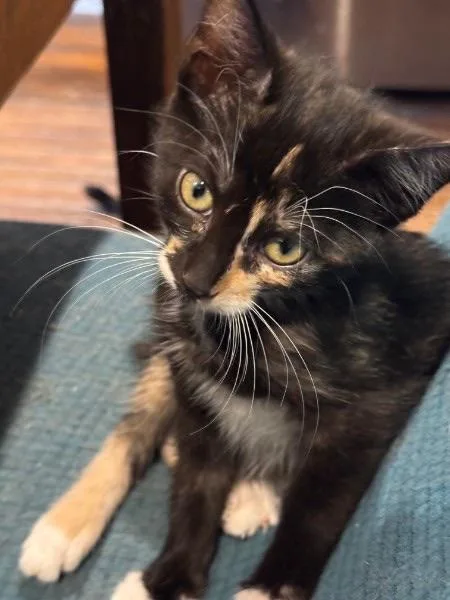
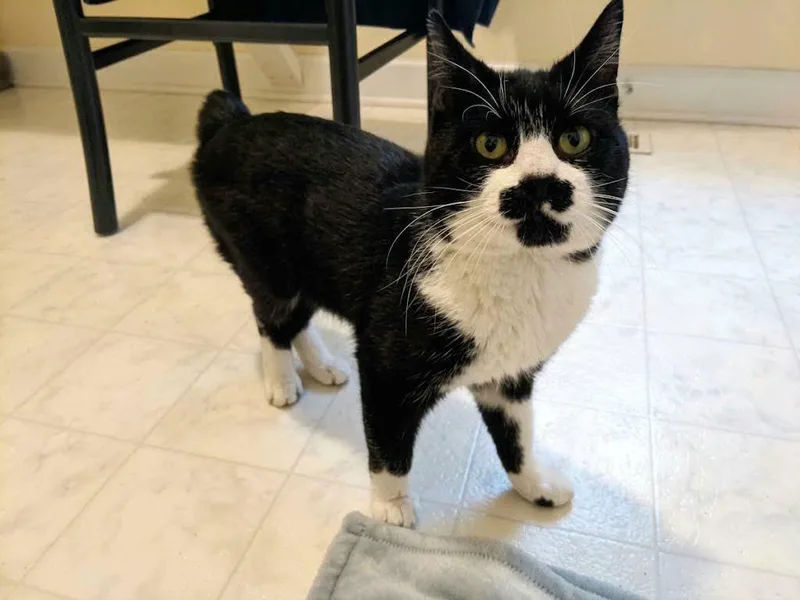
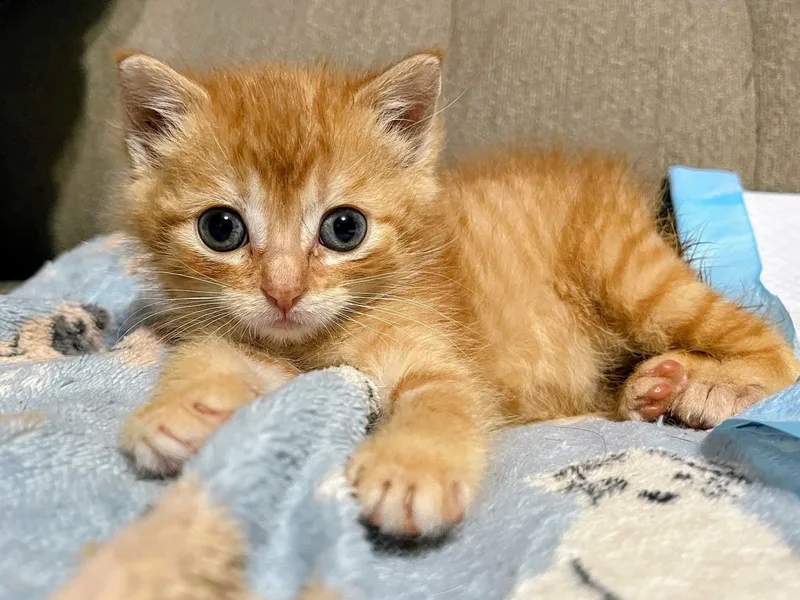
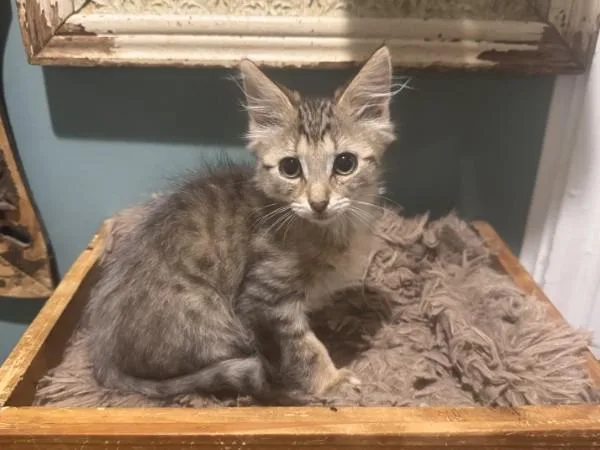
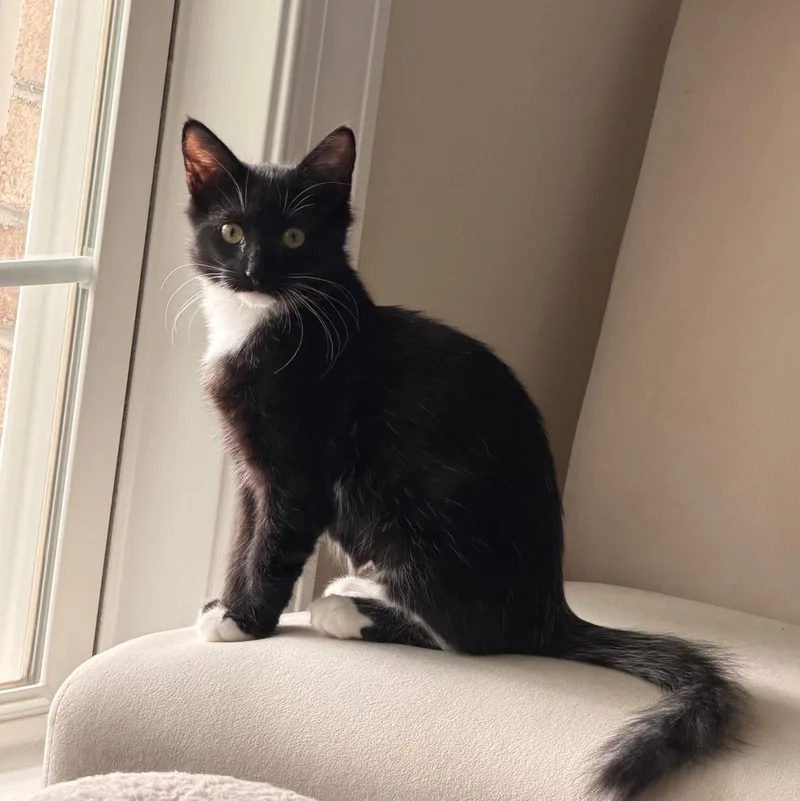
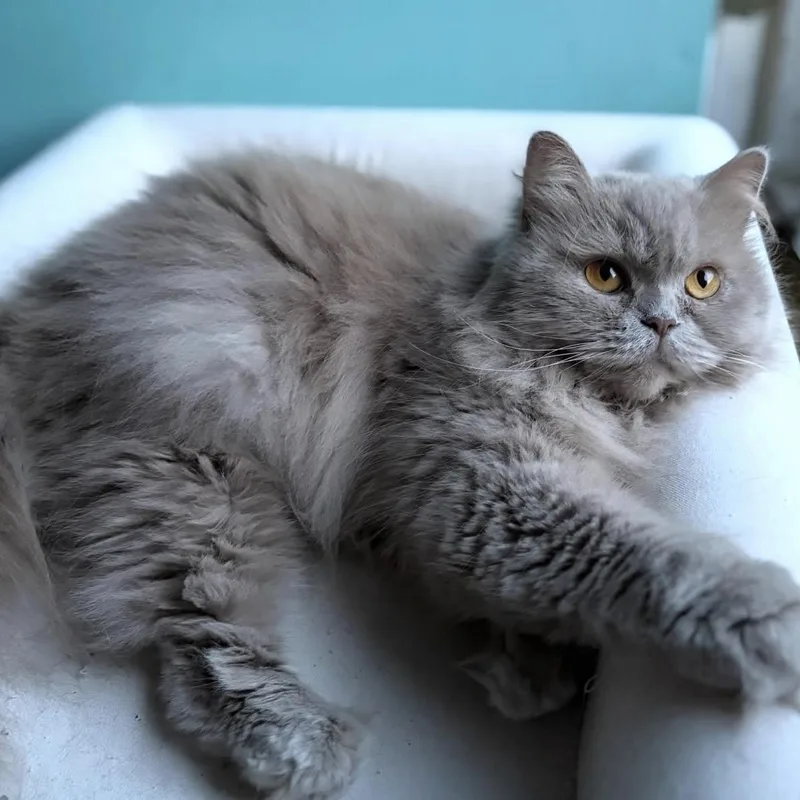
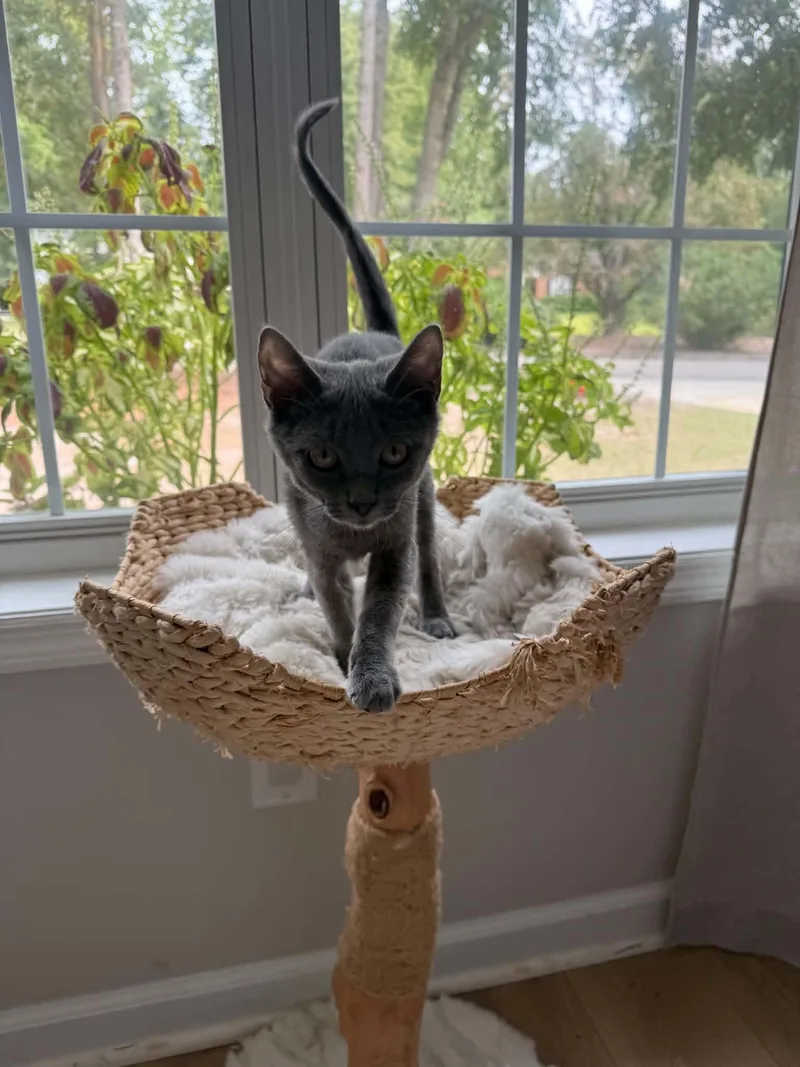
On the Isle of Man, in the Irish Sea between Britain and Ireland, a natural genetic mutation spread through the local cats and produced the Manx, one of the oldest recognized cat breeds. The breed is best known for having no tail or a short one, though tail length varies widely and some Manx have full tails. Manx cats are round and solidly built, with a short back, longer hind legs that give a rounded rump, and a thick double coat in many colors.
Many Manx are gentle, devoted and playful in bursts, and they are often called dog-like for following their people and fetching toys. They tend to communicate with soft trills rather than loud meows. Adopters should know the tailless gene can cause spinal, bowel and bladder problems, known as Manx syndrome, usually apparent in kittenhood, so a health history and veterinary check matter.