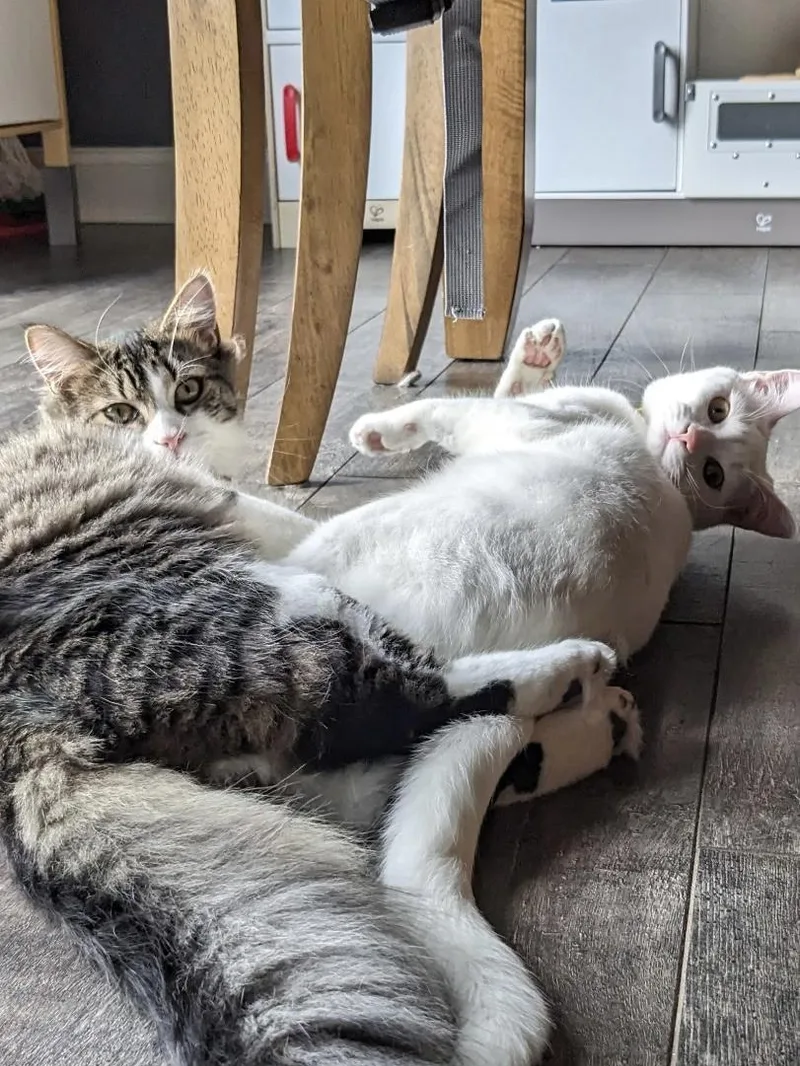
Extra-Toes Cat / Hemingway Polydactyls for Adoption in Charlotte, NC

Your guide to finding and caring for an Extra-Toes Cat / Hemingway Polydactyl in Charlotte

An extra-toed cat suits Charlotte's mix of apartments and older bungalows, as long as it has room to climb. In a University City apartment or one of Elizabeth's early-1900s homes, these cats do what any indoor cat does: watch the street from a window perch, chase a wand toy and claim the sunniest spot. The mitten-like paws are the only obvious difference, and they mostly mean claws deserve a regular look.

194 Extra-Toes Cat / Hemingway Polydactyls available in Charlotte and nationwide

Adopt a Polydactyl cat today

While we don't have enough cats near Charlotte, keep in mind that many rescues may offer transport.

Extra-Toes Cat / Hemingway Polydactyls Available for Adoption Near Charlotte

About the Extra-Toes Cat / Hemingway Polydactyl breed

An extra-toes cat isn't a breed. It's any cat born with polydactyly, a harmless genetic trait that adds toes to one or more paws. Many have six or seven toes on a front paw, sometimes forming a mitten-like thumb. The trait is dominant, and it's long been common along the Atlantic coast, where ship cats were prized as mousers.

The Hemingway nickname comes from Ernest Hemingway's six-toed cat, Snow White. Most extra-toed cats are domestic shorthairs or longhairs, so size, coat and personality vary widely, with weights from about 6 to 15 pounds. A cat's age and history say far more about its temperament than its toes do. The main care difference is claw trimming, since extra claws can curl into the paw pads.

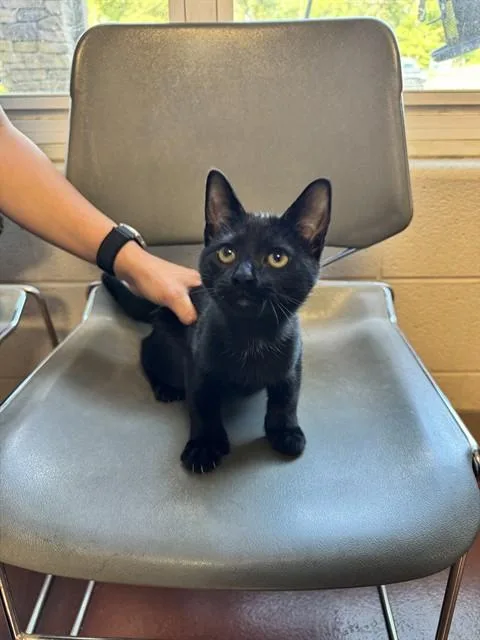
Weight
6–15 lbs
Height
8–10 in
Lifespan
12–18 yrs
Temperament
Adaptable, Curious, Affectionate
Shedding
Moderate

Owning an Extra-Toes Cat / Hemingway Polydactyl in Charlotte

Having an Extra-Toes Cat / Hemingway Polydactyl in Charlotte

Extra toes don't decide a cat's personality or health. What matters most is each cat's age, coat and background, plus a little extra attention to claws. In Charlotte, that mostly means good indoor enrichment and a cool, safe home.

Temperament

Extra-toed cats range from bold and chatty to shy and slow to warm up, just like other domestic cats. Stories about friendlier or smarter polydactyls are charming but unproven. In a Charlotte apartment, a curious, affectionate cat does best with daily play and a window view, while a shyer one wants hiding spots and patience.

Exercise Needs

Most enjoy daily play with wand toys, balls and puzzle feeders, and many are good climbers. A tall cat tree by a window and a couple of short play sessions a day cover most needs. Cats are exempt from Charlotte's leash rule, but traffic and coyotes make indoor play or a secure enclosure safer than roaming.

Health Considerations

The common form of polydactyly usually causes no health problems. Extra claws may not wear down and can curl into the paw pads, so check them often. A rare, unrelated limb condition is sometimes mistaken for polydactyly, and a veterinarian can tell them apart. Otherwise expect typical feline concerns: dental disease, obesity and kidney disease.

Living Space

Apartments and houses both work for extra-toed cats. Give them vertical space, a sturdy scratching post that helps keep extra claws in shape, hiding spots and a clean litter box. Screens on upper-floor windows prevent falls, and indoor living or a secure enclosure protects against traffic, disease and Charlotte's coyotes.

What it costs to own an Extra-Toes Cat / Hemingway Polydactyl in Charlotte

ExpenseTypical costPer year
Food$25 to $50 per month$300 to $600
Pet insurance$20 to $45 per month$240 to $540
Routine vet care$150 to $350 per year$150 to $350
Other*$460 to $1,160 per year$460 to $1,160
Estimated yearly total (after year one)$1,150 to $2,650

Other costs are estimates and vary with size, age and health.

* The $10 Charlotte cat license for a spayed or neutered cat, litter, flea prevention, a dental cleaning allowance, toys and scratching posts, and home grooming and claw trims.

Adopt an Extra-Toes Cat / Hemingway Polydactyl in Charlotte.

Now that you know more, let’s find you a new best friend. These rescues and shelters below have cats available in and near Charlotte.

Frequently Asked Questions

Yes, Charlotte has no breed restrictions on cats, and extra toes aren't regulated. Expect to license your cat annually once it's four months old and keep its rabies vaccine current. Beyond that, your lease is the main limit, since many apartments cap the number of pets at two and charge pet fees.

Yes. Extra-toed cats adapt well to apartments, which suit many Charlotte homes. Give them vertical space such as a cat tree by a window, a sturdy scratching post and a few hiding spots. Secure the screens on upper-floor windows, and read the lease for pet fees, monthly pet rent and pet-count caps before signing.

Mostly yes. Charlotte's mild winters and long, comfortable springs and falls suit indoor cats well. The challenges are humid summer heat, with highs around 90°F in July, and storm-season power outages. Keep the home cool with fresh water in several spots, and keep a carrier and several days of food and litter ready.

Generally no. CATS rules prohibit animals on its buses and trains unless they assist a person with a disability or are in training, and violations can bring a $50 civil penalty. The rules don't list a carrier exception. For vet visits, plan on a car or a ride with someone who can drive you.

It depends on the coat. Shorthaired cats usually need a weekly brushing, and longhaired cats a few times a week, especially if shedding picks up in warm months. Check the claws regularly, since extra claws can curl into the paw pads. Home grooming and claw trims fall within the yearly other costs on this page.
Often, yes, for people who can offer daily play and an indoor home. Charlotte's apartments and bungalows both work for cats, and coyotes, copperheads and traffic make indoor living or a secure enclosure the safer choice. The best fit depends on a cat's age, personality and energy rather than the extra toes, so browse the cats listed here.

A cat normally has 18 toes: five on each front paw and four on each back paw. The fifth front toe is the dewclaw, set higher on the inside of the leg like a thumb, so it doesn't touch the ground when the cat walks. Polydactyl cats have more than 18, most often an extra one or two per front paw.

Cats don't have true thumbs. The dewclaw on each front paw sits in a similar position to a human thumb and helps a cat grip prey and climb, but it isn't opposable. Some polydactyl cats have extra toes on the inner side of the paw that look like a thumb, which is where the nickname thumb cat comes from.

A polydactyl cat is a cat born with more than the usual number of toes on one or more paws. It is a genetic trait, not a breed, and it can appear in any cat, though most are domestic shorthairs or longhairs. The common form is harmless and is passed down by a dominant gene.

Expect roughly $1,150 to $2,650 a year for an extra-toed cat in Charlotte. That covers food at $25 to $50 a month, insurance at $20 to $45 a month, routine vet care at $150 to $350 a year, and $460 to $1,160 a year in other costs such as litter and prevention. Illness or emergencies aren't included.

Find Extra-Toes Cat / Hemingway Polydactyls in Nearby Cities

Expand your search to find Extra-Toes Cat / Hemingway Polydactyls available for adoption near Charlotte.