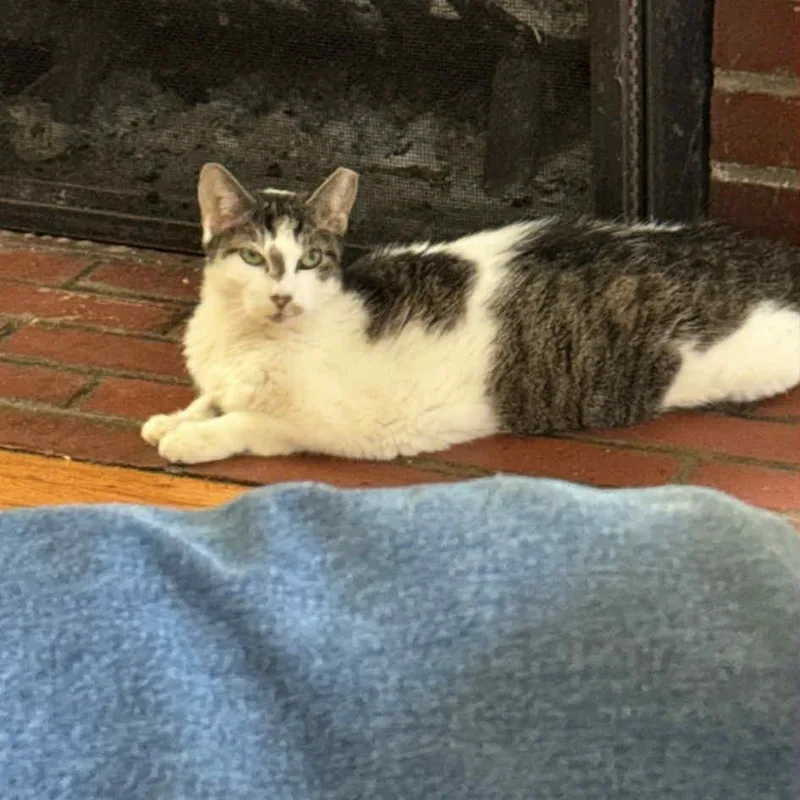
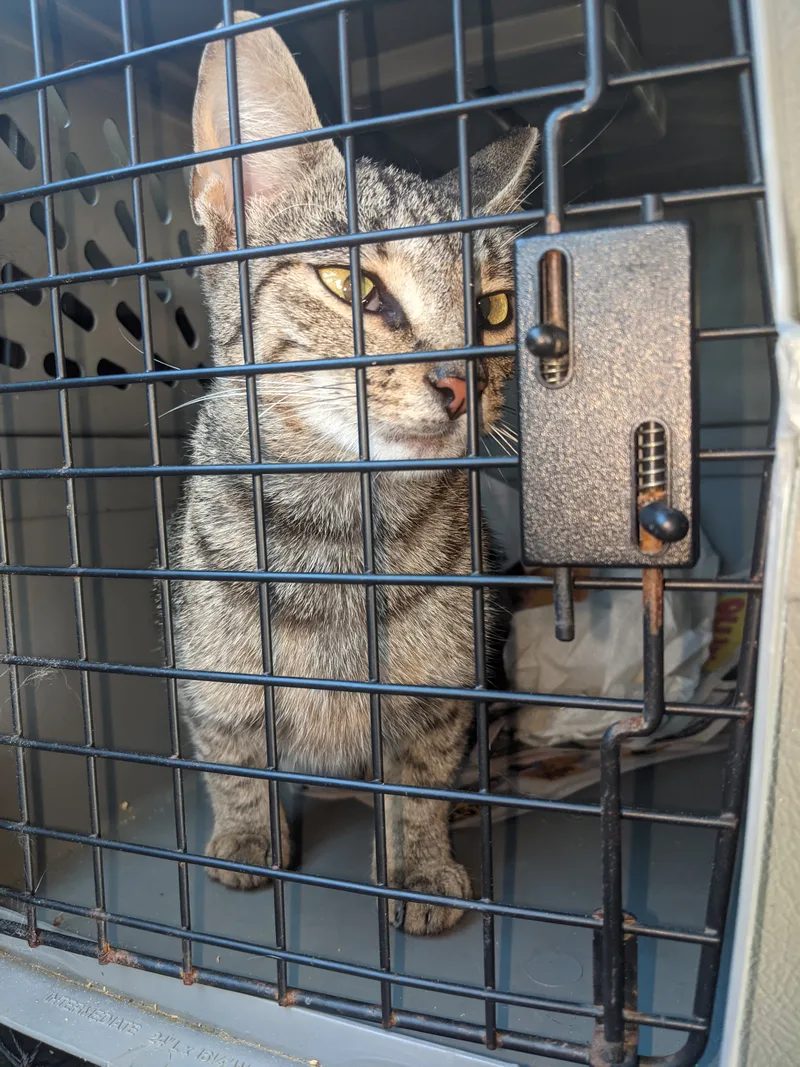
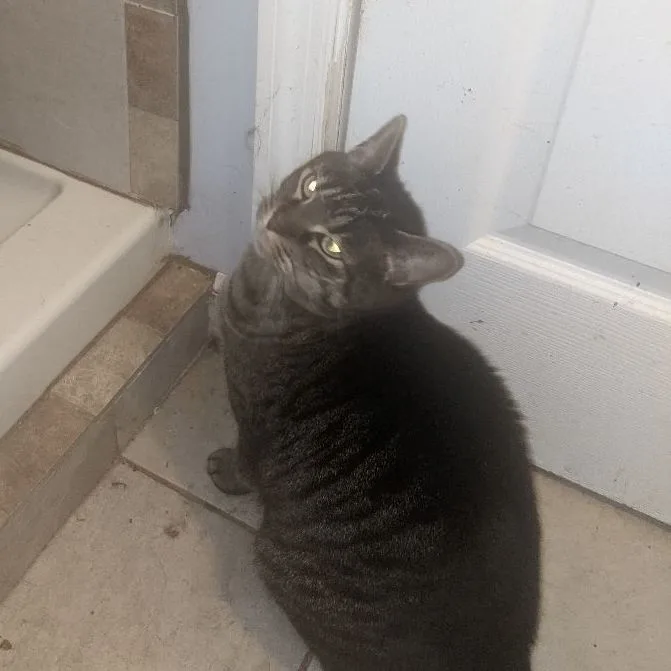
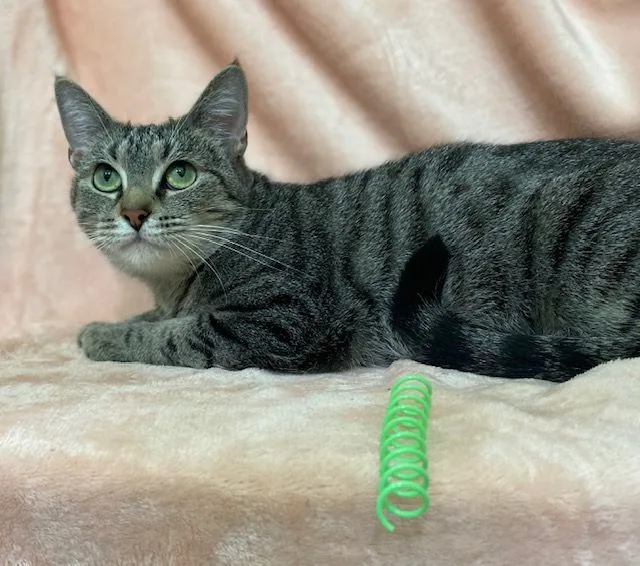
Tabby Cats for Adoption in Charlotte, NC

Your guide to finding and caring for a Tabby in Charlotte

A tabby in Charlotte is simply a cat with stripes, so the right match depends on the cat, not the coat. Tabby is a pattern found on everything from short-haired domestic cats to Maine Coons, which is handy in a city of mixed housing. A medium-sized tabby can be happy in a University City apartment or a Madison Park ranch house if it has a window perch and room to climb. July highs run just over 90°F, so a cool spot matters.

14 Tabbies available for adoption in Charlotte

Find your Tabby

Tabbies Available for Adoption in Charlotte

About the Tabby breed

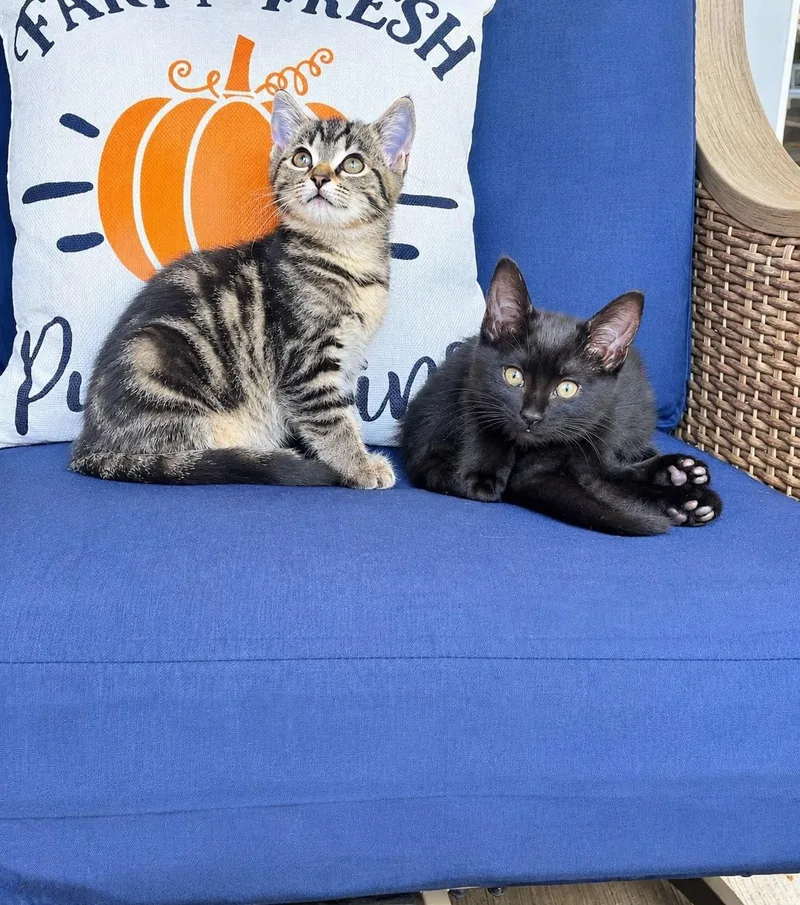
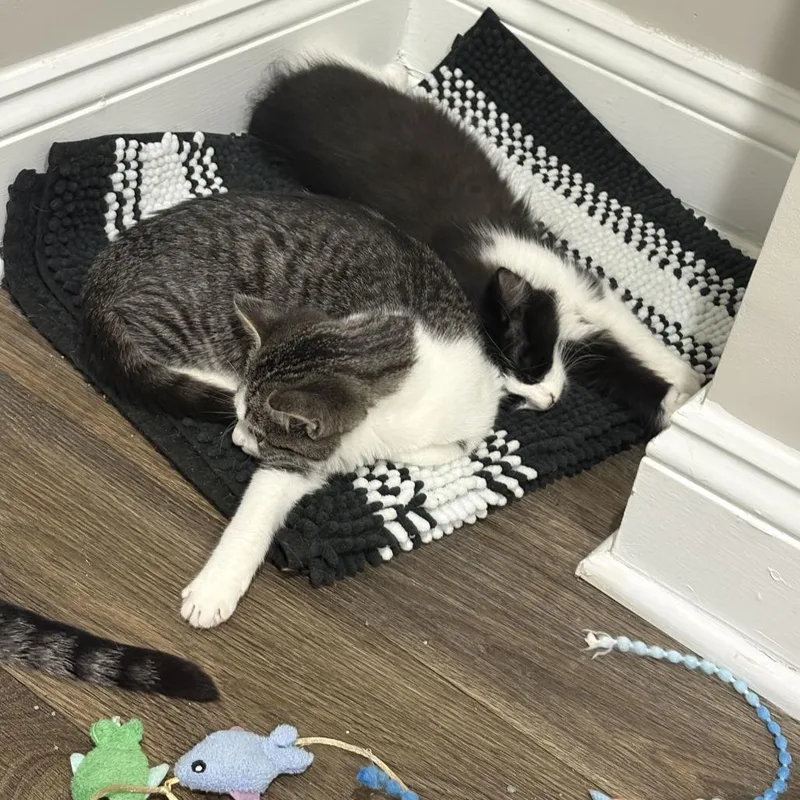
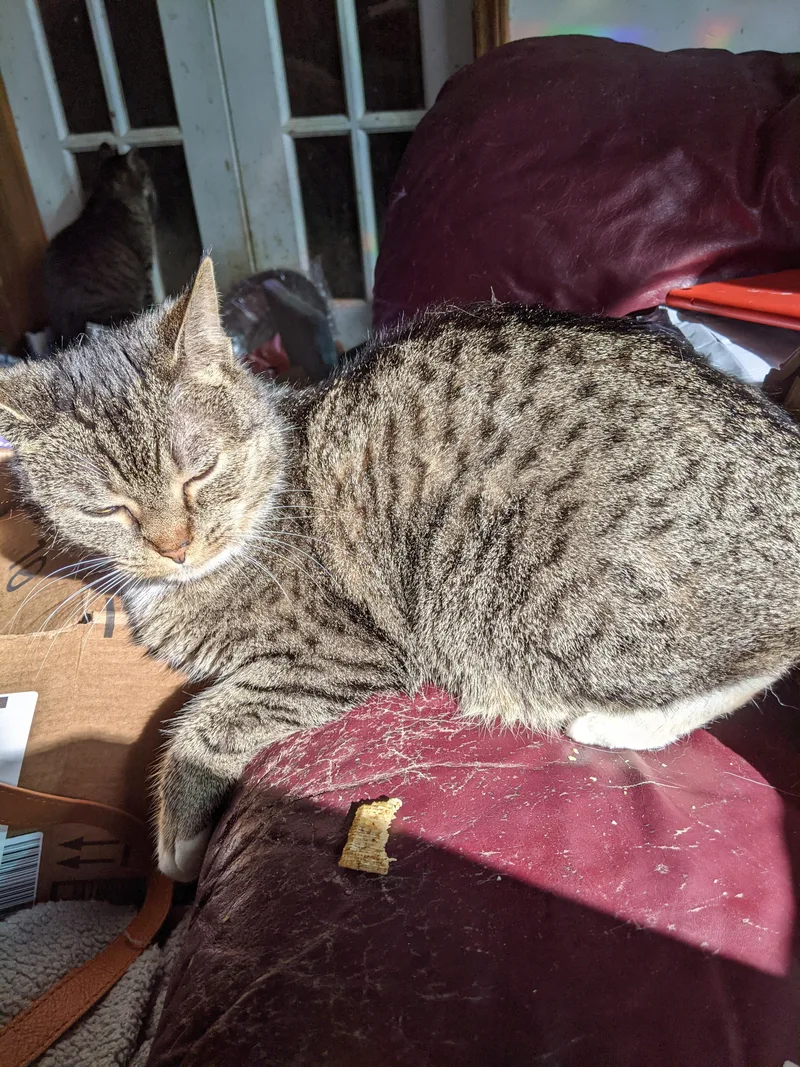
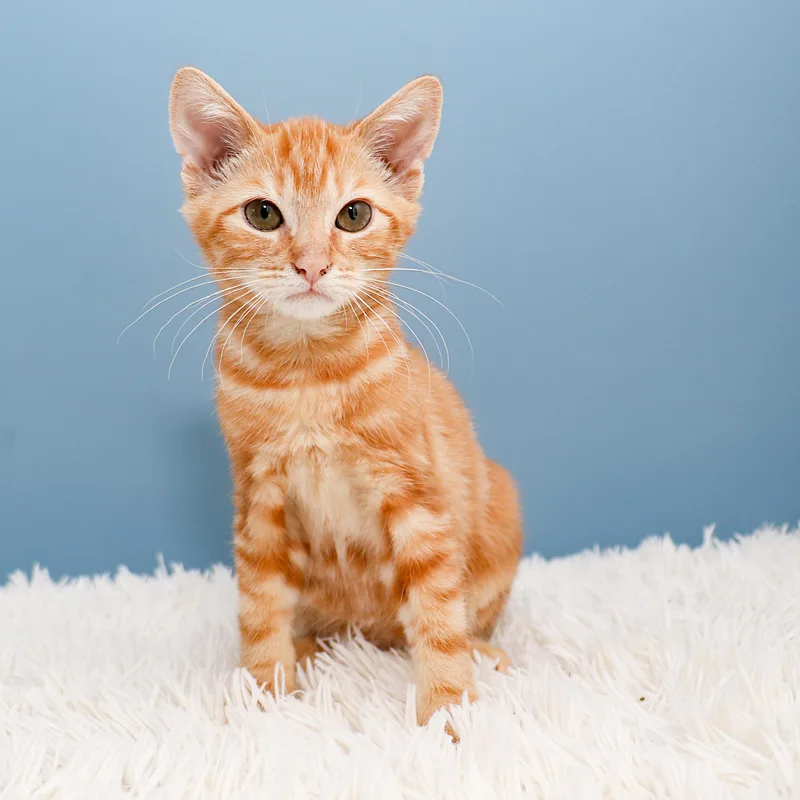
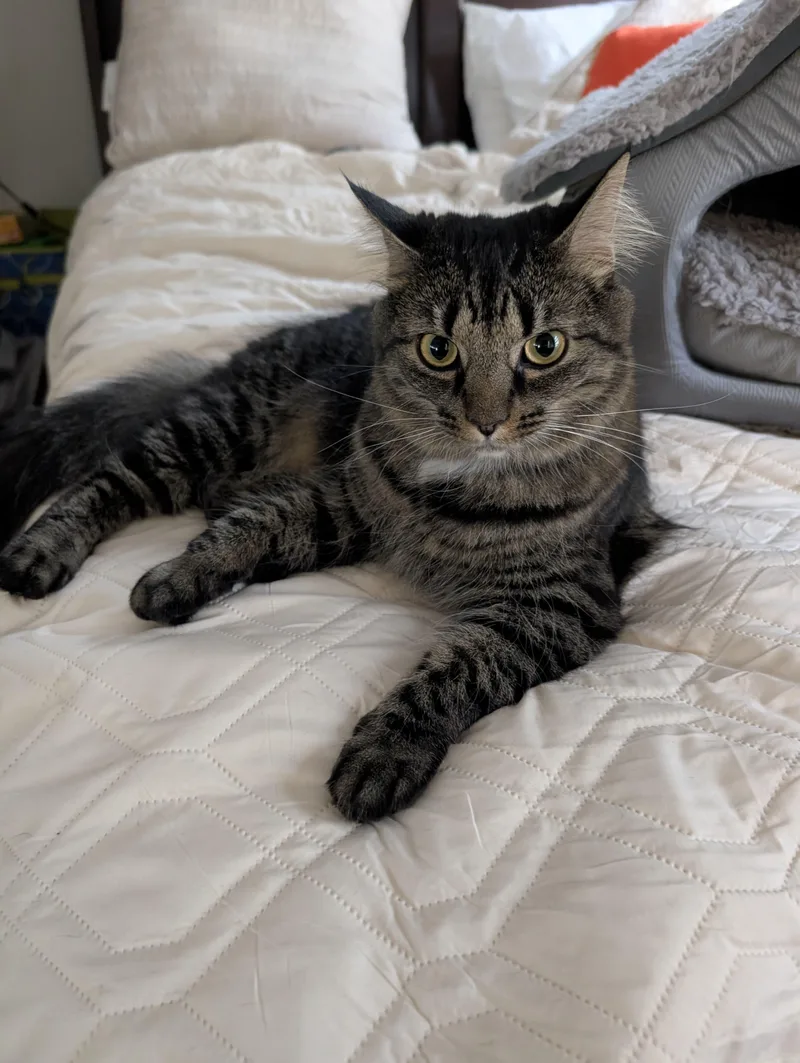
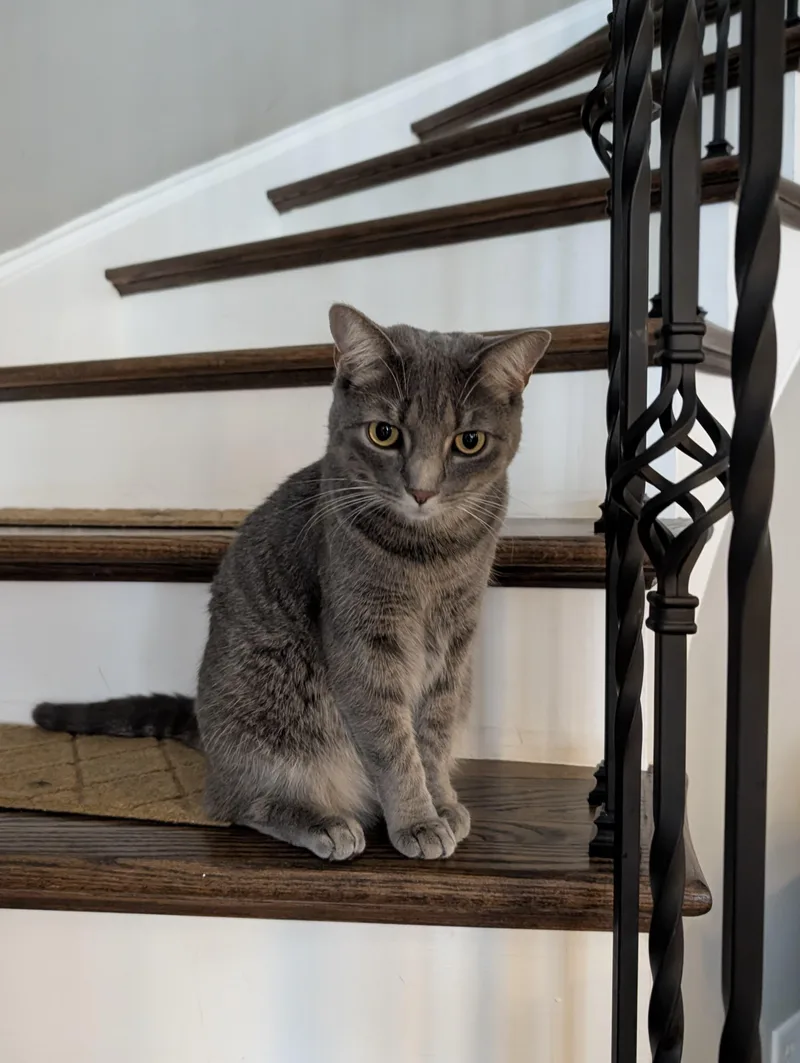
Tabby isn't a breed. It's a coat pattern, marked by an M on the forehead and stripes, swirls or spots, and it turns up on domestic shorthairs, American Shorthairs, Bengals and many other cats. Most adoptable tabbies are medium-sized domestic cats weighing roughly 6 to 14 pounds, with short coats that shed moderately all year.

Because the pattern says nothing about personality, tabbies range from lap-seeking to reserved, and many live 12 to 18 years, so adopting one is a long commitment. Spend time with a cat before deciding, and look at its age, energy and coat length rather than its stripes. Coat length decides how much brushing a home needs, and indoor living suits most of them.

Weight
6–14 lbs
Height
8–10 in
Lifespan
12–18 yrs
Temperament
Curious, Adaptable, Affectionate
Shedding
Moderate

Owning a Tabby in Charlotte

Having a Tabby in Charlotte

Tabby is a pattern, not a breed, so traits vary from cat to cat. For a Charlotte household, the useful questions are how much a cat likes company, how active it is, and whether its coat is short or long.

Temperament

Stripes don't predict personality, so tabbies range from outgoing to shy. Many shelter tabbies are curious and adaptable, which helps in a city with plenty of apartments and routines that change. Orange tabbies' reputation for friendliness partly reflects that most orange cats are male. Spend time with a cat first to see how it handles new people and noise.
Exercise Needs

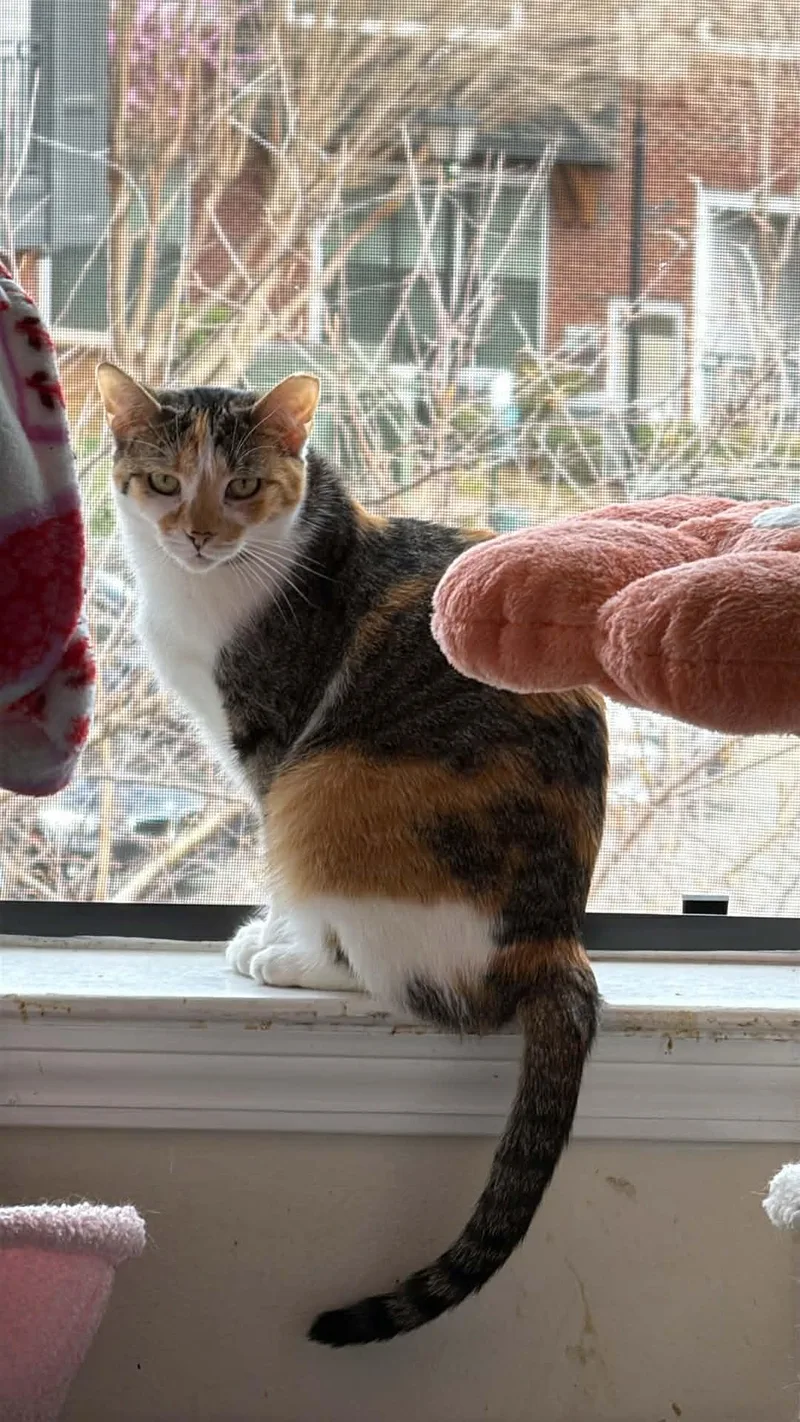
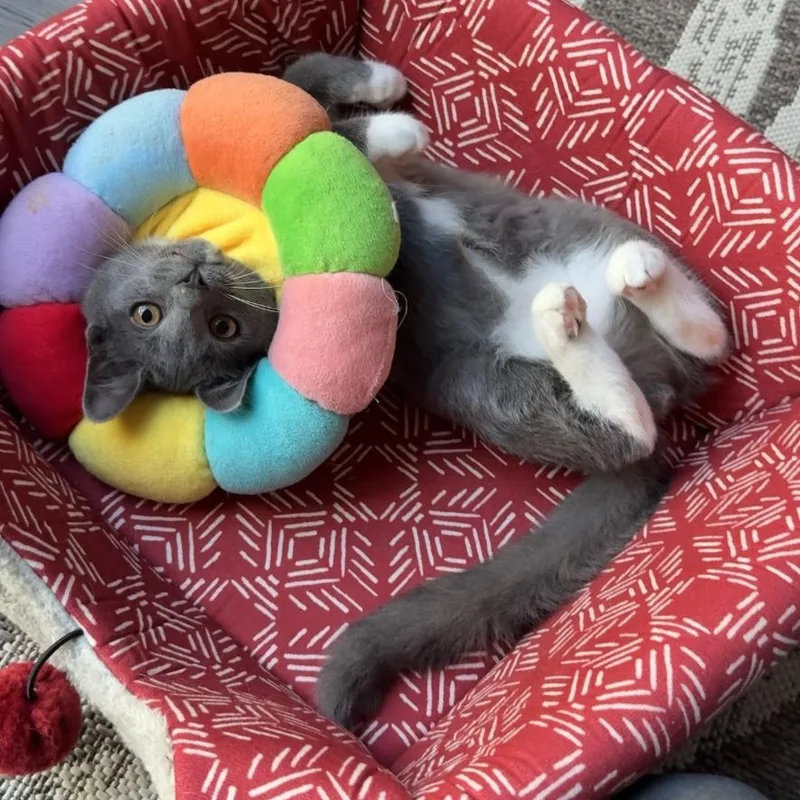
Most tabbies need daily play that mimics hunting, like wand toys and pouncing games, ideally in a few short sessions. Indoor exercise matters most in Charlotte: a tall cat tree, scratching posts and a window perch overlooking the street or yard keep a cat active. Young cats burn the most energy, while seniors prefer gentler games.

Health Considerations

Coat pattern doesn't affect health; risks follow a cat's age, mix and lifestyle. Obesity, dental disease and urinary problems are common, and older cats can develop kidney disease, hyperthyroidism or diabetes. North Carolina requires rabies vaccination for cats over four months, so keep it current, and stay on top of flea prevention. A vet can check weight, teeth and coat after adoption.

Living Space

Most tabbies do well in Charlotte apartments or houses if they have places to climb, scratch and hide. Keeping a cat indoors protects it from traffic, disease and the coyotes that live in the area. Provide one litter box per cat plus an extra, a quiet retreat and plenty of vertical space. A long-haired tabby needs extra grooming time.

What it costs to own a Tabby in Charlotte

ExpenseTypical costPer year
Adoption fee$95 to $225, one time$95 to $225 in year one
Food$25 to $50 per month$300 to $600
Pet insurance$20 to $45 per month$240 to $540
Routine vet care$150 to $350 per year$150 to $350
Other*$460 to $1,160 per year$460 to $1,160
Estimated yearly total (after year one)$1,150 to $2,650
First-year total (with adoption fee)$1,245 to $2,875

Adoption fee is the range of fees on Tabby listings in Charlotte on GetBuddy today. Other costs are estimates and vary with size, age and health.

* Litter, flea prevention, a dental cleaning allowance, toys, scratchers and bedding, occasional grooming, and the $10 Charlotte pet license for a spayed or neutered cat.

Adopt a Tabby in Charlotte.

Now that you know more, let’s find you a new best friend. These rescues and shelters below currently have Tabbies available.

Frequently Asked Questions

Yes, Charlotte has no breed-specific rules for cats, and a coat pattern isn't a breed anyway, so a tabby is as easy to own as any other cat. You'll need a city license and a current rabies vaccination. A $40 permit applies only if three or more dogs or cats spend much of their time outside, which rarely affects indoor tabbies.

Yes, most tabbies adapt well to apartments as long as they have things to climb, scratch and watch. Plan a window perch, a tall cat tree, a couple of daily play sessions and a litter box away from the food. Read the lease for pet limits before you apply, since many Charlotte buildings cap pets at two.

Yes, indoor tabbies handle Charlotte summers well in air conditioning. The real risks are a power outage during a storm, or a cat shut in a hot room or car. Heavy panting, glazed eyes, unsteadiness or vomiting can signal heatstroke, so cool the cat with cool water, not cold, and get to a vet right away.

No, pet cats can't ride CATS buses or LYNX light rail. The CATS code of conduct allows only service animals and animals in training, with a $50 civil penalty for violations, and it lists no exception for carriers. Plan vet trips by car, use a sturdy carrier, and confirm a rideshare's pet policy before booking.

Grooming depends on coat length, not stripes. A short-haired tabby does well with a weekly brushing, a little more during seasonal shedding, while a long-haired tabby needs brushing several times a week to prevent mats. Nail trims are easy to do at home. Occasional professional grooming is already counted in the yearly Other costs shown on this page.

Only to outdoor patios, and only where the restaurant allows it. North Carolina's food code lets restaurants permit cats and dogs in outdoor dining areas if they're physically restrained and don't pass through indoor areas, but each restaurant decides. Many cats find patios stressful, so a carrier or harness is essential, and service animals are the only exception indoors.

A tabby cat is any cat with a tabby coat pattern, meaning stripes, swirls, spots or ticked hairs plus a distinctive M-shaped marking on the forehead. Tabby is not a breed. The pattern appears in domestic shorthairs and longhairs as well as many pedigreed breeds, such as the American Shorthair, Maine Coon and Abyssinian, and it is one of the most common cat patterns.

A tabby cat isn't any one breed, because tabby is a coat pattern. Cats with the pattern include shelter domestic shorthairs and longhairs as well as breeds such as the American Shorthair, Maine Coon, Bengal and Abyssinian. Most tabbies available for adoption are mixed-breed domestic cats, so browse the cats listed here and look at each one's age and personality.

We have 7 rescues with Tabbies available, including Violet’s House Cat Rescue, Kitty Angels Rescue and Animal Adoption League. You can see every rescue with Tabbies available in the list above these questions, or scroll to the top to see the Tabbies in Charlotte.

Plan on roughly $1,150 to $2,650 a year for a tabby in Charlotte. That covers $25 to $50 a month for food, $20 to $45 a month for insurance, $150 to $350 a year for routine vet care, and $460 to $1,160 a year in other costs such as litter and dental care.