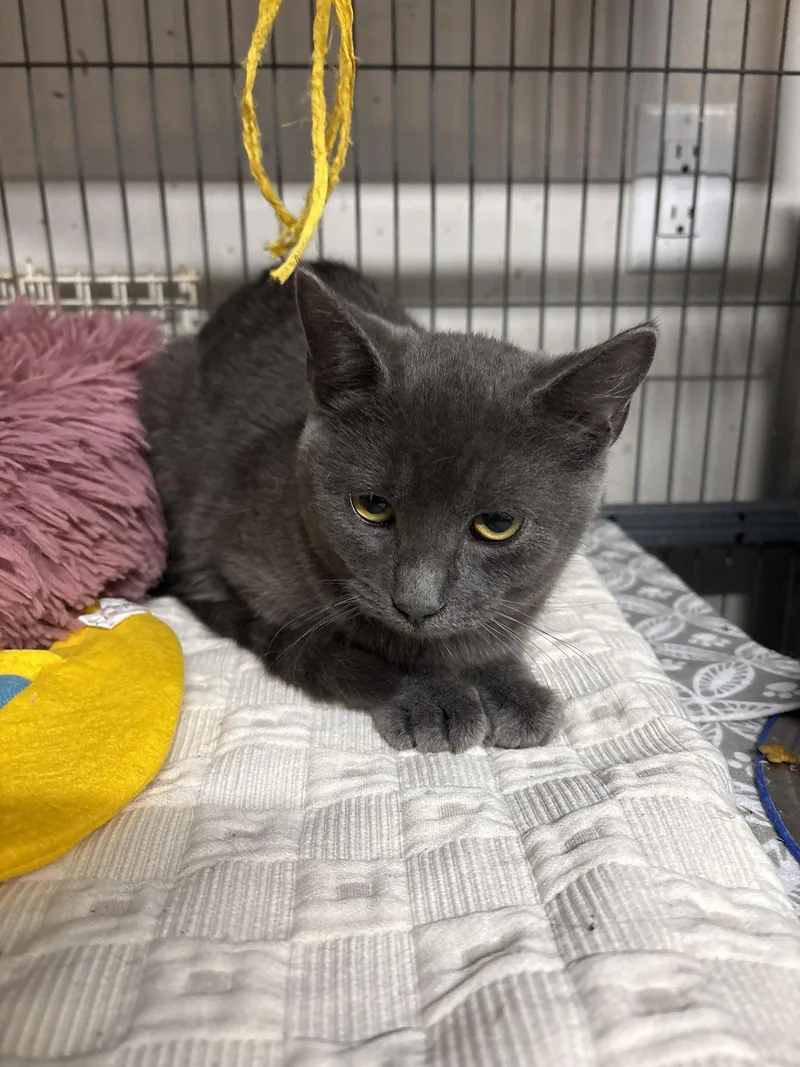
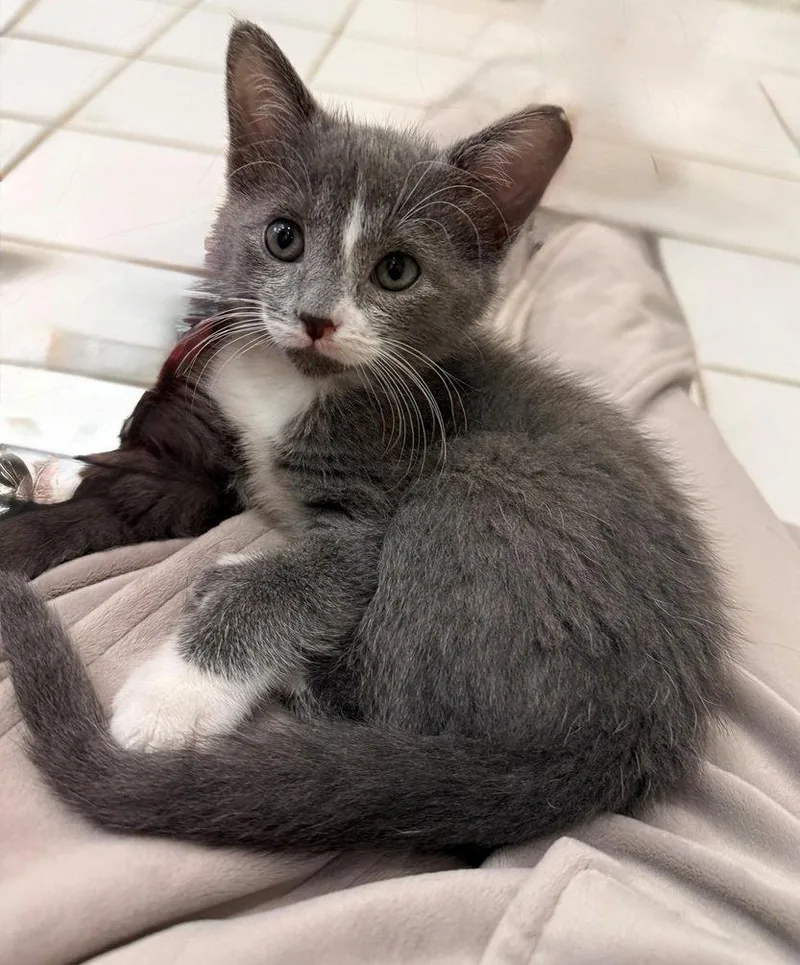
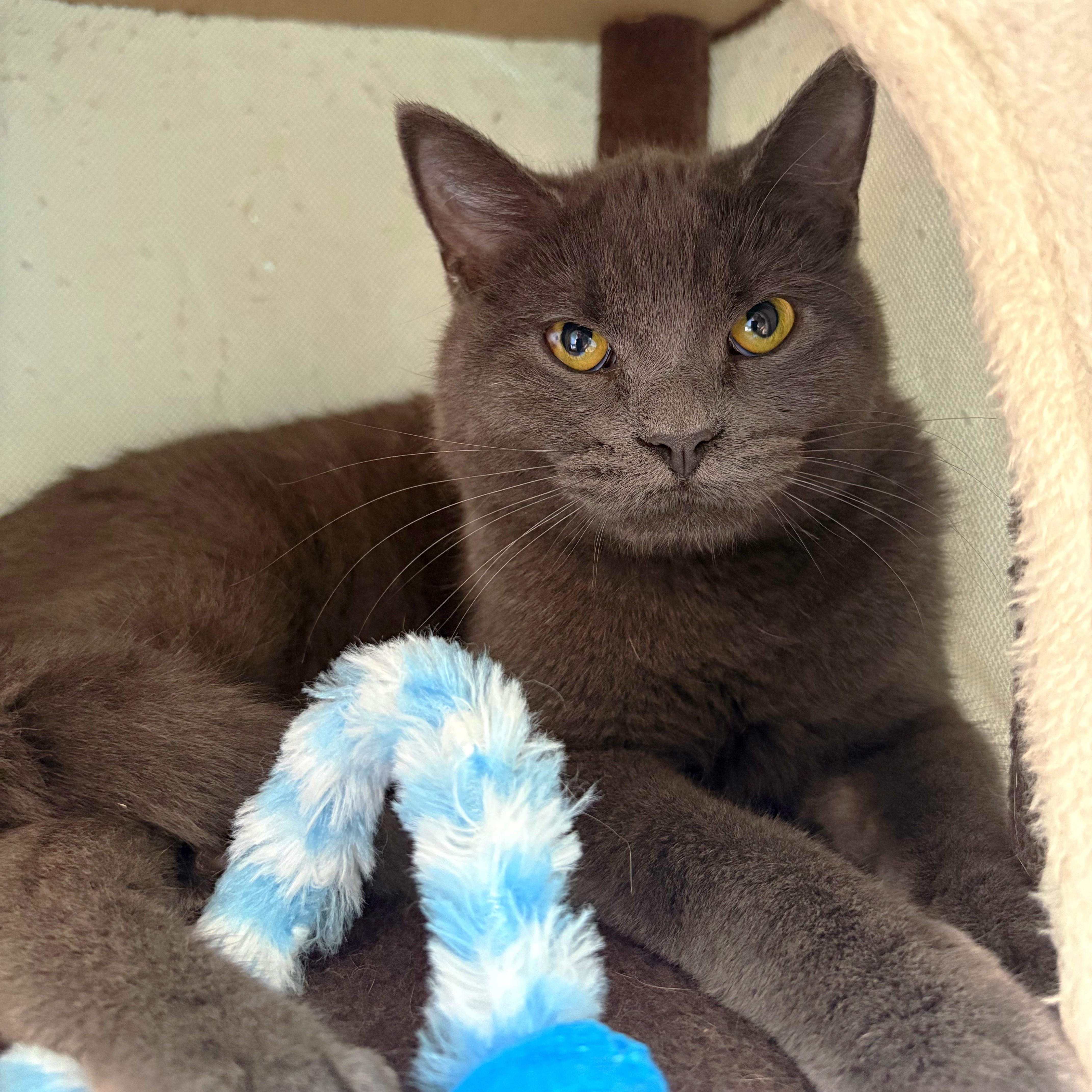
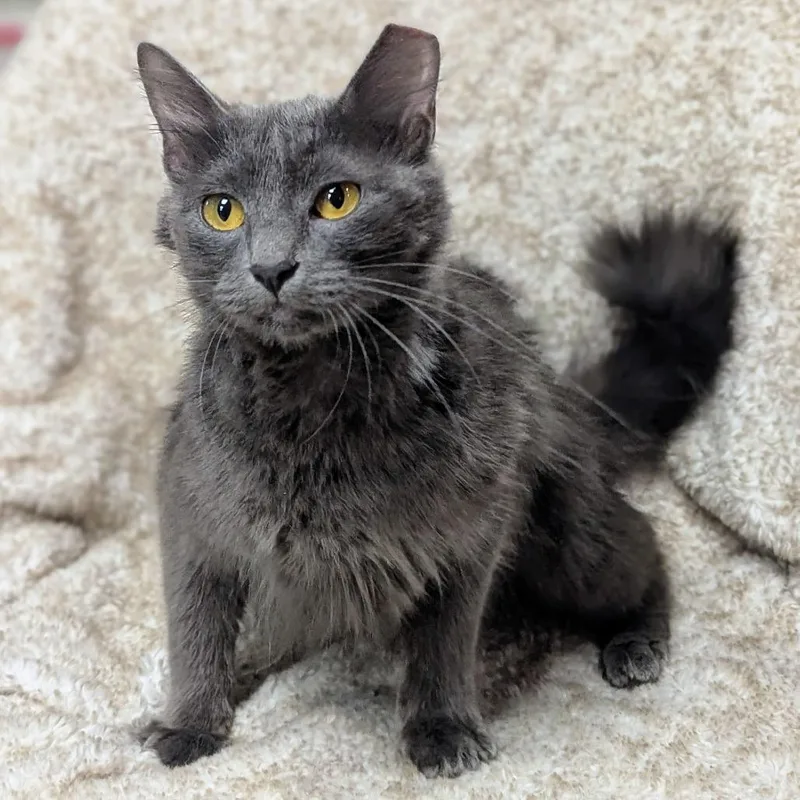
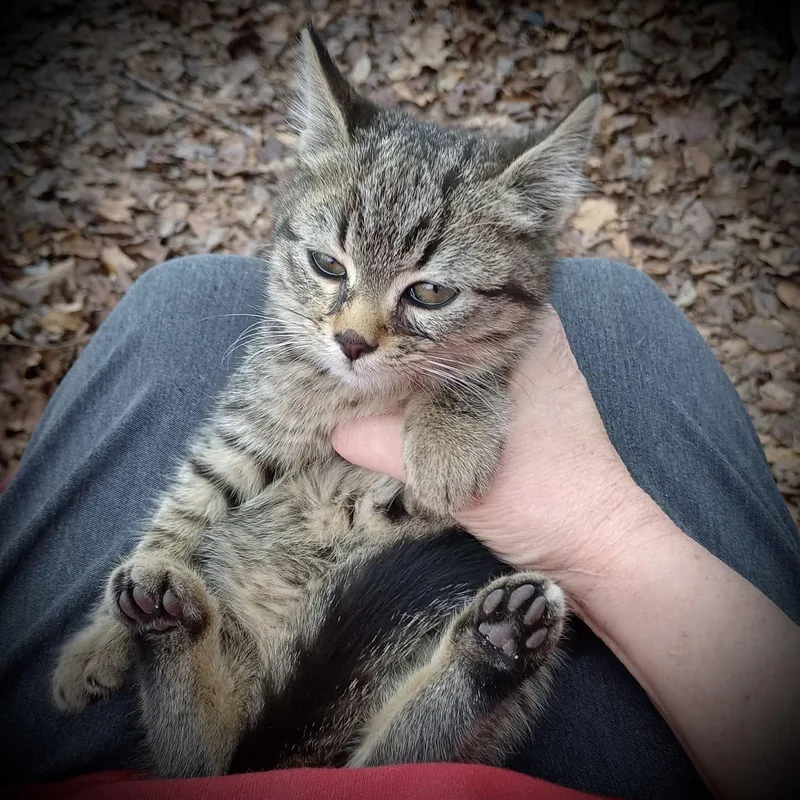
Russian Blue Cats for Adoption in Piedmont, MO

Your guide to finding and caring for a Russian Blue in Piedmont

573 Russian Blues available in Piedmont and nationwide

Find your Russian Blue

While we don't have enough cats near Piedmont, keep in mind that many rescues may offer transport.

Russian Blues Available for Adoption Near Piedmont

About the Russian Blue breed

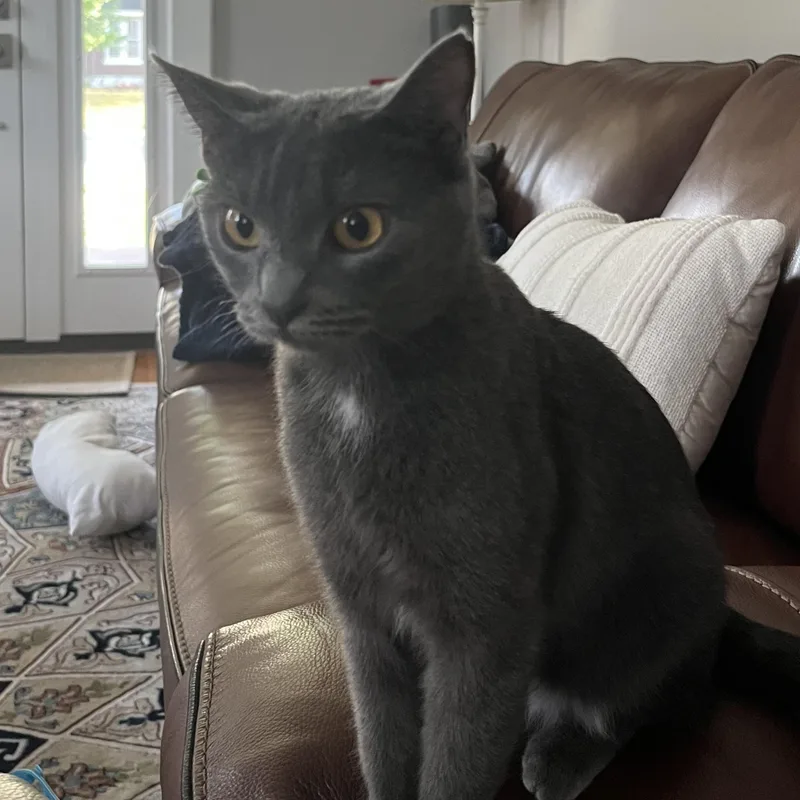
Russian Blues are slender, fine-boned shorthairs best known for a dense, plush double coat of even blue-grey, tipped with silver so it seems to shimmer, and vivid green eyes. The breed is believed to come from the Archangel region of northern Russia, from where cats reached Britain by ship in the nineteenth century, and the breed was later refined in Britain, Scandinavia and the United States.

Many Russian Blues are gentle, quiet and deeply devoted to their own people while staying reserved with strangers. They often like routine, notice changes in mood and household rhythm, and enjoy games that challenge their quick minds. Their short coat is easy to keep, though their healthy appetite calls for portion control. Adopters seeking a calm, observant companion who bonds closely once trust is earned often find a Russian Blue a good match.

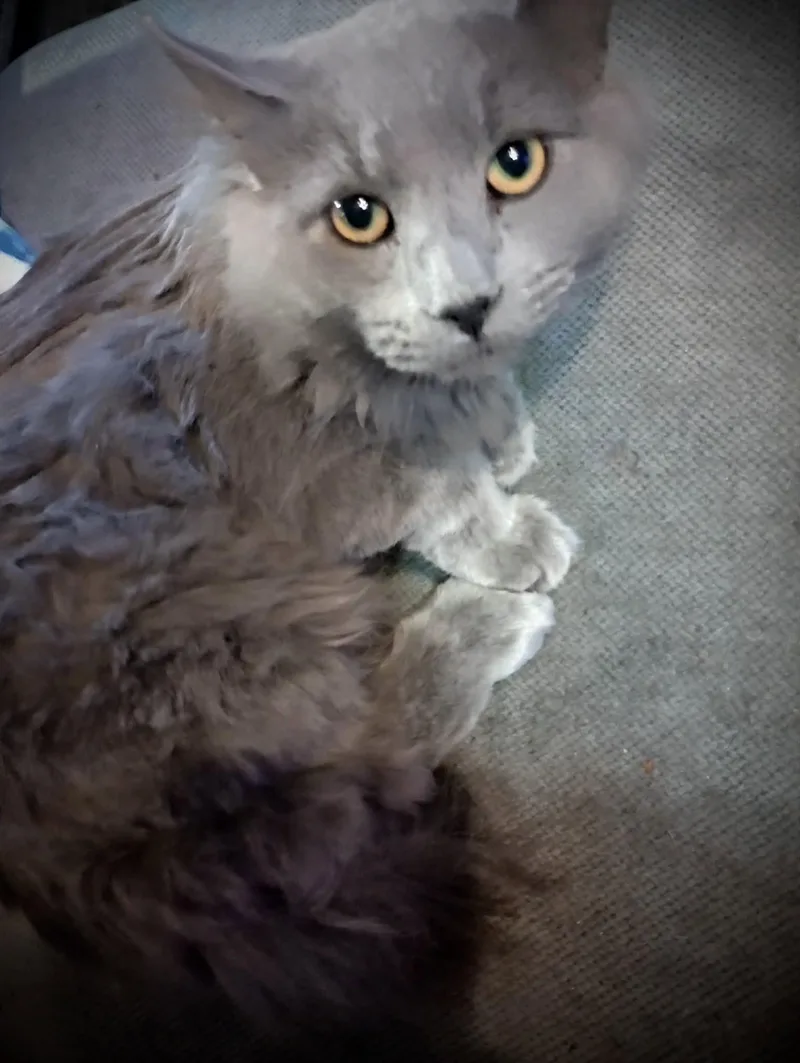
Weight
6–12 lbs
Height
8–10 in
Lifespan
12–16 yrs
Temperament
Gentle, Quiet, Intelligent
Shedding
Low to Moderate

Owning a Russian Blue in Piedmont

Having a Russian Blue in Piedmont

Russian Blues pair an easy-care coat with a sensitive, thoughtful personality. How they respond to routine, strangers and household noise shapes the home that suits them best, so these traits are worth understanding before meeting an adoptable cat.

Temperament

Russian Blues tend to be gentle and loyal with family but cautious with newcomers, often watching from a distance before approaching. Many prefer calm, predictable households and can be unsettled by loud noise or frequent change. With patient introductions they often accept other cats and quiet dogs. Each cat's past shapes how quickly it builds trust.

Exercise Needs

Most Russian Blues are playful and agile, enjoying daily sessions with wand toys, chase games and fetch. Their intelligence makes puzzle feeders and simple trick training rewarding. Cat trees and shelves give them high lookouts. Because they love food and can gain weight, consistent interactive play is an important part of keeping them lean.

Health Considerations

Russian Blues have no widely recognized breed-specific inherited disease, but they can develop the same problems as other cats, including dental disease, bladder stones, kidney disease and heart conditions. Their strong appetite makes obesity a common, preventable concern. Regular veterinary checkups, measured meals and dental care help keep an individual cat healthy.

Living Space

Russian Blues often do well in apartments or quieter houses, since they value calm routines and cozy retreats more than space. Hiding places, window perches and cat trees help them feel secure. A home without constant commotion suits many of them, and indoor living with daily play and enrichment keeps them safe and content.

What it costs to own a Russian Blue

ExpenseTypical costPer year
Food$25 to $50 per month$300 to $600
Pet insurance$25 to $50 per month$300 to $600
Routine vet care$150 to $350 per year$150 to $350
Other*$450 to $1,150 per year$450 to $1,150
Estimated yearly total (after year one)$1,200 to $2,700

Other costs are national averages for Russian Blues; we don't have costs specific to Piedmont yet.

* Litter, flea prevention, a dental cleaning allowance, toys, scratchers and other supplies, and minimal home grooming for the short coat.

Adopt a Russian Blue in Piedmont.

Now that you know more, let’s find you a new best friend. These rescues and shelters below currently have Russian Blues available.

Rescues in Piedmont with Russian Blues Available

Here are the rescues & shelters in the Piedmont area where you can find Russian Blues and other cats available for adoption.

Frequently Asked Questions

Russian Blue cats are often gentle, quiet and deeply attached to their families, while staying reserved with strangers. Many like predictable routines, follow favorite people around and enjoy interactive games that test their intelligence. They tend to be sensitive to household mood and noise. Personality varies, so a foster's description of an individual cat is the best guide.

A Russian Blue is a medium-sized shorthaired cat with a dense, plush blue-grey coat tipped in silver, vivid green eyes and a slender, graceful build. The breed is thought to come from northern Russia. Many Russian Blues are quiet, intelligent and loyal to their people, though often shy around visitors until they feel comfortable.

No, Russian Blue cats are not hypoallergenic. They produce the Fel d 1 allergen like other cats, even though their dense coat may shed less noticeably than some breeds. Claims that they cause fewer allergy symptoms are anecdotal rather than proven. People with allergies should spend extended time with the specific cat before adopting.

Yes, Russian Blues are usually affectionate with the people they trust, often greeting them at the door, following them around and curling up nearby. They may take time to warm up and are often wary of strangers. Their affection tends to be steady rather than demanding. An adopted Russian Blue may need weeks of patience before fully bonding.

No, Russian Blue cats do not usually shed a lot. Their short, dense double coat holds onto loose hair, so shedding is often modest, with a seasonal increase in spring and fall. Brushing once a week with a soft brush or grooming glove removes dead hair and keeps the coat plush. Sudden heavy shedding or bald patches merit a vet visit.

Russian Blues are medium-sized cats, usually weighing about 6 to 12 pounds as adults, with males larger than females. They stand roughly 8 to 10 inches at the shoulder. Their long legs and fine bones give them a slender, elegant look, while the plush coat can make them appear larger. Healthy weight depends on frame and body condition.

Russian Blues are an established breed but fairly uncommon in shelters as pedigreed cats. Many grey cats in rescues are domestic shorthairs with a similar look rather than purebred Russian Blues. Breed-specific rescues sometimes list them, and saved searches on adoption sites help. If you mainly want the look and temperament, a grey shorthair mix may also suit you.

Yes, Russian Blues are known as intelligent, observant cats. Many learn routines quickly, solve puzzle toys, open cabinets and respond well to clicker training for tricks like fetch or high fives. They often notice small changes in their environment. Regular mental challenges, such as rotating toys and food puzzles, help keep a clever Russian Blue content indoors.

You can find a Russian Blue by adopting from animal shelters, cat rescues and breed-specific rescues, which sometimes list Russian Blues and similar grey cats. Adoption fees typically fall around $50 to $200 and often include spaying or neutering, vaccines and a microchip. Purebreds are less common in shelters, so patience and saved searches improve your chances.

We have 1 rescue with Russian Blues available: Piedmont Pound Paws, Inc.. You can see every rescue with Russian Blues available in the list above these questions, or scroll to the top to see the Russian Blues near Piedmont.

Explore Other Breeds in Piedmont

Looking for a different breed? Browse other cats available for adoption in Piedmont.