Domestic Short Hair Cats for Adoption in Piedmont, MO

Your guide to finding and caring for a Domestic Short Hair in Piedmont

80434 Domestic Short Hairs available in Piedmont and nationwide

Find your Domestic Short Hair

Domestic Short Hairs Available for Adoption Near Piedmont

About the Domestic Short Hair breed

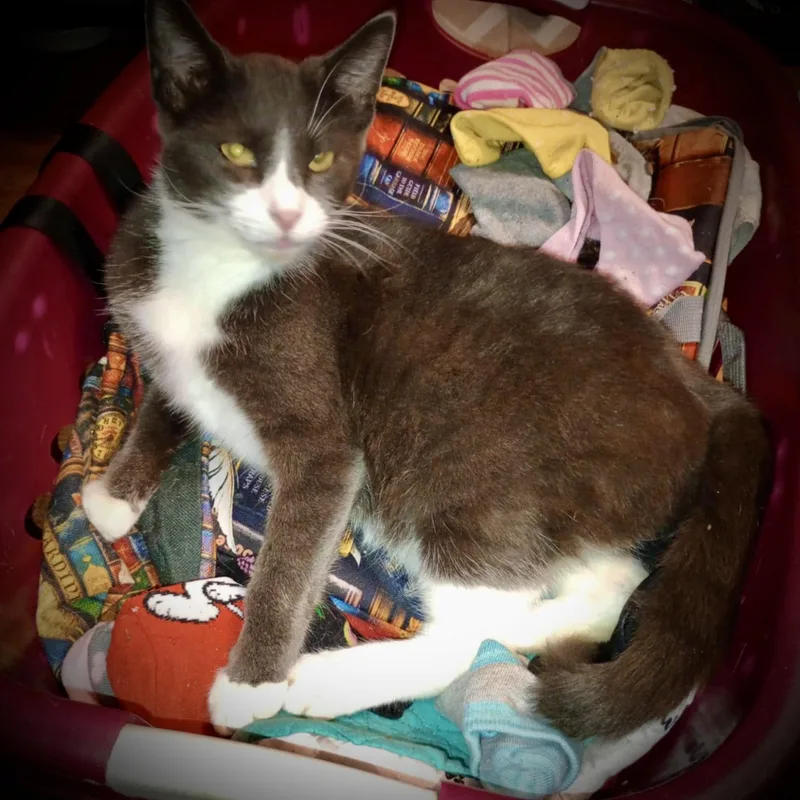
Domestic Short Hair describes a type of cat rather than a breed: a short-coated cat of mixed or unknown ancestry. It is the most common kind of cat in American homes and shelters, often abbreviated DSH on adoption records, and should not be confused with pedigreed breeds such as the American Shorthair. These cats appear in every color and pattern, from tabby and tuxedo to calico and solid black.

With such a broad gene pool, appearance and personality vary widely. Many are medium-sized, sturdy and adaptable, and their short coats are easy to maintain. Some are lap cats, some are chatty, and others prefer quiet observation from a windowsill. For adopters, the individual cat's age, energy and history offer the best guide.

Weight
6–14 lbs
Height
8–10 in
Lifespan
12–18 yrs
Temperament
Adaptable, Curious, Affectionate
Shedding
Moderate

Owning a Domestic Short Hair in Piedmont

Having a Domestic Short Hair in Piedmont

Domestic shorthairs share a practical coat and wide genetic diversity, but little else is fixed. Their personalities, energy and sociability depend on the cat, so looking at each cat's age, history and behavior is the most useful way to find a good match.

Temperament

Domestic shorthairs range from outgoing lap cats to shy, independent observers. Many adapt well to new homes, other cats and calm dogs after gradual introductions. Kittens are often bold and playful, while adults reveal settled personalities. Early socialization and past experiences shape behavior more than coat type, and each cat's tastes are worth getting to know.
Exercise Needs

Most domestic shorthairs need daily interactive play to stay fit and content, especially indoors. Wand toys, chase games and food puzzles satisfy hunting instincts and burn energy. Young cats may want several bursts a day, while seniors enjoy gentler sessions. Vertical space, scratching posts and window perches provide mental stimulation between play times.

Health Considerations

Mixed ancestry may lower the risk of certain breed-specific inherited conditions, but domestic shorthairs face common feline problems. Obesity, dental disease, urinary issues and, in older cats, kidney disease, hyperthyroidism and diabetes are frequent concerns. Regular veterinary exams, weight monitoring and dental care help catch issues early. Ask for any available medical records.

Living Space

Domestic shorthairs usually adapt well to apartments or houses when they have enrichment and quiet retreats. Climbing shelves, scratching posts, hiding spots and a clean litter box matter more than square footage. Keeping cats indoors or in a secure enclosure protects them and wildlife. Screens on windows and balconies help prevent falls.

What it costs to own a Domestic Short Hair

ExpenseTypical costPer year
Adoption fee$150, one time$150 in year one
Food$25 to $50 per month$300 to $600
Pet insurance$20 to $45 per month$240 to $540
Routine vet care$150 to $350 per year$150 to $350
Other*$450 to $1,150 per year$450 to $1,150
Estimated yearly total (after year one)$1,140 to $2,640
First-year total (with adoption fee)$1,290 to $2,790

Adoption fee is the fee on Domestic Short Hair listings in Piedmont on GetBuddy today. Other costs are national averages for Domestic Short Hairs; we don't have costs specific to Piedmont yet.

* Litter, flea prevention, a dental cleaning allowance, toys, scratchers and other supplies, and minimal home grooming; costs vary with the individual cat's size and coat.

Adopt a Domestic Short Hair in Piedmont.

Now that you know more, let’s find you a new best friend. These rescues and shelters below currently have Domestic Short Hairs available.

Rescues in Piedmont with Domestic Short Hairs Available

Here are the rescues & shelters in the Piedmont area where you can find Domestic Short Hairs and other cats available for adoption.

Frequently Asked Questions

Domestic shorthair cats typically live about 12 to 18 years, and many indoor cats reach their late teens or early twenties. Large UK veterinary studies have found mixed-breed cats tend to live slightly longer than pedigreed cats on average. Spaying or neutering, indoor living, a healthy weight, dental care and regular checkups all help a cat enjoy a longer life.

No, domestic shorthair cats are not hypoallergenic. The main cat allergen, a protein called Fel d 1, comes from saliva and skin glands, so short fur does not prevent reactions. Allergen levels vary between individual cats, and some people react less to certain cats. Spending time with a specific cat before adopting is the best way to test your response.

A domestic shorthair cat is a short-coated cat of mixed or unknown ancestry rather than a member of a pedigreed breed. It is the most common type of cat in the United States and in shelters. Domestic shorthairs come in every color and pattern, and their size and personality vary widely depending on their varied genetic background.

Yes, domestic shorthair cats shed, usually moderately and year-round, with heavier shedding in spring and fall. Weekly brushing removes loose hair, reduces hairballs and gives you a chance to check for skin problems. Indoor cats under artificial light may shed fairly steadily. Bald patches, excessive grooming or a dull, flaky coat are reasons to see a veterinarian.

A healthy adult domestic shorthair cat usually weighs about 8 to 12 pounds, though small-framed females may weigh 6 pounds and large males 14 or more without being overweight. Body shape is a better guide than the scale: you should feel ribs under a slight fat layer and see a waist. Your veterinarian can confirm your cat's ideal weight.

Domestic shorthair cats are usually medium-sized, standing roughly 8 to 10 inches at the shoulder and weighing about 8 to 12 pounds as adults. Because they have mixed ancestry, some stay petite while others grow large and muscular, particularly males. A kitten's eventual size is hard to predict, so adopting an adult shows exactly how big the cat will be.

DSH stands for domestic shorthair, the label shelters, rescues and veterinary clinics use for a short-coated cat of mixed or unknown ancestry. Similar abbreviations include DMH for domestic medium hair and DLH for domestic long hair. DSH describes coat length, not a breed, so it tells you nothing specific about the cat's color, size or personality.

Most domestic shorthair cats reach close to adult size around 12 months old. Many keep filling out with muscle and frame until about 18 months to two years, and larger males often mature last. Weight gain after that point is usually fat rather than growth, so adjusting portions after spaying or neutering and kittenhood helps prevent obesity.

Domestic shorthair cats descend from the Near Eastern wildcat, which began living alongside early farming communities roughly 10,000 years ago. Cats then spread worldwide with people, traveling on trade routes and ships to the Americas. Today's domestic shorthairs come from that long history of natural, unplanned breeding rather than from any single place or designed breed.

We have 1 rescue with Domestic Short Hairs available: Piedmont Pound Paws, Inc.. You can see every rescue with Domestic Short Hairs available in the list above these questions, or scroll to the top to see the Domestic Short Hairs near Piedmont.

Explore Other Breeds in Piedmont

Looking for a different breed? Browse other cats available for adoption in Piedmont.