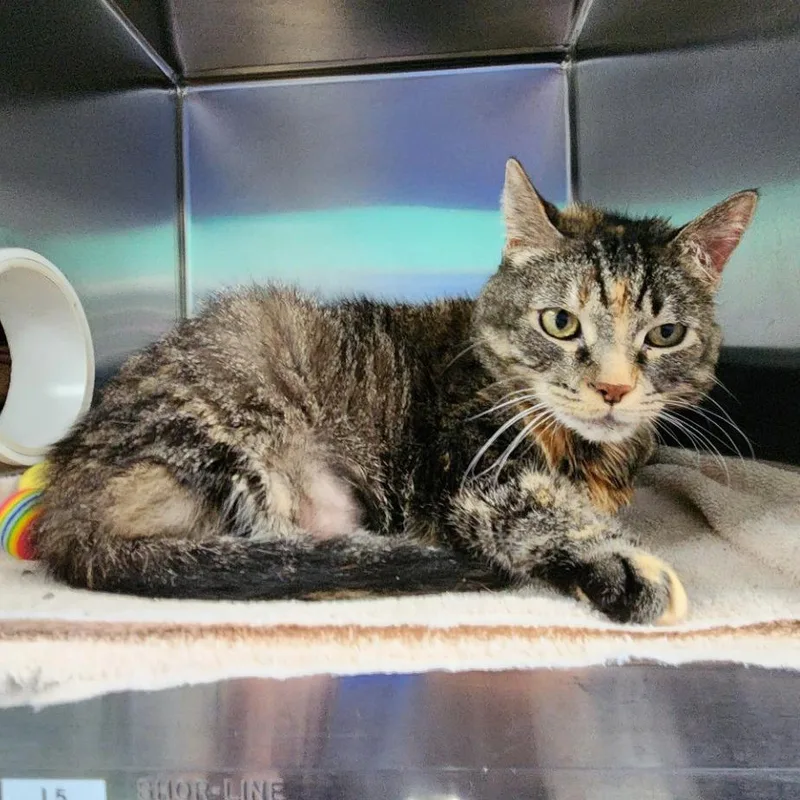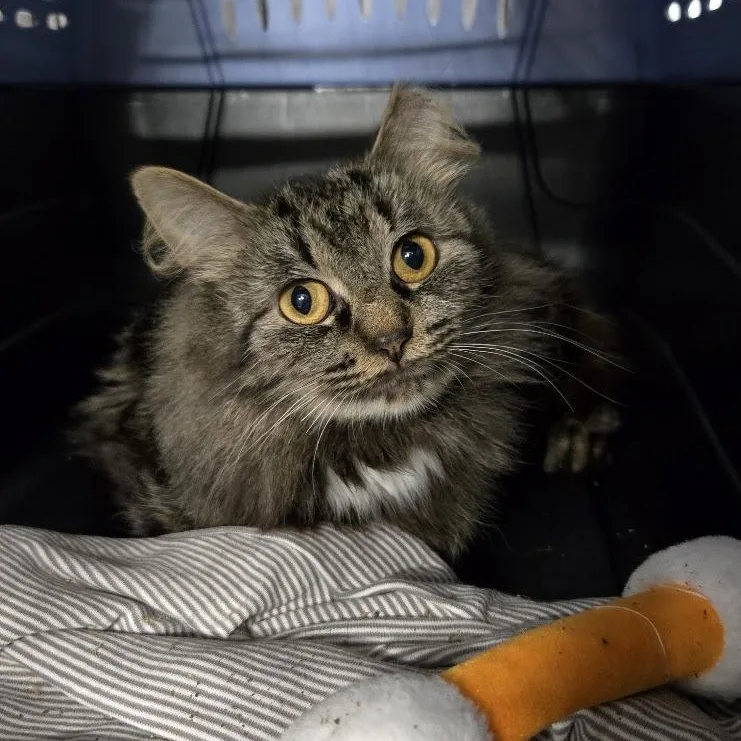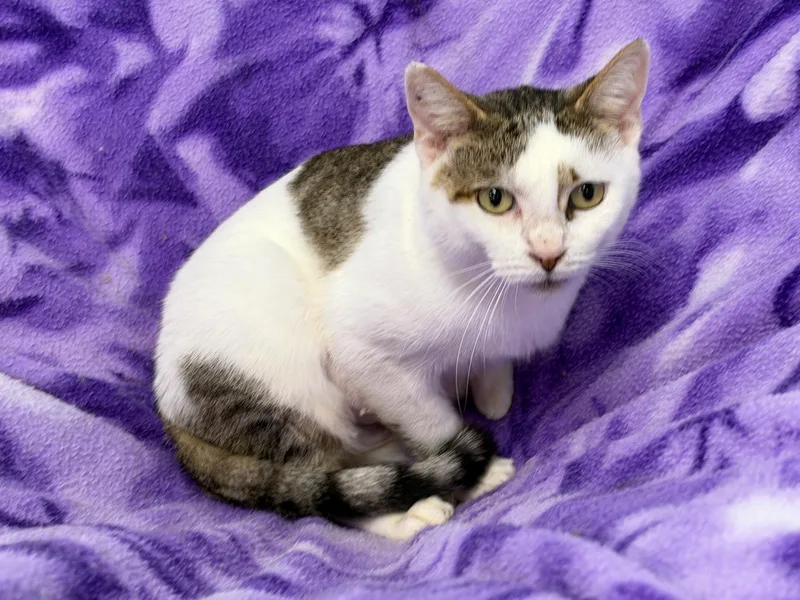
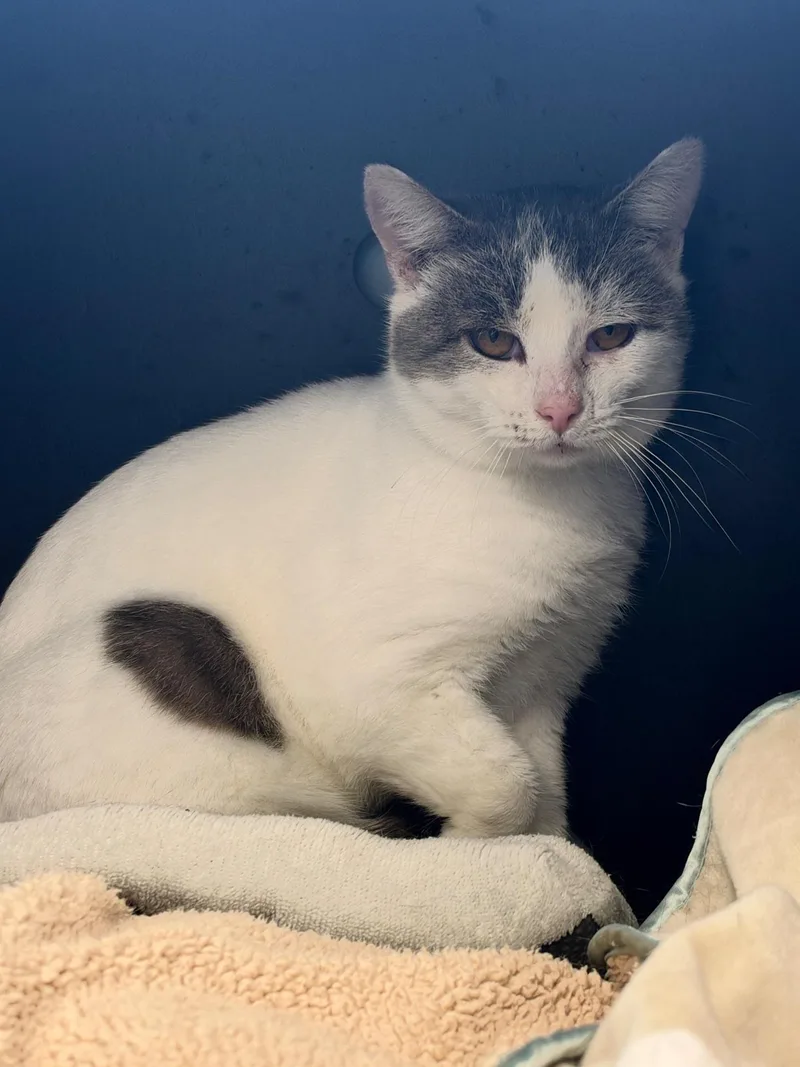
Tabby Cats for Adoption in Grand Rapids, MI

Your guide to finding and caring for a Tabby in Grand Rapids

Tabbies fit Grand Rapids homes of almost any size, from Creston bungalows to Alger Heights ranch houses. Tabby is a coat pattern, not a breed, so these cats vary in size and personality. Most are medium-sized shorthairs who settle happily into a one-bedroom apartment in Eastown or a Belknap Lookout house with steep stairs to climb. Long Michigan winters mean indoor play matters, so a window perch and a wand toy go a long way.

15 Tabbies available for adoption in Grand Rapids

Find your Tabby

Tabbies Available for Adoption in Grand Rapids

About the Tabby breed

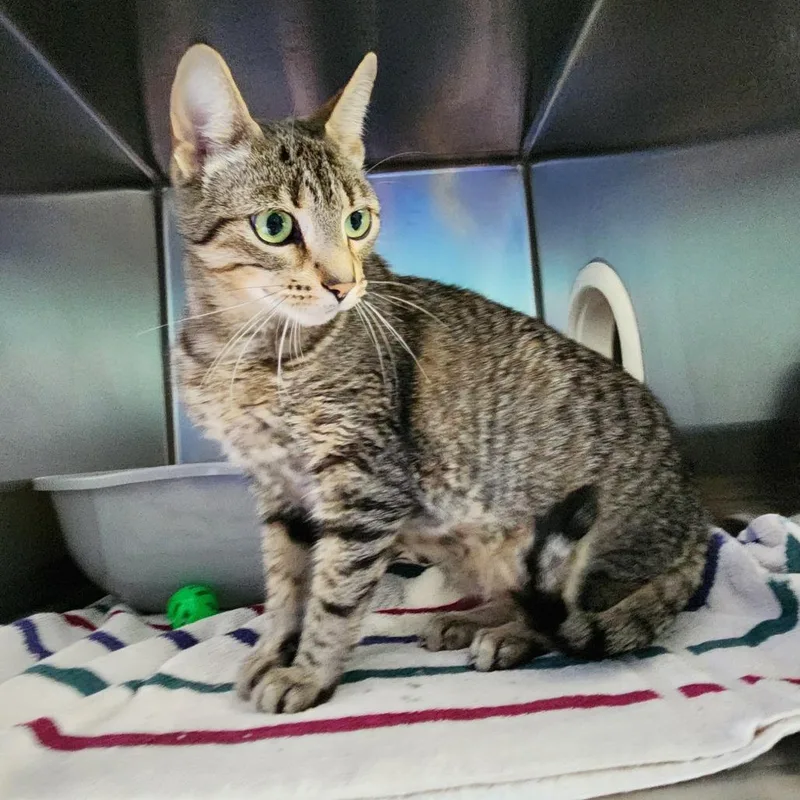
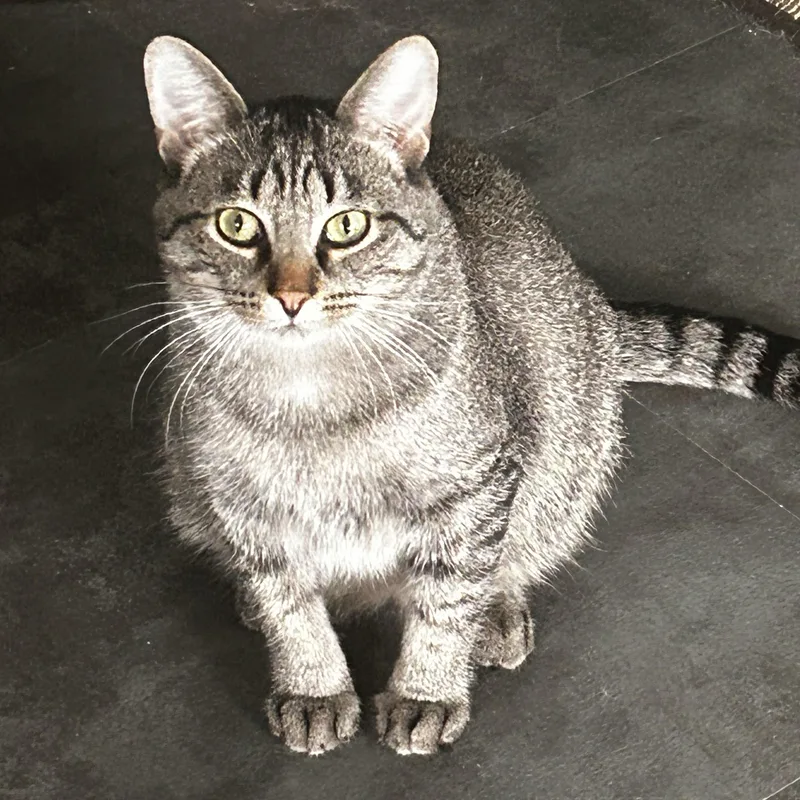
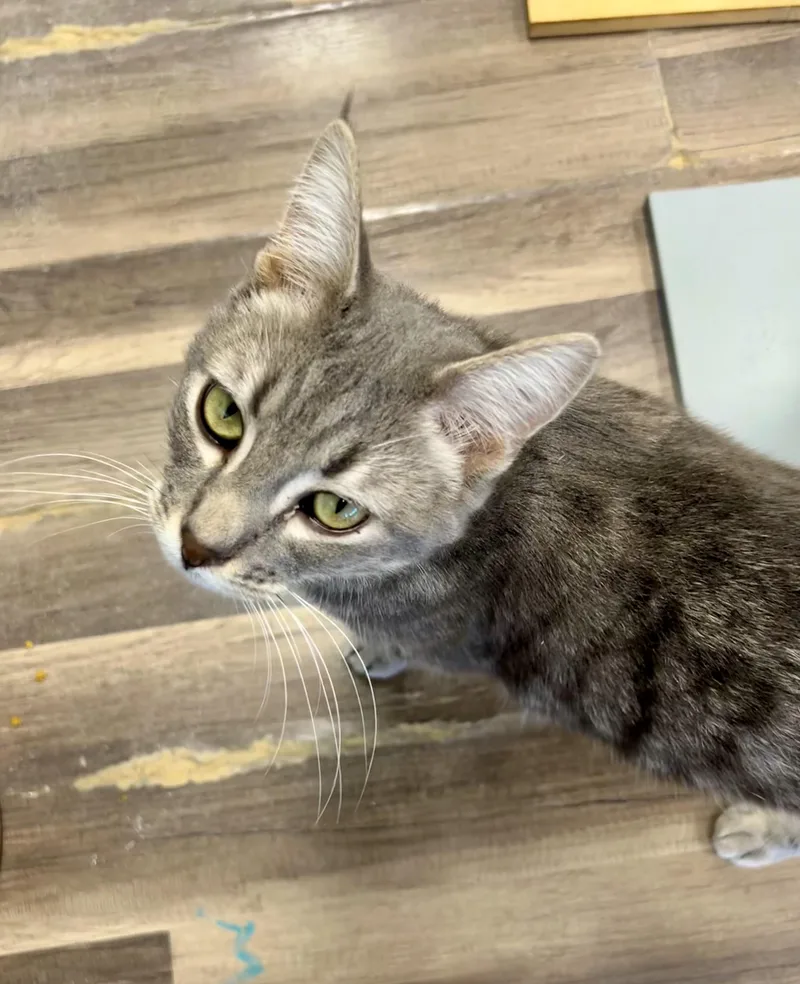
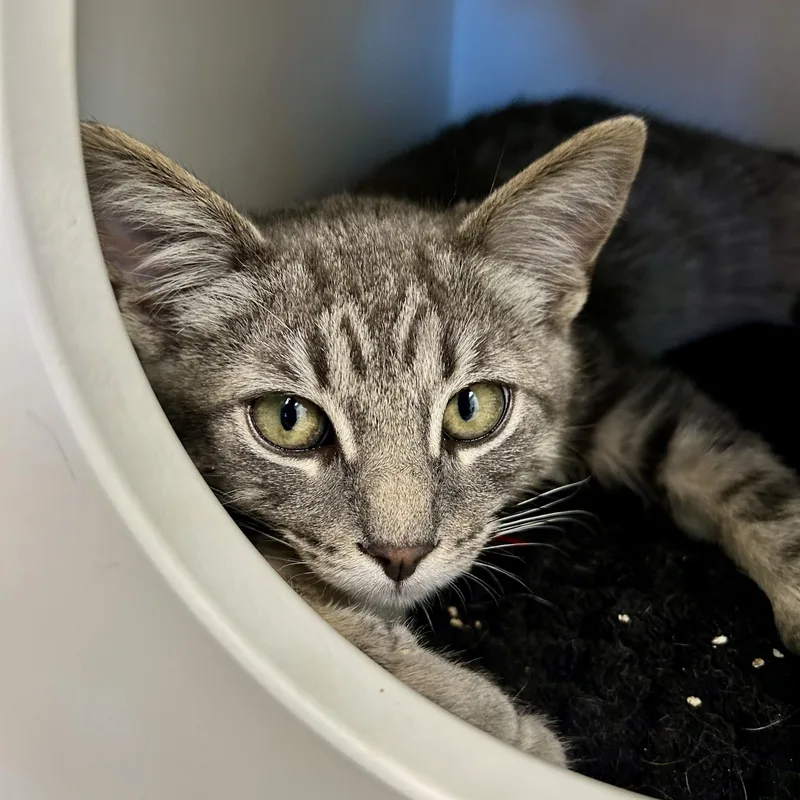
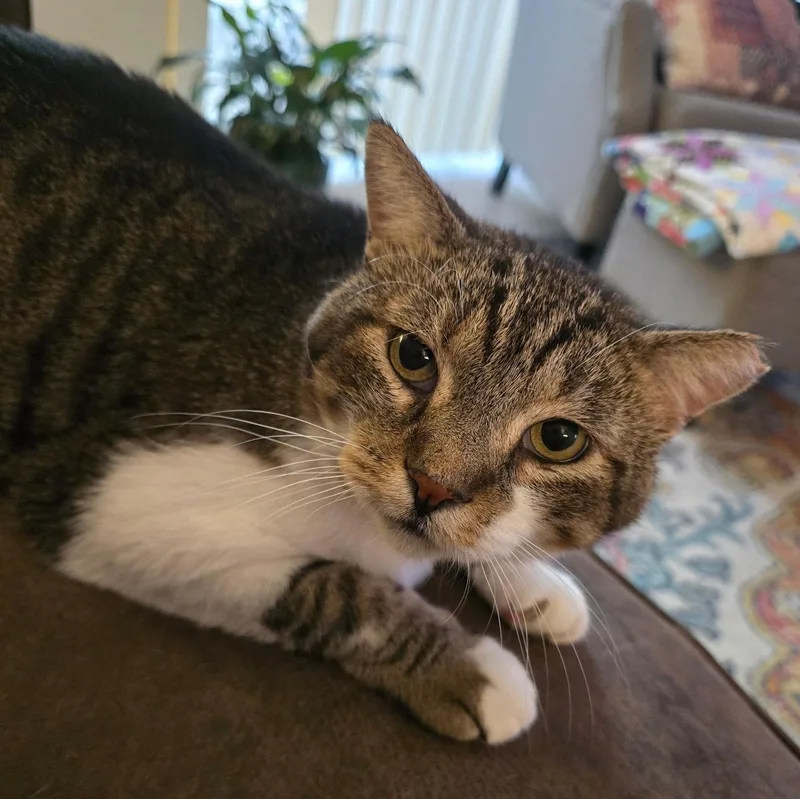
Tabby is a coat pattern found across breeds and mixes. It's marked by an M on the forehead and by stripes, swirls, spots or ticked hairs, in colors from brown and orange to gray and cream. Most adoptable tabbies are domestic shorthairs, typically 6 to 14 pounds, and with good care they often live 12 to 18 years. Shedding is moderate year-round, with seasonal peaks.

Personality comes from a cat's genetics, upbringing and experiences, not from its stripes. In Grand Rapids, a tabby will spend most of the year indoors, so think about daily play, perches by a window and weekly brushing. Spending time with a cat before you decide tells you far more than its coat does.

Weight
6–14 lbs
Height
8–10 in
Lifespan
12–18 yrs
Temperament
Curious, Adaptable, Affectionate
Shedding
Moderate

Owning a Tabby in Grand Rapids

Having a Tabby in Grand Rapids

Tabby describes a coat pattern found across many breeds and mixes, so a cat's traits depend on its own age, energy, coat length and history. In Grand Rapids, plan around long indoor winters, apartment-friendly routines and a household that can offer daily play.

Temperament

Expect the full range of feline personalities. Many tabbies are curious, adaptable and affectionate, while others are shy or independent, and the stripes don't predict which. Watching how a cat handles touch, noise and new spaces shows far more than coat color, especially for busy Grand Rapids households with roommates or children.

Exercise Needs

Daily play that mimics hunting, like wand toys and pouncing games, keeps tabbies fit. Grand Rapids averages about 50 days a year when the high never tops freezing, so most exercise happens indoors. Add climbing shelves, scratching posts and a window perch. Kittens need several short sessions, while seniors prefer gentler games.

Health Considerations

Coat pattern has no known effect on health; risks follow a cat's mix, age and lifestyle. Common issues include obesity, dental disease, urinary problems and, in older cats, kidney disease, hyperthyroidism and diabetes. Ticks are increasing in West Michigan, so ask a veterinarian about flea and tick prevention and schedule annual wellness exams.

Living Space

Tabbies generally adapt to apartments and houses alike, as long as they have places to climb, scratch, hide and look outside. Grand Rapids homes range from historic Belknap Lookout houses to newer West Side apartments, and a cat with a window perch and a quiet retreat does well in either.

What it costs to own a Tabby in Grand Rapids

ExpenseTypical costPer year
Adoption fee$95 to $120, one time$95 to $120 in year one
Food$25 to $50 per month$300 to $600
Pet insurance$20 to $45 per month$240 to $540
Routine vet care$150 to $350 per year$150 to $350
Other*$450 to $1,150 per year$450 to $1,150
Estimated yearly total (after year one)$1,140 to $2,640
First-year total (with adoption fee)$1,235 to $2,760

Adoption fee is the range of fees on Tabby listings in Grand Rapids on GetBuddy today. Other costs are estimates and vary with size, age and health.

* Litter, flea and tick prevention, a yearly dental cleaning allowance, toys, scratchers and bedding, and occasional grooming.

Adopt a Tabby in Grand Rapids.

Now that you know more, let’s find you a new best friend. These rescues and shelters below currently have Tabbies available.

Frequently Asked Questions

Yes, you can get a Tabby in Grand Rapids. Tabby is a coat pattern rather than a breed, and no breed-specific rules are known in the city or Kent County. Licensing in the county applies to dogs, with no known cat license. Keep vaccinations current and add a microchip or ID tag in case your cat slips out.

Yes, indoor Tabbies handle Grand Rapids winters well, since the cold mostly stays outside. The city sees about 133 freezing nights and 77.6 inches of snow in a normal year, so give your cat a warm bed away from drafts and a window perch for watching snow. Keep a carrier and blankets ready in case an ice storm cuts power.

Yes, a Tabby can live happily in a Grand Rapids apartment. Most tabbies adapt well to smaller spaces when they have a scratching post, a window perch, a quiet retreat and a clean litter box. Get your landlord's written approval before adopting, and read the lease for pet fees, pet rent or limits on the number of cats.

Yes, Tabbies can ride The Rapid's buses as long as they travel in a proper carrier. Service animals are welcome without one. Grand Rapids has buses only, with no subway or rail transit. Choose a sturdy, well-ventilated carrier that fits on your lap or the floor, and confirm The Rapid's current pet rules before your first ride.

A Tabby suits Grand Rapids best as an indoor cat. Coyotes live in urban areas, ticks are becoming more common in West Michigan, and fireworks are allowed on set days, mostly June 29 through July 4. Indoor cats avoid all three. Offer window perches, climbing spaces and daily play, and choose a cat whose energy matches your household.

Brush a shorthair Tabby about once a week, and a long-haired one several times a week. Shedding is moderate year-round, with peaks as the seasons change. Professional grooming is only occasional at most, and it falls within the yearly Other costs of about $450 to $1,150, along with litter, dental care and flea prevention.

A tabby cat is any cat with a tabby coat pattern, meaning stripes, swirls, spots or ticked hairs plus a distinctive M-shaped marking on the forehead. Tabby is not a breed. The pattern appears in domestic shorthairs and longhairs as well as many pedigreed breeds, such as the American Shorthair, Maine Coon and Abyssinian, and it is one of the most common cat patterns.

A tabby cat isn't any one breed, because tabby is a coat pattern. Cats with the pattern include shelter domestic shorthairs and longhairs as well as breeds such as the American Shorthair, Maine Coon, Bengal and Abyssinian. Most tabbies available for adoption are mixed-breed domestic cats, so browse the cats listed here and look at each one's age and personality.

We have 1 rescue with Tabbies available: Second Chance Cats of West Michigan. You can see every rescue with Tabbies available in the list above these questions, or scroll to the top to see the Tabbies in Grand Rapids.

Plan on about $25 to $50 a month for food, $20 to $45 a month for insurance, and $150 to $350 a year for routine vet care. Litter, flea prevention, dental care and supplies add roughly $450 to $1,150 a year. That puts a typical year at about $1,140 to $2,640, before any emergency or illness.