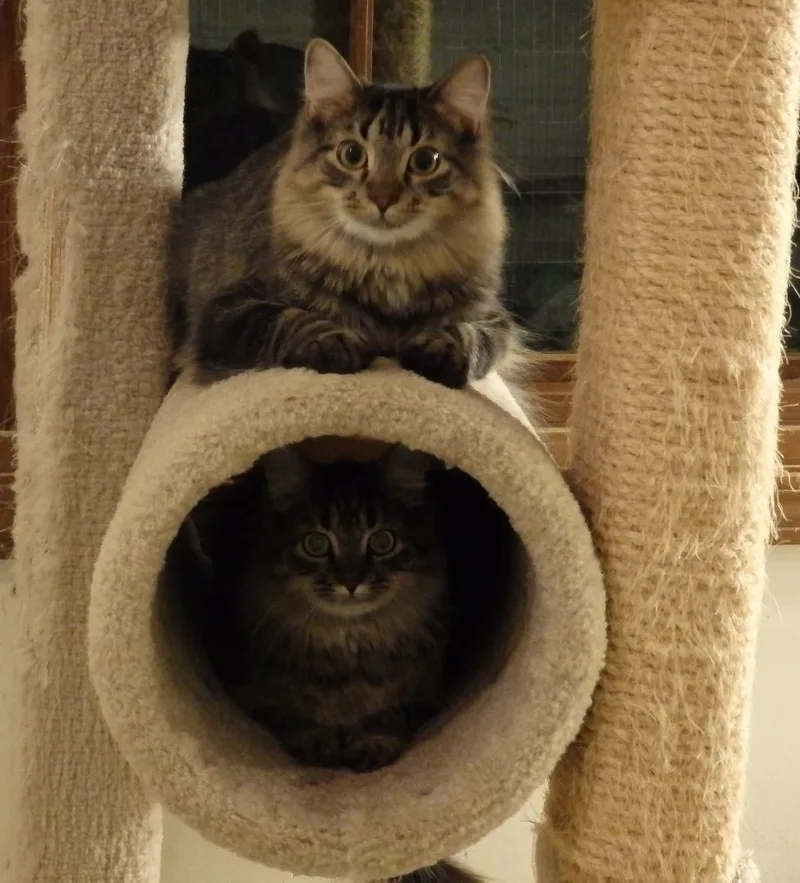
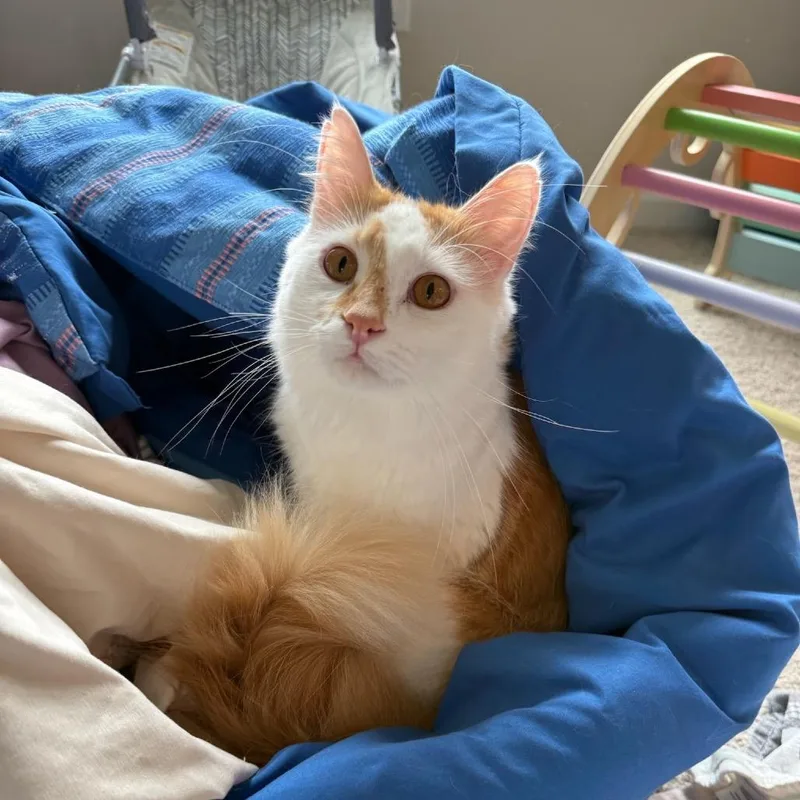
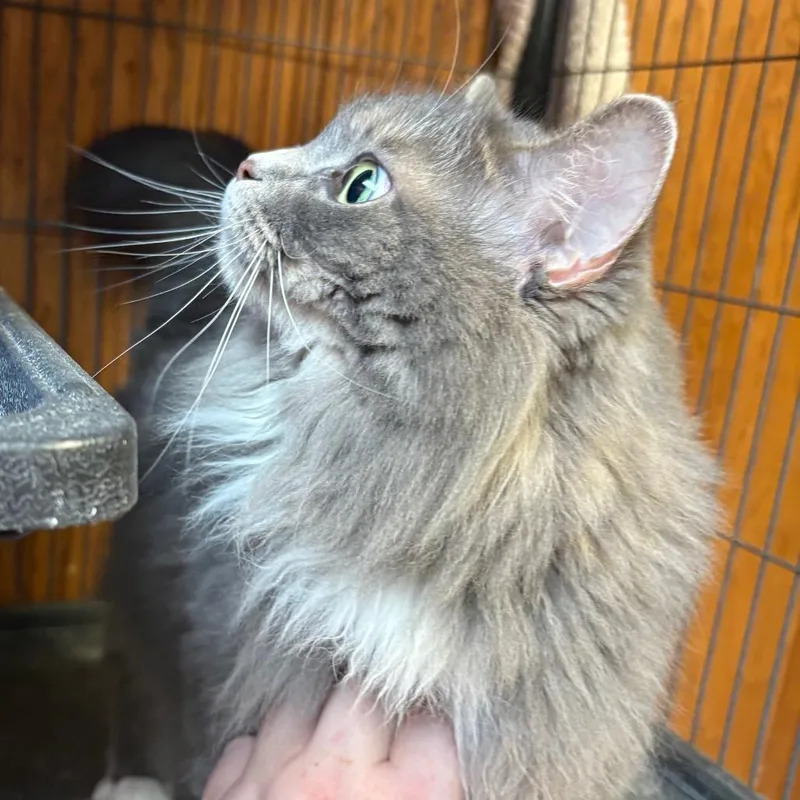
Domestic Long Hair Cats for Adoption in Indianapolis, IN

Your guide to finding and caring for a Domestic Long Hair in Indy

A Domestic Long Hair fits well into Indy's older neighborhoods, where sunny front windows are part of the architecture. In an Irvington bungalow or a Mapleton-Fall Creek duplex, a fluffy cat gets a perch with a view of the street and room to wander. The coat is the real commitment, since it needs brushing most days when the furnace is running and fur ends up on every sweater. Because the label only describes coat length, each cat's personality is its own.

5671 Domestic Long Hairs available in Indianapolis and nationwide

Your Domestic Long Hair is waiting

Domestic Long Hairs Available for Adoption Near Indianapolis

About the Domestic Long Hair breed

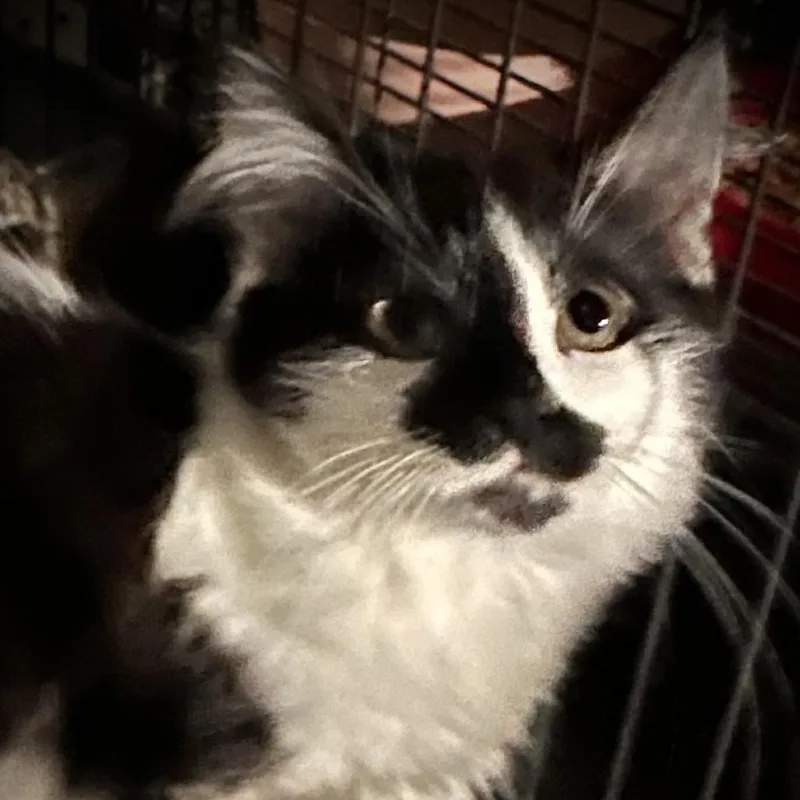
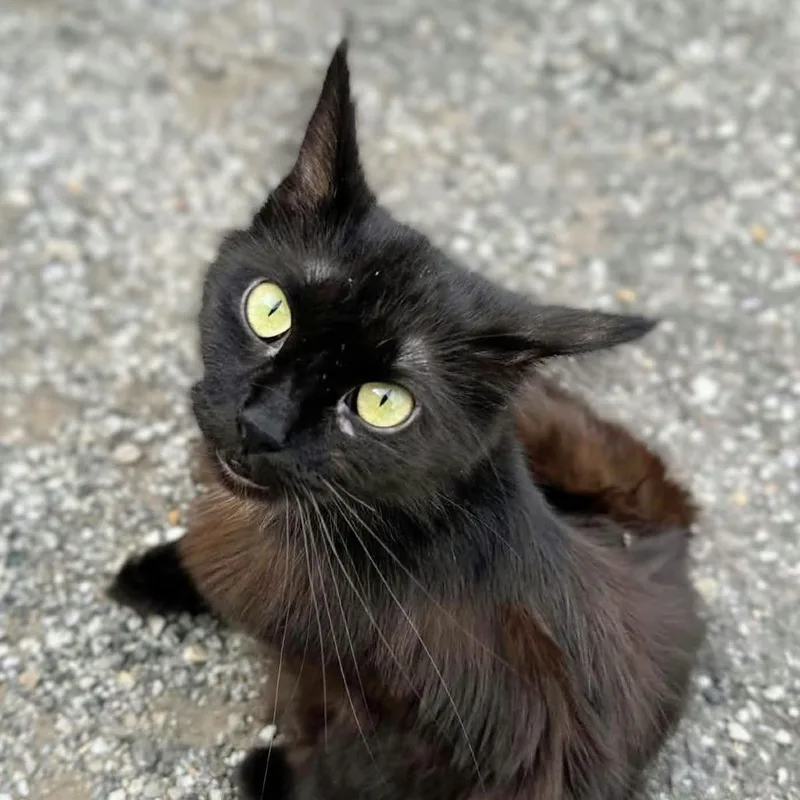
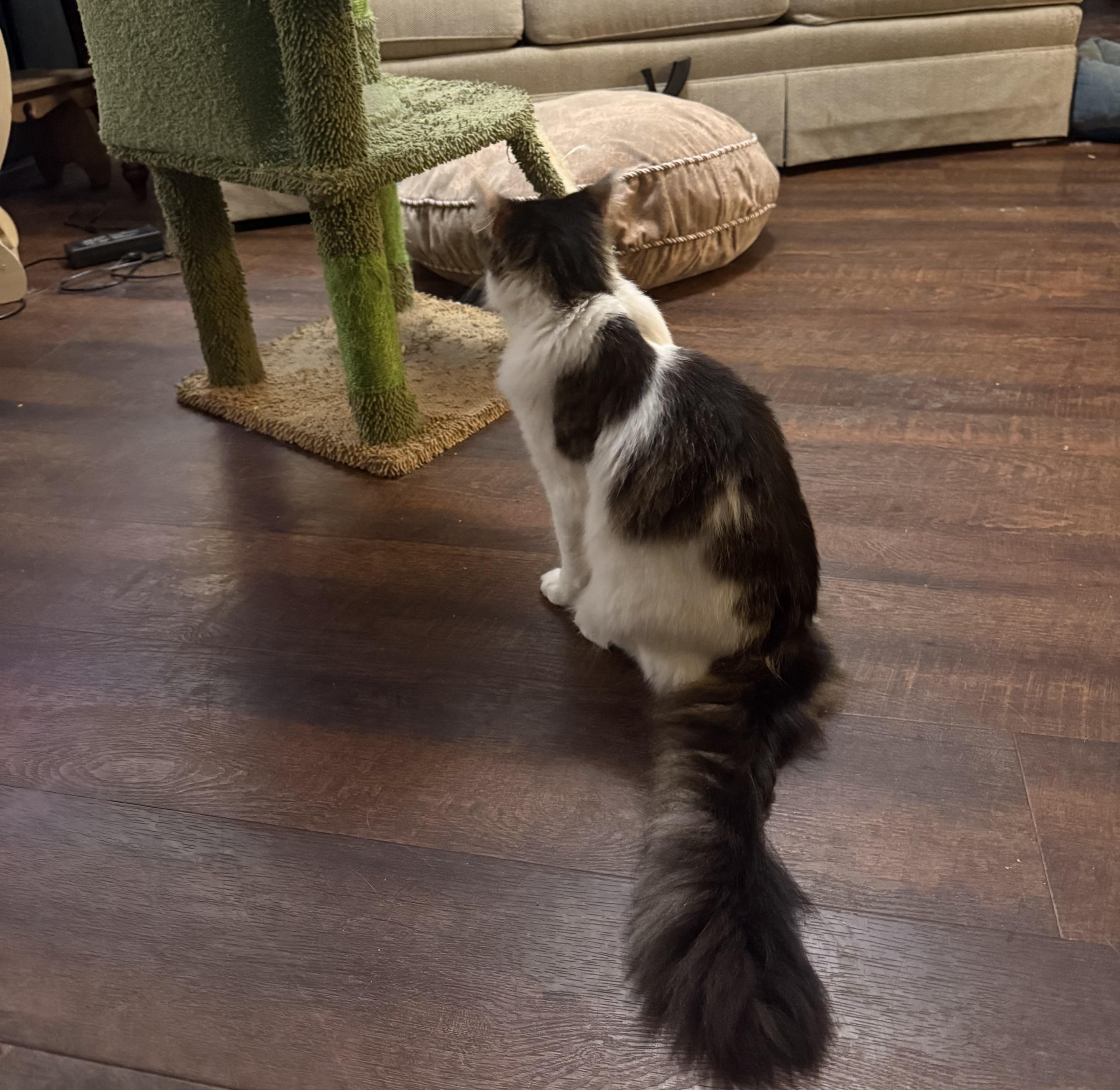
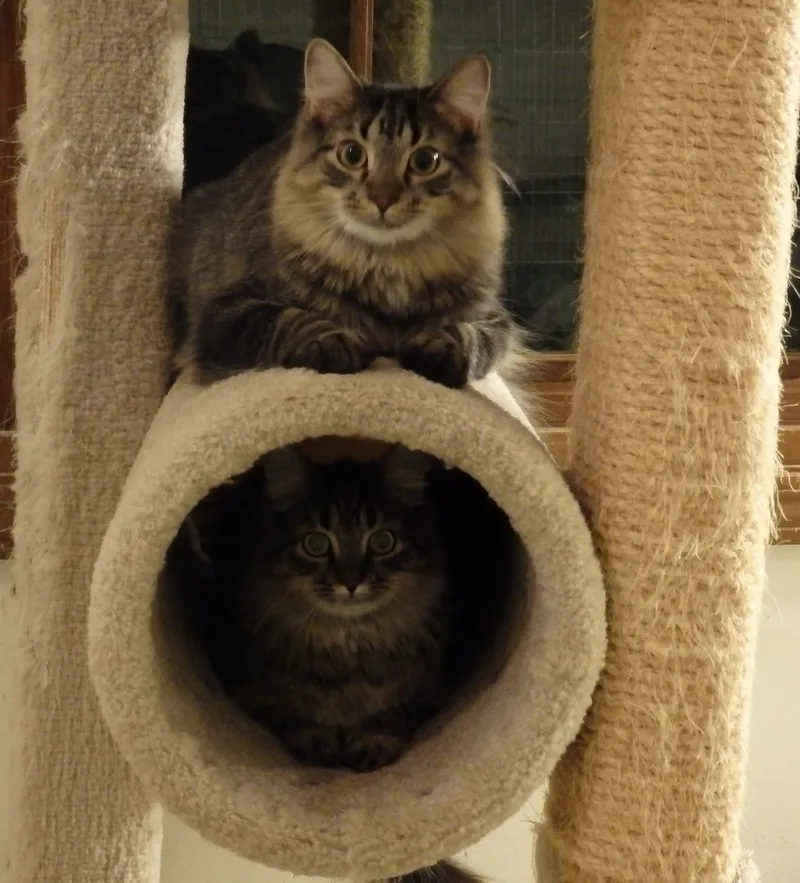
Domestic Long Hair isn't a breed. It's the label for a mixed-ancestry cat with a medium-to-long coat, and it covers every color and pattern, from tabby and calico to smoke and solid black. Most adults weigh 8 to 15 pounds, though the fluff can make a cat look bigger than it is.

In Indianapolis, where the heating season is long, a longhaired cat is happy indoors, and you'll see more of that fur on couches and sweaters while the furnace runs. Brushing a few times a week, and more during seasonal sheds, keeps mats and hairballs in check. Personality varies widely, so the cat in front of you matters more than the label.

Weight
8–15 lbs
Height
8–11 in
Lifespan
12–18 yrs
Temperament
Adaptable, Affectionate, Gentle
Shedding
Moderate to High

Owning a Domestic Long Hair in Indianapolis

Having a Domestic Long Hair in Indy

A Domestic Long Hair is defined by its coat, not a pedigree, so traits vary from cat to cat. In Indy, the practical questions are how much brushing the fur needs, how the cat handles long months indoors, and whether your home suits a climber or a lap sitter.

Temperament

Domestic Long Hairs run from mellow lap cats to bold explorers and shy cats who take weeks to settle, so personality comes from each cat's history and socialization rather than coat length. Many are affectionate and adaptable, which helps in Indy's mix of duplexes, bungalows and apartments. Watch how a cat reacts to handling and noise when you meet.
Exercise Needs

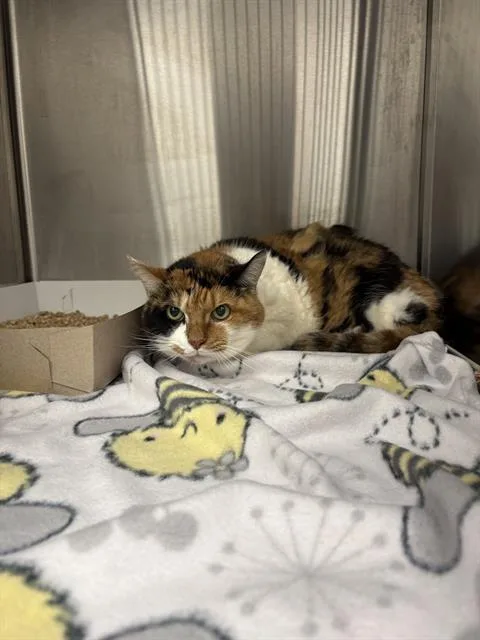
Most Domestic Long Hairs need a couple of short play sessions a day with wand toys, balls or puzzle feeders. Indy's cold, snowy stretch keeps cats indoors, so a tall cat tree by a window and a few minutes of chase before dinner go a long way. Staying lean also helps a longhaired cat groom properly.

Health Considerations

Mixed ancestry means no breed-specific inherited conditions to plan around, but long coats mat and collect hairballs easily, and soiled fur near the rear is common in older or heavy cats. Dental disease, obesity and kidney disease affect cats generally, so schedule regular checkups. A veterinarian can check teeth, weight and coat condition at each visit.

Living Space

A Domestic Long Hair does well in an apartment, a bungalow or a larger house as long as there are litter boxes, scratching posts, hiding spots and climbing room. Vertical space matters more than square footage. Keep a brush by the couch and a lint roller handy, since longhaired fur travels.

What it costs to own a Domestic Long Hair in Indianapolis

ExpenseTypical costPer year
Adoption fee$100, one time$100 in year one
Food$25 to $50 per month$300 to $600
Pet insurance$20 to $45 per month$240 to $540
Routine vet care$150 to $350 per year$150 to $350
Other*$500 to $1,250 per year$500 to $1,250
Estimated yearly total (after year one)$1,190 to $2,740
First-year total (with adoption fee)$1,290 to $2,840

Adoption fee is the fee on Domestic Long Hair listings in Indianapolis on GetBuddy today. Other costs are estimates and vary with size, age and health.

* Litter, flea and tick prevention, a dental cleaning allowance, toys, scratchers and other supplies, and brushing tools or occasional grooming for the long coat.

Adopt a Domestic Long Hair in Indianapolis.

Now that you know more, let’s find you a new best friend. These rescues and shelters below currently have Domestic Long Hairs available.

Frequently Asked Questions

Yes. Indianapolis has no breed restrictions, and Domestic Long Hair is a coat type rather than a breed anyway. Plan on permanent ID such as a microchip and a rabies vaccination, which Indiana requires for cats at three months and older. There's no city cat license and no fixed pet limit, though a landlord may set one.

Yes, a Domestic Long Hair generally adapts well to apartments, since vertical space and routine matter more than square footage. Provide a tall cat tree, a window perch, scratchers and a litter box away from the food. Brush regularly so fur doesn't pile up, and secure windows and balcony doors because cats can slip out.

Yes, most do well, since the full coat insulates and indoor heating handles the rest. Keep the cat inside, offer warm beds away from drafts, and brush regularly because dry winter air can add static and mats. A cat that slips outdoors during a cold snap can get into trouble fast, so check door and window latches.

Yes, if the cat is in a carrier. IndyGo's buses, including the Red and Purple Line rapid-transit routes, allow pets in a carrying case, and service animals are also allowed. Choose a sturdy, ventilated carrier that stays closed on your lap or the floor, and check current fares with IndyGo. Indianapolis has no subway.

Plan on brushing a few times a week, and daily during spring and fall sheds. Humid summers and dry, heated winter air can both lead to mats, so check behind the ears, under the legs and near the tail. Brushing tools cost little, and an occasional professional trim is already counted in the yearly other costs.

You can usually tell a kitten will have long hair by about three to four weeks old, when its fur looks noticeably fluffier than its littermates'. Look for longer tufts on the ears, between the toes and on the tail, plus a softer, fuller coat overall. The full adult coat, ruff and tail plume can take one to two years to develop.

Yes, long hair is a recessive trait in cats. A kitten needs two copies of a long-hair variant, usually in the FGF5 gene, one from each parent, to grow a long coat. Two shorthaired parents can produce longhaired kittens if both carry the variant, while a longhair bred to a cat with two short-hair copies produces only shorthaired kittens.

Domestic Long Hair cats commonly live about 12 to 18 years, and many indoor cats reach their late teens or beyond. Mixed-breed cats have broad genetic diversity, and UK veterinary research found non-pedigree cats lived longer than purebreds on average. Indoor living, a healthy weight, dental care and regular checkups make the biggest difference.

We have 2 rescues with Domestic Long Hairs available: Indianapolis Animal Care Services and Cuddle Me Cat Rescue. You can see every rescue with Domestic Long Hairs available in the list above these questions, or scroll to the top to see the Domestic Long Hairs near Indianapolis.

A Domestic Long Hair typically costs about $25 to $50 a month for food, $20 to $45 a month for optional pet insurance, $150 to $350 a year for routine vet care, and $500 to $1,250 a year for other costs such as litter, parasite prevention, dental care and supplies. Together that's roughly $1,190 to $2,740 a year. Indianapolis has no city pet license fee to add.

Explore Other Breeds in Indianapolis

Looking for a different breed? Browse other cats available for adoption in Indianapolis.