Birman Cats for Adoption in Chicago, IL

Your guide to finding and caring for a Birman in Chicago

Birmans fit well in the walk-ups and courtyard buildings of Hyde Park and Rogers Park. They're calm, soft-voiced cats that want a sunny window and your company more than space, so a third-floor perch over the street can keep one happy for hours. Most would rather follow you from room to room than prowl a balcony, which suits a building with neighbors on the other side of the wall. A Birman won't mind a Chicago apartment as long as someone's home a fair amount.

2214 cats similar to Birman available in Chicago and nationwide

Find your forever Birman

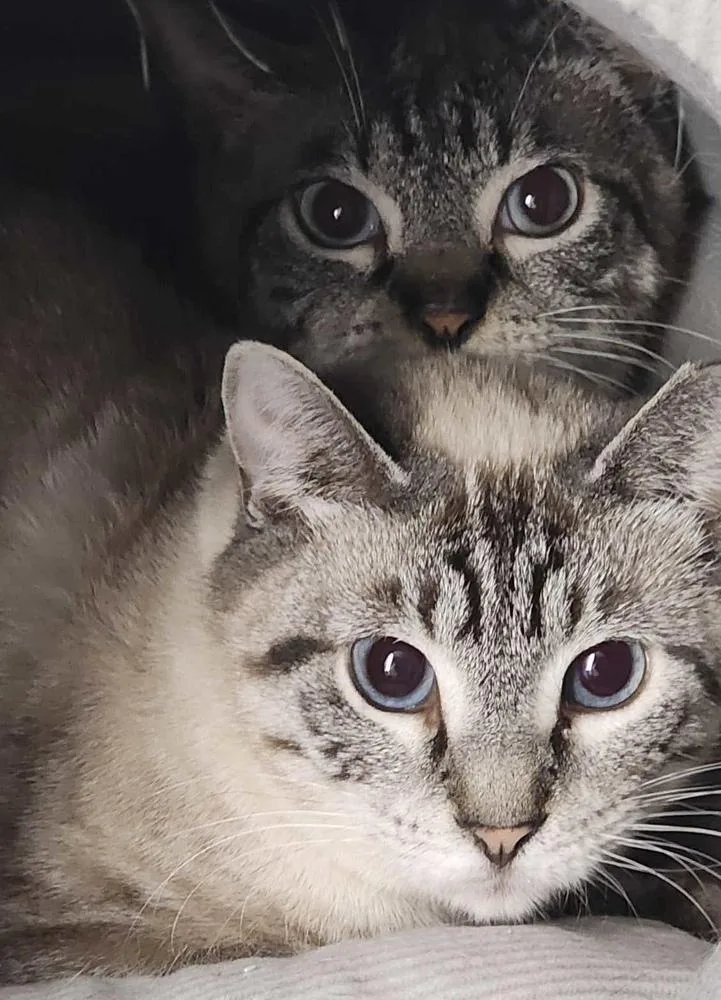
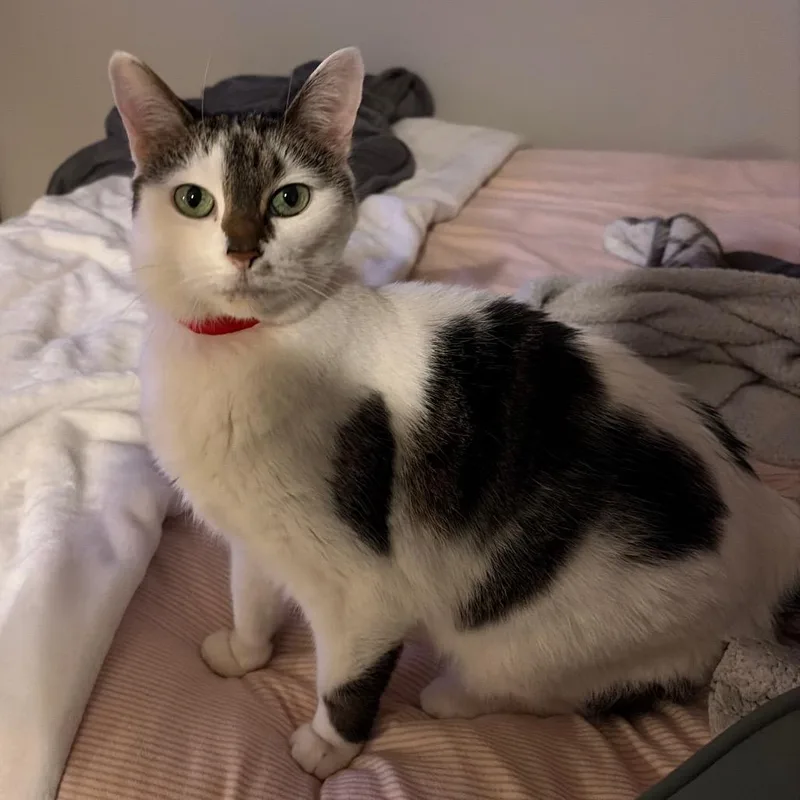
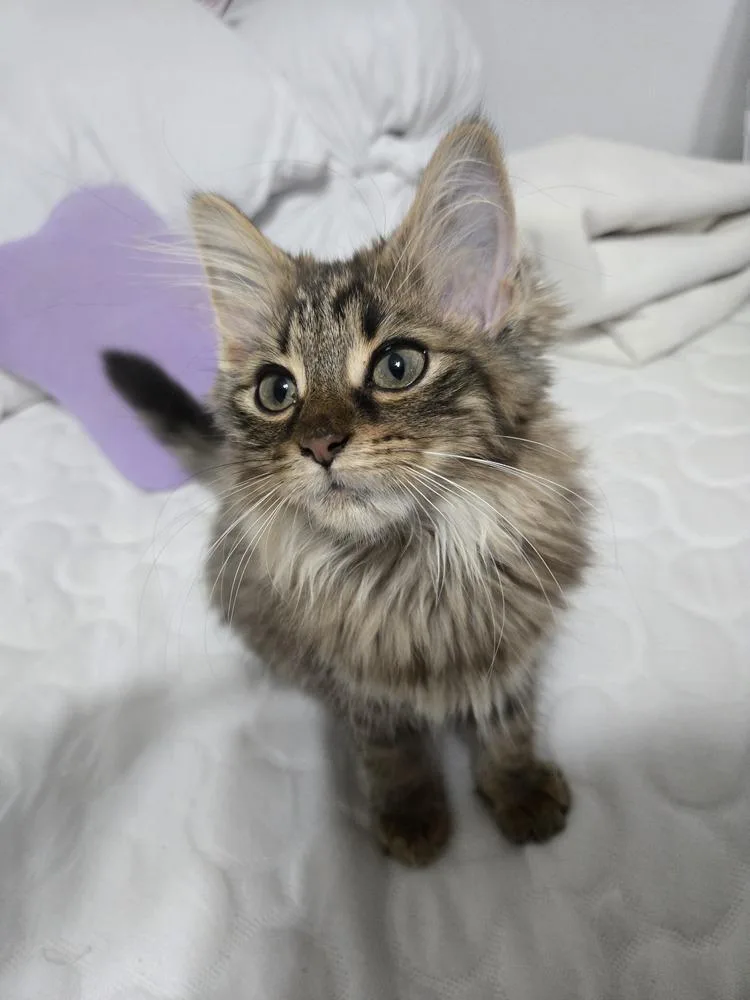
Birmen and Similar Breeds Available for Adoption Near Chicago

About the Birman breed

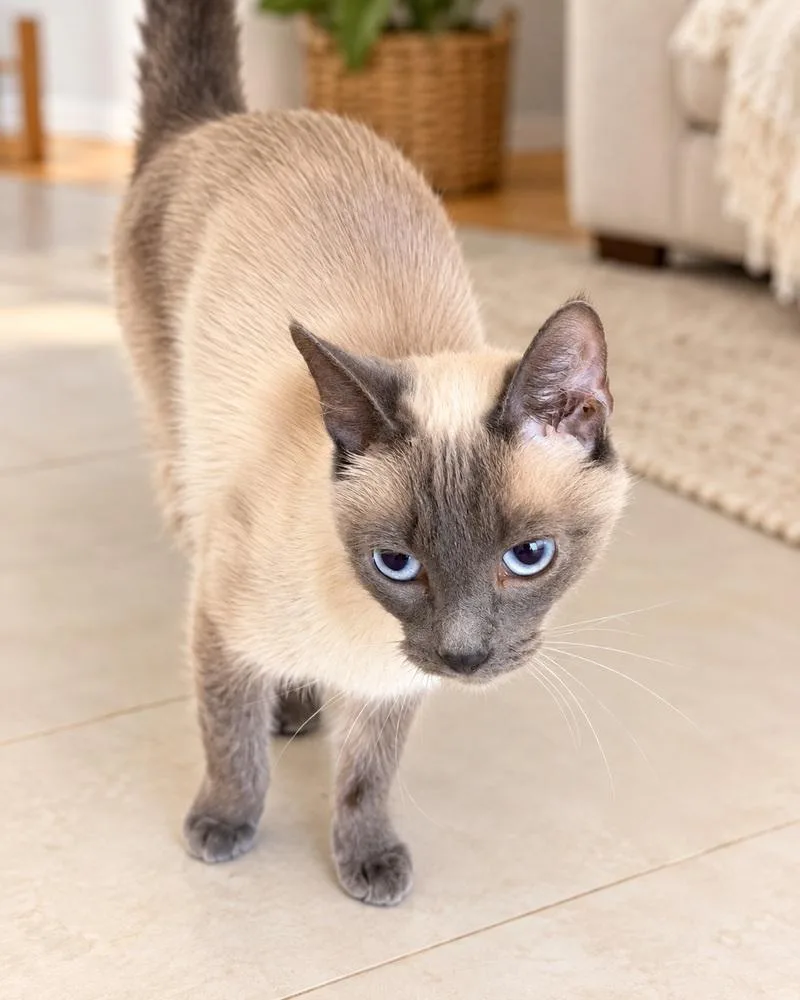
Birmans are semi-longhaired colorpoint cats with deep blue eyes and four white paws, the "gloves" in front and "laces" up the back legs. The breed was developed in France after a pair of cats arrived from Burma around 1919, and the temple-cat story is legend, not documented history. Adults typically weigh 7 to 14 pounds and take about three years to mature fully.

In a Chicago home, the appeal is a gentle, sociable cat that likes being near its people without demanding constant attention. The silky coat has little undercoat, so it mats less than many longhaired cats, but weekly combing keeps it tidy, especially when winter heat dries the air. Birmans vary, as all cats do, so a cat's own personality matters more than its breed label.


Weight
7–14 lbs
Height
8–10 in
Lifespan
12–16 yrs
Temperament
Gentle, Affectionate, Social
Shedding
Moderate

Owning a Birman in Chicago

Having a Birman in Chicago

Birmans are quietly affectionate, moderately playful and happiest with company. For Chicago adopters, the questions are how much time someone is home, how to keep a cat busy through long indoor winters, and a few health risks worth watching.

Temperament

Birmans tend to be gentle, soft-voiced cats that follow their people around and enjoy calm attention. Many get along with respectful children and with other cats or cat-friendly dogs after slow introductions. In a busy Chicago building, the steady ones cope well with hallway noise, though some Birmans start out shy and need time to settle.

Exercise Needs

Expect a couple of interactive play sessions a day with wand toys, balls or puzzle feeders. Chicago winters keep cats indoors for months, so a tall cat tree, a window perch and daily play help an adult Birman stay trim, since the breed gains weight easily. Short training games add mental exercise.

Health Considerations

Hypertrophic cardiomyopathy has turned up in a notable share of screened Birmans, and polycystic kidney disease appears occasionally, so a vet can advise on heart screening after adoption. Weight gain is the more common problem, raising joint and diabetes risk. Routine exams, dental care and measured meals matter, and Cook County requires a rabies vaccine.

Living Space

A Birman does well in a one-bedroom or a larger house, valuing company and quiet perches over square footage. In Chicago's walk-ups and high-rises, window seats, cat trees and scratching posts supply the stimulation. Many dislike long stretches alone, so a household with someone home often, or another friendly pet, suits them well.

What it costs to own a Birman in Chicago

ExpenseTypical costPer year
Food$25 to $50 per month$300 to $600
Pet insurance$25 to $50 per month$300 to $600
Routine vet care$150 to $350 per year$150 to $350
Other*$500 to $1,250 per year$500 to $1,250
Estimated yearly total (after year one)$1,250 to $2,800

Other costs are estimates and vary with size, age and health.

* Litter, flea and tick prevention, a dental cleaning allowance, toys and supplies, and regular combing for the semi-long coat.

Adopt a Birman in Chicago.

Now that you know more, let’s find you a new best friend. These rescues and shelters below have cats available in and near Chicago.

Frequently Asked Questions

Yes, a Birman usually does well in a Chicago apartment. It's a medium-sized, calm cat that cares more about company and perches than space, and its soft voice rarely bothers neighbors. Add a cat tree by a window and daily play. Read your lease first, since landlords may charge pet fees or deposits, and Illinois sets no cap on them.

Yes, as indoor cats. Chicago winters bring about 38 inches of snow and some below-zero nights, but a Birman's heavy ruff and indoor life cope well. Keep the cat inside and away from drafty windows, and comb weekly because heated air dries the coat. Wipe paws if the cat ever walks on salted sidewalks.

Yes, if the Birman rides in a closed, protective carrier that one person can carry and that fits under a seat. CTA buses and 'L' trains allow only small pets in carriers, and the carrier can't block seats or aisles. Most Birmans fit a properly sized carrier. Keep the cat calm and under control throughout.

Yes. Chicago's pet rules center on rabies vaccination and your lease rather than on breed. Cats four months and older need a rabies vaccine and a Cook County tag, which a vet issues. Landlords set their own pet terms. Watch the listings on this page for Birmans, and save a search to hear about new cats.

Plan on combing a Birman about once a week. The silky coat has little undercoat and mats less than many longhaired cats, but dry heated air in winter and seasonal shedding can add tangles, so comb more often then. Home brushing is usually enough, and any professional grooming fits within the $500 to $1,250 yearly Other costs, which also cover litter and dental care.

Often, if someone is home a fair amount. Birmans like company and can struggle through long workdays alone, which matters in a city of commuters. They're calm indoors through long winters and quiet in shared buildings. Heat waves call for a cooler room because of the long coat. Cats vary, so each Birman's personality matters most.

A Birman is a medium-sized, semi-longhaired cat with a colorpoint pattern, deep blue eyes and distinctive white paws. The breed was developed in France from cats said to come from Burma, which is why it is sometimes called the Sacred Cat of Burma. Many Birmans are gentle, sociable and soft-spoken companions who enjoy being near their people.

No, Birman cats are not hypoallergenic. Like all cats, they produce the Fel d 1 allergen in saliva and skin, and grooming spreads it onto their fur and around the home. Their coat sheds less heavily than some longhaired breeds, but that does not remove allergens. Anyone with allergies should spend time with the specific cat before adopting.

Yes, Birman cats shed, usually at a moderate level. Their silky coat has little undercoat, so they drop less hair and form fewer mats than breeds like Persians or Maine Coons, but loose fur still appears on furniture and clothing. Combing once or twice a week, and more during spring and fall, keeps shedding manageable and the coat tangle-free.

Plan on roughly $1,250 to $2,800 a year for a Birman in Chicago. That covers food at $25 to $50 a month, insurance at $25 to $50 a month, routine vet care at $150 to $350 a year, and other costs of $500 to $1,250 a year, including litter, combing supplies and dental care.