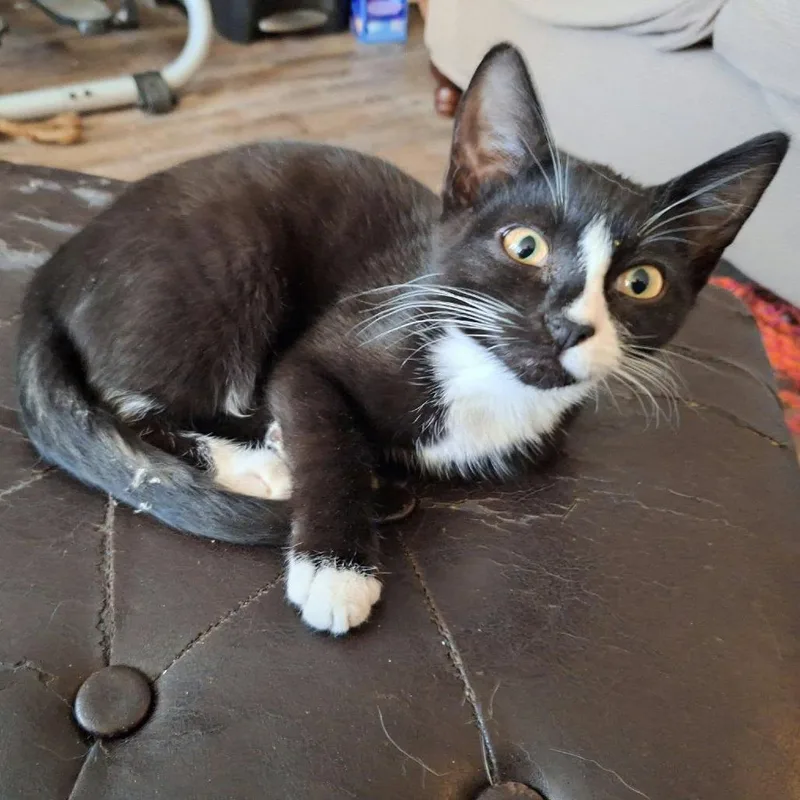
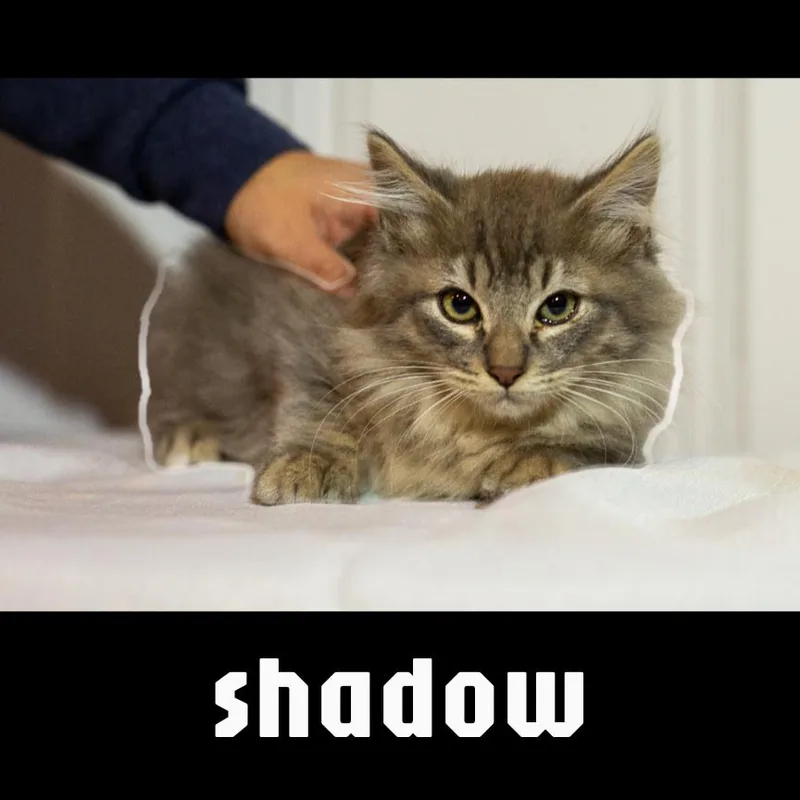
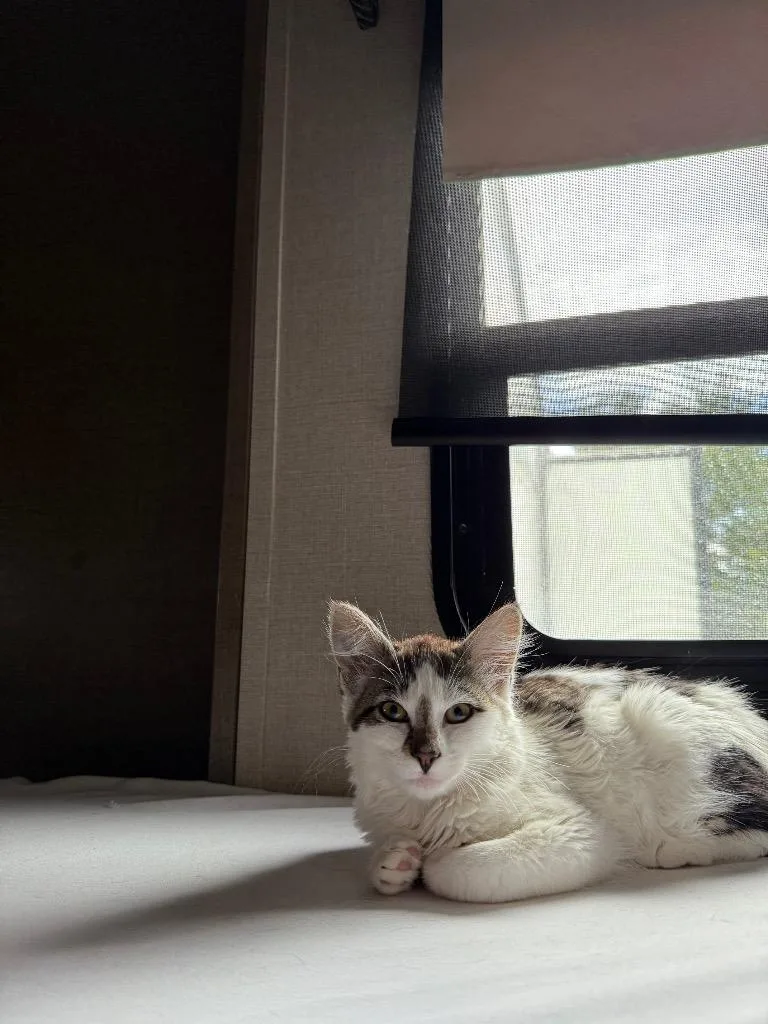
Domestic Short Hair Cats for Adoption in Meridian, ID

Your guide to finding and caring for a Domestic Short Hair in Meridian

Domestic Short Hairs suit Meridian's mix of subdivisions and newer apartments well. Whether it's a quiet Old Town bungalow, an apartment near Ten Mile Crossing or a south-side house off Lake Hazel Road, a cat with daily play and a sunny window perch does fine. These are the everyday shorthaired cats, in every color and temperament, so the cat matters more than the label. Most adjust easily to indoor life, which also keeps them away from the canals and the July heat.

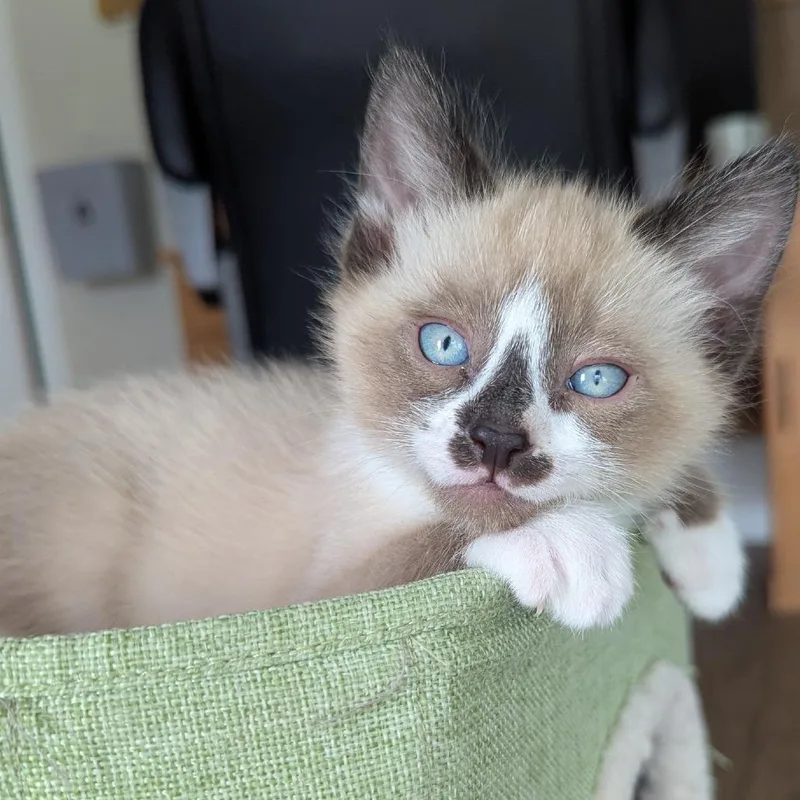
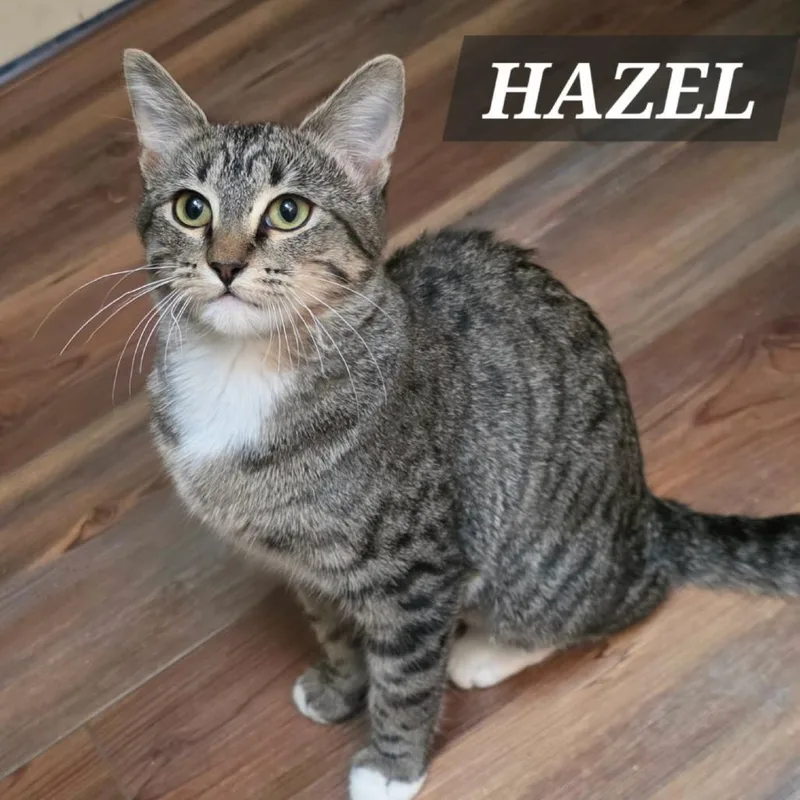
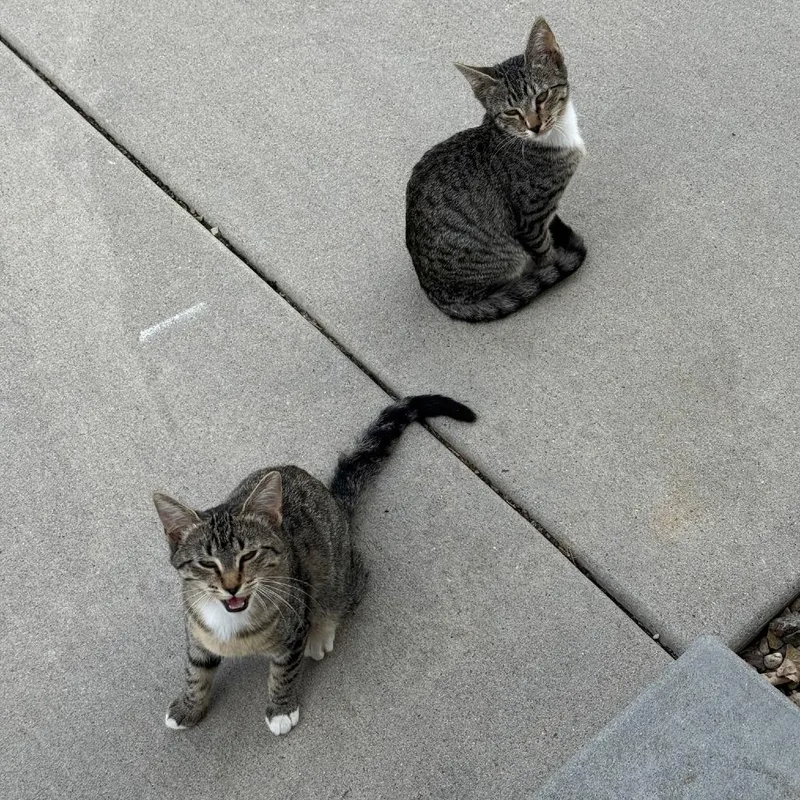
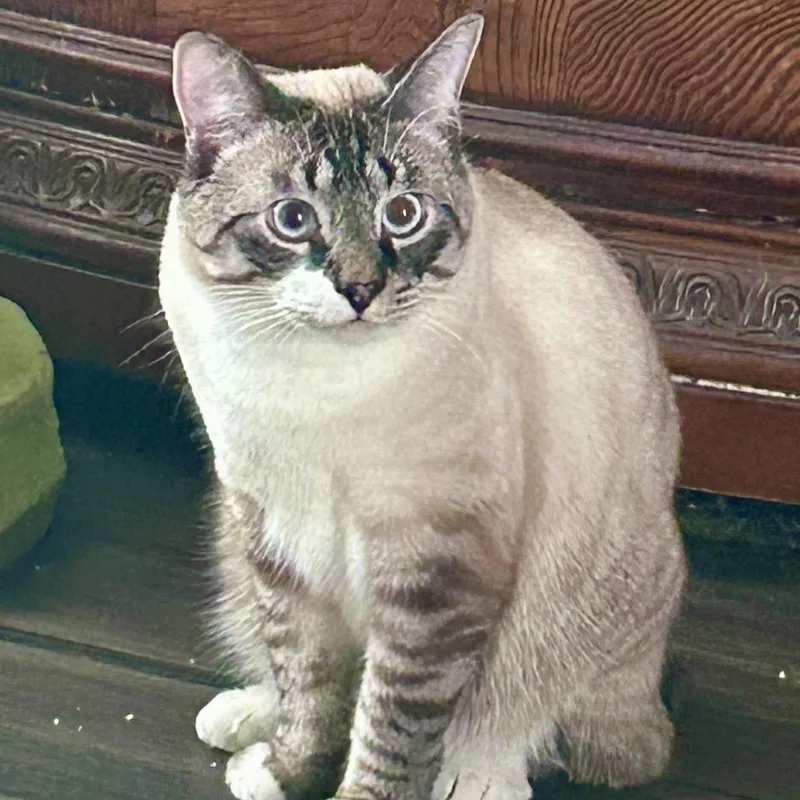
19 Domestic Short Hairs available for adoption in Meridian

Find your Domestic Short Hair

Domestic Short Hairs Available for Adoption in Meridian

About the Domestic Short Hair breed

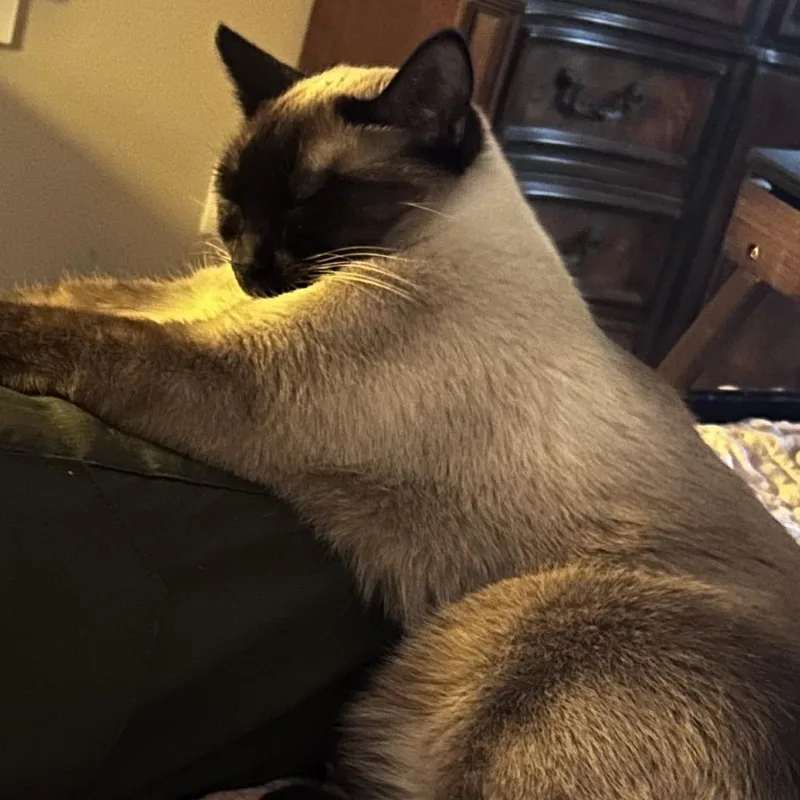
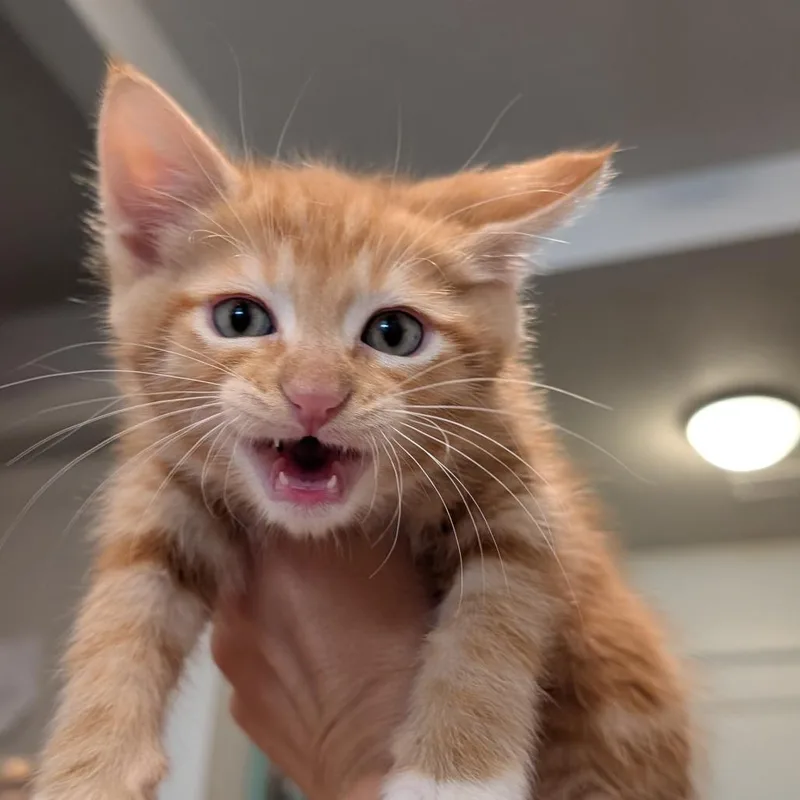
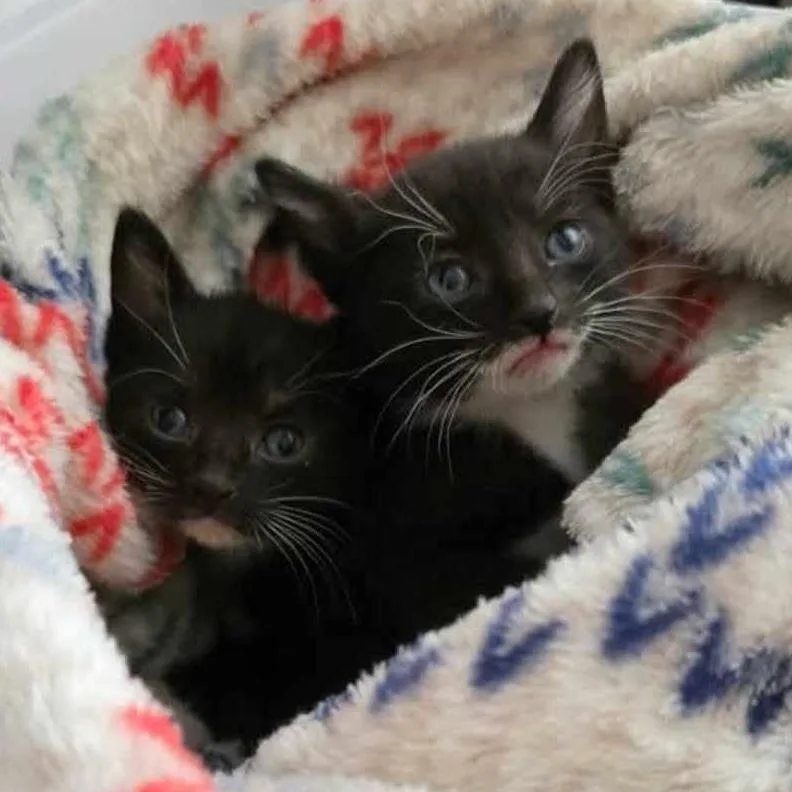
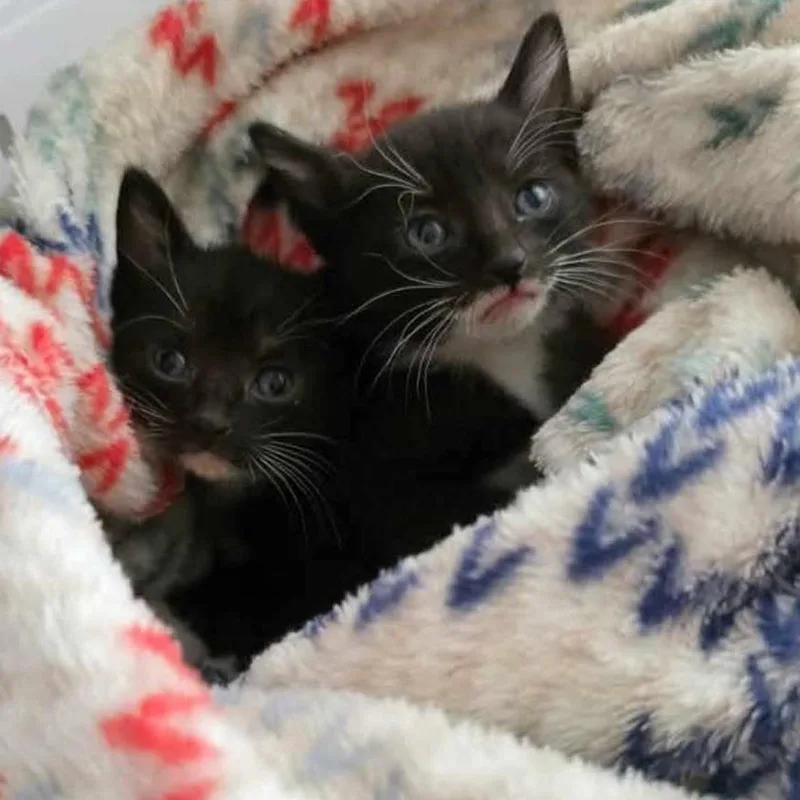
Domestic Short Hair isn't a breed but a description: a short-coated cat of mixed or unknown ancestry, often written DSH on adoption records. They come in every color and pattern, from tabby and tuxedo to calico and solid black, and most are medium-sized and sturdy.

Personality varies as much as coat color. Some DSH cats are lap-sitters, some are talkers, and some prefer watching from a high shelf. That adaptability helps in Meridian, where homes range from family subdivisions to apartments: a DSH can settle into a house, condo or apartment as long as it has places to climb, scratch and hide. Spending time with the cat and watching how it behaves is the best guide.

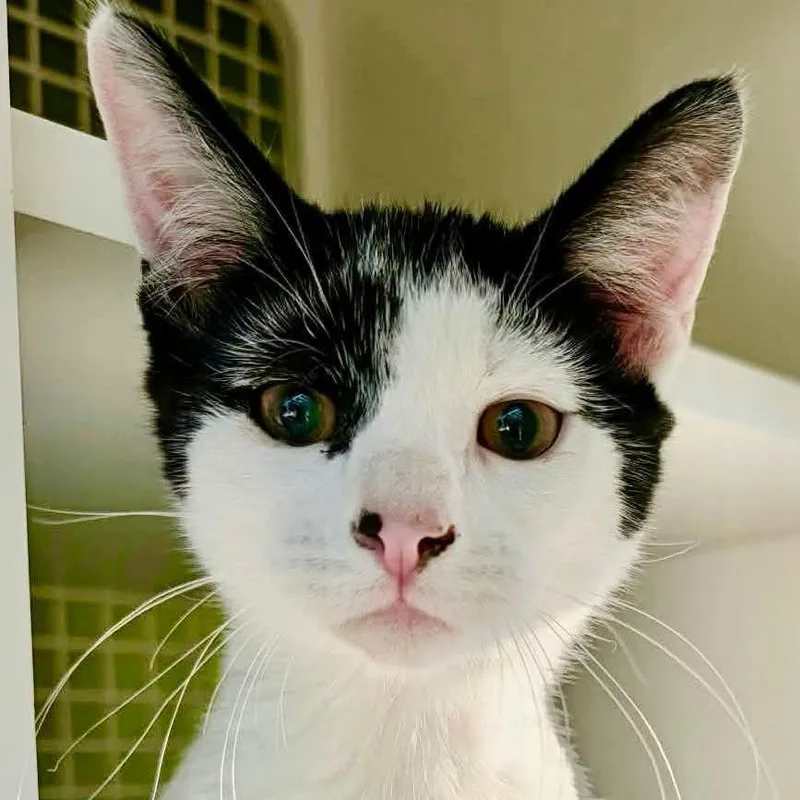
Weight
6–14 lbs
Height
8–10 in
Lifespan
12–18 yrs
Temperament
Adaptable, Curious, Affectionate
Shedding
Moderate

Owning a Domestic Short Hair in Meridian

Having a Domestic Short Hair in Meridian

Domestic Short Hairs share a practical coat but little else, so energy and sociability depend on each cat. In Meridian, most adapt well to indoor life with daily play, secure windows and a calm routine.

Temperament

DSH cats range from outgoing lap cats to shy watchers, and age and past experience shape behavior more than coat does. Kittens tend to be bold and playful, while adults show settled personalities. In a busy Meridian household, give a new cat a quiet room and time to adjust before introducing other pets.

Exercise Needs

Daily play matters for indoor cats: wand toys, chase games and food puzzles burn energy and satisfy hunting instincts. Shelves, scratching posts and window perches add stimulation. A cat that accepts a harness can try short, supervised outings in a quiet yard, well away from canals and traffic.

Health Considerations

Common concerns include obesity, dental disease and urinary problems, plus kidney disease, hyperthyroidism and diabetes in older cats. Yearly exams, weight checks and dental care help catch trouble early. If a cat spends time outdoors in Meridian, check its ears, paws and fur for grass seeds after time near dry fields.

Living Space

A DSH adapts to apartments, condos and houses alike. Climbing shelves, scratching posts, hiding spots and a clean litter box count for more than square footage. Sturdy window screens and secure balcony doors prevent falls, and a catio or enclosed porch gives a cat fresh air safely.

What it costs to own a Domestic Short Hair in Meridian

ExpenseTypical costPer year
Adoption fee$40 to $75, one time$40 to $75 in year one
Food$25 to $50 per month$300 to $600
Pet insurance$20 to $45 per month$240 to $540
Routine vet care$150 to $350 per year$150 to $350
Other*$450 to $1,150 per year$450 to $1,150
Estimated yearly total (after year one)$1,140 to $2,640
First-year total (with adoption fee)$1,180 to $2,715

Adoption fee is the range of fees on Domestic Short Hair listings in Meridian on GetBuddy today. Other costs are estimates and vary with size, age and health.

* Litter, flea prevention, a dental cleaning allowance, toys, scratchers and other supplies, and minimal home grooming.

Adopt a Domestic Short Hair in Meridian.

Now that you know more, let’s find you a new best friend. These rescues and shelters below currently have Domestic Short Hairs available.

Rescues in Meridian with Domestic Short Hairs Available

Idaho Humane Society handles animal care for Meridian, and its cat adoptions include spay/neuter, vaccines and a microchip. Here are the rescues & shelters in the Meridian area where you can find Domestic Short Hairs and other cats available for adoption.

Frequently Asked Questions

Yes. Meridian has no known breed bans, and its city license covers dogs, not cats, with no known cat license. A cat still benefits from a microchip and a current rabies vaccine. Renters should confirm pet deposits, pet rent and any fees in writing before signing a lease, since Idaho doesn't cap deposits.

Yes. Cats usually adjust well to apartment life when they have vertical space, a scratching post, a window perch and daily play. Around Ten Mile Crossing and Old Town, where apartments are more common, secure window screens and balcony doors matter. Confirm the lease allows cats and spells out any pet rent.

Often, yes, for people who can provide indoor enrichment. Meridian's hot, dry summers and cold winters are easy on an indoor cat, and the mix of subdivisions and apartments suits one. A high-energy cat needs daily play, while a shy cat does best in a quiet home, so match the cat's personality to your routine.

Yes, indoors. Roughly 55 days a year reach 90°F, mostly in July and August, but nights cool off considerably. Keep the house shaded, offer fresh water in several spots and avoid hot cars. Wildfire smoke and thunderstorms are reasons to keep cats inside, and a quiet interior room helps during fireworks around July 4.

Yes, in a carrier. ValleyRide buses allow pets only in an approved container that fits on your lap, which suits a cat easily. Service animals are exempt. Bring a secure, ventilated carrier, and note that Meridian has buses only, with no rail or subway. Check current fares and routes with ValleyRide before your trip.

Very little. A weekly brush handles loose hair, and you can brush more often in spring and fall when shedding rises. After any time outdoors, give fur, ears and paws a quick check for dry grass seeds. Professional grooming is rarely needed, so it adds little to the yearly Other costs.

Domestic shorthair cats typically live about 12 to 18 years, and many indoor cats reach their late teens or early twenties. Large UK veterinary studies have found mixed-breed cats tend to live slightly longer than pedigreed cats on average. Spaying or neutering, indoor living, a healthy weight, dental care and regular checkups all help a cat enjoy a longer life.

No, domestic shorthair cats are not hypoallergenic. The main cat allergen, a protein called Fel d 1, comes from saliva and skin glands, so short fur does not prevent reactions. Allergen levels vary between individual cats, and some people react less to certain cats. Spending time with a specific cat before adopting is the best way to test your response.

We have 2 rescues with Domestic Short Hairs available: Happy Jack Cats, Inc. and Meridian Canine Rescue. You can see every rescue with Domestic Short Hairs available in the list above these questions, or scroll to the top to see the Domestic Short Hairs in Meridian.

Expect food at about $25 to $50 a month, optional pet insurance at $20 to $45 monthly, and routine vet care at $150 to $350 a year. Other yearly costs, including litter, prevention and dental care, run $450 to $1,150. Together that's roughly $1,140 to $2,640 a year with insurance, and less without it.

Explore Other Breeds in Meridian

Looking for a different breed? Browse other cats available for adoption in Meridian.