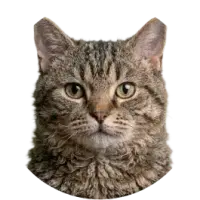
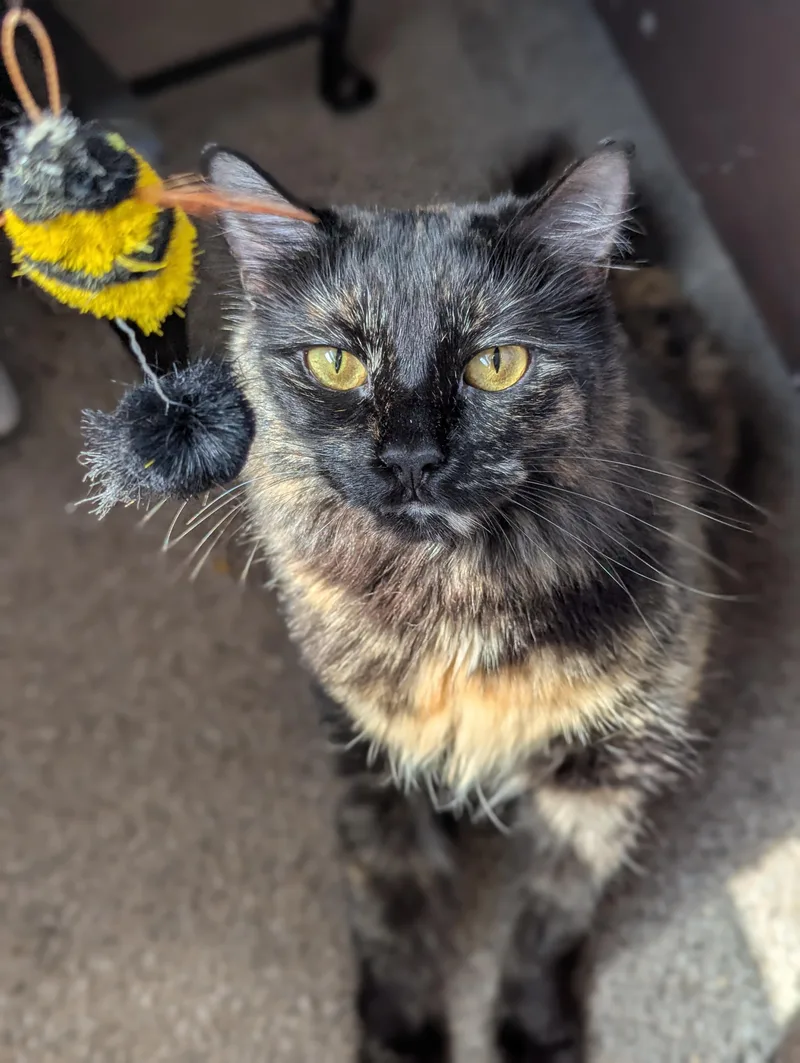
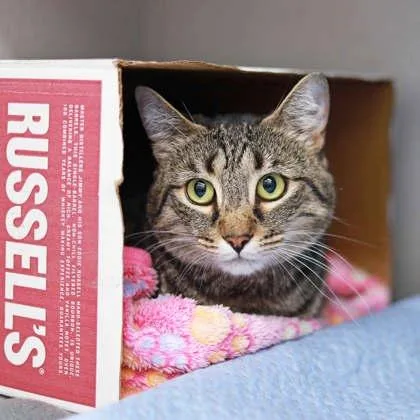
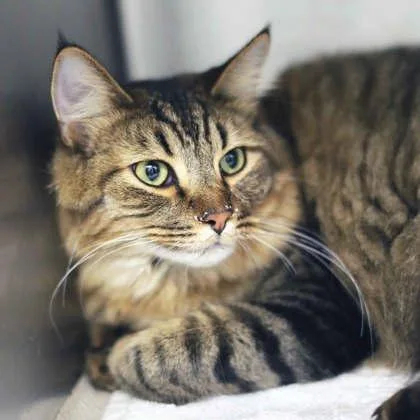
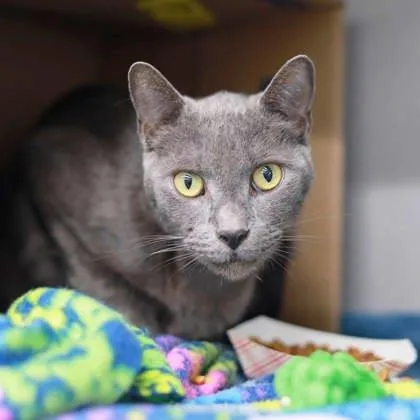
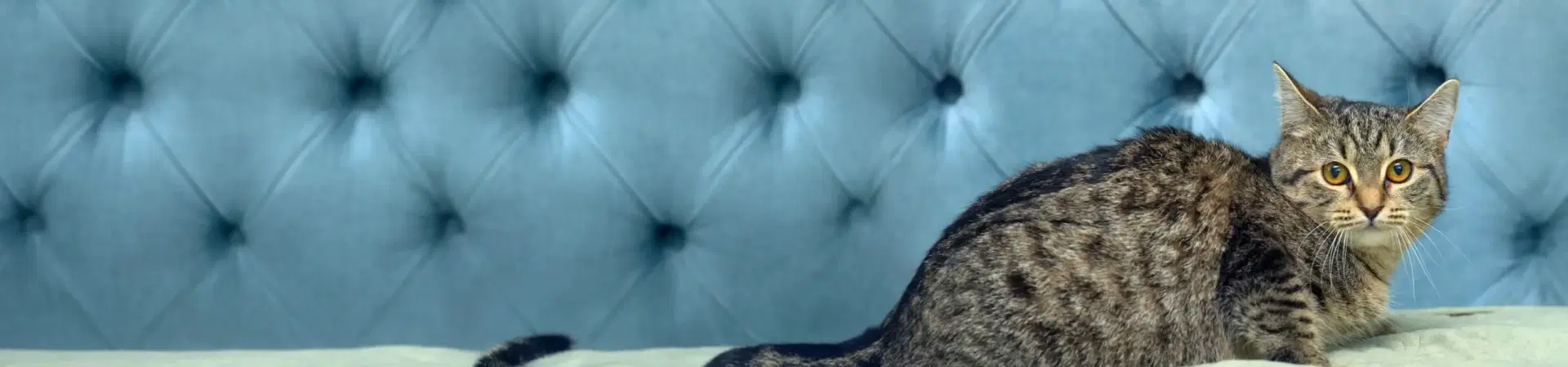
American Wirehair cat

American Wirehair Cats for Adoption in Atlanta, GA

Your guide to finding and caring for an American Wirehair in Atlanta

An American Wirehair fits an Atlanta loft in Castleberry Hill or a bungalow in Adair Park about equally well. The breed is easygoing and only moderately active, so a window perch over the street and a couple of short wand-toy sessions a day cover most of what it needs. Wirehairs are rare, so watch this page for new listings. The springy coat is low-fuss, usually needing just a gentle brush now and then.

21 American Wirehairs available in Atlanta and nationwide

Adopt an American Wirehair today

While we don't have enough cats near Atlanta, keep in mind that many rescues may offer transport.

American Wirehairs Available for Adoption Near Atlanta

About the American Wirehair breed

The American Wirehair began with a single red-and-white kitten born in a farmhouse litter in Verona, New York, in 1966. His crimped, springy coat came from a spontaneous dominant gene mutation, and the cat registries later accepted the breed. It's still one of the rarest pedigreed cats.

Apart from the coat, the Wirehair is built like an American Shorthair: a medium to large, muscular cat, usually 8 to 15 pounds, with a round head and a wide range of colors. Most are easygoing, affectionate and playful without being demanding, which suits a household where people come and go. In Atlanta that often means a cat content on a sunny sill in an intown condo, as long as it stays indoors. Personalities vary, so spend time with the cat.

Weight
8–15 lbs
Height
8–10 in
Lifespan
12–16 yrs
Temperament
Easygoing, Affectionate, Playful
Shedding
Low to Moderate

Owning an American Wirehair in Atlanta

Having an American Wirehair in Atlanta

The Wirehair's wiry coat gets the attention, but its sturdy build, moderate energy and relaxed manner matter more day to day. In Atlanta, the main questions are keeping an indoor cat active, comfortable in the heat and safe from outdoor hazards.

Temperament

Many Wirehairs are mellow, affectionate and adaptable, happy to follow you from room to room without demanding constant attention. That works for Atlanta's mix of busy workers and homebodies, and most get along with respectful children and other pets. Temperament still varies from cat to cat, so spend time with the cat before deciding.

Exercise Needs

Expect moderate energy: bursts of chasing and pouncing between long naps. Two or three short sessions with wand toys or puzzle feeders keep a Wirehair lean, and a tall cat tree adds indoor climbing. Atlanta's humid summers keep most cats inside anyway, and this muscular build gains weight easily if play drops off.

Health Considerations

Wirehairs are generally healthy, but hypertrophic cardiomyopathy is worth discussing with a veterinarian, and the wiry coat can come with oily or sensitive skin. Warm, humid weather can make greasy fur or scratching more noticeable. Dental care, a healthy weight and steady flea prevention support a long life.

Living Space

Wirehairs adapt to apartments and houses alike, needing scratching posts, perches and hiding spots more than square footage. Keep them indoors: coyotes have been reported intown, including in Midtown and East Atlanta, and have killed neighborhood cats. A window perch or enclosed catio offers outdoor stimulation without the risk.

What it costs to own an American Wirehair in Atlanta

ExpenseTypical costPer year
Food$25 to $50 per month$300 to $600
Pet insurance$25 to $50 per month$300 to $600
Routine vet care$150 to $350 per year$150 to $350
Other*$450 to $1,150 per year$450 to $1,150
Estimated yearly total (after year one)$1,200 to $2,700

Other costs are estimates and vary with size, age and health.

* Litter, flea prevention, a dental cleaning allowance, toys, scratchers and other supplies, and occasional gentle home grooming.

American Wirehair cat

Adopt an American Wirehair in Atlanta.

Now that you know more, let’s find you a new best friend. These rescues and shelters below have cats available in and near Atlanta.

Frequently Asked Questions

For most households, yes. The Wirehair's easygoing, moderate-energy nature suits Atlanta's mix of lofts, bungalows and busy work schedules, provided the cat stays indoors with perches, scratchers and daily play. The main adjustments are summer cooling, a storm plan and microchip ID. Because the breed is rare, watch this page for listings and consider similar easygoing shorthair cats too.

Yes. Wirehairs are medium-sized and calm, and they care more about perches, scratching posts and play than floor space, so they do well in condos and apartments. Add a tall cat tree and a window seat, keep play sessions regular to prevent weight gain, and read your lease's pet terms before signing.

Yes, as indoor cats. July and August highs reach roughly 89 to 90°F with warm, humid nights, so keep the air conditioning or fans running, offer fresh water and shade sunny windows. Never leave a cat in a parked car. Humidity can make oily skin more noticeable, so watch for greasy fur.

Only inside a secure, rigid carrier with a lock or latch. MARTA allows pets on its trains, streetcar and buses only that way, and only service animals ride unconfined. An 8 to 15 pound Wirehair needs a roomy carrier, so practice carrier training at home first. Rules can change, so confirm before you ride.

Very little. A gentle weekly brush or wipe-down is usually enough, since heavy brushing can damage the crimped hairs. Atlanta's humid summers can make oily skin more noticeable, so watch for greasy patches and ask your veterinarian before bathing. Grooming happens mostly at home, so it adds little to the Other line in the cost table.

No, American Wirehair cats are not hypoallergenic. The main cat allergen comes from saliva and skin glands, not hair length or texture, so a wiry coat does not remove it. Their dense, crimped coat may shed a little less than some breeds, but allergic people should spend extended time with a specific cat before adopting and talk to their doctor.

Yes, American Wirehair cats are very rare. The entire breed descends from one kitten born in New York in 1966, and registrations with major cat associations have stayed small for decades. Few are born each year, so it is unusual to find one in a shelter. Breed rescues and saved searches give adopters the best chance of meeting one.

Yes, American Wirehair cats shed, but usually only lightly to moderately. Their dense, crimped coat holds loose hair, with somewhat heavier shedding in spring and fall. Gentle grooming with a soft brush or your hand every week or two is usually enough, because heavy brushing can damage the brittle hairs. Occasional baths help if the skin becomes oily.

American Wirehair cats are medium to large, sturdy and muscular. Males usually weigh about 11 to 15 pounds and females about 8 to 12 pounds, with a well-rounded body and strong legs. They mature slowly and may keep filling out until around three or four years old. A veterinarian can confirm whether an individual cat is at a healthy weight.

Budget about $25 to $50 a month for food, $25 to $50 a month for insurance, $150 to $350 a year for routine vet care, and $450 to $1,150 a year for everything else, including litter, flea prevention and dental care. Actual costs vary with the cat's age, health and the food you choose.

Find American Wirehairs in Nearby Cities

Expand your search to find American Wirehairs available for adoption near Atlanta.