Tortoiseshell Cats for Adoption in Wilmington, DE

Your guide to finding and caring for a Tortoiseshell in Wilmington

Tortoiseshell cats suit Wilmington's brick rowhouses and garden-suburb apartments well. A tortie is a coat pattern rather than a breed, so personalities run from shy to bossy, but most settle happily indoors with a sunny window. On the East Side or in Union Park Gardens, a perch overlooking the street can keep a cat entertained for hours. Winters here are cold enough that staying indoors is the safer choice anyway. Plan on daily play and a quiet spot to retreat.

960 Tortoiseshells available in Wilmington and nationwide

Your Tortoiseshell is waiting

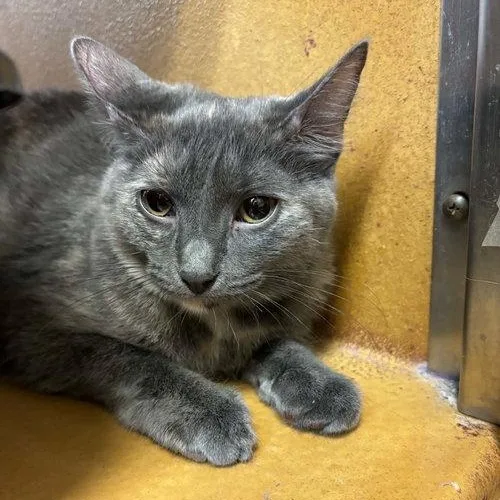
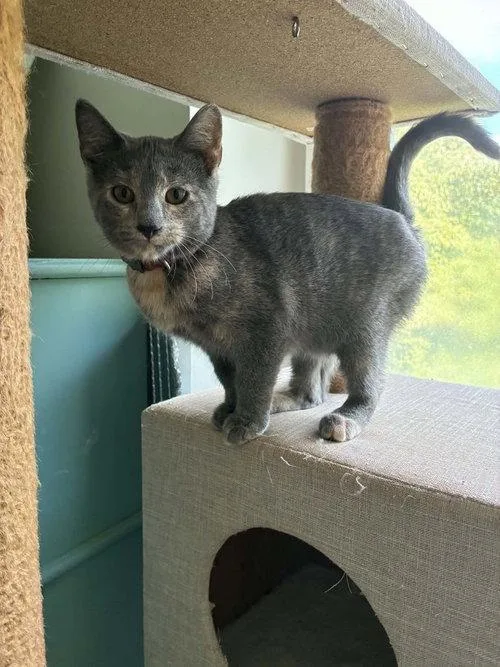
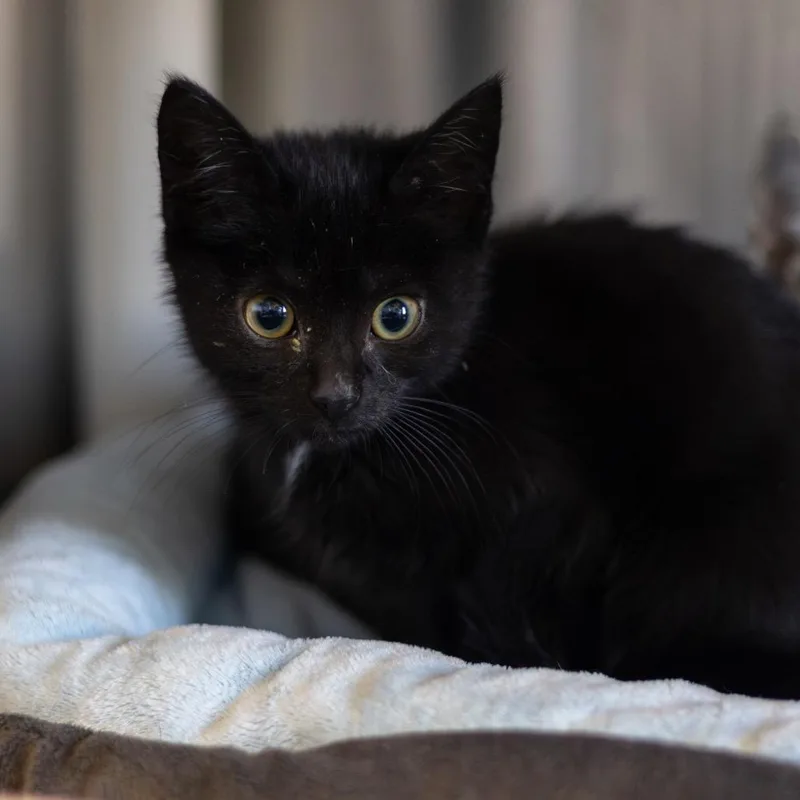
Tortoiseshells Available for Adoption Near Wilmington

About the Tortoiseshell breed

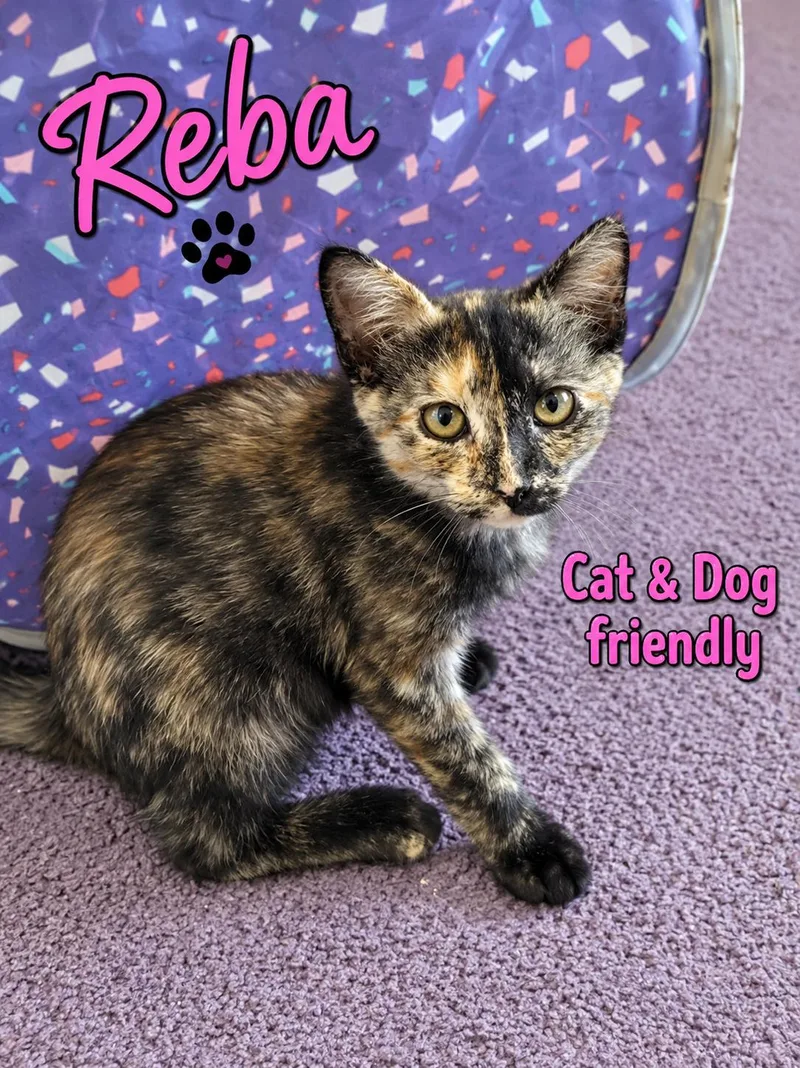
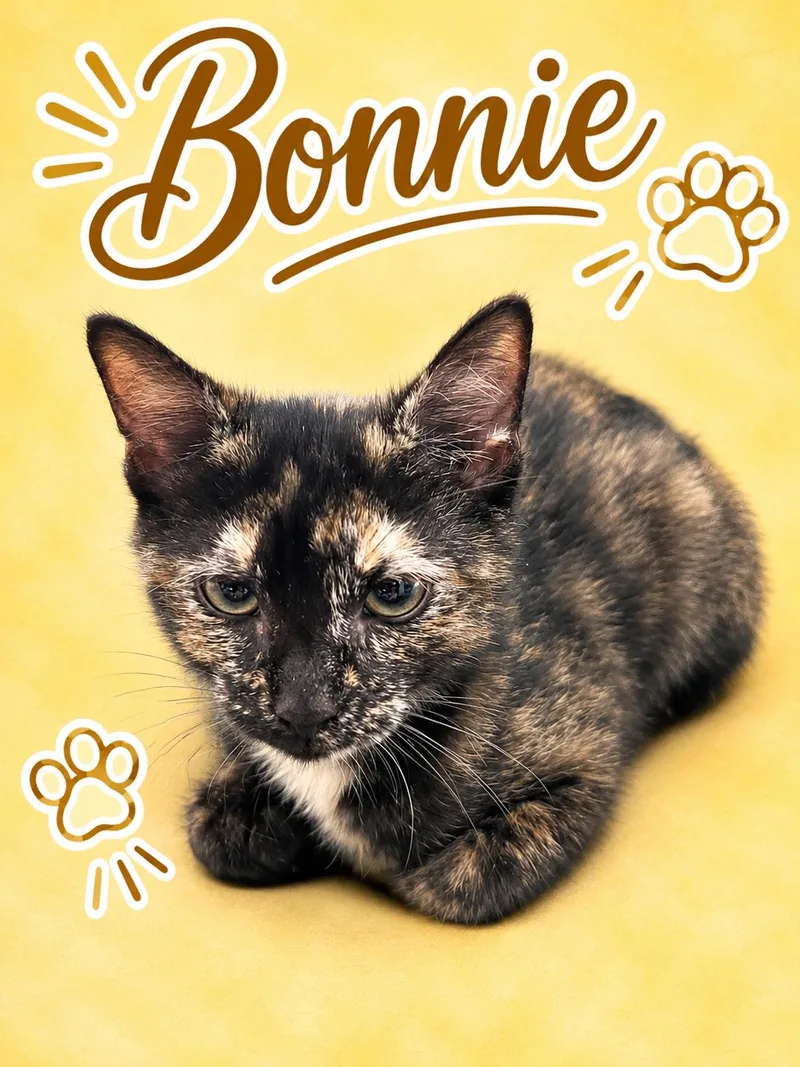
Tortoiseshell isn't a breed but a coat pattern: patches or a fine mottling of black-based and orange-based colors, usually with little white. Most torties are domestic shorthairs, though the pattern also shows up in breeds like Maine Coons and British Shorthairs. Nearly all are female, because the orange gene sits on the X chromosome.

That mix of backgrounds means you'll meet torties of every size, age and temperament, typically between 6 and 14 pounds. The famous "tortitude" is more folklore than science, so judge a cat by how it behaves, not by its coat. Shedding is moderate, a weekly brush is plenty for most, and these cats often live 12 to 18 years, which suits a long-term rental or a home you own.

Weight
6–14 lbs
Height
8–10 in
Lifespan
12–18 yrs
Temperament
Independent, Affectionate, Playful
Shedding
Moderate

Owning a Tortoiseshell in Wilmington

Having a Tortoiseshell in Wilmington

Because tortoiseshell describes a coat, a tortie's traits come from its ancestry, age and upbringing. In Wilmington, that mostly means an adaptable indoor cat, with play, health care and housing choices shaped by the cat rather than the color.

Temperament

Torties have a reputation for spirited, opinionated personalities, but the evidence is thin and mostly based on owner impressions. In a Wilmington rowhouse or apartment, expect anything from a shy cat that prefers quiet to a bold one that supervises everything. Watch how a cat reacts to handling and noise when you meet it.

Exercise Needs

Most torties do well with daily interactive play, such as wand toys, chase games and puzzle feeders, split into a few short sessions. Young cats need more, seniors less. Because Wilmington winters keep cats indoors, cat trees, window perches and rotating toys help burn energy on cold, snowy days.

Health Considerations

The tortoiseshell pattern itself carries no special health risks in females, while the rare males usually have an extra X chromosome and may face added issues. Annual vet checkups, dental care and a healthy weight matter most. Delaware requires rabies vaccination for cats 6 months and older, so keep that certificate current.

Living Space

Torties fit apartments and houses equally well, since space needs depend on the cat. In Wilmington's rowhouses and rentals, a cat tree, scratching posts and a window perch usually provide enough room. Shy cats may prefer a calmer home, while confident, social ones often handle busy buildings easily.

What it costs to own a Tortoiseshell in Wilmington

ExpenseTypical costPer year
Food$25 to $50 per month$300 to $600
Pet insurance$20 to $45 per month$240 to $540
Routine vet care$150 to $350 per year$150 to $350
Other*$450 to $1,150 per year$450 to $1,150
Estimated yearly total (after year one)$1,140 to $2,640

Other costs are estimates and vary with size, age and health.

* Litter, flea and tick prevention, a dental cleaning allowance, toys and supplies, and light home grooming.

Adopt a Tortoiseshell in Wilmington.

Now that you know more, let’s find you a new best friend. These rescues and shelters below have cats available in and near Wilmington.

Rescues and Shelters in or near Wilmington

Wilmington's rescue community includes shelters in the city and just south in New Castle, all matching cats with adopters. Here are the rescues & shelters in the Wilmington area with cats available for adoption, worth asking whether a Tortoiseshell is coming in.

Frequently Asked Questions

Only on SEPTA trains, and only in a carrier. DART First State buses ask riders to leave pets at home, with an exception for guide dogs. SEPTA's Wilmington/Newark Line stops at the Joseph R. Biden Jr. Wilmington Rail Station and requires pets to stay in a carrier. For vet visits, a sturdy, well-ventilated carrier and a car are simplest.

Yes, as indoor cats. Wilmington sees about 90 freezing nights a year and roughly 20 inches of snow at the airport, so a tortie belongs inside. Provide warm bedding away from drafts, wipe paws if a cat slips out onto salted sidewalks, and keep antifreeze locked away, since it is toxic to cats.

Yes, and the rules for cats are light. Delaware requires rabies vaccination for cats 6 months and older, with the certificate kept available, and there is no cat license. Animals adopted from Delaware shelters must be microchipped. Renters should check the lease, since landlords can't require a pet deposit above one month's rent.

Yes. Torties adapt to apartments as well as houses, since space needs depend on the cat rather than the coat. About half of Wilmington households rent, so many cats live in rowhouses and apartments. Give a tortie a cat tree, scratching posts and a window perch, plus daily play to use up energy.

For most households, yes. Wilmington's winters favor a cat that is content indoors, and torties of every temperament do well in apartments or rowhouses. Because tortie is a coat and not a breed, personality varies. Choose a cat whose energy and confidence match your schedule, noise level and how much time you're home.

Usually a weekly brushing, with a bit more during spring and fall shedding. Most torties are shorthairs with moderate shedding, while longhaired ones need brushing several times a week. Dry winter air can cause dander, so brush gently. Grooming costs sit within the Other costs of $450 to $1,150 a year.

A tortoiseshell cat is a cat with a coat pattern of black-based and orange-based colors blended or patched together, usually with little or no white. It is not a breed; the pattern appears in many breeds and most often in domestic shorthairs. Nearly all tortoiseshells are female because the genes for orange and black are carried on the X chromosome.

Almost all tortoiseshell cats are female, but not all. A female has two X chromosomes and can carry both orange and black color genes, producing the mixed coat. Males normally have only one X. Rare male torties usually have an extra X chromosome or are genetic chimeras, and they are estimated at roughly 1 in 3,000 tortoiseshells.

No, tortoiseshell cats are not rare. They are common among domestic cats and are regularly found in shelters and rescues. What is rare is a male tortoiseshell, since the pattern almost always requires two X chromosomes. Certain variations, such as long-haired or dilute torties, are less common simply because they require additional recessive genes.

Plan on about $25 to $50 a month for food, $20 to $45 for insurance, $150 to $350 a year for routine vet care, and $450 to $1,150 a year for other costs. Together that comes to roughly $1,140 to $2,640 a year, before any emergency or illness care.

Explore Other Breeds in Wilmington

Looking for a different breed? Browse other cats available for adoption in Wilmington.