Domestic Long Hair Cats for Adoption in Wilmington, DE

Your guide to finding and caring for a Domestic Long Hair in Wilmington

A Domestic Long Hair suits Wilmington's brick rowhouses well, because a cat needs very little outdoor space. In an East Side rowhouse or a Union Park Gardens home, a fluffy cat can claim a sunny front window and watch the street all afternoon. The label just means a mixed-ancestry cat with a long coat, so personalities run from mellow to bold. Plan on brushing a few times a week, since mats and hairballs come with the fur.

6500 Domestic Long Hairs available in Wilmington and nationwide

Your Domestic Long Hair is waiting

Domestic Long Hairs Available for Adoption Near Wilmington

About the Domestic Long Hair breed

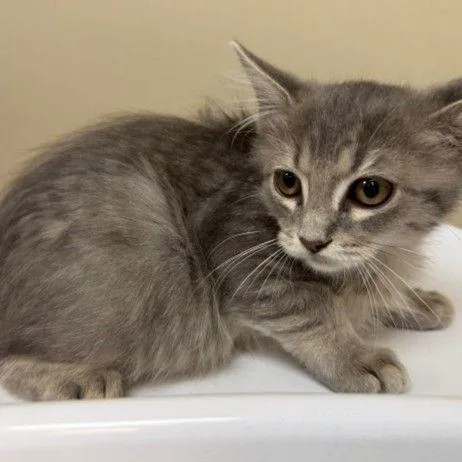
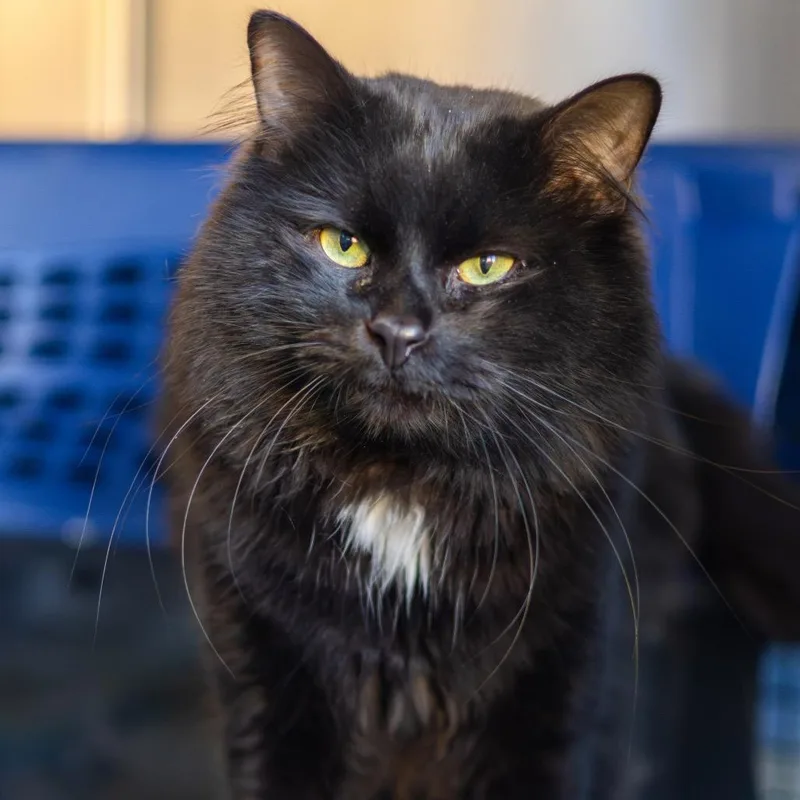
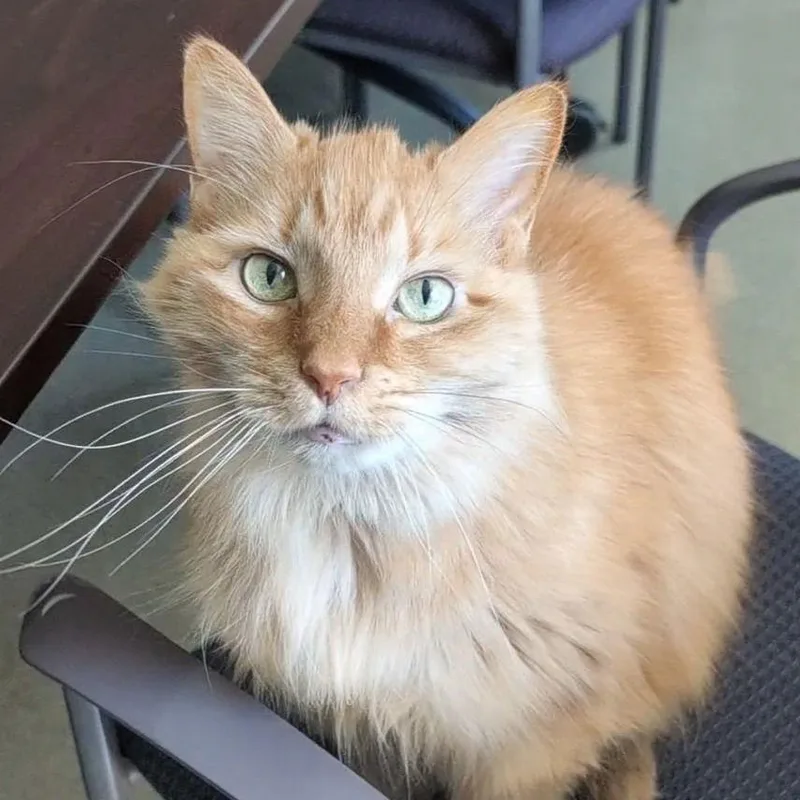
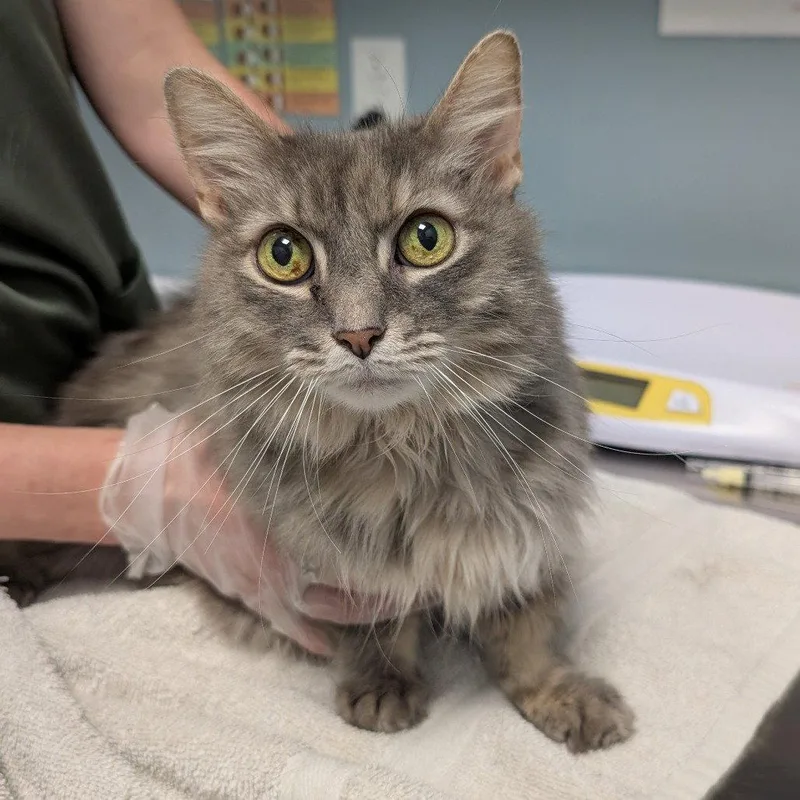
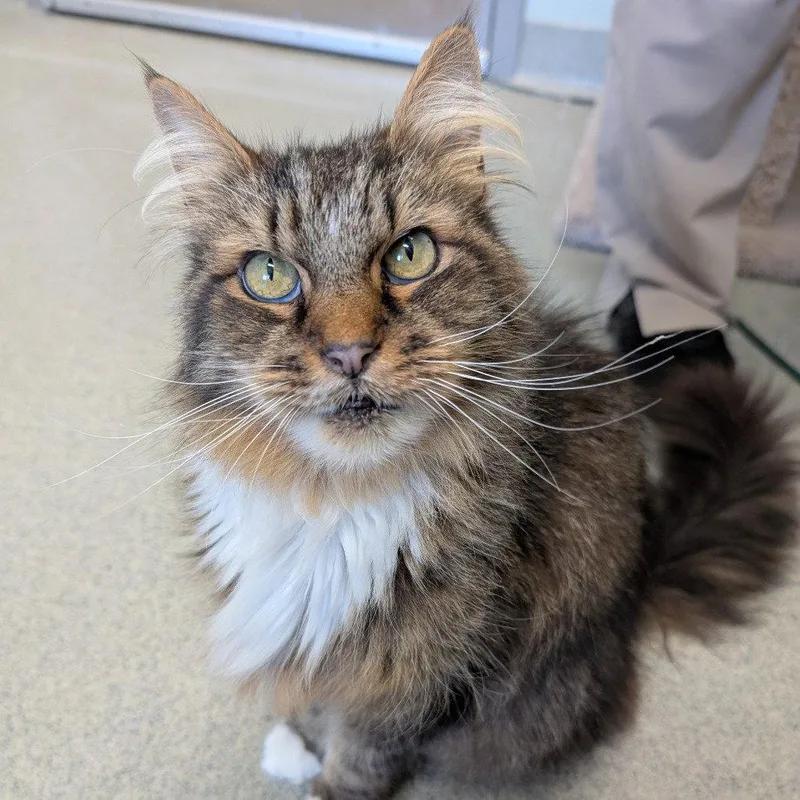
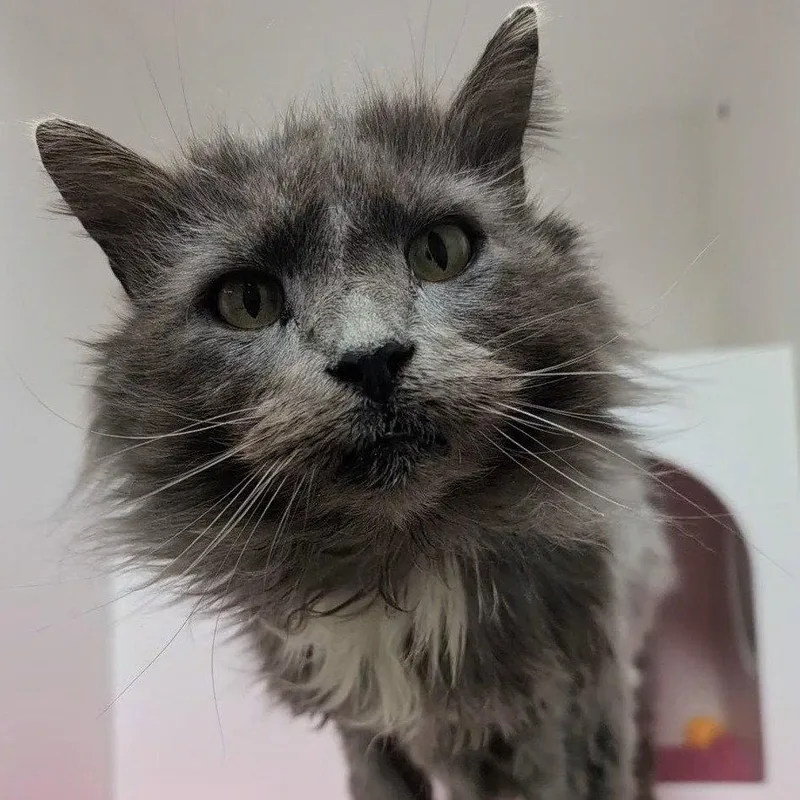
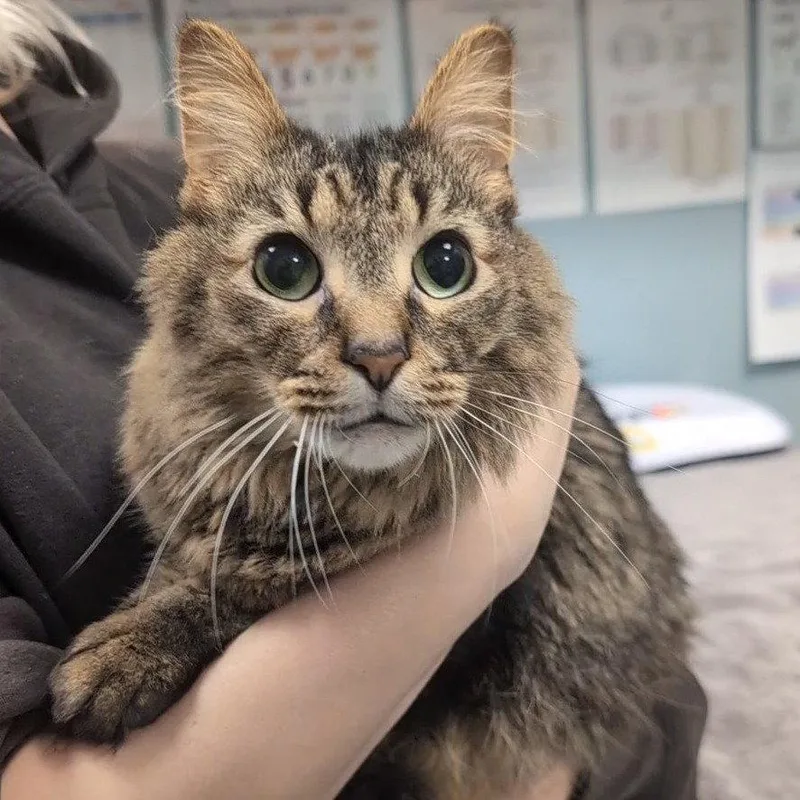
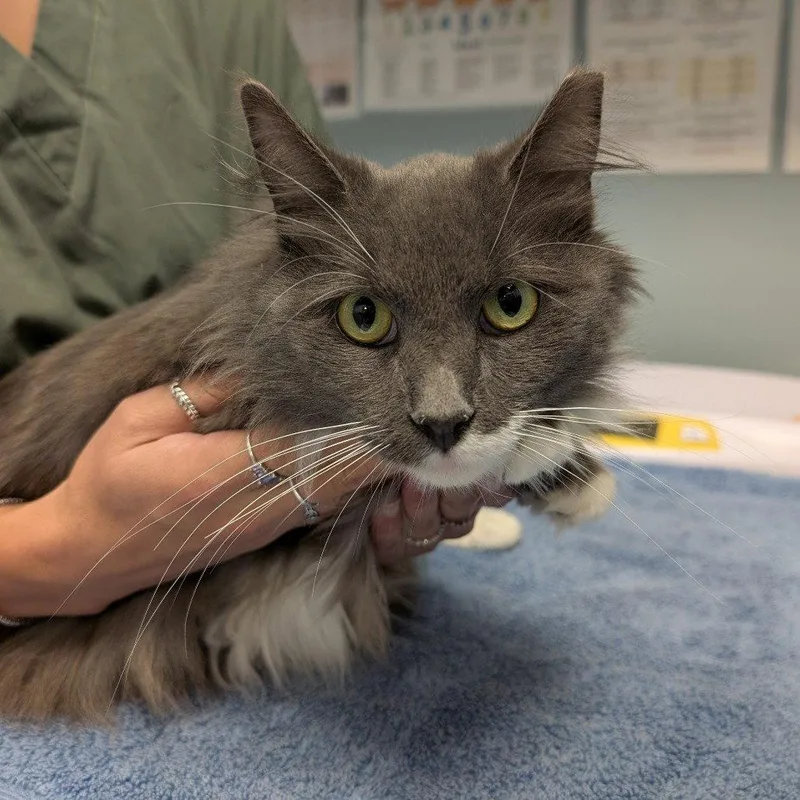
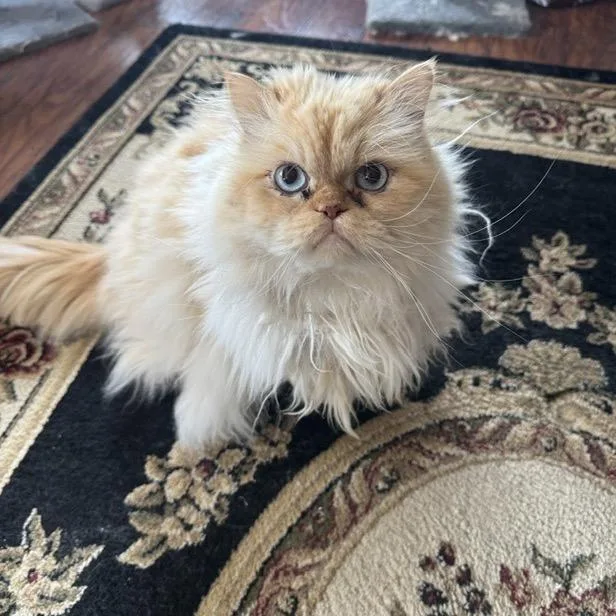
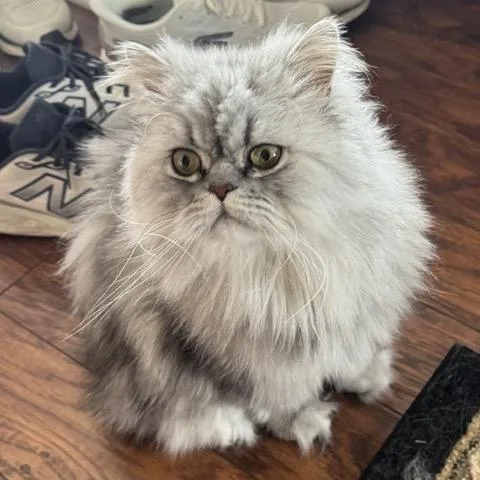
Domestic Long Hair isn't a breed. It's the label used for a mixed-ancestry cat with a long coat, the fluffy counterpart of the Domestic Short Hair. These cats come from the general cat population, so they appear in every color and pattern, from tabby and calico to solid black, smoke and bicolor. Some resemble a Maine Coon or Persian without sharing that ancestry.

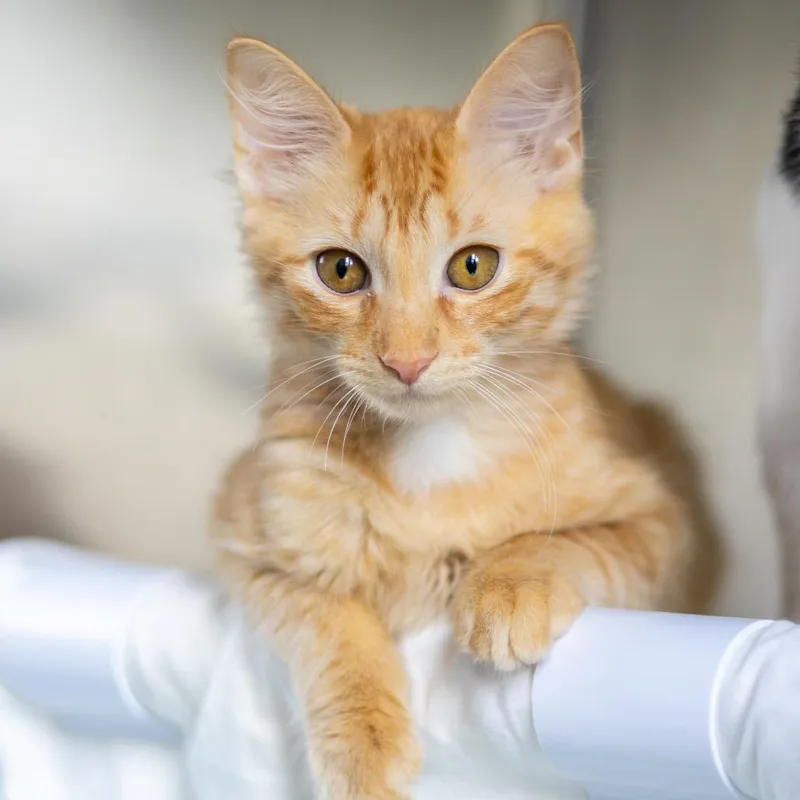
With no breed standard, size, coat texture and personality vary from cat to cat. Adults usually weigh 8 to 15 pounds, and the fur can make them look bigger. In a city of rowhouses and apartments like Wilmington, an adaptable cat that's content indoors tends to fit well. Expect moderate to heavy shedding and regular brushing. Meeting the cat tells you far more than the label does.

Weight
8–15 lbs
Height
8–11 in
Lifespan
12–18 yrs
Temperament
Adaptable, Affectionate, Gentle
Shedding
Moderate to High

Owning a Domestic Long Hair in Wilmington

Having a Domestic Long Hair in Wilmington

Domestic Long Hairs share a coat type, not a pedigree, so traits vary widely from cat to cat. In Wilmington, the grooming that long fur demands and the months spent indoors matter most, along with the sturdy health mixed ancestry often brings.

Temperament

Personality comes from each cat's genes, early socialization and life experience rather than a breed profile. You'll meet mellow lap cats, bold explorers and shy cats that warm up slowly. Many are affectionate and adaptable once settled, which helps in busy Wilmington households with roommates, kids or a dog. Spend time with a cat before deciding.

Exercise Needs

Most Domestic Long Hairs enjoy a couple of short play sessions a day with wand toys, balls or puzzle feeders. Play keeps weight down, which matters because overweight longhaired cats struggle to groom themselves. A window perch over a Wilmington street or a tall cat tree adds enrichment, especially on snowy or freezing days when the whole day is spent indoors.

Health Considerations

Mixed ancestry gives broad genetic diversity, so these cats aren't tied to breed-specific inherited problems. Mats, hairballs and soiled fur are the common coat issues, especially in older or overweight cats. Dental disease, obesity and kidney disease are common in cats generally, so yearly checkups matter. Delaware law requires rabies vaccination for cats from six months old.

Living Space

A Domestic Long Hair can thrive in a rowhouse, apartment or house with litter boxes, scratching posts, hiding spots and climbing space. Wilmington's brick rowhouses and apartments suit an indoor cat well, and indoor living protects the coat from burrs and the cat from traffic. A grooming routine matters more than square footage.

What it costs to own a Domestic Long Hair in Wilmington

ExpenseTypical costPer year
Adoption fee$95 to $200, one time$95 to $200 in year one
Food$25 to $50 per month$300 to $600
Pet insurance$20 to $45 per month$240 to $540
Routine vet care$150 to $350 per year$150 to $350
Other*$500 to $1,250 per year$500 to $1,250
Estimated yearly total (after year one)$1,190 to $2,740
First-year total (with adoption fee)$1,285 to $2,940

Adoption fee is the range of fees on Domestic Long Hair listings in Wilmington on GetBuddy today. Other costs are estimates and vary with size, age and health.

* Litter, flea and tick prevention, a dental cleaning allowance, toys, scratchers and other supplies, and regular brushing or occasional grooming for the long coat.

Adopt a Domestic Long Hair in Wilmington.

Now that you know more, let’s find you a new best friend. These rescues and shelters below currently have Domestic Long Hairs available.

Rescues in Wilmington with Domestic Long Hairs Available

Wilmington and nearby New Castle are home to shelters and rescues that help cats find new homes. Here are the rescues & shelters in the Wilmington area where you can find Domestic Long Hairs and other cats available for adoption.

Frequently Asked Questions

Yes, a Domestic Long Hair adapts well to apartments and rowhouses as long as it has a litter box, a scratching post, hiding spots and a window perch. Vertical space like a cat tree helps more than extra floor area. Because many Wilmington households rent, confirm the building's pet policy before you commit.

Yes, indoor Domestic Long Hairs handle Wilmington winters easily because their thick coats insulate them. Offer a warm bed away from drafts and keep the cat inside on freezing nights, which are common from December through February. Keep brushing, since a thick coat can still mat, and check under hoods for cats seeking warmth.

Not on DART First State buses, which ask riders to leave pets at home, with the exception of guide dogs. SEPTA Regional Rail's Wilmington/Newark Line requires pets to be in a carrier, so a sturdy, well-ventilated carrier is how a cat travels by train. Check current fares and rules before you ride.

Yes, Delaware doesn't require a cat license, so the main legal step is a rabies vaccination from a veterinarian once the cat is six months old. Cats adopted from Delaware shelters come microchipped. If you rent, get your landlord's pet policy in writing first so there are no surprises about fees or deposits.

Plan to brush a Domestic Long Hair a few times a week, and daily during the heavier spring and fall shedding. Humid summers and seasonal coat changes can both bring mats, especially behind the ears and under the legs. Grooming fits within the $500 to $1,250 yearly Other costs, alongside litter and flea prevention.

You can usually tell a kitten will have long hair by about three to four weeks old, when its fur looks noticeably fluffier than its littermates'. Look for longer tufts on the ears, between the toes and on the tail, plus a softer, fuller coat overall. The full adult coat, ruff and tail plume can take one to two years to develop.

Yes, long hair is a recessive trait in cats. A kitten needs two copies of a long-hair variant, usually in the FGF5 gene, one from each parent, to grow a long coat. Two shorthaired parents can produce longhaired kittens if both carry the variant, while a longhair bred to a cat with two short-hair copies produces only shorthaired kittens.

Domestic Long Hair cats commonly live about 12 to 18 years, and many indoor cats reach their late teens or beyond. Mixed-breed cats have broad genetic diversity, and UK veterinary research found non-pedigree cats lived longer than purebreds on average. Indoor living, a healthy weight, dental care and regular checkups make the biggest difference.

We have 1 rescue with Domestic Long Hairs available: Humane Animal Partners. You can see every rescue with Domestic Long Hairs available in the list above these questions, or scroll to the top to see the Domestic Long Hairs near Wilmington.

Budget about $25 to $50 a month for food, $20 to $45 a month for optional insurance, $150 to $350 a year for routine vet care, and $500 to $1,250 a year for litter, flea prevention, dental care, supplies and grooming. Together that's roughly $1,190 to $2,740 a year with insurance. Delaware has no cat license fee.

Explore Other Breeds in Wilmington

Looking for a different breed? Browse other cats available for adoption in Wilmington.