Turkish Angora Cats for Adoption in Tuscaloosa, AL

Your guide to finding and caring for a Turkish Angora in Tuscaloosa

A Turkish Angora can do well in a Skyland apartment or an older Pinehurst house, as long as there's something tall to climb. These lean, silky cats care more about vertical space than floor space, so a cat tree beside a window goes a long way. They're busy and people-focused, and they'll follow you from room to room while you cook or study. Tuscaloosa's long summers mean this is an indoor cat with air conditioning. Plan on daily play, and expect company at the bathroom door.

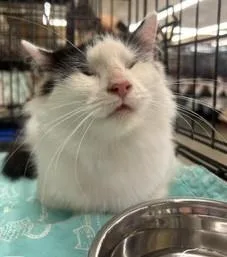
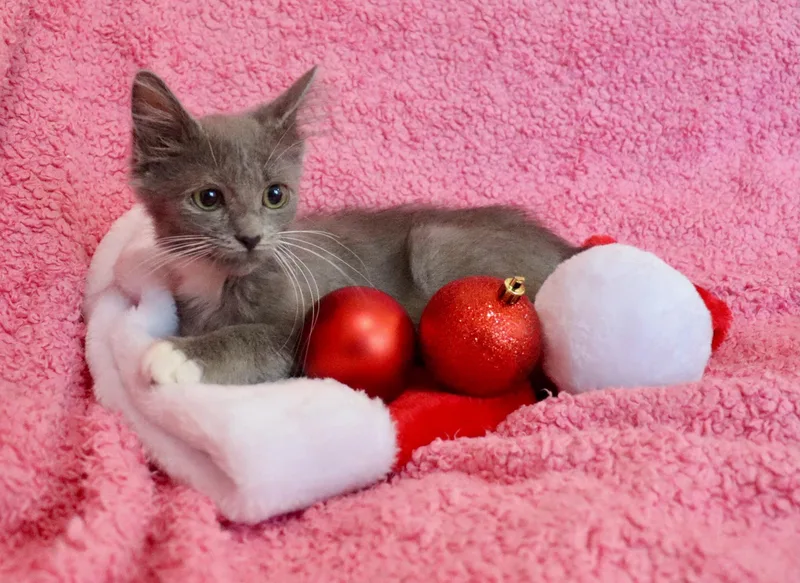
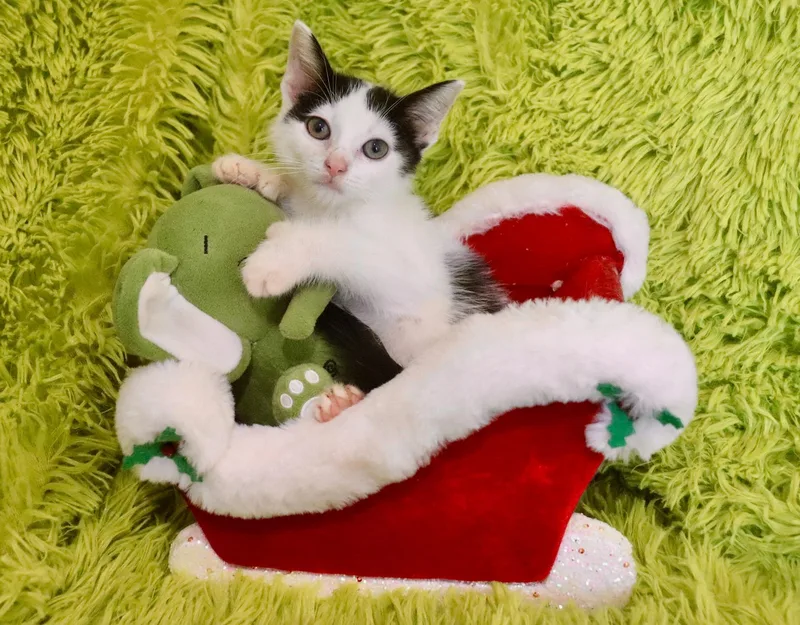
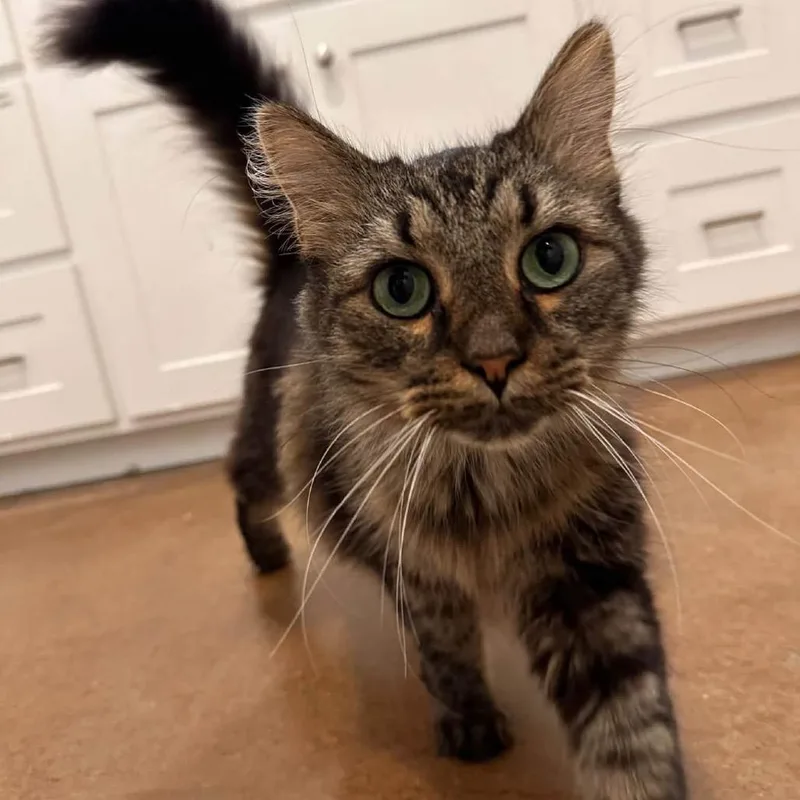
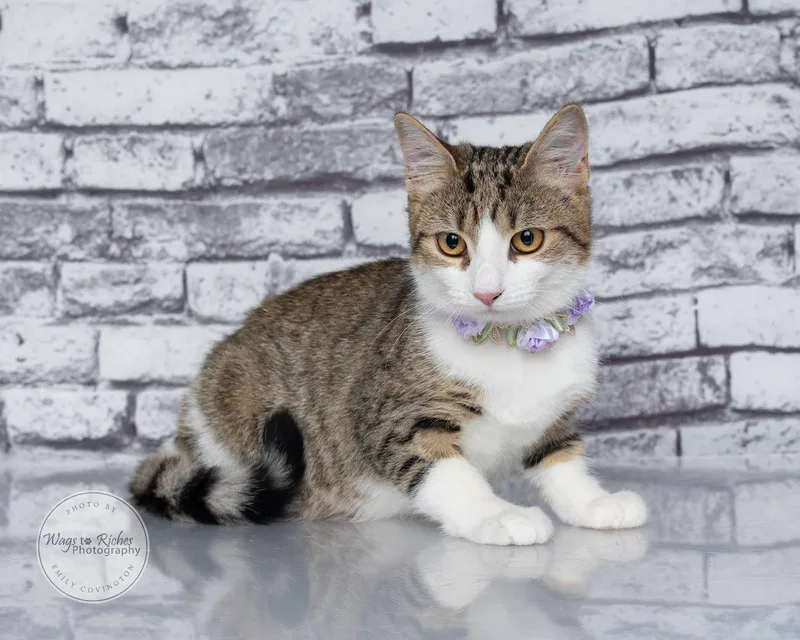
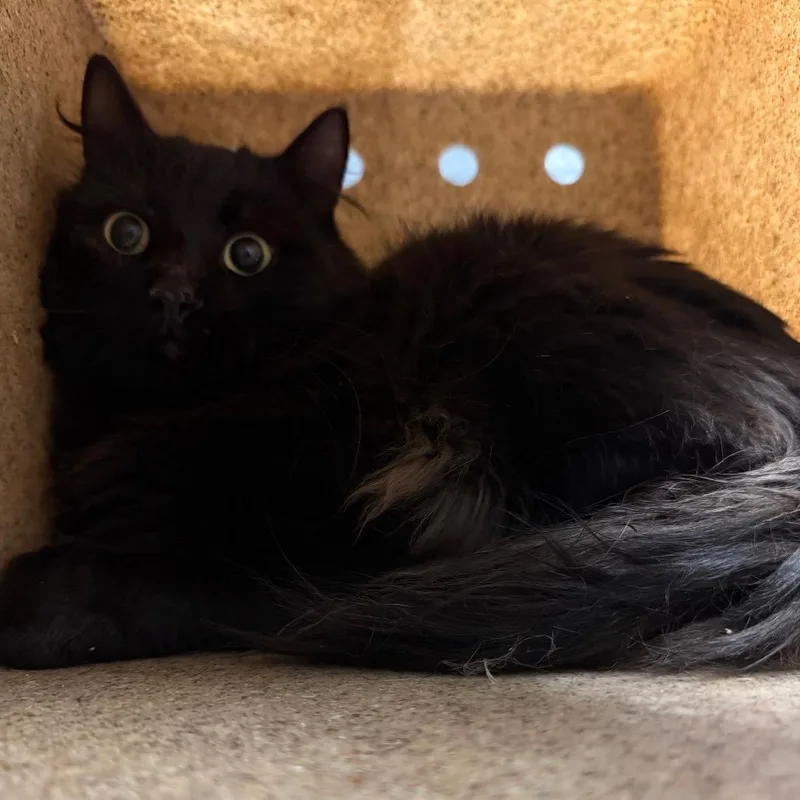
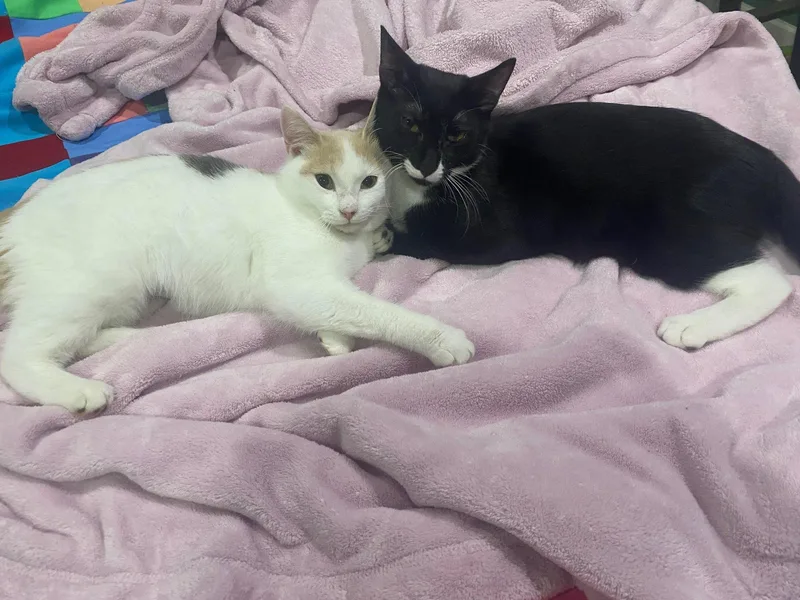
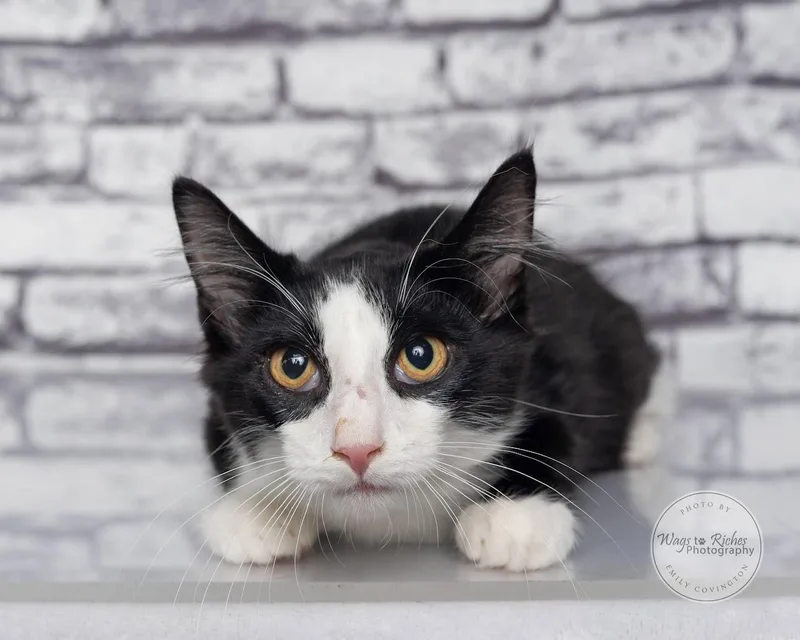
53 Turkish Angoras available in Tuscaloosa and nationwide

Your Turkish Angora is waiting

While we don't have enough cats near Tuscaloosa, keep in mind that many rescues may offer transport.

Turkish Angoras Available for Adoption Near Tuscaloosa

About the Turkish Angora breed

The Turkish Angora is a natural longhair from the Ankara region of Turkey, documented in Europe by the 1600s. Crossing with Persians nearly erased the original type in the West, and the breed was rebuilt partly from white cats kept at the Ankara Zoo. Today it comes in nearly every color, with a fine-boned body, tall upright ears and a plumed tail. The silky coat has no undercoat, so it resists matting.

Personality is the draw. Many Angoras are clever, athletic and closely tied to their people, and some pick one favorite person. They tend to dislike abrupt changes, which matters if you rent and may move. Cats vary, though, and a calm or shy Angora is possible as well; behavior matters more than breed.

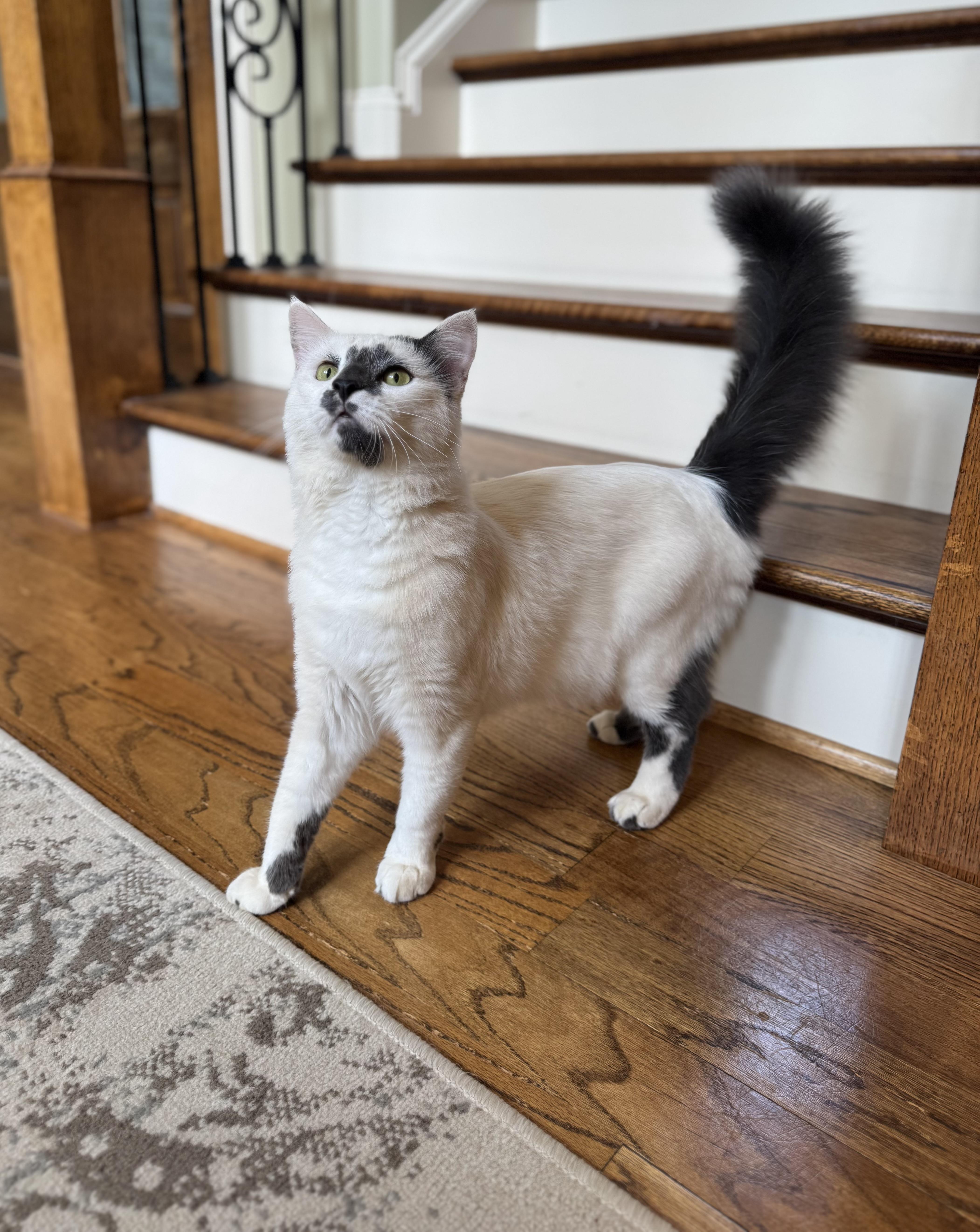
Weight
6–12 lbs
Height
9–11 in
Lifespan
12–16 yrs
Temperament
Active, Affectionate, Intelligent, Playful
Shedding
Moderate

Owning a Turkish Angora in Tuscaloosa

Having a Turkish Angora in Tuscaloosa

Turkish Angoras are graceful, athletic cats that need daily play and tall places to climb. Their silky coat is easy to keep up, while deafness in some white cats and heart health shape the vet side of ownership. In Tuscaloosa, indoor living and heat management matter most.

Temperament

Many Turkish Angoras are affectionate, chatty and sociable, though more on their own terms than as long-cuddle lap cats. They often bond most closely with one person and can be unsettled by changes in routine, such as a new roommate or a move. Some get along with calm dogs and kind children after slow introductions.

Exercise Needs

Expect several active play sessions a day: wand toys, fetch, climbing and food puzzles. In Tuscaloosa's hot, humid summers, indoor play is the practical choice, and a tall cat tree near a window gives a clever Angora something to watch. Rotate toys so a bored cat doesn't invent its own entertainment with cabinets.

Health Considerations

Turkish Angoras are generally healthy, but white cats, especially blue-eyed or odd-eyed ones, can be born deaf. Hypertrophic cardiomyopathy has been reported in adults, so a veterinarian can check hearing and heart. Tuscaloosa's mild winters make flea prevention worth keeping up all year, along with dental care and weight monitoring.

Living Space

A Turkish Angora can be happy in a Tuscaloosa apartment or a house if it has cat trees, shelves and window perches. Vertical space matters more than square footage. Secure windows and balconies, and keep deaf cats strictly indoors. Many prefer a predictable household where someone is around much of the day.

What it costs to own a Turkish Angora in Tuscaloosa

ExpenseTypical costPer year
Food$25 to $50 per month$300 to $600
Pet insurance$25 to $50 per month$300 to $600
Routine vet care$150 to $350 per year$150 to $350
Other*$500 to $1,250 per year$500 to $1,250
Estimated yearly total (after year one)$1,250 to $2,800

Other costs are estimates and vary with size, age and health.

* Litter, flea prevention, a dental cleaning allowance, toys and supplies, and combing tools for the long silky coat.

Adopt a Turkish Angora in Tuscaloosa.

Now that you know more, let’s find you a new best friend. These rescues and shelters below currently have Turkish Angoras available.

Rescues in Tuscaloosa with Turkish Angoras Available

Tuscaloosa's shelter and rescue community works year-round to match cats and dogs with homes, and listings change often. Here are the rescues & shelters in the Tuscaloosa area where you can find Turkish Angoras and other cats available for adoption.

Frequently Asked Questions

Yes, Tuscaloosa has no known breed-specific rules for cats. Alabama requires a rabies vaccine by three months of age, then on the schedule your vet sets, and city households are generally limited to three cats. City rules end at the city limits, so Northport and the county follow their own codes. Rental pet policies are usually the bigger hurdle.

Often yes, for an adopter who's home a fair amount and enjoys play. A Turkish Angora is active and attached to its people, which suits remote workers and households with someone around most days. It fits less well with long, empty days or frequent upheaval. Air conditioning handles the summers, and a tall cat tree handles the energy.

Yes, as long as it has cat trees, shelves and a window to watch from. Angoras are active, so plan on daily play and secure windows and balconies. Before applying, read the lease for pet fees, pet rent and breed or weight limits, which many Tuscaloosa rentals set. Some Angoras are chatty, so expect a talkative neighbor.

Yes, for an indoor cat. Winters are mild, and the silky single coat is lighter than many longhairs'. Summers are the challenge: they're long, hot and humid, so keep the home cooled, water available and play indoors. Spring storms can frighten sensitive cats, so keep a carrier ready and a quiet hiding spot set up.

Less than most longhairs. The silky single coat resists matting, so combing a couple of times a week is usually enough, with extra sessions in spring when shedding picks up. The coat runs shorter in summer. Most owners can groom at home, and any professional grooming fits within the yearly Other costs shown on this page.

Tuscaloosa Transit Authority runs buses and trolleys, but no pet policy is known, so don't assume a cat may ride. Check current rules with TTA before planning a trip. For vet visits, a car and a secure carrier are the dependable plan, and a carrier helps a nervous, change-averse Angora feel safer.

You can often identify a Turkish Angora by its fine-boned, elegant body, long legs, large upright ears set high on a wedge-shaped head, almond eyes and a silky single coat ending in a long plumed tail. Many are white, but other colors exist. Looks alone cannot confirm ancestry, so a long-haired rescue cat may resemble the breed without being purebred.

Turkish Angoras commonly live about 12 to 16 years, and some reach their late teens. Estimates vary between sources, with some suggesting a shorter range. Regular veterinary care, a healthy weight, dental care and keeping the cat indoors or safely enclosed help support a long life, though no range predicts an individual cat's future.

We have 1 rescue with Turkish Angoras available: Paws of Dixie Animal Rescue. You can see every rescue with Turkish Angoras available in the list above these questions, or scroll to the top to see the Turkish Angoras near Tuscaloosa.

A Turkish Angora typically costs about $1,250 to $2,800 a year in Tuscaloosa. That covers food at $25–$50 a month, insurance at $25–$50 a month, routine vet care at $150–$350 a year, and $500–$1,250 a year for litter, flea prevention, dental care and grooming. Emergencies and illness are extra, and the adoption fee depends on the listing.

Find Turkish Angoras in Nearby Cities

Expand your search to find Turkish Angoras available for adoption near Tuscaloosa.