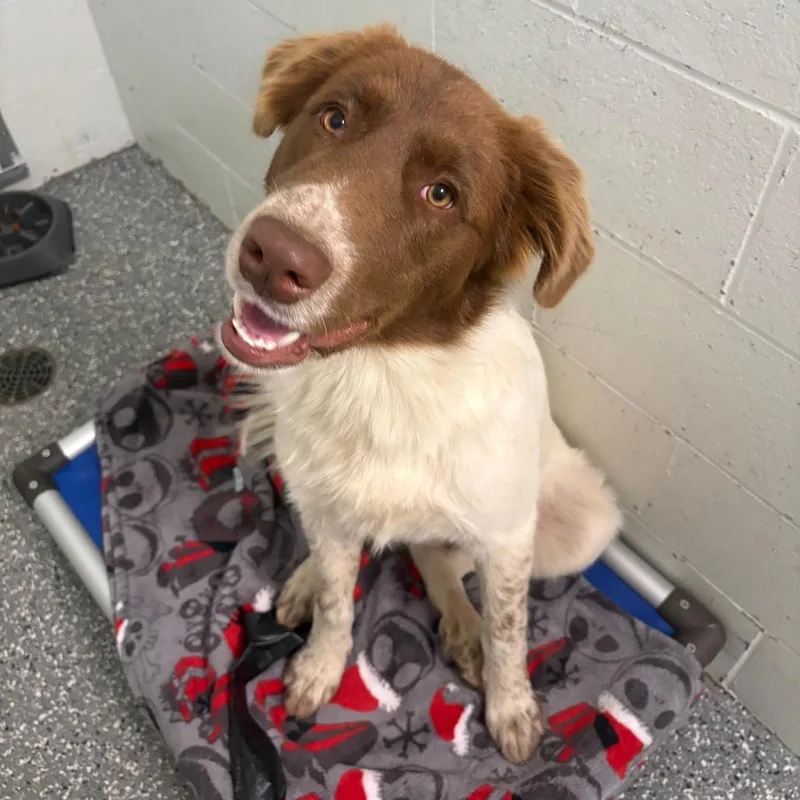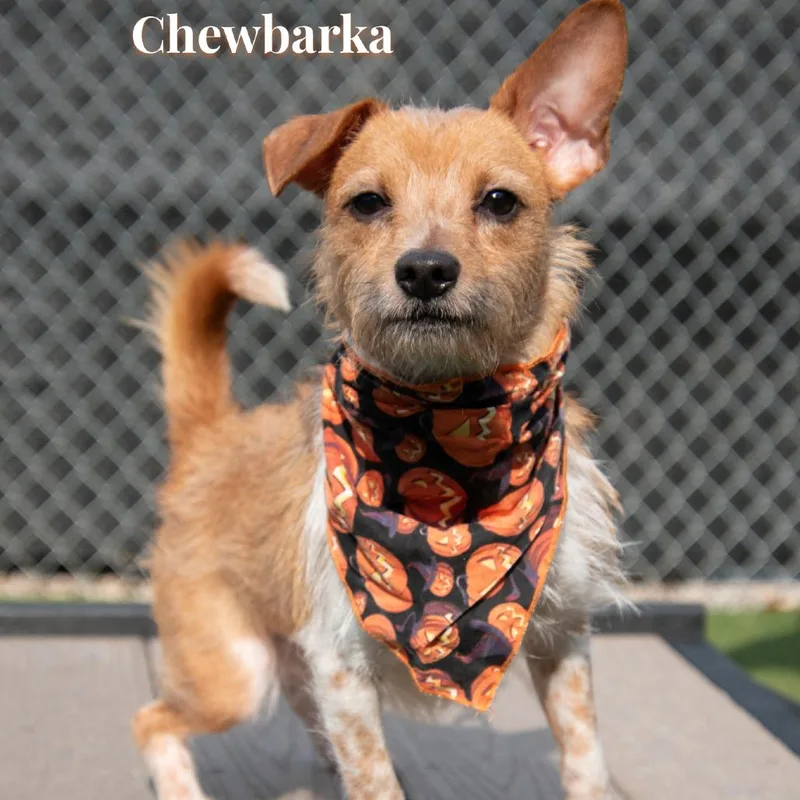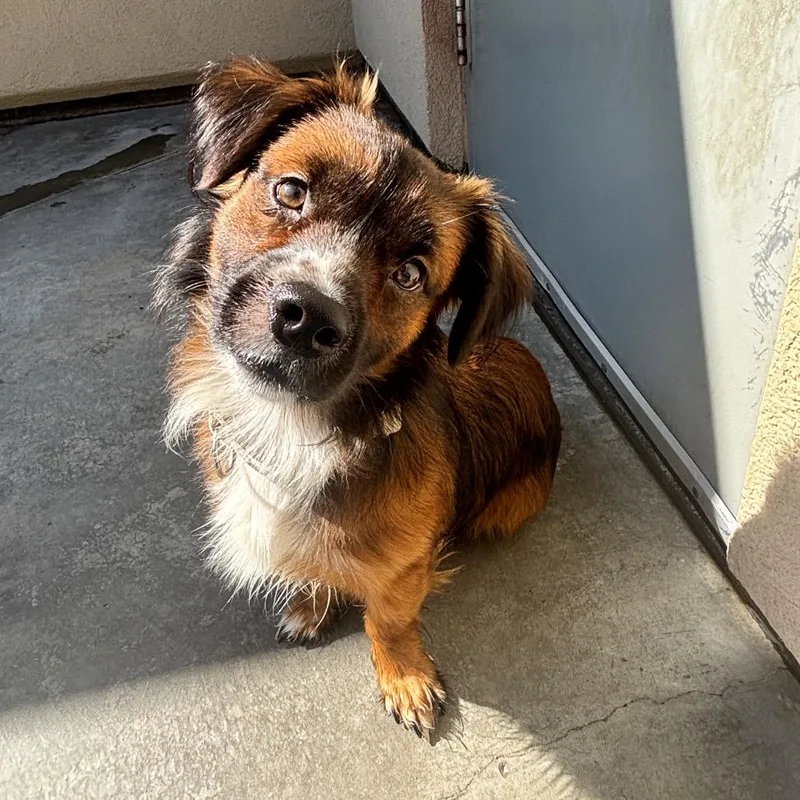
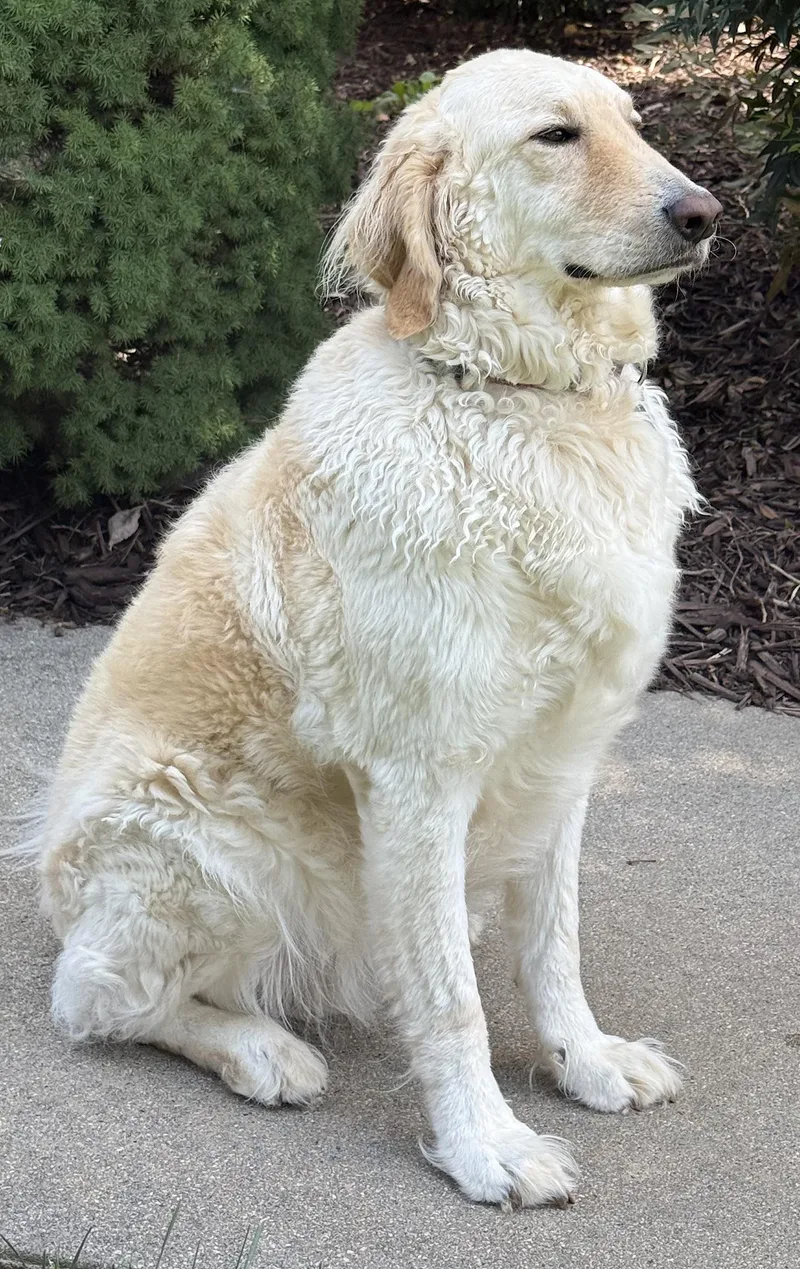
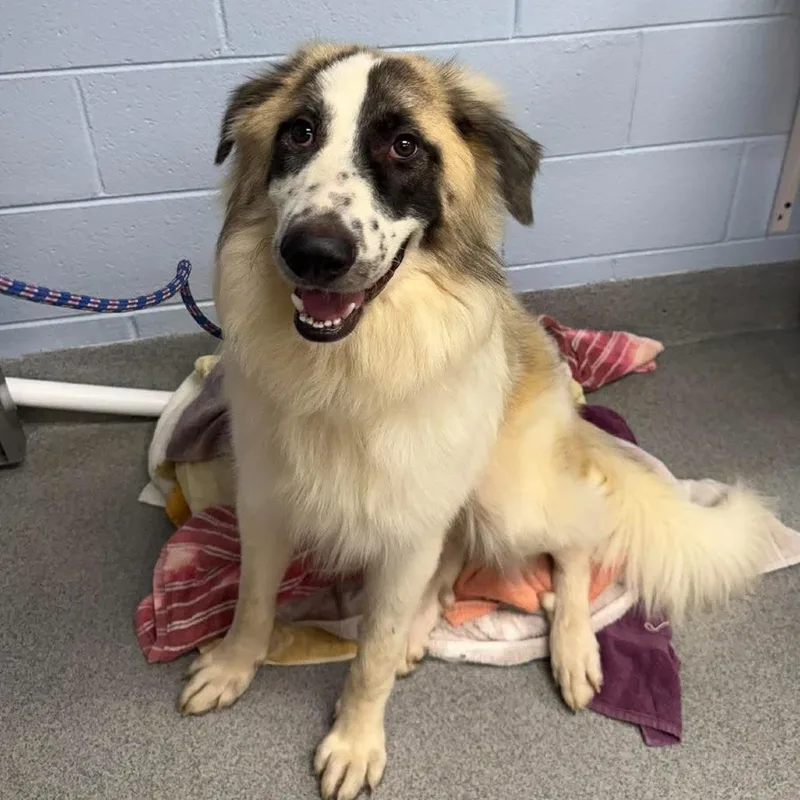
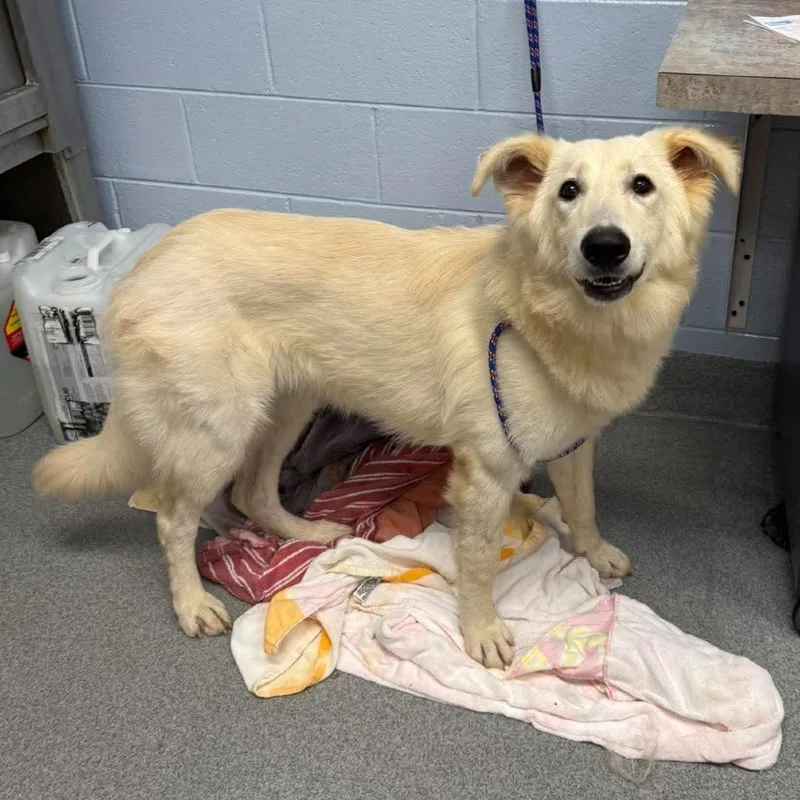
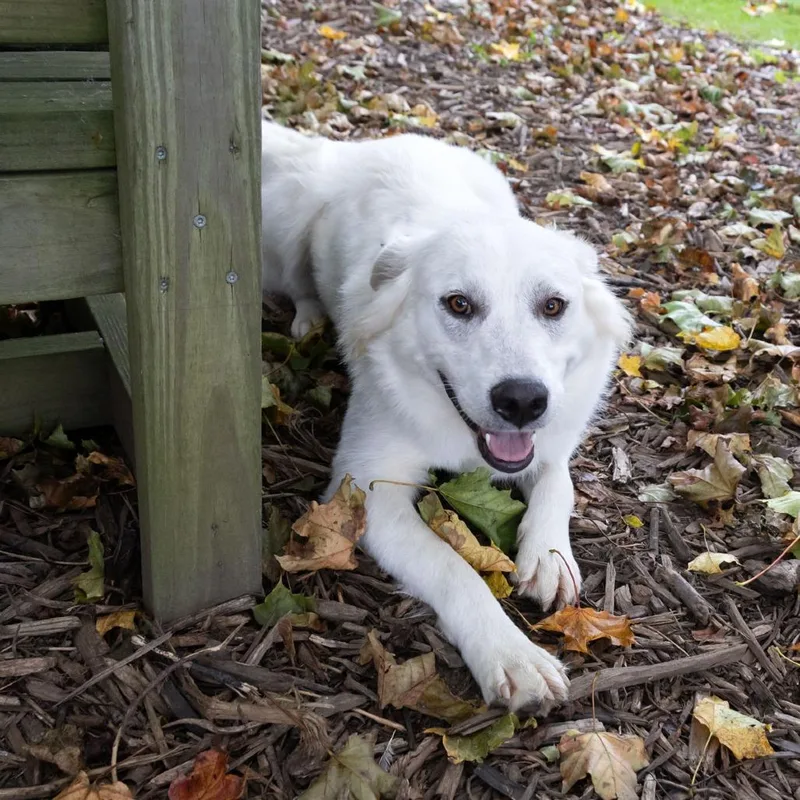
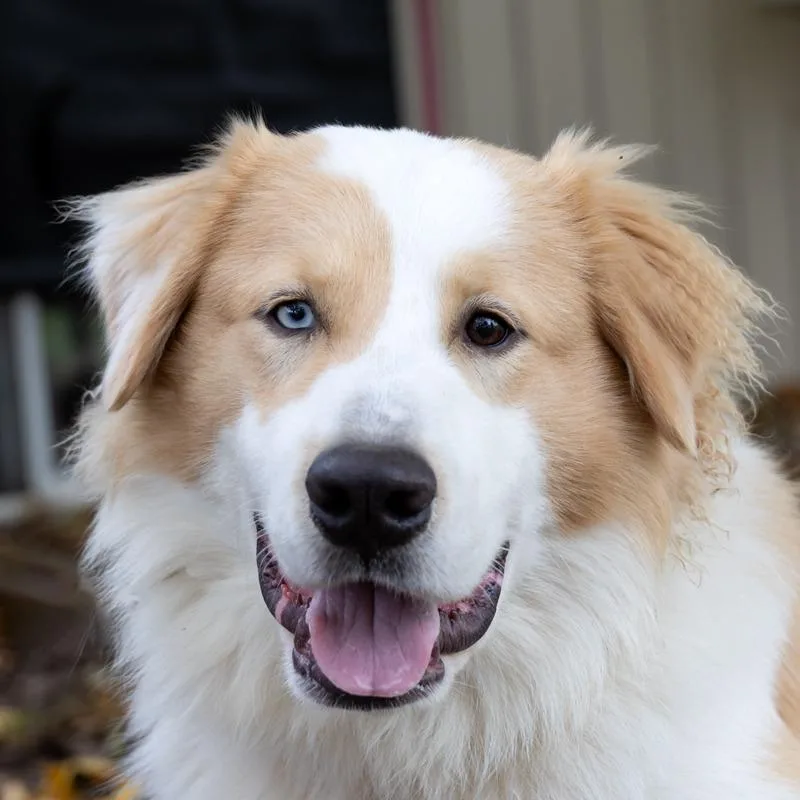
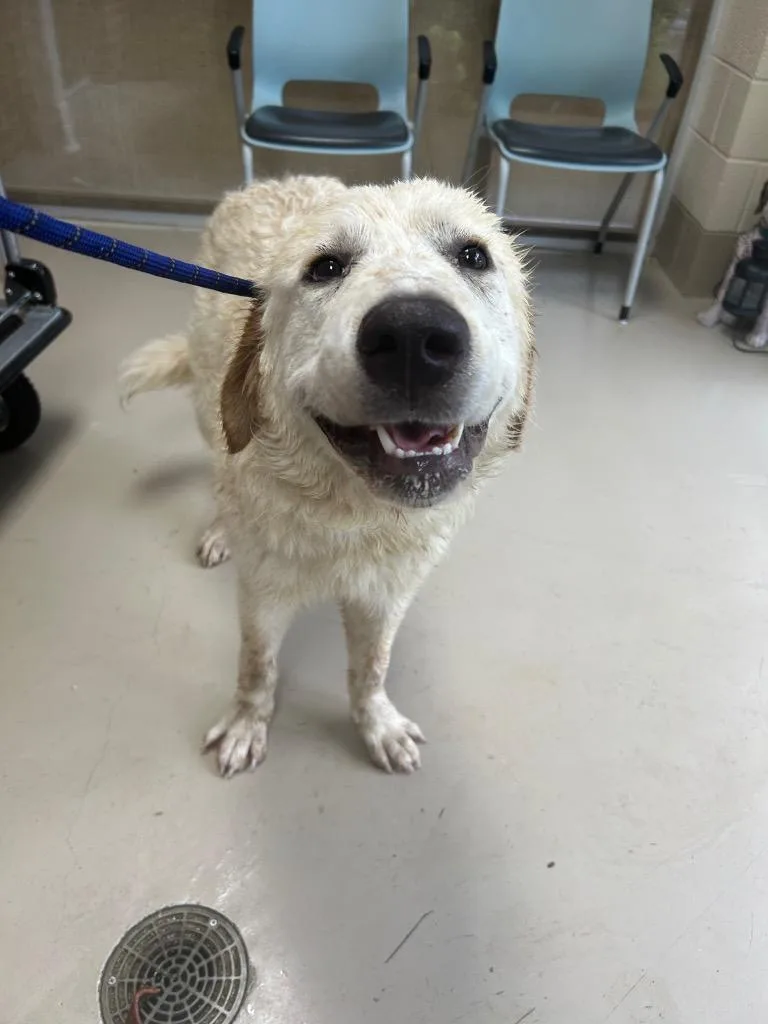

Great Pyrenees dog

Great Pyrenees Dogs for Adoption in Parkersburg, WV

Your guide to finding and caring for a Great Pyrenees in Parkersburg

Great Pyrenees fit best in the yard-friendly parts of Parkersburg, where a fenced lot gives them room to patrol. Streets in Granada Hills, Oakwood Estates and South Parkersburg suit the slow, sniffing walks a Pyr prefers over a run. Expect a dog that watches the neighborhood from the porch and barks at anything that moves after dark. Keep the leash on, since many Pyrs wander. And plan on white fur on your car seats.

2472 Great Pyrenees available in Parkersburg and nationwide

Open your home to a Great Pyrenees

While we don't have enough dogs near Parkersburg, keep in mind that many rescues may offer transport.

Great Pyrenees Available for Adoption Near Parkersburg

About the Great Pyrenees breed

The Great Pyrenees is a giant livestock guardian from the Pyrenees mountains, built to stay with a flock and drive off predators. Adults usually weigh 85 to 120 pounds and wear a thick white double coat, sometimes with gray, tan or badger markings. Many are calm, gentle and loyal, and some seem to be in no hurry about anything.

That guardian background shapes daily life. Pyrs were bred to make decisions without a shepherd, so many are independent and slow to follow commands. They tend to be watchful at night, may bark to announce what they notice, and often roam if a fence has a gap. Heavy seasonal shedding is part of the deal, and each dog's personality varies.

Weight
85–120 lbs
Height
25–32 in
Lifespan
10–12 yrs
Temperament
Calm, Protective, Independent
Group
Working
Shedding
High

Owning a Great Pyrenees in Parkersburg

Having a Great Pyrenees in Parkersburg

A Pyr's size, independence and heavy coat matter more than its looks when you're deciding whether to adopt. Think about fencing, barking, brushing and cost before anything else, and remember that every Great Pyrenees has its own personality.

Temperament

Many Great Pyrenees are patient and affectionate at home, and often reserved with strangers. Their guardian instinct can mean steady barking, especially at night, which matters on a street with close neighbors. They think for themselves, so training takes patience and rewards rather than repetition. Early socialization helps, though Pyrs vary widely.
Exercise Needs

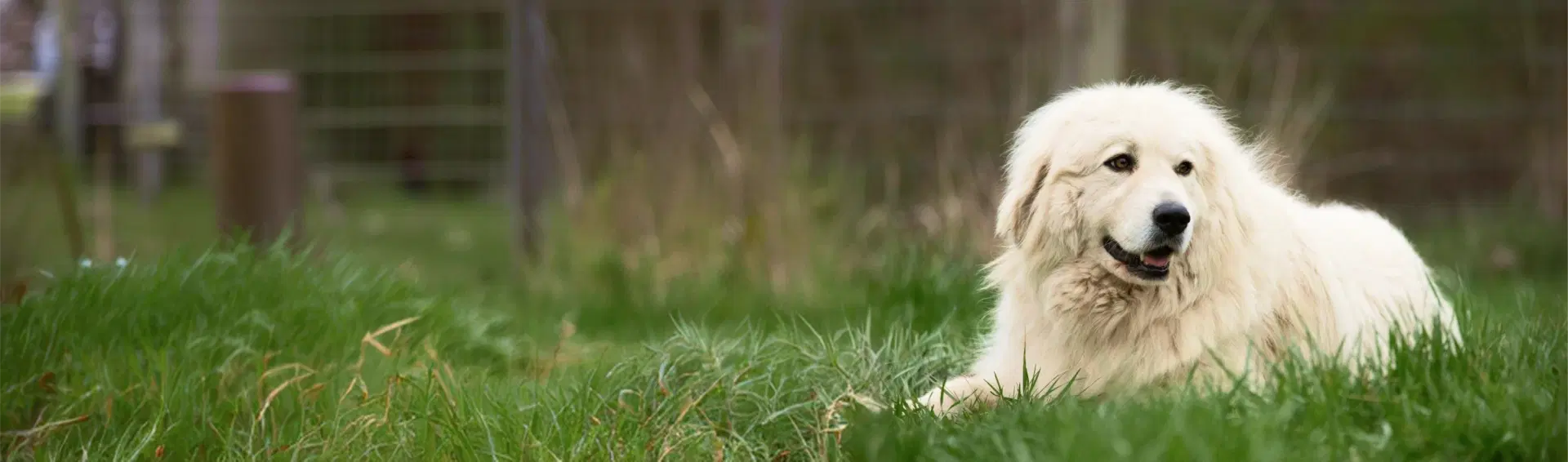
Most Pyrs are content with a daily walk or two and time to patrol a fenced yard. Parkersburg's quieter residential streets work well for unhurried sniff walks. Don't expect a jogging partner, and keep the dog leashed, since many roam. Calm training games add mental exercise, and cooler mornings and evenings are the best times.

Health Considerations

Great Pyrenees can face hip and elbow dysplasia, kneecap problems, bloat and bone cancer, and giant breeds often live a little shorter lives. Feed smaller meals and avoid hard exercise around them. Keep the dog lean for its joints. A veterinarian can screen hips and knees, and teach you the early signs of bloat.

Living Space

A Pyr is happiest with a securely fenced yard, which many Parkersburg homes outside the downtown core offer. A calm adult can manage an apartment, but size and night barking make it harder. Indoors, most settle quietly and look for a cool floor. Expect white hair on furniture, clothes and floors.

What it costs to own a Great Pyrenees in Parkersburg

ExpenseTypical costPer year
Food$80 to $160 per month$960 to $1,920
Pet insurance$85 to $170 per month$1,020 to $2,040
Routine vet care$250 to $500 per year$250 to $500
Other*$678 to $1,853 per year$678 to $1,853
Estimated yearly total (after year one)$2,908 to $6,313

Other costs are estimates and vary with size, age and health.

* The $3 Wood County dog license, flea, tick and heartworm prevention, a dental cleaning allowance, toys and bedding, brushing and baths for heavy shedding, and joint supplements.

Great Pyrenees dog

Adopt a Great Pyrenees in Parkersburg.

Now that you know more, let’s find you a new best friend. These rescues and shelters below currently have Great Pyrenees available.

Rescues in Parkersburg with Great Pyrenees Available

The Humane Society of Parkersburg is the Wood County shelter, taking in stray dogs and offering dogs and cats for adoption. Here are the rescues & shelters in the Parkersburg area where you can find Great Pyrenees and other dogs available for adoption.

Frequently Asked Questions

Yes, Parkersburg has no breed ban on record for Great Pyrenees. You'll need a $3 Wood County dog license once the dog is six months old, a current rabies vaccination, and a habit of picking up waste on public ground. Because Pyrs wander, secure fencing and a leash matter more than any local paperwork.

Yes, with care. Parkersburg summers reach the mid-80s with about a month of 90-degree days, and a Pyr's thick coat holds heat. Walk at dawn or dusk, give shade, fresh water and a cool indoor spot, and skip midday outings. Don't shave the coat, and never leave the dog in a parked car.

City Park, Point Park by the river and Fort Boreman Historical Park all work for slow, leashed walks. Mountwood Park's fenced Paws to Play dog park is about ten minutes east of town and has a large-dog section. Keep your Pyr on a leash everywhere else, because many roam when they catch an interesting scent.

Probably not easily. Parkersburg's buses are run by Easy Rider, and there's no subway or rail. Service animals must be allowed, but pet rules aren't clear, so check current policies with Easy Rider before planning a trip. A giant 85 to 120 pound dog is also hard to manage on a bus, so a car is usually simpler.

It's possible for a calm adult, but not ideal. Many Parkersburg homes have yards, which suits a Pyr better, while apartments make night barking and size harder to manage. About a third of households rent, so read the lease for weight limits, and plan several daily walks and a quiet, cool place to rest.

It can be, especially for someone with a fenced yard and a relaxed routine. Parkersburg's quiet residential streets and cool spring and fall suit a Pyr well. The harder parts are humid summers, night barking near close neighbors and heavy shedding, so think through those before choosing a Pyr from the pets listed here.

Sometimes, but only outdoors and only where a restaurant allows it. West Virginia has no state law on dogs at outdoor dining, so patio policies are up to each business. Parkersburg's city code bars dogs from stores that sell goods or food. A large Pyr needs a leash and a calm settle under the table.

Plan on brushing about once a week, and more often in spring and fall when the undercoat sheds heavily. Humid Parkersburg summers make mats and trapped heat worse, but don't shave the coat. Brushing at home and occasional baths fit within the yearly Other costs of roughly $678 to $1,853 shown for this breed.

We have 1 rescue with Great Pyrenees available: Humane Society of Parkersburg. You can see every rescue with Great Pyrenees available in the list above these questions, or scroll to the top to see the Great Pyrenees near Parkersburg.

A Great Pyrenees typically costs $80 to $160 a month for food and $85 to $170 a month for pet insurance. Routine vet care runs $250 to $500 a year, and other yearly costs such as prevention, dental care, grooming and supplements add roughly $678 to $1,853. Giant-breed food and joint care drive most of the total.