Black Labrador Retriever Dogs for Adoption in Lewisburg, WV

Your guide to finding and caring for a Black Labrador Retriever in Lewisburg

A black Lab suits Lewisburg's older streets, where a daily loop past the houses on North Jefferson Street comes easily. Labs are friendly enough to take the downtown sidewalks in stride, and many will happily follow a long walk with a game of fetch in the yard. The dense double coat handles cold mountain winters well. What a black Lab needs most is a household that's out and moving every day, not one that's away for long stretches.

3262 Black Labrador Retrievers available in Lewisburg and nationwide

Find your Black Labrador Retriever

While we don't have enough dogs near Lewisburg, keep in mind that many rescues may offer transport.

Black Labrador Retrievers Available for Adoption Near Lewisburg

About the Black Labrador Retriever breed

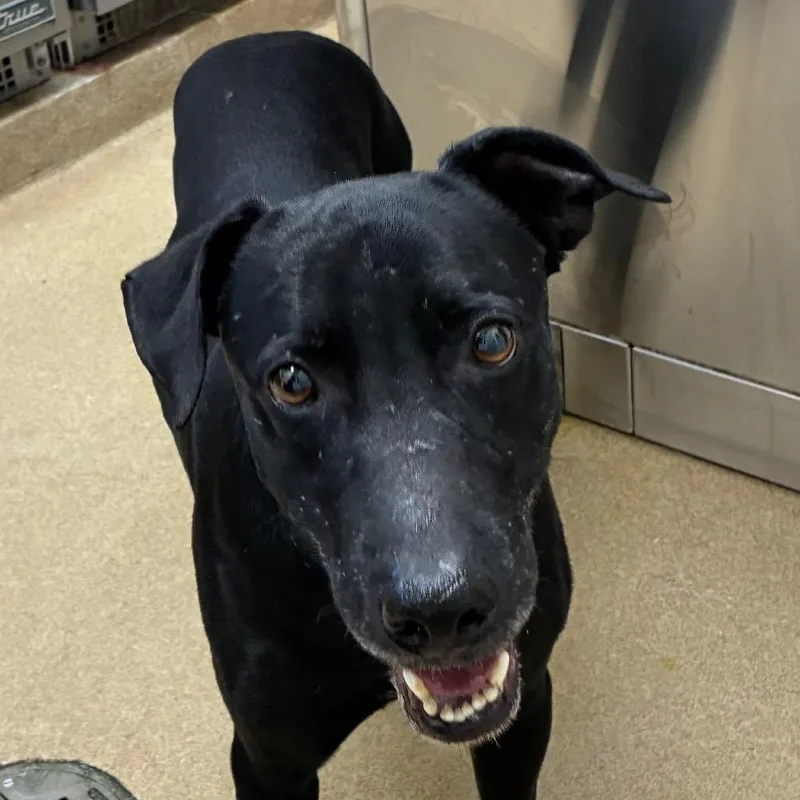
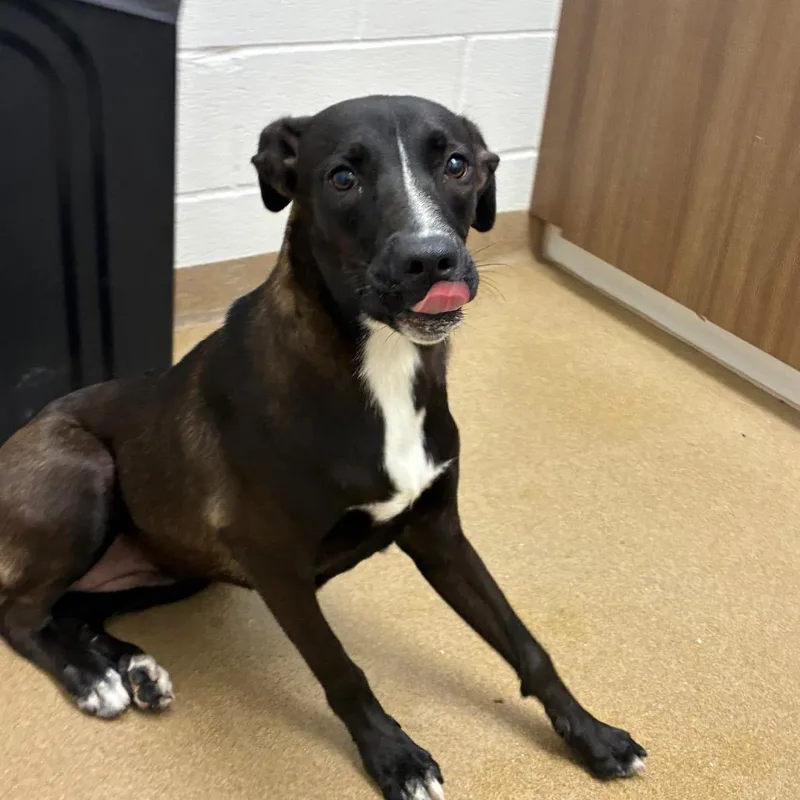
A black Lab is a Labrador Retriever in the breed's original and most familiar color, not a separate breed. The breed descends from Newfoundland's St. John's water dogs and was refined in Britain as a gun dog. Black Labs have the otter tail, broad head and dense, water-resistant double coat made for cold water, and some carry a small white spot on the chest.

Color doesn't change personality. Black Labs tend to be friendly, eager to please and motivated by food, which makes treat-based training work well and weight control a lifelong job. They mature slowly, so expect a bouncy, mouthy adolescence. Seasonal shedding means regular brushing, and the daily exercise a black Lab needs is easiest to give if you enjoy being outdoors.

Weight
55–80 lbs
Height
21–25 in
Lifespan
10–14 yrs
Temperament
Friendly, Outgoing, Active
Group
Sporting
Shedding
Moderate to High

Owning a Black Labrador Retriever in Lewisburg

Having a Black Labrador Retriever in Lewisburg

Black Labs pair a sociable nature with plenty of stamina. Energy, appetite and heavy seasonal shedding shape daily life more than coat color, so match the dog's age and drive to your routine, whether that means a house with a yard or a smaller place near downtown.

Temperament

Most black Labs are outgoing and affectionate with family, visitors and other dogs, which helps on Lewisburg's walkable downtown blocks. Young dogs can be mouthy and boisterous. Their love of treats makes reward-based training effective. A dog's history and socialization say more about its manners than breed or color does, so watch how it handles new people and sounds.
Exercise Needs

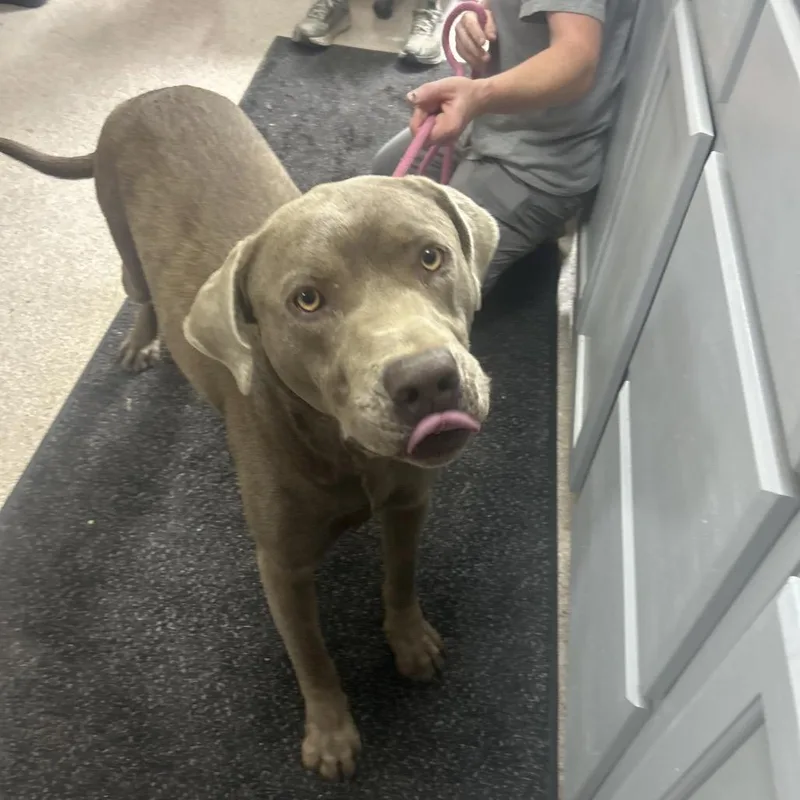
Most black Labs need vigorous daily activity: brisk walks, fetch, or a hike on the leashed Greenbrier River Trail east of town. Scent games and short training sessions tire the mind too. Field-type dogs usually need more than show-type ones, and seniors still enjoy gentler daily outings.

Health Considerations

Labs can develop hip and elbow dysplasia, cruciate ligament tears, exercise-induced collapse, retinal disease, ear infections and skin allergies. Obesity is common, so measured meals matter, especially in Lewisburg's long cold months when walks tend to shorten. A veterinarian can check hips, elbows, weight and ears at the first visit after adoption.

Living Space

A black Lab can live in a house or an apartment if its exercise gets done. Lewisburg has plenty of single-family homes, and a fenced yard helps, though it doesn't replace walks. Expect shed hair, a sweeping tail and a dog that wants to be indoors with the family.

What it costs to own a Black Labrador Retriever in Lewisburg

ExpenseTypical costPer year
Food$55 to $110 per month$660 to $1,320
Pet insurance$65 to $130 per month$780 to $1,560
Routine vet care$250 to $500 per year$250 to $500
Other*$590 to $1,490 per year$590 to $1,490
Estimated yearly total (after year one)$2,280 to $4,870

Other costs are estimates and vary with size, age and health.

* Flea, tick and heartworm prevention, a dental cleaning allowance, the county dog license, toys and bedding, and brushing and baths for seasonal shedding.

Adopt a Black Labrador Retriever in Lewisburg.

Now that you know more, let’s find you a new best friend. These rescues and shelters below have dogs available in and near Lewisburg.

Rescues and Shelters in or near Lewisburg

Lewisburg's rescue community is small but active, and the shelters and rescues listed here work to place dogs and cats in new homes. Here are the rescues & shelters in the Lewisburg area with dogs available for adoption, worth asking whether a Black Labrador Retriever is coming in.

Frequently Asked Questions

Yes, Lewisburg has no known breed ban, so black Labs are welcome. You'll need to follow the city leash law, pay the county dog license fee and have your Lab vaccinated against rabies by six months of age. Rental housing is the bigger hurdle, since landlords set their own pet and weight limits, so get pet terms in writing before you sign a lease.

Yes, most black Labs handle Lewisburg winters well thanks to their dense, water-resistant double coat. Freezing nights are common from October into May, so rinse road salt from paws, dry the coat after snow and keep time outside supervised. Seniors and lean, field-type dogs may feel the cold sooner and appreciate a coat.

The Greenbrier River Trail is the standout. It starts at Caldwell, about 3.5 miles east of town, and allows leashed dogs on its flat rail-trail path. Closer in, Dorie Miller Park and Hollowell Park work for leashed walks, but dogs aren't permitted in the downtown Greenspace. Bring water, and expect trail work near Caldwell to affect conditions.

Yes, if its exercise needs are met. Pet policies and weight limits vary by building, so look for one that accepts large dogs. A ground-floor unit near sidewalks makes outings easier. Plan for shedding hair, and teach the dog to settle quietly while neighbors are home, since bored Labs tend to bark and chew.

No. Mountain Transit Authority, which runs the buses serving Lewisburg, allows no pets on buses except service animals, and no carrier exception is listed. Lewisburg has no subway or rail service. A black Lab is too big for a carrier anyway, so plan on a car for vet visits and trips to the trail.

Sometimes, on outdoor patios. West Virginia has no statewide patio-dog law, so each restaurant decides, and indoor dining is generally limited to service animals. Several downtown patios have been listed as dog-friendly. Bring a leash, a water bowl and a mat so your Lab can settle, since dogs must stay leashed off your own property.

Brush a black Lab weekly, and daily during the heavy sheds of spring and fall, when the coat changes with Lewisburg's temperature swings. Baths are needed mainly after mud or swimming. Professional baths or deshedding treatments are optional and fall within the $590–$1,490 yearly Other costs, alongside nail trims and dental care.

Often, for active households. Lewisburg's quiet streets, trail access and plentiful yards suit a dog that wants daily outings, and a Lab's coat handles the cold. It fits less well if the dog will be alone most of the day, since bored Labs chew and dig. Dogs vary, so match each dog's age and energy to your routine.

A Labrador Retriever is a large sporting dog developed to retrieve game for hunters, especially from water. Labs have a short, dense double coat, a thick otter tail and a broad head, and they come in black, yellow and chocolate. Many are friendly, food-motivated and eager to work, which makes them common family, guide and service dogs.

Budget about $55–$110 a month for food and $65–$130 a month for pet insurance, plus $250–$500 a year for routine vet care and $590–$1,490 a year for other costs such as prevention, dental care, supplies and grooming. That works out to roughly $2,300–$4,900 a year, before any emergencies or one-time adoption costs.