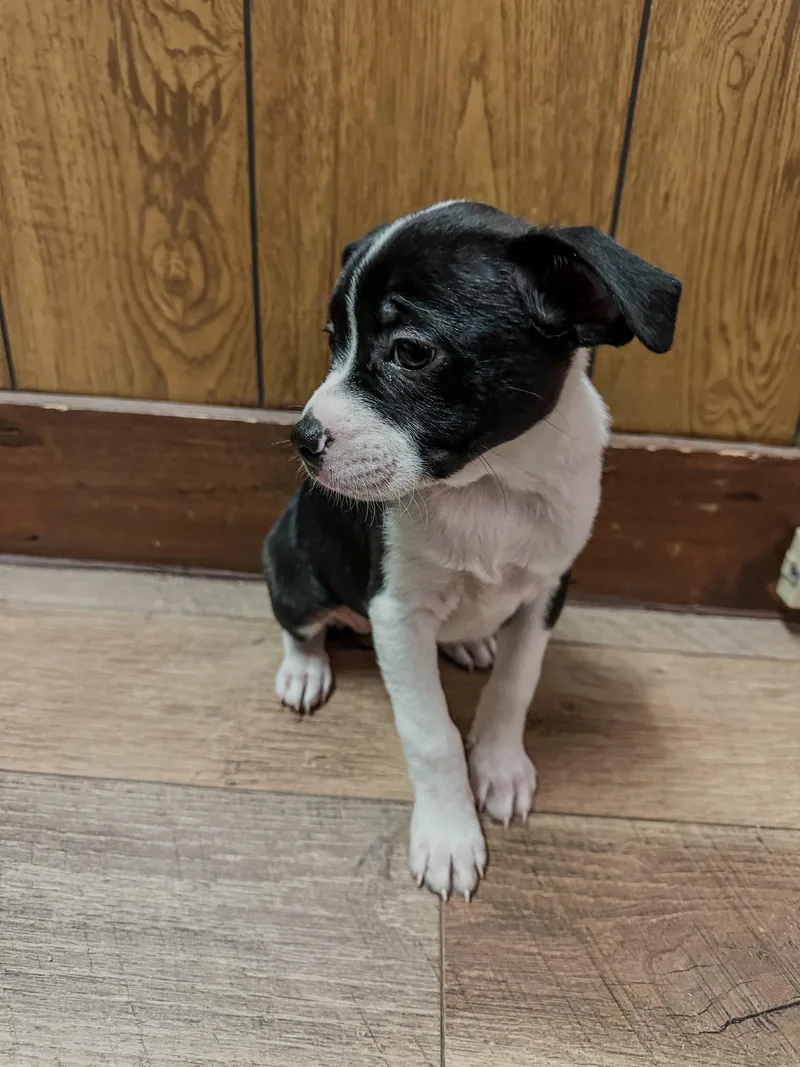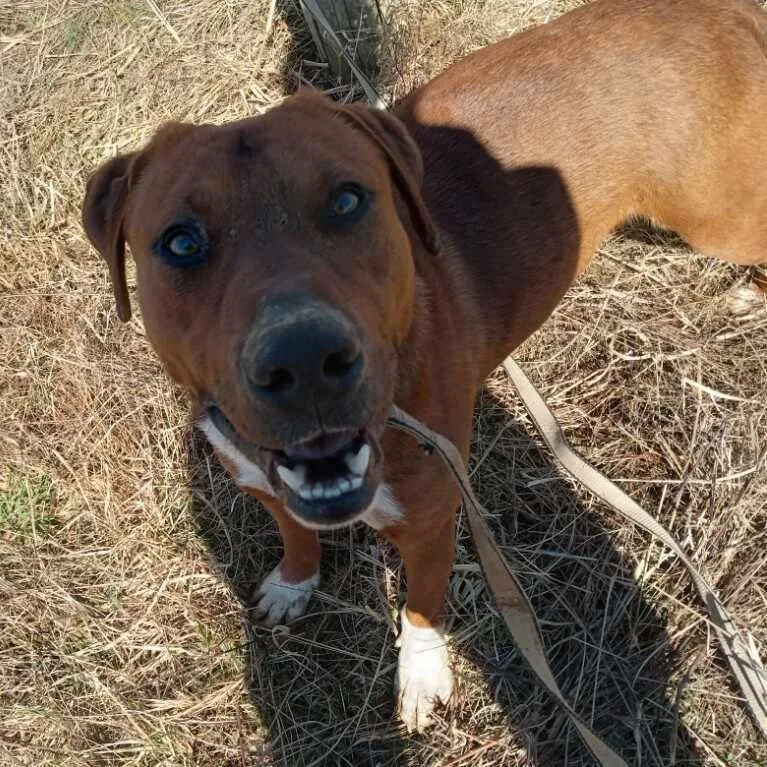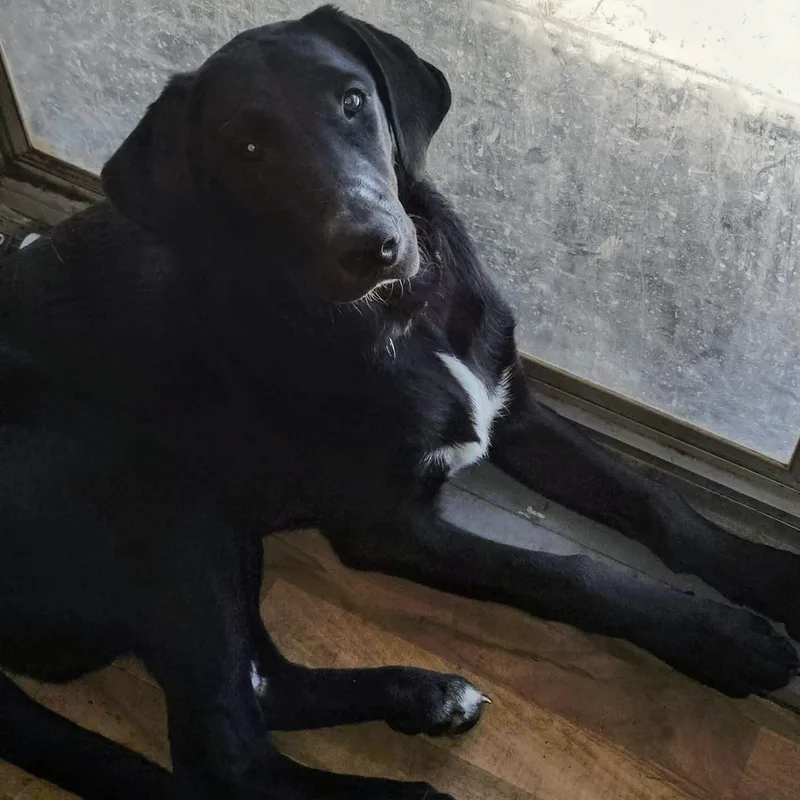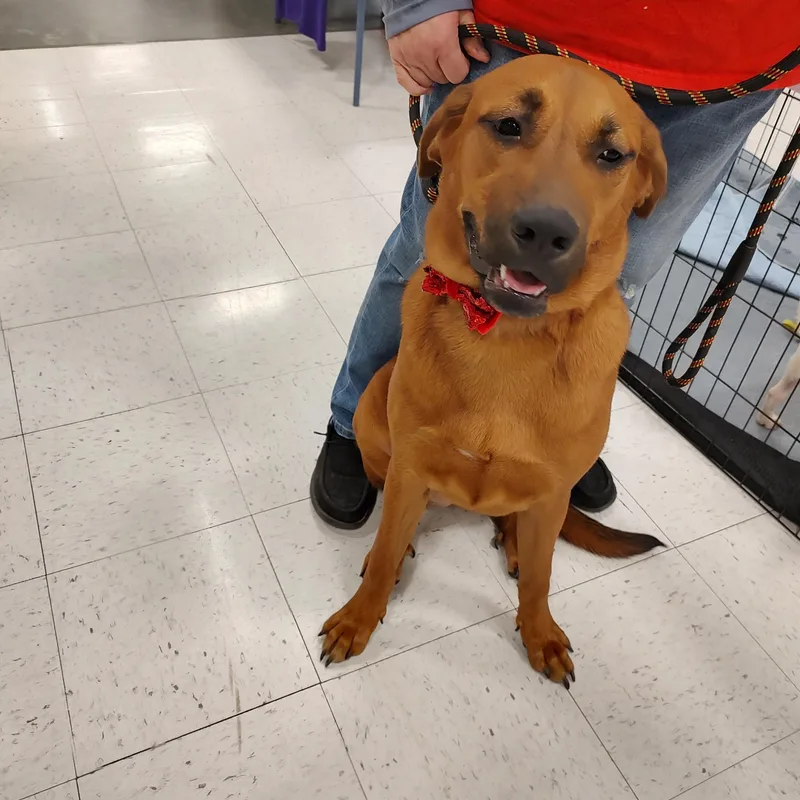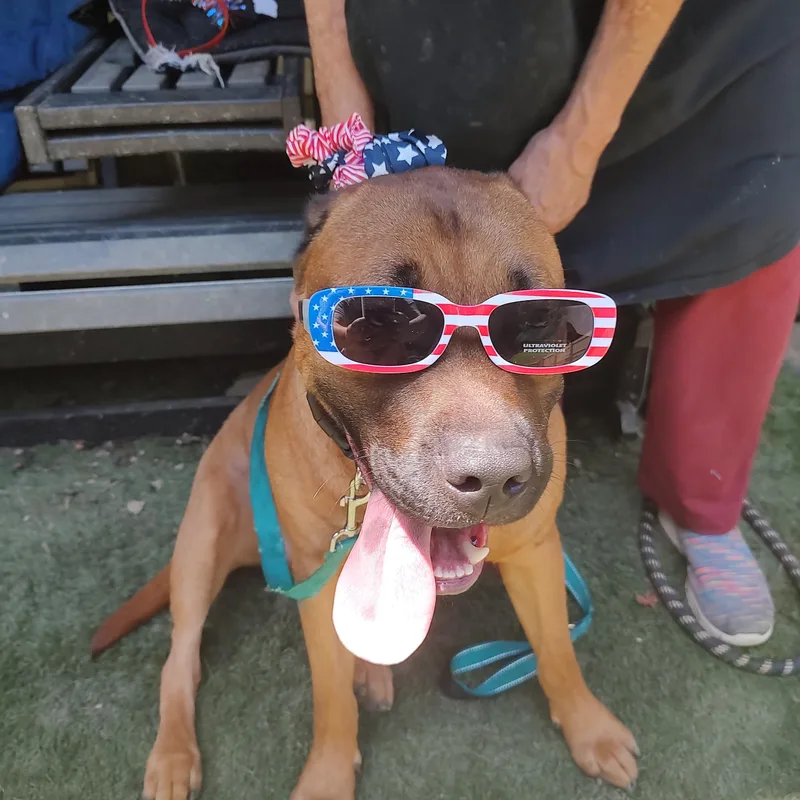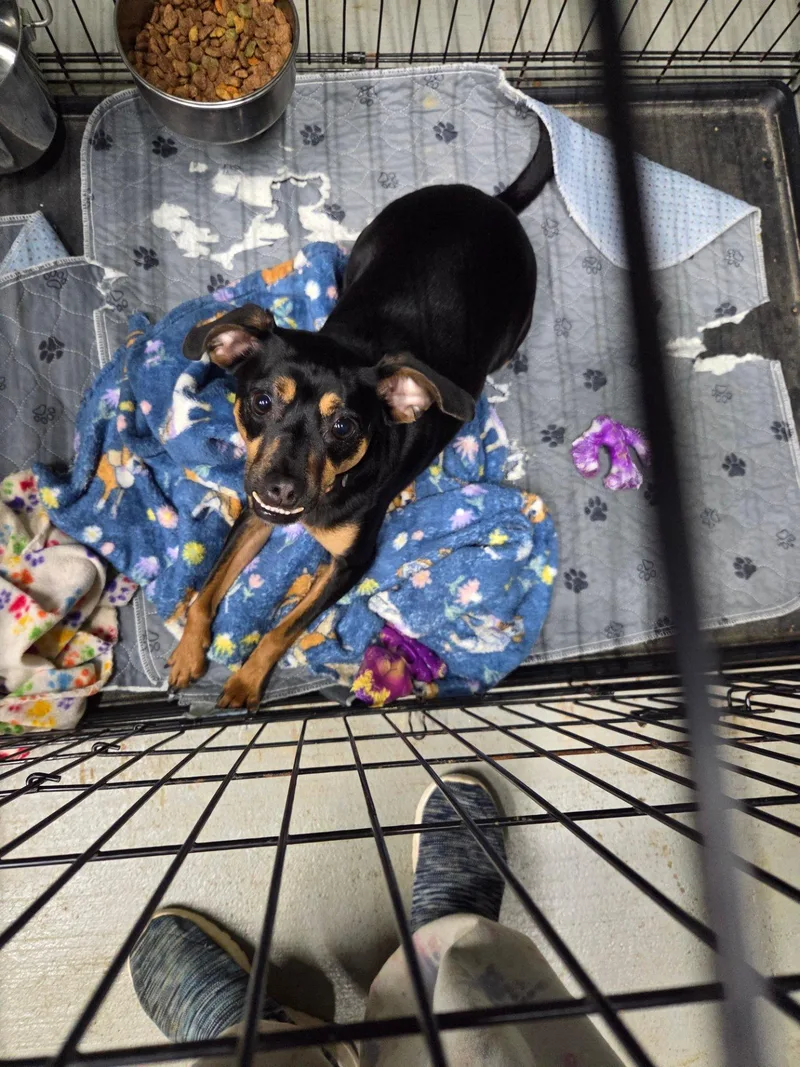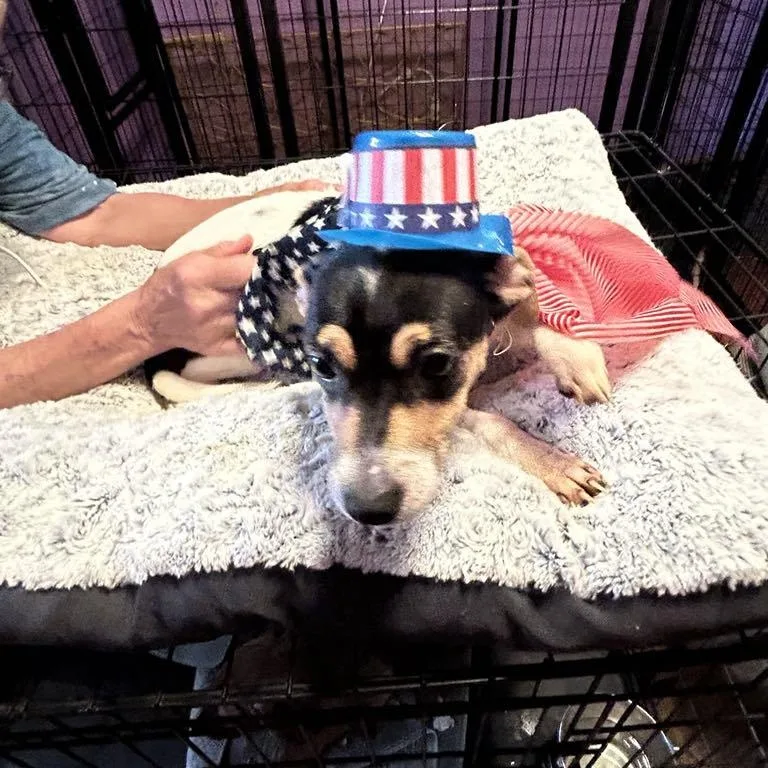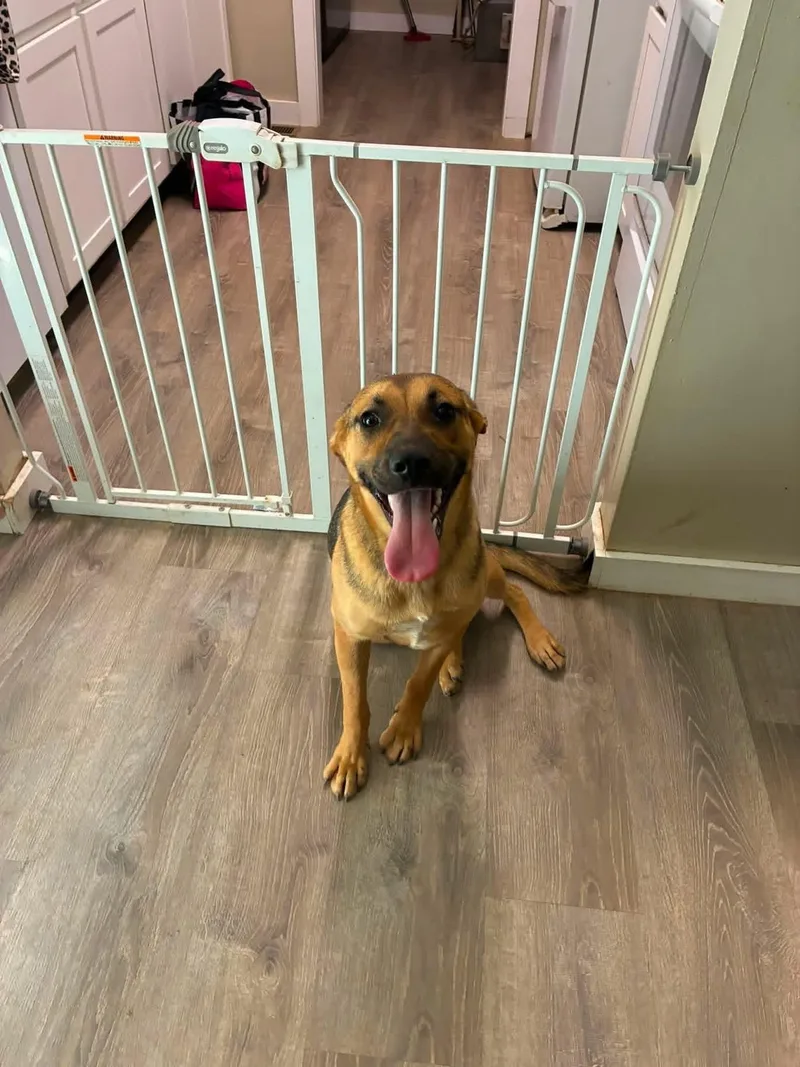
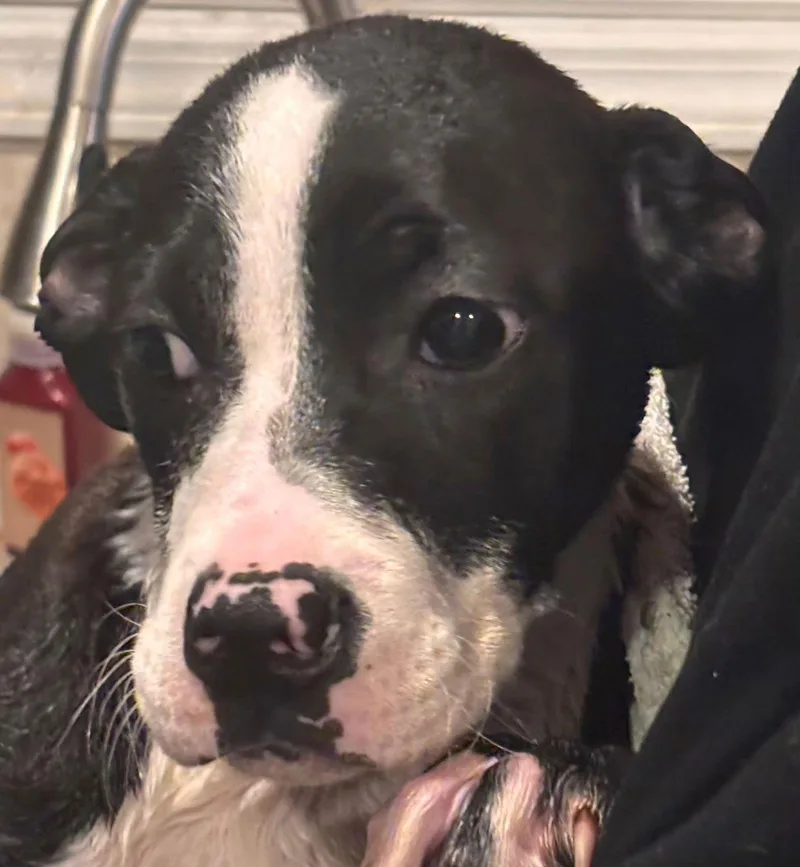
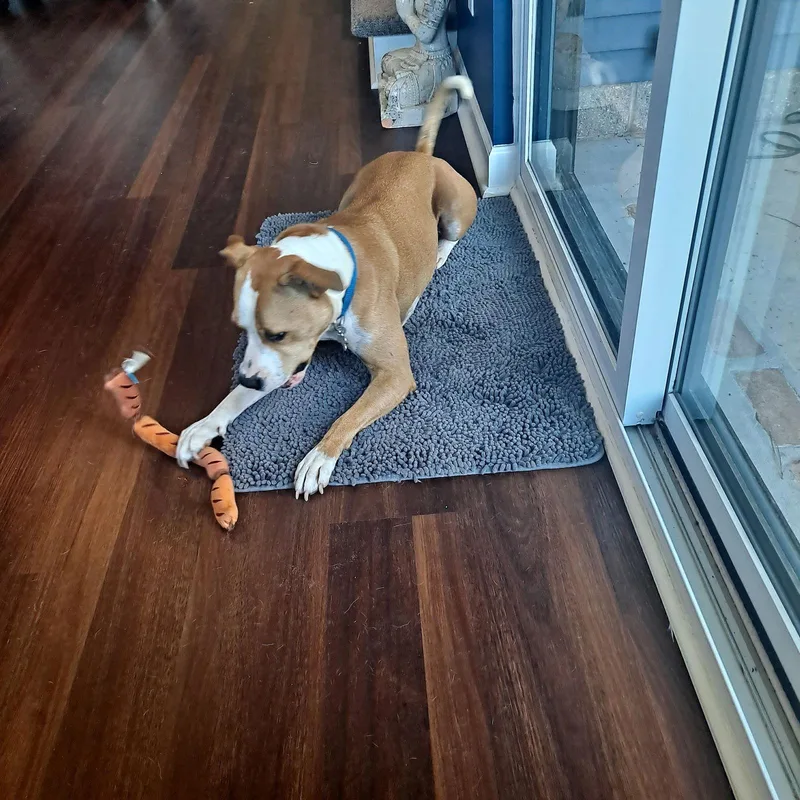
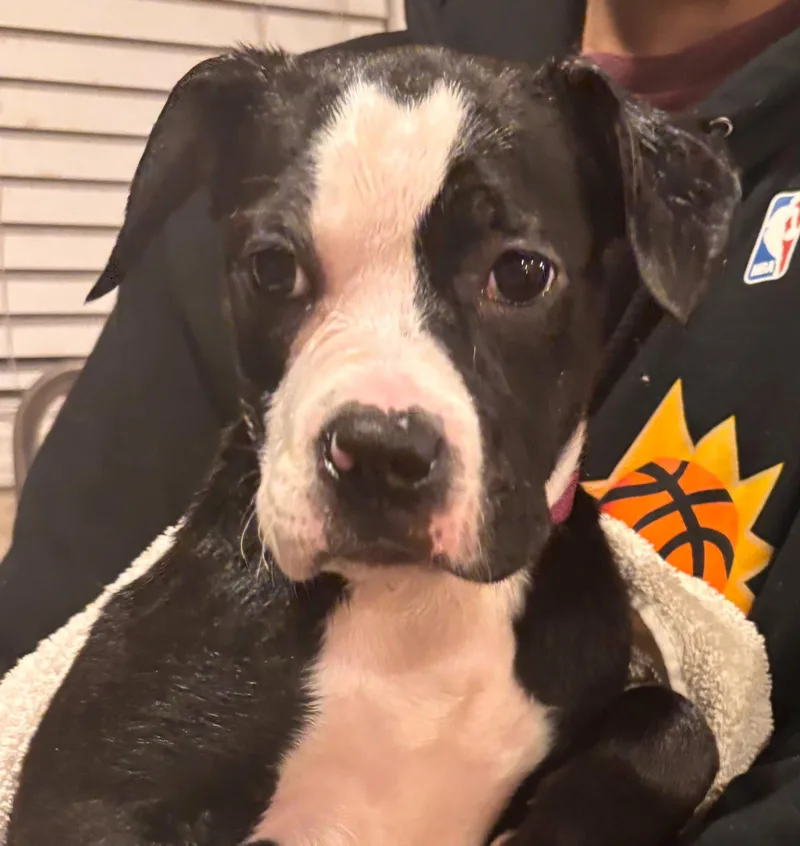
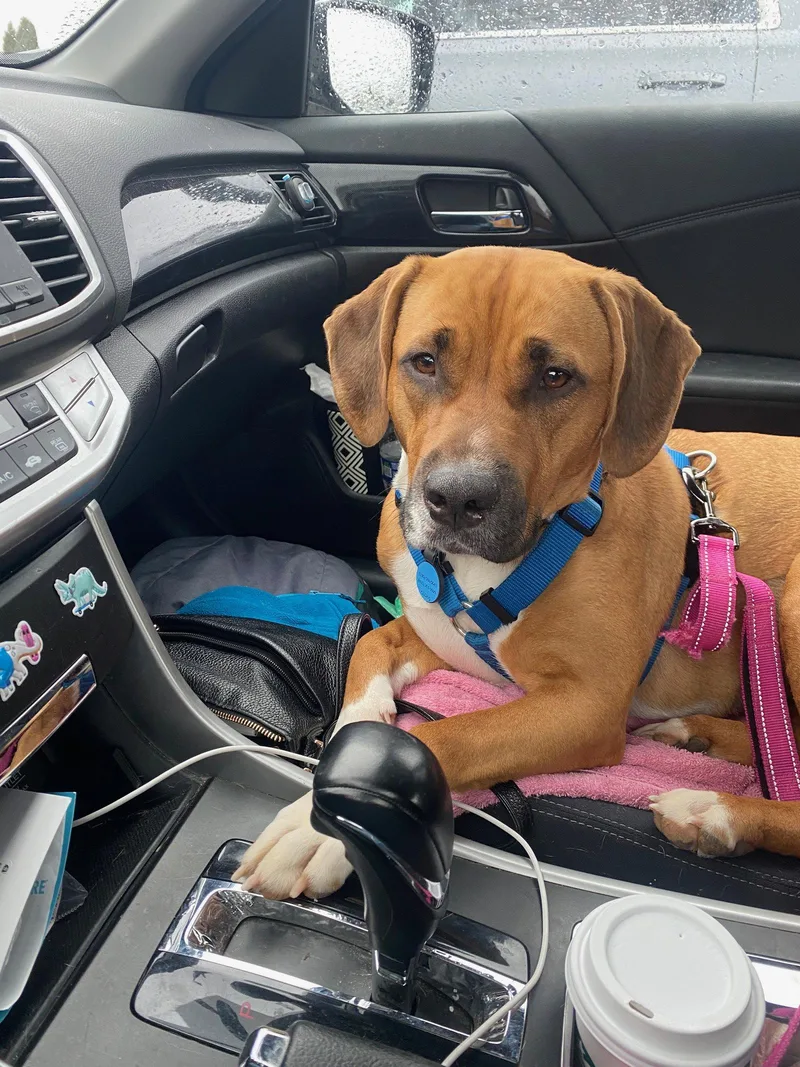
American Staffordshire Terrier Dogs for Adoption in Charleston, WV

Your guide to finding and caring for an American Staffordshire Terrier in Charleston

American Staffordshire Terriers fit Charleston's mix of East End brick homes and hillside streets, as long as the walks are regular. AmStaffs are sturdy, medium-sized and happiest close to their people, so a fenced yard in Kanawha City or an apartment near Capitol Street can both work. They pull hard, so a good harness and solid leash manners matter on the South Hills slopes. Charleston has no breed-specific rule, but it does cap homes at two dogs.

5005 American Staffordshire Terriers available in Charleston and nationwide

Find your American Staffordshire Terrier

While we don't have enough dogs near Charleston, keep in mind that many rescues may offer transport.

American Staffordshire Terriers Available for Adoption Near Charleston

About the American Staffordshire Terrier breed

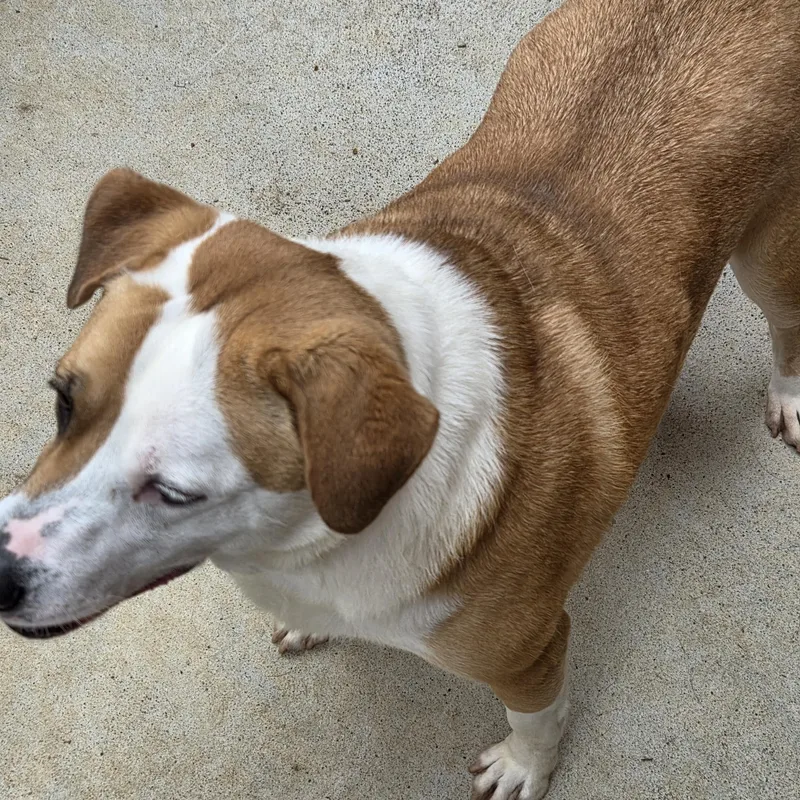
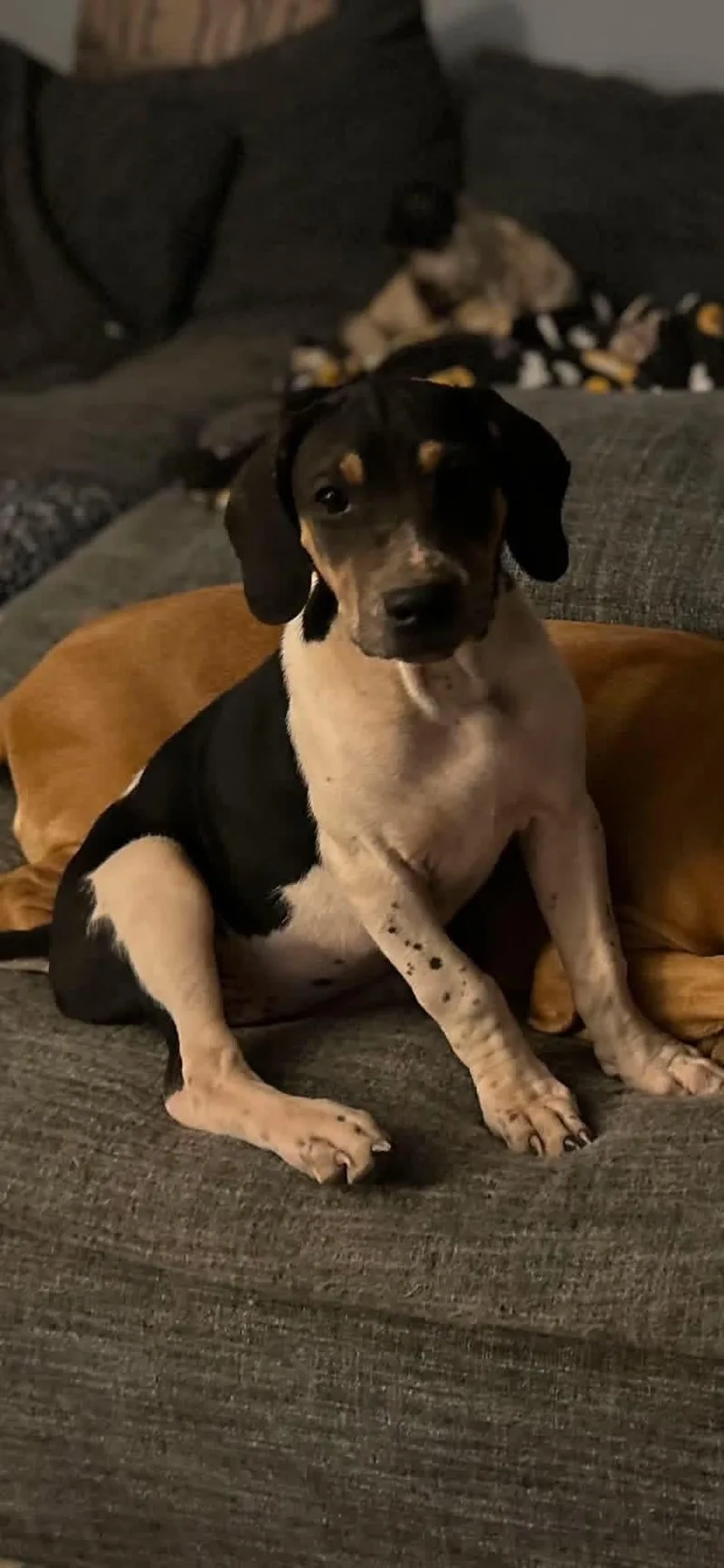
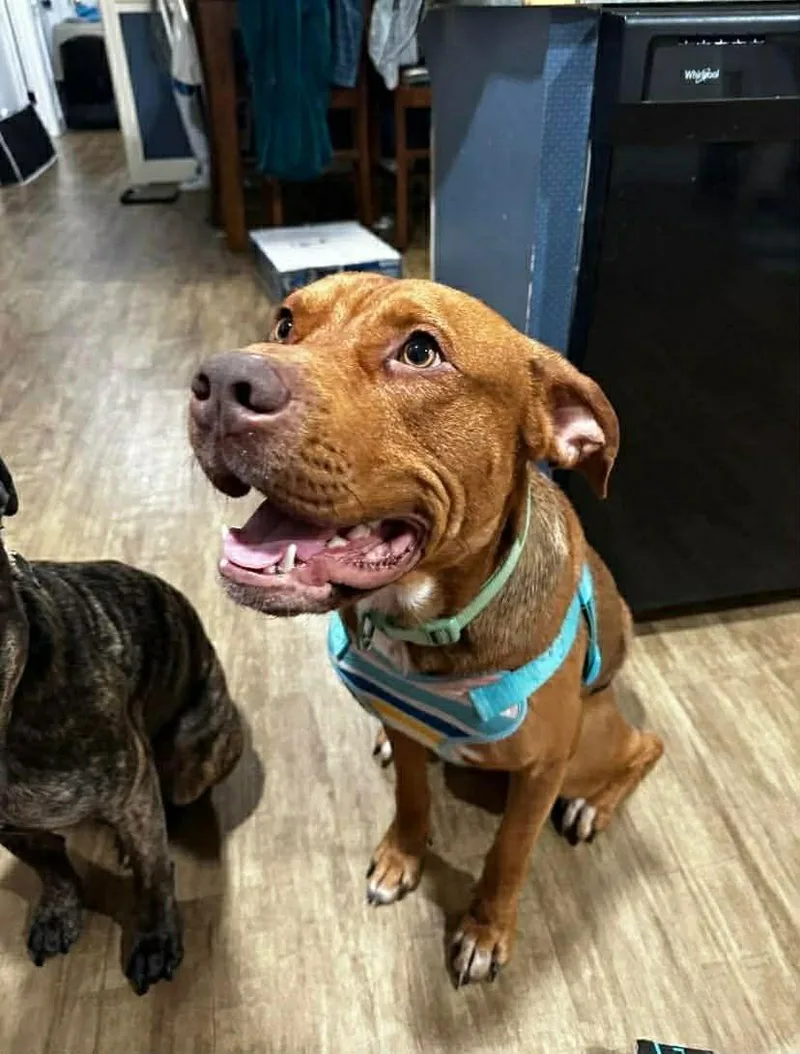
American Staffordshire Terriers descend from bull-and-terrier dogs that came from Britain in the 1800s, and the American Kennel Club recognized the breed in 1936. They're stocky, muscular medium-sized dogs, usually 40 to 70 pounds, with a broad head and a short, glossy coat in nearly any color.

Most AmStaffs are confident, affectionate and a little goofy with their families, often leaning on or climbing into a favorite person's lap. They're also strong and persistent, so training and leash manners should start early, and some are selective with other dogs even when well socialized. In Charleston, where deer and black bears roam some wooded hillsides, a secure leash is a must. Dogs vary, so a dog's own behavior says more than its breed.

Weight
40–70 lbs
Height
17–19 in
Lifespan
12–16 yrs
Temperament
Confident, Affectionate, Loyal, Playful
Group
Terrier
Shedding
Moderate

Owning an American Staffordshire Terrier in Charleston

Having an American Staffordshire Terrier in Charleston

Muscular, athletic and closely attached to their people, AmStaffs do best with owners who can offer steady exercise, training and calm supervision. In Charleston, hills, a two-dog household limit and mixed rental policies shape daily life as much as the dog does.

Temperament

AmStaffs tend to be affectionate, playful and confident, and many are gentle with children they know. Their persistence can look like stubbornness in training. Some are selective or intolerant with other dogs, even when well socialized, so on busy Charleston sidewalks keep a short leash and give other dogs room. A dog's own behavior counts for more than reputation.
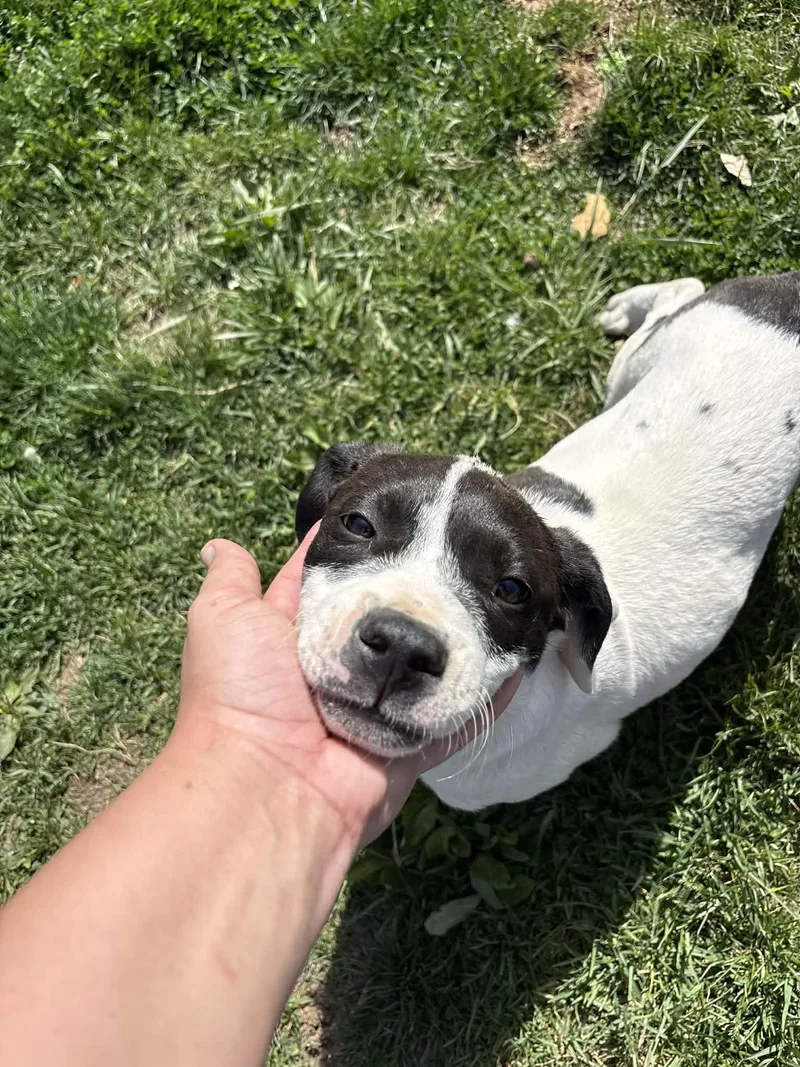
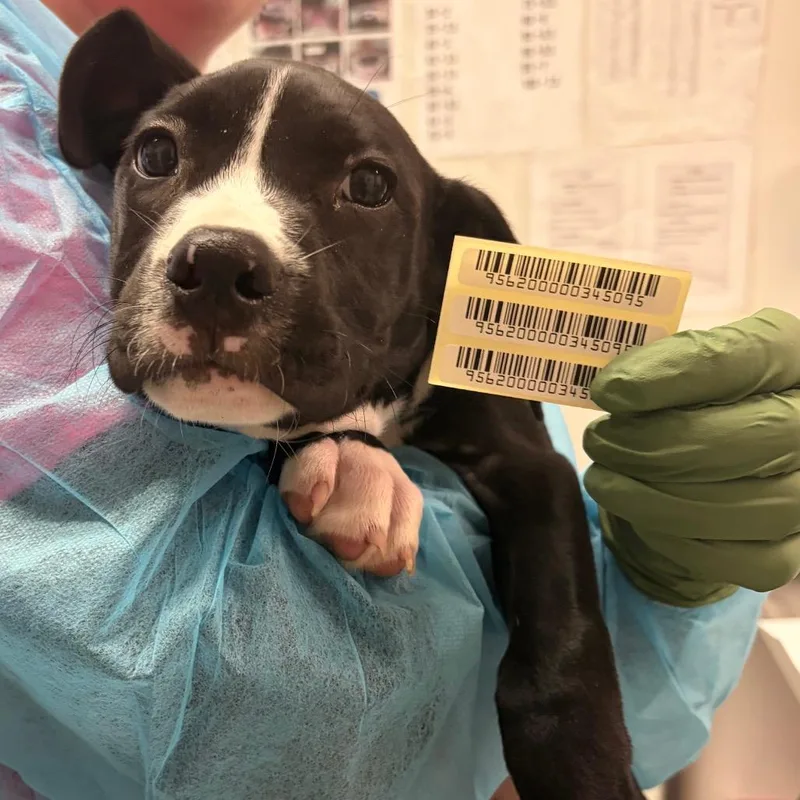
Exercise Needs

Plan on daily brisk walks plus play, tug or a flirt pole, with puzzle toys for mental work. Charleston's hills add a good workout, and the fenced area at Emma's Place in Cato Park or leashed trails in Kanawha State Forest give room to move. AmStaffs sprint well but overheat easily, so shorten hot-day outings.

Health Considerations

Breed-related concerns include hip and elbow dysplasia, skin allergies, demodectic mange, cruciate ligament tears, hypothyroidism and cerebellar cortical degeneration, which has a genetic test. Many AmStaffs live long, healthy lives. Itchy skin and sore joints are common reasons for vet visits, and Charleston's humid months can aggravate allergies. A veterinarian can check joints, skin and weight soon after adoption.

Living Space

An AmStaff can do well in a house or apartment if it's calm indoors and gets its exercise. In Charleston, steep South Hills streets and stairs in older East End buildings are worth thinking about with a strong dog. A fenced yard helps, since tethering is limited, but routine matters more than square footage.

What it costs to own an American Staffordshire Terrier in Charleston

ExpenseTypical costPer year
Food$35 to $70 per month$420 to $840
Pet insurance$55 to $100 per month$660 to $1,200
Routine vet care$225 to $450 per year$225 to $450
Other*$428 to $1,156 per year$428 to $1,156
Estimated yearly total (after year one)$1,733 to $3,646

Other costs are estimates and vary with size, age and health.

* A yearly Charleston dog tag, flea, tick and heartworm prevention, a dental cleaning allowance, durable toys and bedding, and minimal grooming for a short coat.

Adopt an American Staffordshire Terrier in Charleston.

Now that you know more, let’s find you a new best friend. These rescues and shelters below have dogs available in and near Charleston.

Rescues and Shelters in or near Charleston

The Kanawha-Charleston Humane Association has served Charleston since 1935, and the rescues and shelters below list adoptable dogs. Here are the rescues & shelters in the Charleston area with dogs available for adoption, worth asking whether an American Staffordshire Terrier is coming in.

Frequently Asked Questions

Yes, you can own an American Staffordshire Terrier in Charleston, which has no known breed-specific rule; its dangerous-dog rules look at a dog's behavior. Dogs must be leashed or contained off your property, vaccinated for rabies by six months, and tagged yearly, and homes are limited to two dogs without a city permit. Rules in neighboring towns can differ, so confirm before moving.

Yes, a healthy AmStaff can handle Charleston winters with some planning. The short coat gives little insulation, and lows average 28°F with about 31.5 inches of snow a year, so use a coat on longer walks and wipe paws after icy sidewalks. Charleston limits tethering to one hour at 32°F or below, so keep cold-weather outdoor time short and supervised.

Emma's Place, the fenced dog park in Cato Park on the West Side, is a good starting point, though some AmStaffs are selective with other dogs, so watch how yours reacts. Kanawha State Forest allows leashed dogs on about 14 miles of foot trails, and Haddad Riverfront Park and Magic Island suit leashed walks downtown.

No, KRT buses don't allow pets, so a pet AmStaff can't ride them. Service animals are an exception under federal law. Charleston has no subway or light rail. Most owners rely on a car, so for vet trips and outings plan on a secure harness or crate and never leave the dog alone in a parked car.

Yes, an AmStaff can live in a Charleston apartment if it gets daily exercise and is calm indoors. About 37% of households rent, and landlords set their own pet policies, which may include breed or weight limits that affect pit bull types, so get the policy in writing. The two-dog limit per residence applies to renters too.

Sometimes, but each restaurant decides. West Virginia has no state law on dogs in outdoor dining, and several downtown Charleston restaurants have dog-friendly patios. Pet dogs are generally not allowed in indoor dining rooms. Bring a sturdy short leash and a dog that's comfortable near strangers and other dogs, and confirm the patio policy before you sit down.

Very little. An AmStaff's short, glossy coat needs a weekly brushing during moderate shedding and a bath every one to three months or when dirty. Charleston's muddy springs and humid summers may mean extra rinses, and itchy skin may call for medicated baths your vet recommends. Grooming costs stay minimal and are covered in the yearly Other costs above.

American Staffordshire Terriers commonly live about 12 to 16 years, and a 2024 UK study estimated a life expectancy of about 12.5 years. Individual lifespan depends on genetics, weight, activity and care. Keeping an AmStaff lean protects its joints, and early attention to skin allergies and orthopedic problems helps it stay comfortable as it ages.

An American Staffordshire Terrier is a medium-sized, muscular terrier breed recognized by the American Kennel Club. It descends from British bull-and-terrier dogs and shares ancestry with the American Pit Bull Terrier. AmStaffs have a broad head, short glossy coat and strong, athletic build, and many are affectionate, confident and playful companions that need training and exercise.

Expect roughly $1,700 to $3,650 a year. Food runs $35 to $70 a month and insurance $55 to $100. Routine vet care is $225 to $450 a year, and other costs such as parasite prevention, dental care, supplies and the dog tag add $428 to $1,156. Insurers may rate the breed higher.