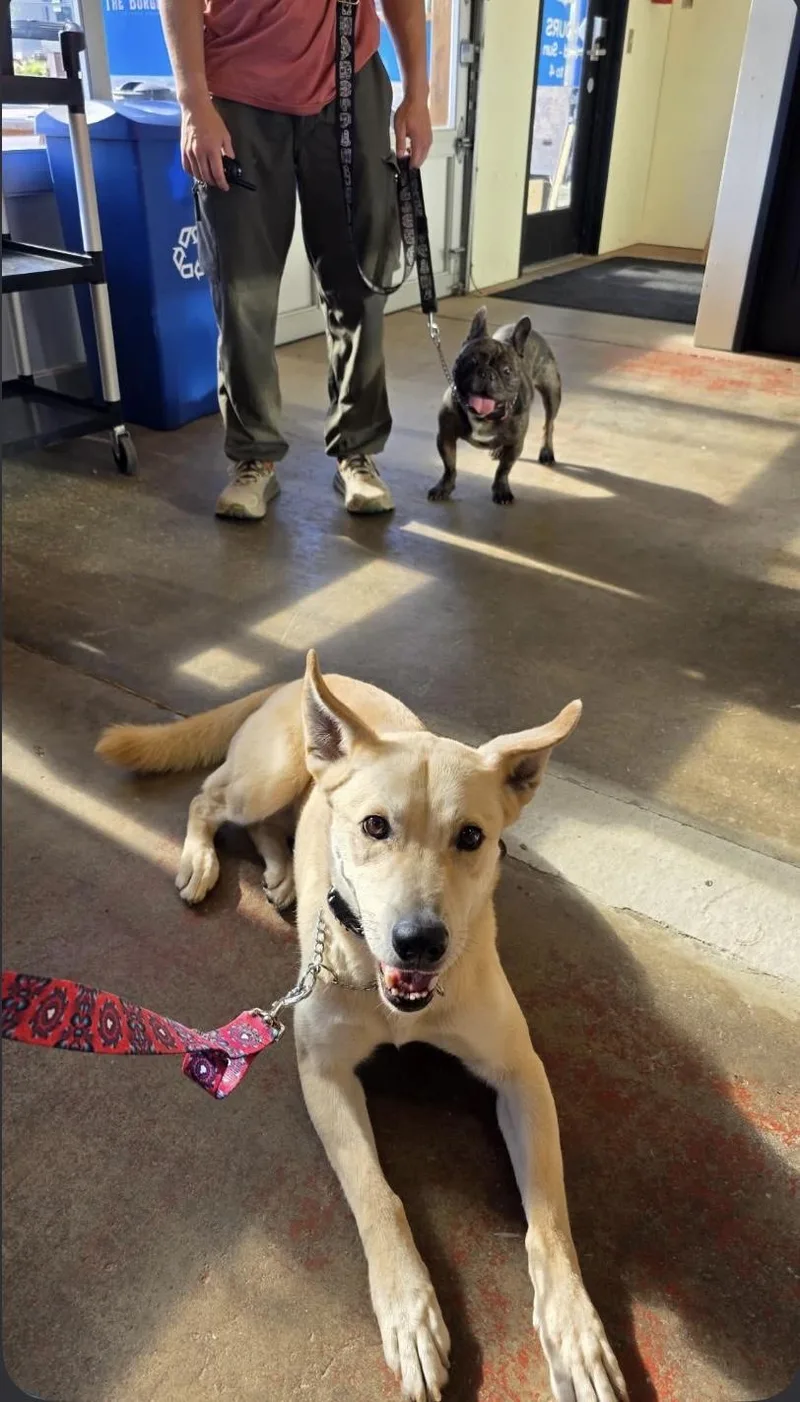
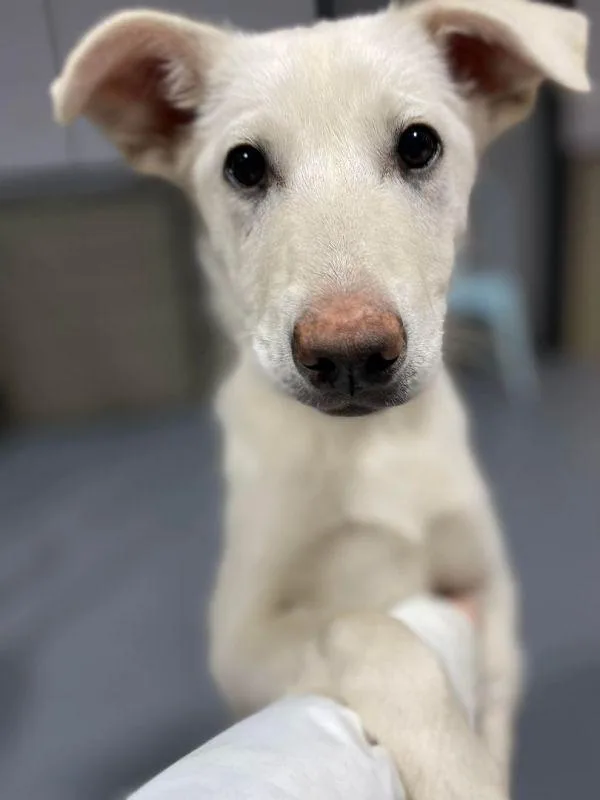
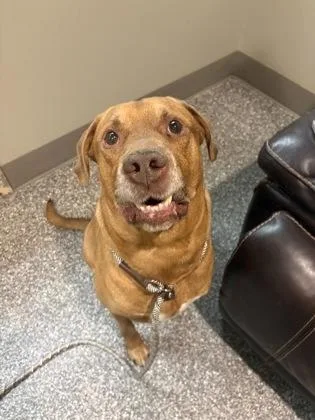
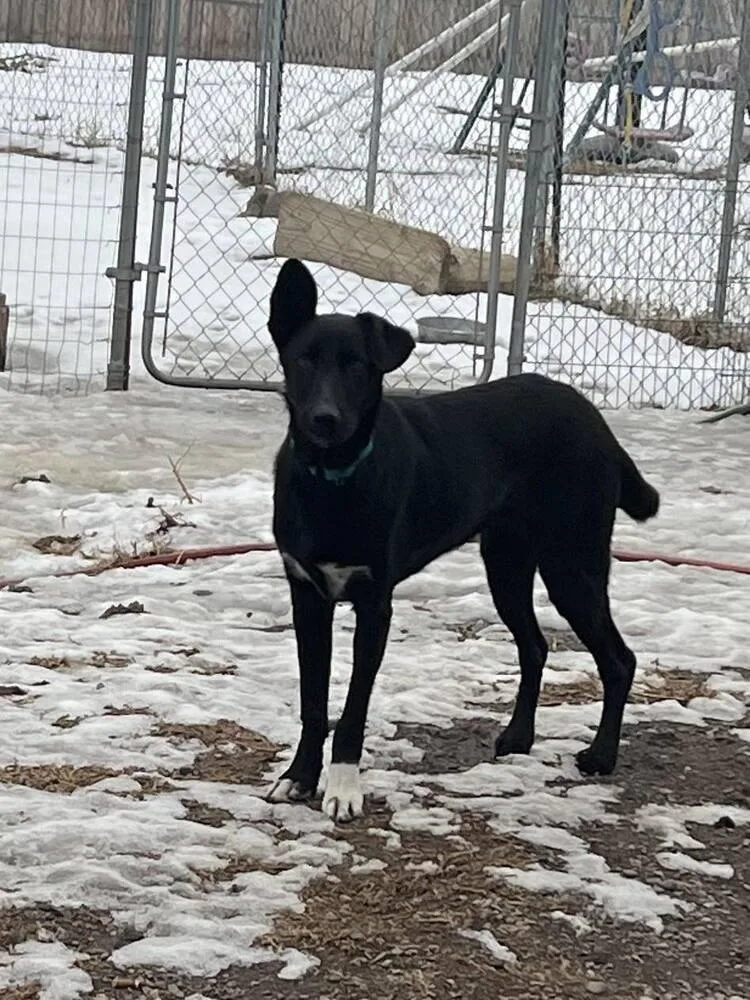
Labrador Retriever Dogs for Adoption in Seattle, WA

Your guide to finding and caring for a Labrador Retriever in Seattle

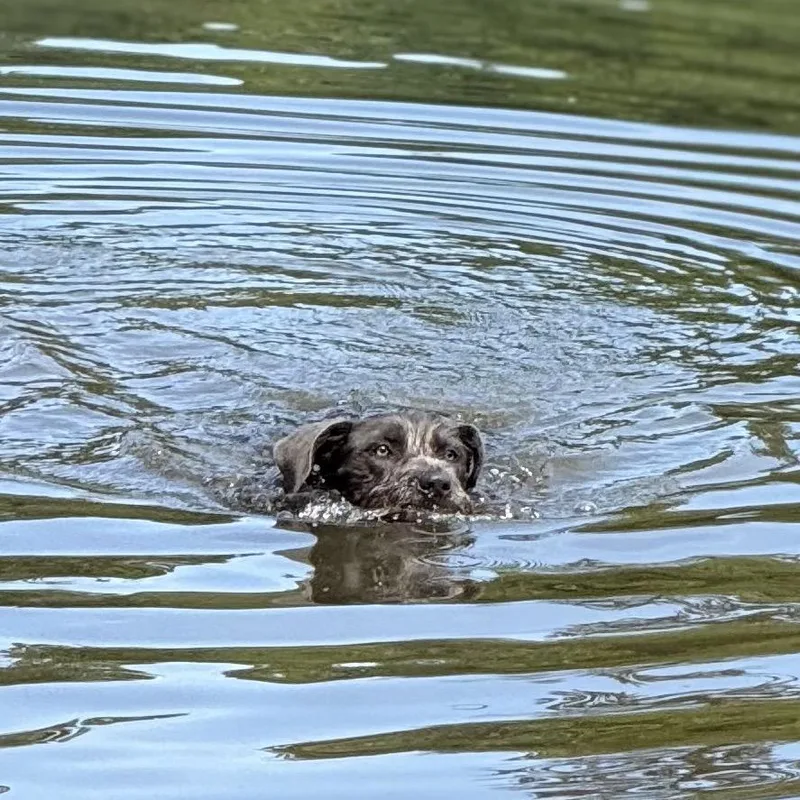
Labrador Retrievers fit Seattle well if you live near water or a big park. Magnuson Park's off-leash area on Lake Washington is the only one in the city with water access, which a swim-loving Lab will appreciate, and the Wedgwood and Ravenna streets nearby make easy daily walks. Labs are friendly and sturdy, so busy sidewalks and rainy routines rarely rattle them. Most need real exercise every day, plus a towel by the door for muddy paws.

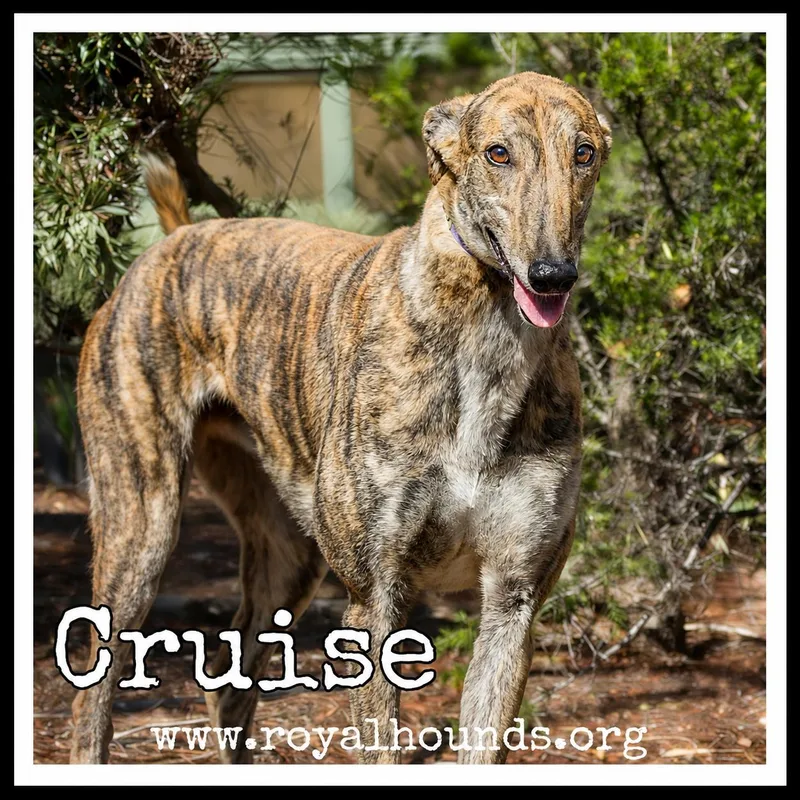
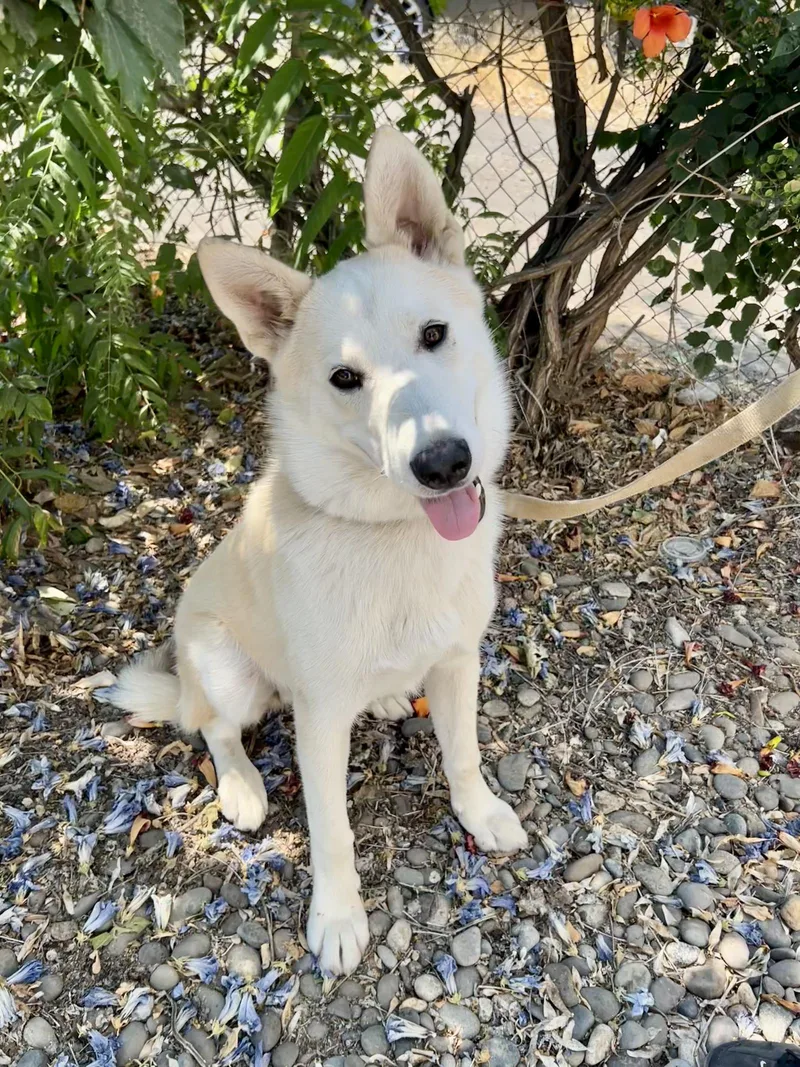
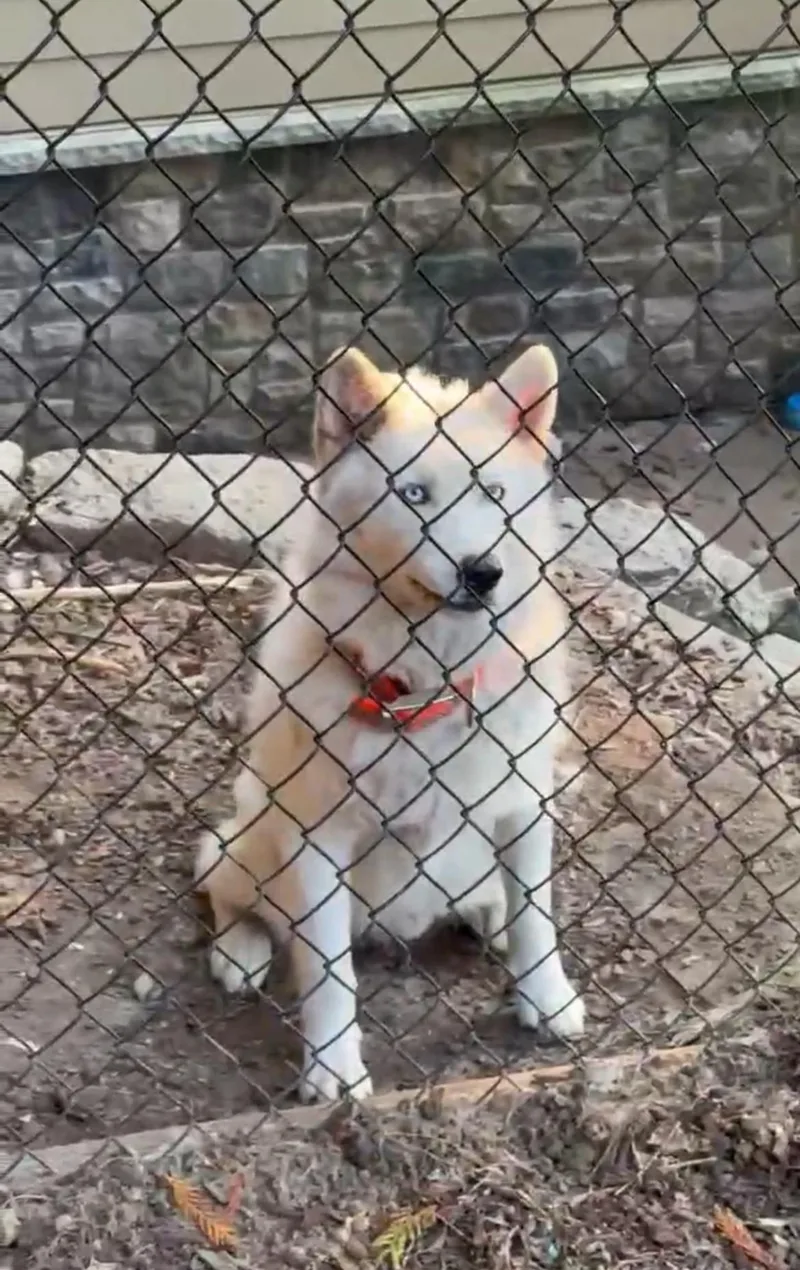
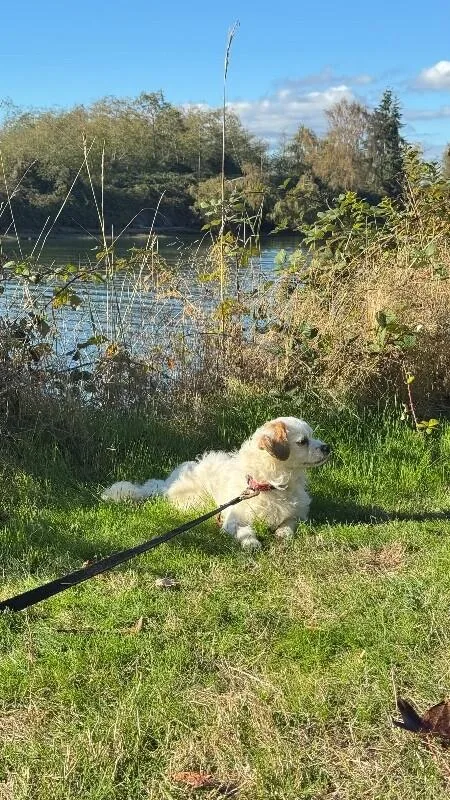
14947 Labrador Retrievers available in Seattle and nationwide

Fall for a Labrador Retriever

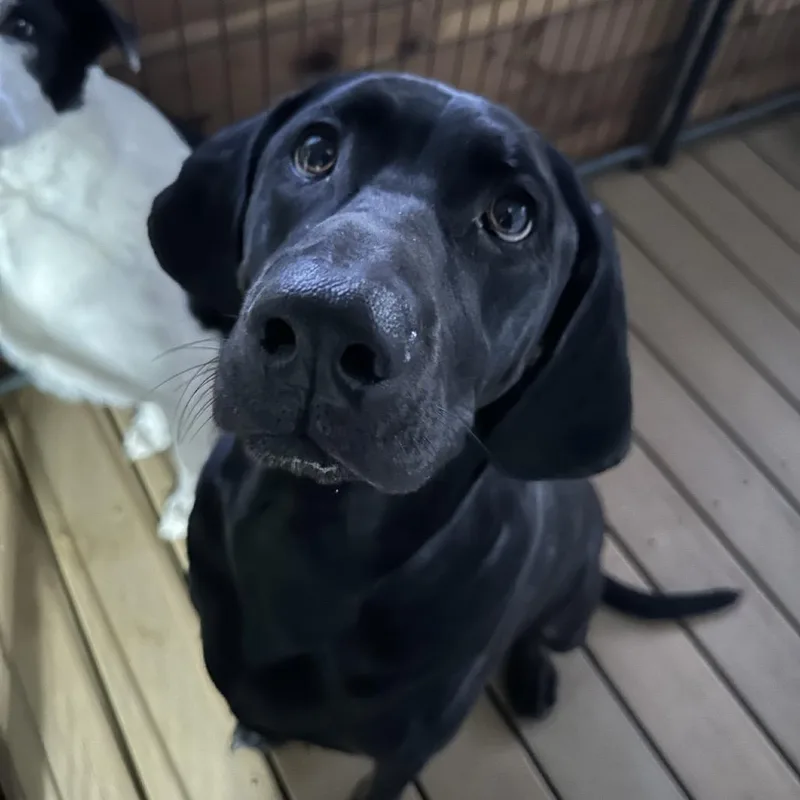
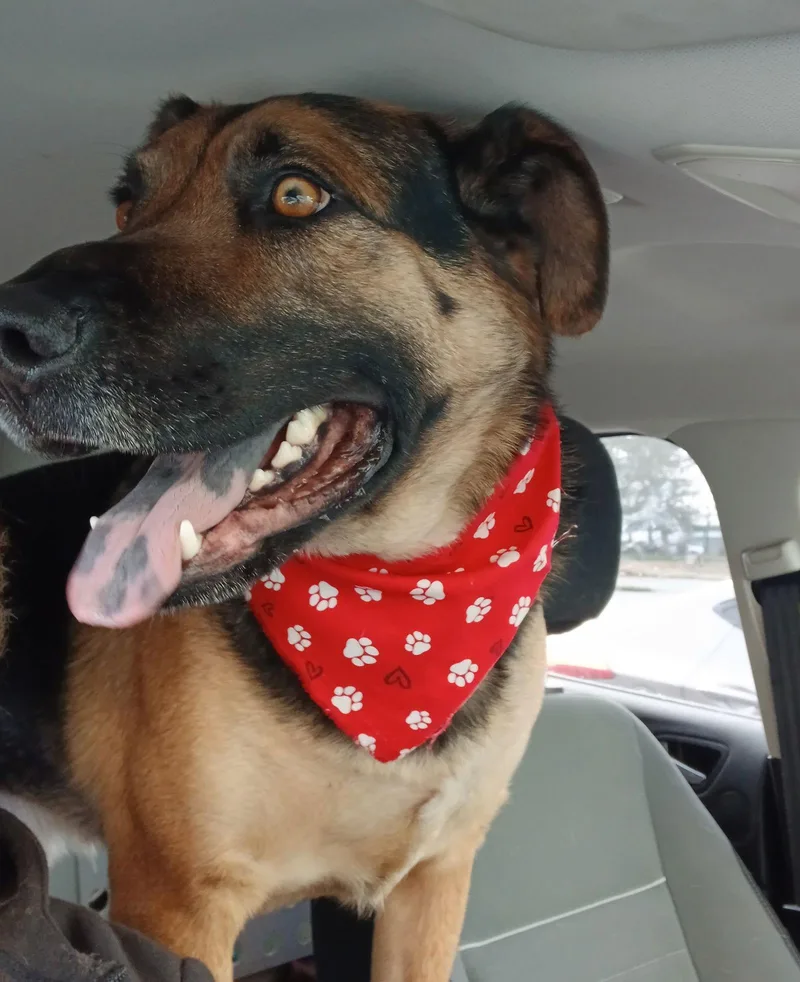
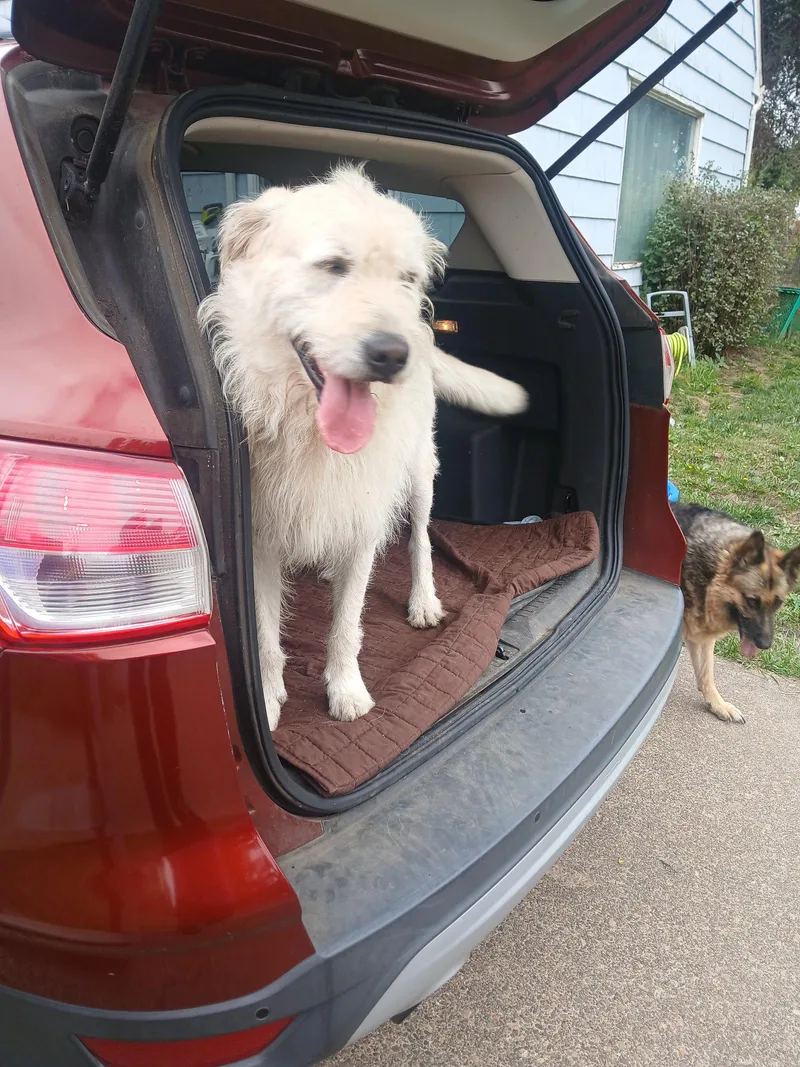
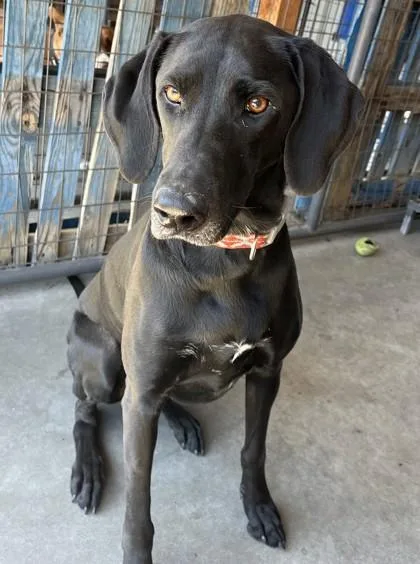
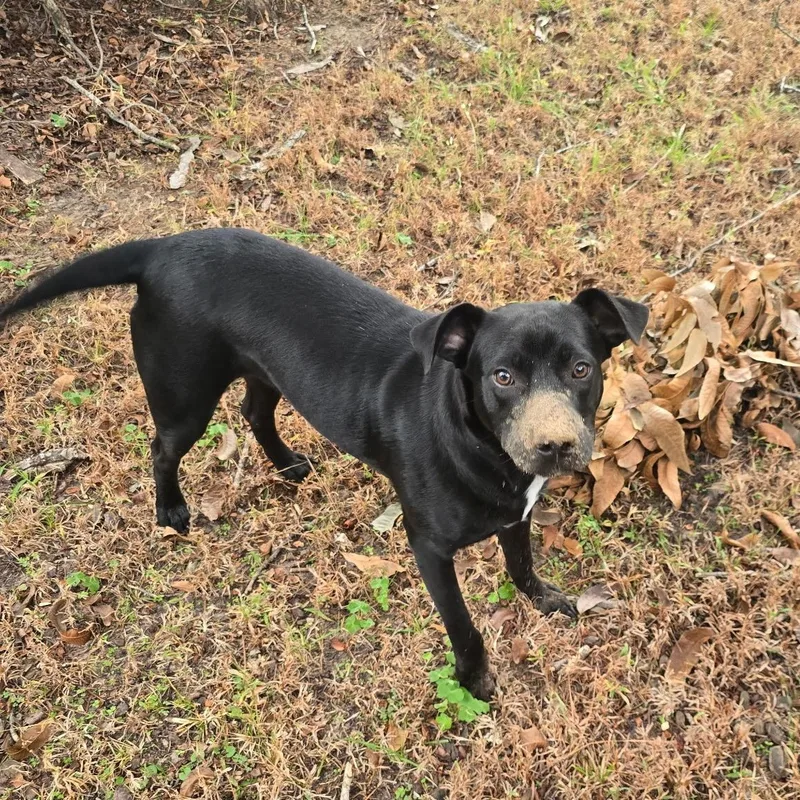
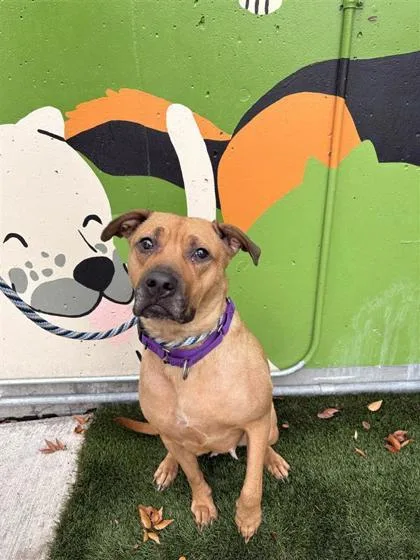
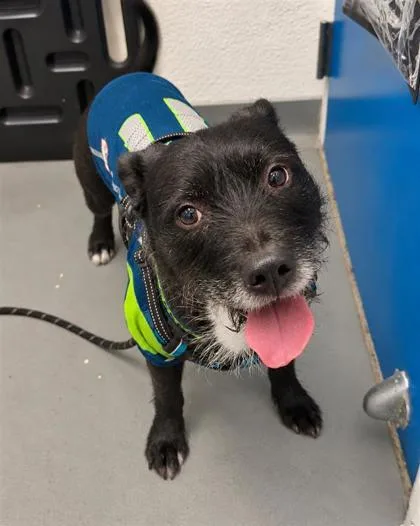
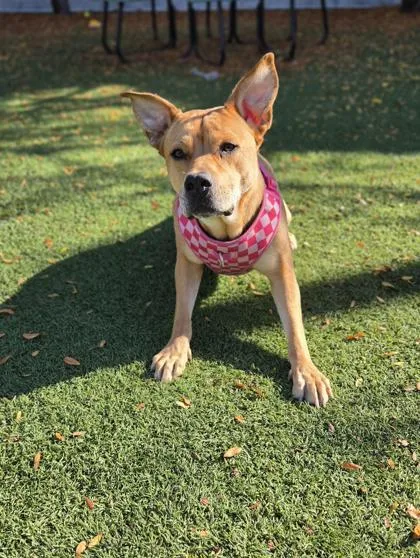
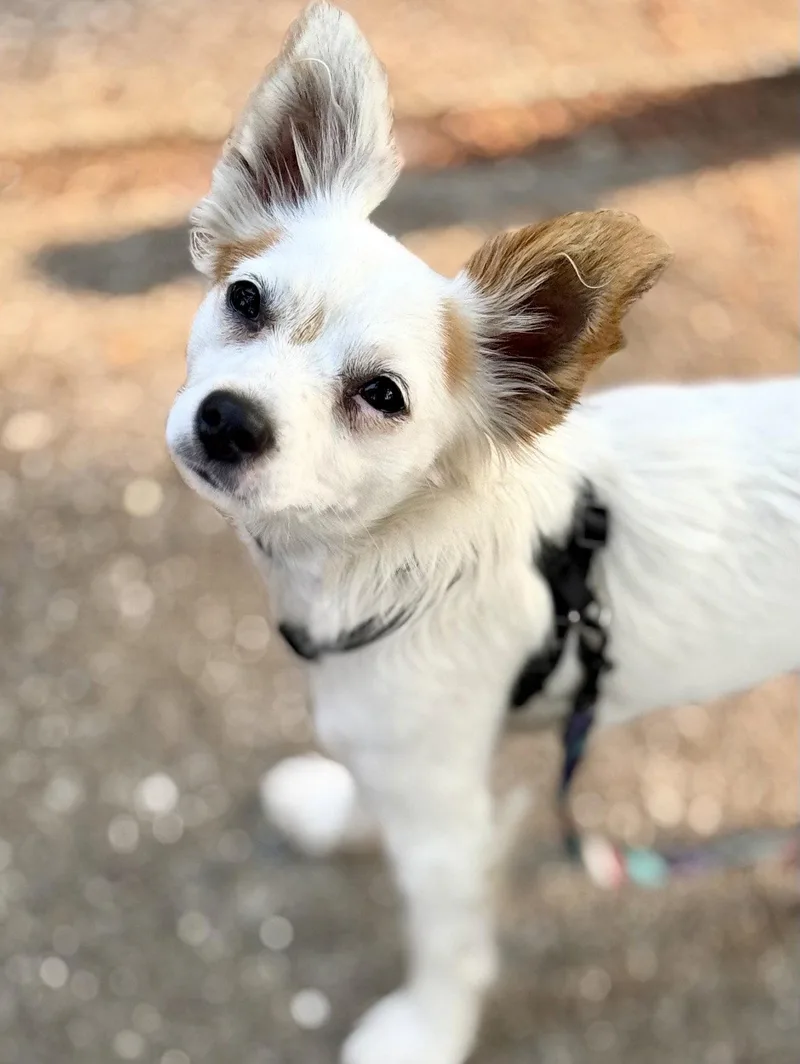
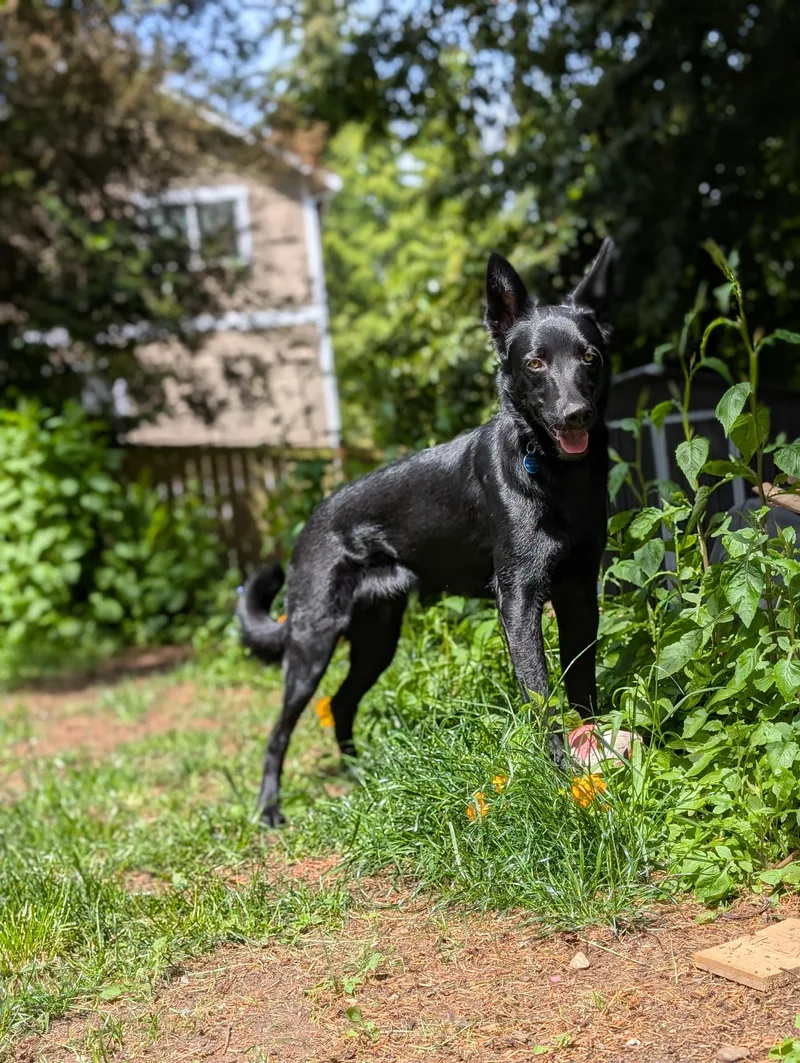
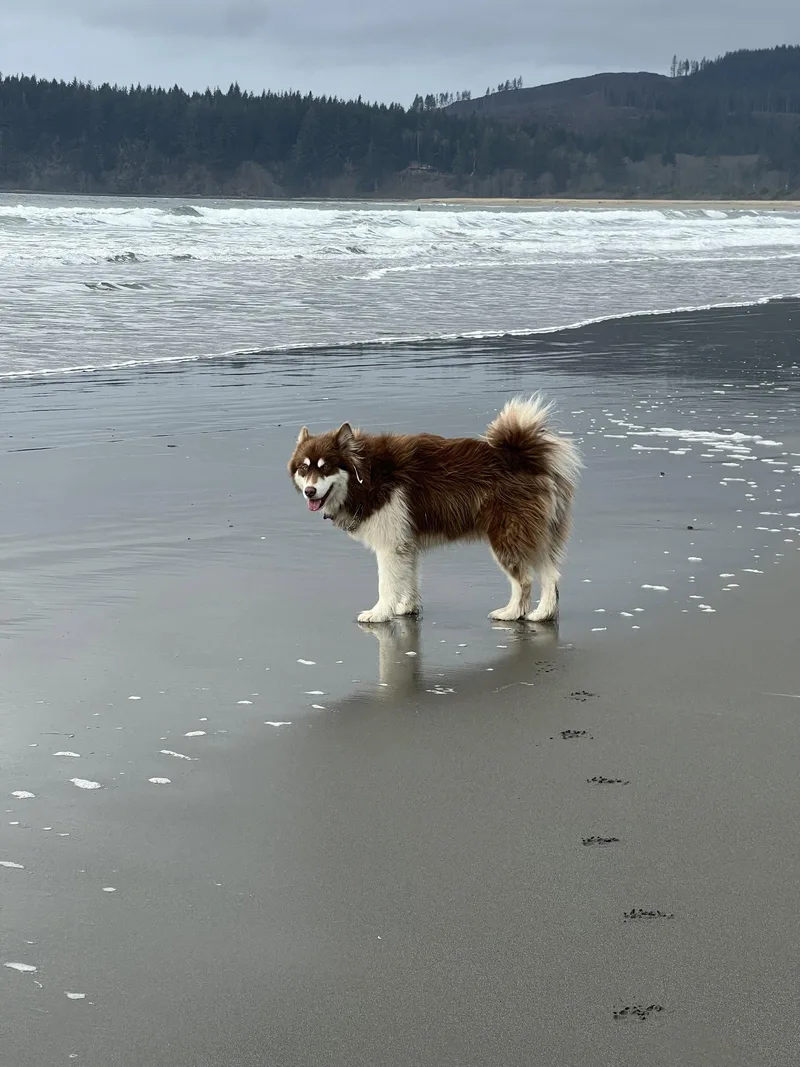
Labrador Retrievers Available for Adoption Near Seattle

About the Labrador Retriever breed

Labrador Retrievers descend from the St. John's water dogs of Newfoundland, which were brought to Britain in the 1800s and developed into gun dogs that retrieve from land and water. That history shows in the dense, water-resistant double coat, thick otter tail and webbed toes. Labs come in black, yellow and chocolate, and most weigh 55 to 80 pounds.

Many Labs are sociable, eager to please and happiest when they have a job, a ball or a person nearby. Their coat handles drizzle well but sheds steadily, with heavier shedding in spring and fall. Adolescence can last until two or three years old. Leaner, higher-drive Labs need more activity than stockier, calmer ones, so each dog differs.

Weight
55–80 lbs
Height
21–25 in
Lifespan
10–14 yrs
Temperament
Friendly, Outgoing, Active
Group
Sporting
Shedding
Moderate to High

Owning a Labrador Retriever in Seattle

Having a Labrador Retriever in Seattle

Labs pair a big appetite and plenty of stamina with an easygoing social streak. In Seattle, that means planning daily exercise around damp weather, keeping weight in check and living with a steady amount of shed hair. A dog's age and background shape how all of that plays out.

Temperament

Most Labs are friendly with neighbors, visitors and other dogs, which helps on busy Seattle trails and in apartment hallways. Young dogs can be mouthy and bouncy, and some struggle with long stretches alone. Treat-based training usually works well. A dog's history and socialization shape behavior as much as breed does.

Exercise Needs

Plan on active time every day: brisk walks, fetch and, where allowed, swimming. Most Seattle parks require a leash, so a lap of Green Lake's 2.8-mile loop or a visit to an off-leash area helps burn energy. On rainy days, scent games and short training sessions keep a Lab busy indoors.

Health Considerations

Labs can develop hip and elbow dysplasia, cruciate ligament injuries, ear infections and skin allergies, and many gain weight easily. Seattle's damp weather can aggravate ear and skin trouble, so dry ears and coat after wet walks. A veterinarian can check joints, weight and ears at a first visit.

Living Space

A Lab can do well in a Seattle apartment or townhome when daily exercise is dependable, though a large dog means stairs, elevators and a wagging tail in tight spaces. A fenced yard helps but isn't required. Hilly areas like Queen Anne add a workout to every walk.

What it costs to own a Labrador Retriever in Seattle

ExpenseTypical costPer year
Adoption fee$450, one time$450 in year one
Food$55 to $110 per month$660 to $1,320
Pet insurance$65 to $130 per month$780 to $1,560
Routine vet care$250 to $500 per year$250 to $500
Other*$620 to $1,495 per year$620 to $1,495
Estimated yearly total (after year one)$2,310 to $4,875
First-year total (with adoption fee)$2,760 to $5,325

Adoption fee is the fee on Labrador Retriever listings in Seattle on GetBuddy today. Other costs are estimates and vary with size, age and health.

* The $45 Seattle license for a spayed or neutered dog, flea, tick and heartworm prevention, a dental cleaning allowance, toys and bedding, and brushing and baths for heavy seasonal shedding.

Adopt a Labrador Retriever in Seattle.

Now that you know more, let’s find you a new best friend. These rescues and shelters below currently have Labrador Retrievers available.

Frequently Asked Questions

Yes, you can get a Labrador Retriever in Seattle. The city has no breed bans, and Washington law limits breed-based rules statewide. Your dog needs a city license and a current rabies vaccination. A typical city lot can have up to three dogs and cats combined, and state law limits tethering, including for dogs under six months.

Yes, a Lab can live in a Seattle apartment if daily exercise is reliable. A 55 to 80 pound dog does best with elevator or ground-floor access and a building that tolerates some noise. Hilly areas like Queen Anne add effort, while Belltown and South Lake Union have small off-leash areas nearby. Long solo days can lead to barking.

Magnuson Park's off-leash area is a top pick because Labs can swim in Lake Washington there. Westcrest Park and Dr. Jose Rizal Park are other roomy off-leash areas, and Woodland Park's sits beside Green Lake's leashed loop. Off-leash areas require a license, vaccinations and no puppies under four months. Dogs must be leashed elsewhere and aren't allowed on beaches.

Yes, most Labs handle Seattle winters well. Their dense, water-resistant double coat copes with cool, damp weather, and freezing days are rare. The main chores are drying paws, ears and belly after walks and planning indoor play for the occasional snow or ice day, when hilly streets get slick. Keep antifreeze and ice-melt away from curious Labs.

Yes, on some systems. King County Metro buses allow dogs, with small dogs riding free on a lap and larger dogs like most Labs riding on the floor with a paid fare, at the driver's discretion. Keep your Lab leashed and off seats. Sound Transit is piloting leashed dogs on Link light rail through spring 2027.

Sometimes, on patios. Washington rules generally keep pet dogs out of restaurant dining rooms, but a restaurant with a health-department-approved plan can let dogs join you outdoors. Keep your Lab leashed, off chairs and tables, and out of indoor areas. Policies differ by restaurant, so don't assume access, and bring a mat for a big dog.

A Lab needs regular brushing rather than haircuts, since its short double coat sheds year-round and heavily in spring and fall. Brush a few times a week, more during coat blows. Seattle's rain means drying paws, ears and belly after walks and occasional baths after muddy trails. Budget about $100 to $300 a year for baths and brushing, part of the yearly Other costs above.

Most Labrador Retrievers live about 10 to 14 years. A large UK veterinary study found a median lifespan of 12 years, with chocolate Labs living about a year and a half less on average than black or yellow ones. Healthy weight, regular veterinary care and good dental and joint care all help, but no lifespan is guaranteed.

We have 4 rescues with Labrador Retrievers available, including Saving Great Animals WA, Seattle Animal Shelter and Forgotten Dogs Rescue. You can see every rescue with Labrador Retrievers available in the list above these questions, or scroll to the top to see the Labrador Retrievers near Seattle.

Expect roughly $2,300 to $4,900 a year for a Lab in Seattle. Food runs $55 to $110 a month and insurance $65 to $130, while routine vet care is $250 to $500 a year. Other costs, including the license, parasite prevention, dental care and grooming, add $620 to $1,495 a year. Adoption fees are separate.