Basenji Dogs for Adoption in Seattle, WA

Your guide to finding and caring for a Basenji in Seattle

Basenjis suit Seattle apartment life better than most hounds, since they yodel instead of bark. In a Wallingford condo or a Belltown tower, that keeps the neighbors happy. The catch is the drizzle, because many Basenjis hate wet paws, so a rain jacket and a towel by the door matter. They still need a real run every day, and with a chase instinct that means a leash or a securely fenced space, never open ground.

155 Basenjis available in Seattle and nationwide

Fall for a Basenji

While we don't have enough dogs near Seattle, keep in mind that many rescues may offer transport.

Basenjis Available for Adoption Near Seattle

About the Basenji breed

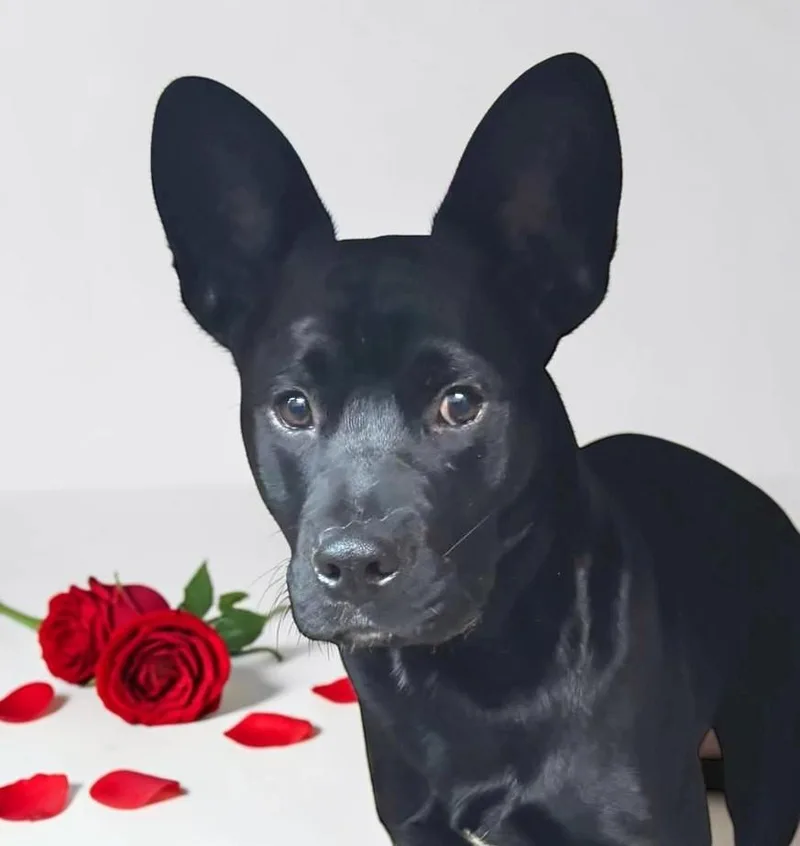
The Basenji is a small hunting dog from Central Africa, where village hunters used its speed and sharp nose to flush small game into nets. Genetic studies place it among the oldest dog lineages. Standing 15 to 18 inches and weighing 20 to 26 pounds, it has a wrinkled brow, upright ears and a tightly curled tail.

A Basenji tends to be affectionate at home and reserved with strangers, and it grooms itself much like a cat. It also thinks for itself, climbs, chews and slips through gaps. In Seattle, where many adopters live in apartments and condos, that means dog-proofing the home and keeping a firm hold on the leash along city sidewalks and park paths. Dogs vary, so a Basenji's own personality and history matter as much as the breed description.

Weight
20–26 lbs
Height
15–18 in
Lifespan
12–15 yrs
Temperament
Independent, Intelligent, Alert, Affectionate
Group
Hound
Shedding
Low

Owning a Basenji in Seattle

Having a Basenji in Seattle

Basenjis pair a quiet voice with a hunter's drive and a cat's independence. In Seattle, the practical questions are how you'll exercise a fast dog safely, how you'll handle wet weather, and whether your home can be made escape-proof.

Temperament

Many Basenjis are affectionate with their household, alert, and reserved with strangers, which can suit a quiet city apartment. They think for themselves, so training takes patience and rewards. A strong prey drive means squirrels and small pets can trigger a chase on busy Seattle streets. Each dog differs, and some prefer being the only dog.

Exercise Needs

Plan on a vigorous daily outing plus puzzle toys and training games. Seattle's 16 off-leash areas offer room to run, but a Basenji can climb or squeeze out, so check the fencing and stay close. Everywhere else in city parks a leash is required, and the Green Lake loop caps it at 5 feet.

Health Considerations

Basenjis can inherit Fanconi syndrome, a kidney disorder, plus progressive retinal atrophy, pyruvate kinase deficiency and hypothyroidism. DNA tests exist for some of these, and a veterinarian can advise on urine screening and regular checkups. Rainy Seattle days add one routine: dry the paws and belly after walks to keep skin comfortable.

Living Space

A Basenji can do well in the apartments and condos common across Seattle, since it rarely barks, though it can yodel and howl. Security matters more than square footage: it climbs, chews and slips through gaps, so doors and balcony railings need care. Offer a warm bed or blanket nest, because many dislike cold.

What it costs to own a Basenji in Seattle

ExpenseTypical costPer year
Food$20 to $45 per month$240 to $540
Pet insurance$40 to $85 per month$480 to $1,020
Routine vet care$200 to $400 per year$200 to $400
Other*$420 to $1,095 per year$420 to $1,095
Estimated yearly total (after year one)$1,340 to $3,055

Other costs are estimates and vary with size, age and health.

* The $45 Seattle dog license for a spayed or neutered dog, flea, tick and heartworm prevention, a dental cleaning allowance, durable chew toys and bedding, and minimal grooming.

Adopt a Basenji in Seattle.

Now that you know more, let’s find you a new best friend. These rescues and shelters below have dogs available in and near Seattle.

Frequently Asked Questions

Yes, you can own a Basenji in Seattle. The city has no breed bans, and Washington law limits breed-based rules statewide. You'll need a city dog license, a rabies vaccination, and a leash whenever you're off your property. Households are also limited to three dogs and cats combined on a typical lot, so consider how that fits your home.

Magnuson Park's 8.6-acre off-leash area has Lake Washington access, and Blue Dog Pond is fully fenced, which suits a Basenji better than open ground. For leashed outings, try the 2.8-mile Green Lake loop or Discovery Park's trails. Dogs aren't allowed on beaches or in play areas. Check any fence for gaps first, since Basenjis climb and squeeze through.

Yes, with some preparation. Seattle winters run roughly 38 to 48°F and rarely freeze, but a lean, short-coated Basenji often dislikes cold rain. Use a dry coat, towel off paws and belly after walks, and wipe ice-melt off feet. Snow is occasional, though a few inches can make hilly streets hard to walk, so keep indoor games ready.

Yes, many Basenjis do well in Seattle apartments because they rarely bark, though yodeling and howling can still carry through walls. Ask about pet rent and any pet limits before you apply. Plan daily exercise outside the home, since a bored Basenji chews and climbs, and choose a unit with solid doors and secure balconies.

Yes, on some services. Metro buses allow dogs: small dogs ride free on your lap, while larger dogs ride on the floor with a paid fare, at the driver's discretion. Sound Transit is piloting leashed dogs on Link light rail through spring 2027; otherwise dogs need a small carrier. Practice calm rides before relying on transit.

Sometimes, on patios. Dogs can join you outdoors at Seattle restaurants that have a health-department-approved plan, while indoor dining rooms generally don't allow pet dogs. Confirm the policy before you go. Keep your Basenji leashed, off chairs and settled, because its chase instinct can kick in when squirrels or other dogs pass by.

Very little. A Basenji's short coat sheds lightly and the dog cleans itself much like a cat, so a weekly rubdown with a soft brush or grooming mitt is usually enough. In Seattle's wet climate, the real work is drying paws and belly after walks. Occasional baths and nail trims fall within the Other costs on this page.

A Basenji is a small, ancient hunting dog from Central Africa, famous for not barking. It belongs to the AKC Hound Group and was recognized in 1943. Basenjis are lean and elegant, with a wrinkled forehead, upright ears and a tightly curled tail. They tend to be clever, independent, clean and energetic, with a strong instinct to chase.

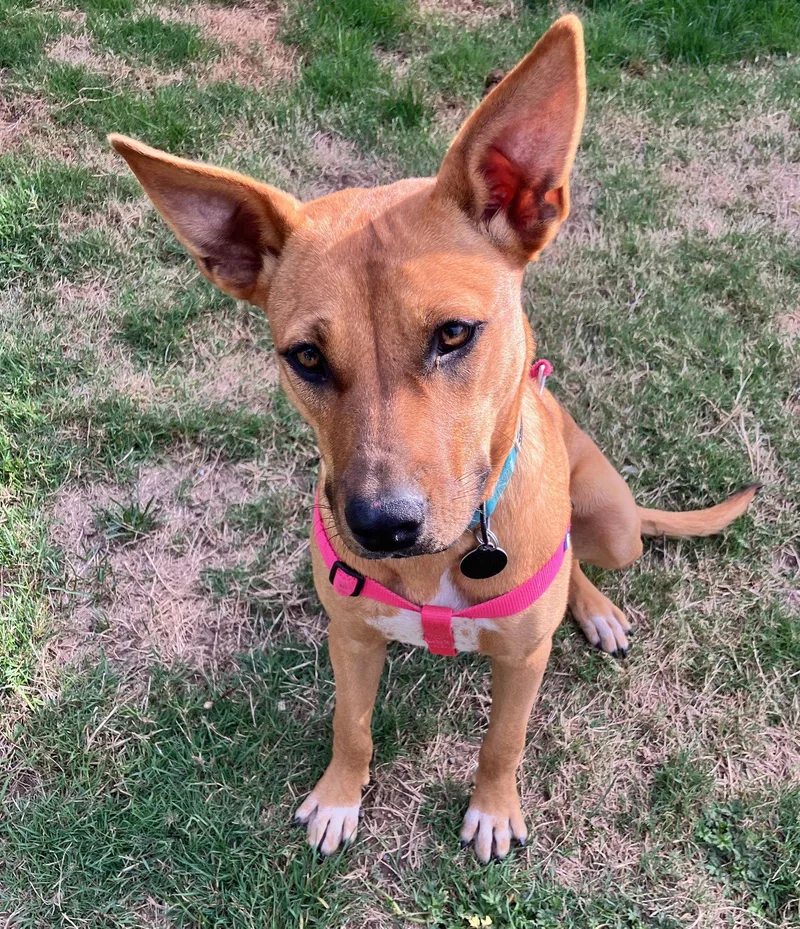
A Basenji looks like a small, athletic dog with a short, fine coat, upright pointed ears, a wrinkled forehead and a tail curled tightly over its back. Common colors are chestnut red, black, tricolor and brindle, always with white feet, chest and tail tip. It moves with a quick, springy trot often compared to a trotting racehorse.

Most Basenji owners in Seattle can expect roughly $1,340 to $3,055 a year. That covers food at $20 to $45 a month, insurance at $40 to $85 a month, routine vet care at $200 to $400 a year, and other costs at $420 to $1,095 a year, including the $45 city license.

Find Basenjis in Nearby Cities

Expand your search to find Basenjis available for adoption near Seattle.