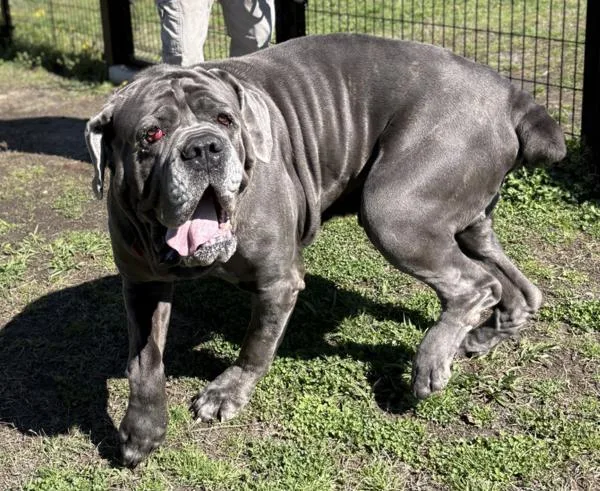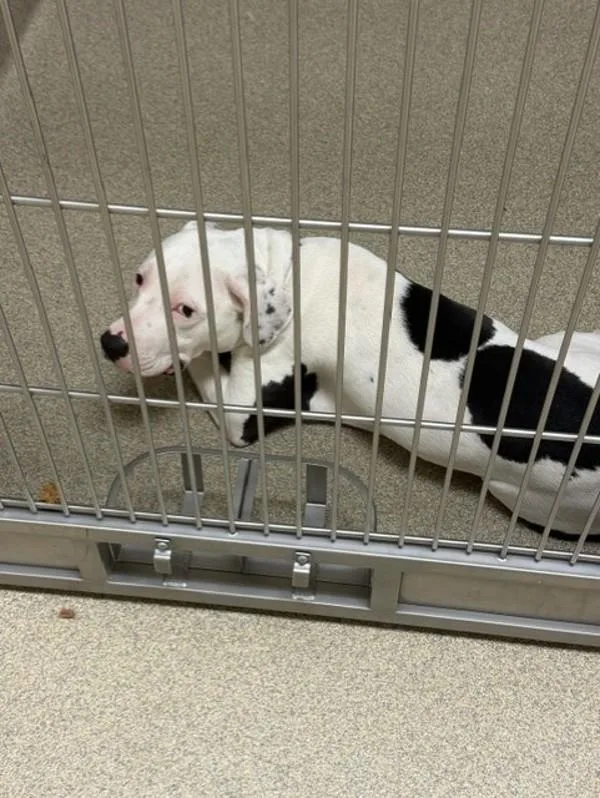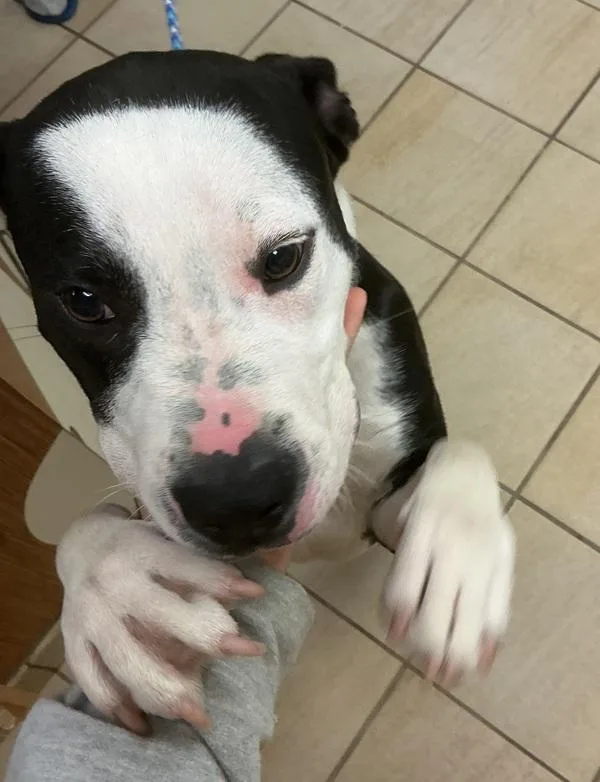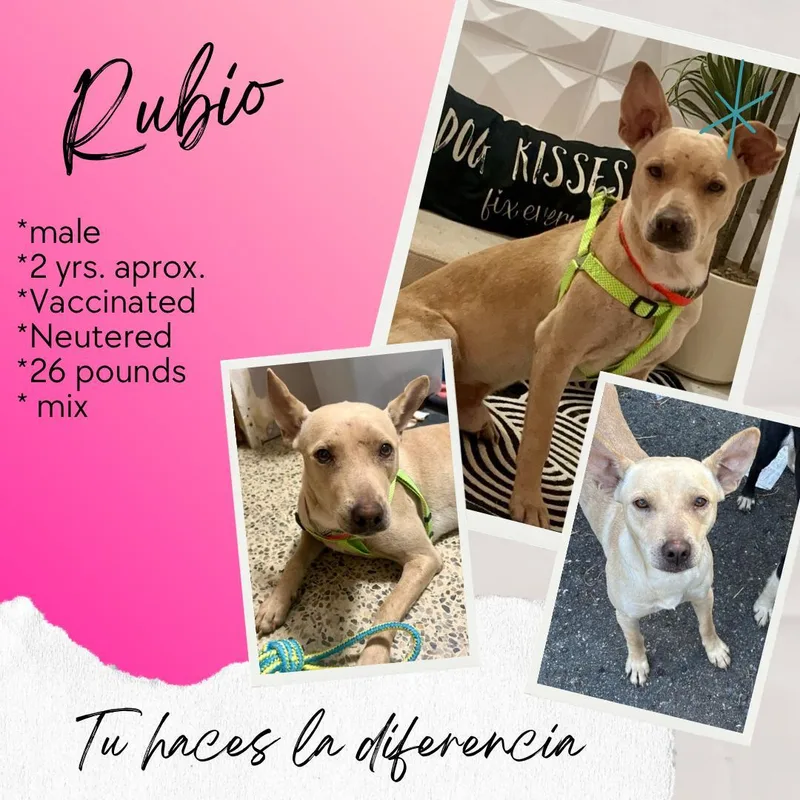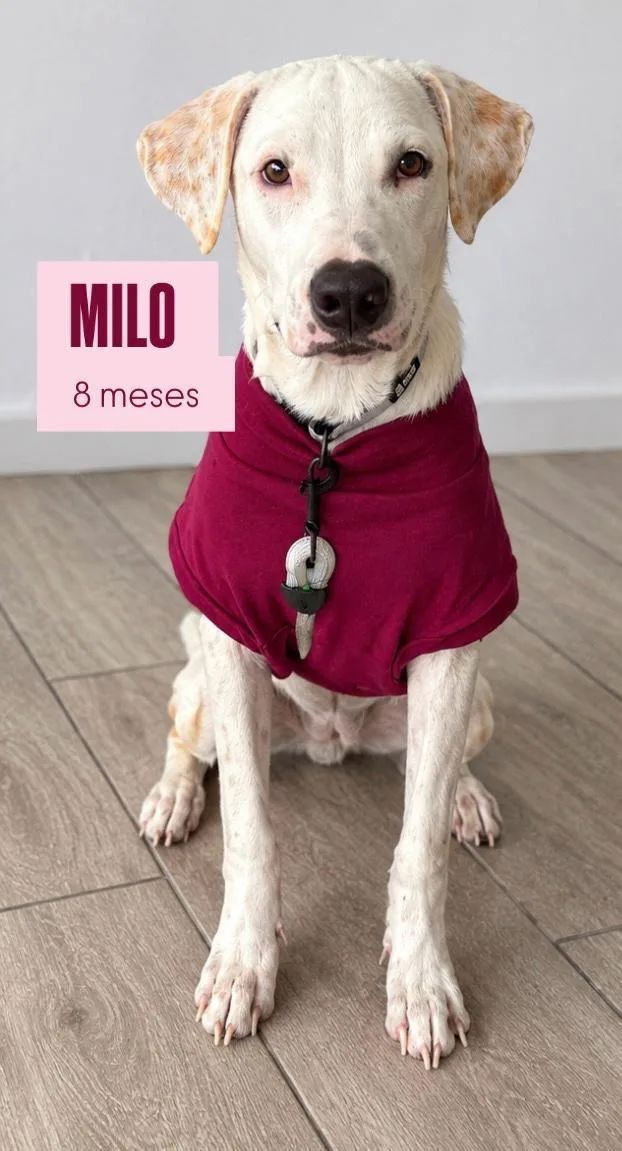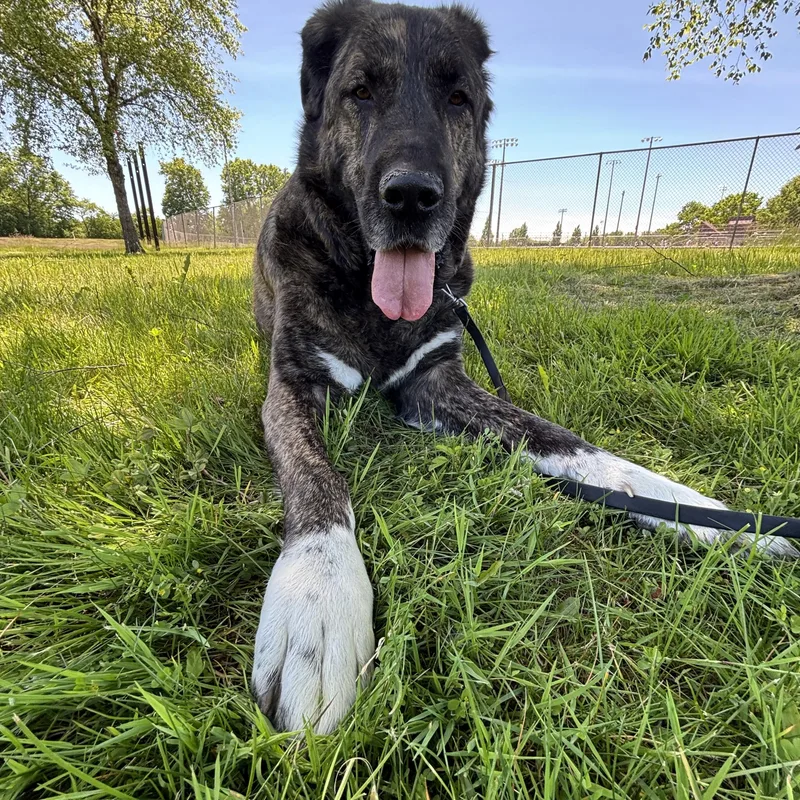
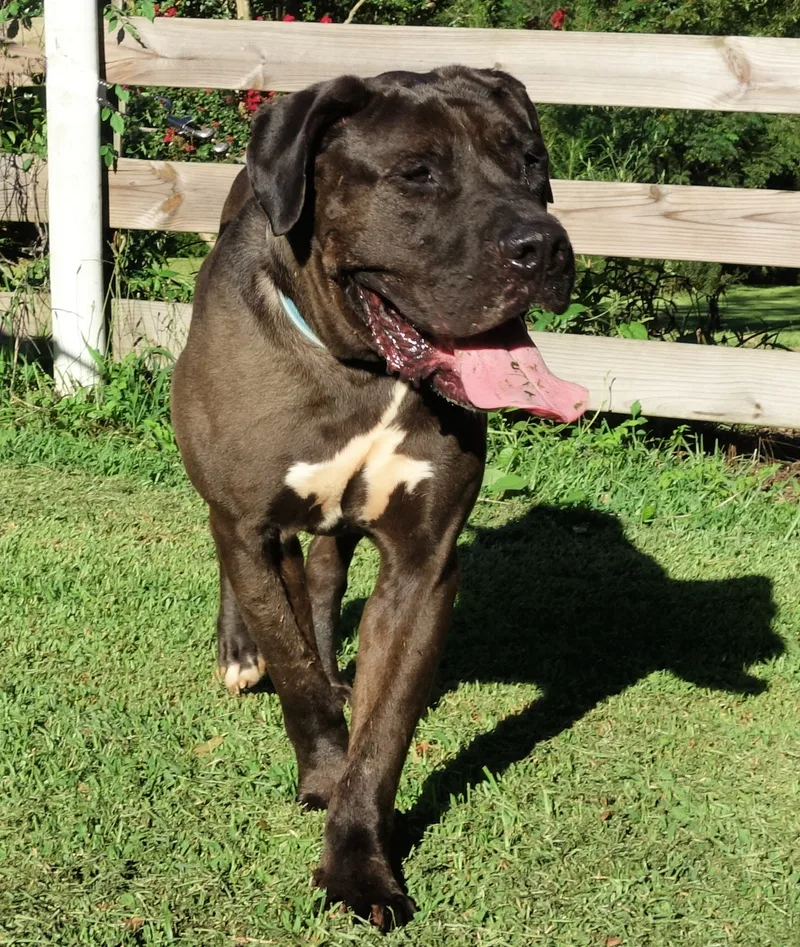
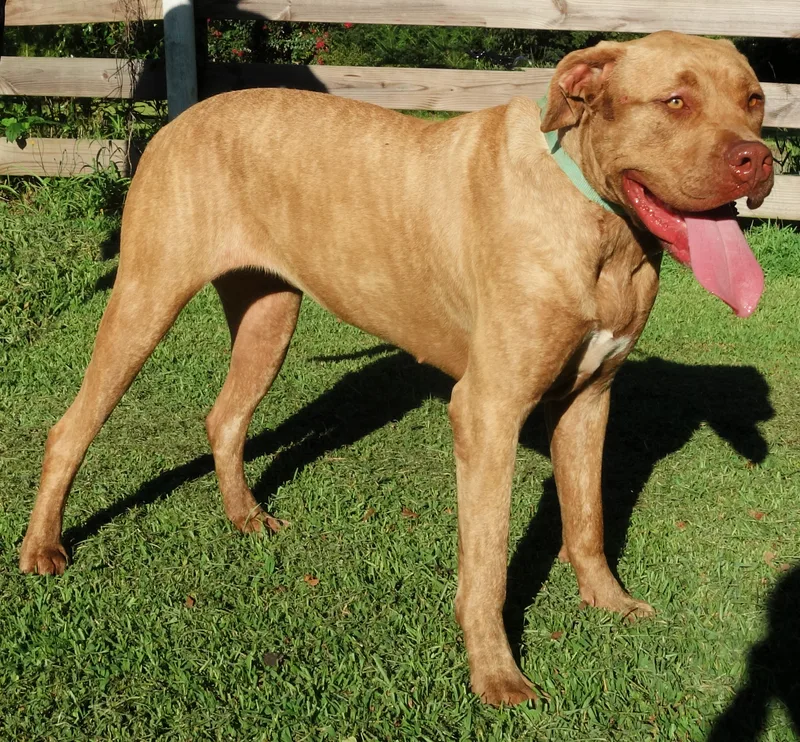
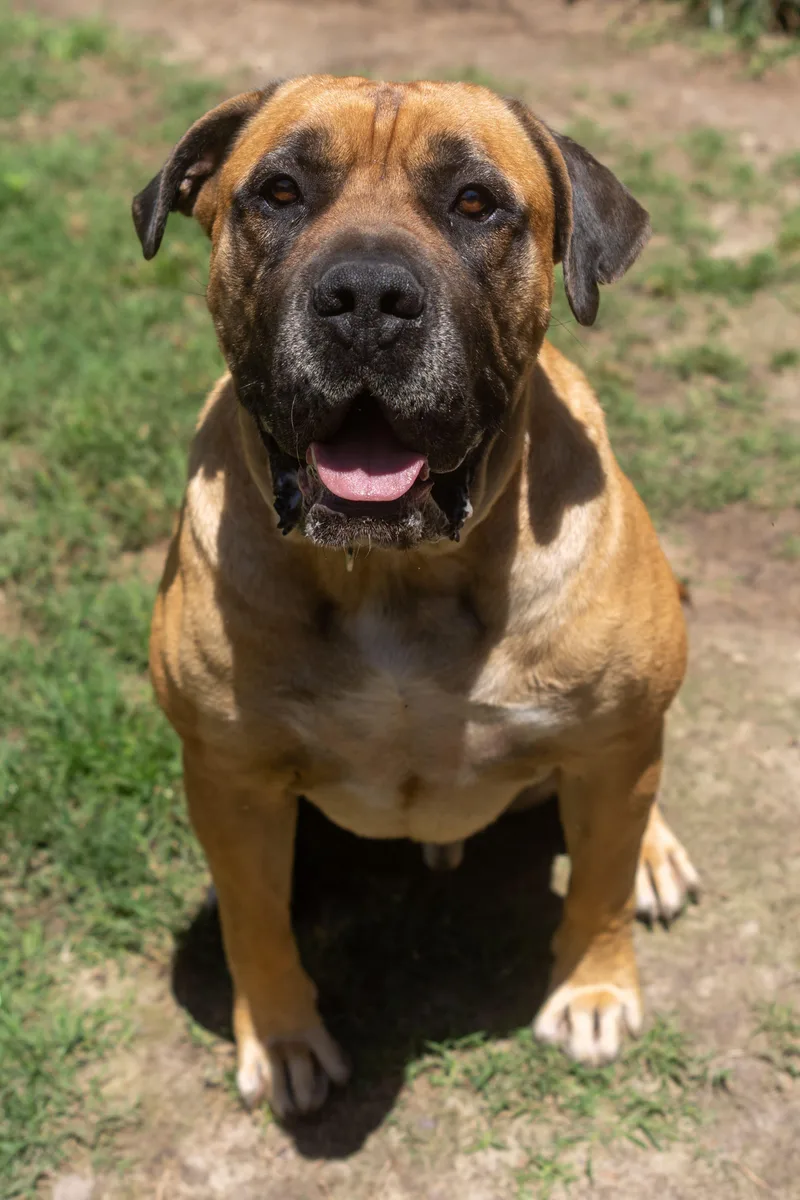
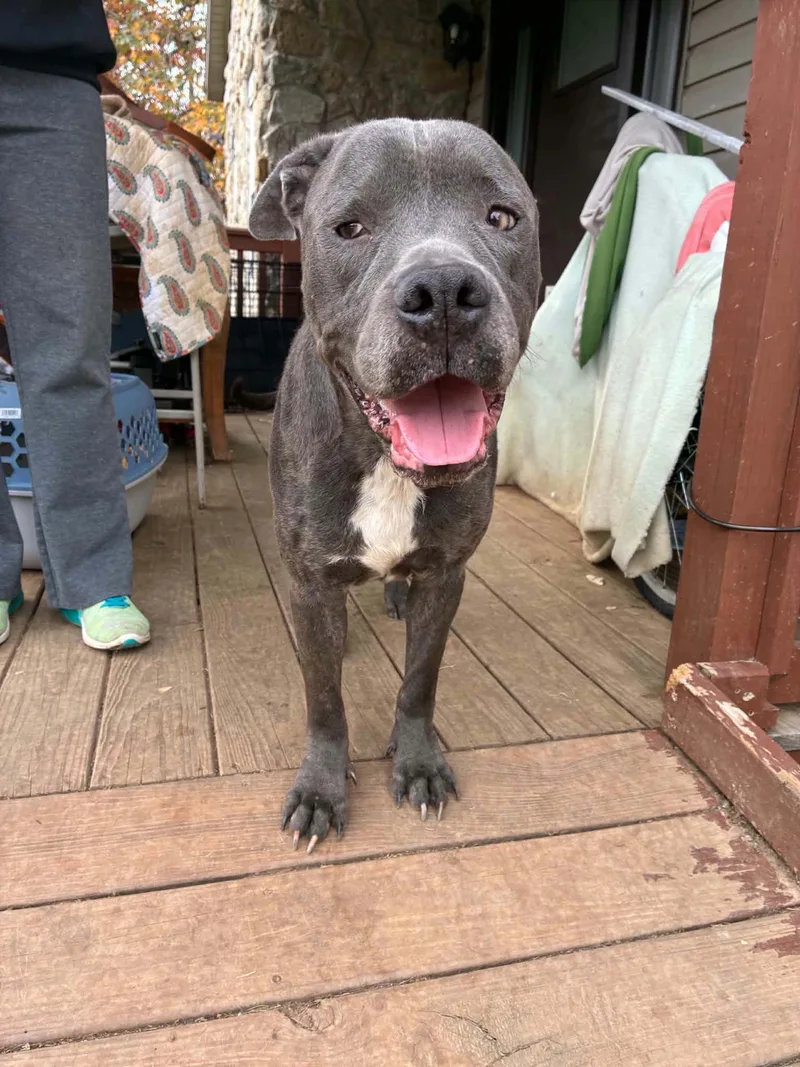
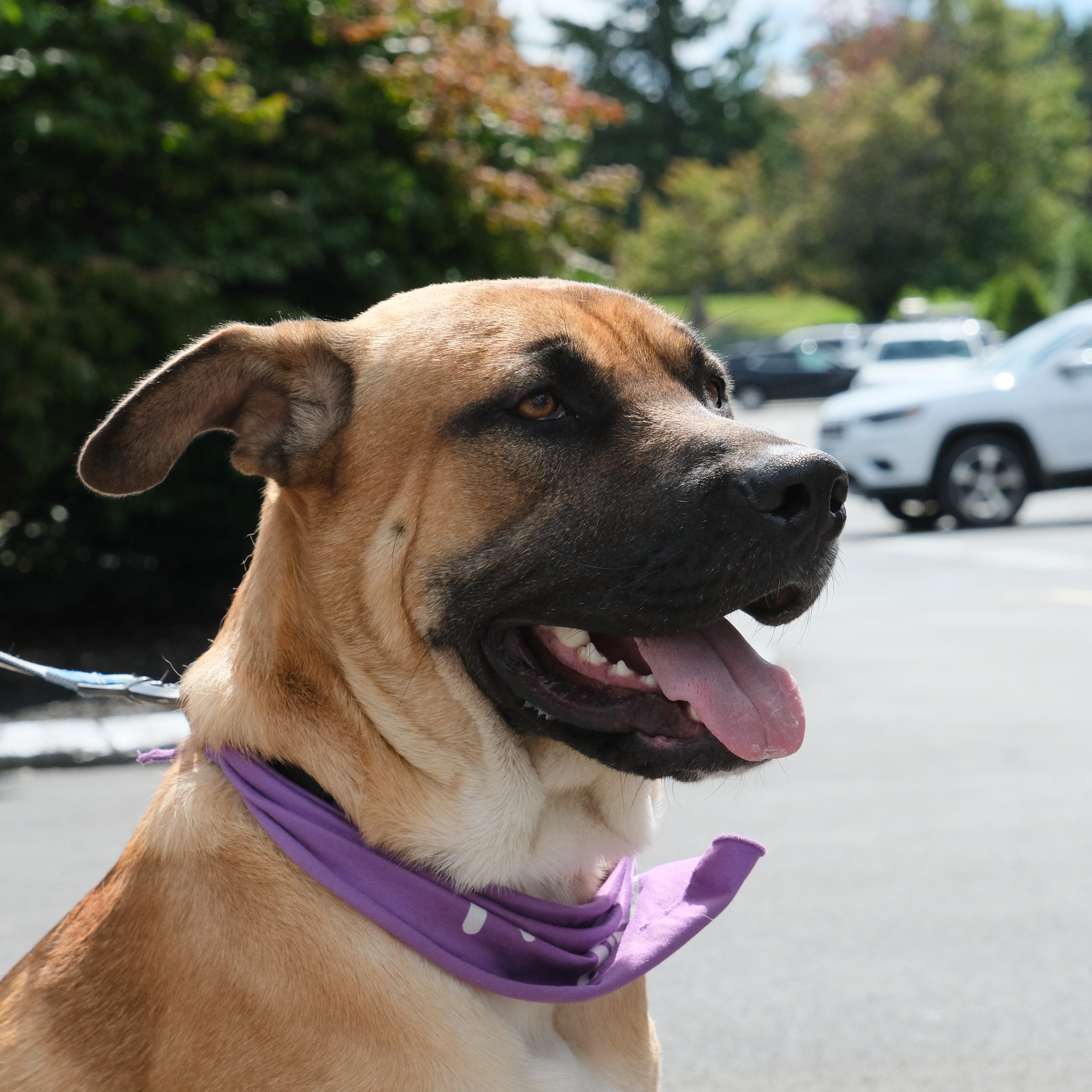
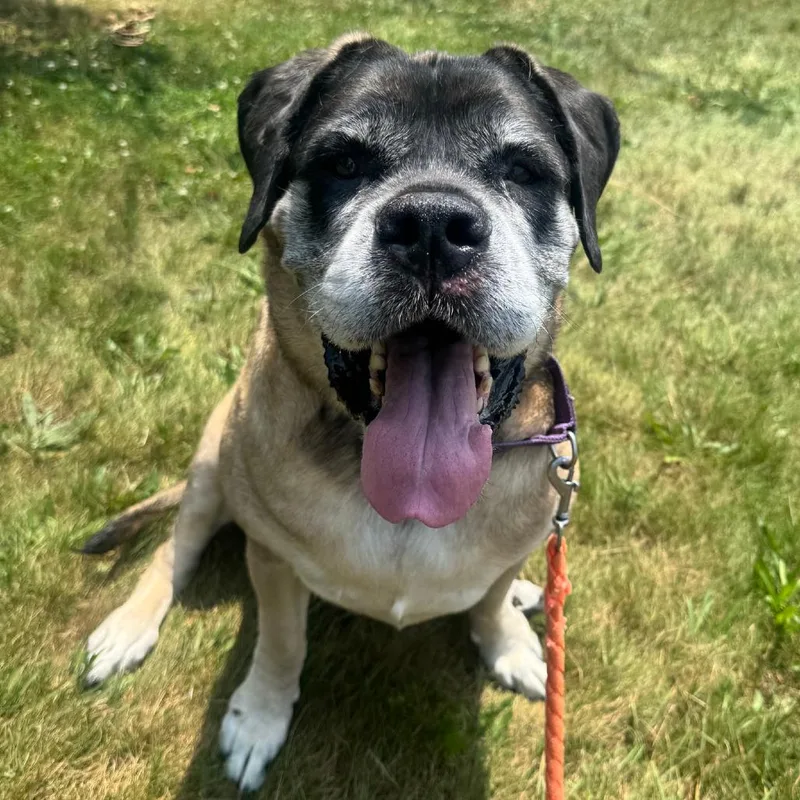
Mastiff Dogs for Adoption in Virginia Beach, VA

Your guide to finding and caring for a Mastiff in Virginia Beach

A Mastiff fits Virginia Beach best in a house with room to sprawl, like the single-family streets of Green Run or Kempsville. These are calm, slow-moving dogs, so a daily stroll along Green Run's green belt or around Mount Trashmore's paths is usually plenty. What they need is space, shade and a cool floor, because a 150-pound dog feels July humidity more than most. If you're thinking of adopting one here, plan for a big car and a lot of drool towels.

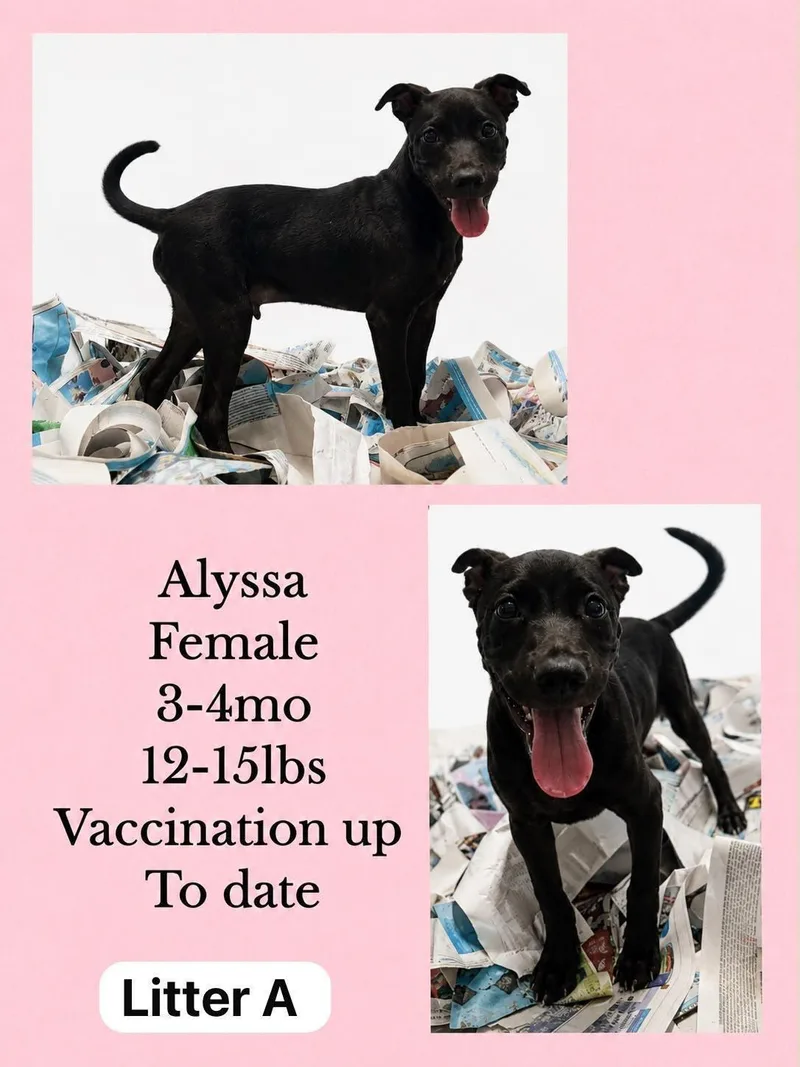
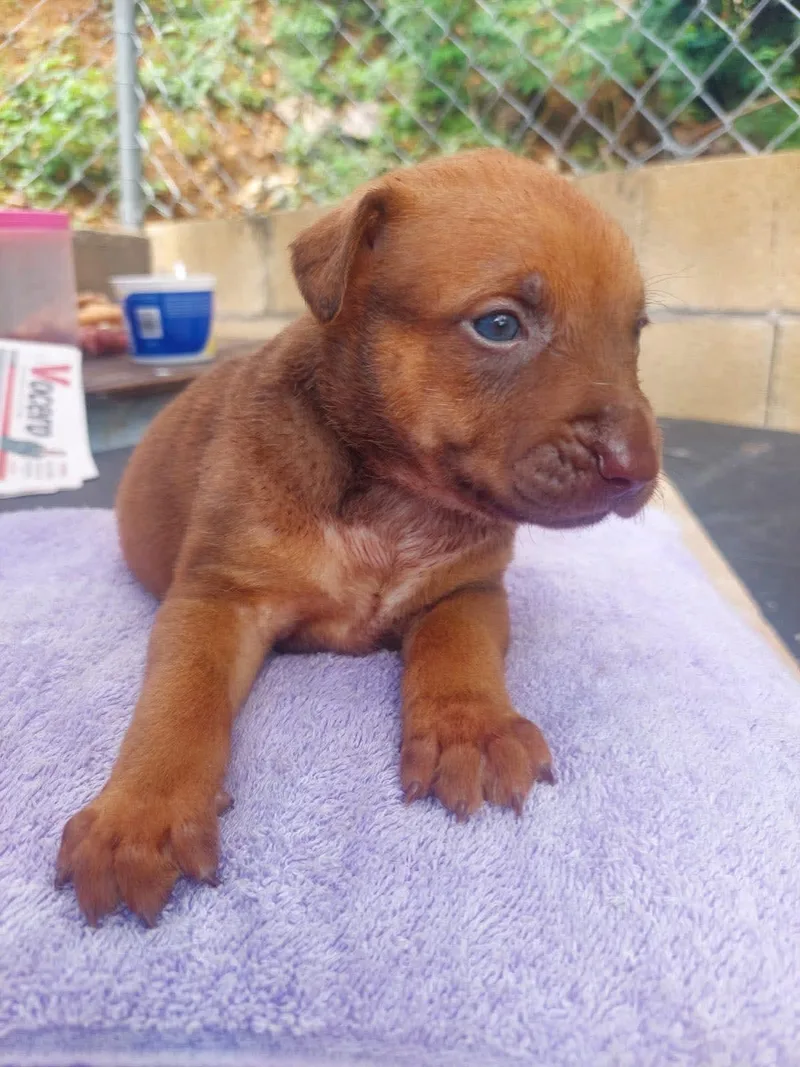
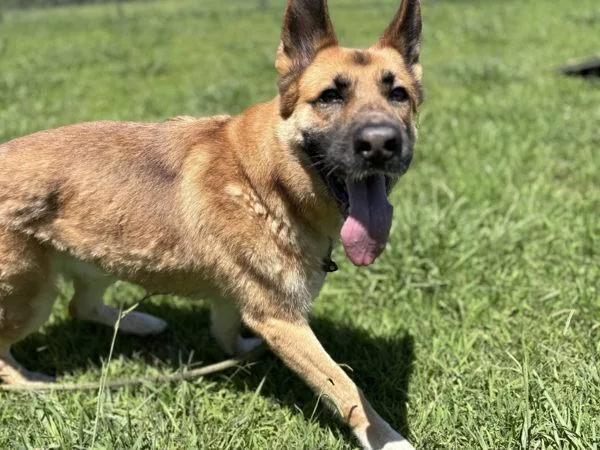
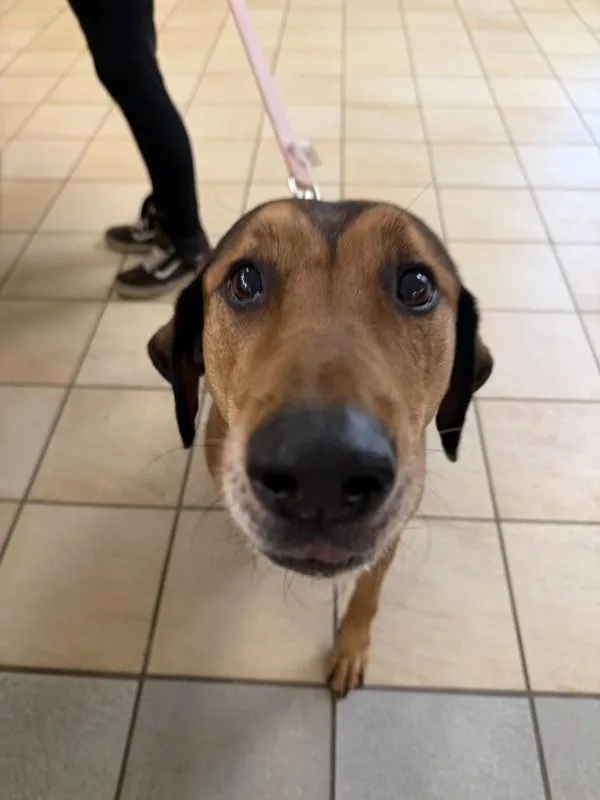
981 Mastiffs available in Virginia Beach and nationwide

Give a Mastiff a home

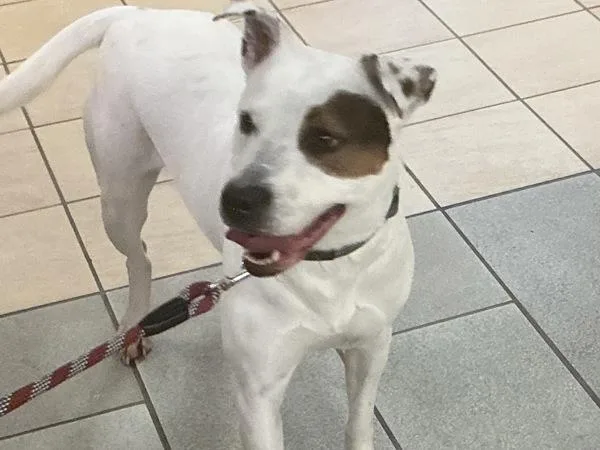
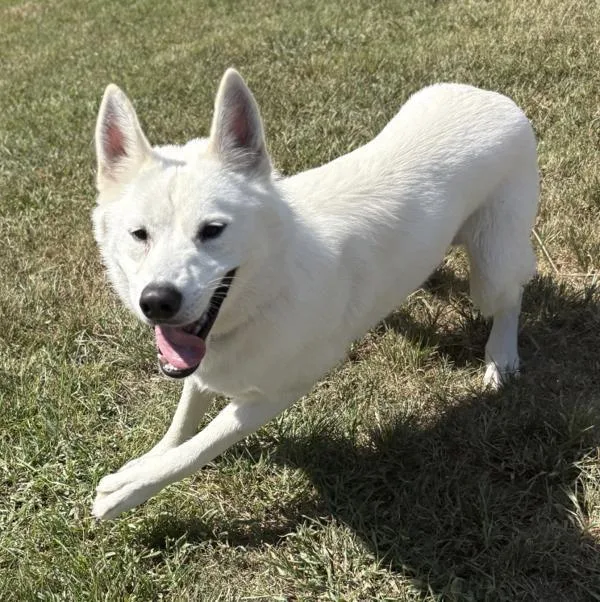
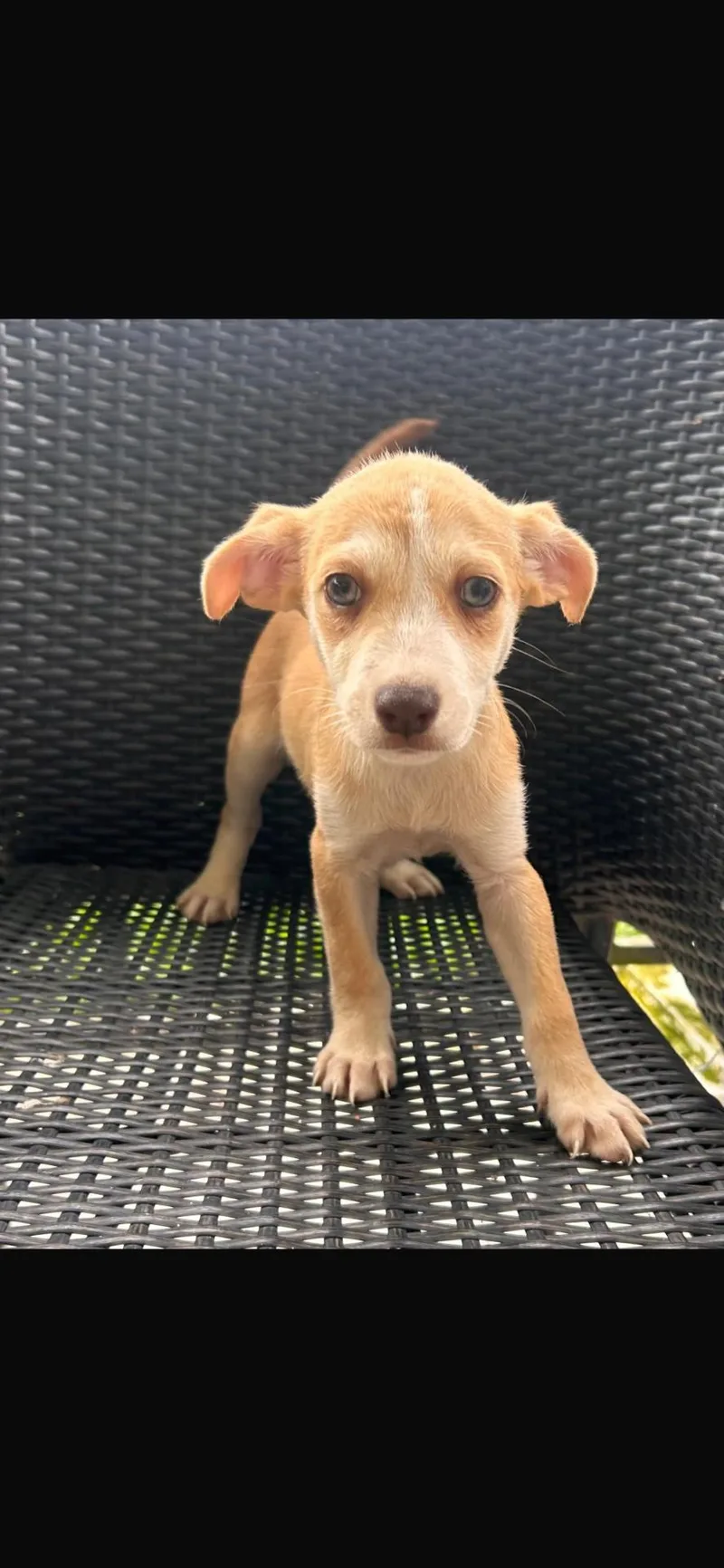
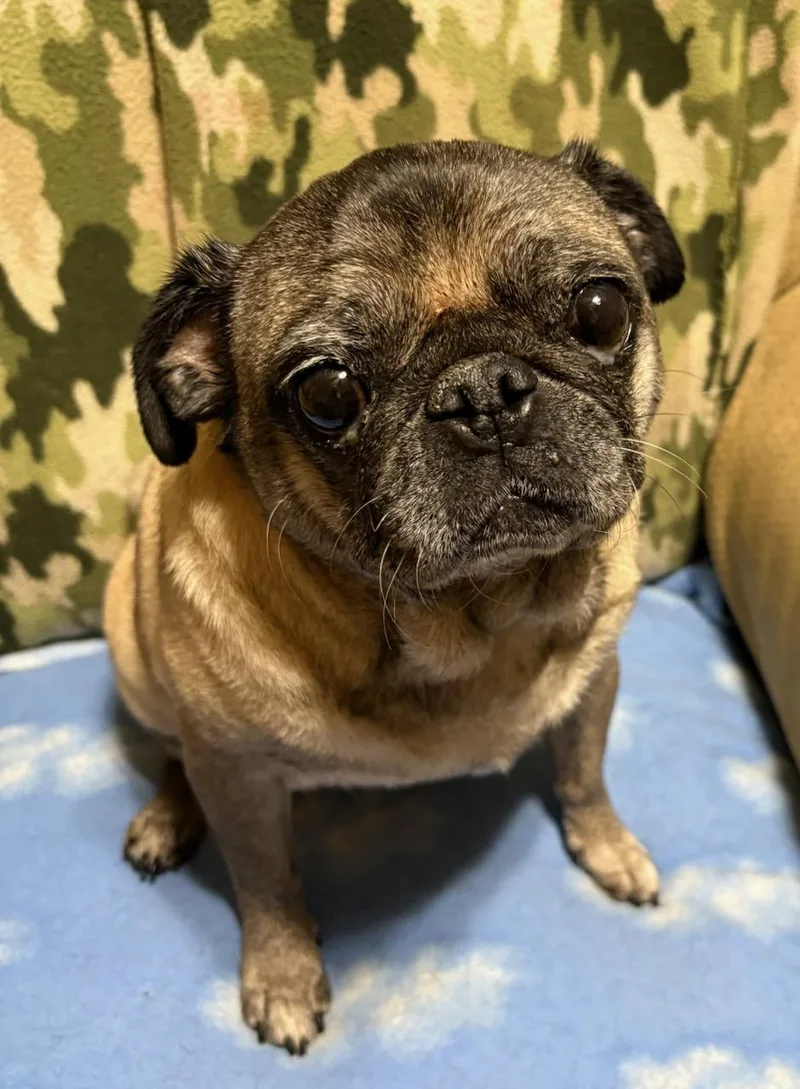
While we don't have enough dogs near Virginia Beach, keep in mind that many rescues may offer transport.

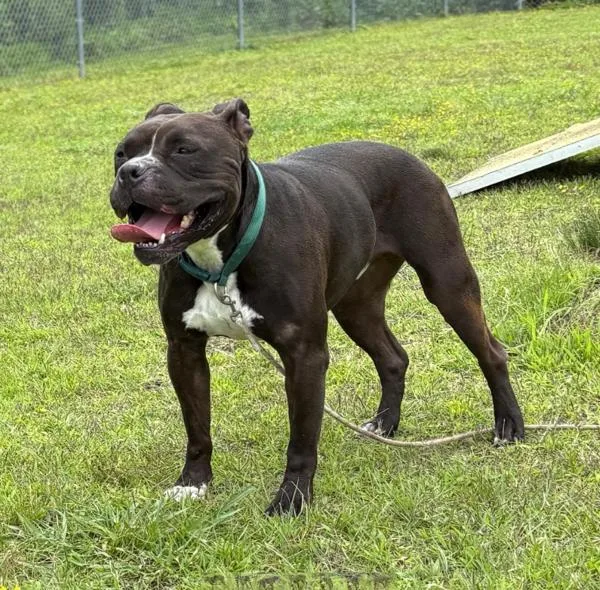
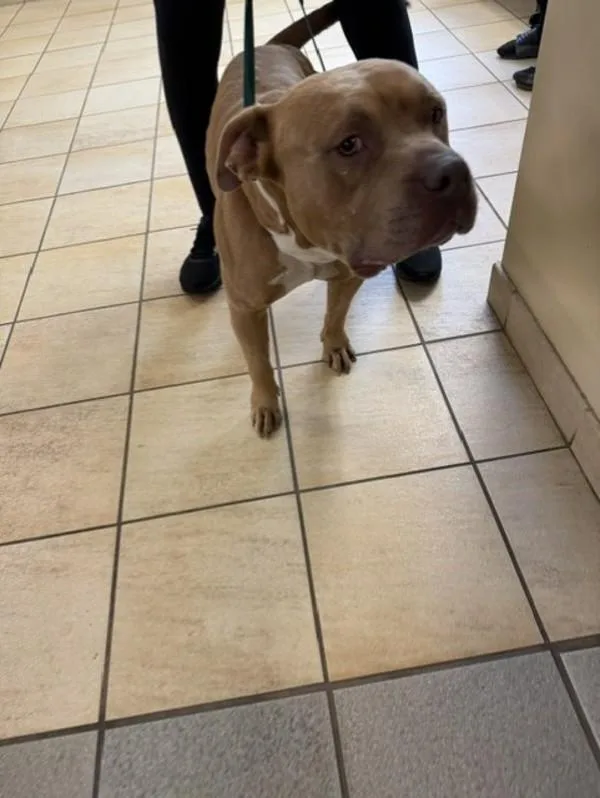
Mastiffs Available for Adoption Near Virginia Beach

About the Mastiff breed

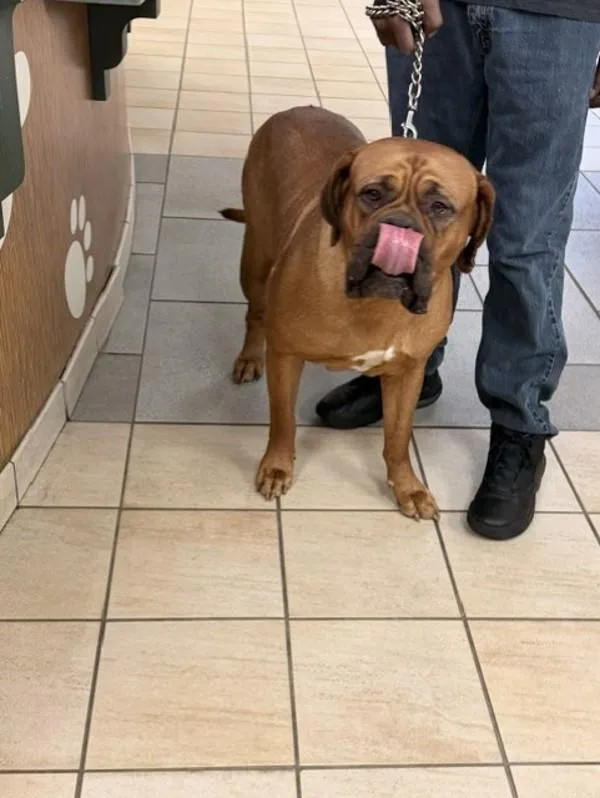
The Mastiff, often called the English Mastiff, is a massive, heavy-boned guardian with a broad head, dark mask and short fawn, apricot or brindle coat. Large guard dogs have lived in Britain for centuries, and the modern breed took shape in the 1800s before nearly vanishing after World War II. Adults commonly weigh well over 100 pounds, with males often heavier than females.

Most Mastiffs are gentle, dignified and quietly protective, more couch-loving than athletic, though temperament varies from dog to dog. In Virginia Beach, that size is manageable with early training, sturdy gear and a budget for giant-breed food and veterinary care. Moderate shedding and drool mean weekly brushing and a few towels. Lifespans are shorter than for smaller breeds, often under ten years.

Weight
120–230 lbs
Height
27–36 in
Lifespan
6–10 yrs
Temperament
Gentle, Dignified, Protective
Group
Working
Shedding
Moderate

Owning a Mastiff in Virginia Beach

Having a Mastiff in Virginia Beach

A Mastiff's calm, steady nature comes in one of the heaviest bodies in the dog world. These cards cover temperament, exercise, health and living space, with a Virginia Beach lens on humidity, storms and the housing most adopters will find.

Temperament

Mastiffs tend to be calm, affectionate and quietly protective, and many are patient with respectful children. They're often aloof with strangers, so steady socialization around busy Virginia Beach sidewalks helps. Start reward-based training early, since an untrained adult this heavy can't be physically managed. Each dog differs, so watch how the dog handles new people and places.
Exercise Needs

Most adult Mastiffs need a moderate daily walk or two and relaxed play, not long runs. Leashed neighborhood strolls and a fenced dog park suit them, though in summer outings should be short, shaded and early. Puppies should avoid forced running and lots of stairs while their joints develop.

Health Considerations

Mastiffs are prone to hip and elbow dysplasia, bloat, obesity and bone cancer, and some carry heart or eye conditions. Bloat is an emergency, so learn its signs. Keeping a Mastiff lean protects its joints. A veterinarian can check the hips and heart and plan regular visits, since giant breeds age faster.

Living Space

Mastiffs are quiet indoors, but a house or townhouse with few stairs and room to sprawl usually works better than a small apartment. Plan for a giant crate, a vehicle that fits a dog over 100 pounds and washable covers for drool. They should live indoors, with air conditioning in summer.

What it costs to own a Mastiff in Virginia Beach

ExpenseTypical costPer year
Food$80 to $160 per month$960 to $1,920
Pet insurance$85 to $170 per month$1,020 to $2,040
Routine vet care$250 to $500 per year$250 to $500
Other*$582 to $1,660 per year$582 to $1,660
Estimated yearly total (after year one)$2,812 to $6,120

Other costs are estimates and vary with size, age and health.

* The $7 Virginia Beach license for a spayed or neutered dog, giant-dose flea, tick and heartworm prevention, a dental cleaning allowance, durable toys and bedding, basic coat care and joint supplements.

Adopt a Mastiff in Virginia Beach.

Now that you know more, let’s find you a new best friend. These rescues and shelters below currently have Mastiffs available.

Rescues in Virginia Beach with Mastiffs Available

Virginia Beach's adoption community includes a city-run shelter and a nonprofit SPCA, each with its own adoption process and fees. Here are the rescues & shelters in the Virginia Beach area where you can find Mastiffs and other dogs available for adoption.

Frequently Asked Questions

Yes, as long as the dog lives indoors with air conditioning. Humidity, not the thermometer, is the real limit here, since July highs sit near 87°F and nights stay around 70°F. Watch for heavy panting, unusual drooling or slowing down, which signal overheating, and get veterinary help quickly if they appear. Save outings for early morning and evening.

Yes. No known Virginia Beach rule targets Mastiffs, and Virginia law says a dog can't be declared dangerous solely because of its breed. The usual rules for any dog apply, including rabies vaccination at four months and a leash in public. A household with more than four adult dogs needs a kennel permit from Zoning.

Not unless the Mastiff is a service animal. Hampton Roads Transit buses and the VB Wave trolley allow only animals in small cages that don't need a separate seat, which rules out a giant dog. The Tide light rail runs only in Norfolk and also admits only service animals. Plan on a roomy vehicle for vet visits and outings.

Salem Woods and Woodstock parks have fenced dog areas on the Kempsville side, while Lake Lawson/Lake Smith Natural Area and Pleasure House Point offer leashed trail walks. Pick shaded routes in summer. Back Bay National Wildlife Refuge doesn't allow pets, so a Mastiff owner should skip it.

Yes, a calm Mastiff can live in an apartment if the building accepts giant dogs. Ground-floor units or buildings with elevators work best, since coaxing a 150-pound dog down stairs is hard, especially in an emergency. Mastiffs are usually quiet, but they need floor space to sprawl and several daily potty trips.

A Mastiff suits Virginia Beach homes with a cool indoor space, a yard or nearby leashed-walk routes, and an owner who's home much of the day. Calm daily walks fit the city's parks, while summer humidity, hurricane evacuations and a big-vehicle requirement add work. It's less suited to someone wanting a running partner or a low-cost pet.

Only to some outdoor patios. Virginia rules let restaurants admit dogs on open-air patios with a separate entrance, posted signs and a leash, and dogs can't be on chairs or tables. Each restaurant chooses whether to allow dogs, and pet dogs aren't allowed in indoor dining rooms. Pick a shaded spot with room for a Mastiff and keep visits short.

A Mastiff needs little grooming here: weekly brushing handles moderate shedding, and occasional baths, nail trims and a daily wipe of the face and drool areas cover the rest. After beach days, rinse off salt water and sand. Short, light coats can be sun-sensitive, so use dog-safe sunscreen. Basic coat care is already part of the yearly Other costs.

We have 1 rescue with Mastiffs available: Virginia Beach Animal Control and Adoption Center. You can see every rescue with Mastiffs available in the list above these questions, or scroll to the top to see the Mastiffs near Virginia Beach.

Expect roughly $2,800 to $6,100 a year for a Mastiff in Virginia Beach, depending on food, insurance and what the vet finds. Food runs $80 to $160 a month, insurance $85 to $170 a month, routine vet care $250 to $500 a year, and other costs $582 to $1,660 a year. Emergency care, such as for bloat, would be extra.

Find Mastiffs in Nearby Cities

Expand your search to find Mastiffs available for adoption near Virginia Beach.