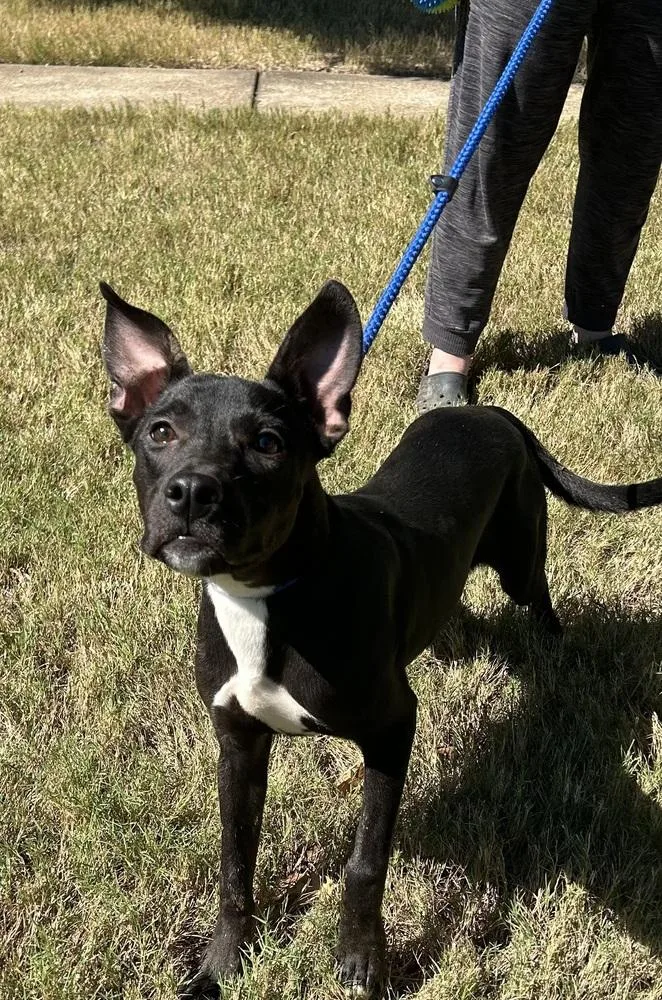
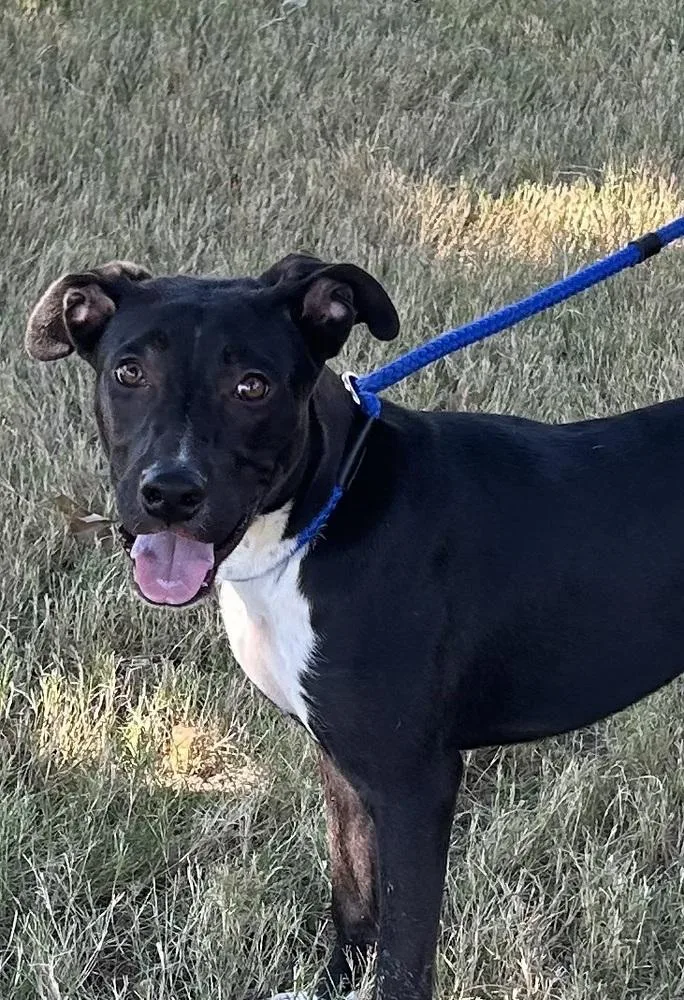
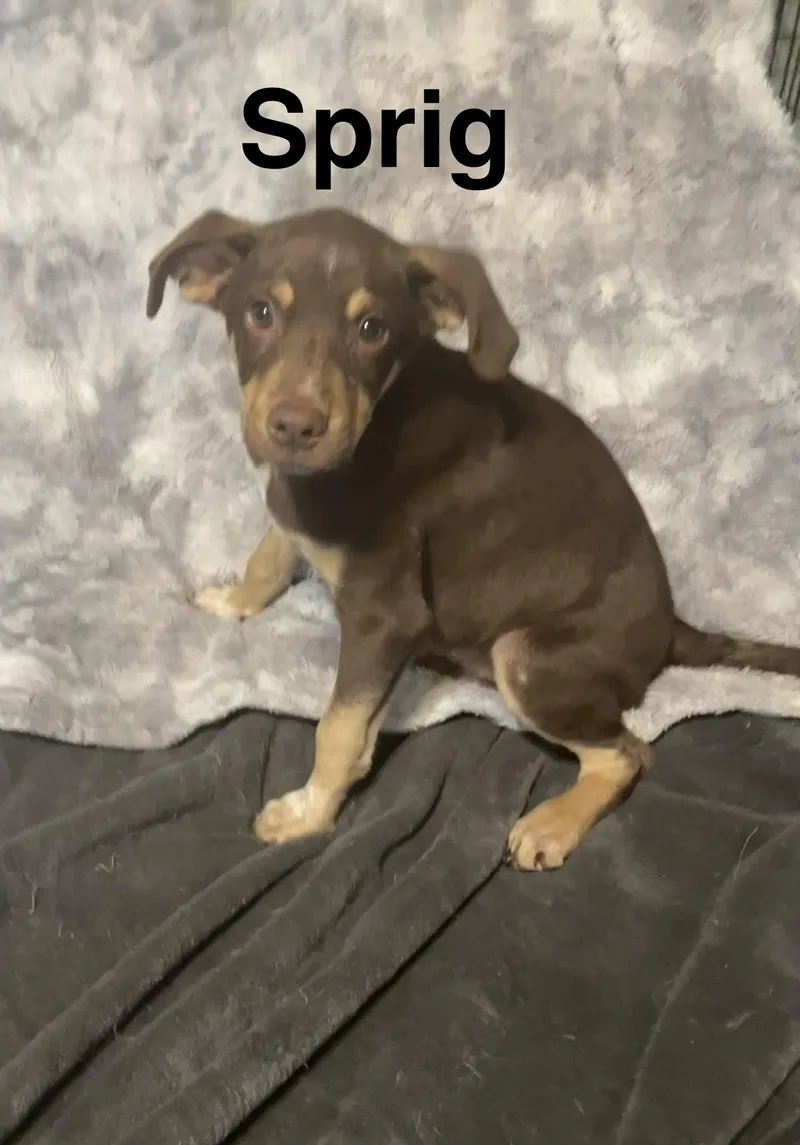
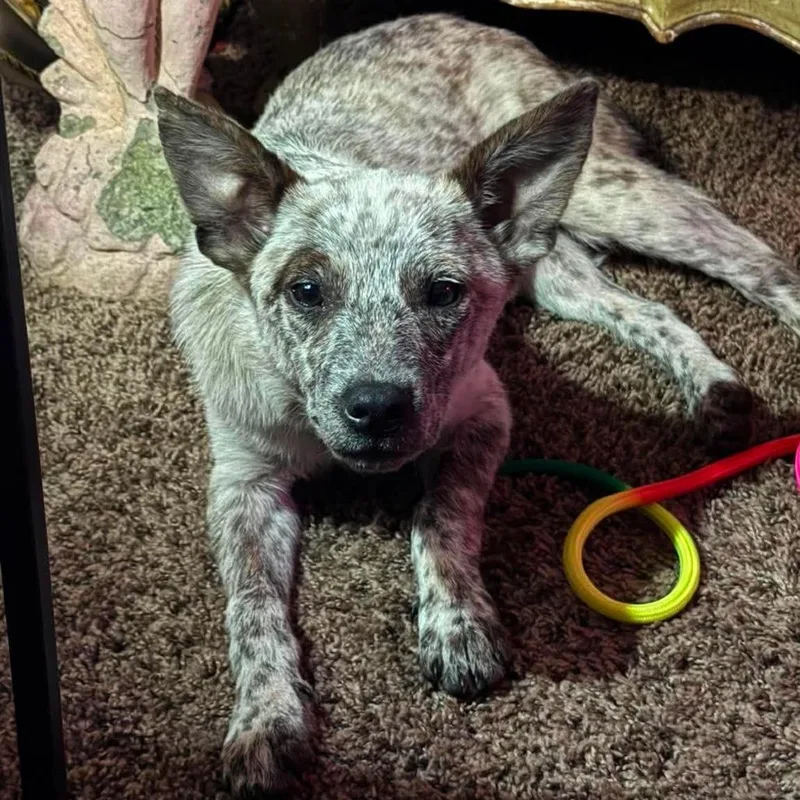
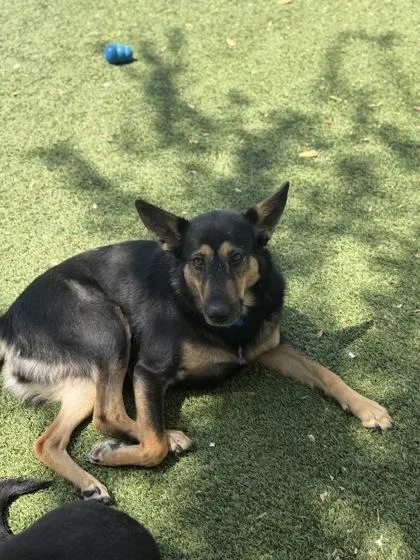
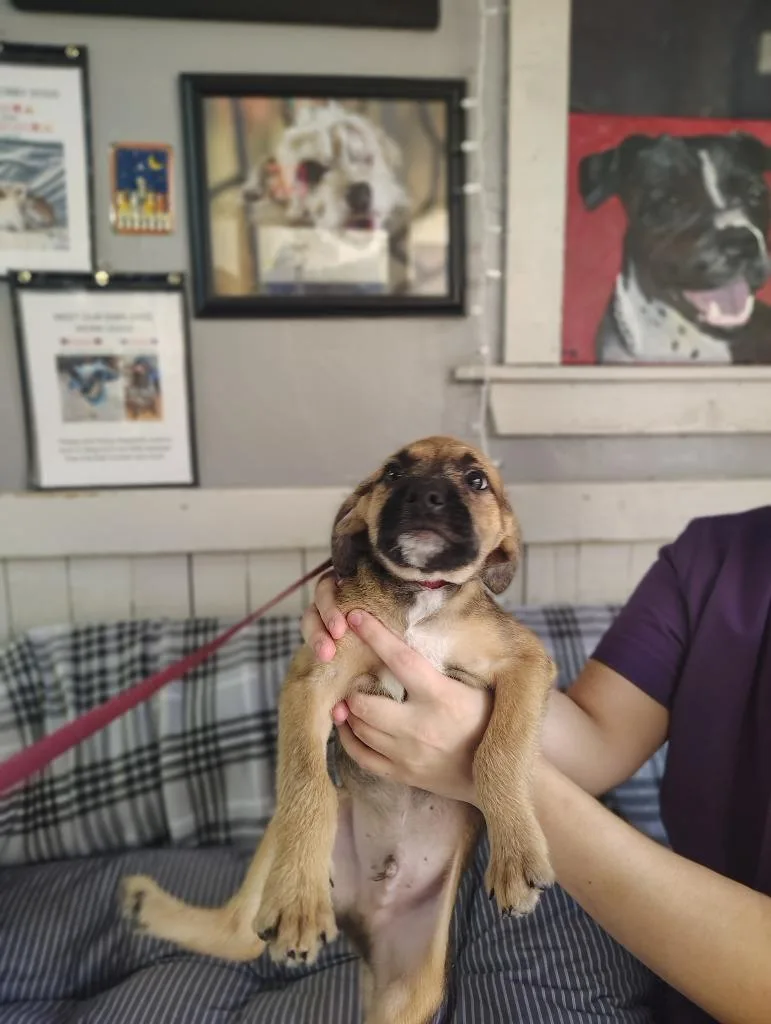
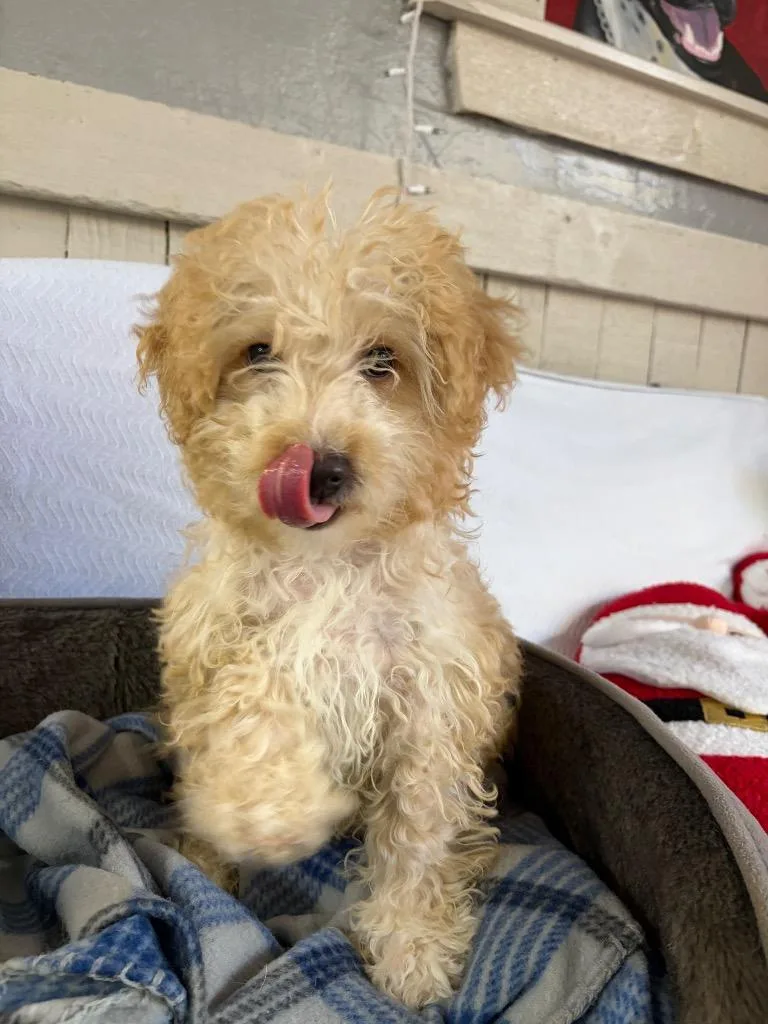
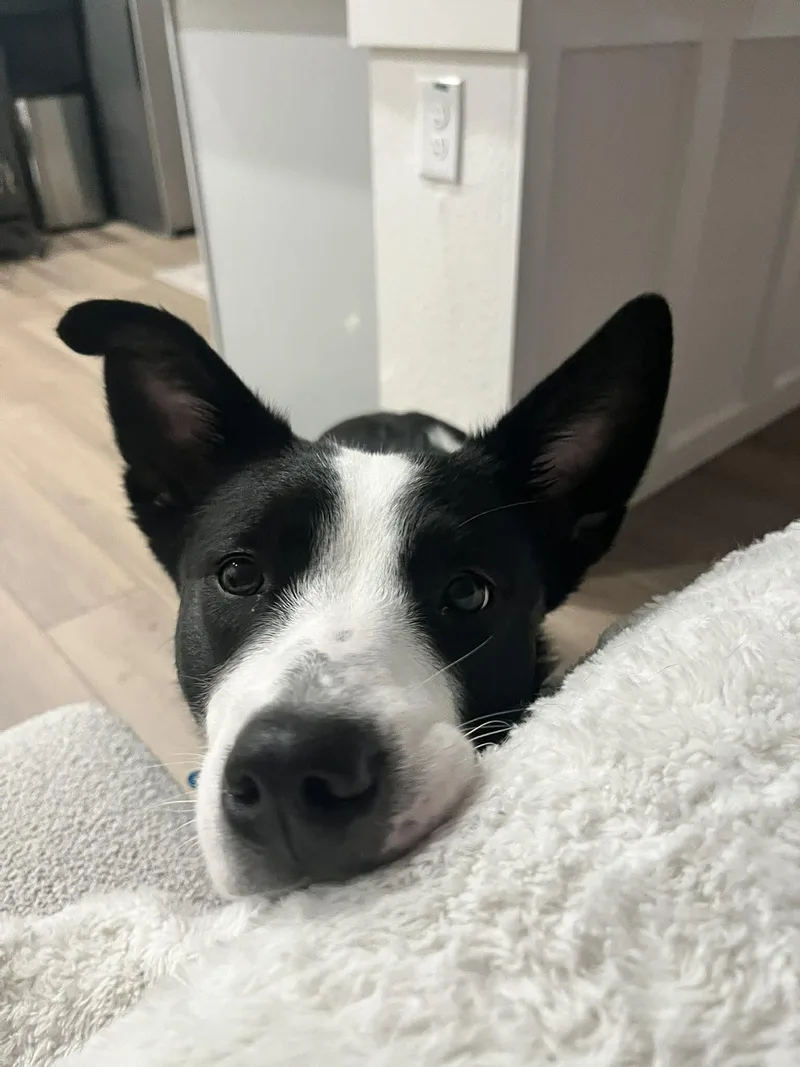
Cattle Dogs for Adoption in Fort Worth, TX

Your guide to finding and caring for a Cattle Dog in Fort Worth

A Cattle Dog fits Fort Worth best when its person likes being outside early, before the heat sets in. Tanglewood's quiet, winding streets and the Trinity Trails along the Clear Fork near Trinity Park give a busy heeler plenty to sniff and chase on a morning walk. Cattle Dog is a catch-all label, so some are Blue Heelers and others are mixes, and energy levels vary. Expect a dog that sticks close at home and needs a long walk or a game of fetch every day.

1921 Cattle Dogs available in Fort Worth and nationwide

Fall for a Cattle Dog

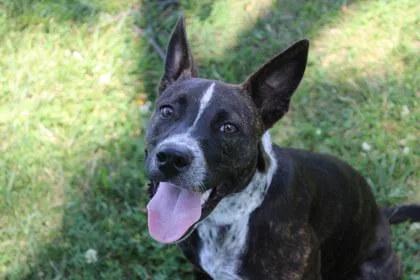
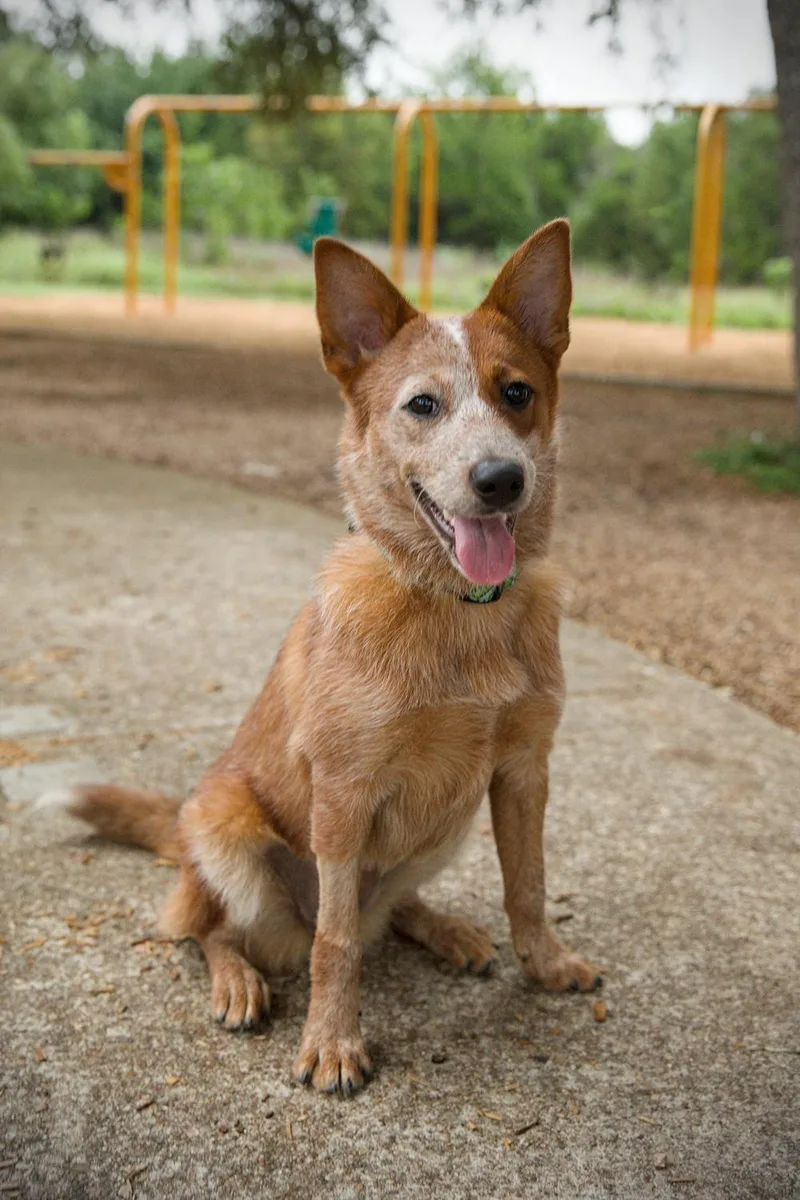
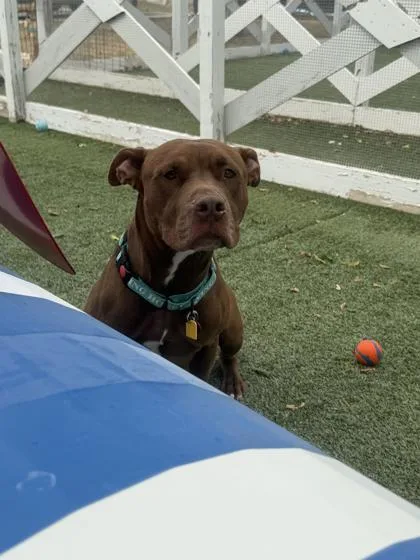
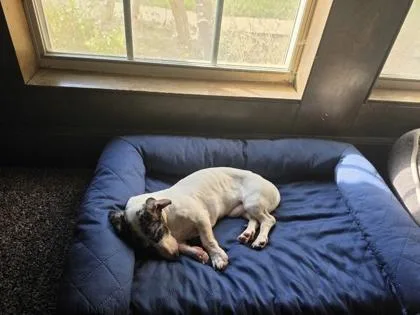
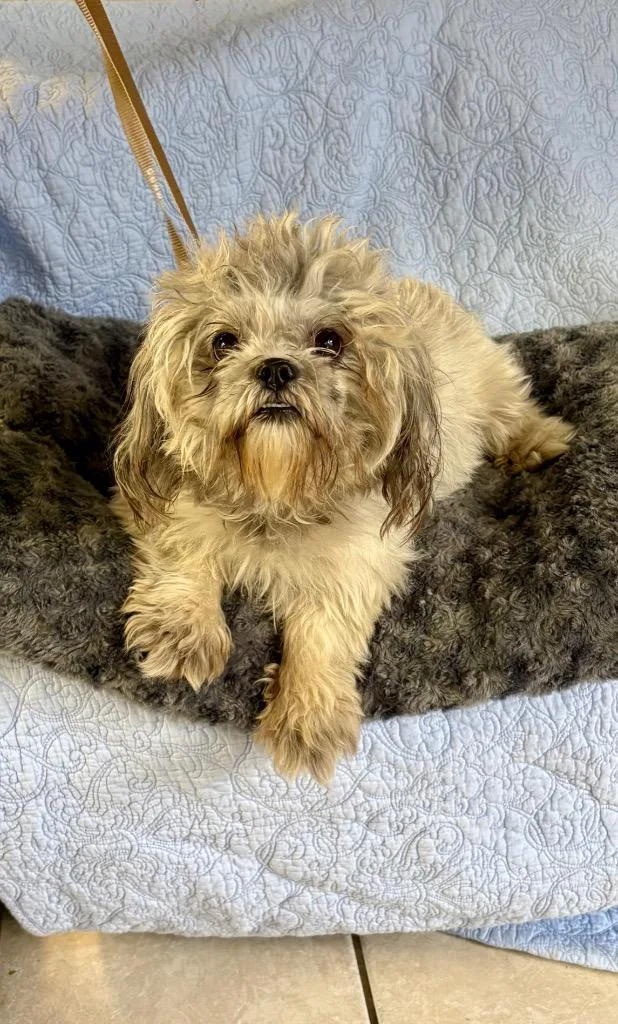
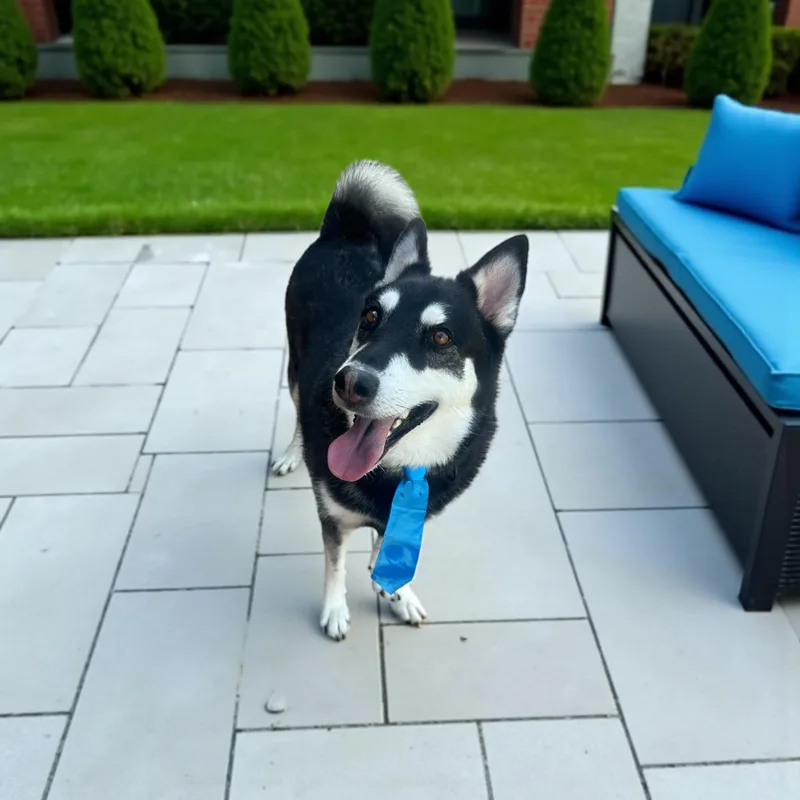
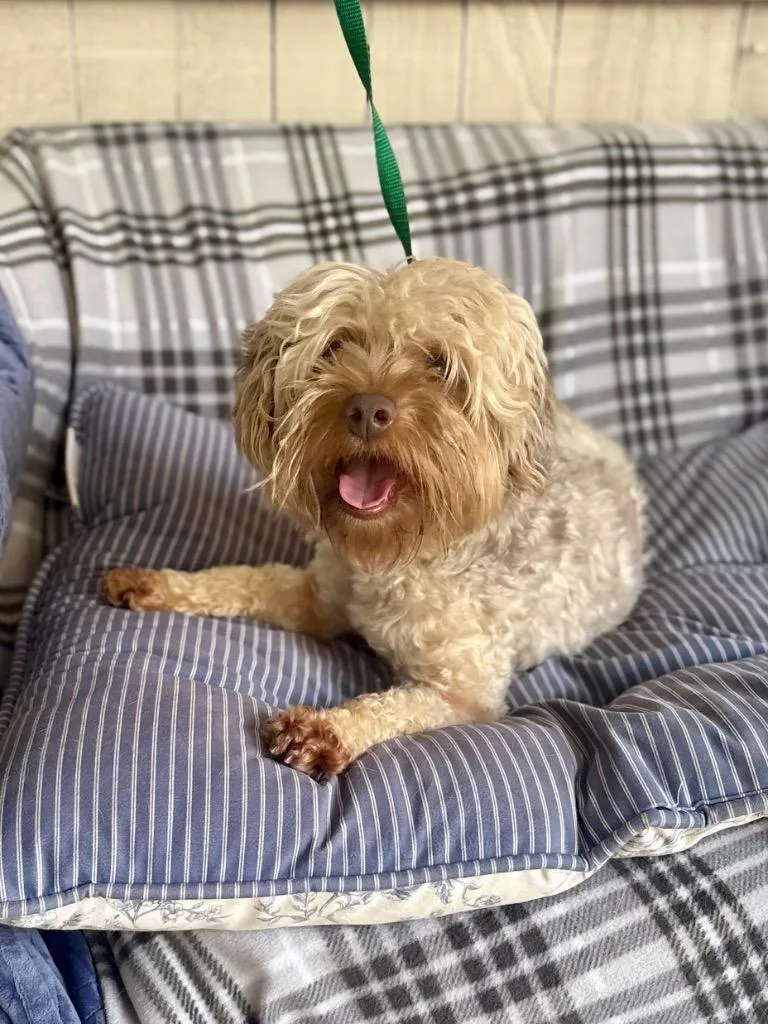
Cattle Dogs Available for Adoption Near Fort Worth

About the Cattle Dog breed

Cattle Dog is a label more than a single breed. Most dogs listed under it are Australian Cattle Dogs, known as Blue or Red Heelers, or mixes with one, though Texas Heelers and crosses with Border Collies or Labs also turn up. The Australian Cattle Dog was developed in nineteenth-century Australia to drive cattle by nipping at their heels, which explains the stamina and toughness.

Most are medium-sized and muscular, around 30 to 50 pounds, with a short, dense double coat. They tend to bond closely with their people, stay wary of strangers and need real work for their minds. Fort Worth's Stockyards heritage gives that cattle-driving background a familiar setting, though a heeler's herding habits still need guiding, and mixes vary in size, coat and energy.

Weight
30–50 lbs
Height
17–20 in
Lifespan
12–16 yrs
Temperament
Energetic, Loyal, Intelligent, Protective
Group
Herding
Shedding
Moderate

Owning a Cattle Dog in Fort Worth

Having a Cattle Dog in Fort Worth

Cattle Dogs usually bring a working heeler's stamina and quick mind, which suits active Fort Worth households with time for training and daily outings. Needs differ from dog to dog, so treat these cards as a starting point rather than a promise.

Temperament

Cattle Dogs are loyal, alert and often devoted to one person, with a reserved streak around strangers. Many herd by nipping at running kids, bikes or other pets, and some guard their home. Early socialization and training help in busy Fort Worth neighborhoods. Mixes vary, so watch how each dog behaves with kids, dogs and cats.

Exercise Needs

Plan on at least an hour of vigorous activity a day, plus mental work like puzzle toys, scent games and training. In Fort Worth that can mean fetch at Fort Woof or ZBonz, where ZBonz's ponds suit water-loving heelers, or a brisk leashed walk through Trinity Park before the day warms up.

Health Considerations

Australian Cattle Dogs and their mixes are often hardy, but congenital deafness, progressive retinal atrophy, lens luxation and hip or elbow dysplasia occur. Their fearless style can lead to cruciate tears and other injuries. Keep the dog lean, schedule regular exams, and ask a veterinarian to check hearing and eyes. Heartworm and tick prevention matter through Fort Worth's long warm season.

Living Space

A securely fenced yard suits most Cattle Dogs, and many Fort Worth houses have one. The city's 48-inch minimum fence may not stop a bored, athletic heeler, so five feet is safer. Apartment life can work with dependable daily exercise. Expect a dog that wants to be indoors with you.

What it costs to own a Cattle Dog in Fort Worth

ExpenseTypical costPer year
Adoption fee$450, one time$450 in year one
Food$35 to $70 per month$420 to $840
Pet insurance$45 to $85 per month$540 to $1,020
Routine vet care$225 to $450 per year$225 to $450
Other*$440 to $1,190 per year$440 to $1,190
Estimated yearly total (after year one)$1,625 to $3,500
First-year total (with adoption fee)$2,075 to $3,950

Adoption fee is the fee on Cattle Dog listings in Fort Worth on GetBuddy today. Other costs are estimates and vary with size, age and health.

* Flea, tick and heartworm prevention, a dental cleaning allowance, durable toys and bedding, and light home grooming supplies.

Adopt a Cattle Dog in Fort Worth.

Now that you know more, let’s find you a new best friend. These rescues and shelters below currently have Cattle Dogs available.

Frequently Asked Questions

It can be for active people. Fort Worth has two large off-leash parks, leashed trails and mostly mild winters, and its many fenced houses suit a dog that needs room and a job. The main challenges are the long, hot summer and a heeler's need for daily exercise and training. Cattle Dogs who get both tend to settle well at home.

Most can with planning. Fort Worth sees about 105 days a year at 90°F or above, and nights stay in the mid-70s, so exercise at dawn or after dark and carry water. A double coat and a drive that never quits can lead to overheating, so watch for heavy panting or drooling and cool the dog down quickly.

Fort Woof in Gateway Park and ZBonz on West Camp Bowie are the main off-leash options, and ZBonz has two ponds. Use the large-dog sections, since the small-dog side is for dogs under 40 pounds. For leashed outings, try Trinity Park or the Fort Worth Nature Center & Refuge, where dogs pay $2.

Yes, if the dog gets an hour or more of vigorous activity daily plus mental work. Bored heelers bark, and Fort Worth treats frequent or long-continued barking that disturbs neighbors as a violation, so training and puzzle toys matter. Confirm the building's pet and weight policies before you sign a lease.

Yes. Fort Worth has no breed-specific rules and regulates dogs by behavior. You'll need a registered microchip, rabies vaccination, spay or neuter (or a $50 intact permit), a leash off your property and a fence at least 48 inches high, with five feet wiser for a climber. Landlords and insurers may set their own limits.

Very little. Weekly brushing handles most shedding, with more frequent sessions during the spring and fall coat changes. Bathe only when the dog is dirty, and keep up nail trims and ear checks. Light home grooming fits inside the Other costs range on this page, so professional grooming is optional.

Only to outdoor patios, and only where the restaurant chooses to allow dogs. Texas law lets restaurants post a "dogs welcome" sign, and the dog must be leashed, under control and kept off seats and tables. Only service animals may go inside. Since many heelers are wary of strangers, practice a calm settle on a mat first.

Mostly no. Trinity Metro buses and TEXRail allow pets only in approved carriers that don't block the aisle, and a 30 to 50 pound Cattle Dog is too big for nearly any carrier. Service animals are allowed. Plan on driving to parks and trails, and review Trinity Metro's current rider guidelines before any trip.

We have 3 rescues with Cattle Dogs available: Saving Hope Animal Rescue Fund, Tall Tails Rescue and TAO Animal Rescue ( The Abandoned Ones). You can see every rescue with Cattle Dogs available in the list above these questions, or scroll to the top to see the Cattle Dogs near Fort Worth.

A Cattle Dog in Fort Worth typically costs about $35 to $70 a month for food and $45 to $85 for insurance, plus $225 to $450 a year for routine vet care and $440 to $1,190 for other costs. That works out to roughly $1,600 to $3,500 a year, before emergencies.