




English Setter Dogs for Adoption in Nashville, TN

Your guide to finding and caring for an English Setter in Nashville

An English Setter fits Nashville best where there's room to run, like the ranch-house streets of Donelson and Hermitage. Two Rivers Dog Park on McGavock Pike is the city's largest at about 6.6 acres, so a setter can burn off a morning's energy and sprawl on your floor by evening. They're friendly, feathered and happier with company than alone all day. Expect a squirrel or two to steal its attention on the Stones River greenway.

58 English Setters available in Nashville and nationwide

Bring home an English Setter

While we don't have enough dogs near Nashville, keep in mind that many rescues may offer transport.

English Setters Available for Adoption Near Nashville

About the English Setter breed

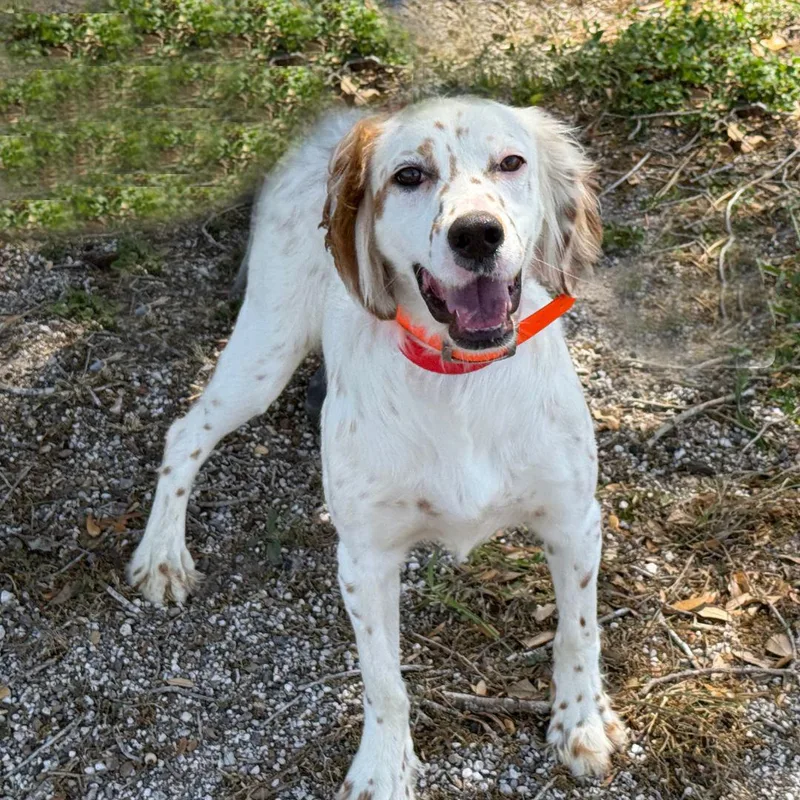
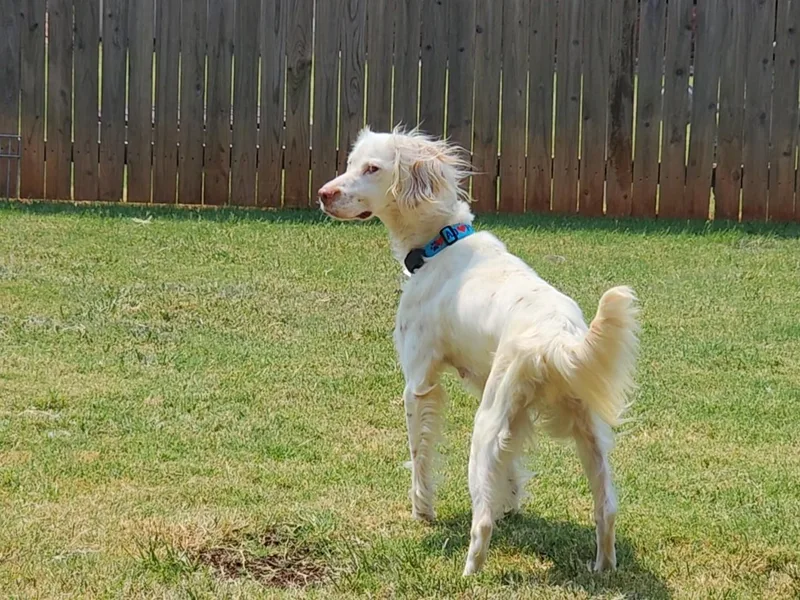
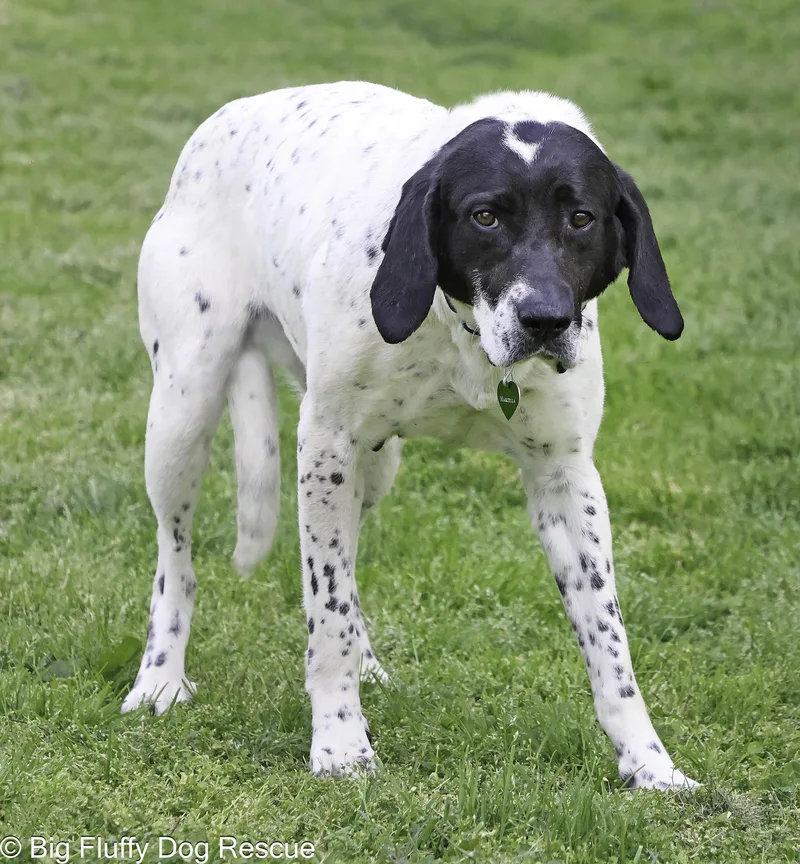
English Setters were developed on English country estates roughly four centuries ago to range ahead of hunters, find game birds by scent and freeze, or "set," until the hunter caught up. Their long, silky coat is flecked in a pattern called belton, found in blue, orange, lemon, liver and tricolor.

Many are sweet, mellow and sociable indoors, yet energetic and bird-focused outside. Show-type setters tend to be larger and heavier-coated, while field-type dogs are often smaller and leaner, so two setters can look and act quite differently. In Nashville, plan for daily running room, weekly coat care and a dog that may take two or three years to mature.

Weight
45–80 lbs
Height
23–27 in
Lifespan
10–13 yrs
Temperament
Gentle, Friendly, Energetic
Group
Sporting
Shedding
Moderate

Owning an English Setter in Nashville

Having an English Setter in Nashville

A setter pairs a soft, people-loving nature with a bird dog's stamina and nose. In Nashville, that means room to run, a feathered coat that collects burrs and mud, and a dog that matures slowly, so patience matters as much as space.

Temperament

Setters are usually gentle, affectionate and friendly with family, visitors and other dogs, which helps at busy Nashville dog parks. Many stay boisterous for years, and they can be sensitive and a little stubborn, so patient, positive training works best. Strong bird interest means squirrels and backyard chickens may tempt them, and each dog's history shapes its behavior.
Exercise Needs

Plan on vigorous daily exercise: a long run in a securely fenced area, or brisk leashed walks and jogs. Nashville's fenced Metro dog parks and paved greenways help, though greenways require a leash no longer than 6 feet. Young setters do better with free play than long, hard runs before about two years, while their joints mature.

Health Considerations

The breed can be affected by hip and elbow dysplasia, congenital deafness, hypothyroidism and bloat, a sudden stomach emergency. Long ears need regular checks, especially in Nashville's humid summers, when moisture invites infection. Have a veterinarian test a setter's hearing and screen its joints, and keep flea, tick and heartworm prevention current.

Living Space

A house with a securely fenced yard suits a setter best, and detached homes are common in places like semi-rural Joelton. A committed owner can make other homes work by providing daily running time elsewhere. Indoors, most are calm and want to be near their people. Expect shed hair, feathered legs that collect burrs and a tail at table height.

What it costs to own an English Setter in Nashville

ExpenseTypical costPer year
Food$55 to $110 per month$660 to $1,320
Pet insurance$65 to $130 per month$780 to $1,560
Routine vet care$250 to $500 per year$250 to $500
Other*$933 to $2,358 per year$933 to $2,358
Estimated yearly total (after year one)$2,623 to $5,738

Other costs are estimates and vary with size, age and health.

* The $8 Davidson County rabies tag, professional trims for the long feathered coat, a dental cleaning allowance, flea, tick and heartworm prevention, and toys and bedding.

Adopt an English Setter in Nashville.

Now that you know more, let’s find you a new best friend. These rescues and shelters below currently have English Setters available.

Frequently Asked Questions

Often, yes, for active people who can offer a daily run and plenty of company. Nashville's off-leash dog parks and paved greenways give a setter places to burn energy, and the humid summers mean exercising early or late. A setter left alone for long days, or with no secure place to run, may struggle.

Two Rivers Dog Park in Donelson is the largest fenced option, with Warner Dog Park and Shelby Dog Park also on grass. Dogs need rabies and ID tags, and puppies under four months aren't allowed. For trails, Shelby Bottoms Greenway and other greenways require a leash of 6 feet or less. Radnor Lake bans dogs on its trails.

Yes. Metro's animal code has no breed-specific restrictions and no fixed limit on how many pets a household can keep. You'll need a rabies vaccination and Davidson County tag, and leash or tether rules apply off your property. Landlords and HOAs can set their own rules, so confirm yours allows a large dog.

Yes, with precautions. Nashville sees about 54 days a year at 90°F or higher, and humidity makes a long-coated setter uncomfortable. Keep midday outings short, provide shade and water, and use air conditioning on the hottest afternoons. Never leave a dog in a parked car; cars can top 130°F within 20 minutes.

Only to patios. Metro lets restaurants with a permit allow leashed dogs outdoors, so many Nashville patios welcome them, but not every restaurant does, and dogs can't enter indoor areas. Your setter needs a current rabies vaccination, a license tag on the collar and a non-retractable leash no longer than six feet.

Generally not. WeGo buses and the WeGo Star train allow non-service animals only in an approved transfer cage, and an adult setter weighing 45 to 80 pounds is likely too big for one. Service animals are exempt. Plan on driving or walking to parks, and confirm current WeGo rules before any trip.

Plan on brushing and combing weekly, a bath every four to six weeks and monthly nail trims. In Nashville's humid, rainy weather, comb out mud and burrs after trail walks and dry the long ears to head off infection. Professional trims for feet, face and feathering are counted in the Other costs line.

Yes, English Setters shed a moderate amount year-round, with somewhat heavier seasonal shedding. Their long, silky coat and feathering release hair onto floors and furniture and also pick up burrs and tangles. Brushing at least once a week, plus a bath every month or so, keeps shedding manageable and helps prevent uncomfortable mats from forming.

We have 1 rescue with English Setters available: Big Fluffy Dog Rescue. You can see every rescue with English Setters available in the list above these questions, or scroll to the top to see the English Setters near Nashville.

A setter in Nashville typically costs about $2,600 to $5,700 a year across food, insurance, routine vet care and other expenses. Food runs $55 to $110 a month and insurance $65 to $130. Routine vet care is $250 to $500 a year, and the Other line, mostly grooming and parasite prevention, adds $933 to $2,358.