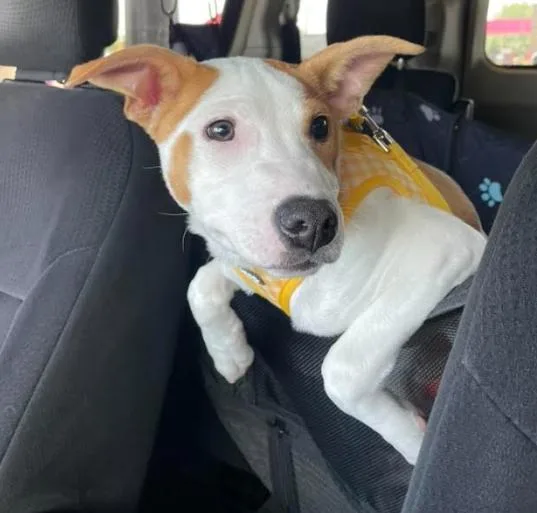
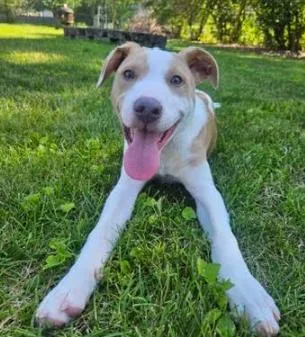
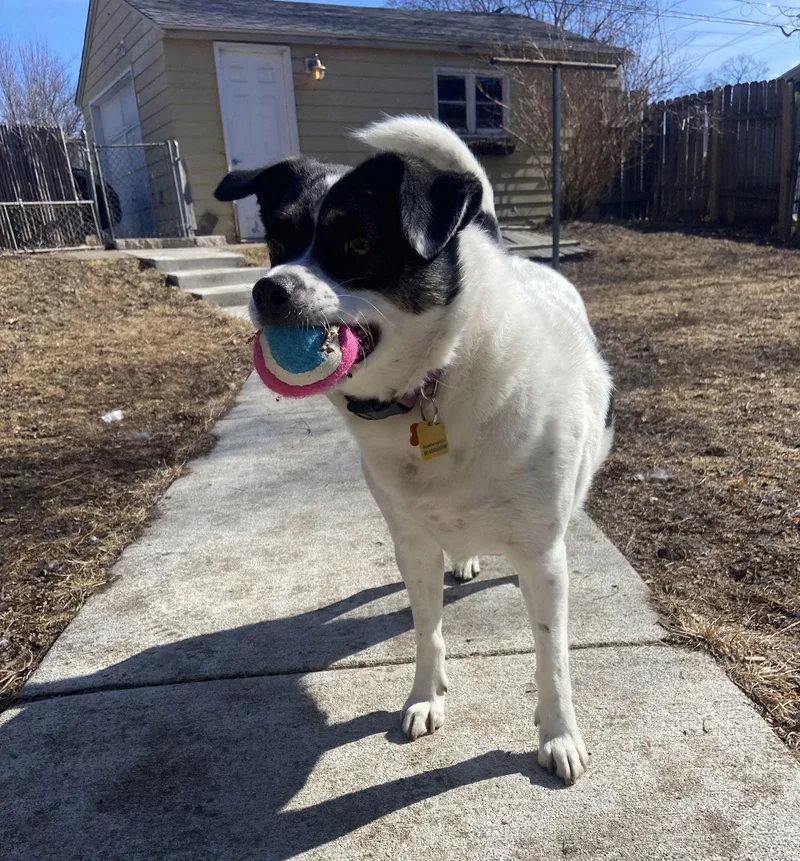
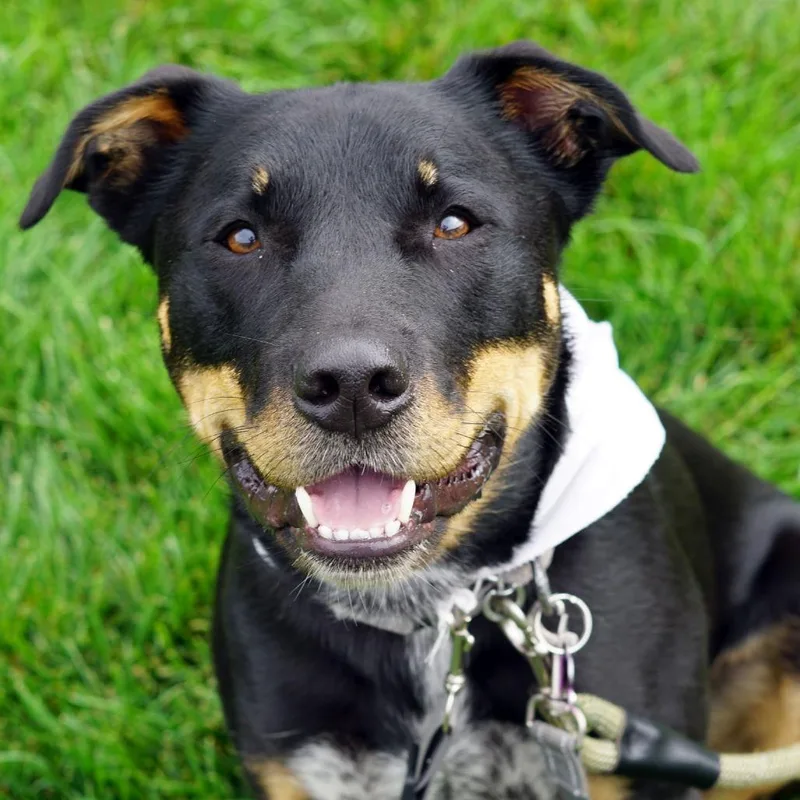
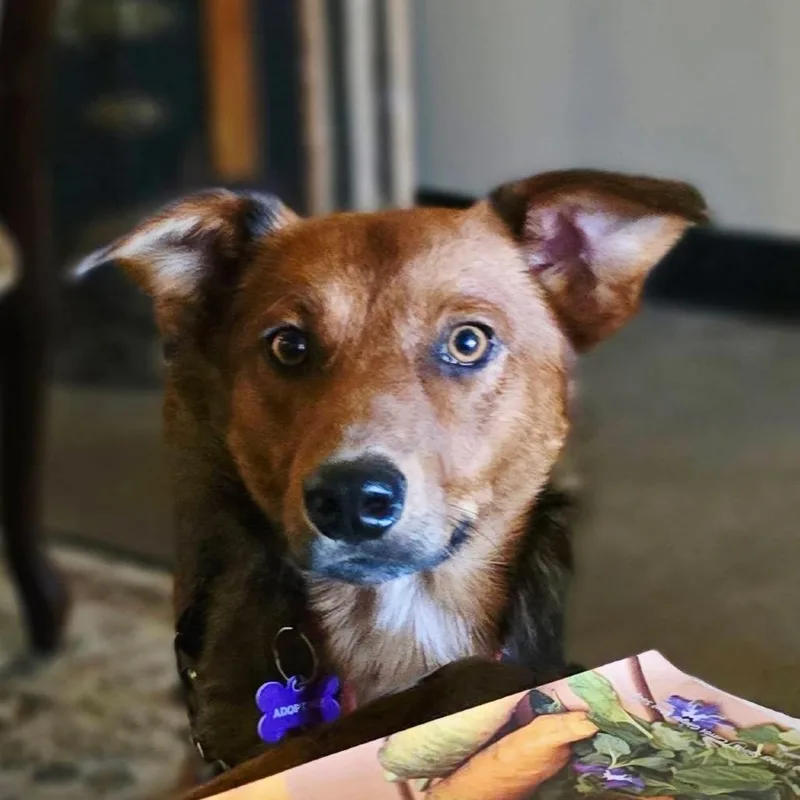
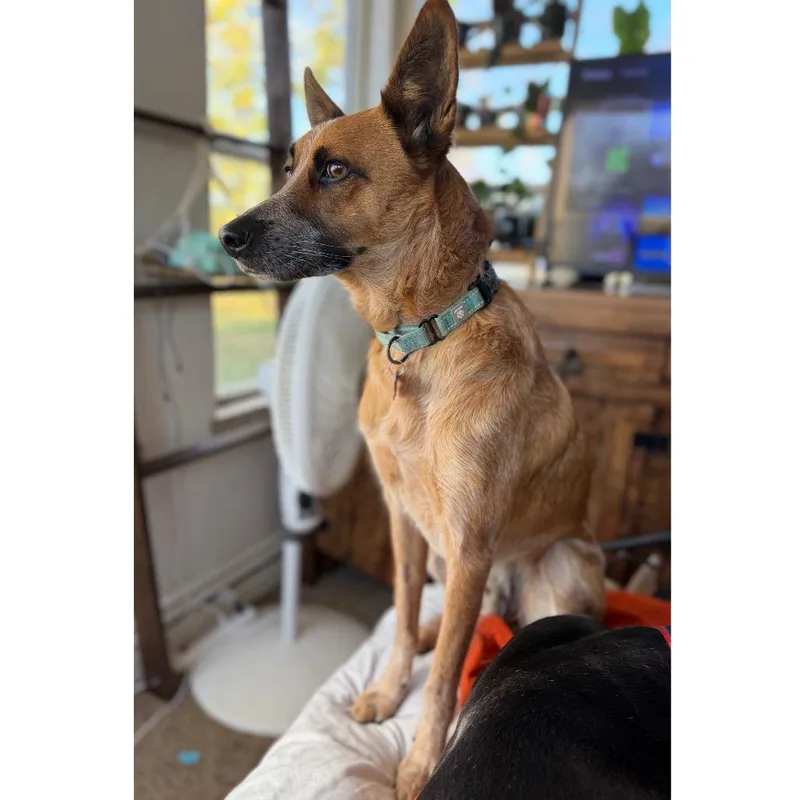
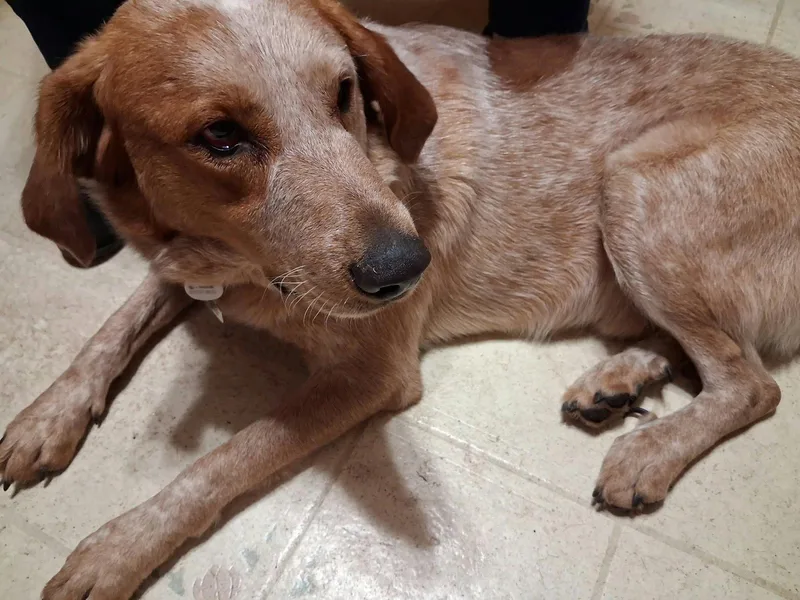
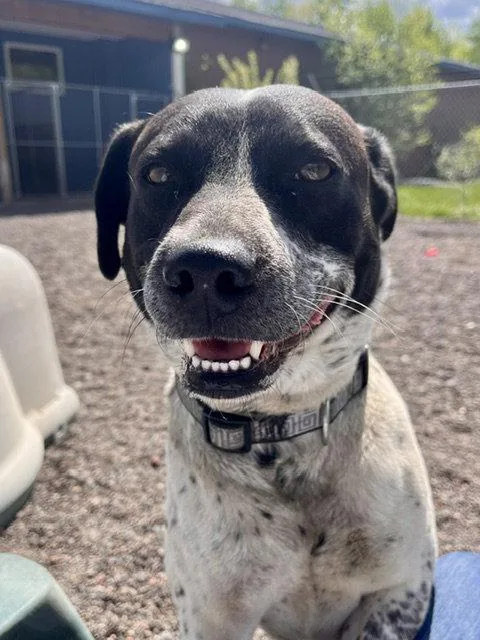
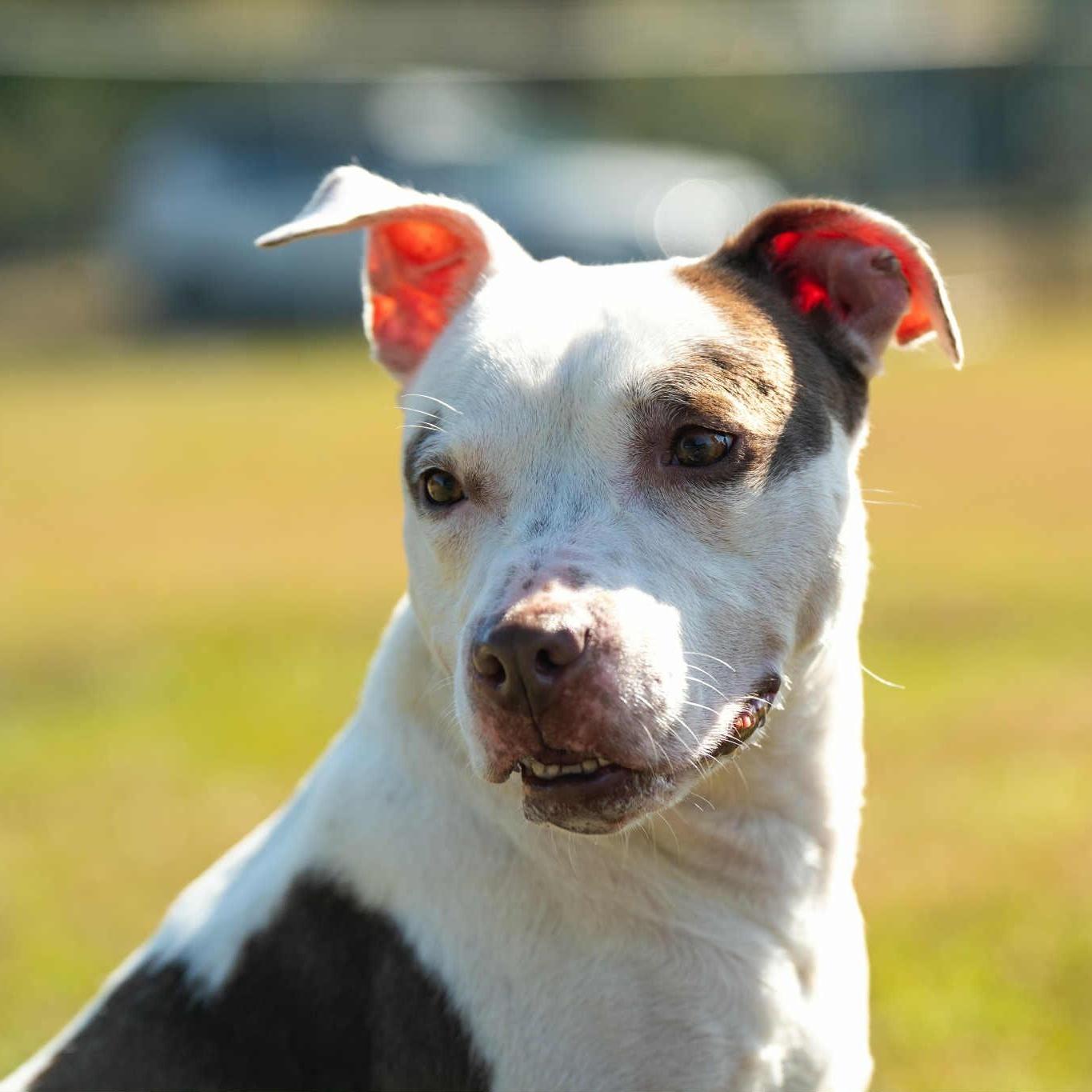
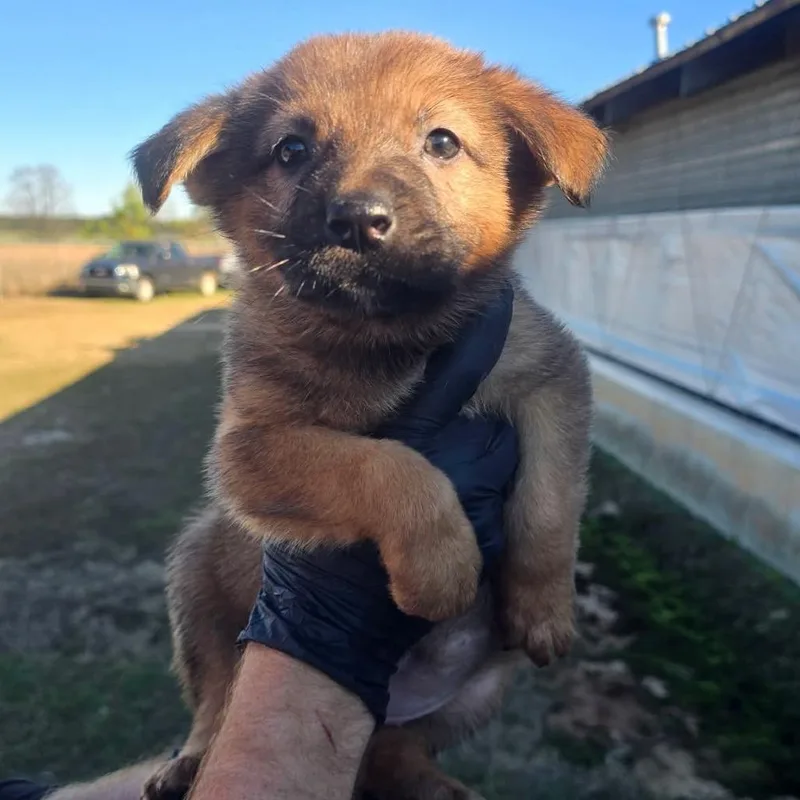
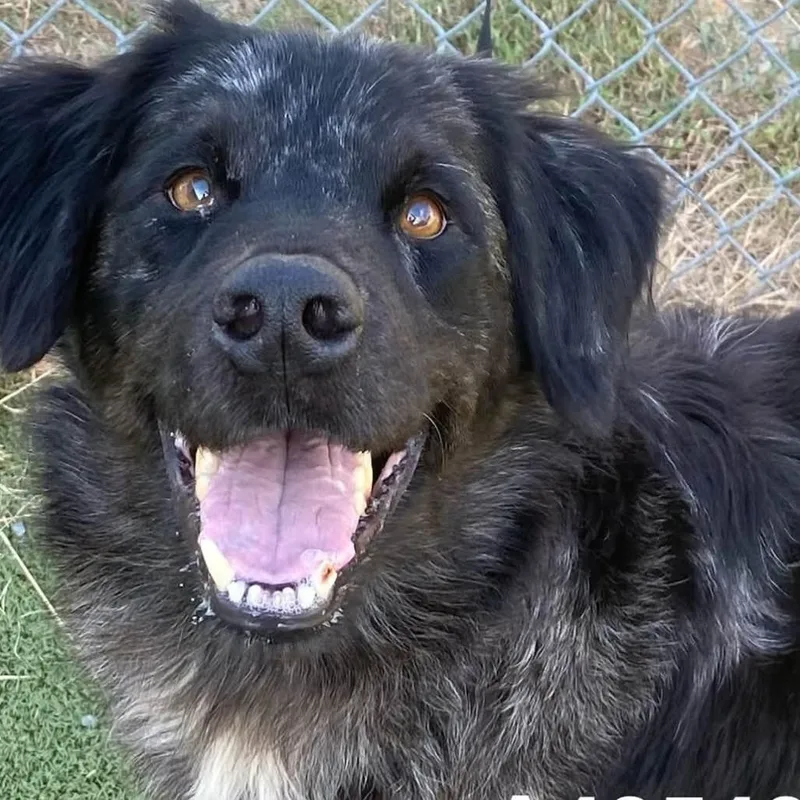
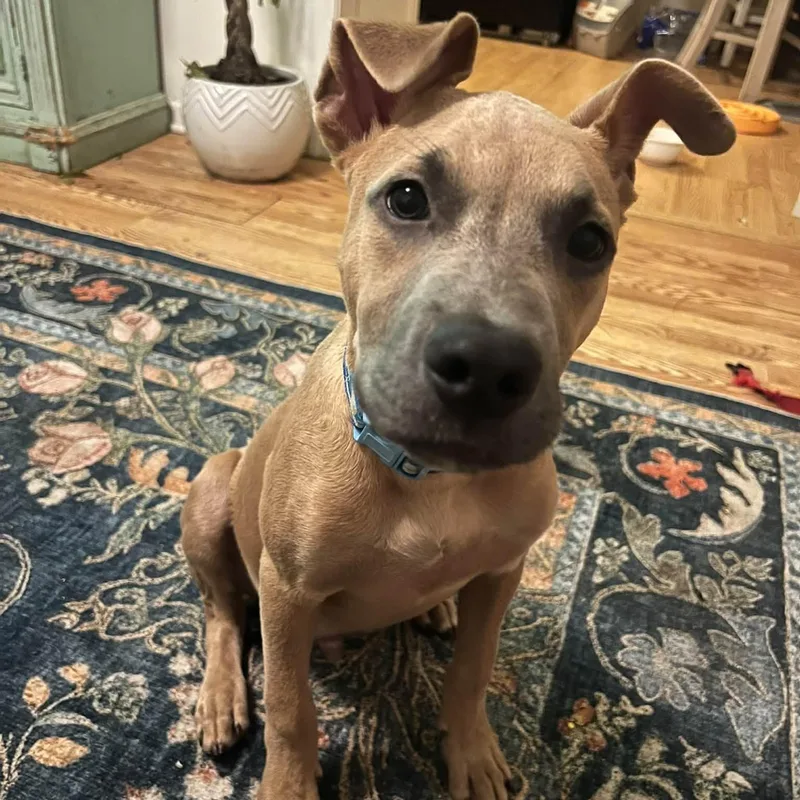
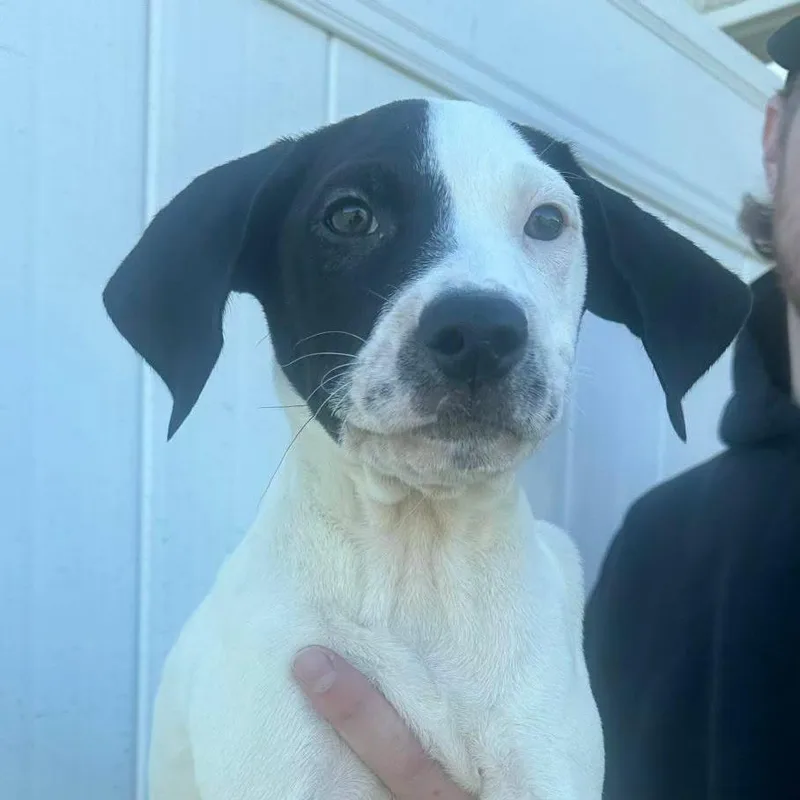
Australian Cattle Dog / Blue Heelers for Adoption in Myrtle Beach, SC

Your guide to finding and caring for an Australian Cattle Dog / Blue Heeler in Myrtle Beach

Blue Heelers suit Myrtle Beach best when their people are out and moving every day. A morning loop on the walking trails at Withers Swash Park and a leashed jog through Seagate Village give a Heeler the workload it craves. They're smart and loyal, and they can be wary of strangers, so a quiet residential street works better than a crowded oceanfront. If you like long, active days outside, a Heeler can keep pace.

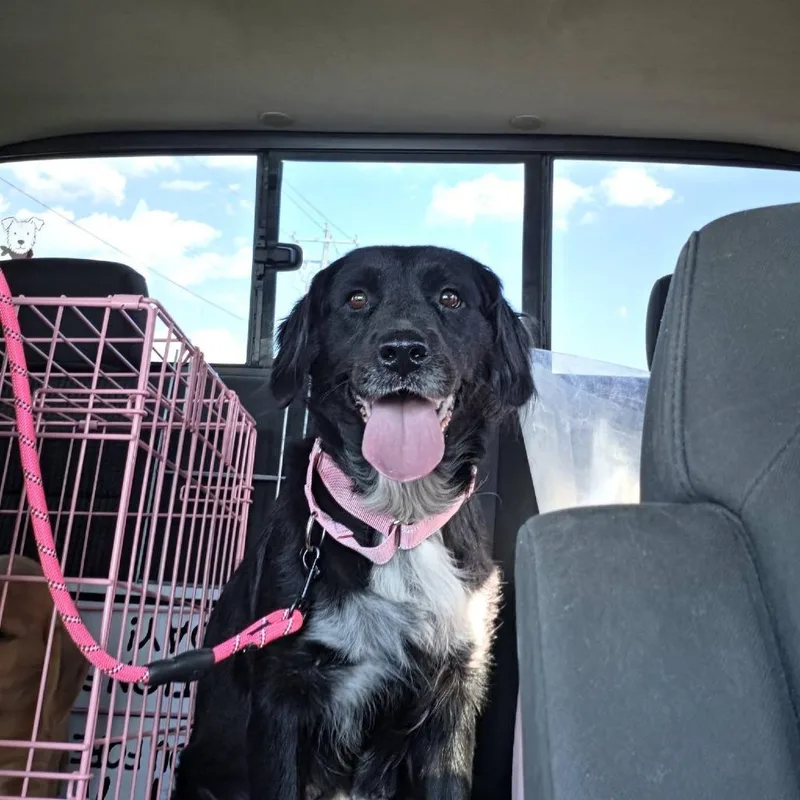
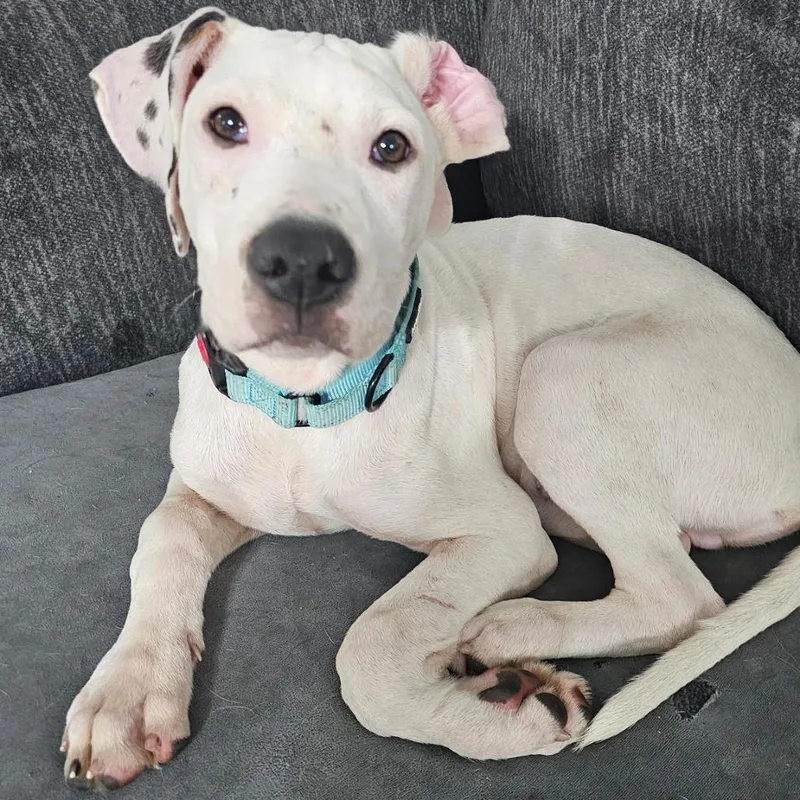
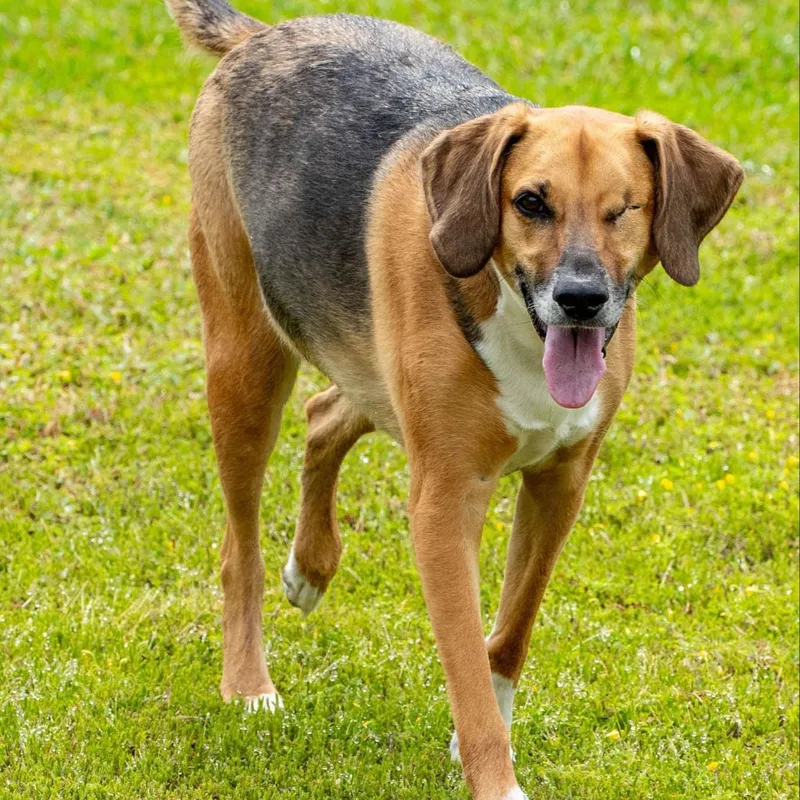
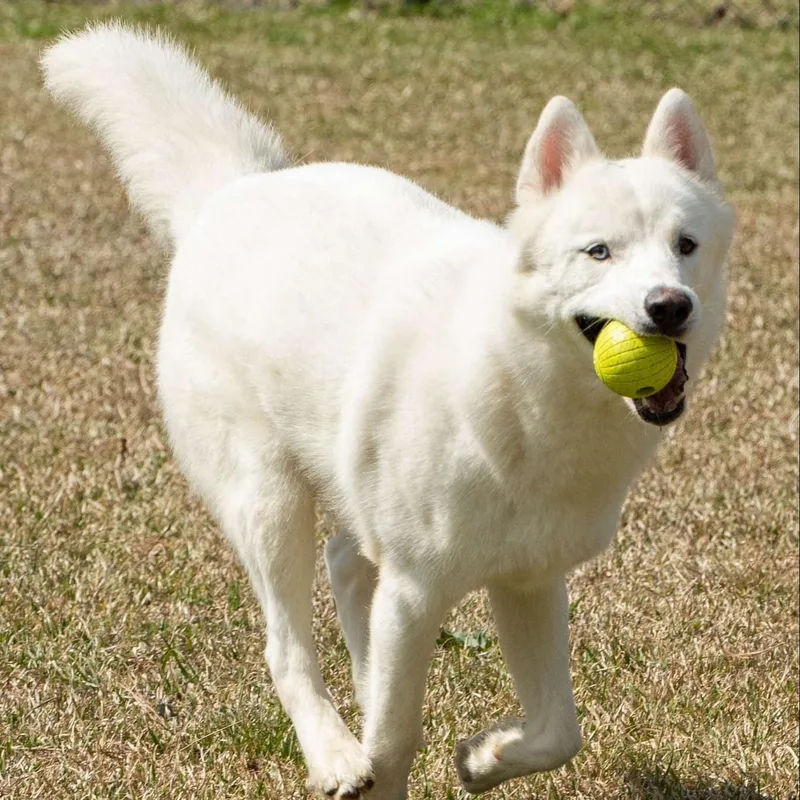
4089 Australian Cattle Dog / Blue Heelers available in Myrtle Beach and nationwide

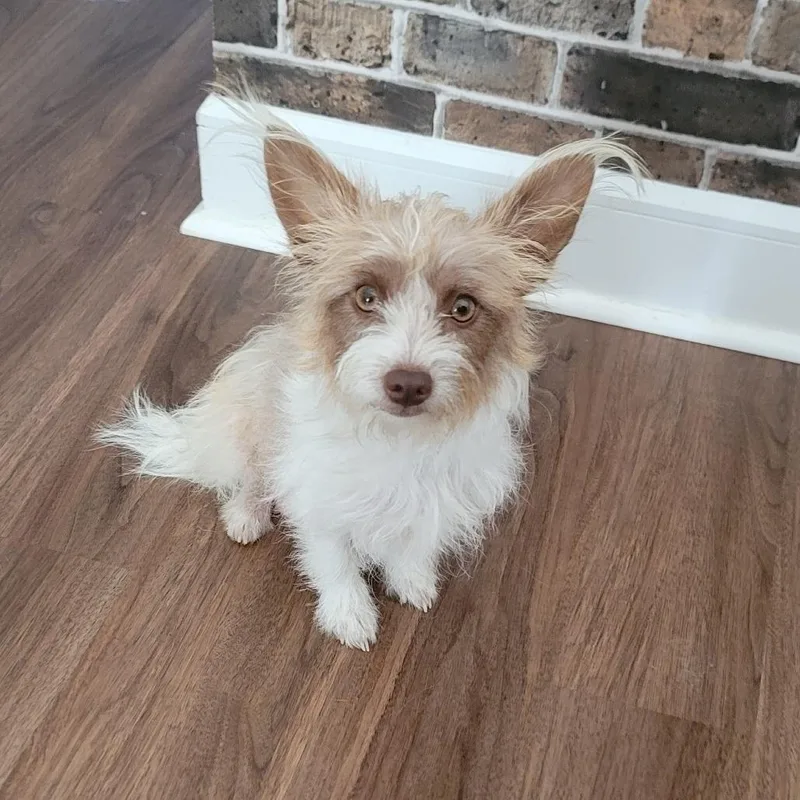
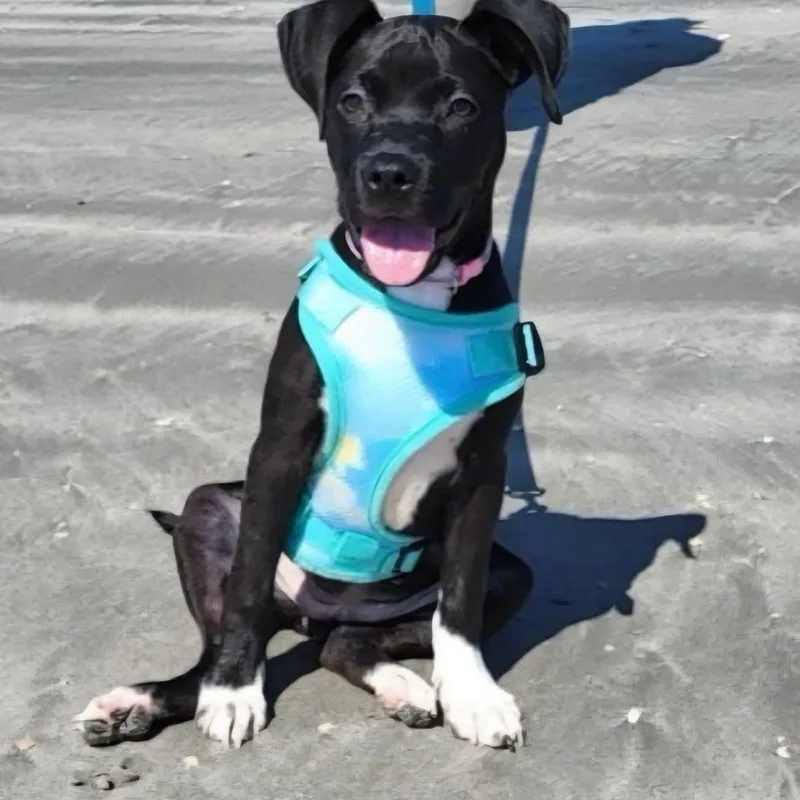
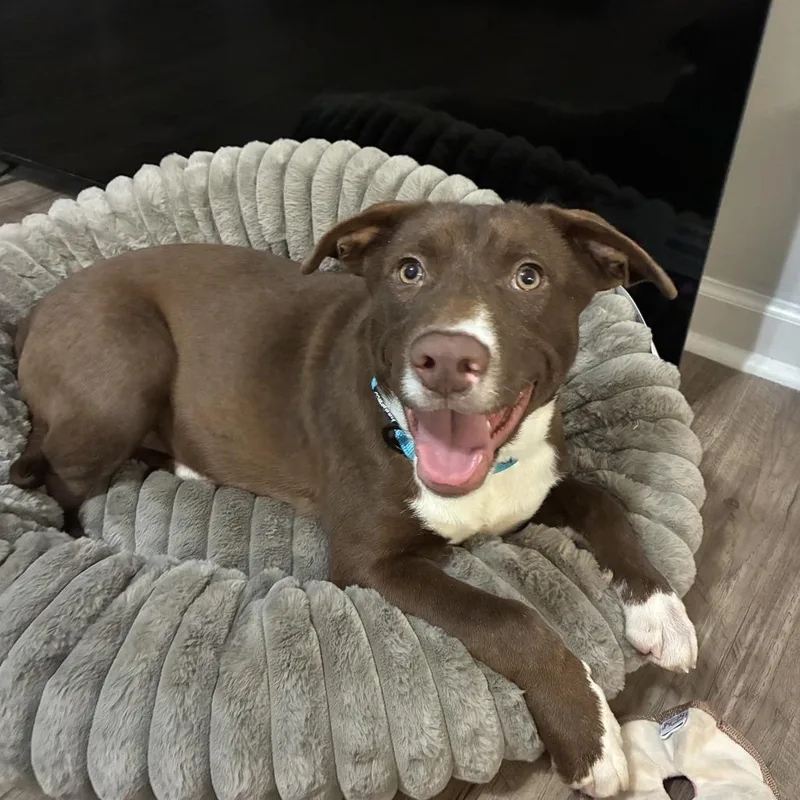
Say hello to your Blue Heeler

While we don't have enough dogs near Myrtle Beach, keep in mind that many rescues may offer transport.

Australian Cattle Dog / Blue Heelers Available for Adoption Near Myrtle Beach

About the Australian Cattle Dog / Blue Heeler breed

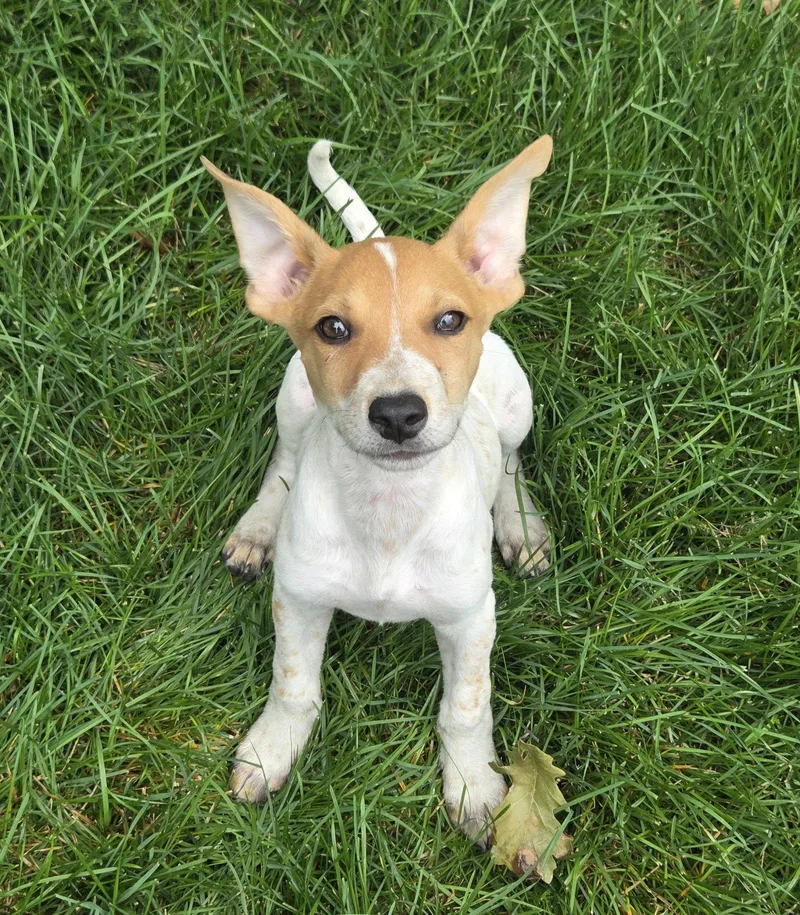
Australian Cattle Dogs were developed in nineteenth-century Australia to move cattle over long distances in heat and dust. That history explains the compact, muscular build of 35 to 50 pounds and the weatherproof double coat in blue or red speckle. Puppies are born white and color in over their first weeks.

That working heritage shows up in everyday ways. Heelers often bond closely with one person, watch the street from the window and may nip at passing bikes or joggers. The short coat sheds moderately and blows seasonally, and it copes well with mild coastal winters. With training, mental work and a daily outlet for their drive, many become devoted companions that often live 12 to 16 years, though each dog's energy varies.

Weight
35–50 lbs
Height
17–20 in
Lifespan
12–16 yrs
Temperament
Energetic, Intelligent, Loyal, Alert
Group
Herding
Shedding
Moderate

Owning an Australian Cattle Dog / Blue Heeler in Myrtle Beach

Having an Australian Cattle Dog / Blue Heeler in Myrtle Beach

Stamina, a quick mind and herding instincts matter more than size with this breed. In Myrtle Beach, the real question is whether your days leave room for exercise and training, since summer heat and seasonal beach hours shape when and where a Heeler can burn energy.

Temperament

Heelers tend to be loyal, alert and confident, often attached to one person and reserved with strangers. In busy Myrtle Beach neighborhoods, that can mean barking at passersby or nipping at bikes, joggers and children. Early socialization and steady, reward-based training help, though each dog's drive and sociability differ.

Exercise Needs

Plan on an hour or more of vigorous activity daily, plus mental work like puzzle toys, trick training or scent games. Around Myrtle Beach, leashed off-season beach runs and trail walks work well, while summer calls for early or late outings. A walk around the block won't satisfy a young Heeler.

Health Considerations

Cattle Dogs are often long-lived, but deafness, progressive retinal atrophy, lens luxation and hip or elbow problems occur in the breed. With Myrtle Beach's mild winters, keep heartworm, flea and tick prevention going year-round. A veterinarian can check hearing, eyes and joints and suggest screening.

Living Space

A securely fenced yard helps, but daily activity matters more than square footage. In a Myrtle Beach condo or apartment, a Heeler needs long outings, training and practice staying calm, since the breed tends to bark at movement outside the door and prefers staying close to its people.

What it costs to own an Australian Cattle Dog / Blue Heeler in Myrtle Beach

ExpenseTypical costPer year
Adoption fee$375, one time$375 in year one
Food$35 to $70 per month$420 to $840
Pet insurance$55 to $100 per month$660 to $1,200
Routine vet care$225 to $450 per year$225 to $450
Other*$440 to $1,190 per year$440 to $1,190
Estimated yearly total (after year one)$1,745 to $3,680
First-year total (with adoption fee)$2,120 to $4,055

Adoption fee is the fee on Australian Cattle Dog / Blue Heeler listings in Myrtle Beach on GetBuddy today. Other costs are estimates and vary with size, age and health.

* Flea, tick and heartworm prevention, a dental cleaning allowance, durable toys and bedding, and light home grooming for a short coat.

Adopt an Australian Cattle Dog / Blue Heeler in Myrtle Beach.

Now that you know more, let’s find you a new best friend. These rescues and shelters below currently have Australian Cattle Dog / Blue Heelers available.

Rescues in Myrtle Beach with Australian Cattle Dog / Blue Heelers Available

Local shelters and rescues care for dogs of all types, and the ones listed below serve the Myrtle Beach area. Here are the rescues & shelters in the Myrtle Beach area where you can find Australian Cattle Dog / Blue Heelers and other dogs available for adoption.

Frequently Asked Questions

Yes, Myrtle Beach has no breed-specific rule for Blue Heelers. City code judges dangerous animals by behavior, though breed and size can be weighed in that decision. Dogs over four months need a rabies vaccine and tags, and your dog must be leashed (seven feet at most) off your property. Four or more dogs over four months old count as a kennel needing inspection.

A Blue Heeler fits Myrtle Beach if you're active and outdoors often. Mild winters allow year-round walks and off-season beach runs, and three city dog parks add off-leash options. The trade-offs are summer heat, seasonal beach limits and a breed that nips at bikes and wants a job. Expect to commit to training and a daily exercise routine.

Start with the three city dog parks: Barc Parc North, Barc Parc South with its 14 acres and large lake, and New Town Bark Park in Withers Swash. Withers Swash Park has walking trails. The dog parks open sunup to sundown and require spayed or neutered dogs at least four months old, so intact or very young Heelers should stick to leashed walks.

Yes, with some adjustments. Highs reach the upper 80s and nights stay near 71 degrees, so schedule runs around dawn and dusk. Keep indoor games ready for rainy afternoons, since June through September are the wettest months. A Heeler's double coat shouldn't be shaved. Offer shade and fresh water on every outing.

Yes, if you can supply the exercise. A Heeler in a Myrtle Beach condo or apartment needs a long morning outing, an evening one and daily training or puzzle work. Check the lease and HOA rules for pet limits, and teach calm greetings, because Heelers often bark at hallway and street movement.

Sometimes, on outdoor patios only. South Carolina lets restaurants allow dogs in outdoor dining areas, but each restaurant decides and dogs can't go inside. The Market Common has several restaurants listed with dog-friendly patios. Keep your Heeler leashed and off seats and tables, and practice settling under a table first, since Heelers can be watchful around strangers.

Very little. A Heeler's short double coat needs a weekly brush, and more during the seasonal coat blow. After beach days, rinse off sand and salt, dry the skin and check the paws. Most owners groom at home, so grooming adds little to the Other line of the cost table.

Blue Heelers typically live about 12 to 16 years, and a recent UK study put the breed's average life expectancy at about 14 years, longer than many purebreds. A famous Australian Cattle Dog named Bluey reportedly lived over 29 years, though such records are hard to verify. Staying lean and active and getting regular checkups support a long life.

We have 1 rescue with Australian Cattle Dog / Blue Heelers available: South Paw Rescue. You can see every rescue with Australian Cattle Dog / Blue Heelers available in the list above these questions, or scroll to the top to see the Australian Cattle Dog / Blue Heelers near Myrtle Beach.

Expect about $35 to $70 a month for food and $55 to $100 for pet insurance. Routine vet care runs about $225 to $450 a year, and other costs such as parasite prevention, dental care and supplies add $440 to $1,190. That puts a typical year at roughly $1,745 to $3,680, before any emergencies.