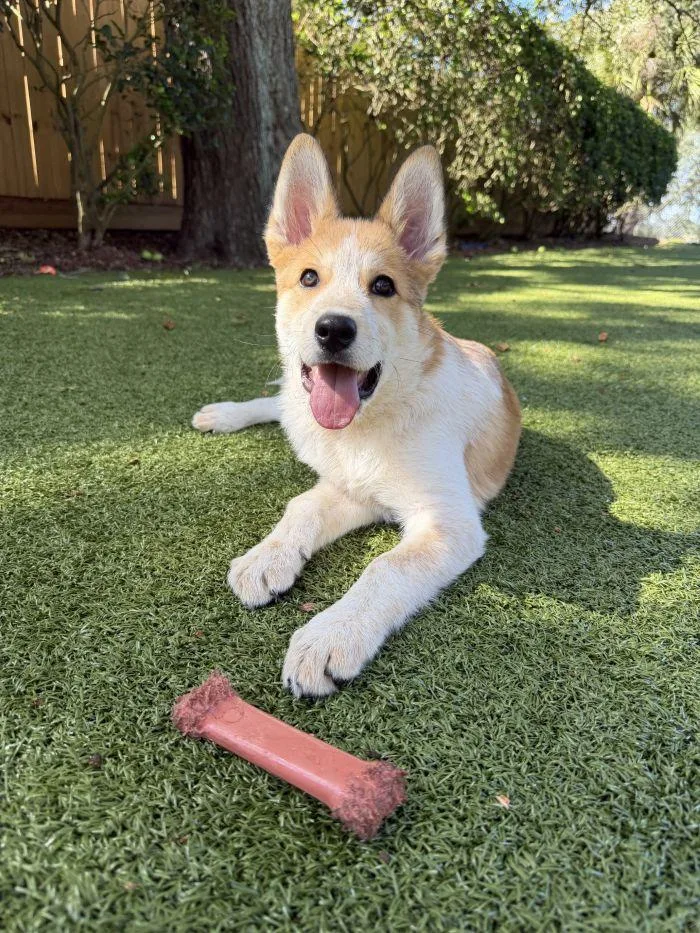
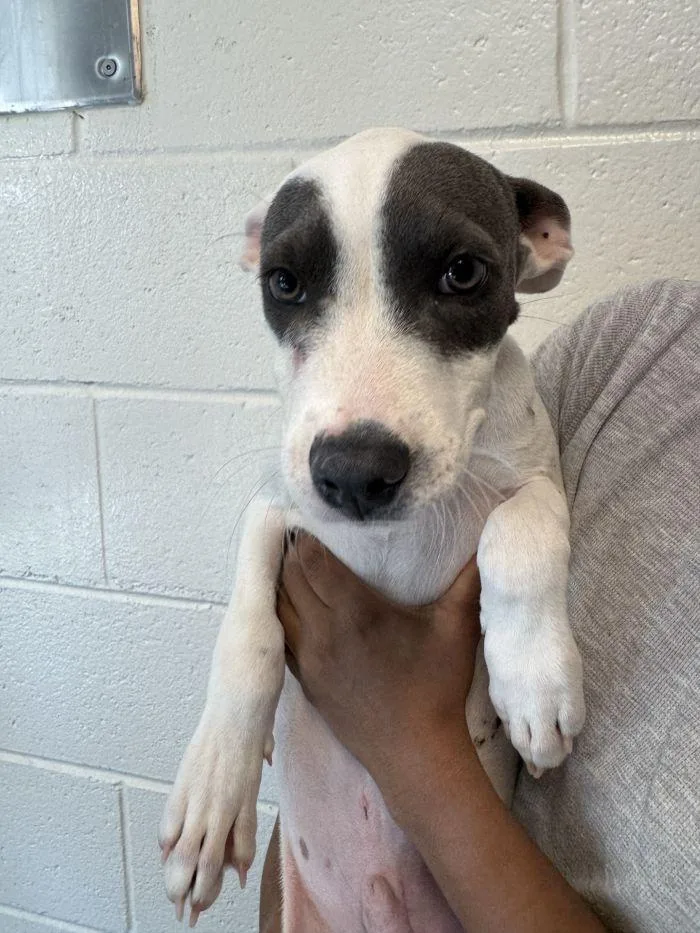
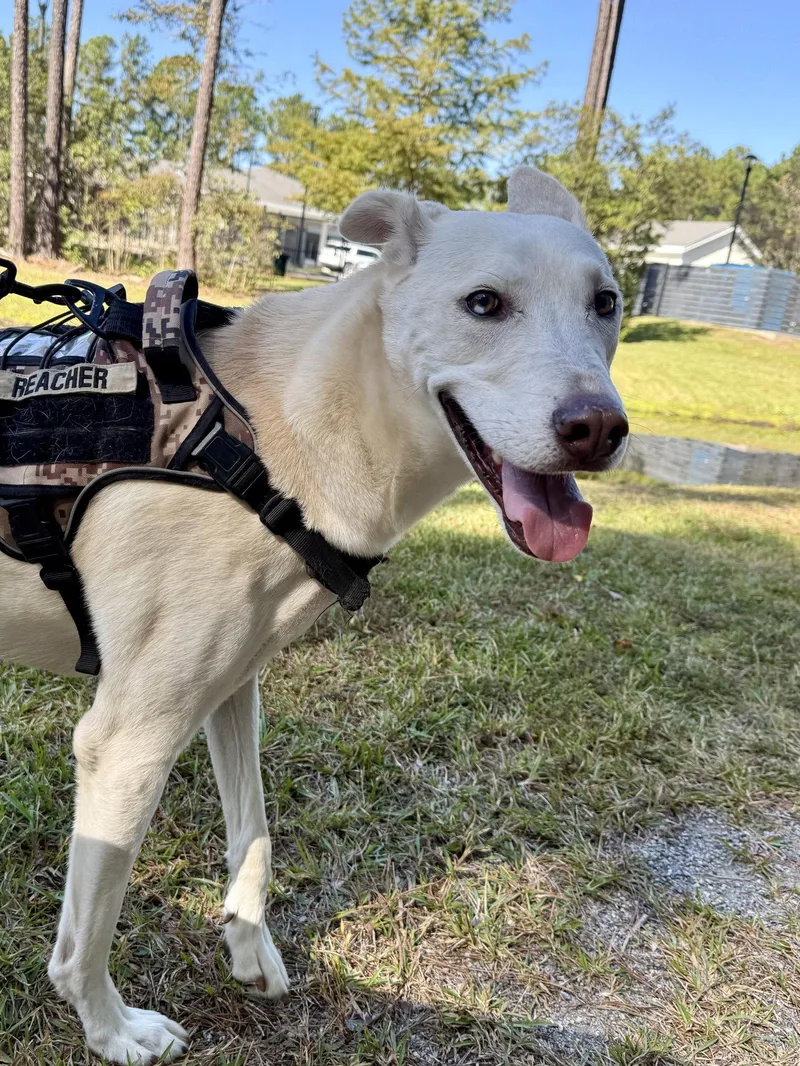
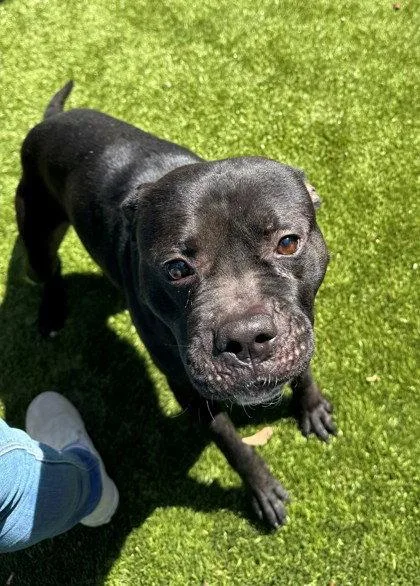
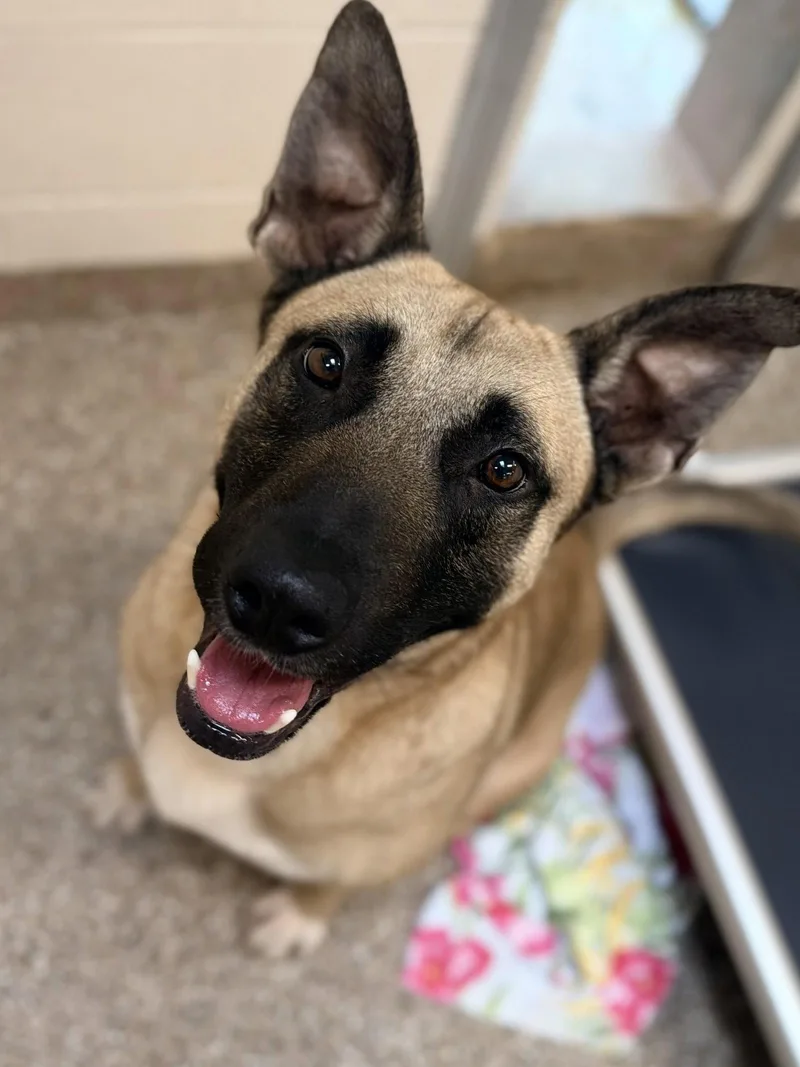
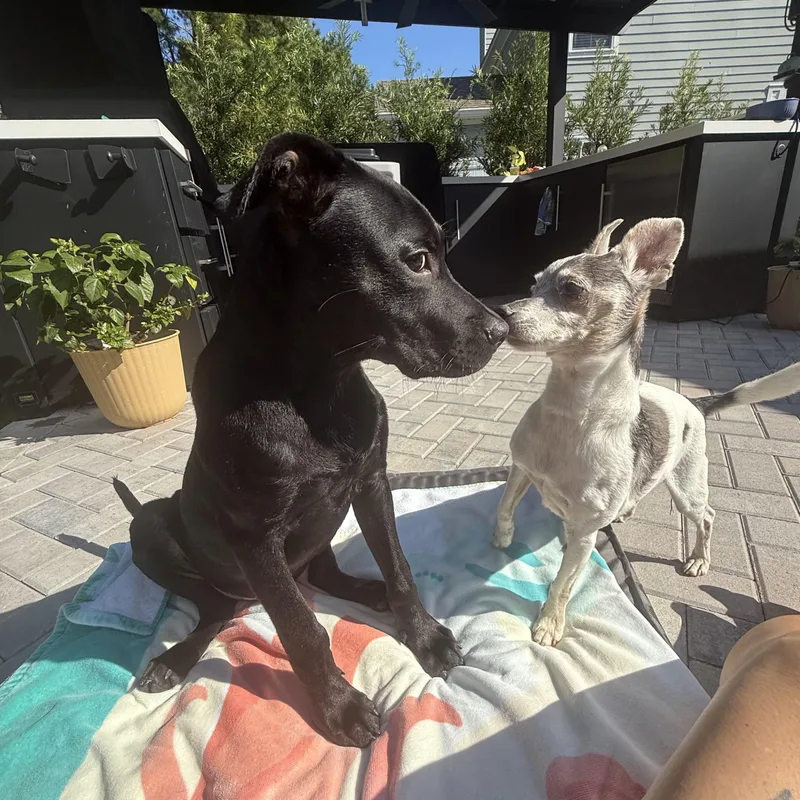
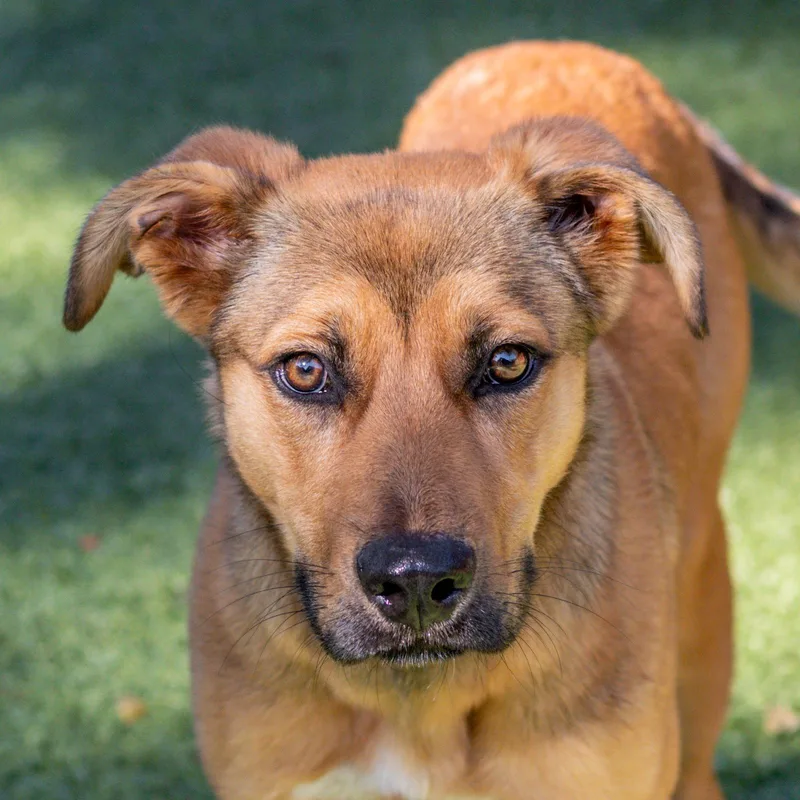
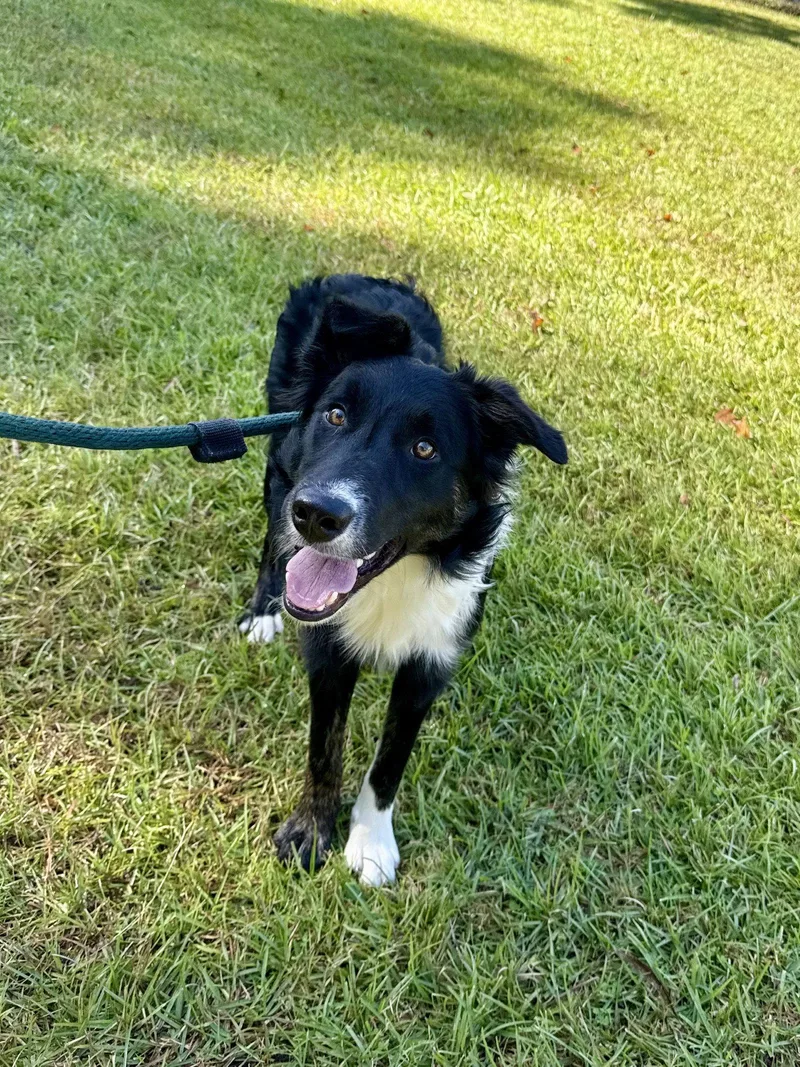
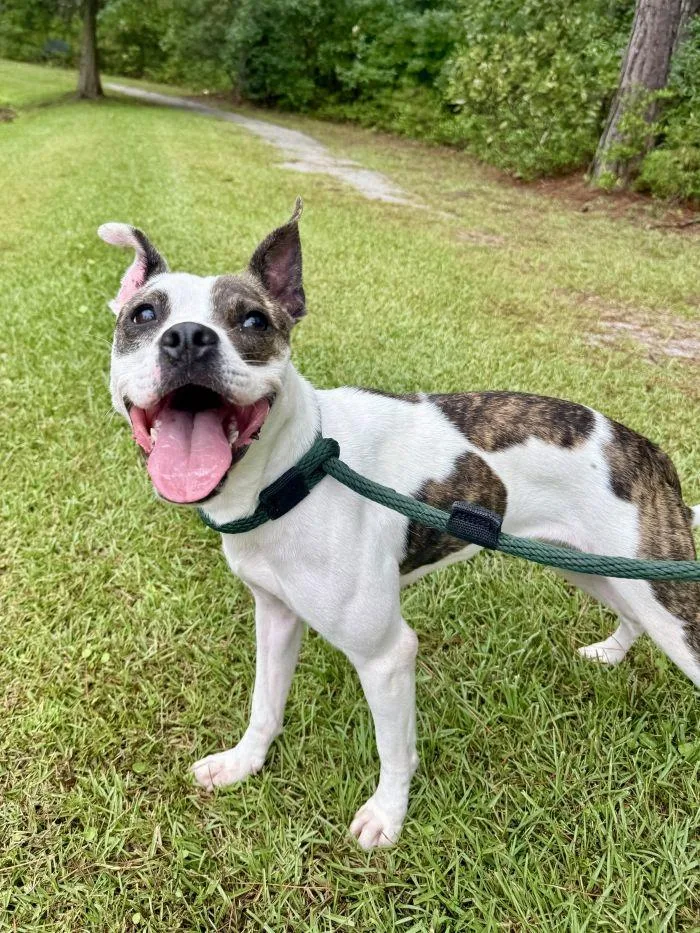
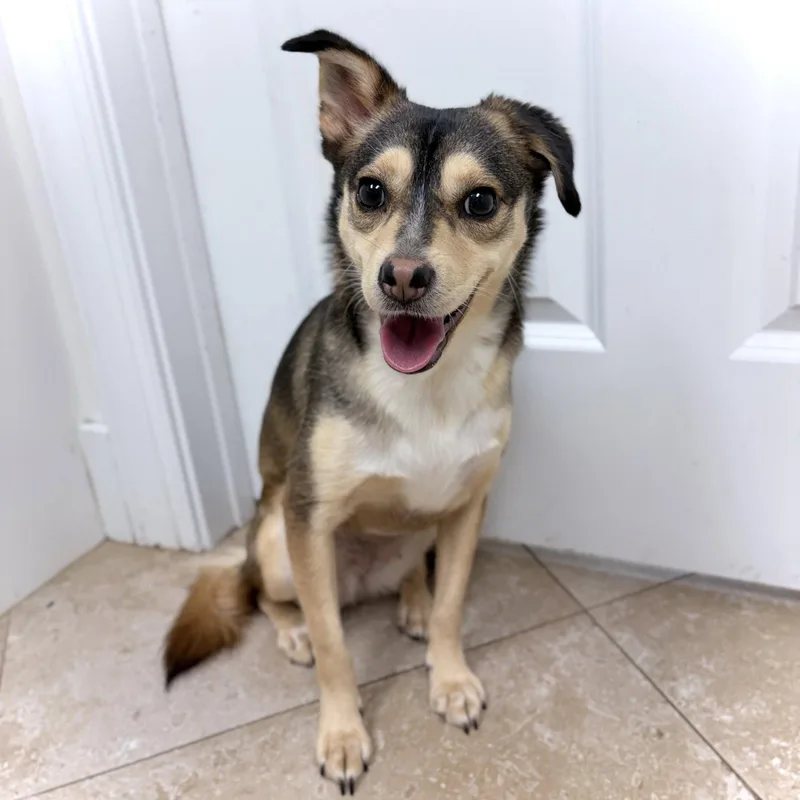
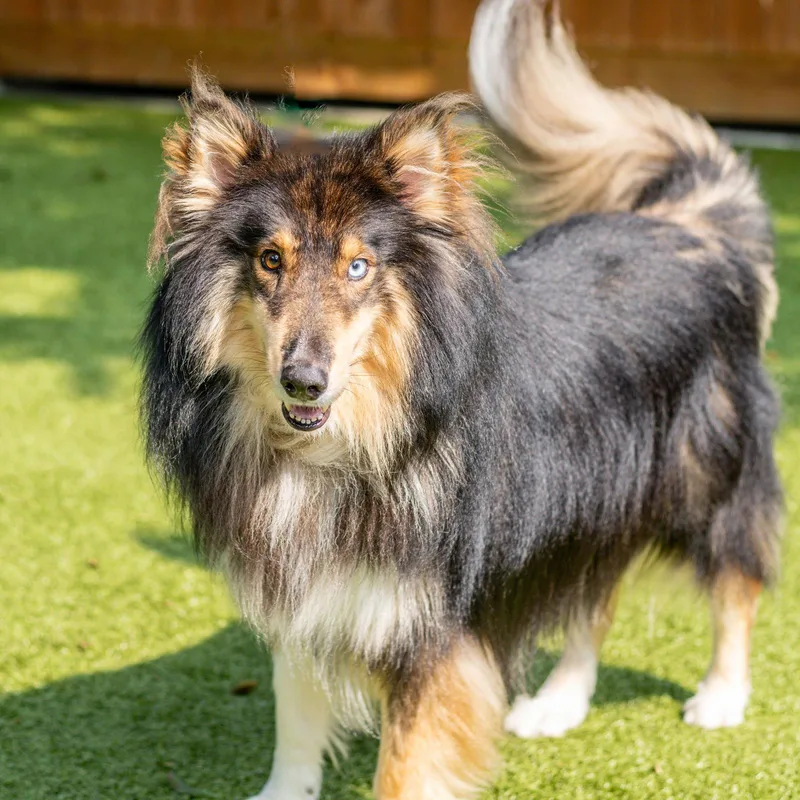
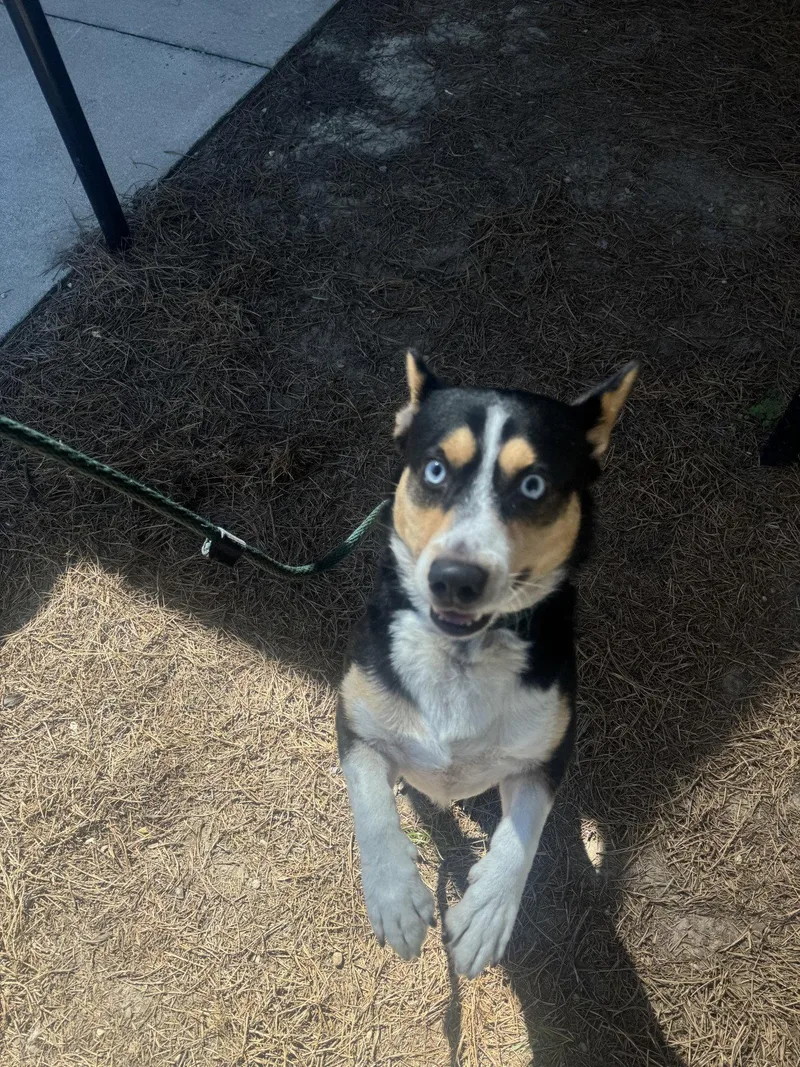
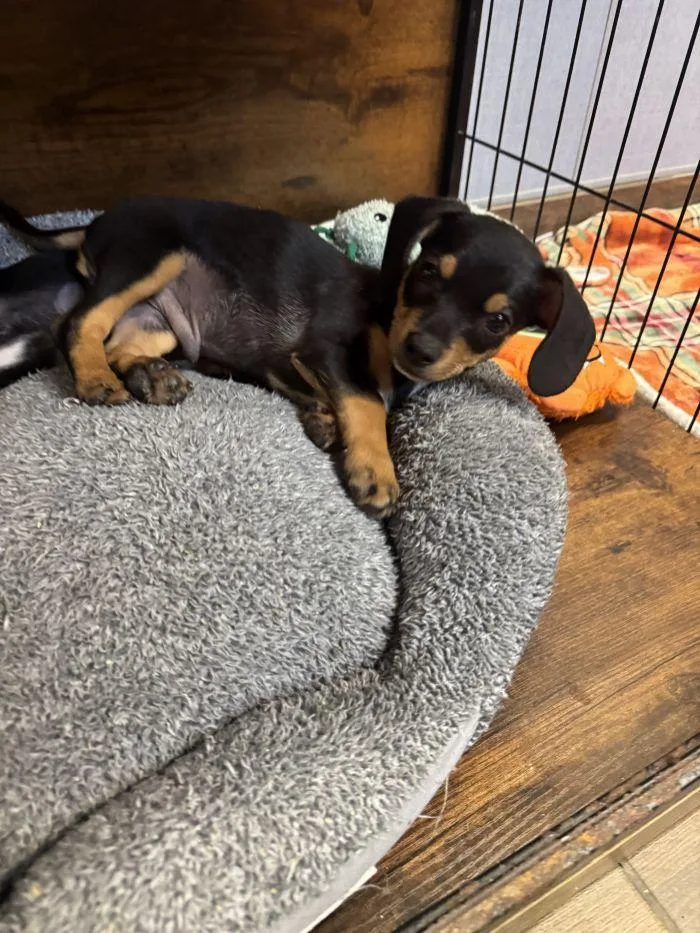
Cattle Dogs for Adoption in Hilton Head Island, SC

Your guide to finding and caring for a Cattle Dog in Hilton Head Island

A Cattle Dog does best on Hilton Head Island with an owner who treats the daily walk as a job. The one-mile lake loop at Jarvis Creek Park is a good start, and the fenced dog park at Chaplin gives a dog room to run. Most dogs with this label are Heeler types or mixes, built for stamina and happiest with something to do. Island pathways cover the rest of the daily mileage.

2069 Cattle Dogs available in Hilton Head Island and nationwide

Fall for a Cattle Dog

While we don't have enough dogs near Hilton Head Island, keep in mind that many rescues may offer transport.

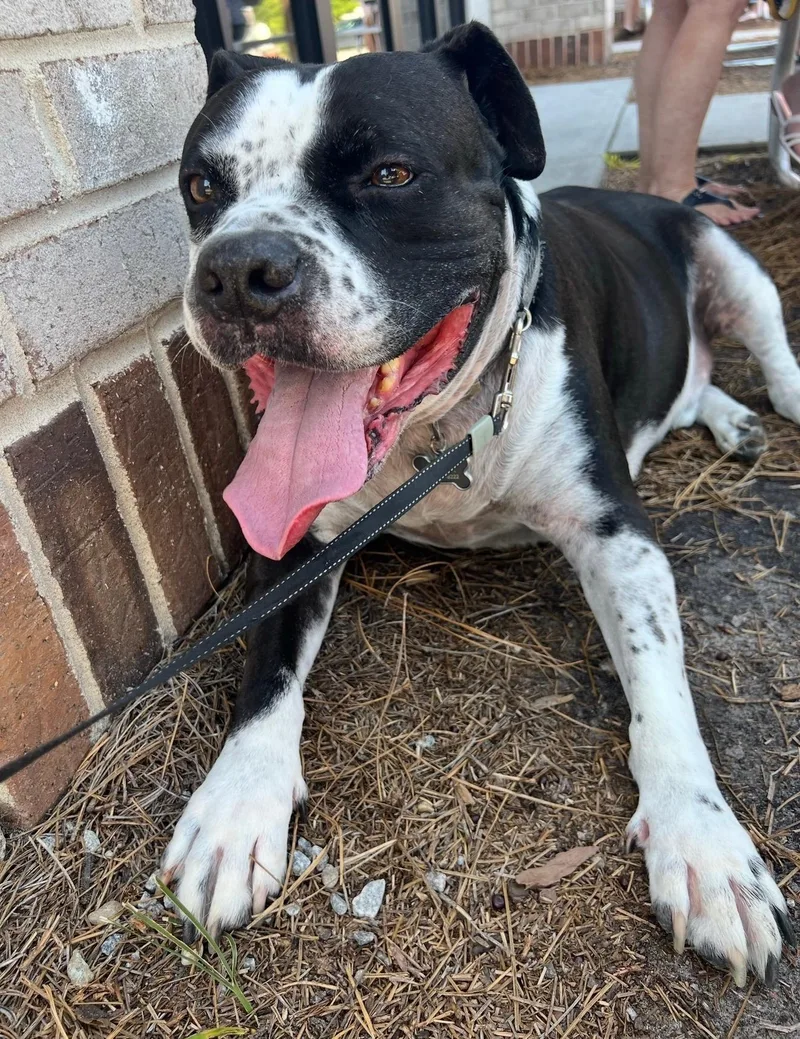
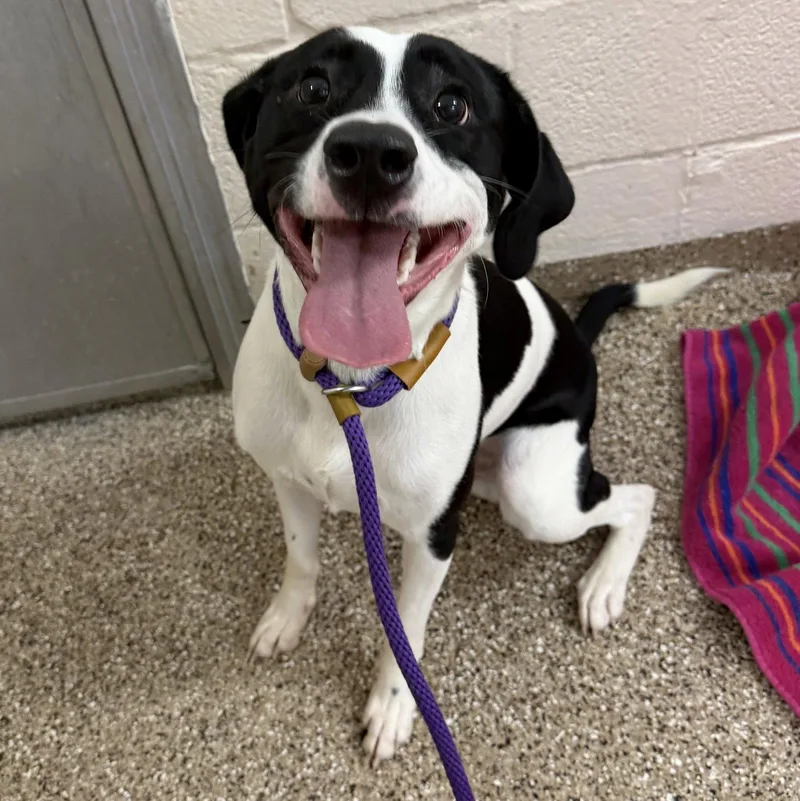
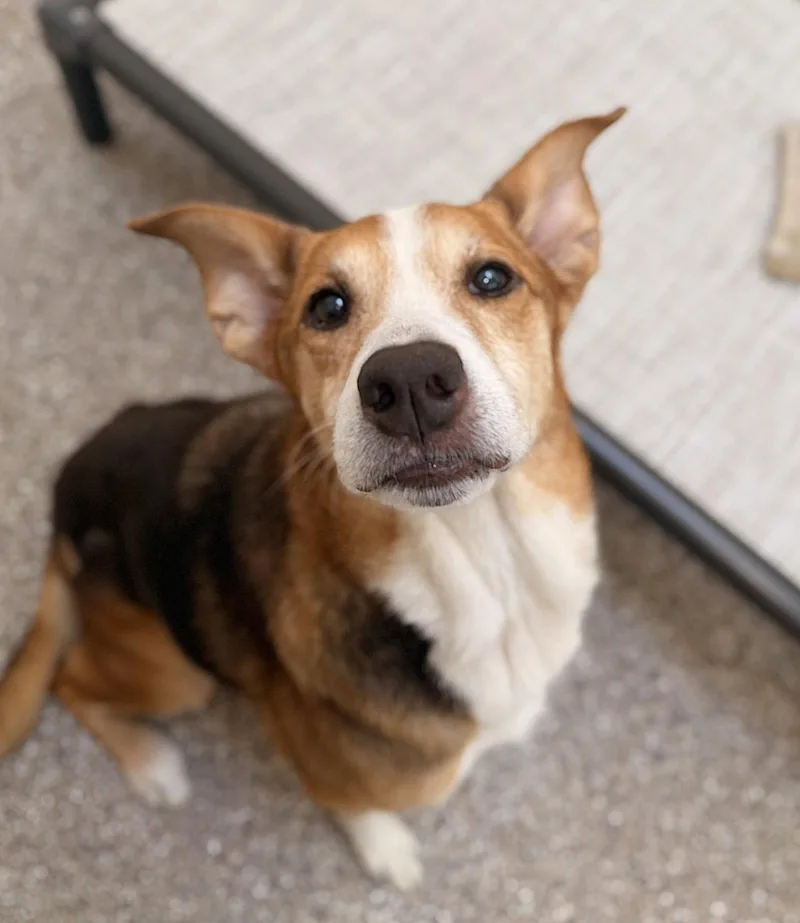
Cattle Dogs Available for Adoption Near Hilton Head Island

About the Cattle Dog breed

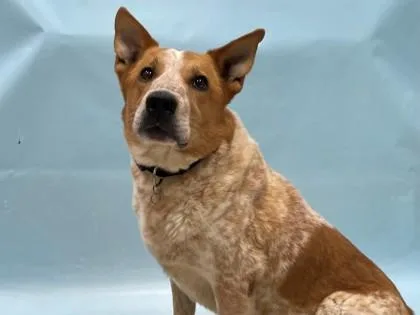
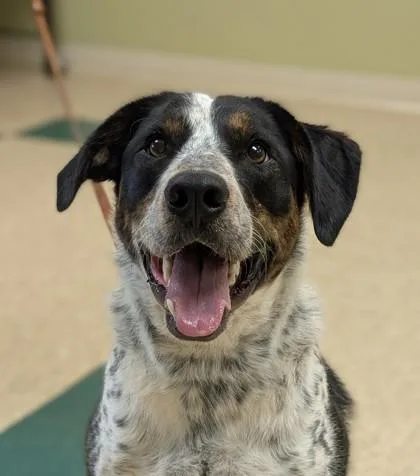
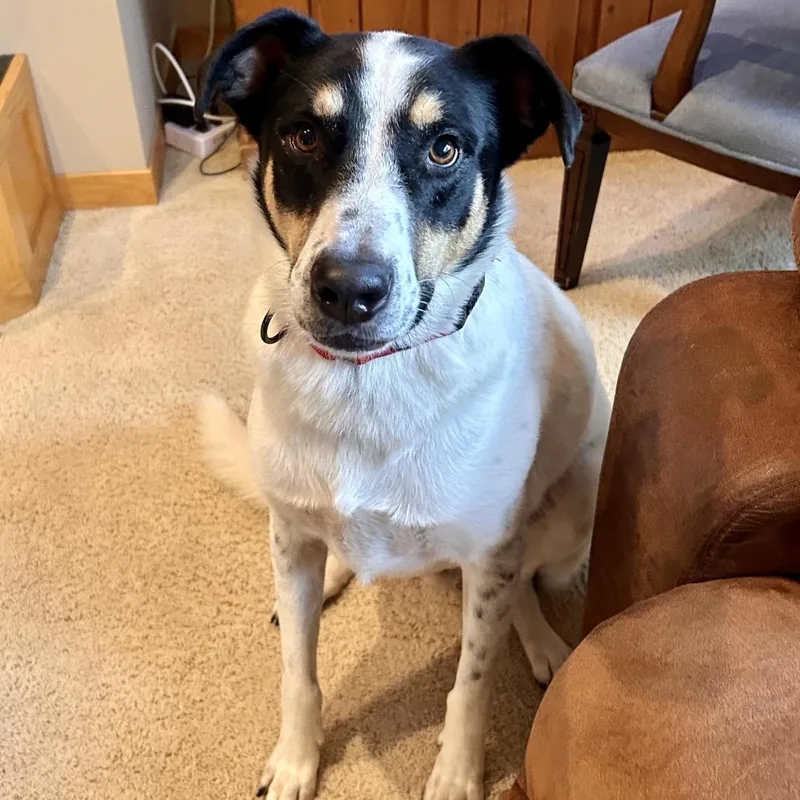
Cattle Dog is a catch-all label. It usually means an Australian Cattle Dog, the Blue or Red Heeler, or a mix with one, though Texas Heelers and crosses with other herders or Labs get the name too. The Australian Cattle Dog came from nineteenth-century Australia, where collie-type herders were crossed with dingoes to create a tough drover that moves cattle by nipping at their heels.

Most are medium-sized, muscular and short-coated, around 30 to 50 pounds, with sharp minds and strong loyalty to their people. Many are reserved with strangers and want a job to do, whether that's a morning loop, a swim or a training session on the porch. Mixes vary in size, coat and energy, so watch how each dog actually behaves rather than relying on the label.

Weight
30–50 lbs
Height
17–20 in
Lifespan
12–16 yrs
Temperament
Energetic, Loyal, Intelligent, Protective
Group
Herding
Shedding
Moderate

Owning a Cattle Dog in Hilton Head Island

Having a Cattle Dog in Hilton Head Island

Heeler-type dogs bring stamina, quick thinking and a need for a daily job. On Hilton Head Island that means steady pathway miles, cool downtime in summer and a plan for storm season. Mixes differ, so treat these as tendencies, not guarantees.

Temperament

Cattle Dogs tend to be loyal, alert and bonded to one person or family, often reserved with strangers. Many herd by nipping at running children, bikes and joggers, which matters on busy island pathways. Some guard their home. Early socialization and consistent training help, and mixes vary in how they get along with kids, dogs and cats.

Exercise Needs

Plan on an hour or more of vigorous activity daily, plus mental work like puzzle toys, scent games and training. Island pathways, the Jarvis Creek Park lake loop and the Chaplin dog park cover the miles. Keep the dog leashed and well back from lagoon edges, where alligators live, especially at dawn and dusk.

Health Considerations

Heeler types are often hardy, but deafness, progressive retinal atrophy, lens luxation, hip or elbow dysplasia and cruciate tears occur. In the warm, humid climate, heartworm and tick prevention and heat-stress awareness matter. A veterinarian can check hearing, eyes and joints at the first exam, and keeping the dog lean protects its joints.

Living Space

Cattle Dogs can manage in a condo or villa if daily exercise is dependable, but a securely fenced yard is easier. Bored dogs often dig or escape, so check fences and gates and supervise yard time. Expect a dog that wants to stay indoors with you rather than live outside.

What it costs to own a Cattle Dog in Hilton Head Island

ExpenseTypical costPer year
Food$35 to $70 per month$420 to $840
Pet insurance$45 to $85 per month$540 to $1,020
Routine vet care$225 to $450 per year$225 to $450
Other*$440 to $1,190 per year$440 to $1,190
Estimated yearly total (after year one)$1,625 to $3,500

Other costs are estimates and vary with size, age and health.

* Flea, tick and heartworm prevention, a dental cleaning allowance, a dog license, durable toys and bedding, and light home grooming.

Adopt a Cattle Dog in Hilton Head Island.

Now that you know more, let’s find you a new best friend. These rescues and shelters below currently have Cattle Dogs available.

Rescues in Hilton Head Island with Cattle Dogs Available

Hilton Head Island's rescues and shelters work to place dogs of every size, including Heeler types and mixes. Here are the rescues & shelters in the Hilton Head Island area where you can find Cattle Dogs and other dogs available for adoption.

Frequently Asked Questions

No. Palmetto Breeze buses and the seasonal Breeze Trolley don't allow pets, except guide dogs and trained personal assistance animals. There is no rail or subway on the island, so most trips with a Cattle Dog mean driving or walking the pathways. Pets are also barred from evacuation buses, so plan your own transportation for storm season.

Yes, with care. Summer highs reach about 90°F, humidity is heavy and nights stay near 74°F, so a Cattle Dog needs dawn or evening exercise, shade, fresh water and a cool indoor spot. Skip midday pavement and sand, and never leave the dog in a parked car. Watch for panting that doesn't ease.

Chaplin Community Park has the Town's only dog park, fenced with separate small and large dog areas. Jarvis Creek Park has a one-mile loop around its lake, and the island has more than 60 miles of public pathways. Beaches are good in cooler months, but keep dogs away from lagoon edges, where alligators live.

Yes. There is no known breed ban on Cattle Dogs, and South Carolina law says a dog isn't dangerous solely because of its breed. Beaufort County rules require a license for dogs over four months. They also require pit bull-type dogs, including American Bulldogs, American Bullies and Cane Corsos, to be spayed or neutered and microchipped, which could apply to a mix that mostly resembles them.

Yes, if daily exercise is reliable. Many island homes are condos and villas, and a Cattle Dog can do well in one with an hour or more of vigorous activity plus mental work. Check HOA and resort pet rules first, since limits on size, number or breed can go beyond the lease, and expect to manage barking.

It can be, for active people who are home a fair amount. The island offers pathways, a fenced dog park and cooler-season beach days, but summer heat, alligator-edged lagoons and hurricane planning add work. Cattle Dogs can be reserved with strangers and nip at moving things, so busy pathways call for early training and a leash.

Sometimes. South Carolina lets restaurants allow dogs on outdoor table-service patios, but each restaurant decides, and dogs can't go inside. Dogs must be restrained and kept off tables and seats. Sea Pines patios that welcome dogs require leashes. Because Cattle Dogs can be wary of strangers, practice settling calmly under a table first.

Not much. A short double coat needs weekly brushing, more during seasonal shedding. In the island's humidity, rinse off beach sand, salt and marsh or lagoon water, and dry the ears. Home grooming costs little, and an occasional professional bath fits within the yearly $440 to $1,190 in other costs.

We have 1 rescue with Cattle Dogs available: Humane Association Hilton Head/Bluffton. You can see every rescue with Cattle Dogs available in the list above these questions, or scroll to the top to see the Cattle Dogs near Hilton Head Island.

Expect roughly $35 to $70 a month for food, $45 to $85 a month for pet insurance, $225 to $450 a year for routine vet care, and $440 to $1,190 a year in other costs. Together that comes to about $1,625 to $3,500 a year, depending on the dog's size and coat.

Find Cattle Dogs in Nearby Cities

Expand your search to find Cattle Dogs available for adoption near Hilton Head Island.