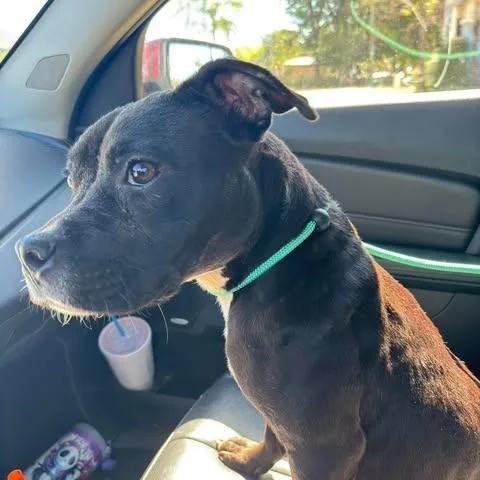
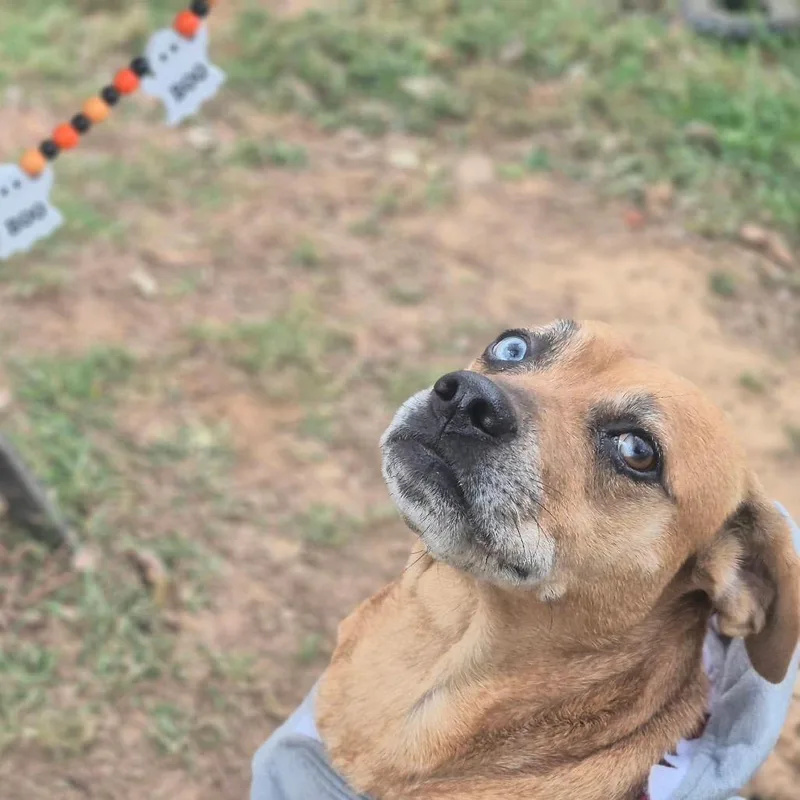
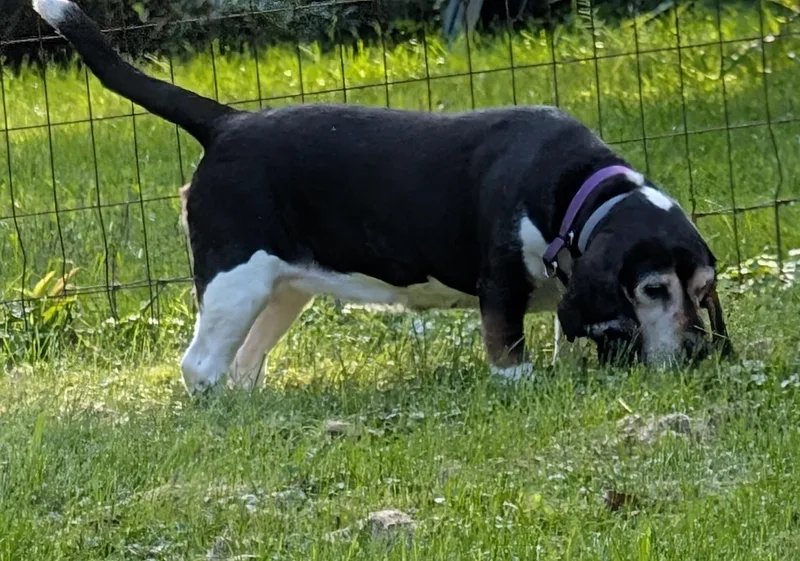
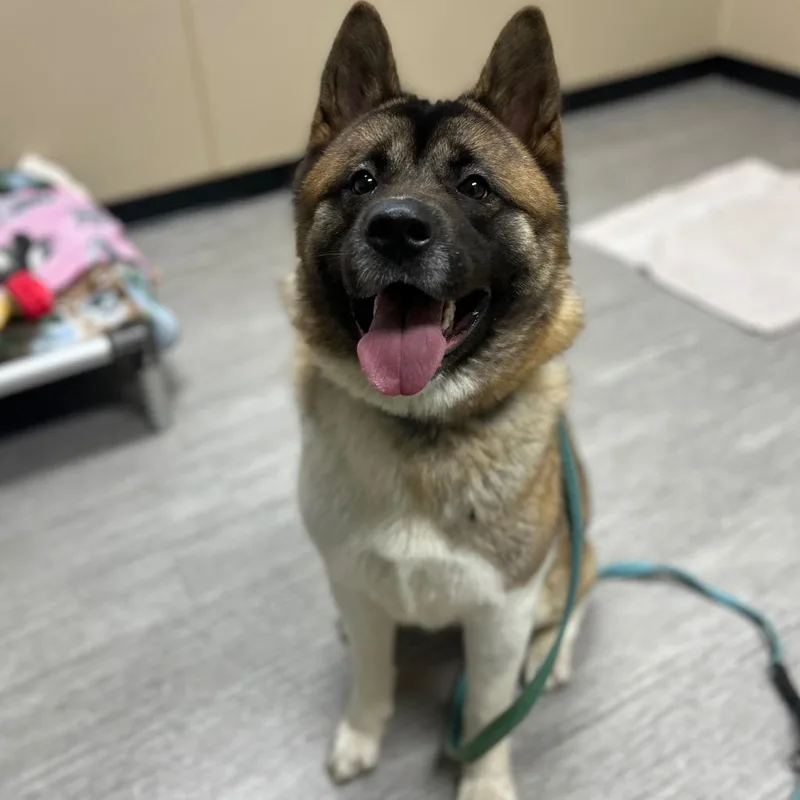
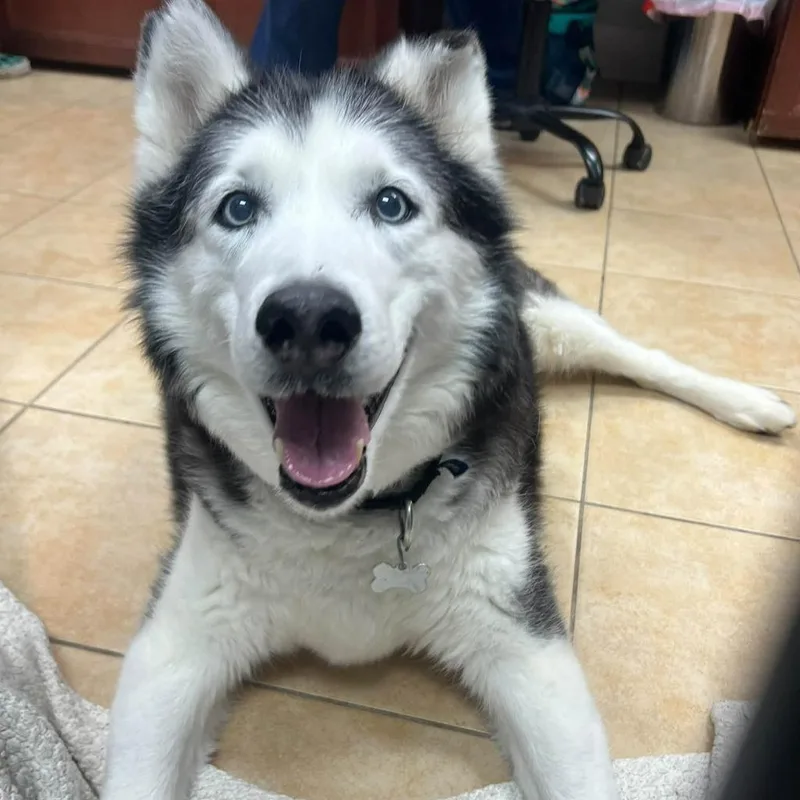
Pit Bull Terrier Dogs for Adoption in State College, PA

Your guide to finding and caring for a Pit Bull Terrier in State College

Pit Bull Terriers fit State College best when their people can get them out for an hour a day. The wooded paths at Lederer Park in Penfield and Walnut Springs Park in Vallamont both allow leashed dogs, which matters because most borough parks don't. Many pit bull–type dogs are affectionate, athletic and happiest close to their people, so a quiet Greentree street or a walkable Highlands block can work well. They're short-coated, though, so a coat helps on January walks.

22410 Pit Bull Terriers available in State College and nationwide

Meet your next Pit Bull Terrier

Pit Bull Terriers Available for Adoption Near State College

About the Pit Bull Terrier breed

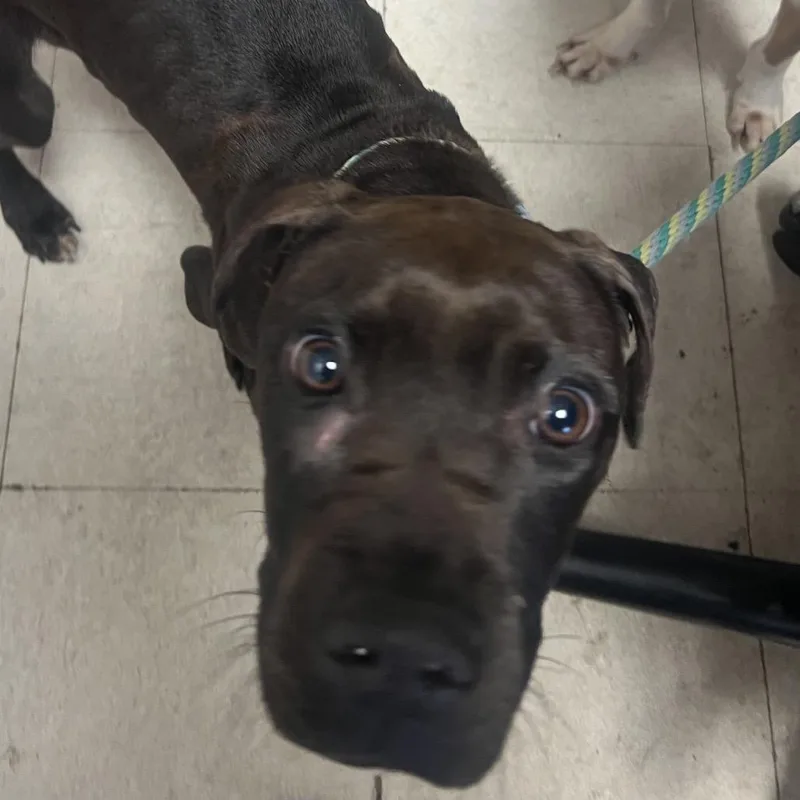
Pit Bull Terrier is a type more than a single breed. The label usually covers the American Pit Bull Terrier, American Staffordshire Terrier, Staffordshire Bull Terrier, American Bullies and many mixes, all descended from nineteenth-century British bull-and-terrier dogs. Most are medium-sized, around 30 to 65 pounds, with a short, smooth coat, a broad head and a muscular build.

Many are affectionate, loyal and eager to please, and they often want to be wherever their people are. Their strength and energy mean training and good leash manners matter, and some dogs are choosy about other dogs, which is worth remembering on busy State College sidewalks. Because DNA tests often disagree with breed labels, a dog's actual behavior tells you more than the name on its listing.

Weight
30–65 lbs
Height
17–21 in
Lifespan
12–14 yrs
Temperament
Affectionate, Energetic, Loyal, Confident
Group
Terrier
Shedding
Moderate

Owning a Pit Bull Terrier in State College

Having a Pit Bull Terrier in State College

Strength, steady energy and a need for company shape life with these dogs. In State College, leash handling on busy sidewalks, cold-season gear for a short coat and renter-friendly housing choices matter most. Dogs vary, so treat these as tendencies, not guarantees.

Temperament

Many pit bull–type dogs are affectionate, playful and eager to please, and they tend to bond closely. Some are selective with other dogs, so careful introductions help on busy campus-area sidewalks, and strong prey drive shows up in some. Breed labels predict little, so a dog's observed behavior and training matter more.

Exercise Needs

Plan on about an hour a day of brisk walks, fetch, tug with rules or flirt-pole play, plus puzzle feeders on slow days. In State College, the leashed wooded paths at Lederer Park and Walnut Springs Park work well, and Tudek Dog Park in nearby Ferguson Township offers fenced off-leash space for dogs that play well with others.

Health Considerations

Skin allergies, hip dysplasia, cruciate tears, hypothyroidism and some cancers turn up in pit bull–type dogs. Ticks live in every Pennsylvania county, so year-round prevention and a check after wooded walks help. Keep the dog lean, watch for itching or new lumps, and have a veterinarian look at anything unusual.

Living Space

These dogs can do fine in a State College apartment or a house if daily exercise is dependable. Most want to live indoors with their people and dislike long stretches alone. A fenced yard helps but doesn't replace walks, and a landlord's lease can still set its own breed or size rules.

What it costs to own a Pit Bull Terrier in State College

ExpenseTypical costPer year
Food$35 to $70 per month$420 to $840
Pet insurance$45 to $85 per month$540 to $1,020
Routine vet care$225 to $450 per year$225 to $450
Other*$436 to $1,161 per year$436 to $1,161
Estimated yearly total (after year one)$1,621 to $3,471

Other costs are estimates and vary with size, age and health.

* The $10.80 Centre County dog license, flea, tick and heartworm prevention, a dental cleaning allowance, durable toys and bedding, and light home grooming.

Adopt a Pit Bull Terrier in State College.

Now that you know more, let’s find you a new best friend. These rescues and shelters below currently have Pit Bull Terriers available.

Rescues in State College with Pit Bull Terriers Available

State College's rescue community centers on Centre County PAWS, a nonprofit that has been taking in more dogs in recent years. Here are the rescues & shelters in the State College area where you can find Pit Bull Terriers and other dogs available for adoption.

Frequently Asked Questions

Yes, you can own a Pit Bull Terrier in State College. Pennsylvania law doesn't allow local ordinances that prohibit or limit a specific breed, so the borough can't ban them. You'll still need a county dog license each year, a current rabies vaccine, a leash off your property and waste pickup. Landlords and insurers can set their own breed rules, so confirm those first.

Yes, a Pit Bull Terrier can live in a State College apartment if daily exercise is reliable. Most dogs of this type are content indoors with their people, and apartments are common here, especially near downtown and campus. The harder part is the lease: landlords may set breed or weight limits, and pet-friendly rentals can be scarce, so sort out terms before committing.

Leashed dogs are welcome at Lederer Park in Penfield and Walnut Springs Park in Vallamont, both with wooded walking paths, and on Orchard Park's perimeter sidewalks. Most other borough parks don't allow dogs. For off-leash play, nearby Tudek Dog Park in Ferguson Township is fenced, with separate areas for dogs over and under 30 pounds, so it suits dogs that get along with others.

Many can with some help. Their short coats offer little insulation, and January highs hover in the mid-30s with about 44 inches of snow a year. Use a coat on walks, rinse salt off paws and shorten outings on the coldest days. Keep the dog indoors too, since state law limits unattended tethering to 30 minutes below freezing.

Sometimes. CATA buses allow non-service animals only if they're properly muzzled or in an approved carrier, and the animal can't pose a risk to other passengers or disrupt service. Service animals are permitted. Many Pit Bull Terriers are too big for a carrier, so a muzzle-trained dog is the practical route, and the operator has the final say. Community route fares are $2.50.

Only on patios, and only where the restaurant allows it. Restaurants serving dogs in Pennsylvania are expected to have an outdoor or separate area away from other diners, and each place sets its own policy, which can change. Service animals are the exception indoors. A leashed dog that settles calmly under the table makes outings much easier, so practice at quiet times.

Very little. The short, smooth coat needs a weekly brush with a rubber curry mitt, more during seasonal shedding, and a bath every month or two. In State College's cold, dry winters, bathe less often to avoid itchy skin, trim nails regularly and rinse salt off paws. Basic home grooming supplies cost little.

It can be for active people who can give daily walks and training. State College offers leashed wooded trails, mild summers and no possibility of a local breed ban, but winters are cold for a short coat and most borough parks exclude dogs. Many pit bull–type dogs dislike long days alone, so your schedule matters as much as the breed label.

We have 1 rescue with Pit Bull Terriers available: Centre County PAWS. You can see every rescue with Pit Bull Terriers available in the list above these questions, or scroll to the top to see the Pit Bull Terriers near State College.

Budget roughly $1,600 to $3,500 a year for a Pit Bull Terrier. Food runs $35 to $70 a month, pet insurance $45 to $85 a month, and routine vet care $225 to $450 a year. Other costs, such as parasite prevention, dental care, the license and toys, add about $436 to $1,161 a year.