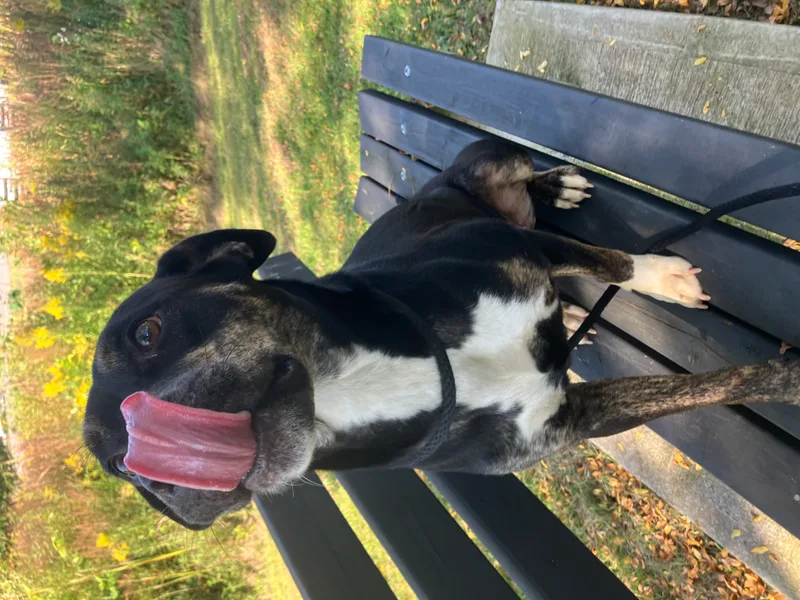
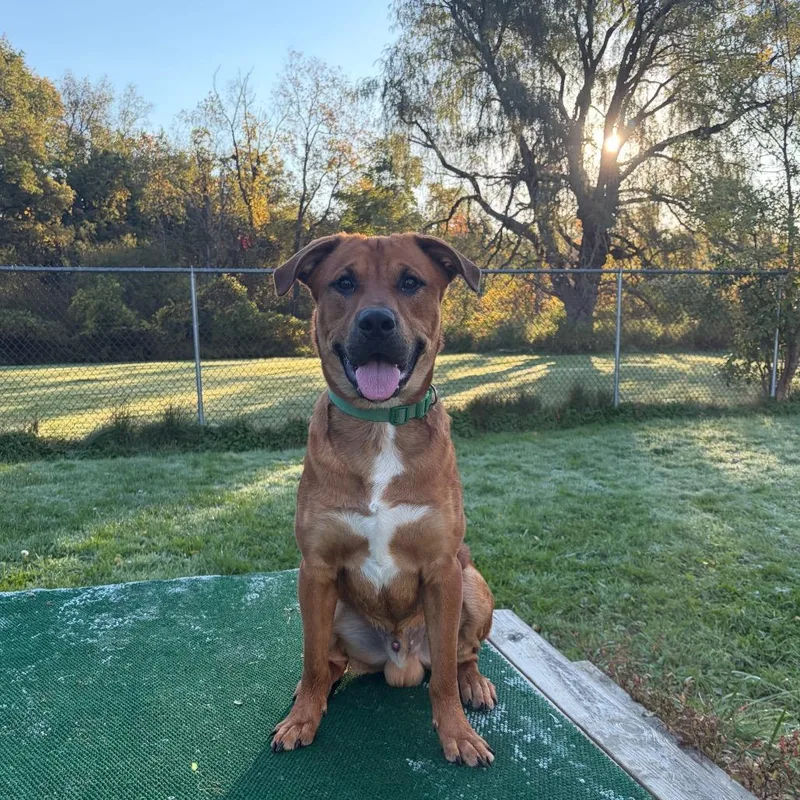
Australian Cattle Dog / Blue Heelers for Adoption in Binghamton, NY

Your guide to finding and caring for an Australian Cattle Dog / Blue Heeler in Binghamton

Blue Heelers suit Binghamton if you like being outside most days of the year. The flat River Trail along the Chenango, from Confluence Park up to Cheri Lindsey Park on the North Side, gives a young Heeler a long, steady route for walks and jogs. Heelers need a job as much as miles, so training games and puzzle toys matter, especially through a long upstate winter. Most do best with a person who's home often and happy to keep them busy.

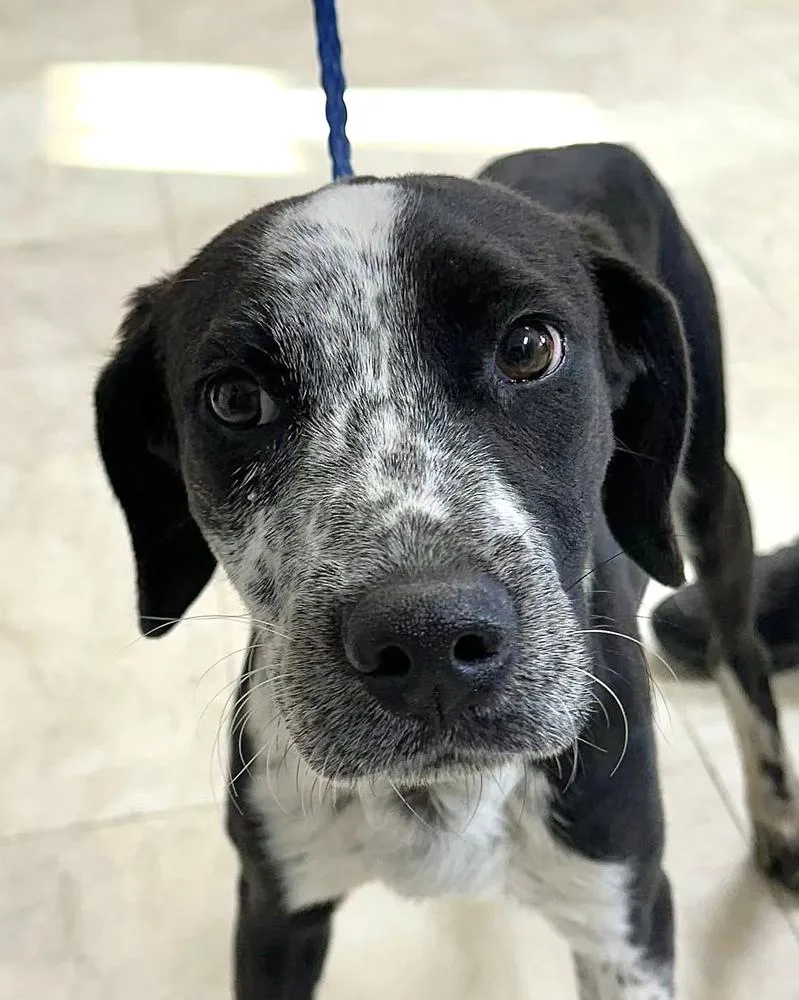
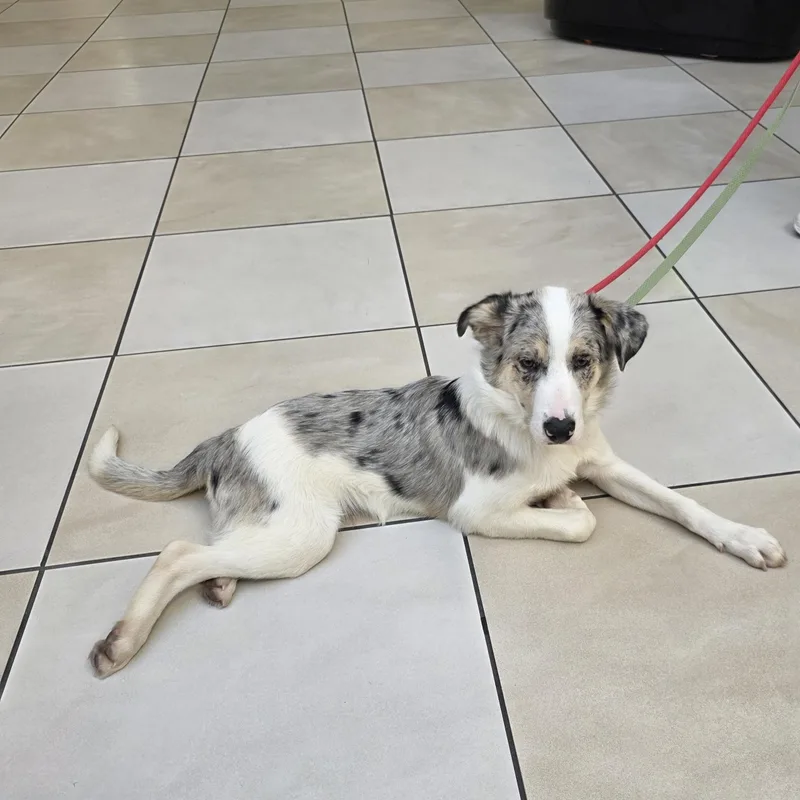
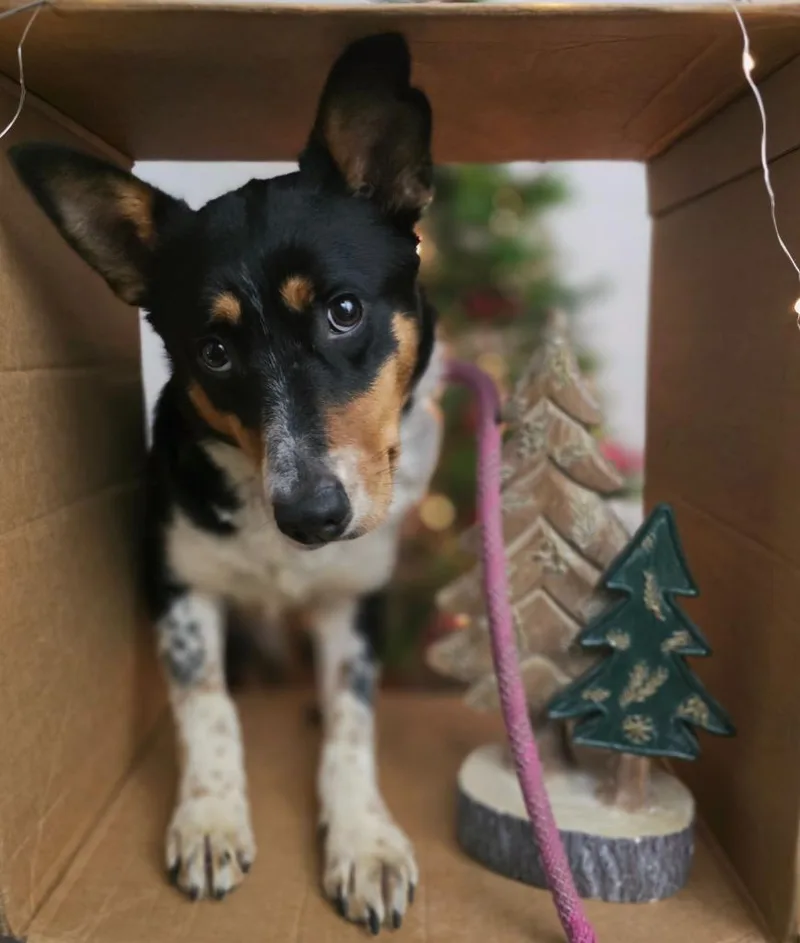
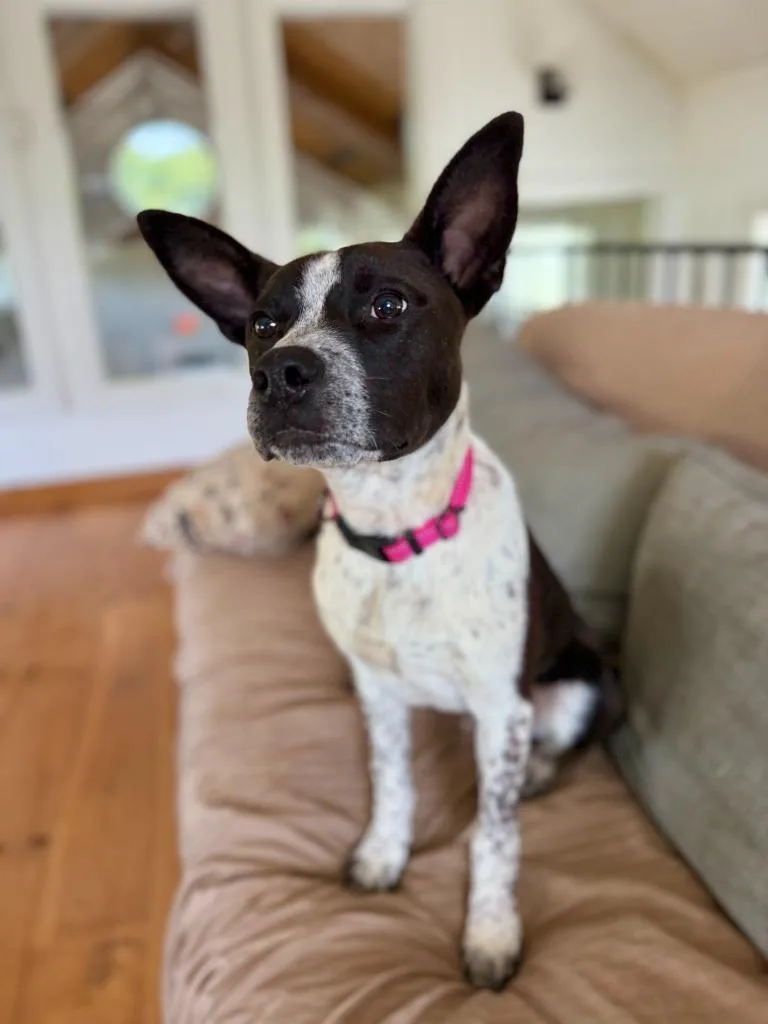
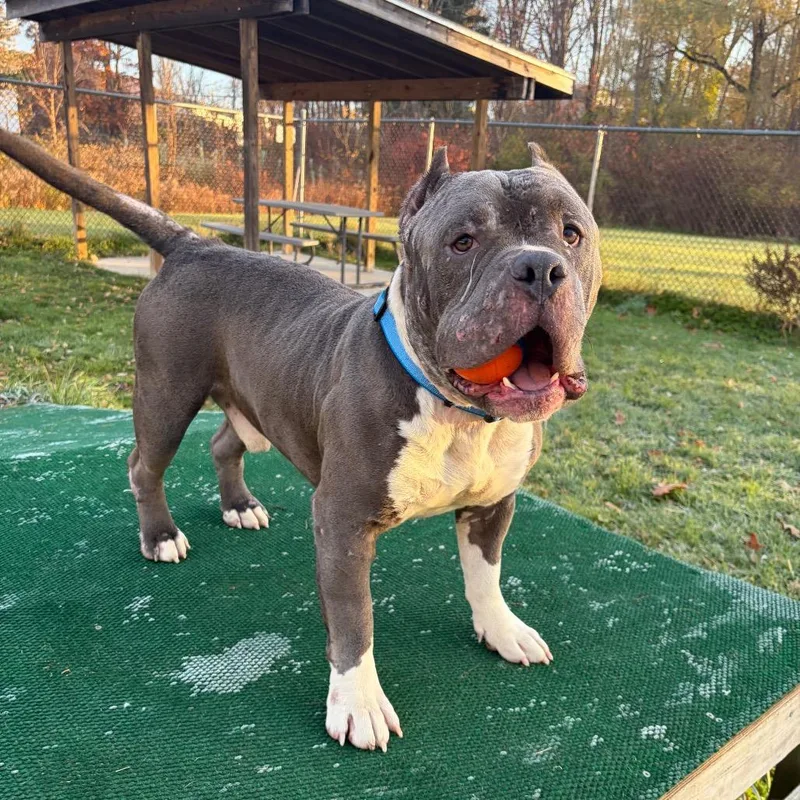
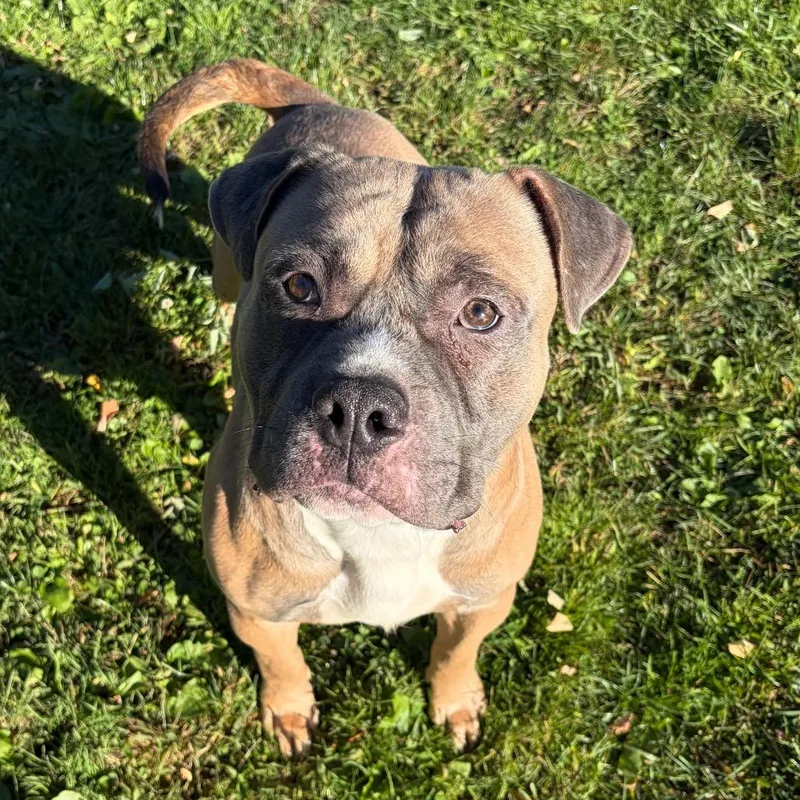
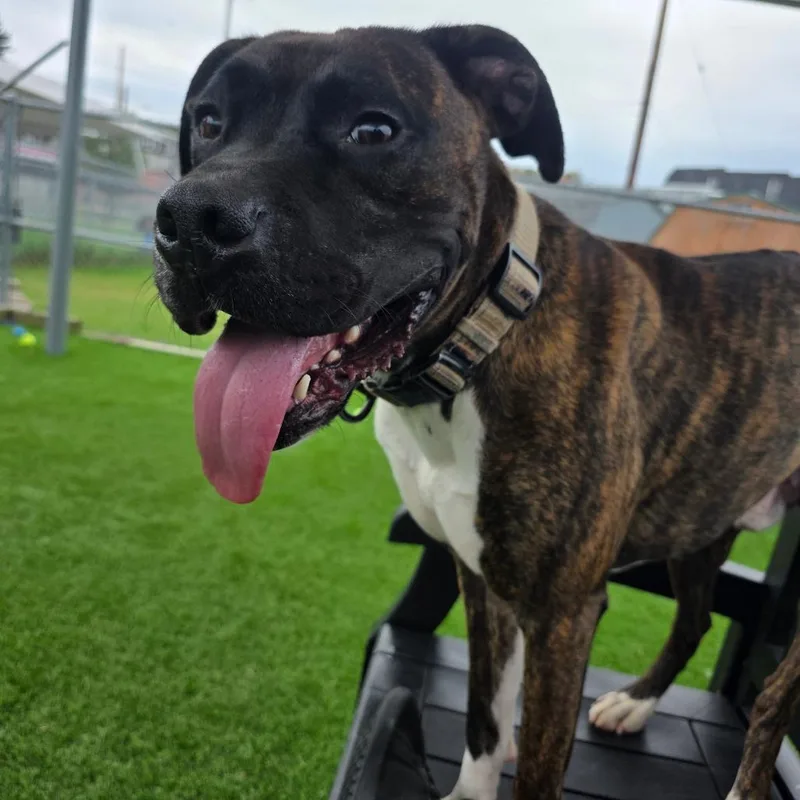
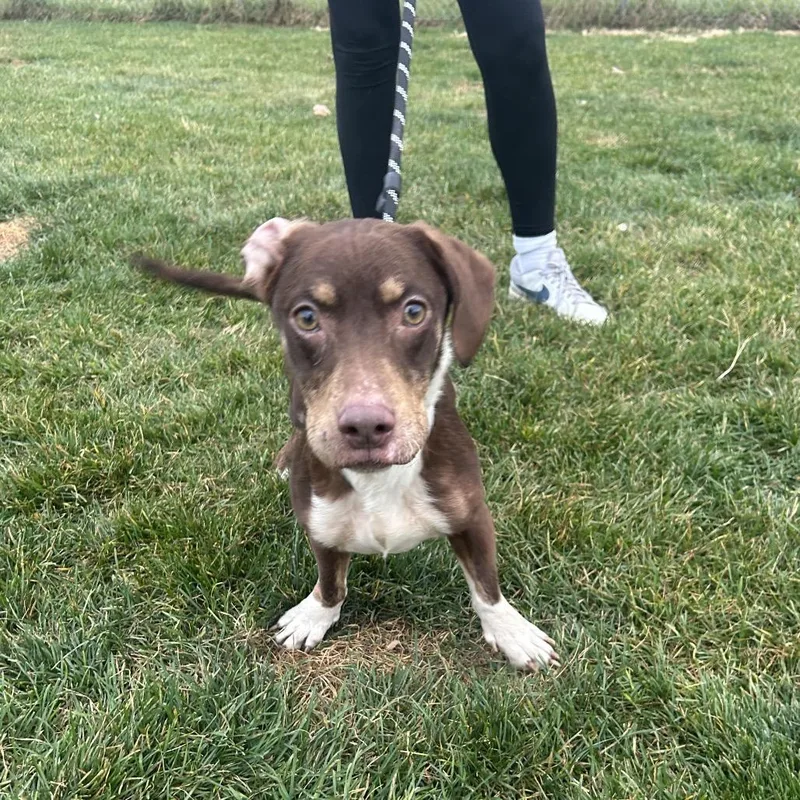
4086 Australian Cattle Dog / Blue Heelers available in Binghamton and nationwide

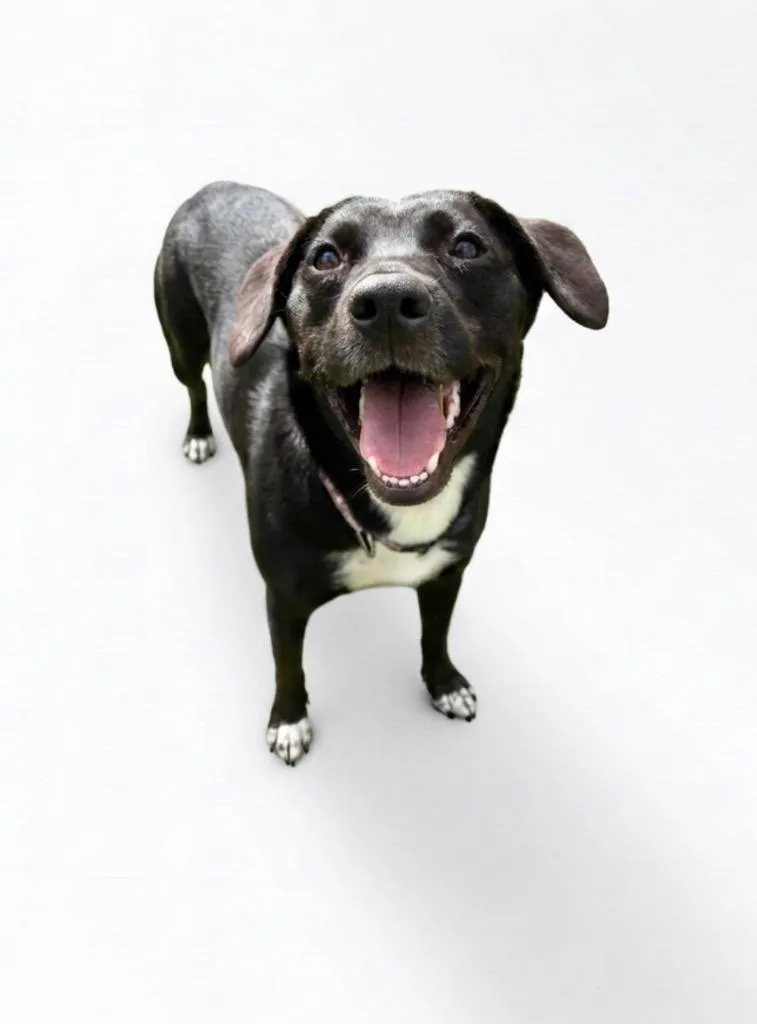
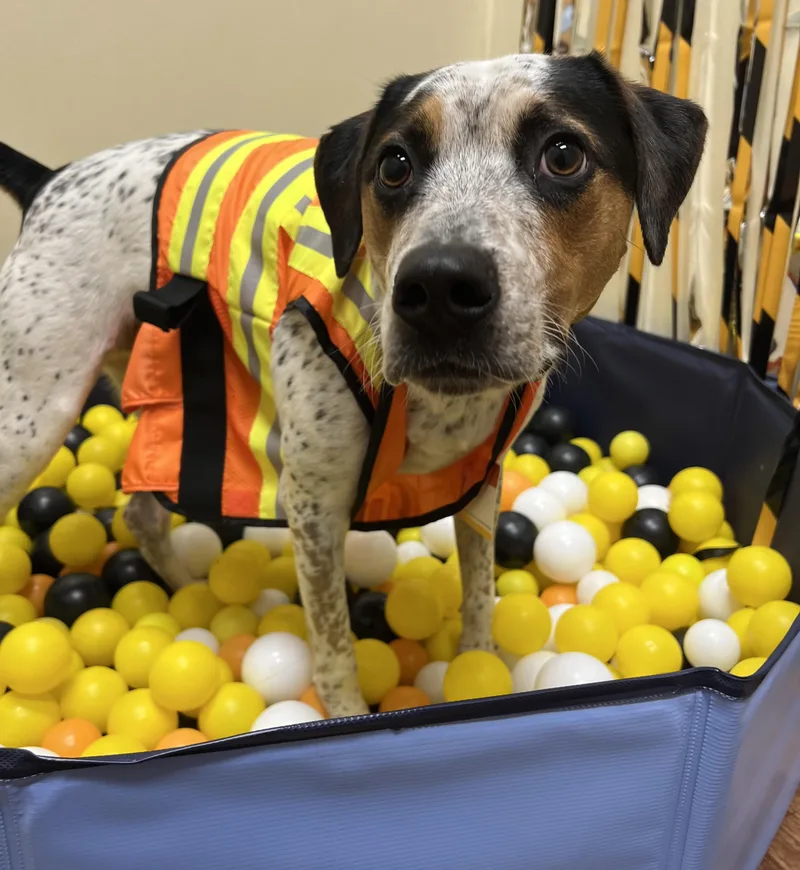
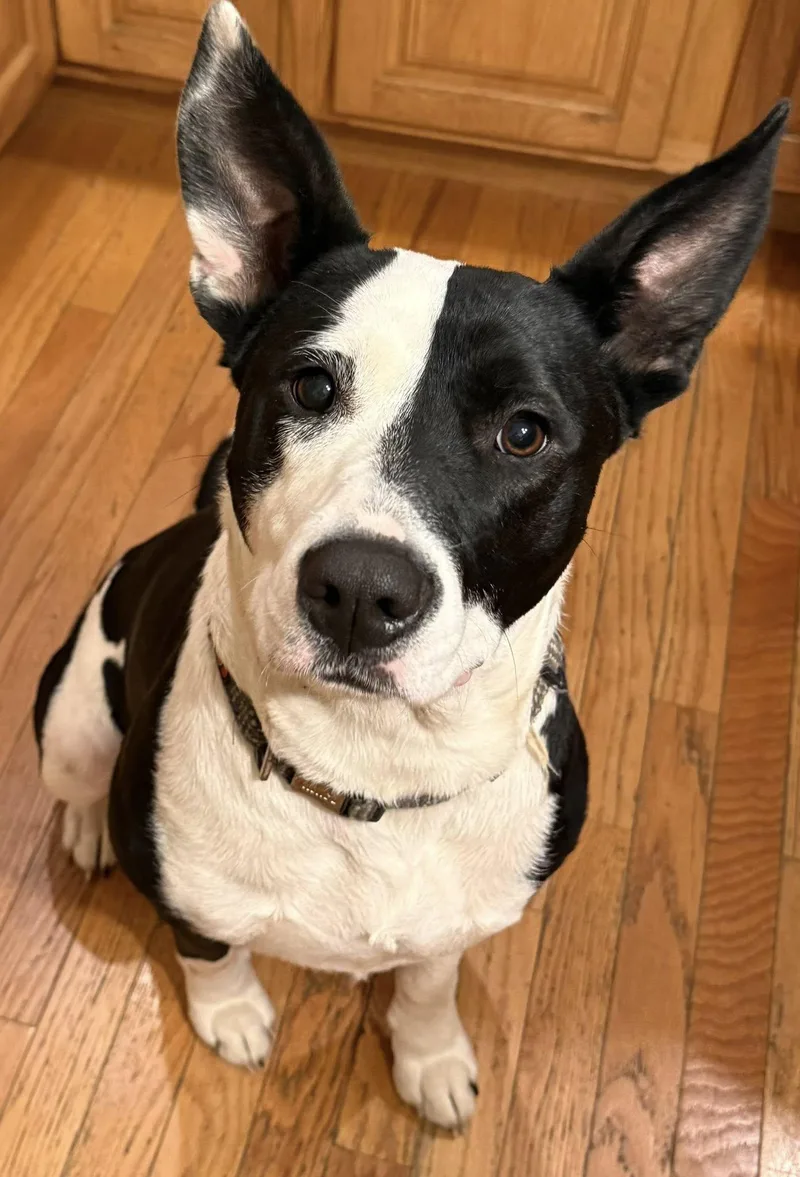
Say hello to your Blue Heeler

While we don't have enough dogs near Binghamton, keep in mind that many rescues may offer transport.

Australian Cattle Dog / Blue Heelers Available for Adoption Near Binghamton

About the Australian Cattle Dog / Blue Heeler breed

Australian Cattle Dogs, often called Blue Heelers, were developed in nineteenth-century Australia to drive cattle over long distances by nipping at their heels. They're compact, muscular dogs, usually 35 to 50 pounds, with a weatherproof double coat in blue or red speckle. That coat copes well with upstate New York weather, and it sheds moderately, with a heavier coat blow once or twice a year.

Heelers are loyal, alert and very smart, and many attach closely to one person while staying reserved with strangers. Their herding instinct can show up as nipping at heels, chasing bikes or bossing other pets. Drive varies a lot from dog to dog, but most do best with reward-based training, early socialization and real work to do. Many live 12 to 16 years, so adopting one is a long commitment.

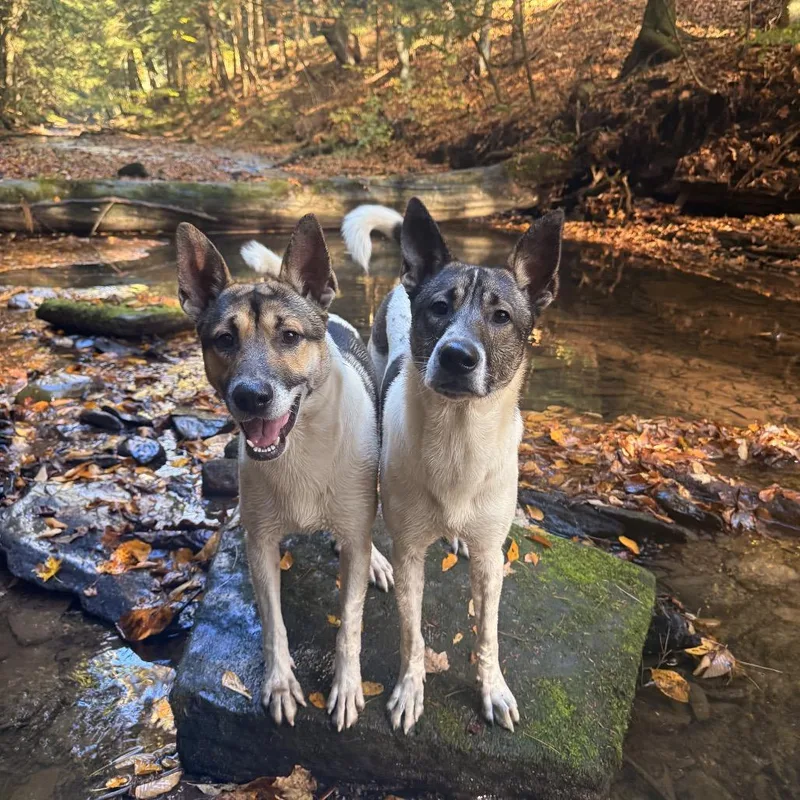
Weight
35–50 lbs
Height
17–20 in
Lifespan
12–16 yrs
Temperament
Energetic, Intelligent, Loyal, Alert
Group
Herding
Shedding
Moderate

Owning an Australian Cattle Dog / Blue Heeler in Binghamton

Having an Australian Cattle Dog / Blue Heeler in Binghamton

Drive, stamina and intelligence matter more than size for a Heeler in Binghamton. Expect a dog that needs daily outdoor exercise and mental work, copes well with cold, and does best in a household ready for consistent training. Needs vary from dog to dog.

Temperament

Heelers are typically loyal, confident and watchful, often bonding closely with one person. In Binghamton's close-set neighborhoods, that watchfulness can mean barking at passersby, and herding habits like heel-nipping or chasing bikes need steady, reward-based redirection. Early, calm exposure to sidewalks, buses and other dogs helps, though temperament varies from dog to dog.

Exercise Needs

Plan on an hour or more of vigorous activity a day: running, fetch, hiking or training. The riverside trail, the North Side Bark Park and leashed walks in Recreation Park or Ross Park add variety. Keep puzzle toys and scent games ready for days when snow or ice limits outings.

Health Considerations

Documented Heeler concerns include congenital deafness, progressive retinal atrophy, primary lens luxation and hip and elbow dysplasia. A veterinarian can check hearing, eyes and joints, and regular exams catch problems early. Broome County reported nearly 500 tick-borne illness cases in 2025, so tick prevention matters for a dog on river trails and wooded parks.

Living Space

A Heeler's medium size fits a downtown loft or a rental apartment, but a securely fenced yard helps. Without one, daily exercise and training have to fill the gap. Expect a dog that barks at hallway noise and wants to stay close to its person.

What it costs to own an Australian Cattle Dog / Blue Heeler in Binghamton

ExpenseTypical costPer year
Food$35 to $70 per month$420 to $840
Pet insurance$55 to $100 per month$660 to $1,200
Routine vet care$225 to $450 per year$225 to $450
Other*$440 to $1,190 per year$440 to $1,190
Estimated yearly total (after year one)$1,745 to $3,680

Other costs are estimates and vary with size, age and health.

* The Binghamton dog license, flea, tick and heartworm prevention, a dental cleaning allowance, durable toys and bedding, and light home grooming for a short coat.

Adopt an Australian Cattle Dog / Blue Heeler in Binghamton.

Now that you know more, let’s find you a new best friend. These rescues and shelters below currently have Australian Cattle Dog / Blue Heelers available.

Rescues in Binghamton with Australian Cattle Dog / Blue Heelers Available

Shelters and rescues around Binghamton care for dogs of every size, including herding-breed dogs like Heelers and their mixes. Here are the rescues & shelters in the Binghamton area where you can find Australian Cattle Dog / Blue Heelers and other dogs available for adoption.

Frequently Asked Questions

Yes, you can own a Blue Heeler in Binghamton, and New York law bars breed-specific local rules. You'll need a rabies vaccination by four months and a city dog license from the City Clerk, and your dog must be leashed off your property. The city also regulates habitual barking, which matters for alert Heelers.

Yes, a Blue Heeler can live in a Binghamton apartment if you commit to long daily exercise and training. Size isn't the issue; boredom and barking at hallway noise are. A downtown loft near the River Trail makes outings easy. Confirm the building's pet policy, since weight limits and pet rent vary.

Start with the Bark Park at Cheri A. Lindsey Park, where licensed dogs can run in an enclosed space, and the county dog park at Otsiningo North, open dawn to dusk. For leashed outings, the River Trail along the Chenango links Confluence Park with the North Side, and Recreation Park has shaded walking paths.

Generally no, unless the Blue Heeler is a service animal. BC Transit buses require pets to ride in an enclosed, ventilated carrier that fits on your lap or between your feet. Adult Blue Heelers weigh 35 to 50 pounds, too big for that, so plan on walking or driving.

A Blue Heeler is a good fit for Binghamton if you're active outdoors year-round and enjoy training. The flat riverside trail, a dedicated Bark Park and a double coat built for cold winters all help. It's a weaker fit if you're away for long hours, since bored Heelers may bark or chew.

Possibly, at patios that choose to allow dogs. New York law lets restaurants admit leashed pet dogs to outdoor dining areas, but each owner decides, and dogs must stay outside and off chairs and tables. Confirm the patio policy before you go. Heelers can be wary of strangers, so choose a quiet corner.

Very little. A Blue Heeler's short double coat needs weekly brushing, with a few sessions a week during the once- or twice-yearly coat blow. The coat stays thick through Binghamton's cold winters, so expect heavier shedding in spring. Most owners groom at home, so professional grooming is an occasional extra within the $440 to $1,190 yearly in other costs.

Blue Heelers typically live about 12 to 16 years, and a recent UK study put the breed's average life expectancy at about 14 years, longer than many purebreds. A famous Australian Cattle Dog named Bluey reportedly lived over 29 years, though such records are hard to verify. Staying lean and active and getting regular checkups support a long life.

We have 1 rescue with Australian Cattle Dog / Blue Heelers available: Pibbles & More Animal Rescue. You can see every rescue with Australian Cattle Dog / Blue Heelers available in the list above these questions, or scroll to the top to see the Australian Cattle Dog / Blue Heelers near Binghamton.

Budget roughly $1,750 to $3,700 a year for a Heeler in Binghamton. Food runs $35 to $70 a month and insurance $55 to $100, partly because of inherited eye and hearing conditions. Routine vet care is about $225 to $450 a year, and other costs such as prevention, dental care and supplies add $440 to $1,190.