Labrador Retriever Dogs for Adoption in Binghamton, NY

Your guide to finding and caring for a Labrador Retriever in Binghamton

Labrador Retrievers fit Binghamton's riverside routines, as long as you like being outdoors every day. The flat river trail along the Chenango, from Cheri Lindsey Park on the North Side toward Confluence Park downtown, makes an easy daily walk, and the Bark Park beside it gives a Lab room to run. Labs are sociable and eager to please, so they take well to meeting neighbors along the way. Expect to towel-dry wet paws after January snow walks.

12767 Labrador Retrievers available in Binghamton and nationwide

Fall for a Labrador Retriever

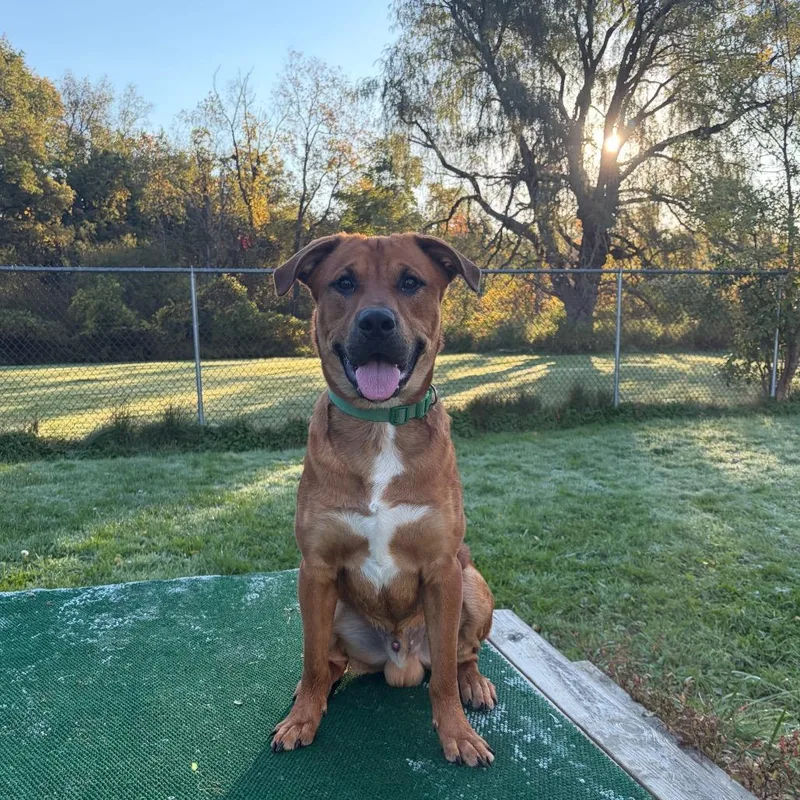
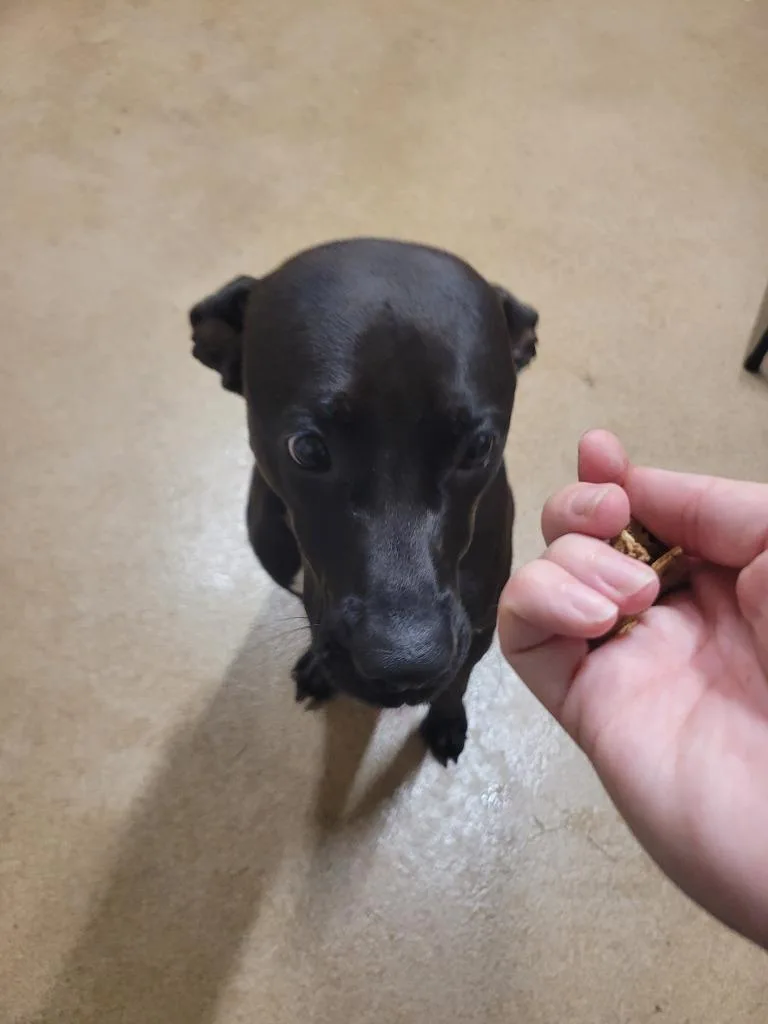
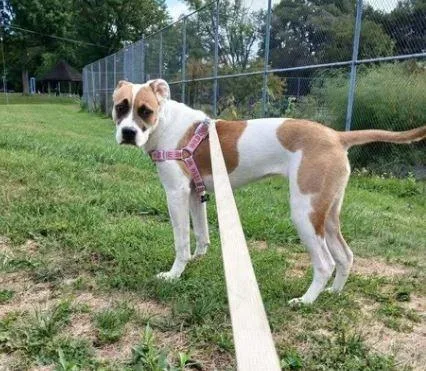
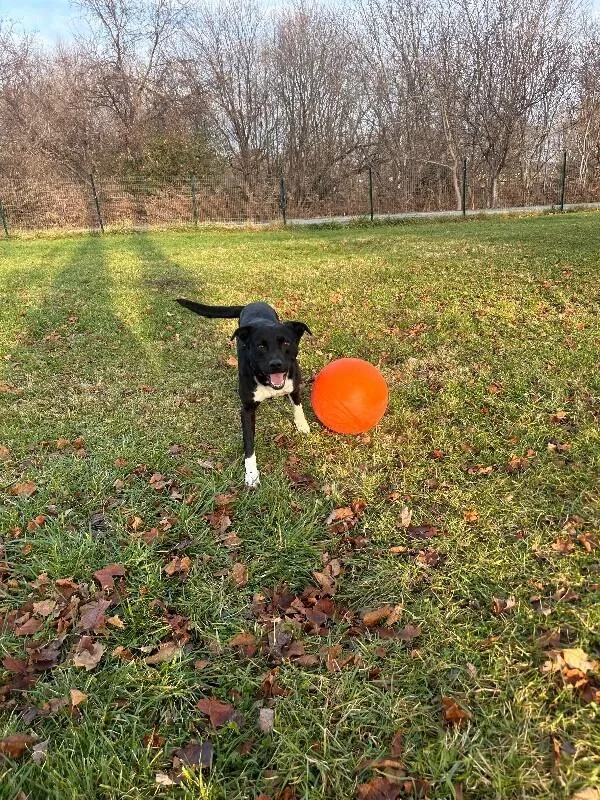
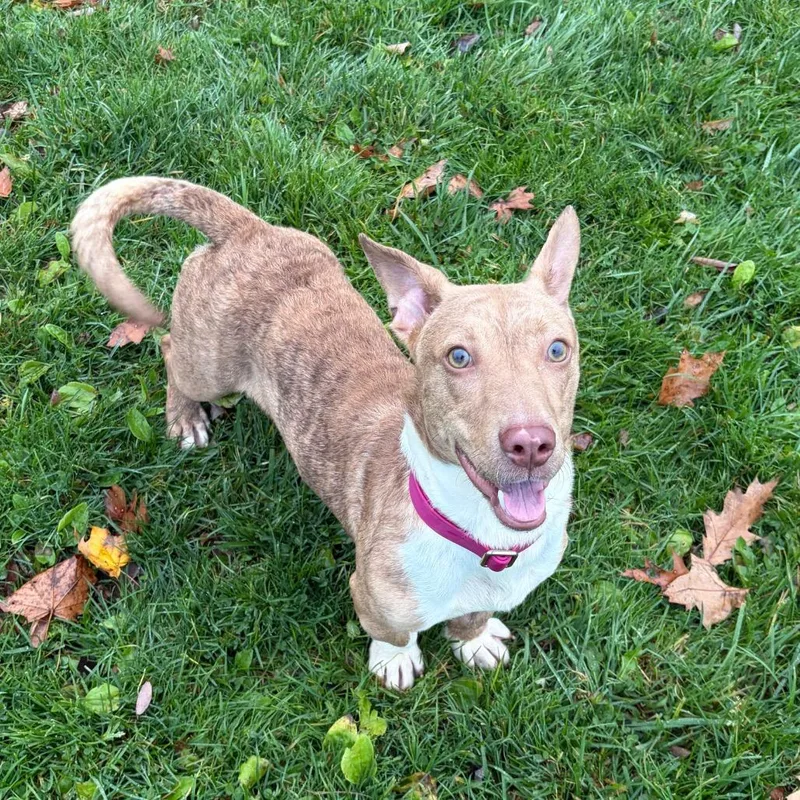
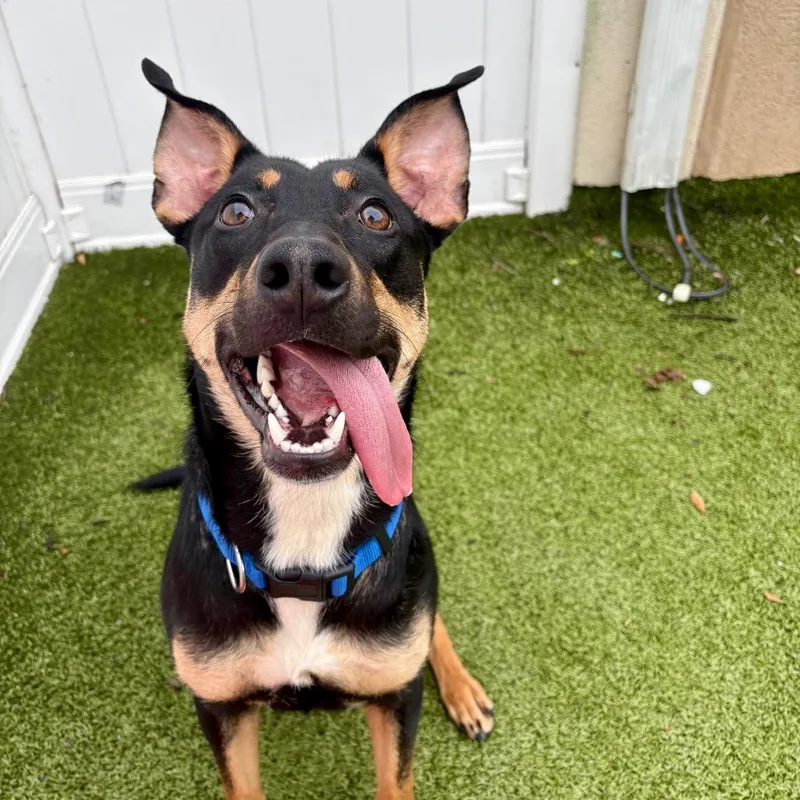
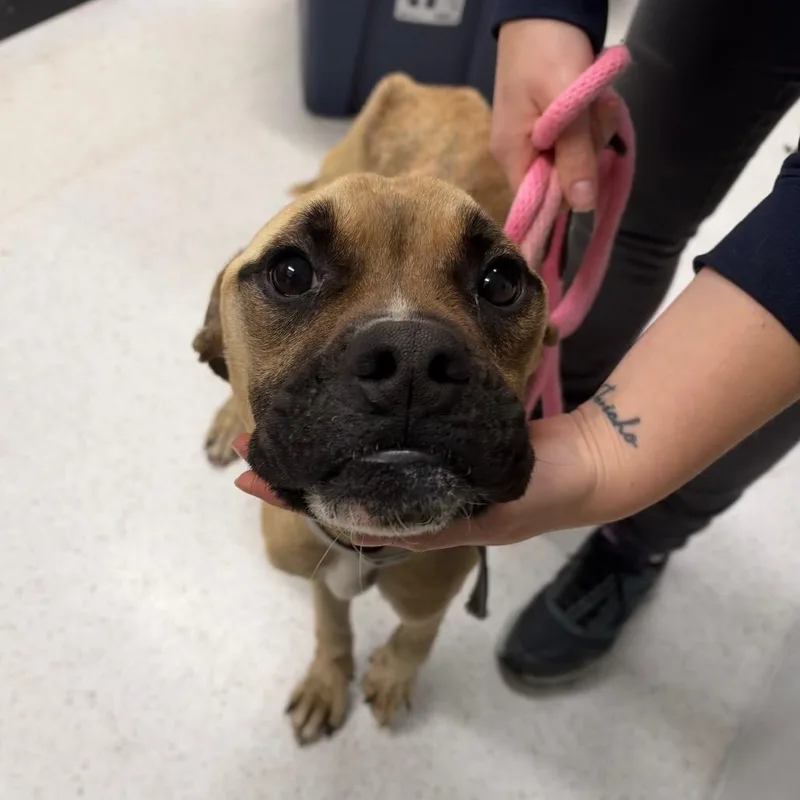
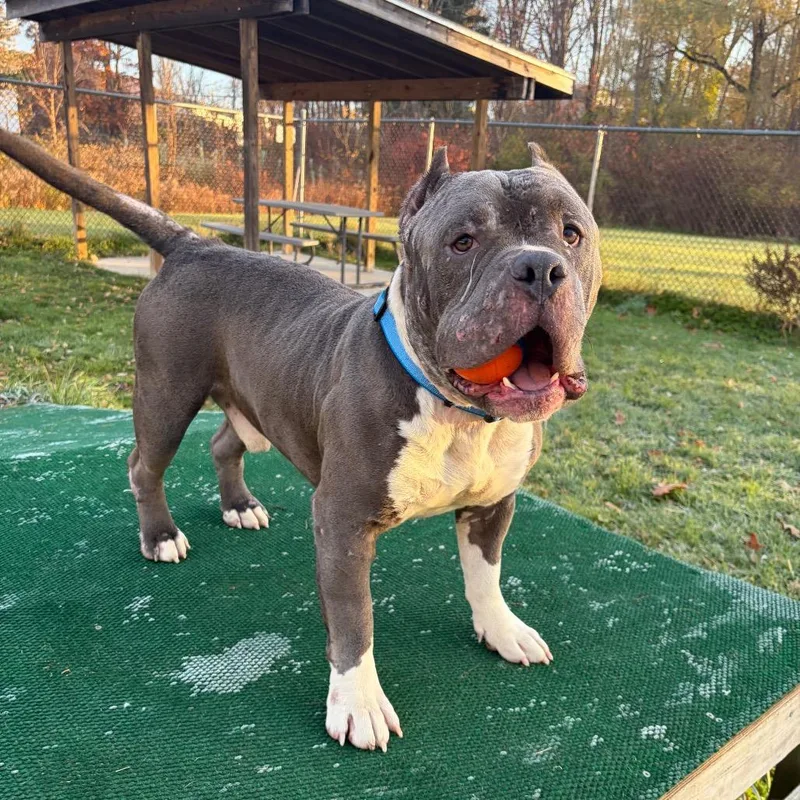
Labrador Retrievers Available for Adoption Near Binghamton

About the Labrador Retriever breed

Labrador Retrievers trace back to the St. John's water dogs of Newfoundland, which British sportsmen refined into steady gun dogs for retrieving game from land and water. The thick otter tail, dense water-resistant double coat and sturdy build all come from that job. Labs come in black, yellow and chocolate, and field-bred dogs tend to be leaner and more driven than show-bred ones.

Most Labs are sociable, food-motivated and eager to please, which is why they're so common as family and assistance dogs. In Binghamton, that means a dog who'll happily take a snowy riverside walk but still needs real daily exercise, consistent training and careful portions. Adolescence can last until two or three years old, so an adult or senior Lab may suit you if you want a calmer start.

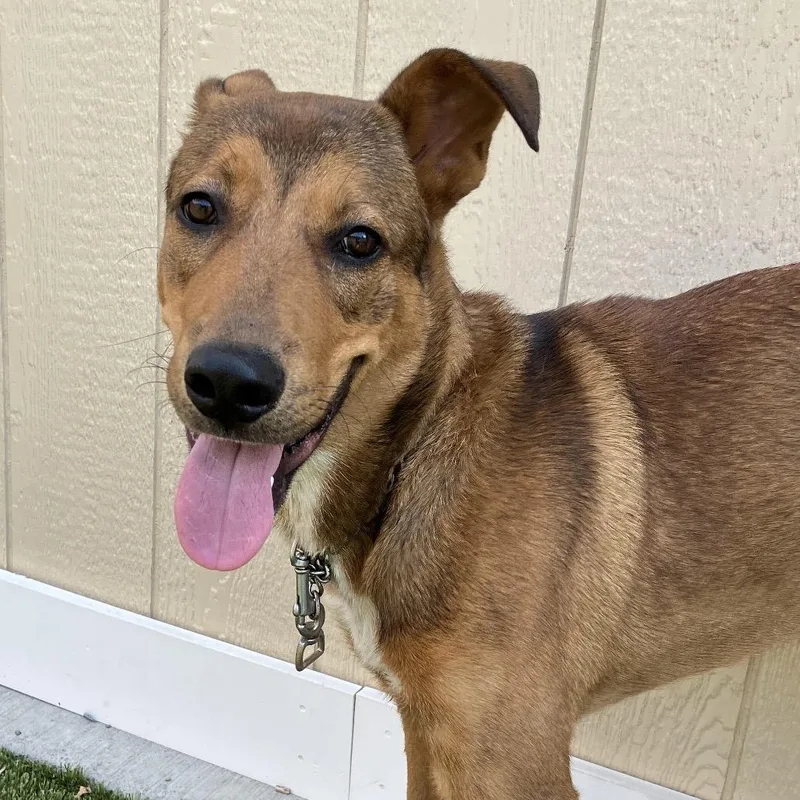
Weight
55–80 lbs
Height
21–25 in
Lifespan
10–14 yrs
Temperament
Friendly, Outgoing, Active
Group
Sporting
Shedding
Moderate to High

Owning a Labrador Retriever in Binghamton

Having a Labrador Retriever in Binghamton

Labs pair a people-loving outlook with a body built for hours of retrieving. In Binghamton, the practical questions are how much activity you can offer through long winters, how you'll handle heavy shedding, and whether your home suits a large dog.

Temperament

Many Labs are friendly with family, visitors and other dogs, which makes sidewalk and trail encounters easy. Young dogs can be bouncy and mouthy, so manners training matters, and reward-based methods work well with food-motivated Labs. A dog's history and socialization shape behavior as much as breed does, so judge each Lab on its own.

Exercise Needs

Plan on vigorous daily activity such as brisk walks, fetch and training games. The flat Chenango river trail suits steady leashed walks, and the Bark Park lets a licensed Lab run off leash. Short winter days and icy sidewalks make indoor retrieving and scent games useful backups. Field-bred dogs often need more, and seniors do better with gentler routines.

Health Considerations

Labs can develop hip and elbow dysplasia, cruciate ligament injuries, ear infections and skin allergies, and many gain weight easily. Dry wet ears after outings. Broome County reported nearly 500 tick-borne illness cases in 2025, so tick prevention and regular veterinary checkups matter for dogs on river trails and in wooded parks.

Living Space

A Lab can do well in a Binghamton apartment or a house with a yard when daily exercise is reliable. Expect a large wagging tail, shed hair on dark winter clothes, and a dog that wants to live indoors with its people. A securely fenced yard helps, but routine matters more than square footage.

What it costs to own a Labrador Retriever in Binghamton

ExpenseTypical costPer year
Adoption fee$230, one time$230 in year one
Food$55 to $110 per month$660 to $1,320
Pet insurance$65 to $130 per month$780 to $1,560
Routine vet care$250 to $500 per year$250 to $500
Other*$590 to $1,490 per year$590 to $1,490
Estimated yearly total (after year one)$2,280 to $4,870
First-year total (with adoption fee)$2,510 to $5,100

Adoption fee is the fee on Labrador Retriever listings in Binghamton on GetBuddy today. Other costs are estimates and vary with size, age and health.

* Flea, tick and heartworm prevention, a dental cleaning allowance, the Binghamton dog license, toys and bedding, and brushing and baths for heavy seasonal shedding.

Adopt a Labrador Retriever in Binghamton.

Now that you know more, let’s find you a new best friend. These rescues and shelters below currently have Labrador Retrievers available.

Rescues in Binghamton with Labrador Retrievers Available

The shelters and rescues below serve the Binghamton area, and their listings change as new dogs arrive. Here are the rescues & shelters in the Binghamton area where you can find Labrador Retrievers and other dogs available for adoption.

Frequently Asked Questions

Yes, Binghamton has no known breed ban, and New York law prohibits breed-specific dangerous-dog rules. You'll need a rabies vaccination, a city dog license from four months old, and a leash whenever your Lab is off your property. Dogs also can't bark habitually, so plan on exercise and training that keep a young Lab settled indoors.

Yes, as long as the lease allows a large dog and you can provide reliable daily exercise. Confirm weight limits before applying. Icy winter mornings make quick potty trips harder, so a ground-floor unit or nearby grass helps. Walks on the river trail and Bark Park visits can burn off a Lab's energy.

The Bark Park at Cheri A. Lindsey Park is great for off-leash fetch, though your Lab needs a city license tag. The county dog park at Otsiningo North has a separate large-dog area. For leashed walks, the flat Binghamton River Trail along the Chenango and Recreation Park are easy daily options.

Yes, a Lab's dense, water-resistant double coat suits Binghamton winters, when highs average about 32°F. Wipe salt and ice from paws after walks and dry your dog off indoors. Labs shouldn't be left outside unsupervised for long, and city rules cap that at two hours below 32°F.

Generally no. BC Transit buses require pets to ride in an enclosed, ventilated carrier that fits on your lap or between your feet, and a full-grown Lab is far too large. Service animals are allowed without a carrier. For everyday outings, plan on walking or driving with your Lab.

Sometimes, on outdoor patios only. New York lets restaurants admit leashed dogs to outdoor dining areas, but each owner decides, and dogs can't sit on chairs or tables. Look for posted signs, bring a mat, and practice a calm down-stay at home, since a friendly Lab may want to greet every passerby.

Plan on weekly brushing, with daily brushing in spring and fall when the undercoat sheds heavily, and baths only as needed. Winter adds paw wiping after salted sidewalks, and nails need regular trims. Professional grooming is optional, and brushing and baths fit within the $590 to $1,490 yearly Other costs.

Most Labrador Retrievers live about 10 to 14 years. A large UK veterinary study found a median lifespan of 12 years, with chocolate Labs living about a year and a half less on average than black or yellow ones. Healthy weight, regular veterinary care and good dental and joint care all help, but no lifespan is guaranteed.

We have 1 rescue with Labrador Retrievers available: The Humane Society. You can see every rescue with Labrador Retrievers available in the list above these questions, or scroll to the top to see the Labrador Retrievers near Binghamton.

A Lab typically costs about $2,300 to $4,900 a year in Binghamton. Food runs $55 to $110 a month, insurance $65 to $130 a month, routine vet care $250 to $500 a year, and other costs such as prevention, dental care, license and grooming $590 to $1,490 a year.