Fila Brasileiro Dogs for Adoption in Omaha, NE

Your guide to finding and caring for a Fila Brasileiro in Omaha

A Fila Brasileiro in Omaha does best in a house with a tall fence, like the ones in Millard or Minne Lusa. Filas are calm and devoted with their own people and wary of everyone else, so a quiet street suits them better than a busy shared hallway. A dog of 90 pounds or more also wants real walks, and the paved loops around Zorinsky Lake give it room to stretch out. This is a breed for experienced owners who like a steady, watchful dog nearby.

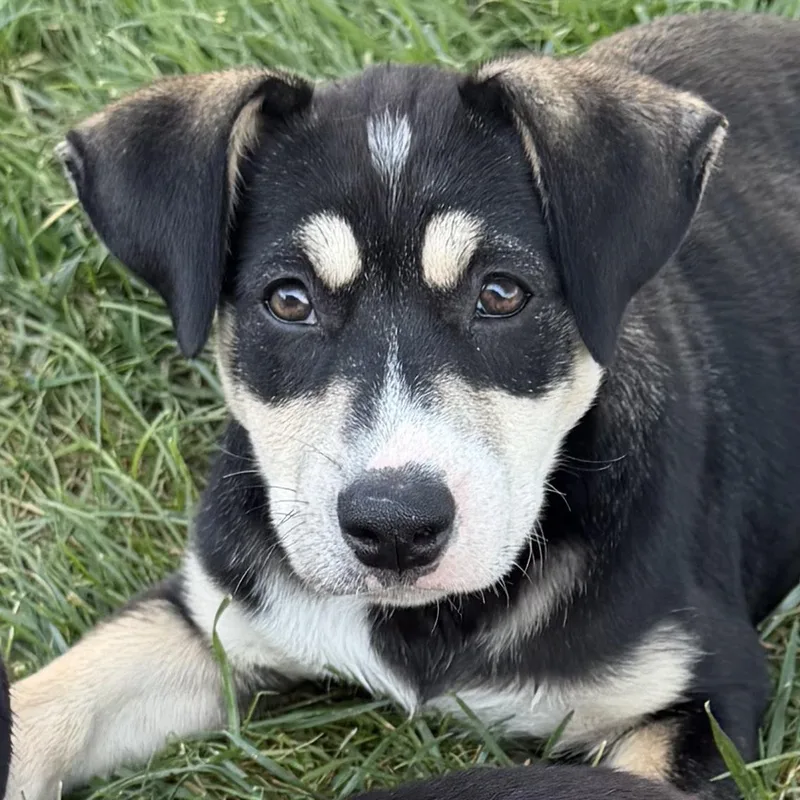
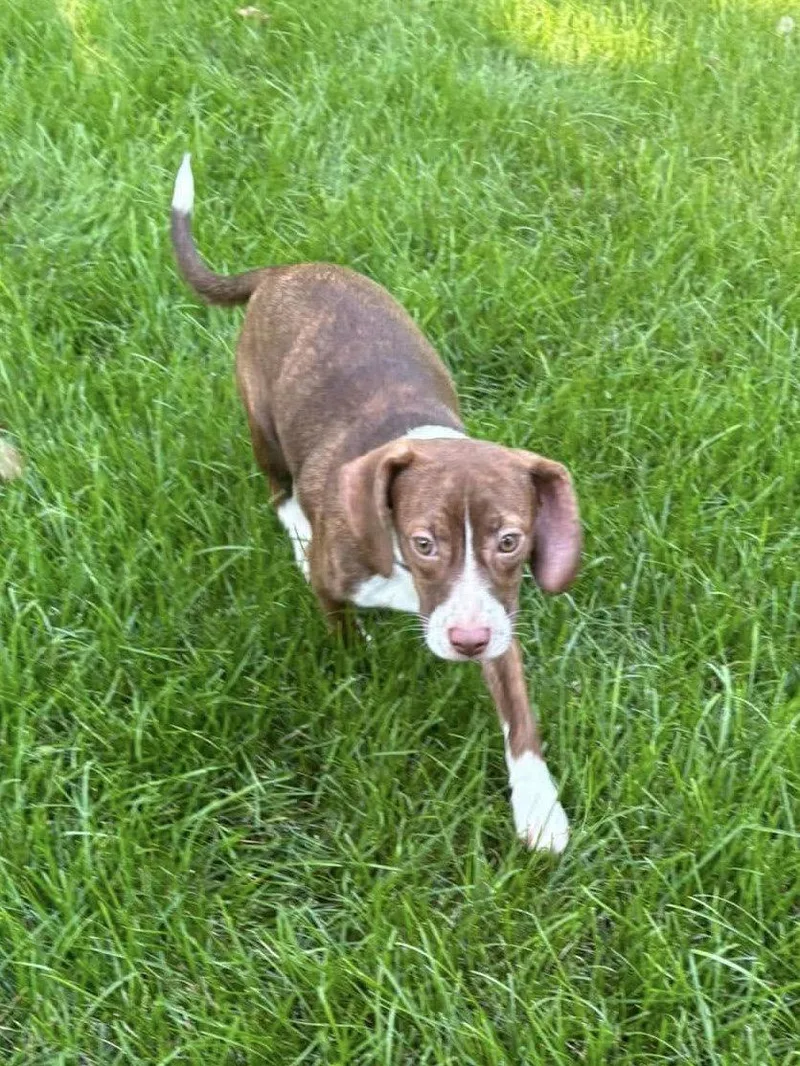
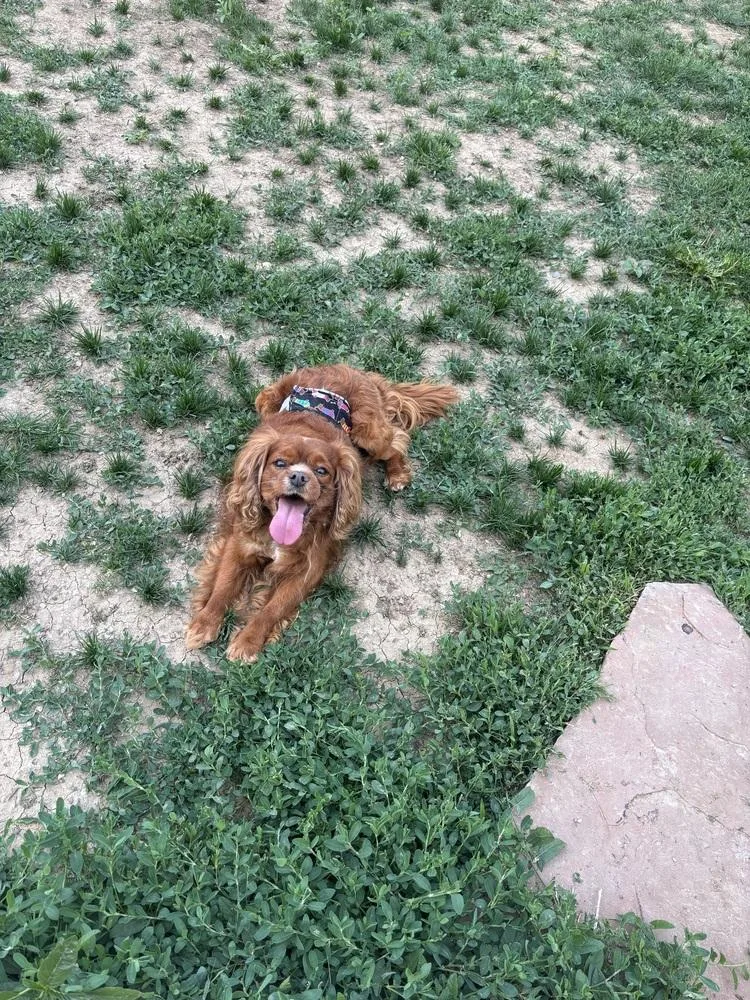
1782 dogs similar to Fila Brasileiro available in Omaha and nationwide

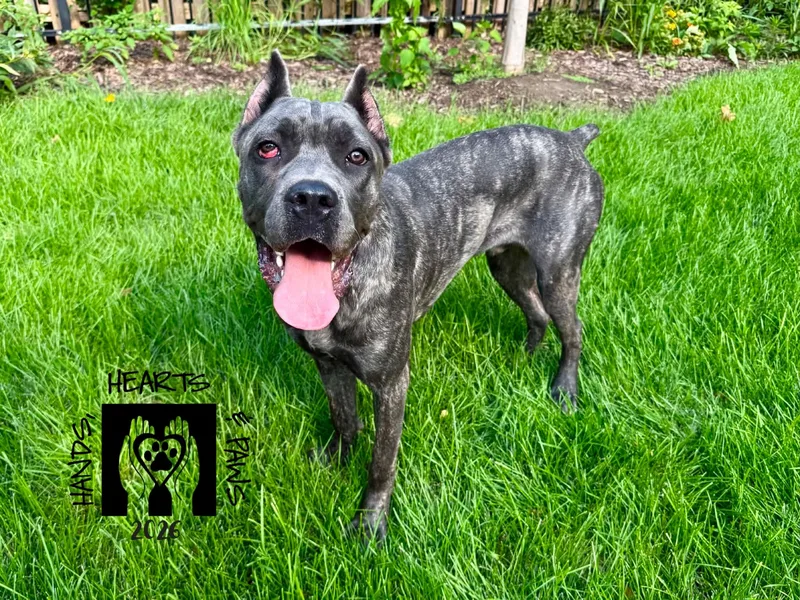
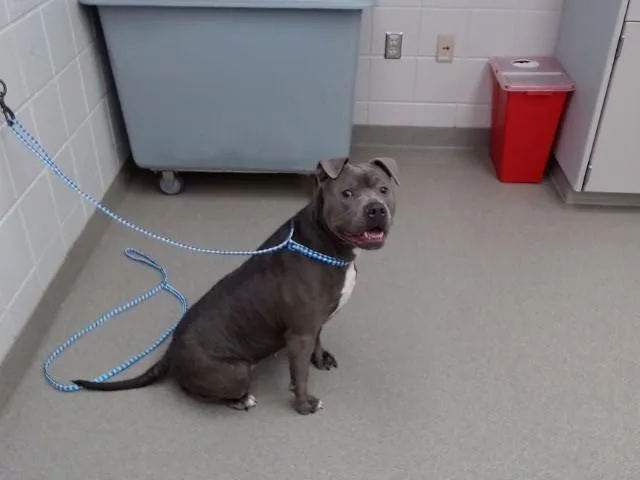
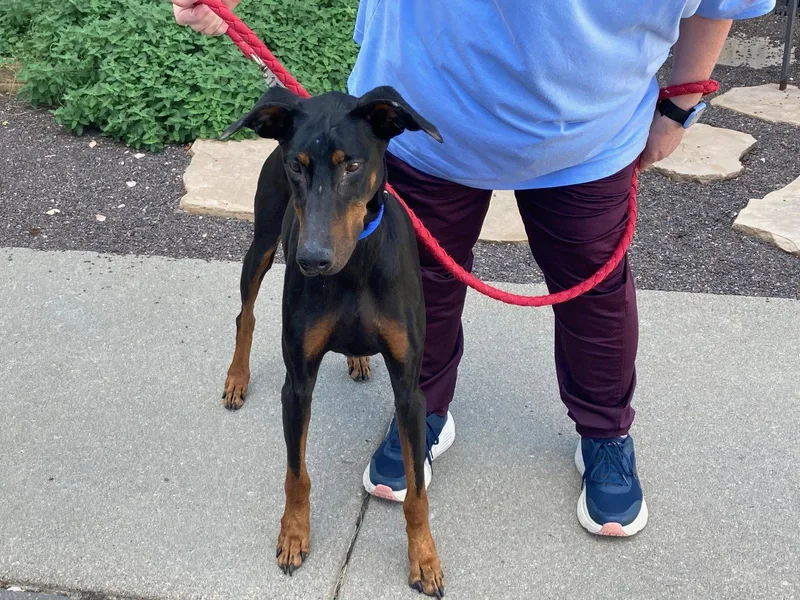
Meet a Fila Brasileiro who needs you

While we don't have enough dogs near Omaha, keep in mind that many rescues may offer transport.

Fila Brasileiros and Similar Breeds Available for Adoption Near Omaha

About the Fila Brasileiro breed

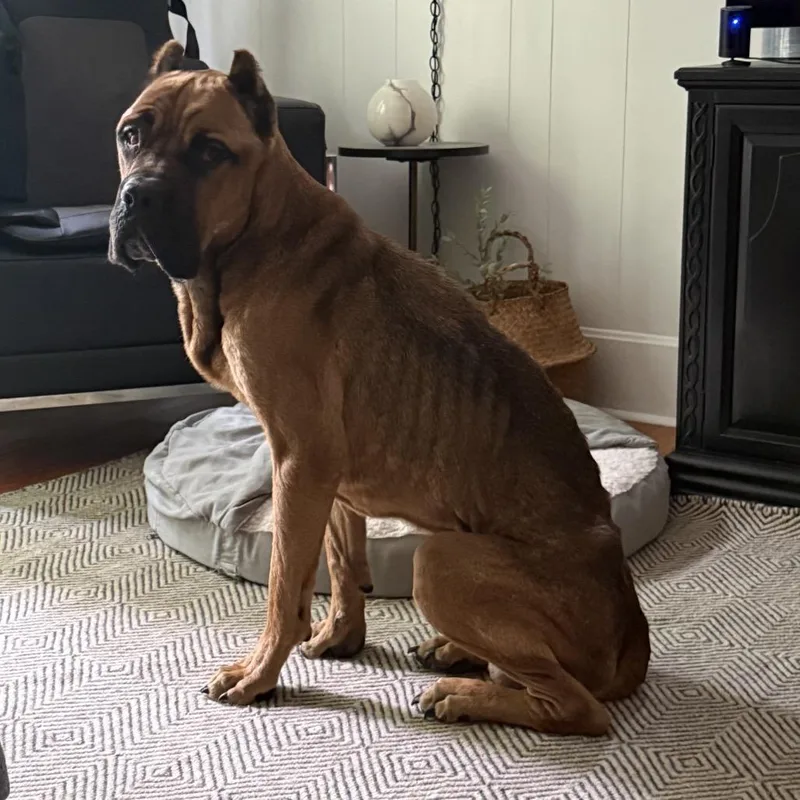
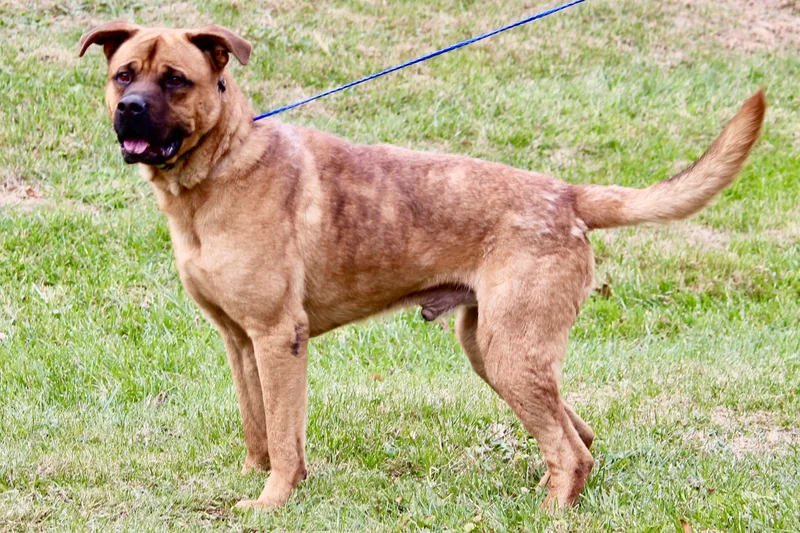
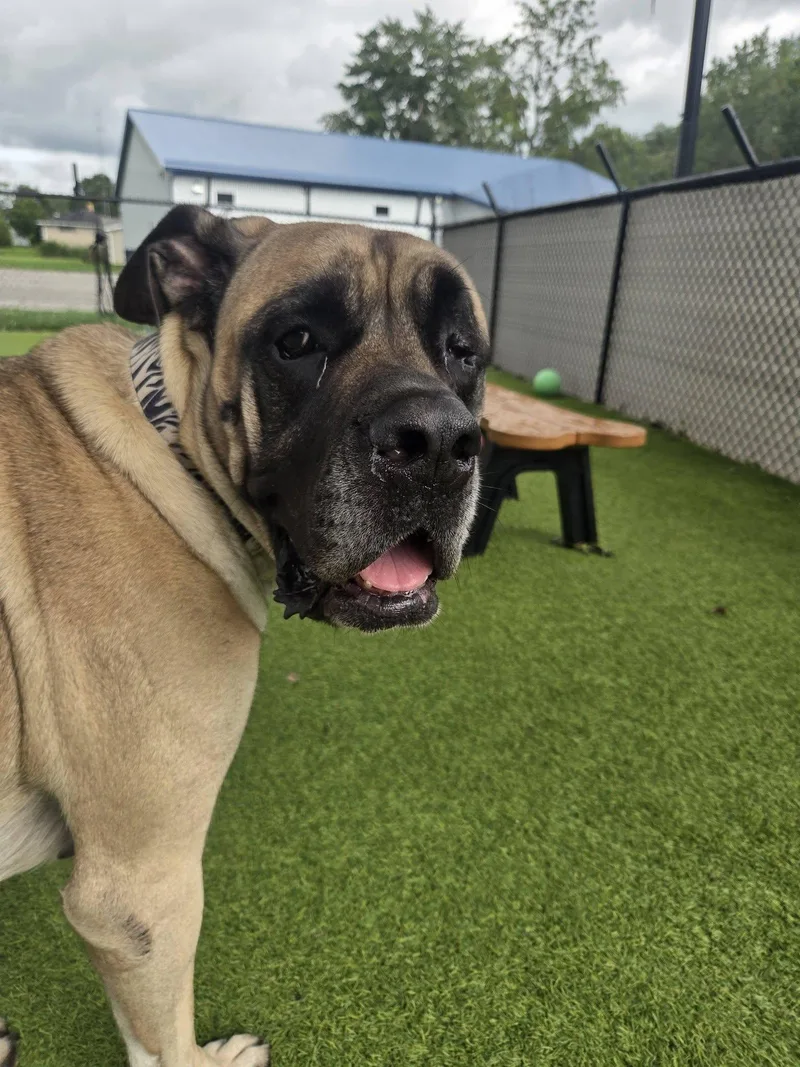
The Fila Brasileiro, or Brazilian Mastiff, is a massive molosser developed on Brazil's colonial-era ranches from European mastiff, bloodhound and bulldog-type dogs. It guarded estates, worked cattle and held big game, and its name comes from the Portuguese filar, to grab and hold. Loose, thick skin, heavy dewlaps and a rolling, camel-like gait set it apart from other mastiffs. Most adults weigh roughly 90 to 150 pounds.

Filas are typically devoted and gentle with their own family but naturally aloof with strangers, especially at home, a trait called ojeriza. Dogs vary, but plan on lifelong socialization, secure fencing and controlled introductions. In Omaha, that means a tall fence, a leash on every walk and a plan for deliveries and visitors. The short coat is easy to care for; the size and guarding instinct are the real commitment.

Weight
90–150 lbs
Height
24–30 in
Lifespan
9–11 yrs
Temperament
Protective, Devoted, Courageous
Group
Working
Shedding
Moderate

Owning a Fila Brasileiro in Omaha

Having a Fila Brasileiro in Omaha

Size, guarding instinct and joint and stomach health shape daily life with a Fila. In Omaha, the big questions are fencing, comfort through cold winters and humid summers, and whether your home and neighbors suit a giant, watchful dog.

Temperament

Filas are usually calm and affectionate with the people they know and wary of everyone else, so visitors, delivery drivers and neighbors need planning. Omaha's sidewalks and trails mean frequent passersby, which makes early, ongoing, reward-based socialization and a secure leash essential. Watch closely how an adult dog reacts to new people and unfamiliar dogs.

Exercise Needs

Adult Filas usually need moderate exercise: a couple of steady leashed walks a day plus time to patrol a fenced yard. Omaha's paved loops, such as the roughly 7-mile route around Zorinsky Lake, suit long walks, though a Fila isn't a distance runner. Keep puppies to low-impact activity while their joints develop, and add training or scent games.

Health Considerations

Giant mastiffs can face hip and elbow dysplasia and bloat, a sudden, life-threatening stomach emergency, so learn the signs and know the route to an emergency clinic. Lean weight and smaller meals help. Nebraska law requires rabies vaccination, and a veterinarian familiar with giant breeds can check the joints.

Living Space

Omaha's single-family neighborhoods with fenced backyards suit a Fila better than apartments with shared hallways. Plan on a fence tall and solid enough to hold a giant dog and keep strangers from reaching it, with a latching gate. This breed belongs indoors with its family, not left outside as a guard.

What it costs to own a Fila Brasileiro in Omaha

ExpenseTypical costPer year
Food$80 to $160 per month$960 to $1,920
Pet insurance$85 to $170 per month$1,020 to $2,040
Routine vet care$250 to $500 per year$250 to $500
Other*$590 to $1,690 per year$590 to $1,690
Estimated yearly total (after year one)$2,820 to $6,150

Other costs are estimates and vary with size, age and health.

* The Omaha dog license for a spayed or neutered dog, giant-size flea, tick and heartworm prevention, a dental cleaning, sturdy toys and bedding, minimal coat care and joint supplements.

Adopt a Fila Brasileiro in Omaha.

Now that you know more, let’s find you a new best friend. These rescues and shelters below have dogs available in and near Omaha.

Frequently Asked Questions

Yes. Fila Brasileiros aren't among the breeds named in Omaha's breed-specific dog rules, so a Fila is treated like any other dog under the license, leash and rabies requirements. Behavior is what counts: Omaha can declare any dog potentially dangerous after unprovoked aggression, which brings muzzling, insurance and class requirements. Secure fencing and leashed control are essential, and some landlords and insurers limit giant guardian breeds.

Yes, with precautions. Omaha averages about 135 freezing nights a year plus occasional sub-zero stretches, and a Fila's short coat gives little protection. Keep the dog indoors, use a coat on the coldest days and keep walks short. Omaha also bars leaving a dog tied outside unattended for more than 15 minutes, and any dog left outside needs a bedded shelter.

It can, but a house with a fence is a better match. Shared hallways, elevators and neighbors passing the door expose a guarding breed to strangers constantly, which can strain both dog and neighbors. Omaha also treats uninterrupted barking that disturbs neighbors as a violation. If you rent, some landlords set size or breed limits, so look for a quiet setup with controlled access.

Standing Bear Lake's boardwalk trail, the Keystone Trail, the Big Papio Trail and Benson Park's walking paths all offer leashed outings with long routes where you can pick quieter stretches. Omaha requires leashes everywhere except city-recognized dog parks. Because a Fila tends to be wary of strangers, early-morning or off-peak visits are easier to manage than busy weekend afternoons.

Not realistically. Metro buses and ORBT require pets to ride in a carrier unless they are service animals, and a Fila at 90 to 150 pounds won't fit in one. Omaha has no subway or rail line, and the planned streetcar isn't open yet. Plan on a car for vet visits and outings, with a crate or secure restraint.

Only on patios approved by the Douglas County Health Department, and the dog must stay leashed. Indoor dining rooms are off-limits to pets. Even where a patio allows dogs, a giant Fila that's wary of strangers may struggle beside crowded tables and passing servers. Confirm a patio's dog policy before going, and leave your dog home if it isn't yet calm around people.

Very little. A Fila's short, dense coat needs a weekly brush, a bit more during moderate shedding in spring and fall, and a bath when dirty. Dry the loose skin folds and dewlaps after Omaha's wet spring rains and humid summer days, and trim nails regularly. Professional grooming is rarely needed, so it adds little to the yearly Other costs.

A Fila Brasileiro is a giant Brazilian mastiff-type guardian, also called the Brazilian Mastiff. It was developed on colonial ranches to guard property, drive cattle and catch large game. Filas have loose skin, heavy dewlaps and a distinctive pacing gait. They tend to be devoted to their own family and strongly distrustful of strangers, so they suit experienced owners.

The Fila Brasileiro is banned or restricted in some countries because lawmakers judge its guarding temperament, size and strength to pose a risk to the public. The breed standard itself describes a natural aversion to strangers. Countries including the United Kingdom, Norway, Australia, Fiji, Cyprus and Turkey prohibit or tightly restrict ownership, usually under broader dangerous-dog laws.

Plan on roughly $2,800 to $6,150 a year for a Fila in Omaha: food at $80 to $160 a month, insurance at $85 to $170 a month (some insurers surcharge or decline guardian breeds), routine vet care at $250 to $500 a year, and other costs of $590 to $1,690. Giant size drives food, medication and prevention costs.