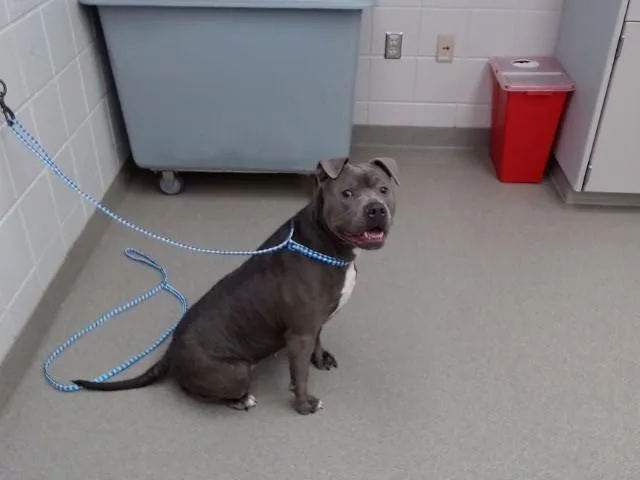
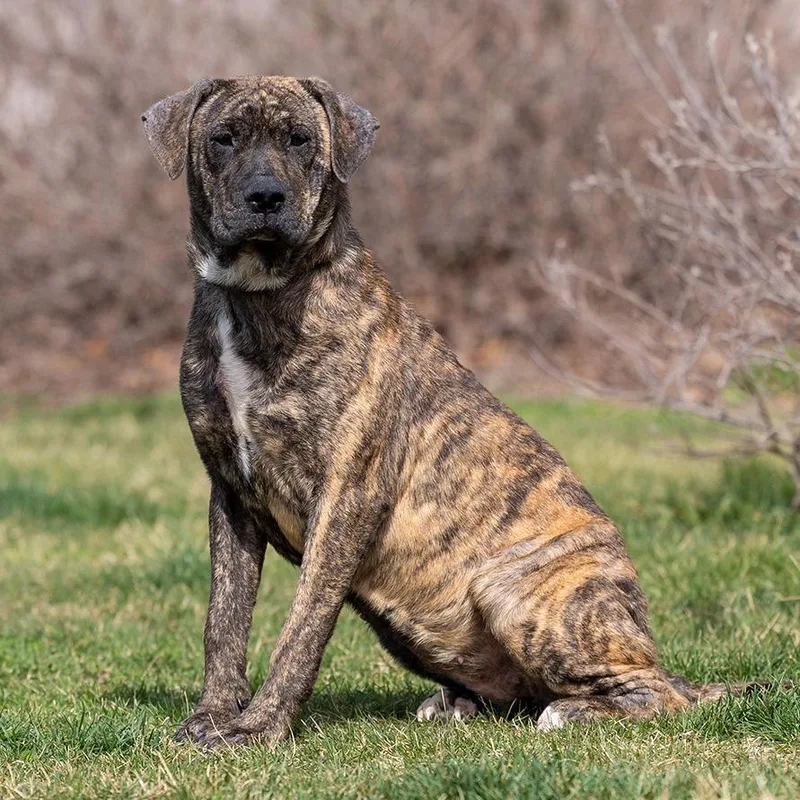
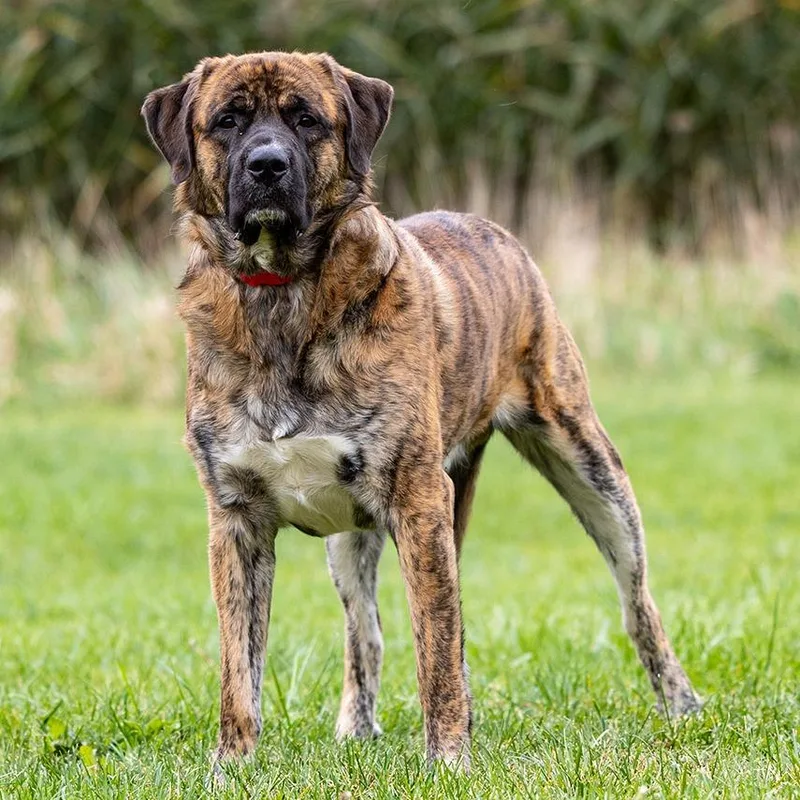
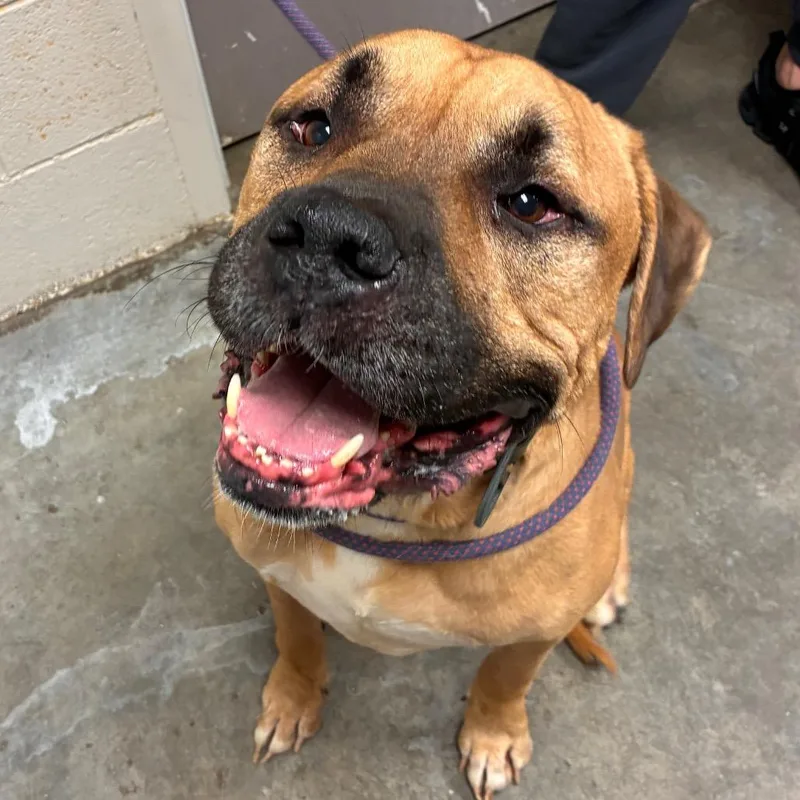
Mastiff Dogs for Adoption in Omaha, NE

Your guide to finding and caring for a Mastiff in Omaha

Mastiffs fit quiet Omaha neighborhoods like Field Club, where the 1.72-mile trail makes an easy daily walk. They're couch dogs more than athletes, so one steady stroll and a lot of lounging usually covers it. The adjustment is size: many Mastiffs top 150 pounds, which means floor space, a strong leash and a cool spot for muggy July afternoons. If you're thinking about a Mastiff in Omaha, start by counting stairs and square footage, then think about the yard.

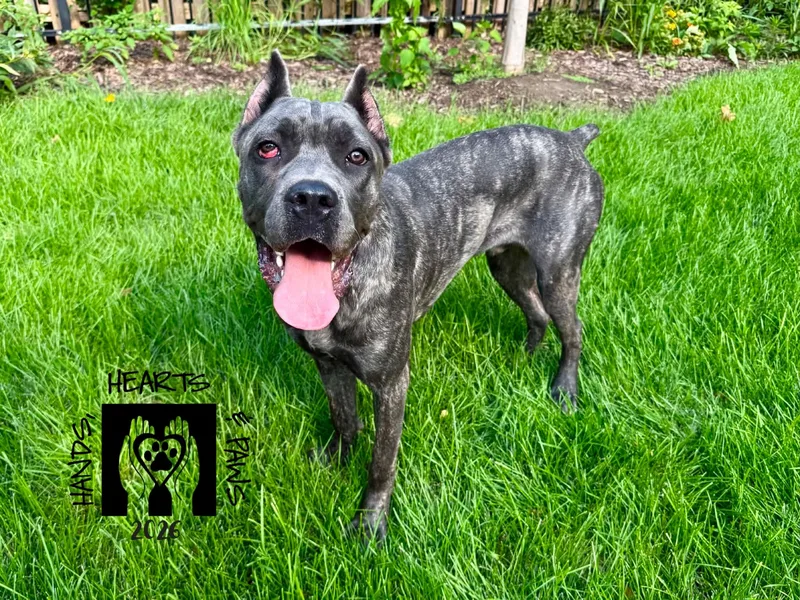
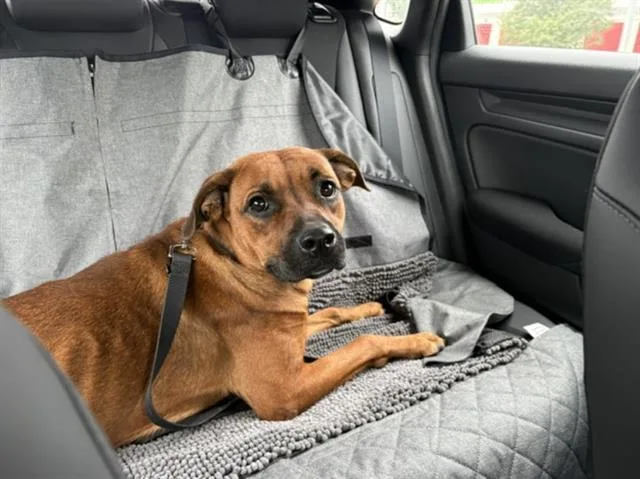
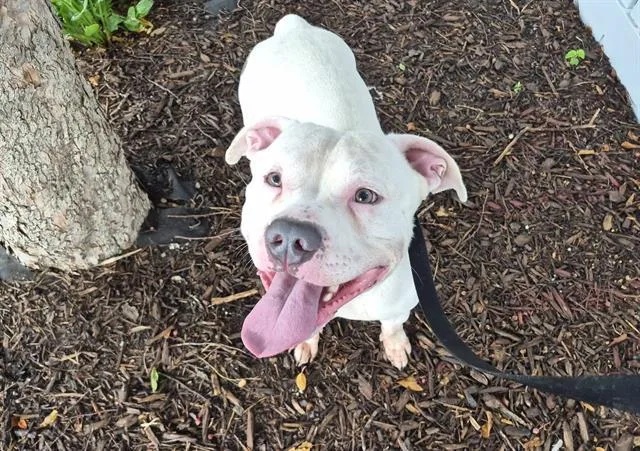
930 Mastiffs available in Omaha and nationwide

Give a Mastiff a home

While we don't have enough dogs near Omaha, keep in mind that many rescues may offer transport.

Mastiffs Available for Adoption Near Omaha

About the Mastiff breed

The Mastiff, also called the English Mastiff, is a massive, heavy-boned guardian with a broad head, a dark mask and a short fawn, apricot or brindle coat. Large guard dogs have lived in Britain for centuries, and the modern breed nearly disappeared after World War II before a small group of dogs rebuilt it.

Most Mastiffs are calm, dignified and gentle at home, with a quiet protectiveness toward their people. In Omaha, that usually means a dog happy to nap through a snowy afternoon, though one that needs careful time in the heat. Expect drool, moderate shedding, giant-breed food and vet bills, and a lifespan often under ten years. Temperament varies from dog to dog, so judge the Mastiff in front of you rather than the label.


Weight
120–230 lbs
Height
27–36 in
Lifespan
6–10 yrs
Temperament
Gentle, Dignified, Protective
Group
Working
Shedding
Moderate

Owning a Mastiff in Omaha

Having a Mastiff in Omaha

Mastiffs pair a steady, easygoing nature with one of the heaviest frames in the dog world. The cards below cover how that size shapes temperament, exercise, health and living space in Omaha, so you can judge whether a giant guardian fits your home.

Temperament

Mastiffs tend to be gentle, calm and loyal, and many are patient with respectful children. They're watchful and often aloof with strangers, so socialize early around Omaha's busy sidewalks and trails. Reward-based training matters because a stubborn adult this heavy can't be managed by strength. Each Mastiff differs, so judge the dog in front of you.

Exercise Needs

Most adult Mastiffs do well with a moderate daily walk and relaxed play, not long runs. Omaha's 80-plus miles of paved trails suit steady leashed strolls. Keep summer outings short, shaded and early or late, since Mastiffs overheat easily. Puppies should avoid forced running and lots of stairs or jumping while their joints develop.

Health Considerations

Mastiffs are prone to hip and elbow dysplasia, bloat, obesity and bone cancer, and some carry heart or eye conditions. Bloat is an emergency, so learn the signs: a swollen belly, retching with little coming up, restlessness. Keeping a Mastiff lean protects its joints. A veterinarian can check hips and heart and set up regular visits, since giant breeds age faster.

Living Space

Mastiffs are quiet indoors and can manage apartments with an elevator, but a home with few stairs and room to sprawl is easier. Plan for a giant crate, a sturdy car setup and a tail that sweeps coffee-table height. Mastiffs belong indoors with the family, through Omaha's cold winters and humid summers alike.

What it costs to own a Mastiff in Omaha

ExpenseTypical costPer year
Adoption fee$365, one time$365 in year one
Food$80 to $160 per month$960 to $1,920
Pet insurance$85 to $170 per month$1,020 to $2,040
Routine vet care$250 to $500 per year$250 to $500
Other*$590 to $1,690 per year$590 to $1,690
Estimated yearly total (after year one)$2,820 to $6,150
First-year total (with adoption fee)$3,185 to $6,515

Adoption fee is the fee on Mastiff listings in Omaha on GetBuddy today. Other costs are estimates and vary with size, age and health.

* The Omaha dog license, giant-dose flea, tick and heartworm prevention, a dental cleaning allowance, durable toys and bedding, basic coat care and joint supplements.

Adopt a Mastiff in Omaha.

Now that you know more, let’s find you a new best friend. These rescues and shelters below currently have Mastiffs available.

Frequently Asked Questions

Yes, and no known Omaha rule is aimed at Mastiffs. The city's breed-specific ordinance names pit bull-type dogs and a few other breeds, not the Mastiff. Mixes that strongly resemble a listed breed, such as a Cane Corso, could fall under it, so weigh a mix's looks as well as its label. Licensing and leash rules are the same as for any dog.

Yes, many Mastiffs do fine in apartments because they're quiet and low-energy indoors, but their size narrows the options. Look for ground-floor or elevator access and room to sprawl. Nebraska caps a refundable pet deposit at one-quarter of a month's rent, on top of a security deposit of up to one month's rent, due back within 14 days of move-out.

Yes, with care. Mastiffs overheat easily, and Omaha's humid stretches above 90°F are the hardest part of the year for them. Walk early or late, test pavement with your hand, and provide shade, fresh water and air conditioning. Never leave a Mastiff in a car, since that can be treated as neglect under Nebraska cruelty law.

Hefflinger Dog Park in northwest Omaha is a strong pick, with a fenced all-dog area of about 5 acres separate from its small-dog side. Dewey Dog Park near Midtown Crossing has artificial turf, which keeps a drooling, heavy dog out of the mud. For longer leashed walks, the Big Papio Trail runs about 10 miles from Hefflinger Park to Seymour Smith Park.

Not usually. Omaha's Metro buses, including ORBT, require pets to ride in a carrier unless they're service animals, and a full-grown Mastiff won't fit in one. Omaha has no subway or rail system, and the planned streetcar isn't open yet. Plan on a roomy, sturdy vehicle setup for vet visits and outings instead.

Only to some outdoor patios. Omaha restaurants can allow leashed dogs on patios when they have Douglas County Health Department approval, and indoor dining rooms are off-limits to pets. Not every patio qualifies, so look for dog-friendly signs before you go, and remember a Mastiff takes up a lot of floor space, with a tail that can sweep a table.

A Mastiff needs little grooming: weekly brushing, more often during seasonal shedding, plus regular wipe-downs of the face and drool folds and routine nail trims. In Omaha, rinse salt from paws after winter walks and keep coat care light in summer. Grooming falls under the Other cost line, so most owners handle it at home and budget for an occasional bath.

A Mastiff is a giant working dog from Britain, also known as the English Mastiff, bred for centuries as a guardian of homes and estates. Males stand at least 30 inches at the shoulder and many weigh over 160 pounds. The breed is known for a massive head, a black mask, a short coat and a calm, dignified, good-natured temperament.

We have 2 rescues with Mastiffs available: Nebraska Humane Society and Bullies-N-Beyond ResQ. You can see every rescue with Mastiffs available in the list above these questions, or scroll to the top to see the Mastiffs near Omaha.

A Mastiff in Omaha typically costs about $80–$160 a month for food and $85–$170 a month for pet insurance, plus $250–$500 a year for routine vet care and $590–$1,690 a year for other items. Together that's roughly $2,800–$6,150 a year, before emergencies. Adoption fees on the listings are separate.

Find Mastiffs in Nearby Cities

Expand your search to find Mastiffs available for adoption near Omaha.