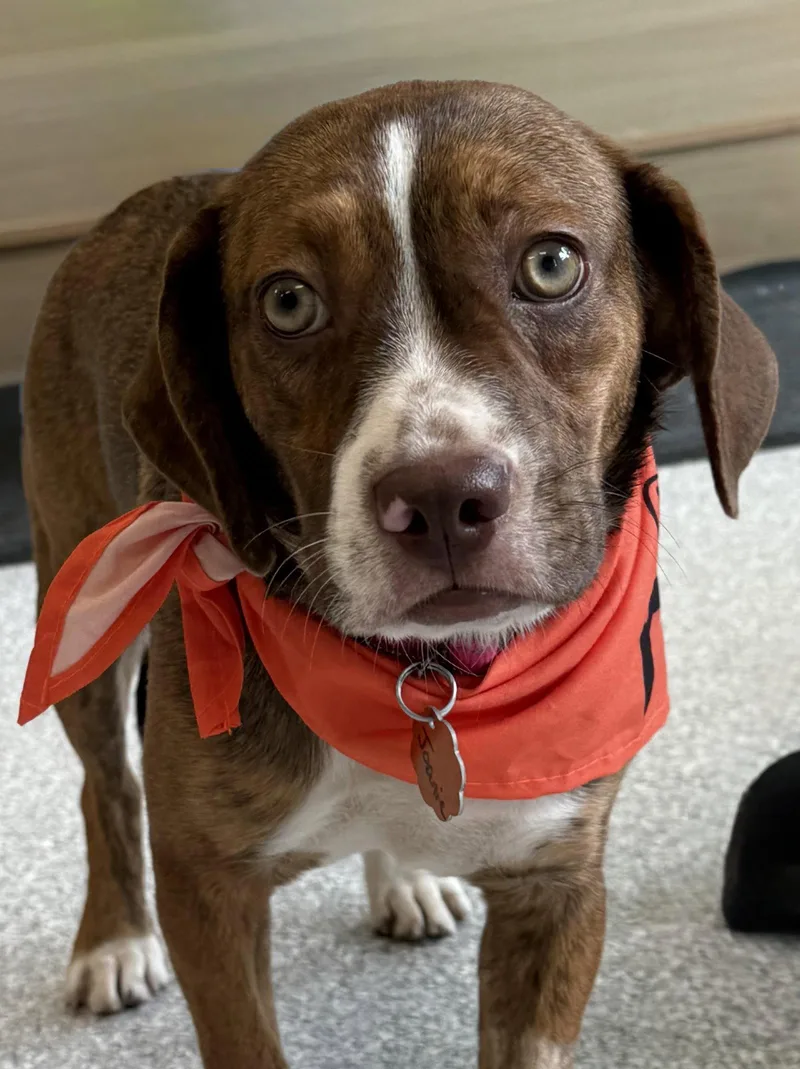
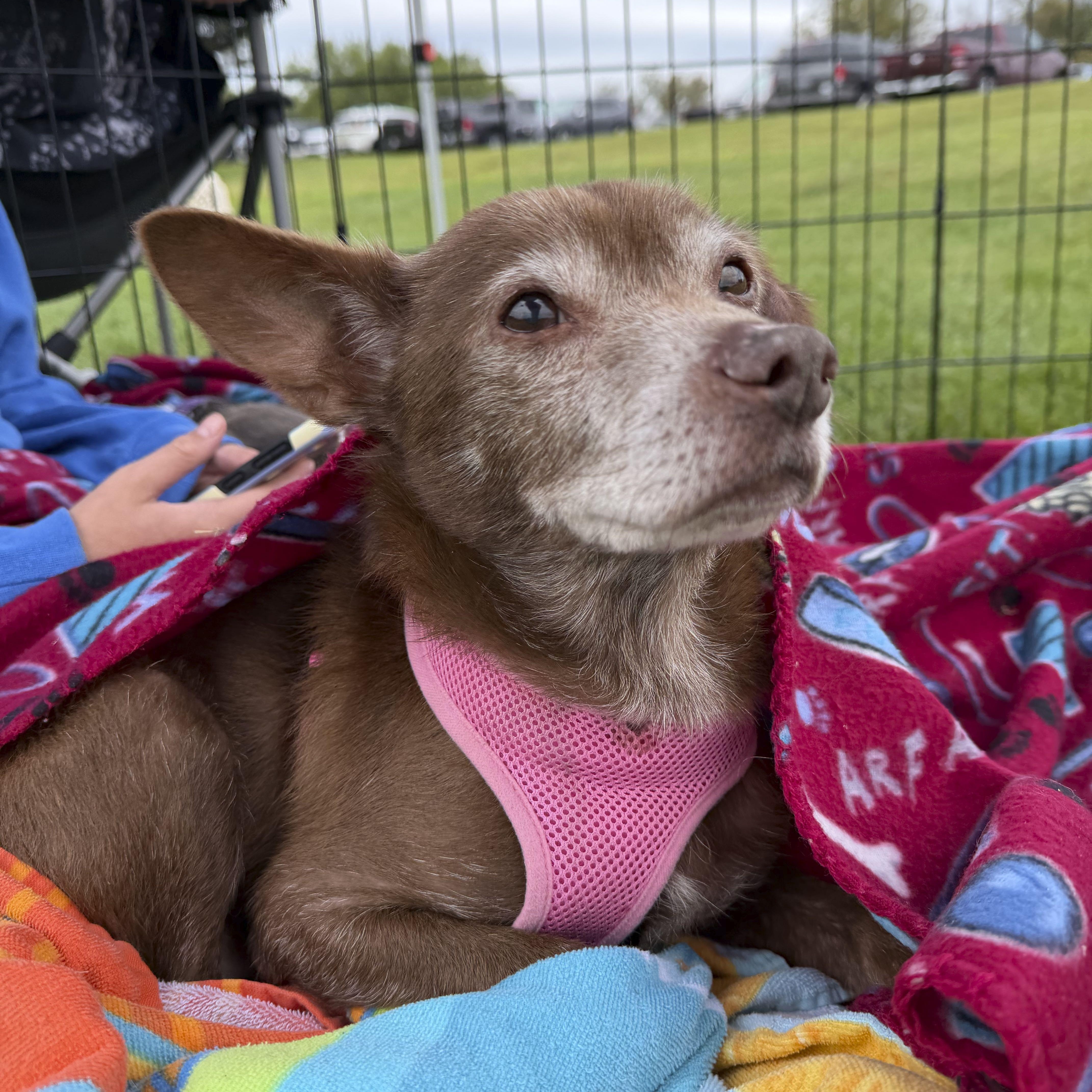
Black Labrador Retriever Dogs for Adoption in Omaha, NE

Your guide to finding and caring for a Black Labrador Retriever in Omaha

A black Lab suits Omaha best when there's a long paved loop close by. The two trails around Zorinsky Lake add up to about 7.4 miles, enough to tire out a young Lab on a weekday evening, and the boardwalk trail at Standing Bear Lake makes a good weekend change of scenery. Labs love company and fetch, and most don't enjoy long empty days. If you're home a fair amount and like being outside, a black Lab will happily keep pace and then sprawl across the living room floor.

2940 Black Labrador Retrievers available in Omaha and nationwide

Find your Black Labrador Retriever

While we don't have enough dogs near Omaha, keep in mind that many rescues may offer transport.

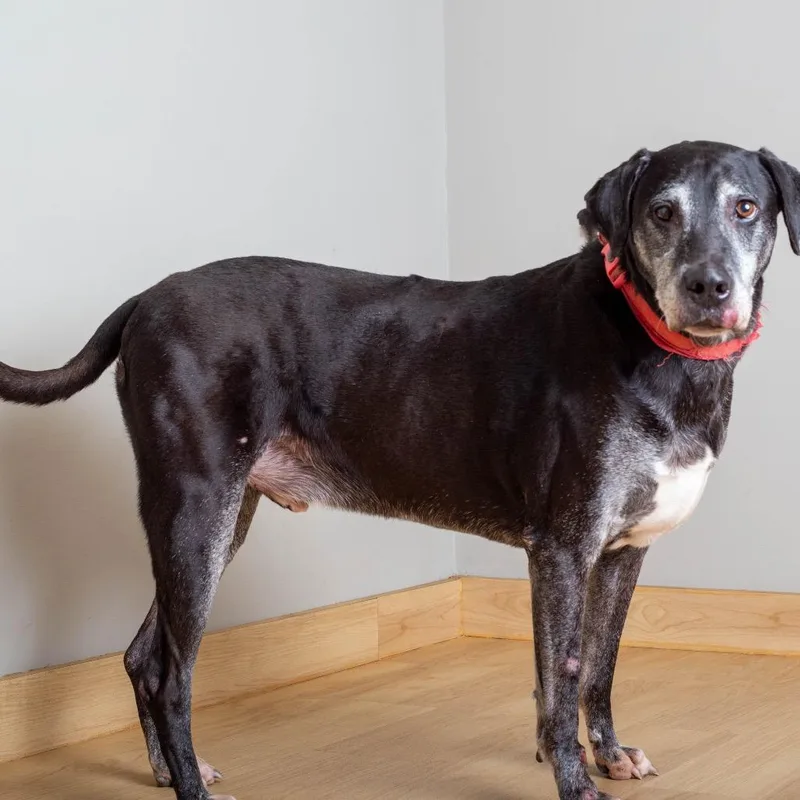
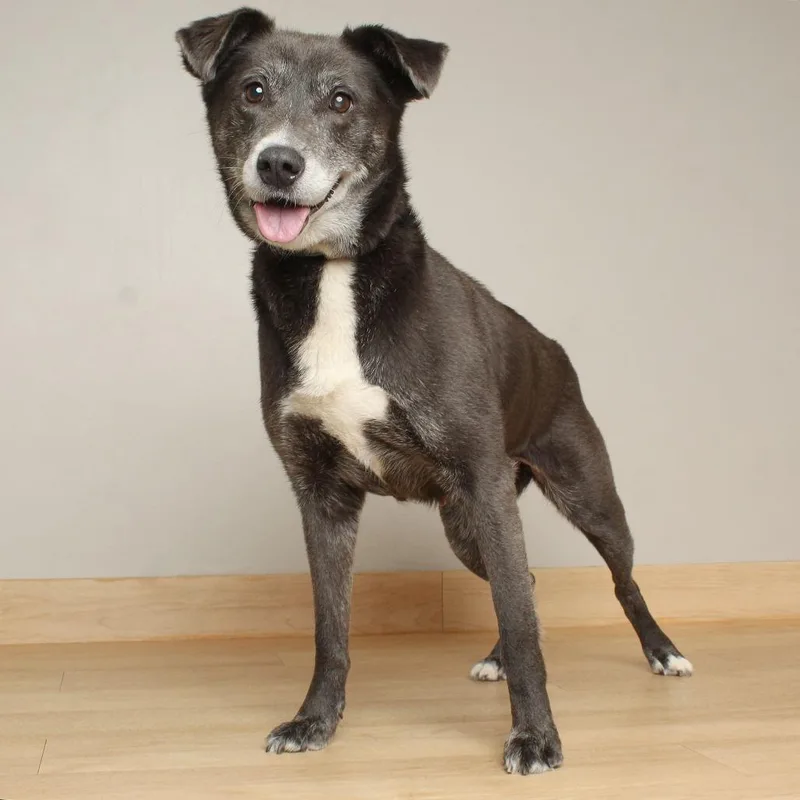
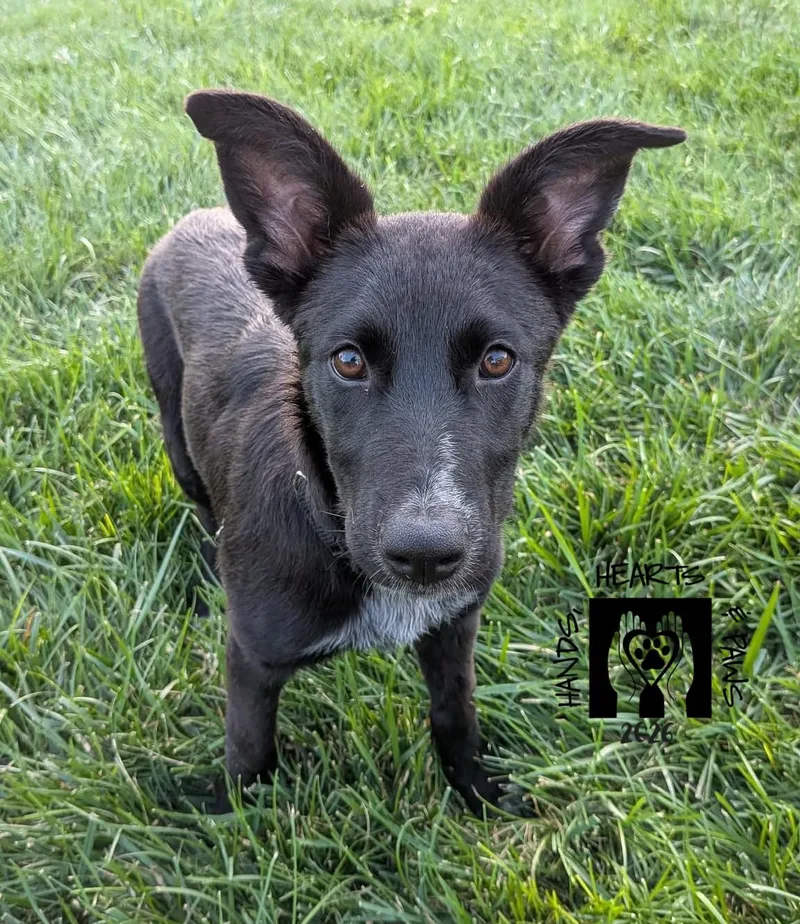
Black Labrador Retrievers Available for Adoption Near Omaha

About the Black Labrador Retriever breed

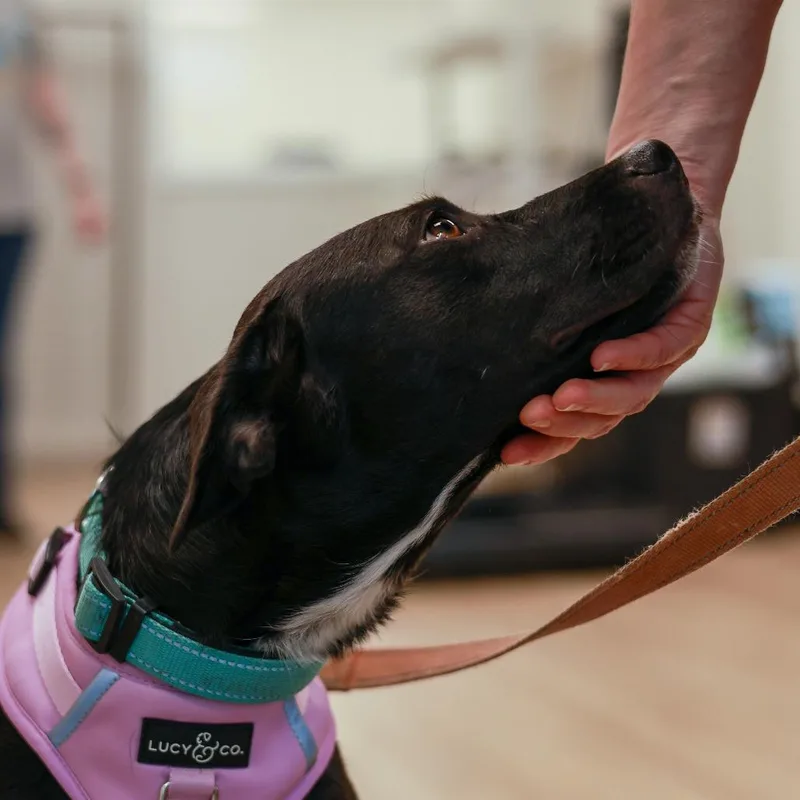
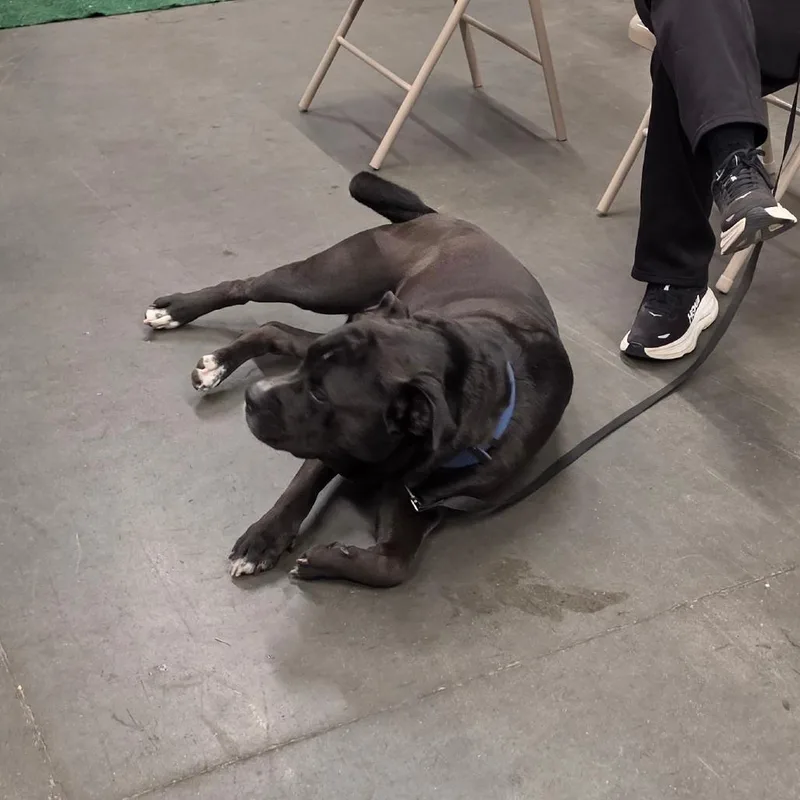
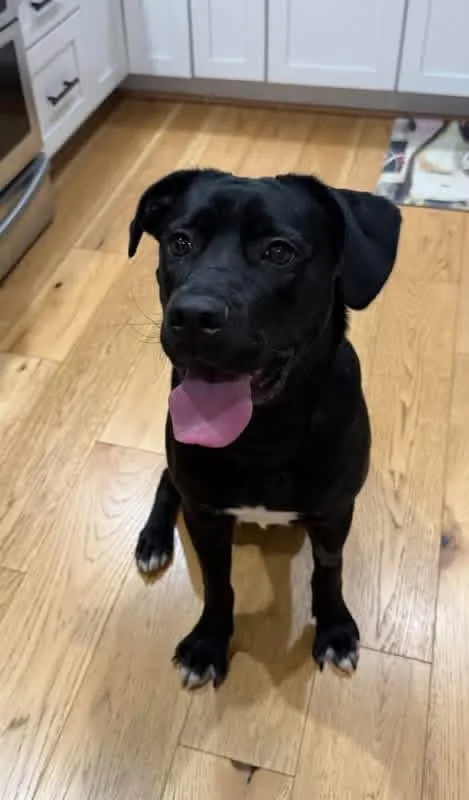
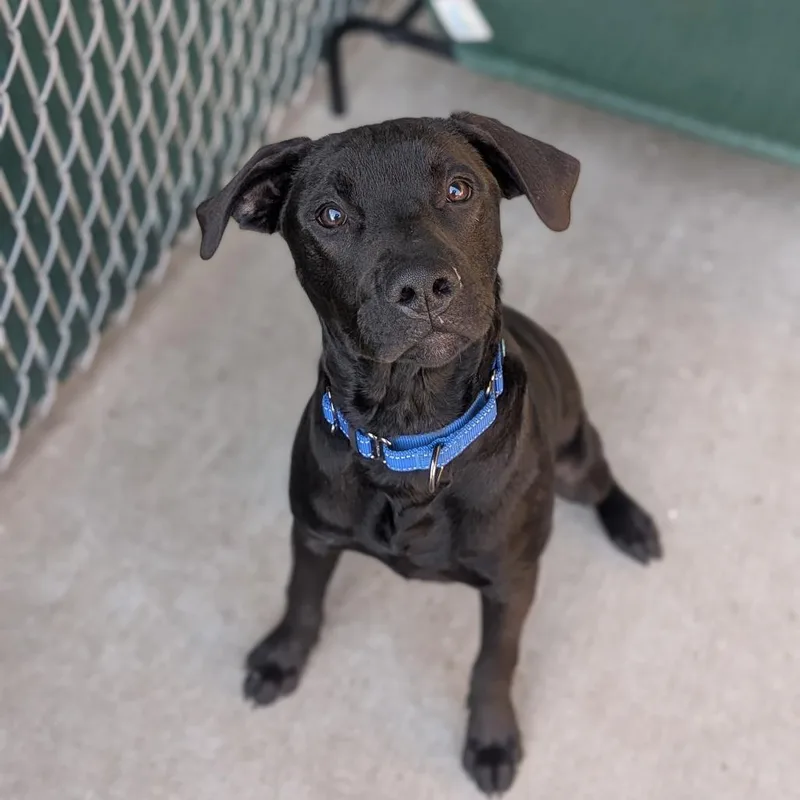
A black Labrador Retriever is a Lab in the breed's original and most familiar color, not a separate breed. Labs descend from the St. John's water dogs of Newfoundland and were refined in Britain as retrieving gun dogs, which explains the dense, water-resistant double coat, otter tail and sturdy, athletic build. Adults usually weigh 55 to 80 pounds.

Color doesn't change personality. Black Labs tend to be friendly, food-motivated and eager to please, though field-bred dogs are often leaner and more driven than show-bred ones. With long Omaha winters and humid summers, that thick coat and big appetite mean regular brushing, careful portions and exercise timed to the weather. Dogs vary, and a Lab's age, history and energy matter more than breed averages.

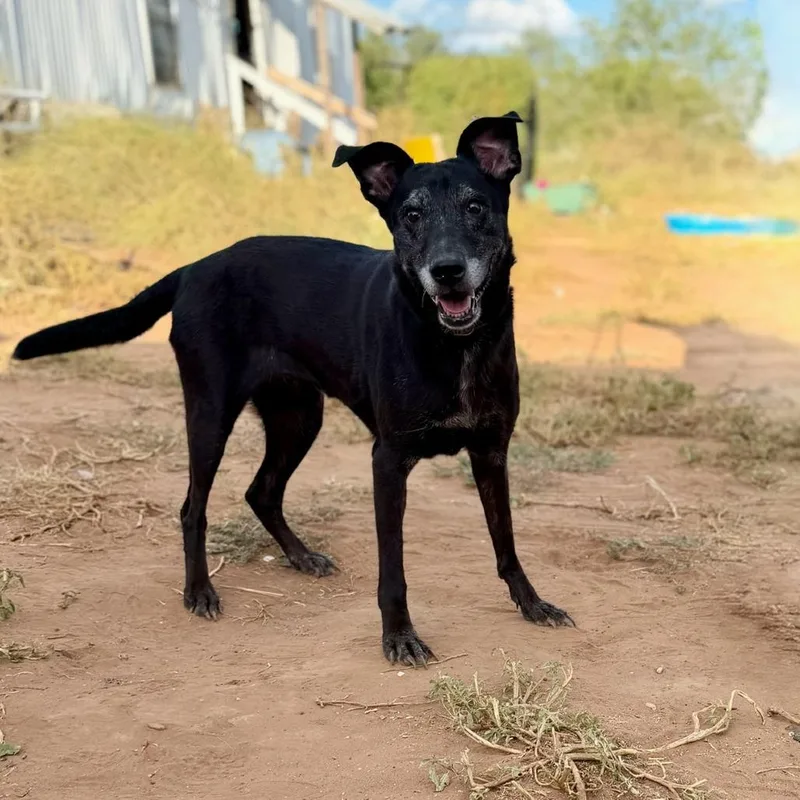
Weight
55–80 lbs
Height
21–25 in
Lifespan
10–14 yrs
Temperament
Friendly, Outgoing, Active
Group
Sporting
Shedding
Moderate to High

Owning a Black Labrador Retriever in Omaha

Having a Black Labrador Retriever in Omaha

Energy, appetite and seasonal shedding shape daily life with a black Lab more than coat color does. In Omaha, that means planning exercise around freezing winters and humid summer afternoons, and matching a dog's age and drive to your routine.

Temperament

Black Labs are usually outgoing and affectionate with family, visitors and other dogs, which helps on busy Omaha trails and at dog parks. Young dogs can be mouthy and bouncy, and their love of treats makes reward-based training work well. Temperament varies, so a dog's own history and personality count for more than breed averages.

Exercise Needs

Plan on an hour or more of activity a day for a healthy adult: brisk walks, fetch and training games. Omaha has more than 80 miles of paved trails, including the Keystone and Big Papio, plus fenced dog parks for off-leash play. Field-bred dogs usually need more, and seniors still enjoy gentler outings.

Health Considerations

Labs can face hip and elbow dysplasia, cruciate ligament tears, exercise-induced collapse, eye disease and ear or skin problems, and many gain weight easily. A veterinarian can check hips, elbows and weight at the first visit. Icy Omaha sidewalks are hard on stiff joints, so keep older or arthritic dogs steady on slick footing.

Living Space

A black Lab can live in an apartment or a house if daily exercise is covered. A fenced yard makes play easier but doesn't replace walks. Expect shed hair, a sweeping tail and a dog that wants to be indoors with the family, especially when Omaha turns freezing.

What it costs to own a Black Labrador Retriever in Omaha

ExpenseTypical costPer year
Adoption fee$250, one time$250 in year one
Food$55 to $110 per month$660 to $1,320
Pet insurance$65 to $130 per month$780 to $1,560
Routine vet care$250 to $500 per year$250 to $500
Other*$610 to $1,510 per year$610 to $1,510
Estimated yearly total (after year one)$2,300 to $4,890
First-year total (with adoption fee)$2,550 to $5,140

Adoption fee is the fee on Black Labrador Retriever listings in Omaha on GetBuddy today. Other costs are estimates and vary with size, age and health.

* The Omaha dog license, which costs less for a spayed or neutered dog, flea, tick and heartworm prevention, a dental cleaning allowance, toys and bedding, and brushing and baths for heavy seasonal shedding.

Adopt a Black Labrador Retriever in Omaha.

Now that you know more, let’s find you a new best friend. These rescues and shelters below currently have Black Labrador Retrievers available.

Frequently Asked Questions

Yes, most black Labs handle Omaha winters well thanks to their dense, water-resistant double coat. Winters bring about 135 freezing nights, roughly 27 inches of snow and occasional sub-zero snaps, so shorten walks on the worst days, wipe off ice-melt salt, and keep the dog inside. Omaha also requires bedded shelter for any dog left outside.

Zorinsky Lake's paved loops, about 7.4 miles together, suit long daily walks, and Standing Bear Lake has a boardwalk trail. The 1.72-mile Field Club Trail is a gentler option for seniors. For off-leash play, Hanscom and Dewey in Midtown and Hefflinger in northwest Omaha are fenced. Dogs must be leashed elsewhere.

Yes, a black Lab can live in an Omaha apartment if it gets daily exercise. Midtown and downtown residents can reach fenced dog parks at Dewey, Hanscom and Gene Leahy Mall, and winter days call for indoor games and short, bundled walks. Uninterrupted barking that disturbs neighbors is illegal, so a tired, well-trained Lab makes a better neighbor.

Not on Metro buses or ORBT unless the dog is a service animal. Metro requires pets to ride in a carrier, which rules out a 55-to-80-pound Lab. Omaha has no subway or rail line, and the streetcar isn't expected to open until around 2028, so plan on driving or walking to parks and trails.

Brush a black Lab weekly, and daily during the heavy spring and fall sheds. Bathe only when needed, trim nails, and clean the ears, since Labs are prone to ear infections. In winter, wipe paws after walks to remove ice-melt salt. Most grooming happens at home, so costs fall under the Other line in the cost table.

Only to patios where the venue has Douglas County Health Department approval, and only if the dog stays leashed. Indoor dining rooms are off-limits to pets. Policies differ by venue, so look for a posted dog-friendly patio before you go, and bring a calm Lab that can settle under the table.

A Labrador Retriever is a large sporting dog developed to retrieve game for hunters, especially from water. Labs have a short, dense double coat, a thick otter tail and a broad head, and they come in black, yellow and chocolate. Many are friendly, food-motivated and eager to work, which makes them common family, guide and service dogs.

Labs are large dogs, usually standing about 21.5 to 24.5 inches at the shoulder and weighing about 55 to 80 pounds, with females toward the lower end. Field-bred Labs often look taller and leaner, while show-bred Labs tend to be stockier. Most reach adult height by about a year and keep filling out until around two.

We have 1 rescue with Black Labrador Retrievers available: NALA Rescue - Nebraska's Animal Loving Advocates. You can see every rescue with Black Labrador Retrievers available in the list above these questions, or scroll to the top to see the Black Labrador Retrievers near Omaha.

Plan on roughly $2,300 to $4,900 a year for a black Lab: food at $55 to $110 a month, insurance at $65 to $130 a month, routine vet care at $250 to $500 a year, and $610 to $1,510 a year for everything else, including the license, parasite prevention, dental care and grooming.