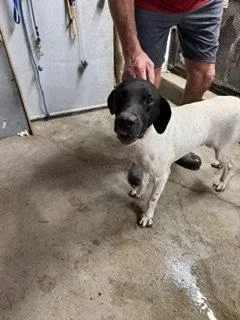
American Eskimo Dogs for Adoption in Omaha, NE

Your guide to finding and caring for an American Eskimo Dog in Omaha

American Eskimo Dogs fit Omaha best when their people like a daily walk. A miniature Eskie can make a Field Club bungalow or an Aksarben Village apartment feel like home, and the 1.72-mile Field Club Trail is a good length for a morning loop. They're alert and chatty, so expect a bark when a neighbor comes up the stairs. Winters here get cold, which Eskies handle fine in their thick coats. Standards like more room to run.

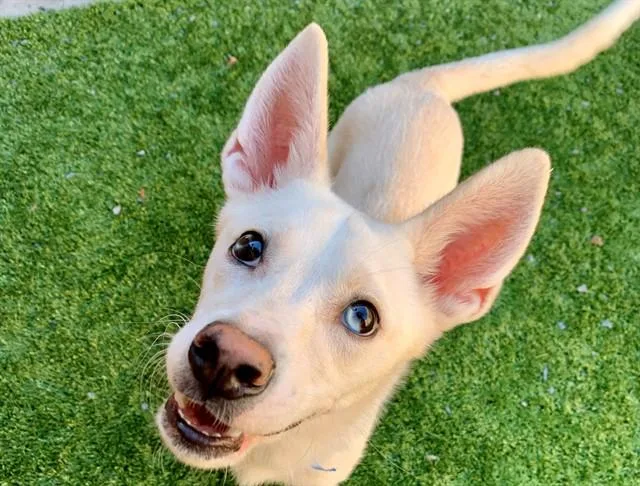
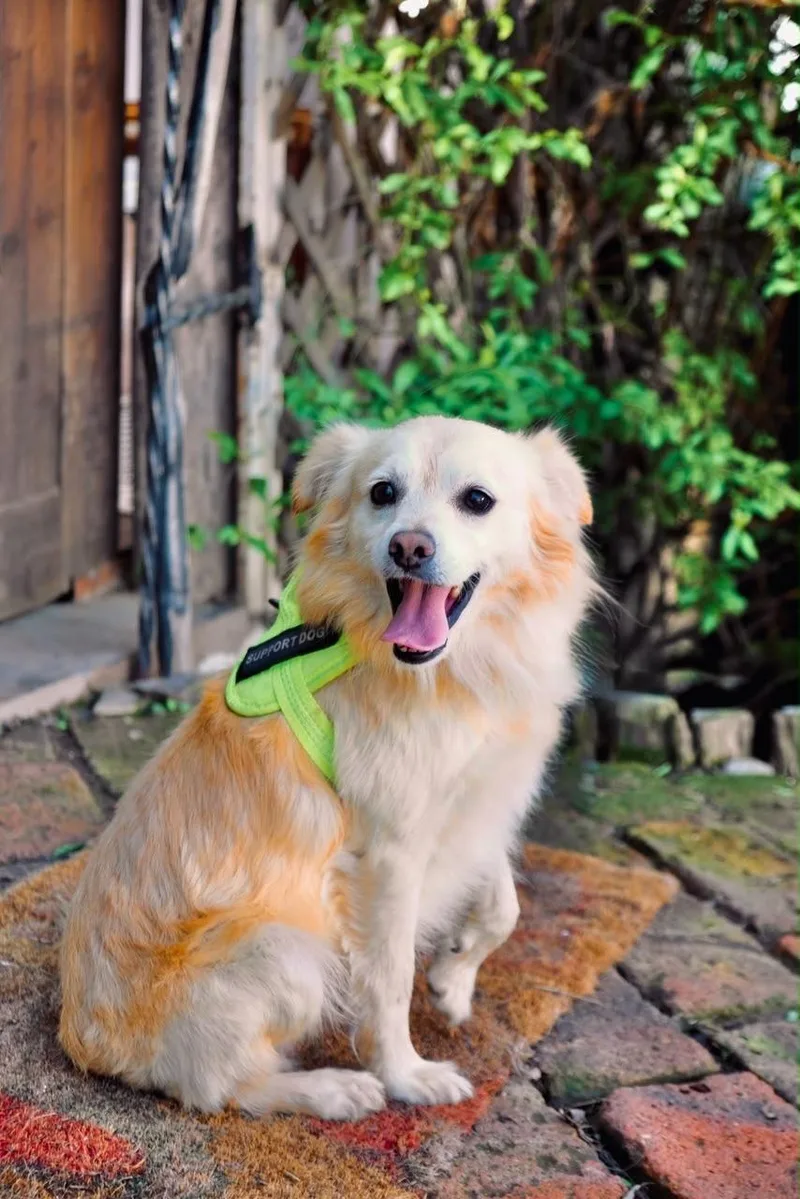
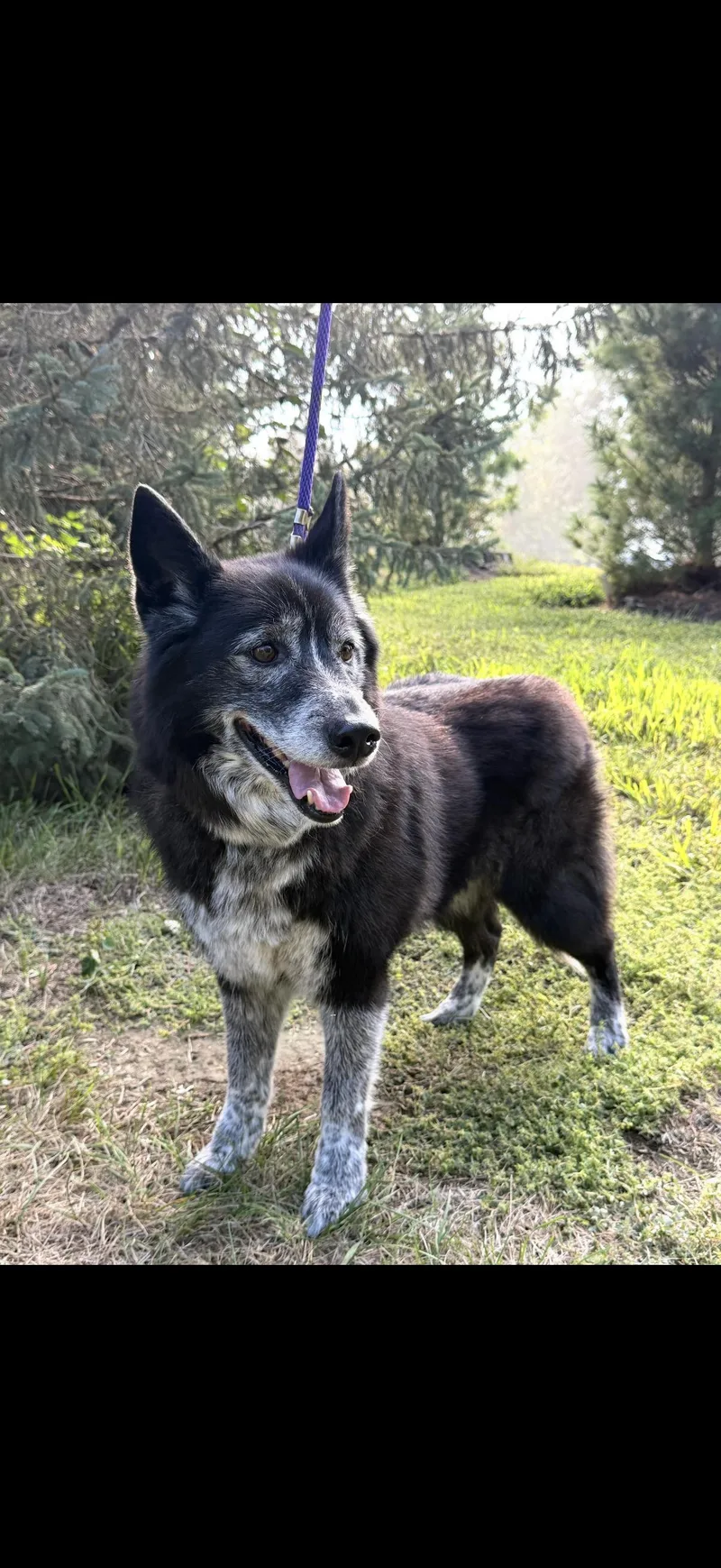
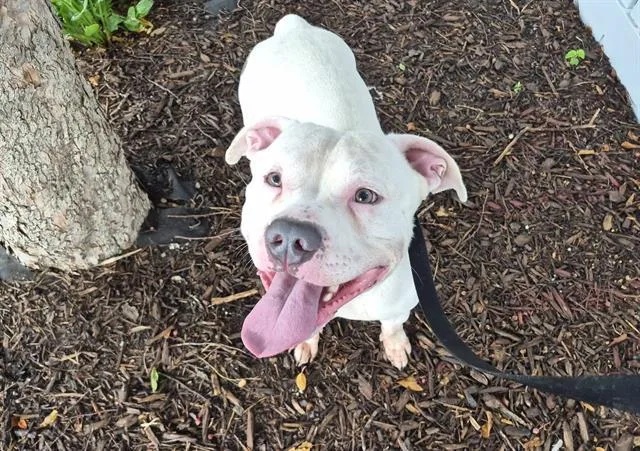
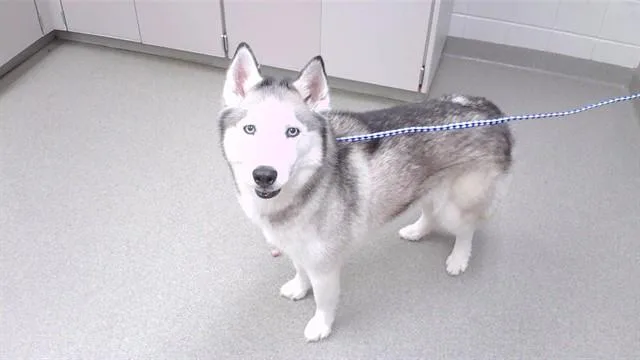
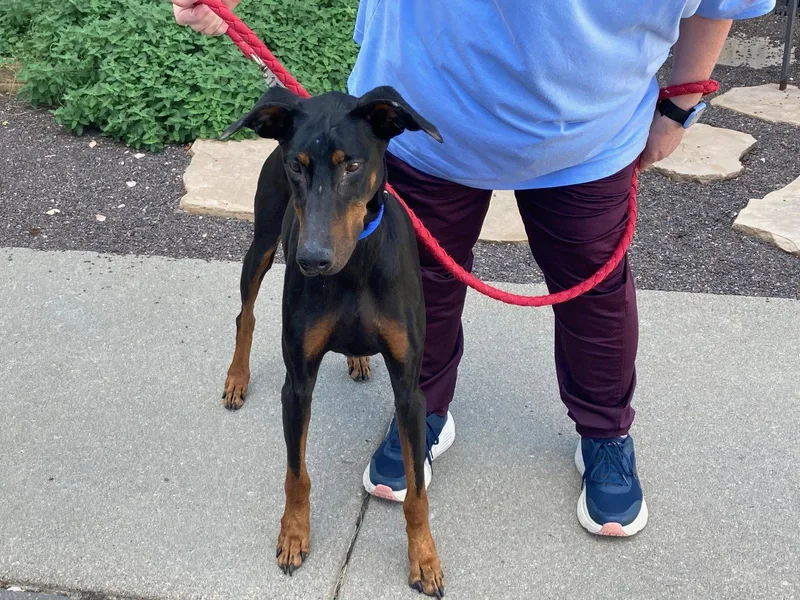
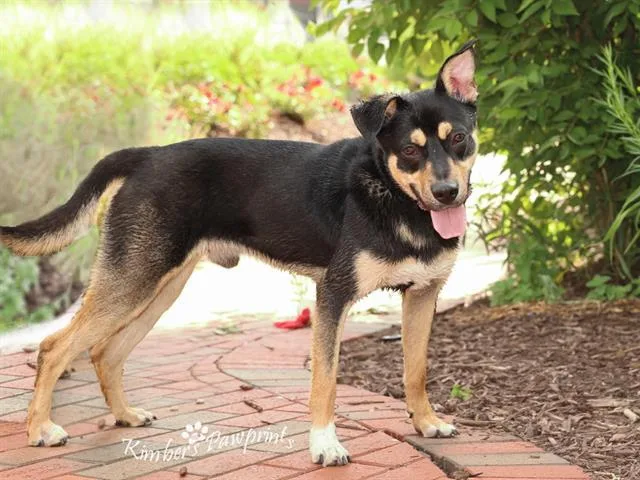
66 American Eskimo Dogs available in Omaha and nationwide

An American Eskimo Dog is ready for you

While we don't have enough dogs near Omaha, keep in mind that many rescues may offer transport.

American Eskimo Dogs Available for Adoption Near Omaha

About the American Eskimo Dog breed

The American Eskimo Dog has nothing to do with Arctic sled dogs. It descends from white German Spitz dogs that immigrants brought to the U.S. in the early 1900s, and the name changed during World War I. Eskies later became circus performers, and that quick mind is still obvious today. They come in toy, miniature and standard sizes, roughly 6 to 35 pounds, so size varies a lot from one adoptable dog to the next.

In Omaha, the white double coat is the main thing to plan for. Expect heavy shedding, regular brushing, and a bigger seasonal blowout once or twice a year. Eskies are watchful and bark readily, and many are reserved with strangers, so early socialization and steady routines matter. They want company and daily mental work, and a bored Eskie tends to get loud.

Weight
6–35 lbs
Height
9–19 in
Lifespan
13–15 yrs
Temperament
Intelligent, Alert, Playful, Vocal
Group
Non-Sporting
Shedding
High

Owning an American Eskimo Dog in Omaha

Having an American Eskimo Dog in Omaha

Eskies are bright, devoted and watchful, which suits people who are home often and enjoy training. In Omaha, the biggest practical questions are barking in shared buildings, shedding, and how well a dog's size fits your housing.

Temperament

Many Eskies are affectionate with their families and eager to learn, but also alert and quick to bark at doorbells, hallway noise and passing joggers. Some are reserved with strangers. Positive training and early socialization help, and dogs vary, so watch how a dog handles new people and sounds.

Exercise Needs

Plan on a daily walk plus play or training. Omaha's paved trails, including the Field Club Trail and the loop paths around Zorinsky Lake, suit leashed walks, and the fenced dog parks give standard-sized Eskies room to run. Puzzle toys and short trick sessions help on icy or stormy days. Keep summer sessions shorter and shadier.

Health Considerations

Conditions seen in the breed include progressive retinal atrophy, hip dysplasia, kneecap luxation, juvenile cataracts and diabetes. Have a veterinarian check the eyes, knees and hips soon after adoption and keep up regular exams. Talk with your vet about a flea, tick and heartworm schedule, and wipe paws after walks on salted winter sidewalks.

Living Space

Toy and miniature Eskies often do well in apartments and condos, such as those around Midtown and Aksarben, while standards usually prefer a fenced yard in places like Millard or Elkhorn. Barking carries through shared walls, and Omaha law treats uninterrupted barking as a nuisance, so plan for training and company.

What it costs to own an American Eskimo Dog in Omaha

ExpenseTypical costPer year
Food$20 to $45 per month$240 to $540
Pet insurance$35 to $70 per month$420 to $840
Routine vet care$200 to $400 per year$200 to $400
Other*$490 to $1,290 per year$490 to $1,290
Estimated yearly total (after year one)$1,350 to $3,070

Other costs are estimates and vary with size, age and health.

* The Omaha dog license, grooming and brushing supplies, a yearly dental cleaning, flea, tick and heartworm prevention, and toys and bedding.

Adopt an American Eskimo Dog in Omaha.

Now that you know more, let’s find you a new best friend. These rescues and shelters below have dogs available in and near Omaha.

Frequently Asked Questions

Yes. Omaha's breed-specific rules target pit bull-type dogs, not American Eskimo Dogs. The usual requirements apply: a city license by 4 months of age (cheaper for spayed or neutered dogs), current rabies vaccination, a leash outside a fenced yard, waste cleanup, and a limit of three dogs per household without a permit.

It can be, for people who are home often and like daily walks. Omaha offers paved trails and fenced dog parks, and Eskies cope well with cold winters. The trade-offs are barking in shared buildings, heavy shedding and careful summer exercise. A dog's size and personality matter, so match the dog to your housing and schedule.

For off-leash play, Hanscom and Dewey in Midtown, Hefflinger in northwest Omaha, Gene Leahy Mall downtown and Miller Park in North Omaha are fenced dog parks. For leashed walks, the Field Club Trail, the Keystone Trail and the paved loops around Zorinsky Lake work well. Dogs must be leashed outside designated dog parks.

Yes, especially toy and miniature Eskies that get daily exercise. The bigger issue is noise: Omaha treats uninterrupted barking as a nuisance, and Eskies bark readily. Training, puzzle toys and not leaving the dog alone for long stretches help. Read the lease for breed and weight limits before you apply.

Mostly. An Eskie's double coat handles snowy winters, which bring about 135 freezing nights a year. The harder part is humid summer, with about 33 days at 90°F or above, plus spring storms and July fireworks. Exercise in cooler hours, keep the coat unshaved, and set up a quiet space for storms.

Only in a carrier. Metro buses, including ORBT on Dodge Street, require pets to ride in a carrier unless they're service animals. A toy or miniature Eskie may fit in one, but a standard usually can't. Omaha has no subway or rail, and the streetcar isn't open yet, so larger dogs need a car or a walk.

Only on patios, and only where the venue has approval. Indoor dining rooms are off-limits to pets, and patio access depends on Douglas County Health Department rules, so not every restaurant allows dogs. Look for patios that clearly welcome them, keep your Eskie leashed, and bring water. Barking can end a patio visit quickly.

Plan on brushing a few times a week, and daily during the spring and fall coat blow. Omaha's humid summers make shaving tempting, but the double coat insulates against heat, so leave it. Baths every few months and occasional professional grooming fit within the $490–$1,290 yearly Other costs, which also cover dental care and parasite prevention.

American Eskimo Dogs typically live about 13 to 15 years, and some reach their late teens. Smaller toy and miniature Eskies often live slightly longer than standards, as is common in dogs. Good nutrition, a healthy weight, dental care and regular veterinary checkups help, and early screening for eye disease and diabetes can catch problems before they become serious.

Most Eskie owners in Omaha spend roughly $1,350 to $3,070 a year, depending on size and coat care. That covers food at $20–$45 a month, insurance at $35–$70 a month, routine vet care at $200–$400 a year, and about $490–$1,290 a year in other costs such as grooming, dental care and parasite prevention.