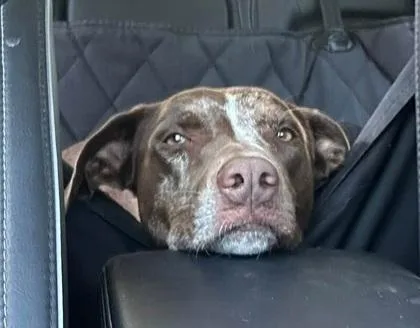
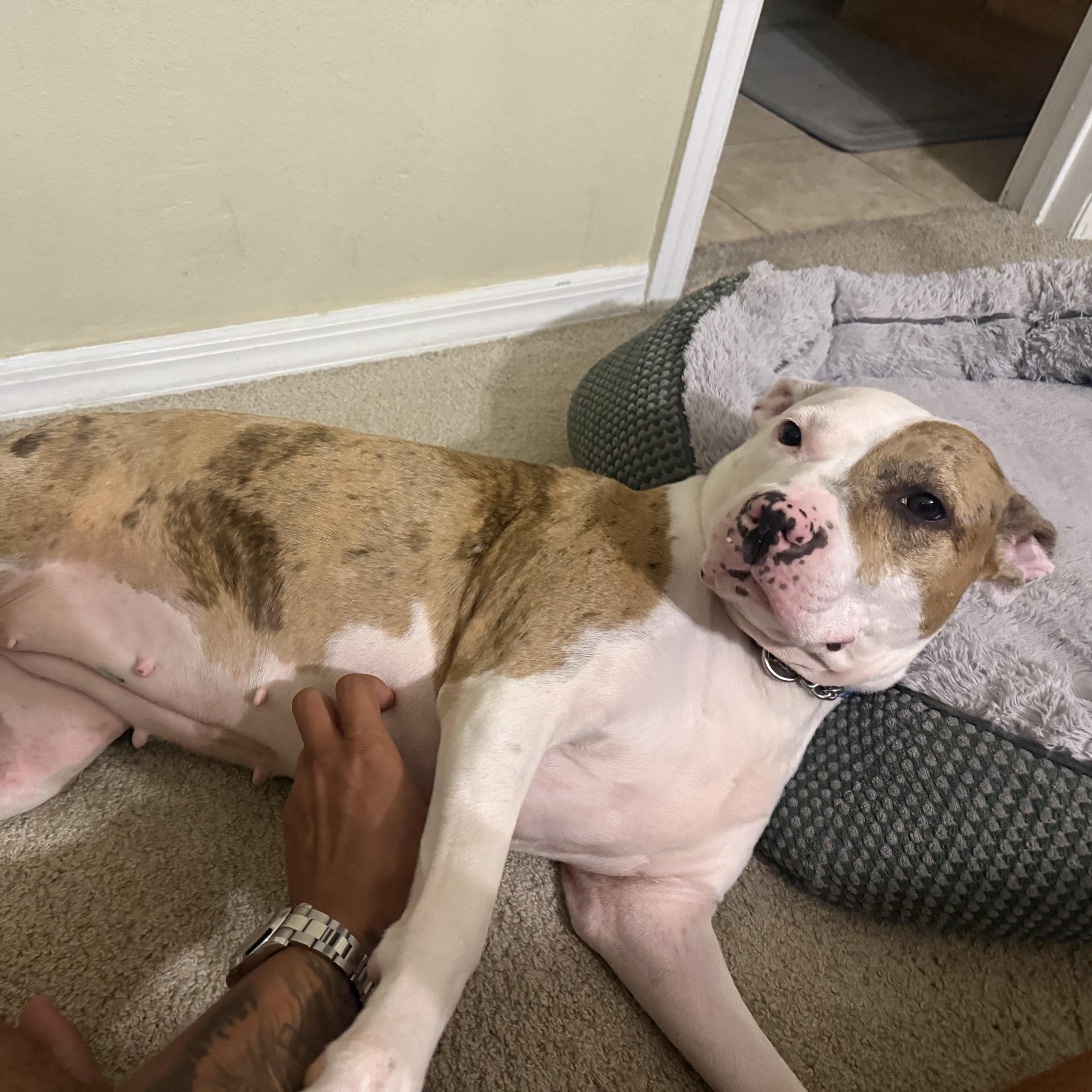
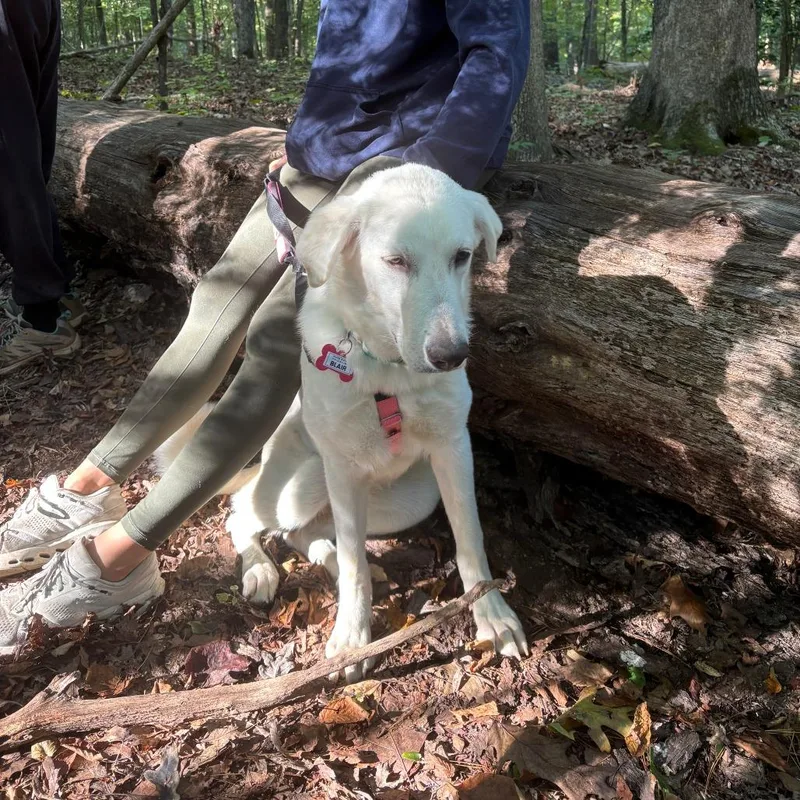
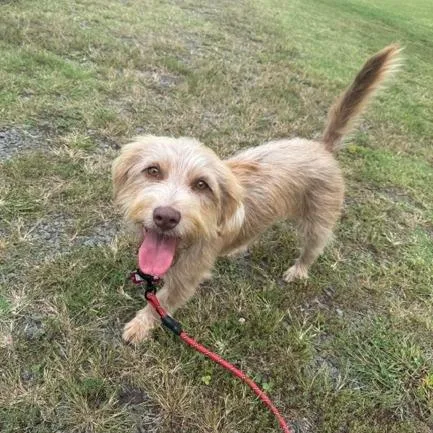
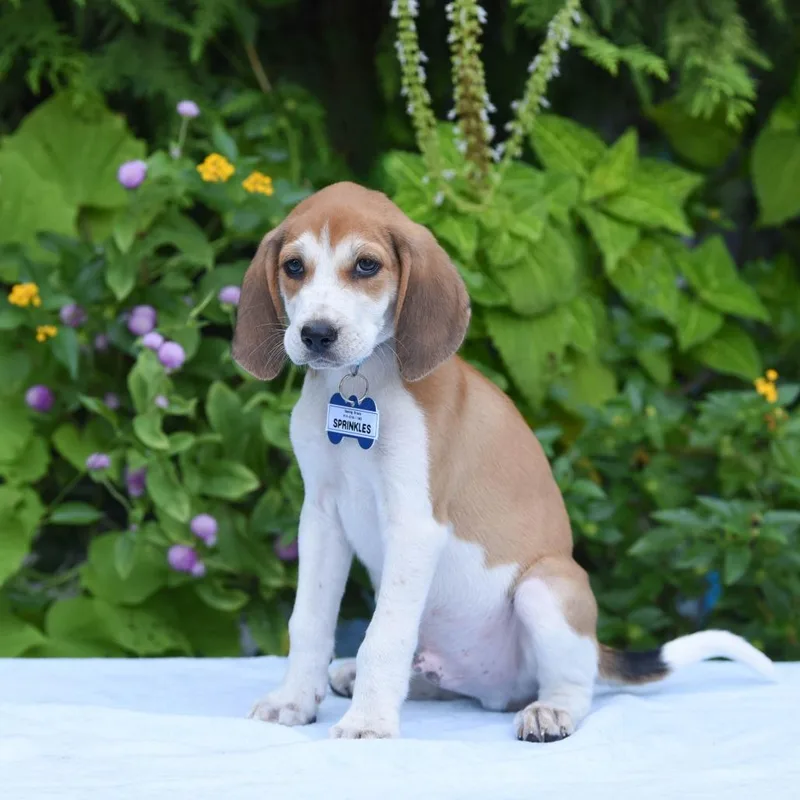
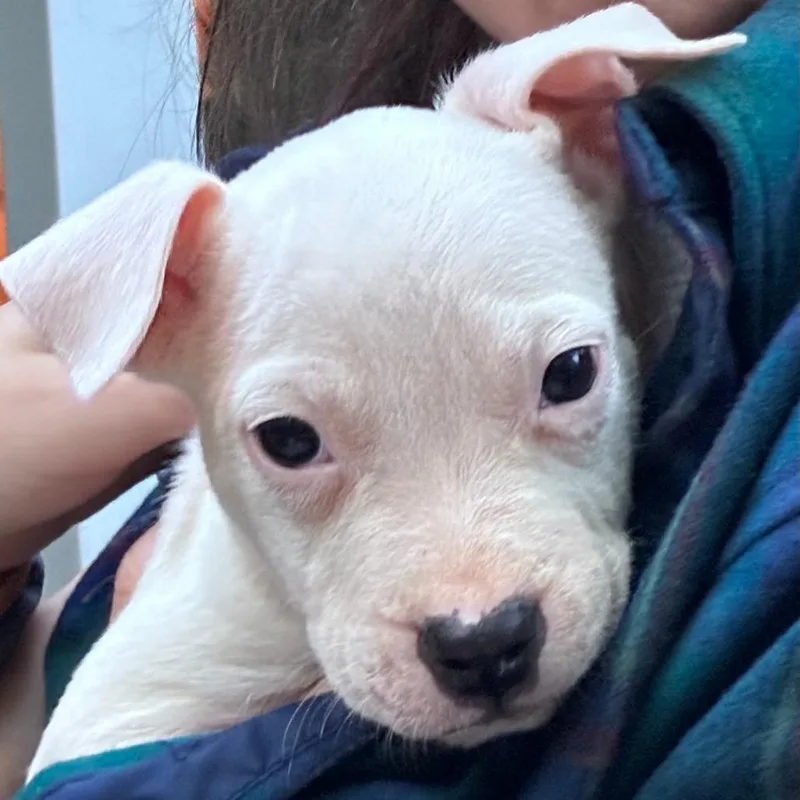
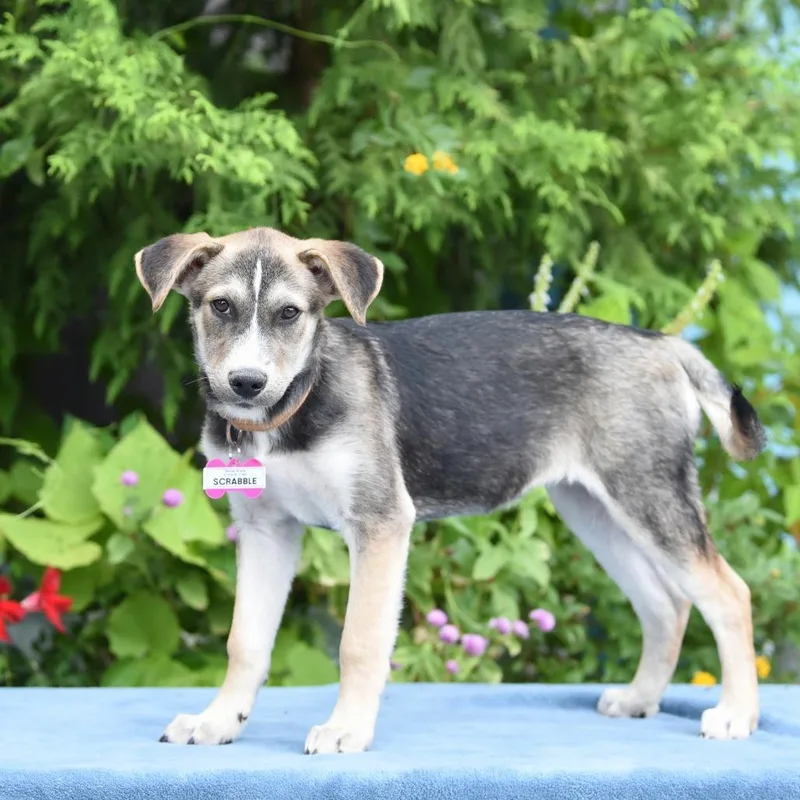
Catahoula Leopard Dogs for Adoption in Wake Forest, NC

Your guide to finding and caring for a Catahoula Leopard Dog in Wake Forest

A Catahoula Leopard Dog in Wake Forest needs a daily trail walk, and the town has plenty of them. The 1.6-mile soft trail at the Wake Forest Reservoir and the Dunn Creek Greenway near Traditions give a high-energy Catahoula real ground to cover on leash. Back home, a fenced yard matters, since many Catahoulas climb and dig. They're loyal, watchful dogs that do best with owners who are around a lot and like being outdoors.

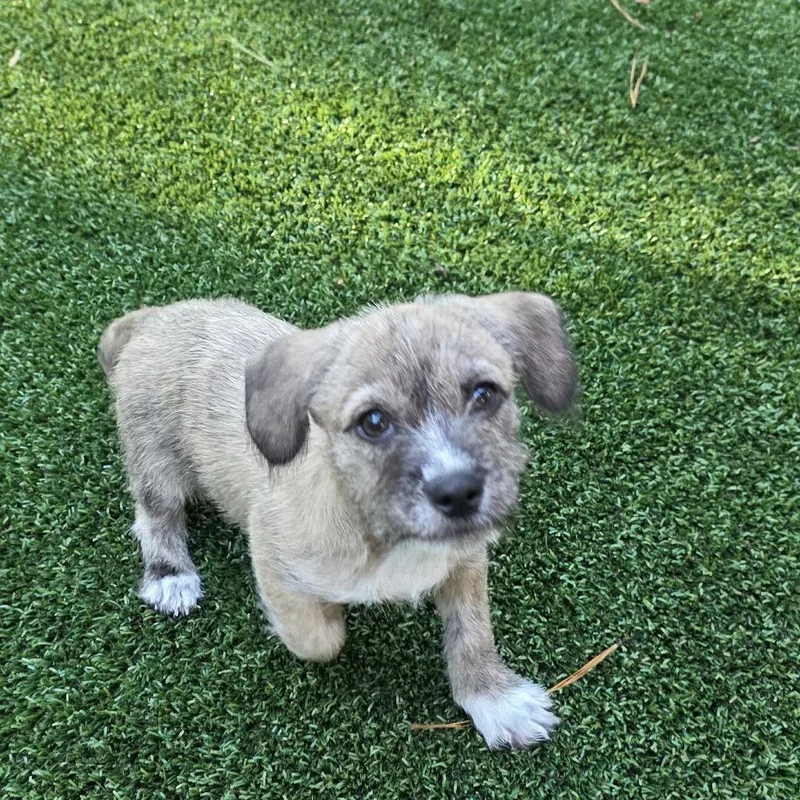
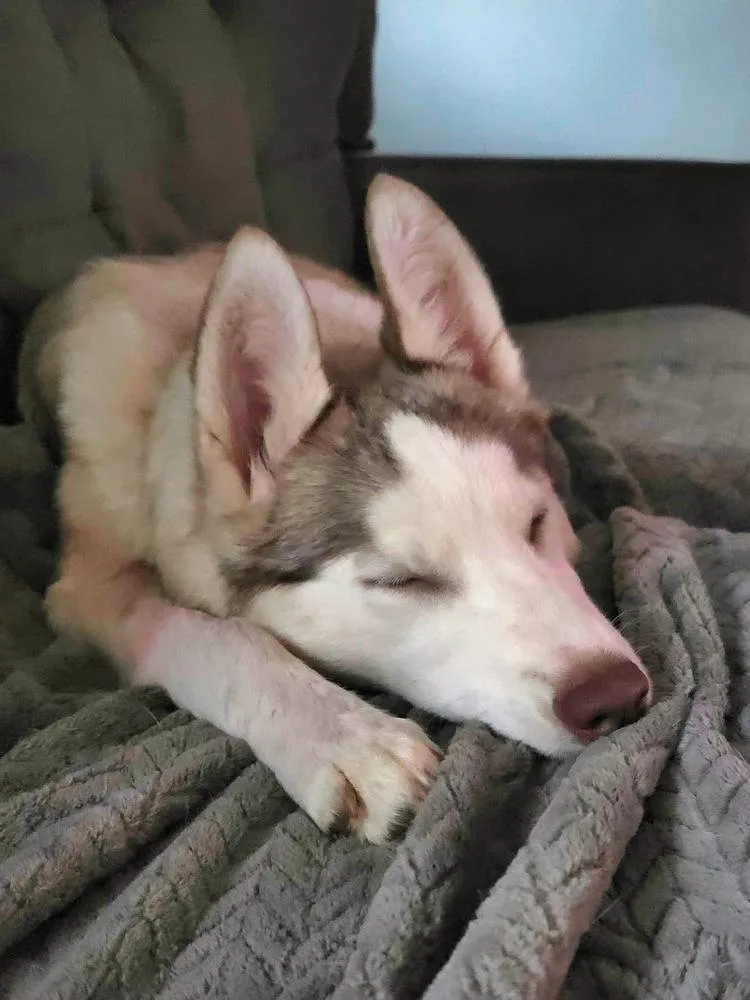
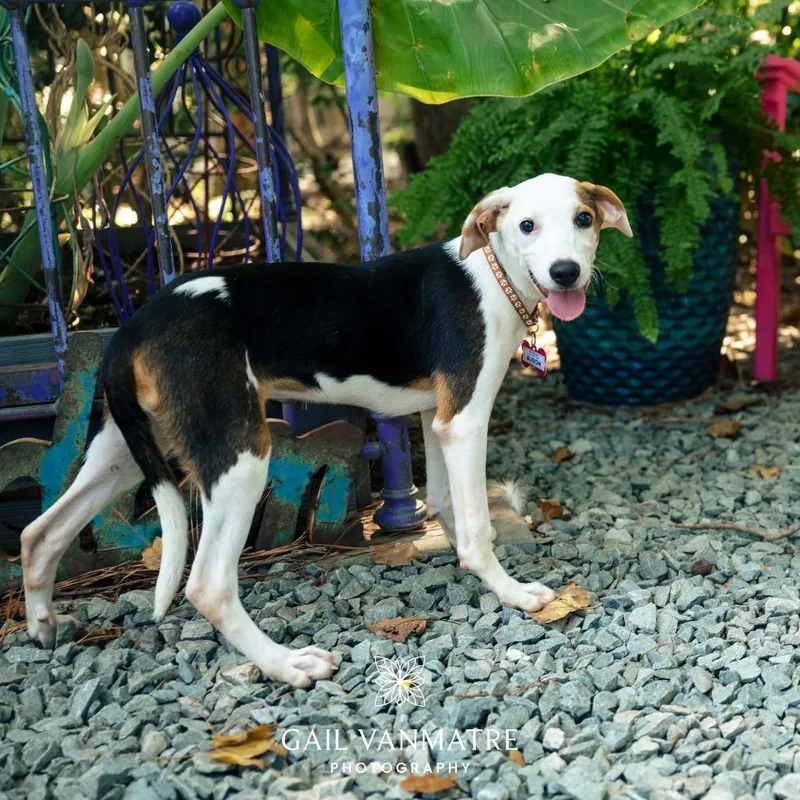
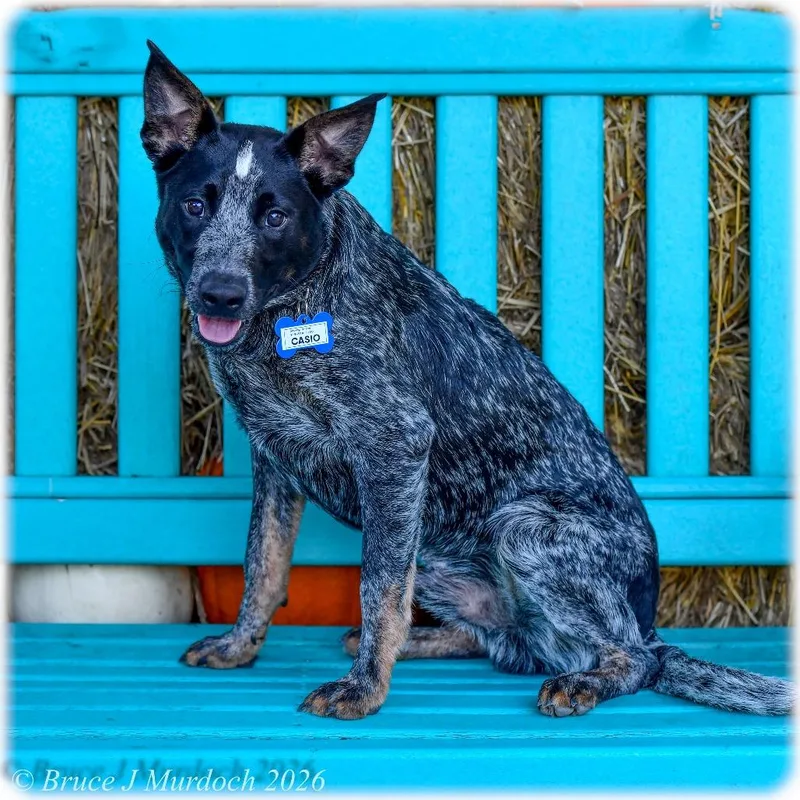
1495 Catahoula Leopard Dogs available in Wake Forest and nationwide

Give a Catahoula Leopard Dog a home

While we don't have enough dogs near Wake Forest, keep in mind that many rescues may offer transport.

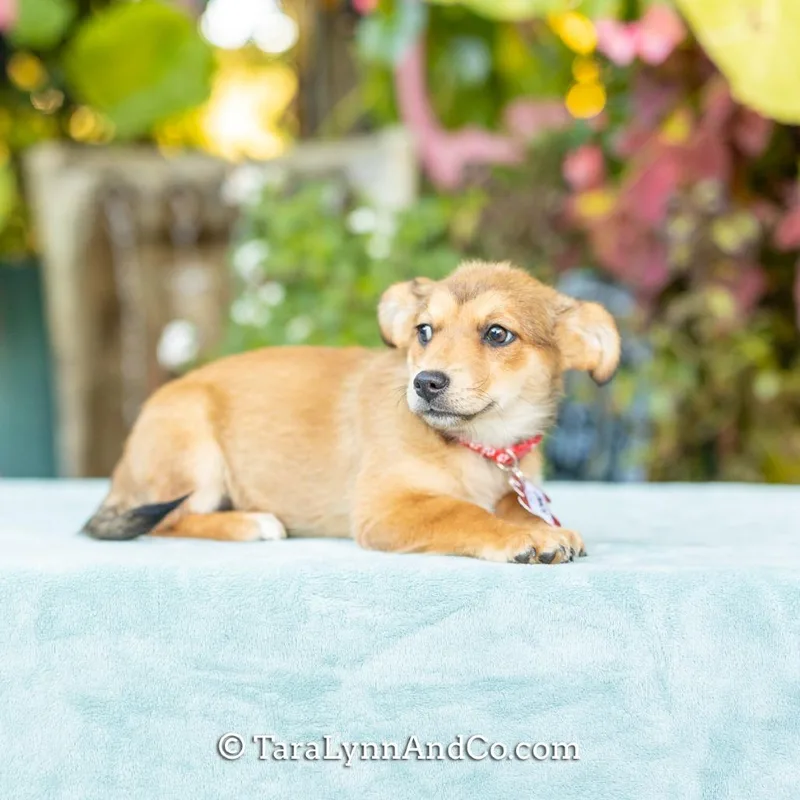
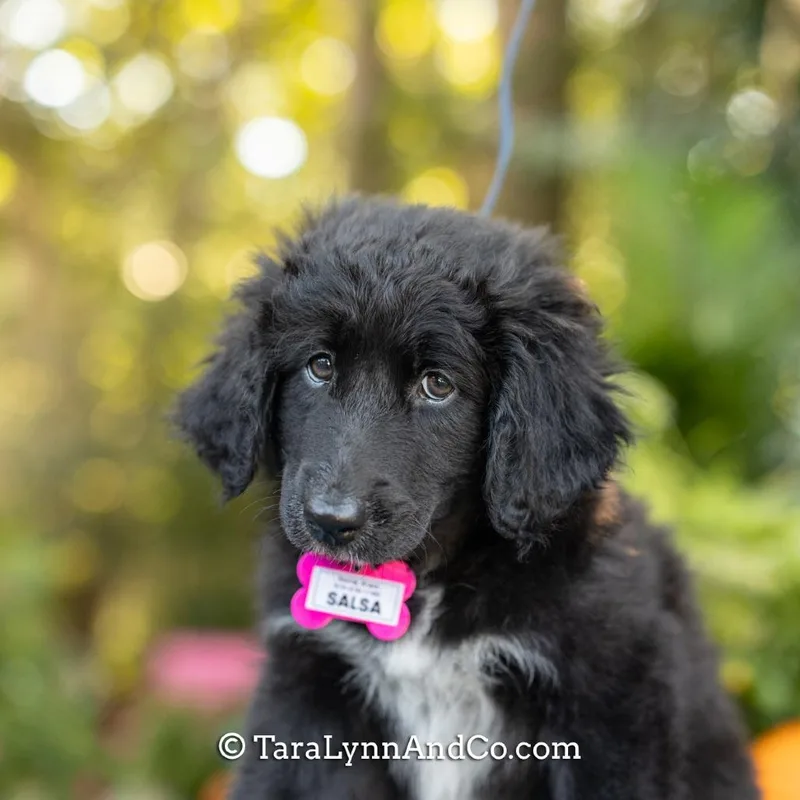
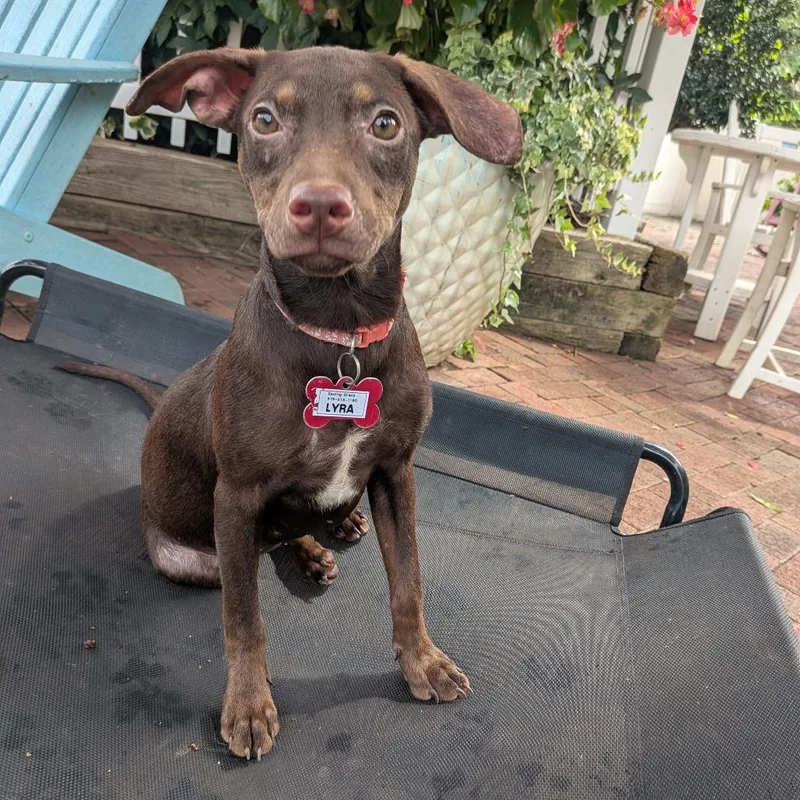
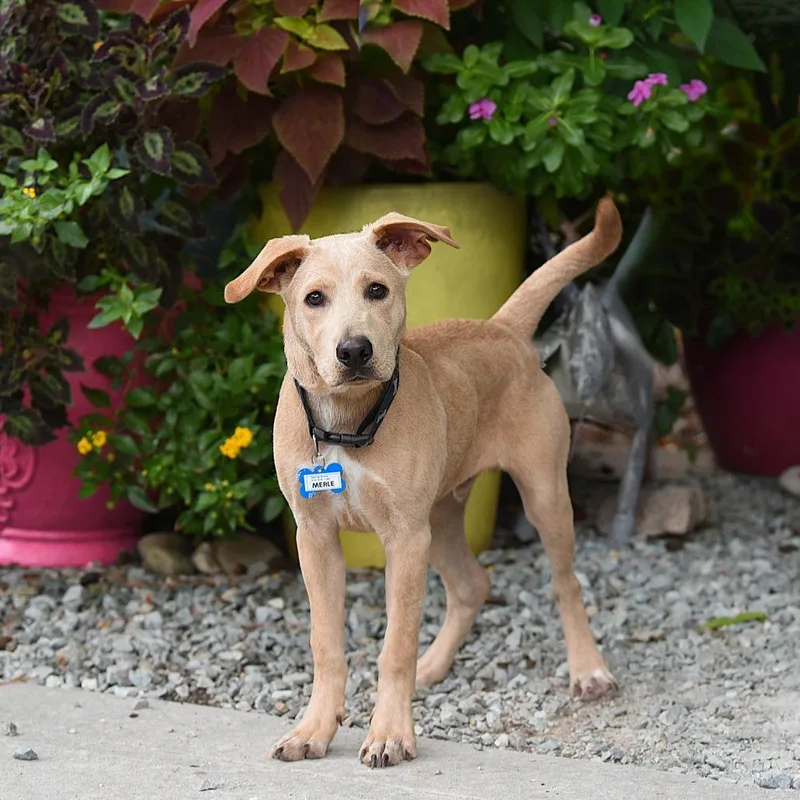
Catahoula Leopard Dogs Available for Adoption Near Wake Forest

About the Catahoula Leopard Dog breed

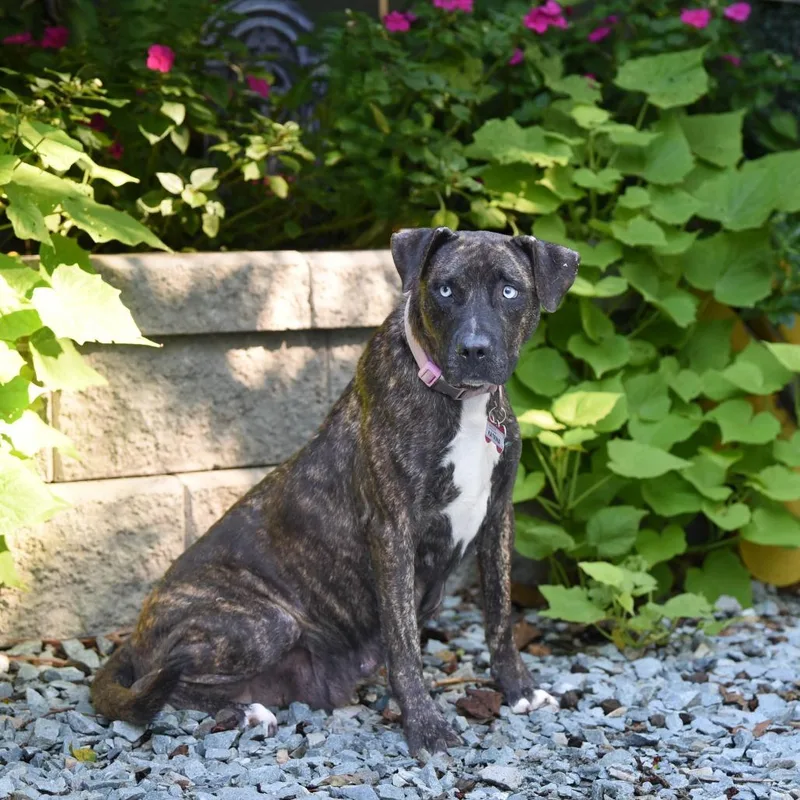
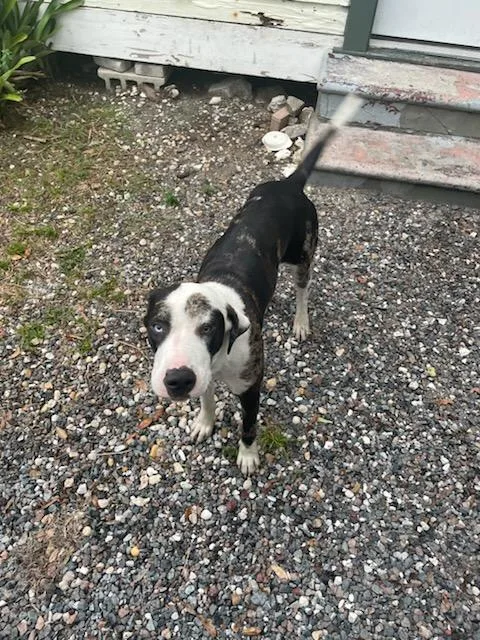
The Catahoula takes its name from Catahoula Parish in Louisiana, where it was developed to find and hold feral hogs and gather semi-wild cattle. Ability mattered more than looks, so size and build vary, usually from about 50 to 95 pounds. Many have a merle "leopard" coat and glass-blue or cracked eyes, but brindle and solid-colored dogs are common too.

That working background shows up at home as stamina, independence and a watchful streak with strangers. In Wake Forest, where parks and greenways are habitat for deer, foxes and coyotes, a dog with strong prey drive needs a leash outdoors and steady training. Many dogs labeled Catahoula in listings are mixes, so look at the dog in front of you rather than the label.

Weight
50–95 lbs
Height
20–26 in
Lifespan
10–14 yrs
Temperament
Energetic, Independent, Protective
Group
Herding
Shedding
Moderate

Owning a Catahoula Leopard Dog in Wake Forest

Having a Catahoula Leopard Dog in Wake Forest

Stamina, a strong work drive and a cautious eye on strangers define most Catahoulas. In Wake Forest, that means planning daily trail time, a secure fence and careful introductions, plus a vet check of hearing and hips, especially for dogs with a lot of white.

Temperament

Catahoulas are often devoted to their own people and reserved with visitors, so a busy downtown sidewalk or a neighborhood walk is a good place to practice calm greetings. Some are picky with other dogs or chase squirrels and rabbits. Early socialization and steady, reward-based training help, though every Catahoula develops differently.

Exercise Needs

Plan on an hour or more of vigorous activity daily. Joyner Park's paved trails and the Reservoir's soft trail suit leashed walks and runs, and Flaherty Dog Park offers off-leash play for dogs six months and older. Add scent games or puzzle feeders, since a bored Catahoula may dig, chew or bark.

Health Considerations

Deafness is a documented risk, especially in dogs with a lot of white or double-merle coloring, and hip dysplasia occurs too. Have a veterinarian check hearing, eyes and hips after adoption. In Wake Forest, keep rabies vaccination current, as state law requires, and ask your vet about year-round flea, tick and heartworm prevention.

Living Space

A securely fenced yard suits most Catahoulas, since many are athletic jumpers and diggers, so check fence height and the base of the fence. Apartment life is possible only with very reliable, vigorous daily exercise. Visitors need careful introductions, and these dogs do best living indoors with family rather than left outside.

What it costs to own a Catahoula Leopard Dog in Wake Forest

ExpenseTypical costPer year
Food$55 to $110 per month$660 to $1,320
Pet insurance$55 to $110 per month$660 to $1,320
Routine vet care$250 to $500 per year$250 to $500
Other*$475 to $1,250 per year$475 to $1,250
Estimated yearly total (after year one)$2,045 to $4,390

Other costs are estimates and vary with size, age and health.

* Flea, tick and heartworm prevention, a yearly dental cleaning, toys and bedding, and basic brushing supplies for the short coat.

Adopt a Catahoula Leopard Dog in Wake Forest.

Now that you know more, let’s find you a new best friend. These rescues and shelters below currently have Catahoula Leopard Dogs available.

Rescues in Wake Forest with Catahoula Leopard Dogs Available

Wake Forest is served by Wake County's shelter and area rescues, which list adoptable dogs of all sizes and mixes. Here are the rescues & shelters in the Wake Forest area where you can find Catahoula Leopard Dogs and other dogs available for adoption.

Frequently Asked Questions

Yes, you can. Wake Forest has no known breed ban, and dangerous-dog rules are based on a dog's behavior, not its breed. Wake County Animal Control enforces the rules in town: dogs can't roam at large and must be leashed in parks. State law requires rabies vaccination and tags, and Wake Forest doesn't require a pet license.

Start with Flaherty Dog Park at 1100 N. White St., the town's only off-leash park, open to dogs at least 6 months old. For leashed exercise, E. Carroll Joyner Park has 3 miles of paved trails, and the Wake Forest Reservoir has a 1.6-mile soft trail. Town greenways add more miles, all on leash.

Most can, with some care. Summers are hot and humid, with upper-80s highs and hot spells into the 90s, and even a short-coated Catahoula can overheat. Exercise at dawn or after dark, walk on grass instead of hot pavement, and keep water handy. Heavy panting, drooling or weakness means moving to a cool spot and calling a vet.

It can be, for active owners who are home a fair amount. Greenways, a reservoir trail and a fenced dog park suit a Catahoula's energy. The trade-offs are wildlife on those trails, including coyotes and deer, a strong prey drive and wariness of strangers. Plan on secure fencing, a leash outside the dog park and steady training.

Mostly no. Go Wake Forest, the town's on-demand service, allows service animals or pets in an airline-approved carrier, and the GoTriangle WRX bus to Raleigh takes service animals only. A full-size Catahoula won't fit a carrier unless it's a service animal, so plan on driving. Wake Forest has no rail service at present.

Sometimes, on patios. North Carolina allows leashed dogs in outdoor dining areas if they don't pass through indoor areas, but each restaurant decides, so look for patio seating. Dogs aren't allowed inside. A Catahoula that's wary of strangers may do better with a quiet corner table and a chew than a crowded patio.

Not much. A weekly brush lifts loose hair from the short coat, with a bath only when needed. Wake Forest's humid summers don't call for shaving, and Wake County advises trimming rather than shaving a dog's coat. Most owners groom at home, so professional grooming stays a small part of yearly costs, mainly nail trims.

A Catahoula Leopard Dog is a medium-to-large working breed from Louisiana, developed to hunt and bay feral hogs and to herd cattle. It is athletic and muscular, often with a merle coat and striking light or mismatched eyes. Catahoulas are typically intelligent, loyal, independent and energetic, and they need experienced handling, training and lots of activity.

We have 1 rescue with Catahoula Leopard Dogs available: Saving Grace Animals for Adoption. You can see every rescue with Catahoula Leopard Dogs available in the list above these questions, or scroll to the top to see the Catahoula Leopard Dogs near Wake Forest.

Expect about $55–$110 a month for food, $55–$110 a month for pet insurance, $250–$500 a year for routine vet care, and roughly $475–$1,250 a year for other costs such as parasite prevention and dental care. Wake Forest has no dog license fee. Adoption fees vary and appear on current listings.