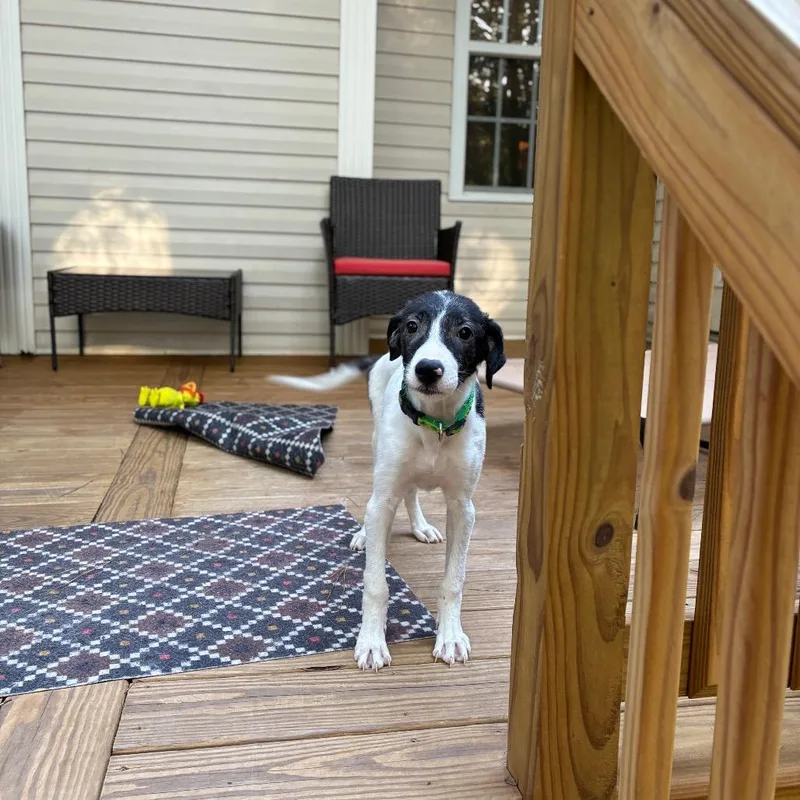
Black Labrador Retriever Dogs for Adoption in Raleigh, NC

Your guide to finding and caring for a Black Labrador Retriever in Raleigh

A black Lab suits Raleigh's greenways, which give a dog with that much stamina miles of paved trail to cover. A morning lap of the 2.8-mile Lake Johnson loop or a stretch of the Neuse River Trail takes care of a Lab's energy, and the porches and lawns of Boylan Heights give a big dog a place to flop afterward. Their dark coats soak up July sun, so walks work best early. Labs also want company, so they do best with people who are home a fair amount.

3198 Black Labrador Retrievers available in Raleigh and nationwide

Find your Black Labrador Retriever

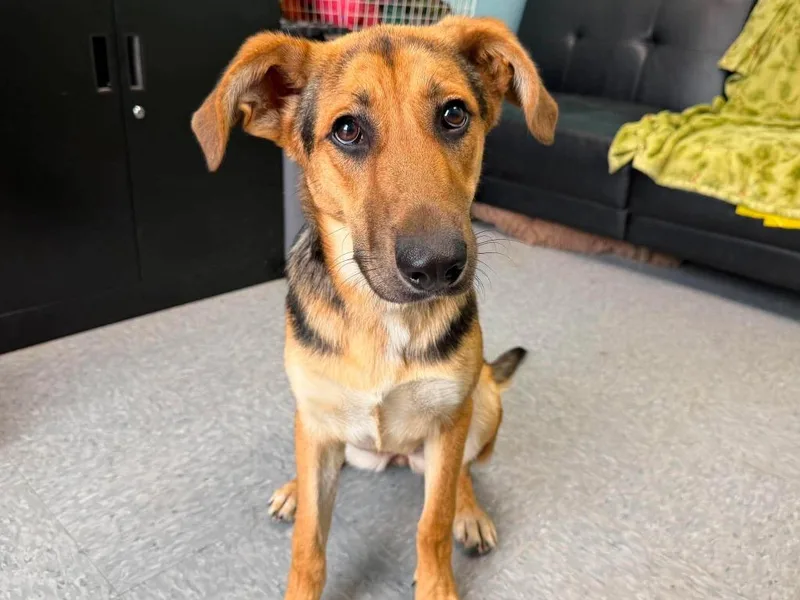
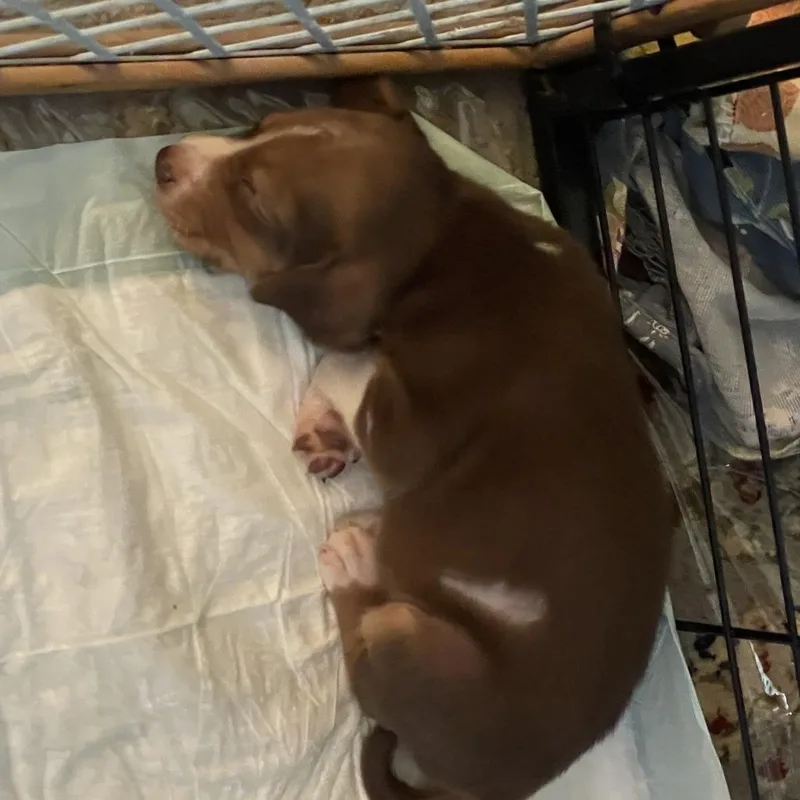
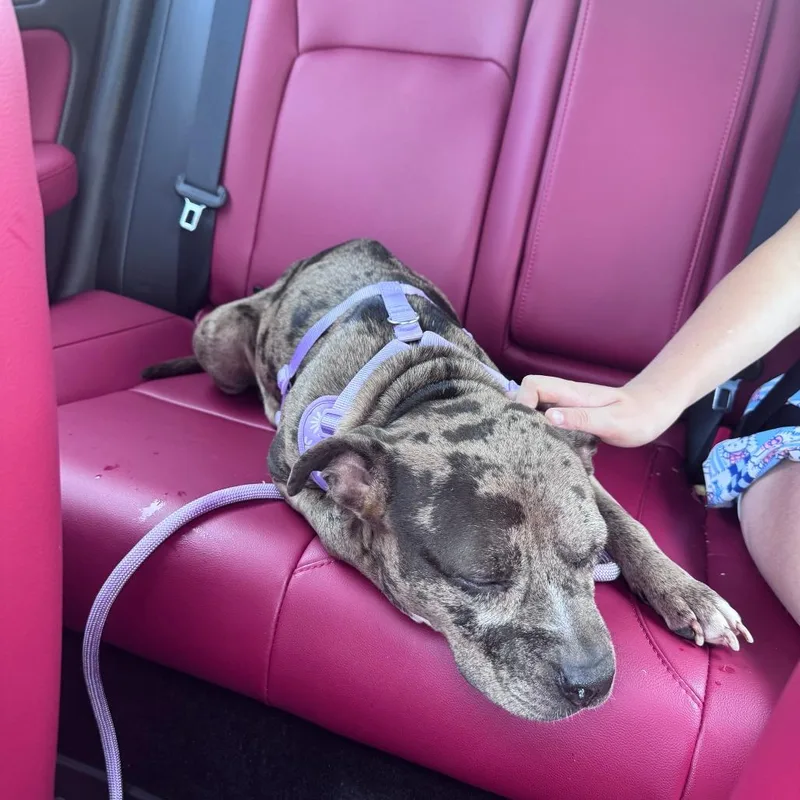
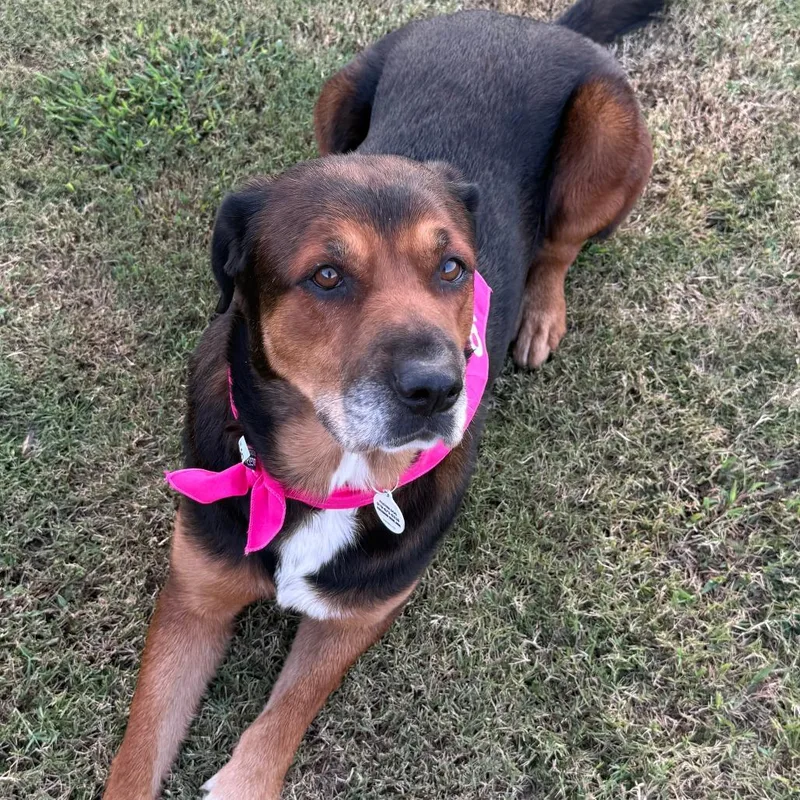
Black Labrador Retrievers Available for Adoption Near Raleigh

About the Black Labrador Retriever breed

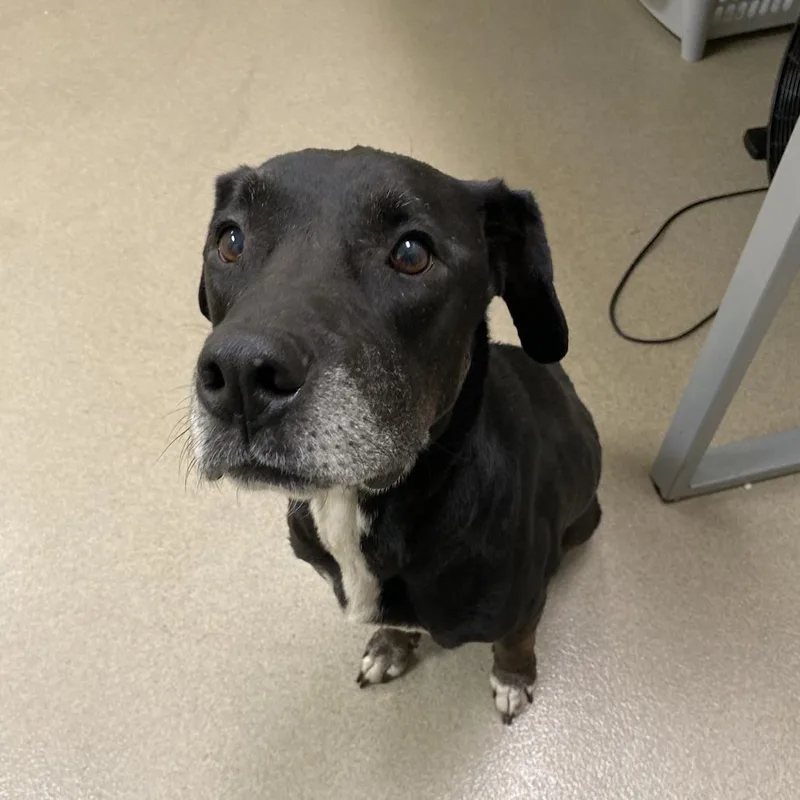
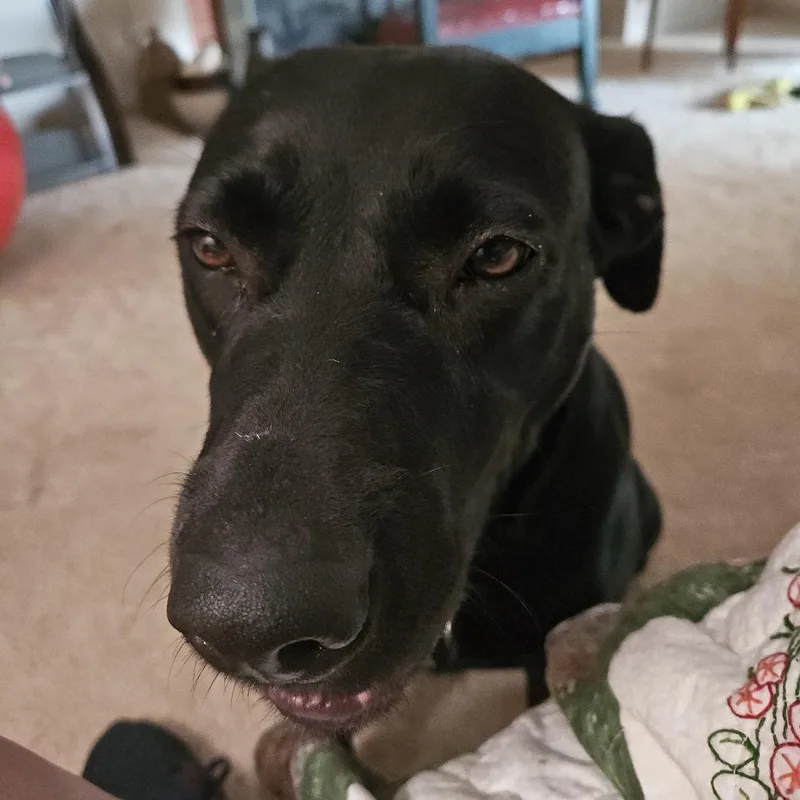
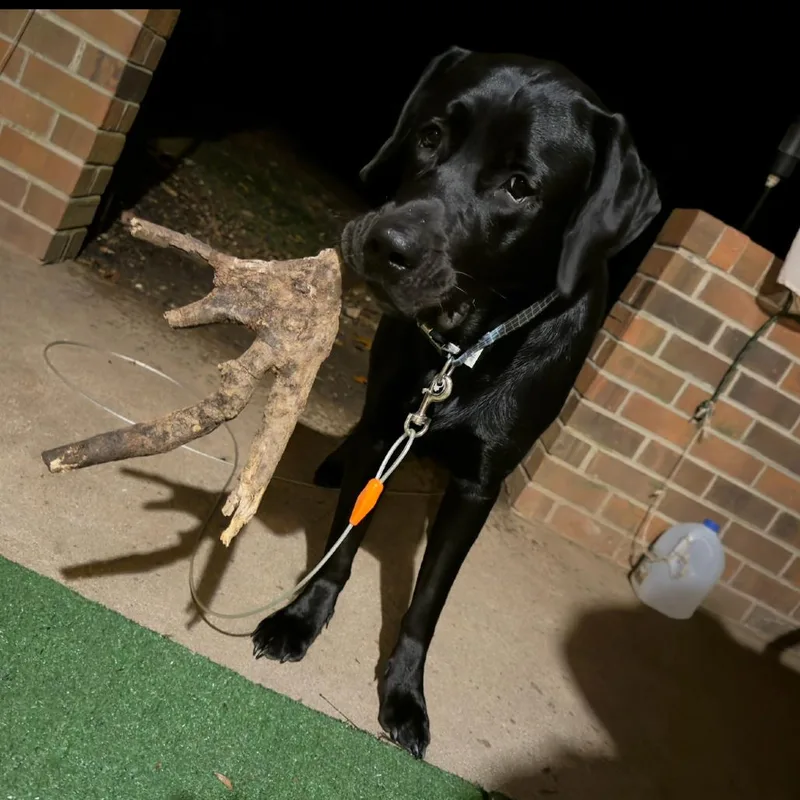
Black is the Labrador's original color. The breed descends from Newfoundland's St. John's water dogs and was refined in Britain as a retriever, which explains the dense, water-resistant double coat, otter tail and love of fetch. Color doesn't change personality: a black Lab is the same friendly, food-motivated, eager-to-please dog as a yellow or chocolate one.

In Raleigh, the practical details are shedding, appetite and daily exercise. Expect hair on everything during seasonal blowouts, a dog that will eat whatever it can reach, and a bouncy adolescence that can last a couple of years. Field-bred dogs tend to be leaner and more driven than show-bred ones, and each Lab varies, so a dog's age and energy matter more than its coat color.

Weight
55–80 lbs
Height
21–25 in
Lifespan
10–14 yrs
Temperament
Friendly, Outgoing, Active
Group
Sporting
Shedding
Moderate to High

Owning a Black Labrador Retriever in Raleigh

Having a Black Labrador Retriever in Raleigh

Black Labs pair a sociable outlook with real working stamina. Energy, appetite and heavy seasonal shedding shape daily life far more than coat color, so match a dog's age and drive to your routine, and watch the heat in Raleigh summers.

Temperament

Black Labs are usually outgoing and affectionate with family, guests and other dogs, which suits busy Raleigh sidewalks and dog parks. Young dogs can be mouthy and boisterous, and a big, bouncy Lab can overwhelm toddlers. Food motivation makes reward-based training work well. A dog's history and socialization say more than breed or color.

Exercise Needs

Plan on an hour or more of brisk activity daily for a healthy adult: walks on the greenways, fetch, or a session at an off-leash dog park. Scent games and short training sessions help prevent chewing and digging. Field-bred dogs often need more, and seniors still benefit from gentler daily outings.

Health Considerations

Labs can develop hip and elbow dysplasia, cruciate ligament tears, exercise-induced collapse and progressive retinal atrophy, and obesity is common. Ear infections and skin allergies also show up. In Raleigh's warm, humid climate, a veterinarian can check hips, elbows, ears and weight, and set up tick and heartworm prevention.

Living Space

A black Lab can live in a Raleigh apartment or a house if daily exercise is covered. A fenced yard helps but doesn't replace walks. With so many rentals in the city, confirm weight limits before applying. Expect shed hair, a sweeping tail and a dog that wants to be indoors with you.

What it costs to own a Black Labrador Retriever in Raleigh

ExpenseTypical costPer year
Adoption fee$375, one time$375 in year one
Food$55 to $110 per month$660 to $1,320
Pet insurance$65 to $130 per month$780 to $1,560
Routine vet care$250 to $500 per year$250 to $500
Other*$575 to $1,450 per year$575 to $1,450
Estimated yearly total (after year one)$2,265 to $4,830
First-year total (with adoption fee)$2,640 to $5,205

Adoption fee is the fee on Black Labrador Retriever listings in Raleigh on GetBuddy today. Other costs are estimates and vary with size, age and health.

* Flea, tick and heartworm prevention, a yearly dental cleaning allowance, toys and bedding, and brushing and baths for heavy seasonal shedding; Raleigh has no dog license fee.

Adopt a Black Labrador Retriever in Raleigh.

Now that you know more, let’s find you a new best friend. These rescues and shelters below currently have Black Labrador Retrievers available.

Frequently Asked Questions

Yes, for active people who are home a fair amount. Raleigh has over 100 miles of greenway and 10 city off-leash dog parks for a Lab's energy, and mild winters suit the double coat. The trade-offs are muggy summers for a dark coat, seasonal shedding and a dog that wants company, so long solo workdays are a poor match.

Yes, with some care. Raleigh sees about 50 days a year at 90°F or higher, and a black coat absorbs heat. Walk at dawn or after dark, bring water, avoid hot pavement and keep the dog indoors in the afternoon. Heavy panting, drooling or weakness need prompt veterinary care. Don't shave the coat.

Dorothea Dix Dog Park, Carolina Pines and Millbrook Exchange all have separate large-dog areas, and Millbrook is lit until 10 p.m. For walks, try the Neuse River Trail, Walnut Creek Trail or Lake Johnson's paved loop, all leashed. Dog parks require fully vaccinated dogs, and puppies under four months can't enter. Swimming isn't allowed in city lakes.

Yes. Raleigh has no known breed-specific ban, and dangerous-dog rules are based on a dog's behavior. A rabies vaccination is required after four months, though no license or microchip is. Dogs kept outside need a shelter with three sides, a roof and a floor. Rules can differ in neighboring towns, so look them up before moving.

Yes, if the building accepts a large dog and the Lab gets daily exercise. Some buildings set weight limits, so confirm before applying. Plan on long morning and evening walks, chew toys and company during the day. Bored Labs may bark or chew, and steady exercise plus mental games keep an apartment Lab calm.

Sometimes, on patios only. North Carolina lets restaurants allow leashed dogs in outdoor dining areas as long as the dog doesn't pass through indoor areas, but each restaurant decides. Dogs aren't allowed inside, except service animals. Bring water, a mat and a Lab calm enough to settle under the table.

A black Lab needs weekly brushing most of the year and daily brushing during spring and fall shedding. A bath every month or two is enough. Don't shave the coat in summer; brushing out loose undercoat helps more. Grooming sits inside the $575 to $1,450 yearly Other costs, with brushing and baths at roughly $100 to $300.

No, not unless the dog is a service animal. GoRaleigh's published rider rules say pets aren't allowed, GoTriangle carries only service animals, and Raleigh has no subway or rail. A full-grown Lab won't fit in a carrier anyway, so plan on driving or walking, and check GoRaleigh's current rules before riding.

We have 1 rescue with Black Labrador Retrievers available: Freedom Ride Rescue. You can see every rescue with Black Labrador Retrievers available in the list above these questions, or scroll to the top to see the Black Labrador Retrievers near Raleigh.

Budget roughly $55 to $110 a month for food, $65 to $130 for pet insurance, $250 to $500 a year for routine vet care, and $575 to $1,450 a year for everything else. That adds up to about $2,265 to $4,830 a year, before emergencies, boarding or training classes.