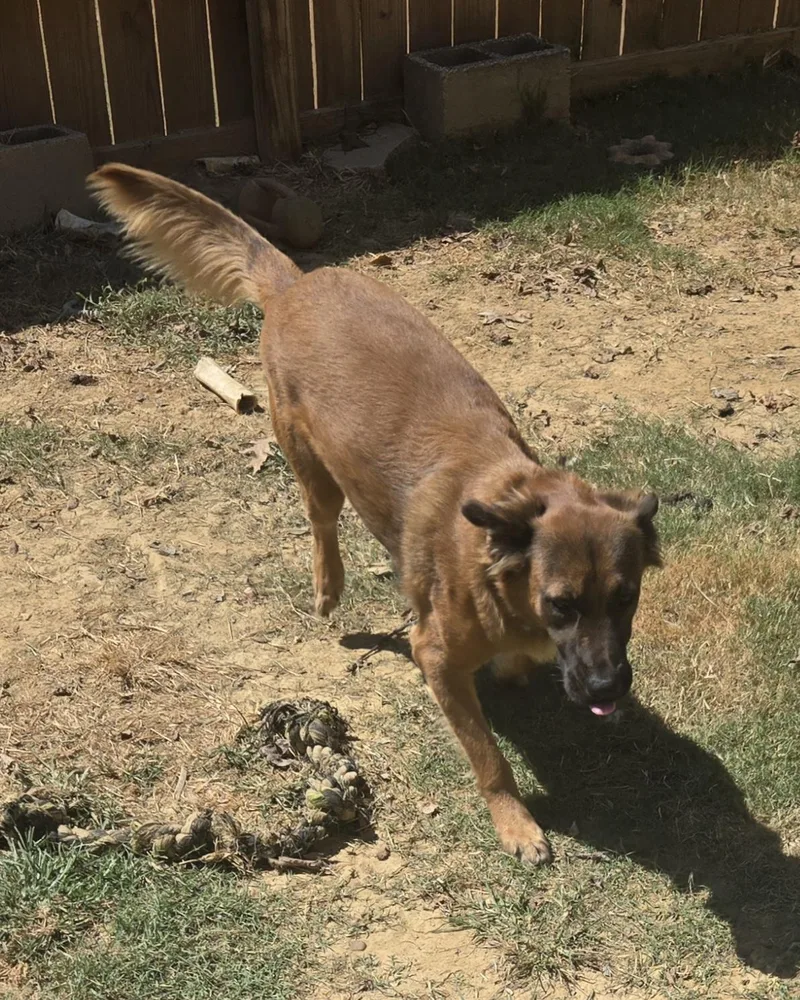
Akbash dog

Akbash Dogs for Adoption in Byhalia, MS

Your guide to finding and caring for an Akbash in Byhalia

52 Akbashes available in Byhalia and nationwide

Meet your next Akbash

While we don't have enough dogs near Byhalia, keep in mind that many rescues may offer transport.

Akbashes Available for Adoption Near Byhalia

About the Akbash breed

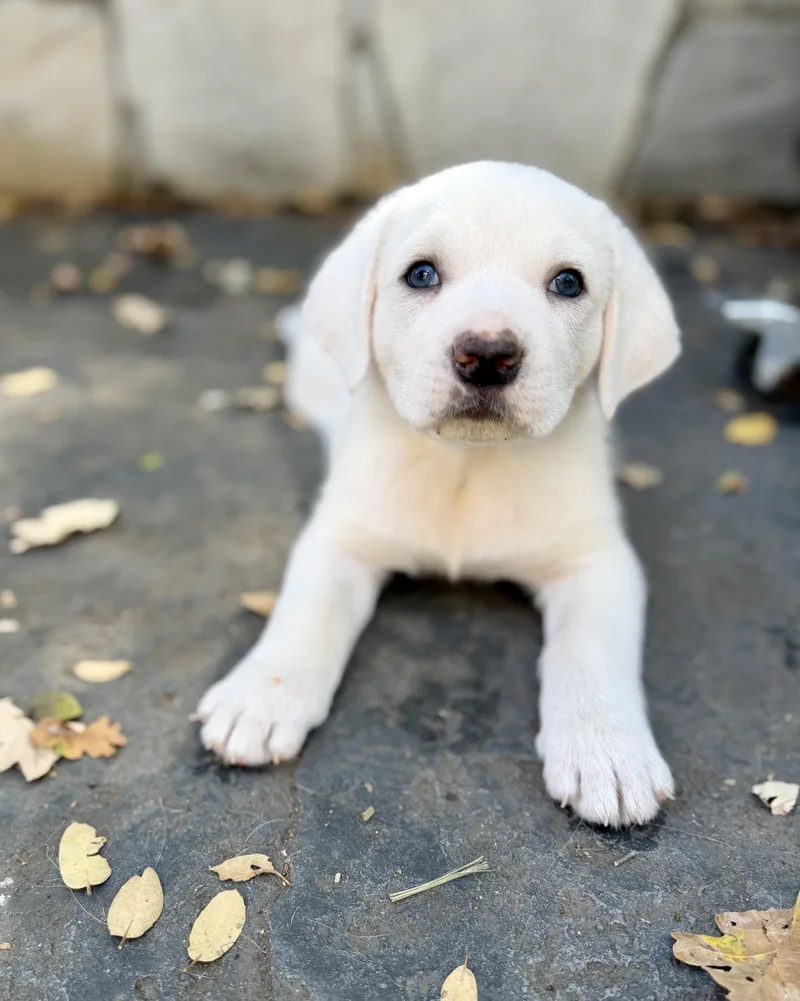
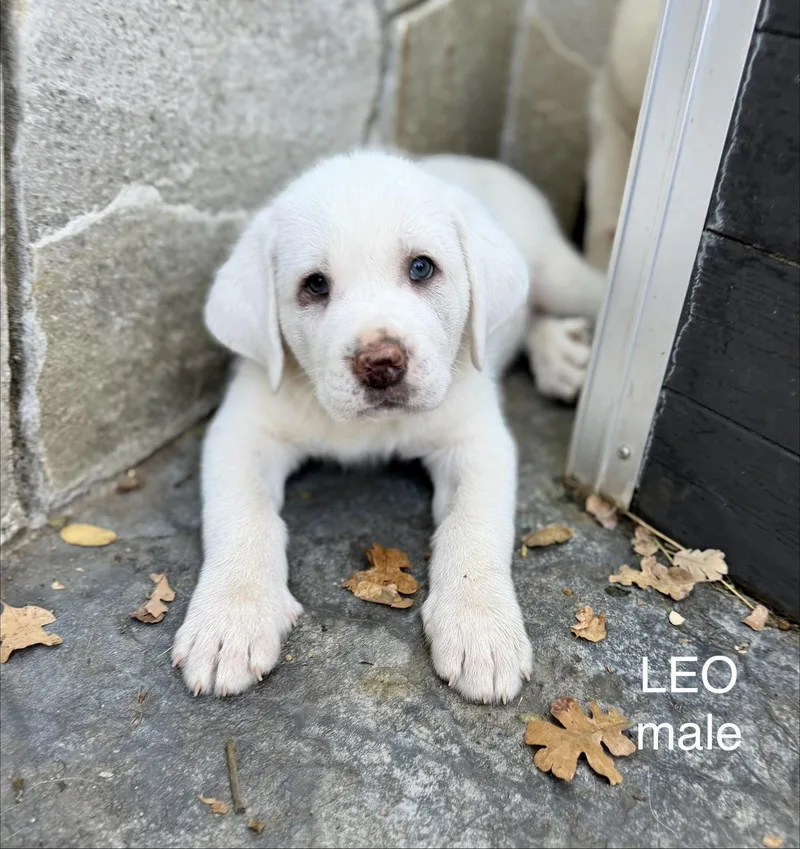
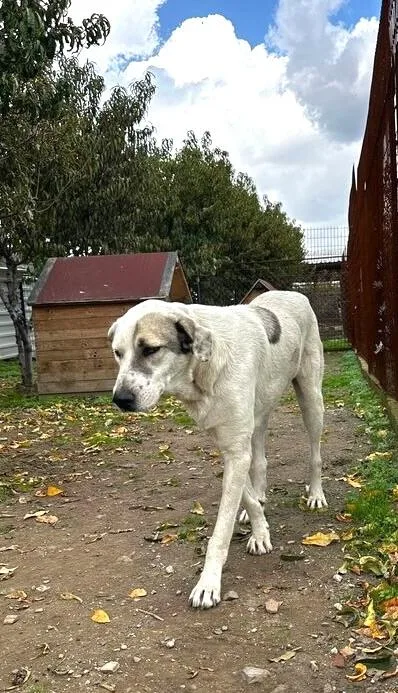
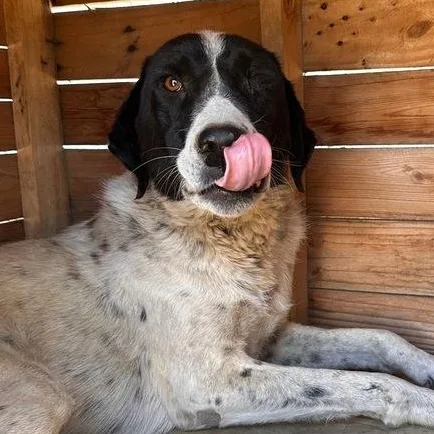
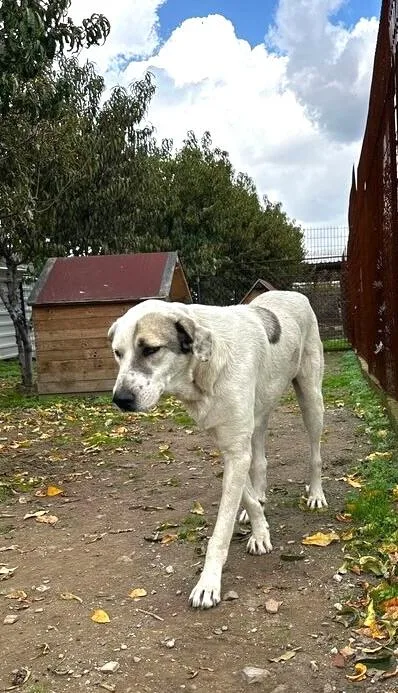
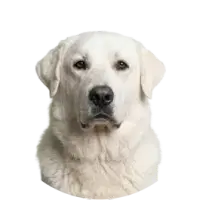
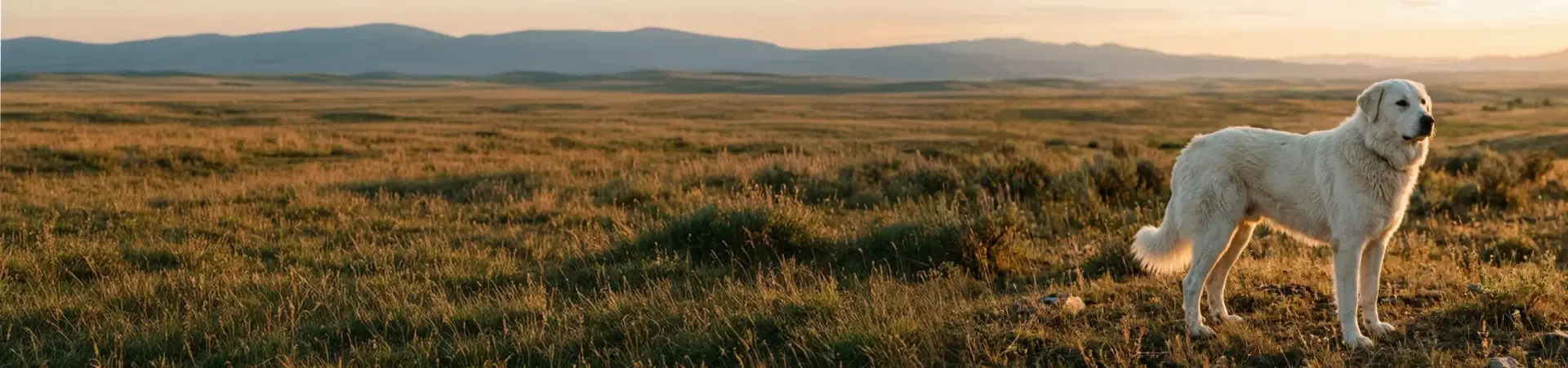
The Akbash is a white livestock guardian from western Turkey, where shepherds have long relied on it to live with their flocks and drive off wolves. Its Turkish name, akbaş, means white head, and the white coat helps shepherds tell their dog from a predator in poor light. Americans began importing Akbash dogs in the 1970s, and the breed later proved itself in a US Department of Agriculture predator control program. It is tall, lean and long-legged, blending mastiff power with sighthound speed.

Many Akbash dogs are calm, quiet and gentle with their own family and animals, yet aloof and protective toward strangers and intruding dogs. They think for themselves, mature slowly and tend to patrol their territory, so they need secure fencing, early socialization and owners who understand guardian breeds.

Weight
75–140 lbs
Height
27–34 in
Lifespan
10–12 yrs
Temperament
Protective, Calm, Independent, Loyal
Group
Working
Shedding
Moderate to High

Owning an Akbash in Byhalia

Having an Akbash in Byhalia

An Akbash is a working guardian first, bred to make its own decisions while protecting animals and property. Its independence, watchfulness, night barking and need for space shape life with one far more than its gentle manner at home suggests.

Temperament

Akbash dogs tend to be calm, steady and quietly affectionate with family, including children and pets they are raised with. They are naturally suspicious of strangers and may confront unfamiliar dogs on their territory. Independent by design, they respond to patient, consistent training but rarely obey blindly. Early, ongoing socialization is essential for a family Akbash.

Exercise Needs

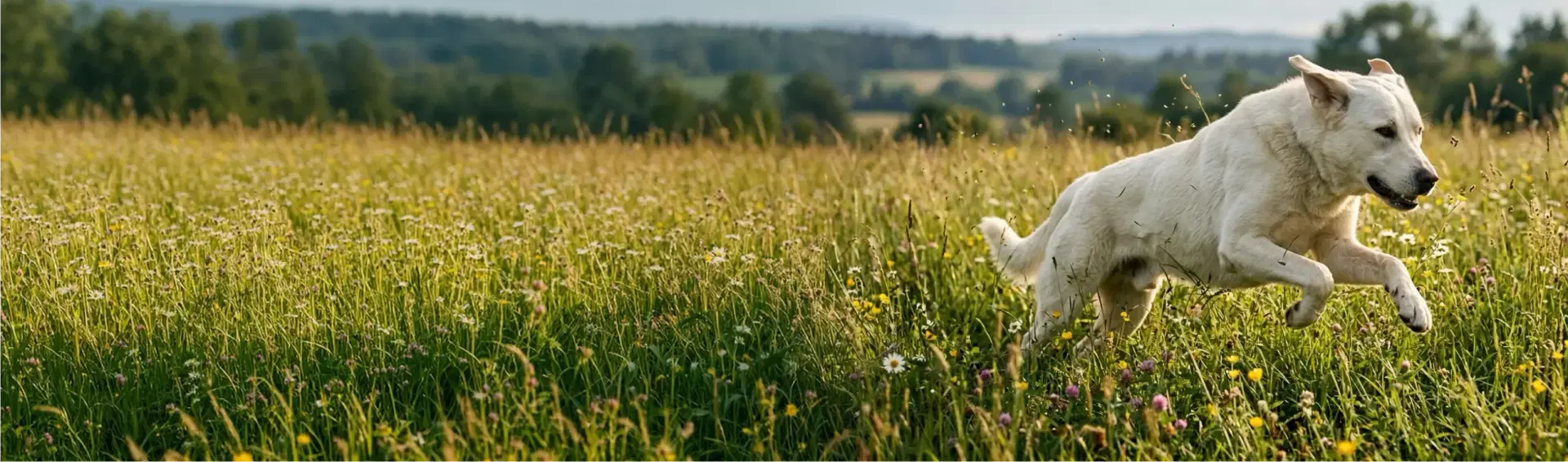
Akbash dogs need moderate daily exercise more than intense workouts. Patrolling a large fenced property, long walks on leash and time outdoors with a job to watch over suit them well. They are fast and may roam, so off-leash time belongs only in secure areas. Puppies mature slowly and should avoid heavy, repetitive exercise.

Health Considerations

The Akbash is generally considered hardy, but like other giant breeds it can develop hip dysplasia, bloat, osteochondritis dissecans and hypothyroidism. Some guardian breeds are sensitive to anesthesia, so mention the breed before any procedure. Keep the dog lean, learn the signs of bloat and have a veterinarian check the hips when adopting.

Living Space

An Akbash is poorly suited to apartments. It does best on a property with ample space and tall, secure fencing, ideally with livestock or a home it can guard. Expect barking at night, when predators are most active, which matters with close neighbors. Family Akbash dogs should still spend time indoors with their people.

What it costs to own an Akbash

ExpenseTypical costPer year
Food$80 to $160 per month$960 to $1,920
Pet insurance$85 to $170 per month$1,020 to $2,040
Routine vet care$250 to $500 per year$250 to $500
Other*$690 to $1,890 per year$690 to $1,890
Estimated yearly total (after year one)$2,920 to $6,350

Other costs are national averages for Akbashes; we don't have costs specific to Byhalia yet.

* Flea, tick and heartworm prevention, a dental cleaning allowance, a dog license, durable toys and bedding, brushing for a heavy annual undercoat shed, and joint supplements for a giant breed; license fees vary by city.

Akbash dog

Adopt an Akbash in Byhalia.

Now that you know more, let’s find you a new best friend. These rescues and shelters below have dogs available in and near Byhalia.

Rescues and Shelters in or near Byhalia

Here are the rescues & shelters in the Byhalia area with dogs available for adoption, worth asking whether an Akbash is coming in.

Frequently Asked Questions

Akbash dogs are not typically aggressive toward their own family, but they are protective guardians that may act aggressively toward threats. The breed is described as gentle and quietly affectionate at home, aloof and suspicious with strangers, and watchful of unfamiliar dogs on its territory. Thorough socialization, secure fencing and careful introductions help prevent protective behavior from becoming a problem.

An Akbash is a large white livestock guardian dog from western Turkey, bred to live with sheep and protect them from wolves and other predators. It combines a mastiff's strength with a sighthound's long legs and speed. The breed is recognized by the United Kennel Club, though not by the American Kennel Club. Many are calm, independent and protective.

No, Akbash dogs are not hypoallergenic. They have a dense double coat that sheds moderately year-round and heavily once a year when the undercoat comes out. Like all dogs, they also produce allergens in dander and saliva. People with dog allergies should spend extended time with an Akbash before adopting and plan for frequent brushing and cleaning.

Akbash dogs can be good family dogs for the right household. Many are gentle, calm and loyal with their own people, including children and pets they grow up with. They need space, secure fencing, early socialization and owners comfortable with an independent guardian that barks at night and is wary of visitors. They are a poor fit for busy apartments.

Yes, Akbash dogs shed. Their double coat drops some hair year-round and sheds heavily, usually once a year, when the dense undercoat comes out in clumps. Coat length varies from medium to long, and long-coated dogs carry more undercoat. Brushing once or twice a week, and daily during heavy shedding, keeps loose hair and mats under control.

Some Akbash dogs have double dewclaws, but it is not a requirement of the breed. The United Kennel Club standard says dewclaws may be absent, single or double, and may be removed. That differs from breeds like the Great Pyrenees, where double rear dewclaws are expected. Check any dewclaws regularly and keep them trimmed, since they don't wear down naturally.

Akbash dogs are giant guardians. The United Kennel Club standard calls for 30 to 34 inches at the shoulder for males and 28 to 32 inches for females, with an average weight of about 120 pounds for males and 90 pounds for females. Working dogs in Turkey vary more. They are lean and leggy rather than bulky, and mature slowly.

Akbash dogs commonly live about 10 to 12 years, according to breed clubs and breed profiles, which is fairly long for a giant dog. No large veterinary study of the breed's lifespan has been published, so that range is an estimate. Keeping the dog lean, protecting its joints and acting quickly on signs of bloat help an individual live its fullest life.

Train an Akbash with patience, consistency and rewards, keeping sessions short and practical. Start early with leash manners, handling, calm greetings and a reliable stay, and socialize the puppy widely with people, animals and places. Expect independence: guardian breeds were bred to make their own decisions, so they may ignore cues that seem pointless. Harsh methods tend to backfire.

Akbash dogs can be good with cats they are raised with or carefully introduced to, since the breed was developed to protect animals rather than hunt them. Many accept household cats as part of what they guard. Unfamiliar cats wandering onto their territory may be chased. Introduce slowly, supervise early interactions and respect the individual dog's history and signals.

Find Akbashes in Nearby Cities

Expand your search to find Akbashes available for adoption near Byhalia.

Explore Other Breeds in Byhalia

Looking for a different breed? Browse other dogs available for adoption in Byhalia.