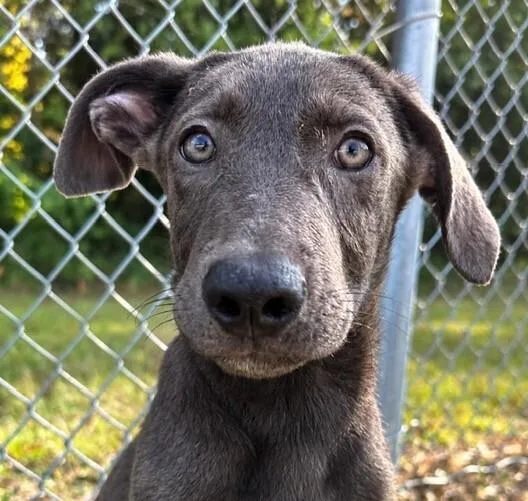
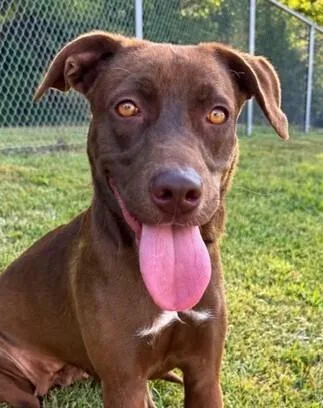
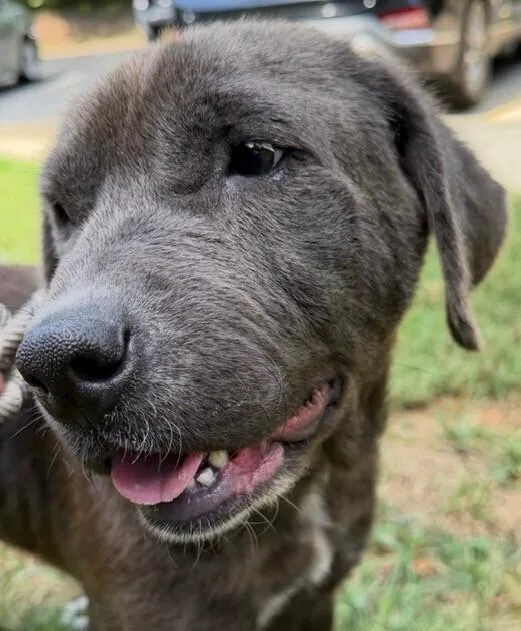
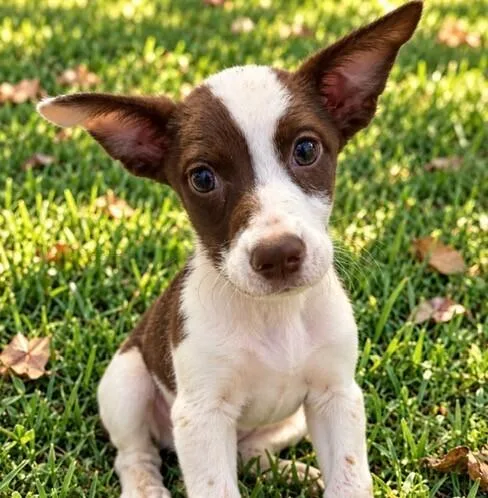
Labrador Retriever Dogs for Adoption in Baltimore, MD

Your guide to finding and caring for a Labrador Retriever in Baltimore

Labrador Retrievers suit Baltimore neighborhoods with a big park at the end of the block. Lauraville and Hamilton sit beside Herring Run Park, where a 5.7-mile loop trail gives a Lab plenty of room to burn off energy, and Ednor Gardens-Lakeside borders the 1.3-mile Lake Montebello loop. Labs are friendly and always up for a walk, so a daily outing matters more than a yard. Summer humidity means those walks are best early or late. A rowhouse works fine if the routine holds.

14148 Labrador Retrievers available in Baltimore and nationwide

Fall for a Labrador Retriever

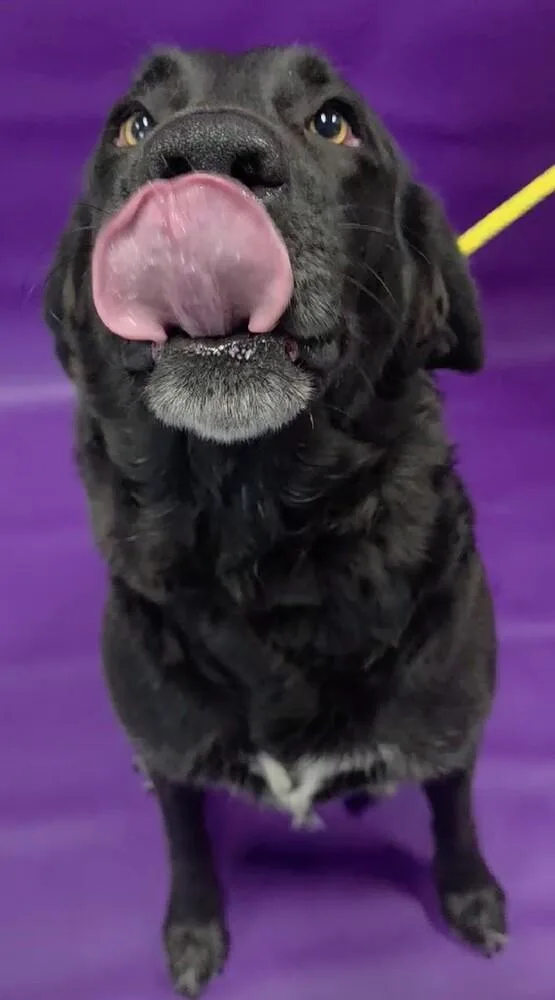
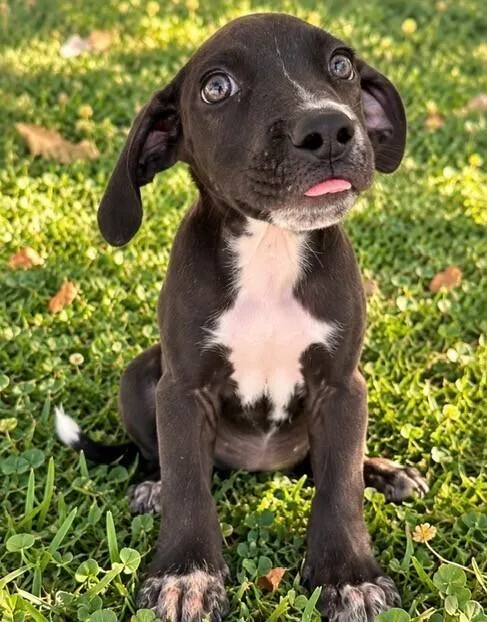
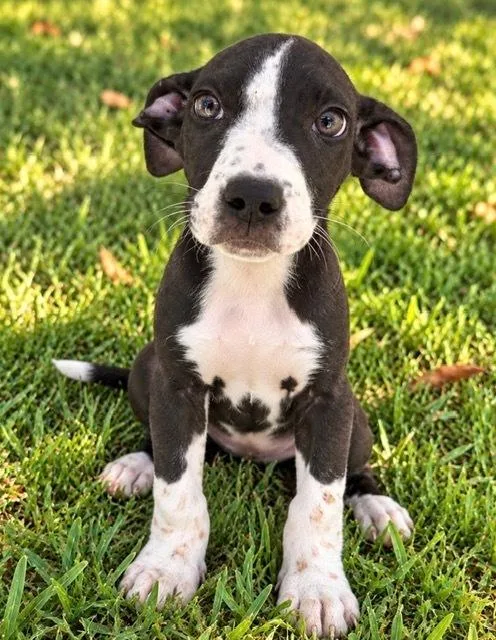
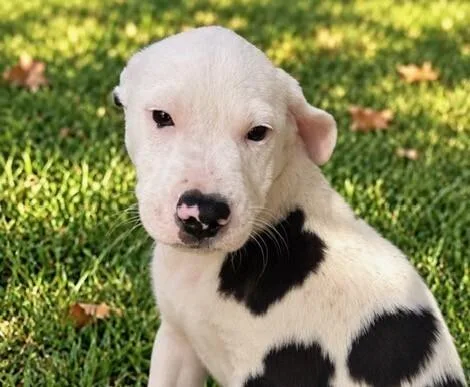
Labrador Retrievers Available for Adoption Near Baltimore

About the Labrador Retriever breed

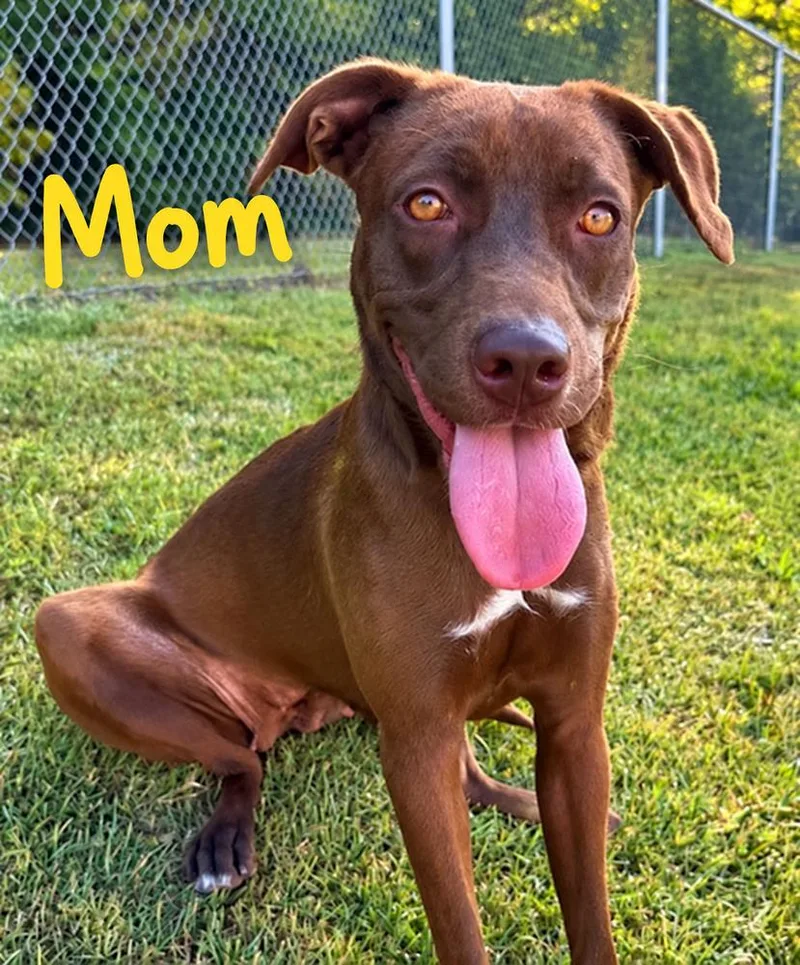
Labrador Retrievers descend from the St. John's water dogs of Newfoundland, which British sportsmen refined into gun dogs for retrieving game from land and water. The breed's thick otter tail, dense water-resistant double coat and webbed toes all come from that job. Coats are black, yellow or chocolate, and field-bred dogs tend to be leaner and more driven than show-bred ones.

Most Labs are sociable, eager to please and happiest around people, which is why they're such common family and assistance dogs. In Baltimore, that means a dog who wants to join the walk to the park, the porch hangout and the car ride. Expect steady shedding, a strong appetite that needs portion control, and a bouncy adolescence that can last two or three years. Every Lab is different, so an adult's actual energy matters more than the breed label.

Weight
55–80 lbs
Height
21–25 in
Lifespan
10–14 yrs
Temperament
Friendly, Outgoing, Active
Group
Sporting
Shedding
Moderate to High

Owning a Labrador Retriever in Baltimore

Having a Labrador Retriever in Baltimore

Labs pair a people-loving outlook with a body built for hours of retrieving. How that energy, appetite and heavy seasonal shedding play out depends on the dog's age and background, so match a Lab's stage of life to your routine and your Baltimore block.

Temperament

Labs are usually friendly with family, visitors and other dogs, which helps on busy Baltimore sidewalks and in rowhouse blocks where neighbors share walls. Young Labs can be bouncy and mouthy, and exuberant greetings can knock over small children. Reward-based training tends to work well. A dog's history and personality count for more than the breed's reputation.

Exercise Needs

Most adult Labs need vigorous daily exercise plus mental work such as fetch, scent games and short training sessions. Baltimore's leashed loops fit well: Druid Lake's 1.5-mile path, Lake Montebello's 1.3-mile circuit and the trails of Herring Run Park. For off-leash fetch, the city's fenced dog parks are the lawful option. Field-bred dogs often need more than show-bred ones.

Health Considerations

Labs can develop hip and elbow dysplasia, cruciate ligament injuries, exercise-induced collapse, ear infections and skin allergies. Many have a strong appetite, and extra weight worsens joint problems, so measure meals. Baltimore has had rabid foxes and raccoons in wooded areas, so keep rabies vaccination current and keep the dog leashed on trails.

Living Space

A Lab can live happily in a Baltimore rowhouse or apartment when daily exercise is reliable, and a fenced yard just makes play easier. Expect a wagging tail at coffee-table height, plenty of shed hair and a dog that wants to live indoors with its people. Rowhouse stairs suit healthy adults but can be hard on sore joints.

What it costs to own a Labrador Retriever in Baltimore

ExpenseTypical costPer year
Food$55 to $110 per month$660 to $1,320
Pet insurance$65 to $130 per month$780 to $1,560
Routine vet care$250 to $500 per year$250 to $500
Other*$585 to $1,480 per year$585 to $1,480
Estimated yearly total (after year one)$2,275 to $4,860

Other costs are estimates and vary with size, age and health.

* The Baltimore dog license ($10 spayed or neutered, $30 unaltered), flea, tick and heartworm prevention, a dental cleaning, toys and bedding, and brushing and baths for shedding.

Adopt a Labrador Retriever in Baltimore.

Now that you know more, let’s find you a new best friend. These rescues and shelters below currently have Labrador Retrievers available.

Rescues in Baltimore with Labrador Retrievers Available

Baltimore's shelters and rescues list their adoptable dogs here, so you can compare Labs, Lab mixes and others together. Here are the rescues & shelters in the Baltimore area where you can find Labrador Retrievers and other dogs available for adoption.

Frequently Asked Questions

Yes, you can own a Labrador Retriever in Baltimore, because the city has no breed ban and its dangerous-dog rules look at a dog's behavior, not its breed. Dogs over 4 months need a license and a current rabies vaccine. There's no fixed limit on pets per household, and spay/neuter and microchips aren't required. Chaining a dog outside is banned.

Yes, a Labrador Retriever can live in a Baltimore apartment or rowhouse if it gets reliable daily exercise and company. Labs are big, so confirm your lease doesn't cap dog weight, and think about stairs if the dog has sore joints. Repeated barking can count as a nuisance under city rules, so build a calm routine early and keep chew toys handy.

A Lab can be a good fit for Baltimore if you're active and home a fair amount, since most Labs want company and daily outings more than a big yard. Fireworks are illegal in the city but still go off around July 4 and New Year's, so have an indoor retreat ready for a noise-shy dog. Long workdays call for a midday dog walker.

Yes, most Labs handle Baltimore summers with care. Humidity and warm nights make heat tiring for a dense-coated dog, so walk early or late, use grass instead of hot asphalt, and carry water. Never leave a Lab in a parked car, which is illegal in Maryland. On Code Red extreme heat days, keep outings short and cool.

The Gwynns Falls and Jones Falls trails, plus Cylburn Arboretum, are strong picks for a Lab. Gwynns Falls is a 15-mile trail system starting at the Inner Harbor, and the Jones Falls Trail runs through Druid Hill Park toward Mount Washington. Cylburn welcomes leashed dogs on its grounds. Fort McHenry's grounds allow leashed dogs but not inside the fort.

Sometimes. Maryland lets restaurants with outdoor dining choose to allow dogs on their patios, so it depends on each restaurant's posted policy. Your Lab must stay leashed at the table, can't walk through indoor space and can't be left alone. Pet dogs aren't allowed indoors, and a restaurant may limit dogs by size or type.

Probably not, unless your dog is small. Baltimore has a Metro SubwayLink, but MTA publishes a pet rule only for Commuter Bus, which allows small pets in closed containers carried by the owner. A Lab won't fit in a carrier, so plan on walking or driving, and check MTA's current rules before trying the subway or light rail.

A Lab needs brushing about once a week, and several times a week during the heavy spring and fall sheds, plus a bath when it's muddy or smelly. Baltimore's humid summers and rainy weather make ear checks and thorough drying worthwhile. Brushing and baths are counted in the Other costs shown above, so they're already part of the yearly estimate.

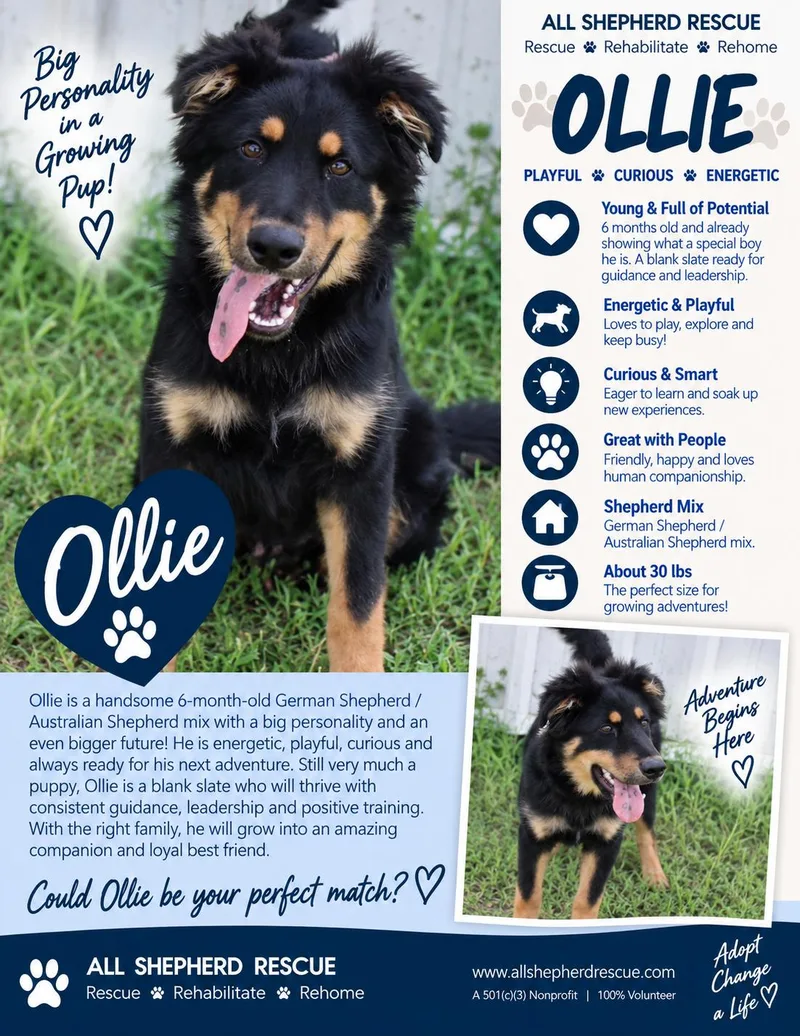
We have 2 rescues with Labrador Retrievers available: Adopt a Homeless Animal Rescue and All Shepherd Rescue. You can see every rescue with Labrador Retrievers available in the list above these questions, or scroll to the top to see the Labrador Retrievers near Baltimore.

Plan on roughly $2,300 to $4,900 a year for a Lab in Baltimore. Food runs $55 to $110 a month and insurance $65 to $130 a month, routine vet care $250 to $500 a year, and other costs $585 to $1,480 a year. A big appetite and joint-prone build push toward the higher end, so portion control saves money.