Curly-Coated Retriever Dogs for Adoption in Baltimore, MD

Your guide to finding and caring for a Curly-Coated Retriever in Baltimore

Curly-Coated Retrievers fit northeast Baltimore well, where Lauraville's detached houses sit beside Herring Run Park. These tall, tight-curled retrievers need a serious workout every day, and the park's 5.7-mile loop trail gives them room to cover real miles on leash. Curlies are often reserved with strangers, so a familiar walking route helps them settle. They're rare, so if you're hoping to adopt one in Baltimore, keep watching the listings on this page.

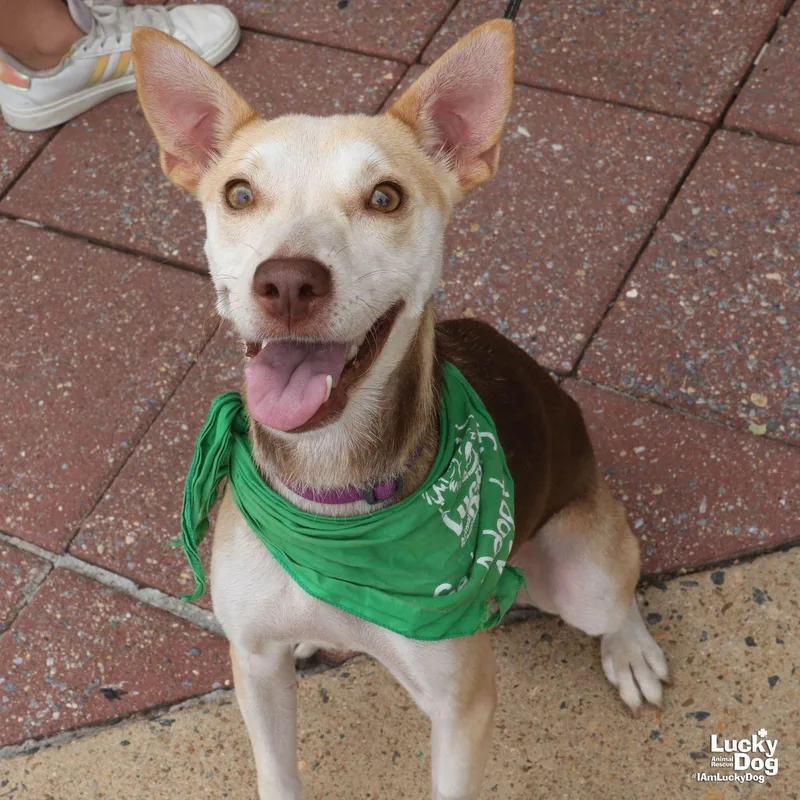
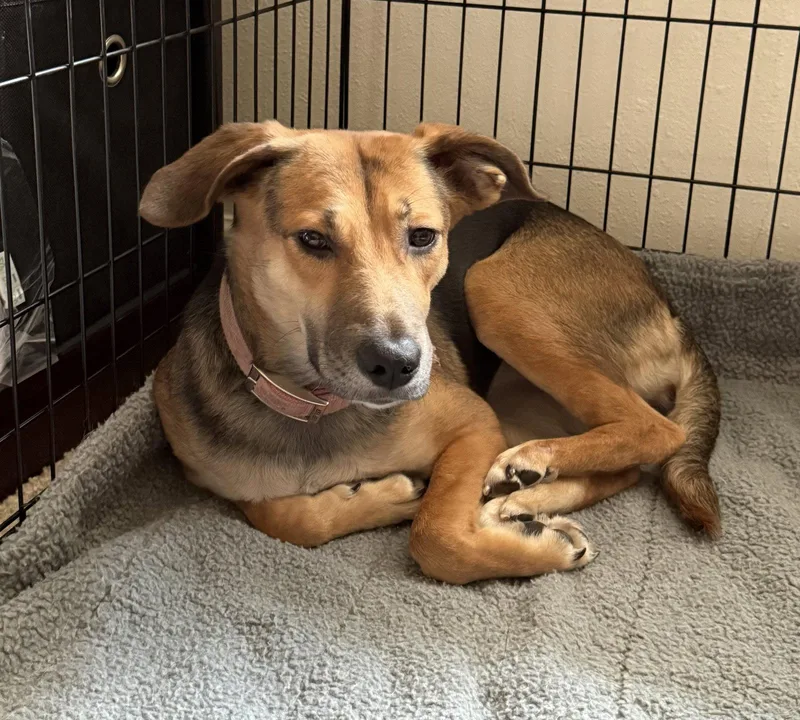
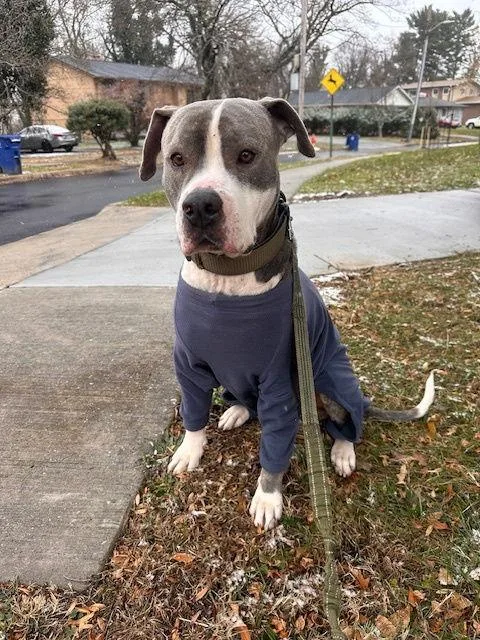
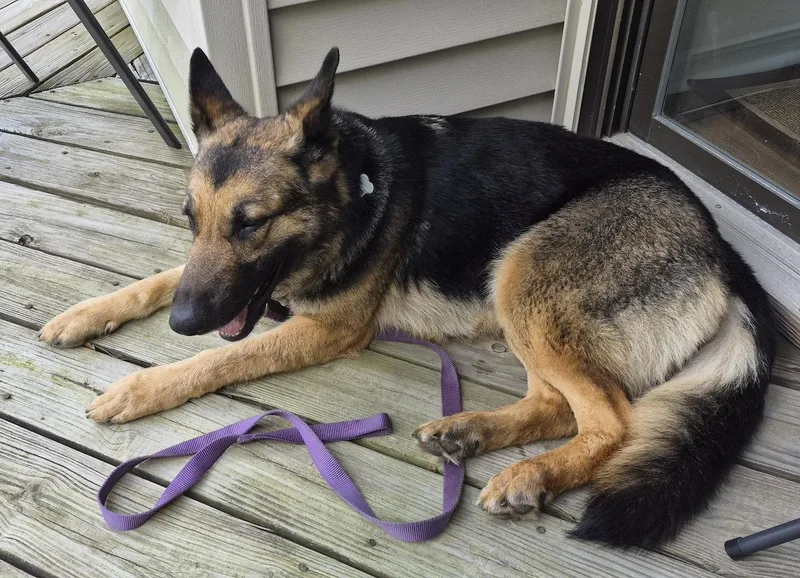
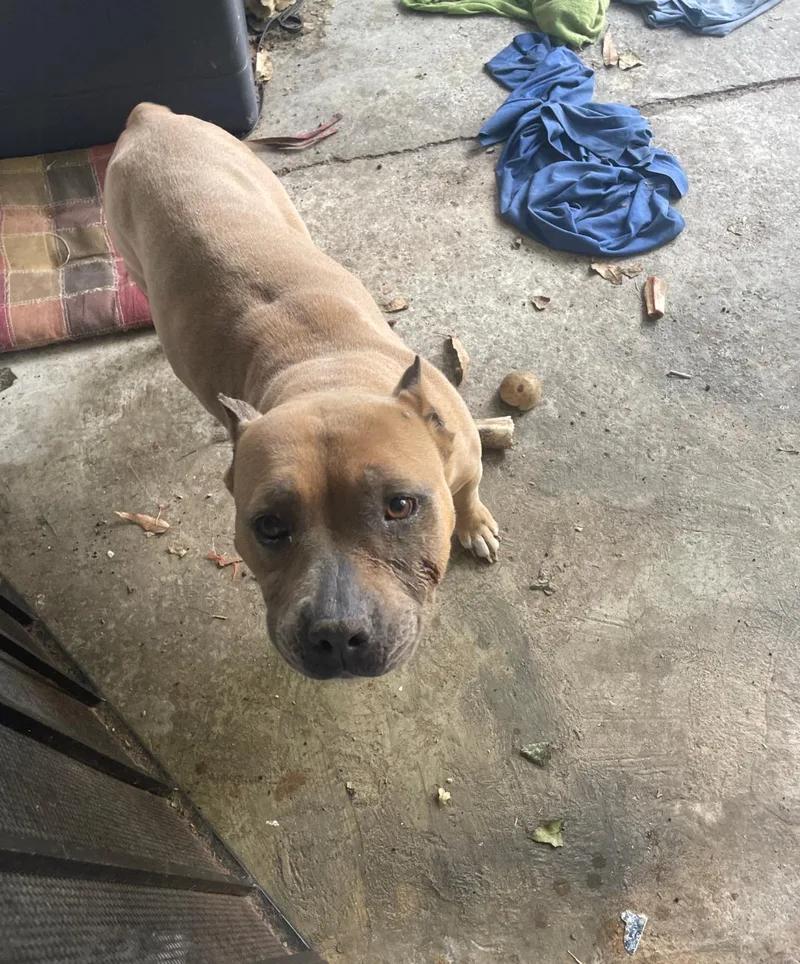
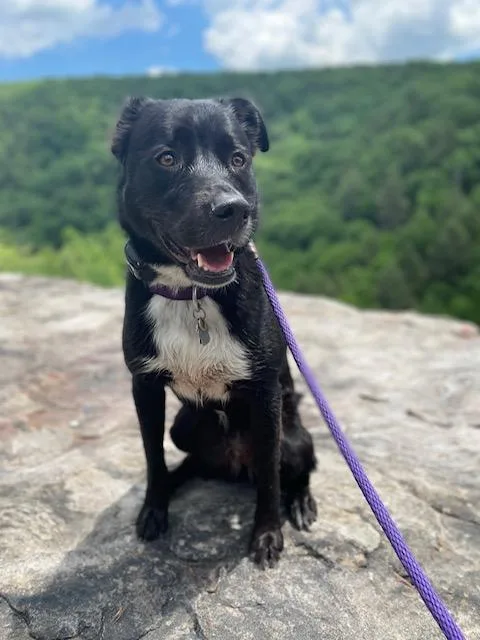
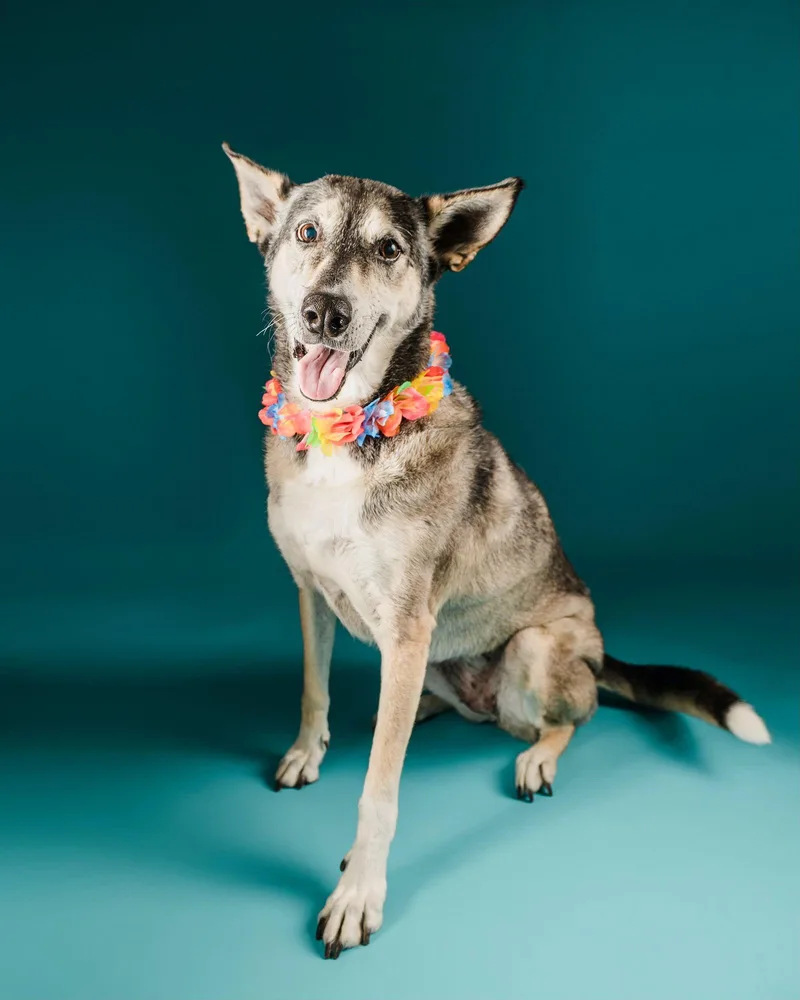
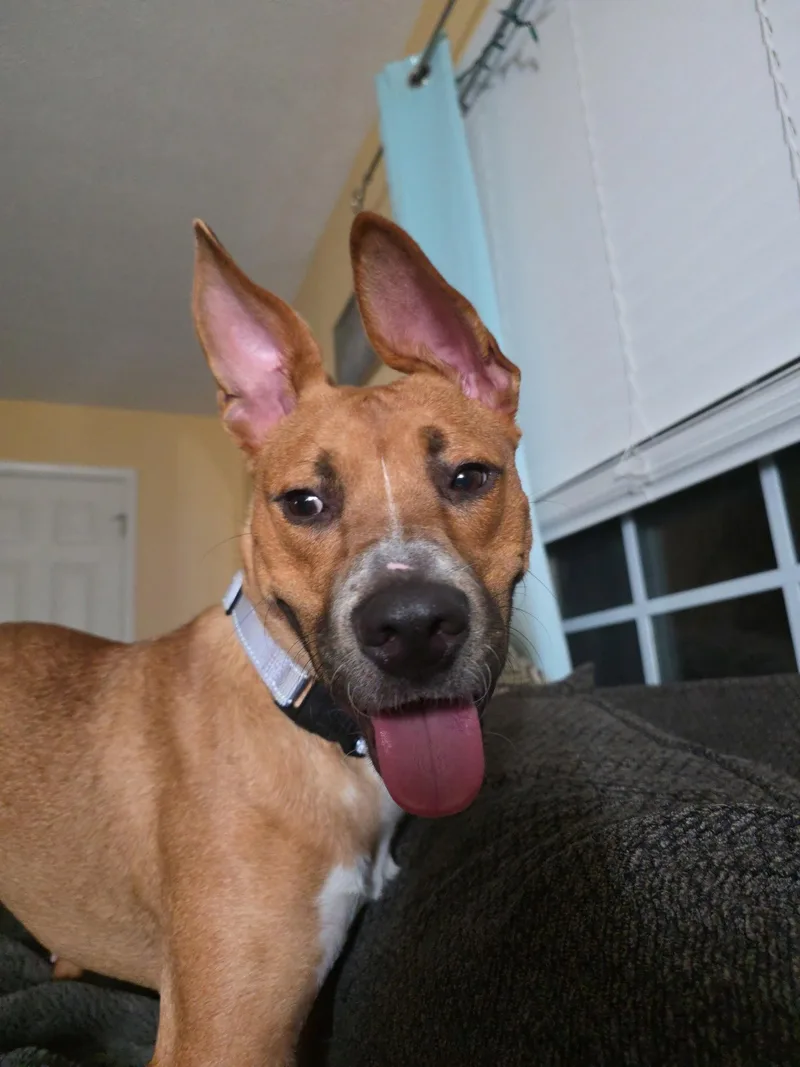
15109 dogs similar to Curly-Coated Retriever available in Baltimore and nationwide

Bring home a Curly-Coated Retriever

Curly-Coated Retrievers and Similar Breeds Available for Adoption Near Baltimore

About the Curly-Coated Retriever breed

The Curly-Coated Retriever is one of the oldest retriever breeds, developed in England as a tireless gun dog for waterfowl and upland birds. At 60 to 95 pounds and up to 27 inches tall, it's the tallest retriever, covered in tight, crisp curls that shed water and brambles. The coat is solid black or liver, and the face and front legs stay smooth.

Many Curlies are more reserved and independent than Labs or Goldens, and they often stay playful for two or three years. With their families they're usually affectionate and gentle. In Baltimore that points to an active household that can offer daily walks, steady training and mental work, and that doesn't mind a dog who sometimes wants a say in the plan. Coat care is light: dampen and finger the curls rather than brushing, and trim now and then.

Weight
60–95 lbs
Height
23–27 in
Lifespan
10–12 yrs
Temperament
Confident, Intelligent, Independent
Group
Sporting
Shedding
Low to Moderate

Owning a Curly-Coated Retriever in Baltimore

Having a Curly-Coated Retriever in Baltimore

A Curly pairs a working retriever's stamina with a more self-possessed streak. Its slow maturity, distinctive coat and daily exercise needs shape life in Baltimore more than size alone, so they're worth weighing before you adopt.

Temperament

Curlies are usually devoted and gentle at home and politely aloof with strangers, which matters on busy rowhouse blocks and crowded trails. Give a new dog time to watch city sidewalks from a distance. They're smart and independent, so short, varied, reward-based training works better than repetition. Many stay puppyish for years, and personalities vary.

Exercise Needs

Plan on vigorous daily exercise: long leashed walks, jogging or retrieving games. Baltimore parks require leashes of six feet or less, so pair a long loop at Druid Hill or Herring Run with off-leash fetch in a fenced neighborhood dog park such as Canton's or Patterson Park's. Scent games and classes add the mental work Curlies need.

Health Considerations

Curlies can face hip and elbow dysplasia, exercise-induced collapse, glycogen storage disease type IIIa, progressive retinal atrophy, heart disease and coat loss from follicular dysplasia. Bloat is a risk in deep-chested dogs. Raccoons and foxes live in Baltimore's wooded stream parks, so keep rabies vaccination current and schedule regular veterinary checkups.

Living Space

A securely fenced yard suits a Curly best, like the larger lots in Hamilton, but a rowhouse or apartment can work when daily exercise is reliable. A large dog with an active tail needs floor room, and the stairs in multi-story rowhouses are worth planning around. Curlies prefer living indoors with the family.

What it costs to own a Curly-Coated Retriever in Baltimore

ExpenseTypical costPer year
Food$55 to $110 per month$660 to $1,320
Pet insurance$65 to $130 per month$780 to $1,560
Routine vet care$250 to $500 per year$250 to $500
Other*$485 to $1,280 per year$485 to $1,280
Estimated yearly total (after year one)$2,175 to $4,660

Other costs are estimates and vary with size, age and health.

* The Baltimore dog license ($10 a year if spayed or neutered, $30 if not), flea, tick and heartworm prevention, a dental cleaning allowance, toys and bedding, and light coat care with occasional trims.

Adopt a Curly-Coated Retriever in Baltimore.

Now that you know more, let’s find you a new best friend. These rescues and shelters below have dogs available in and near Baltimore.

Rescues and Shelters in or near Baltimore

Baltimore's open-admission city shelter and nonprofit rescues list dogs of many breeds and sizes looking for homes. Here are the rescues & shelters in the Baltimore area with dogs available for adoption, worth asking whether a Curly-Coated Retriever is coming in.

Frequently Asked Questions

Yes, you can own a Curly-Coated Retriever in Baltimore, since the city has no breed ban and dangerous-dog rules turn on a dog's behavior. Maryland's dog-bite law also applies without regard to breed. Your dog needs a rabies vaccine and a license by four months; a lifetime license costs $100 for dogs that are spayed or neutered and microchipped.

It can be, if you're active and home often enough to give a Curly daily exercise and training. Baltimore's trail systems and neighborhood dog parks help burn energy, and a reserved dog may do well on a calm rowhouse block. Households that are away long hours or want a dog that greets every stranger may find the breed harder.

Yes, a Curly-Coated Retriever can live in a Baltimore apartment if daily exercise is dependable, though a fenced yard is easier. Choose a ground-floor or elevator building if you can, since a 60-to-95-pound dog is hard to carry upstairs. Teach calm alone time early, because repeated barking can count as a neighbor nuisance under city code.

Lake Montebello's 1.3-mile paved loop, the Jones Falls Trail and the grounds at Fort McHenry are good leashed outings for a Curly. Fort McHenry bars dogs from the fort itself. City parks require a leash of six feet or less, and stream-valley trails like Jones Falls can flood after heavy rain, so skip them then.

Yes, with planning. Humid, warm nights keep even evening walks muggy, so keep them short and bring water. After summer wind storms, power outages can last days, so set up a cool room with a fan and a backup plan. If a dog shows heavy panting, vomiting or collapse, get to a veterinarian immediately.

Probably not. Baltimore has the Metro SubwayLink, light rail and MARC, but MTA publishes a pet rule only for Commuter Bus: small pets in closed containers carried by the owner. A Curly at 60 to 95 pounds won't fit one, so plan on walking or driving. Service animals are welcome; check MTA's current rules before riding.

Only to outdoor patios, and only where a restaurant has chosen to allow dogs. Maryland lets restaurants opt in, post their policy and set size limits, so a large Curly may be turned away. Dogs must stay leashed at the table, can't come through indoor space and can't be left unattended.

Less than many retrievers, but not none. Skip the brush, which frizzes the curls; dampen the coat, finger-comb it and expect occasional trims, plus a heavier shed once or twice a year. In winter, rinse road salt off paws and dry the curls; in warmer months, check for ticks after trail walks. This light coat care is part of the Other costs.

Yes, Curly-Coated Retrievers shed, but usually less than most retrievers for much of the year. Many have one or two heavier seasonal sheds when the curls loosen and drop hair, and intact females may shed more after a heat cycle. Owners generally avoid brushing, which frizzes the curls, and instead dampen the coat and work loose hair out by hand.

Plan on roughly $2,175 to $4,660 a year for a Curly in Baltimore. That covers food at $55 to $110 a month, insurance at $65 to $130 a month, routine vet care of $250 to $500 a year, and $485 to $1,280 a year in other costs. Emergency care and boarding are extra.