
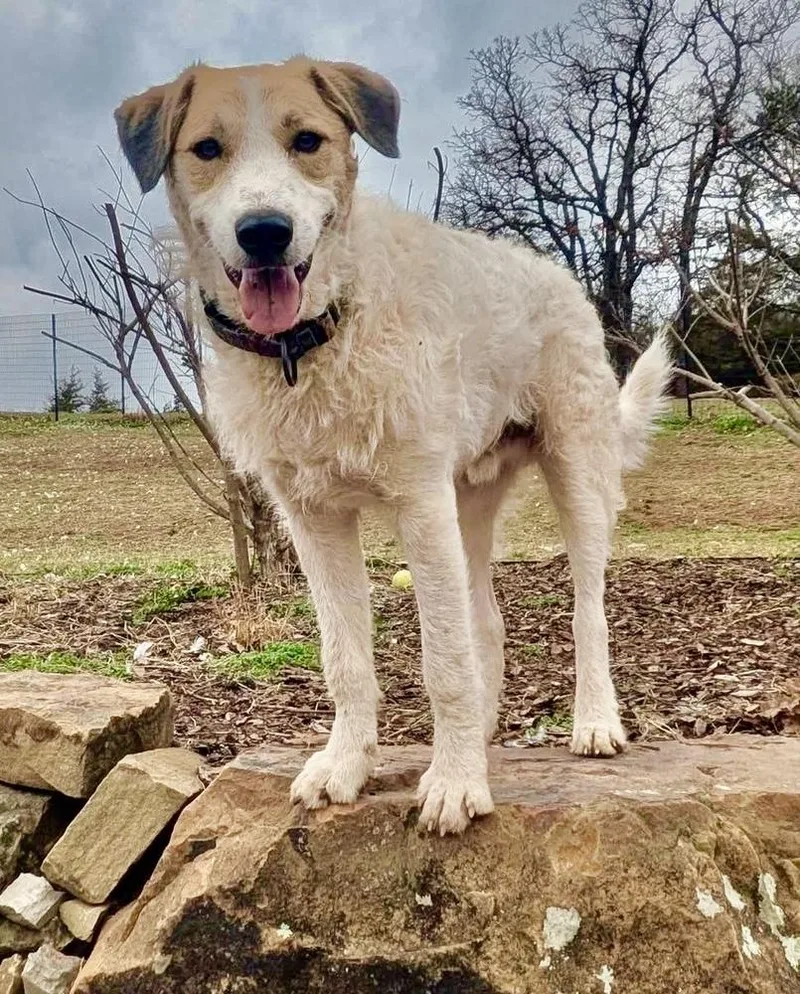
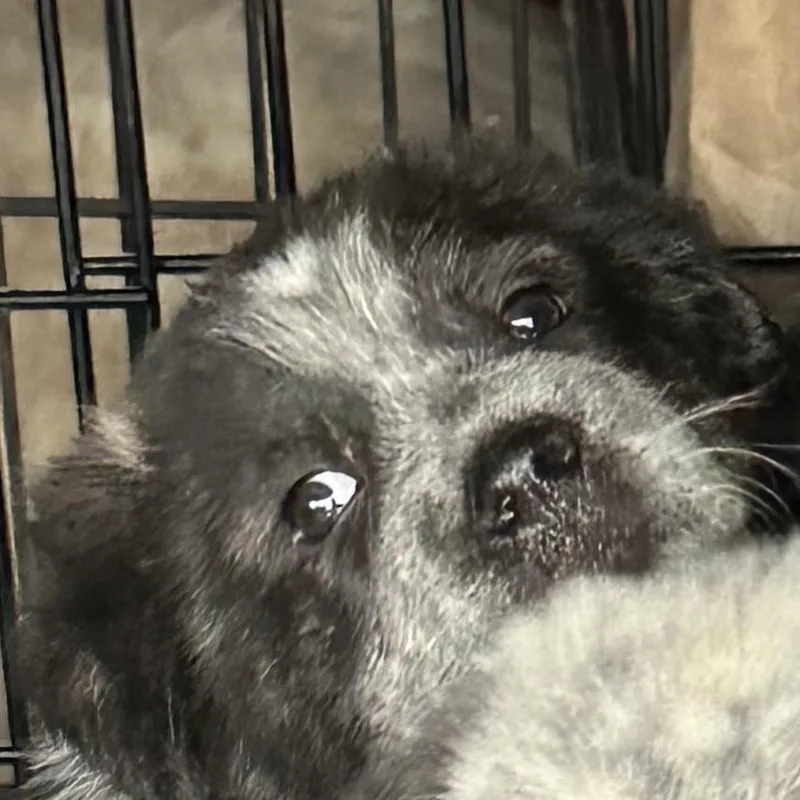
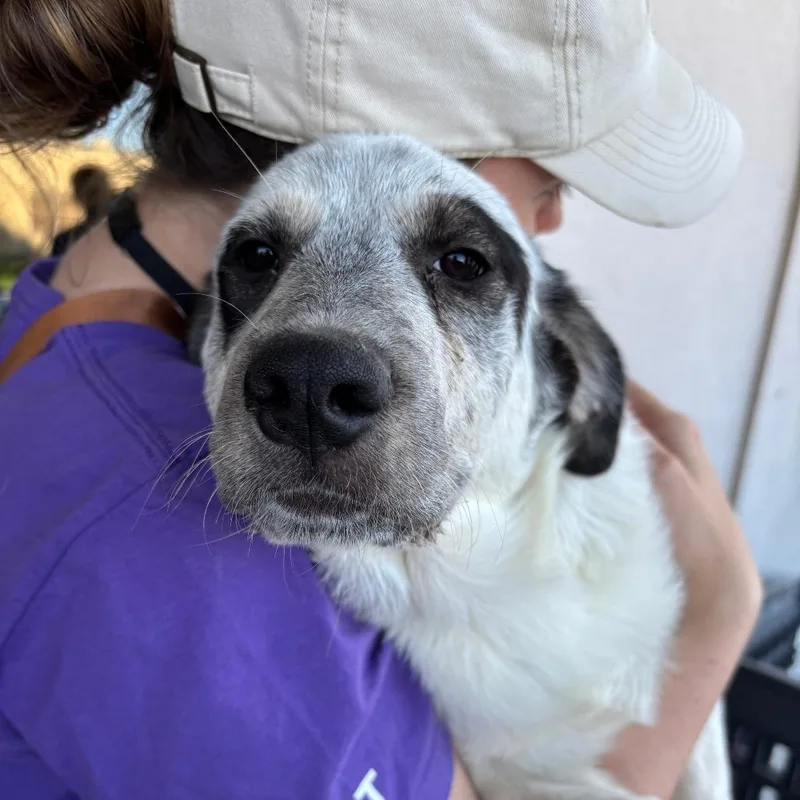

Bernese Mountain Dogs for Adoption in Boston, MA

Your guide to finding and caring for a Bernese Mountain Dog in Boston

A Bernese Mountain Dog handles Boston's cold winters better than most breeds, but the city's stairs are another matter. Berners are happiest with room to stretch out, so West Roxbury's single-family streets and the wooded paths of Stony Brook Reservation in Hyde Park suit them well. A third-floor triple-decker walk-up in Dorchester is harder with a 100-pound dog, especially an older one with sore hips. Expect heavy shedding and a dog that wants to be wherever you are.

131 Bernese Mountain Dogs available in Boston and nationwide

Adopt a Bernese Mountain Dog today

While we don't have enough dogs near Boston, keep in mind that many rescues may offer transport.

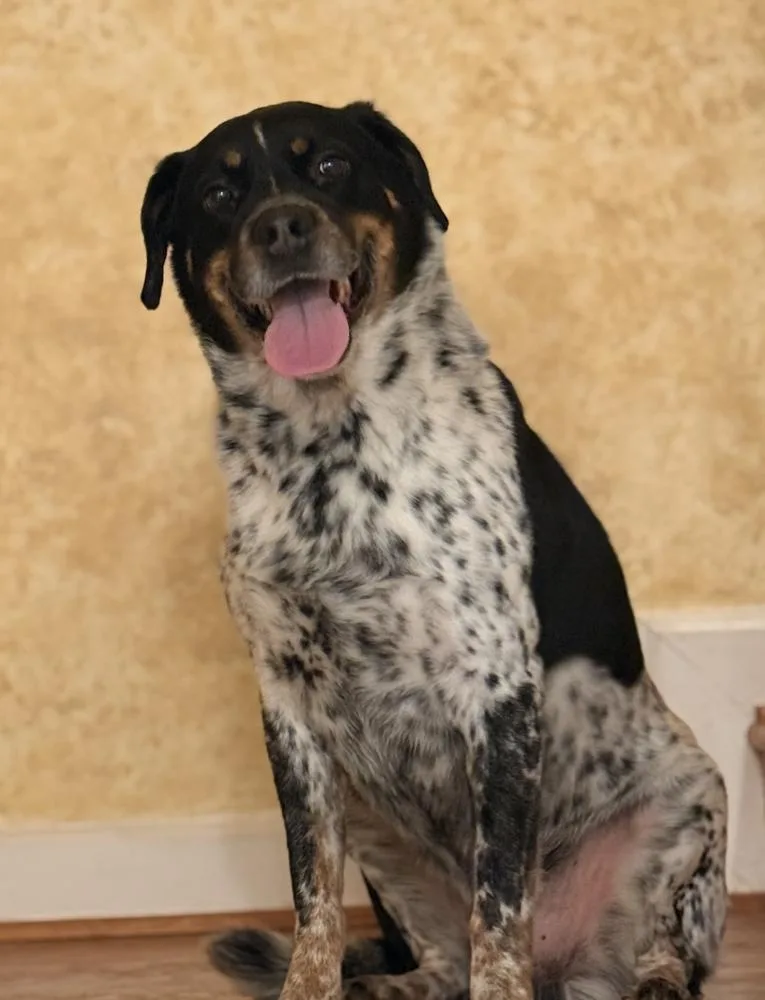
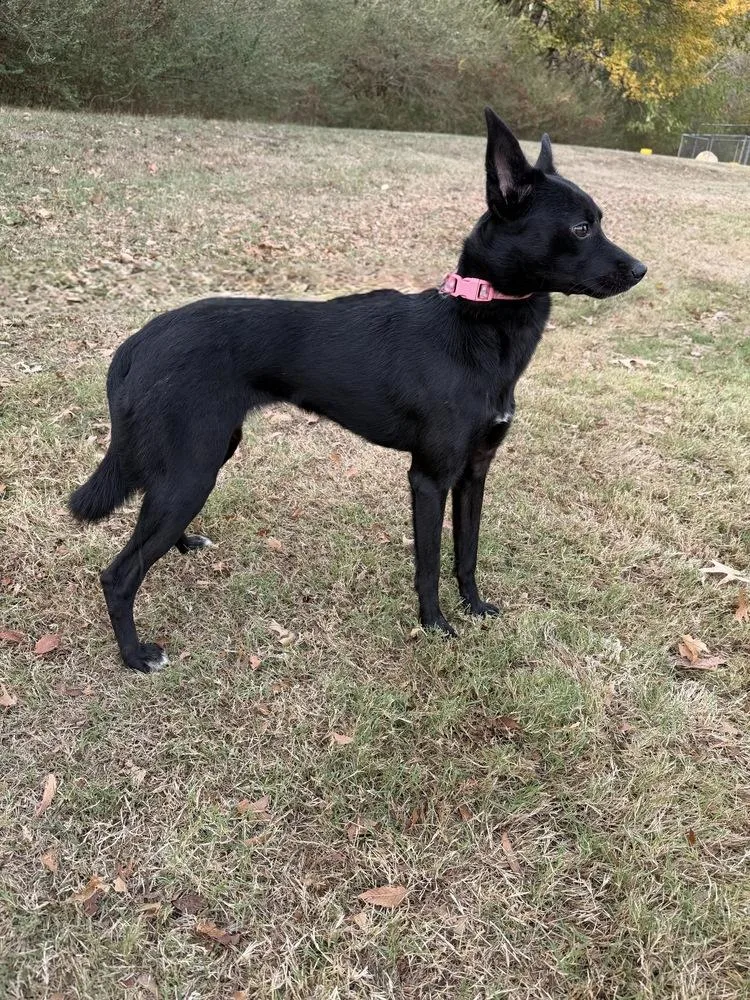
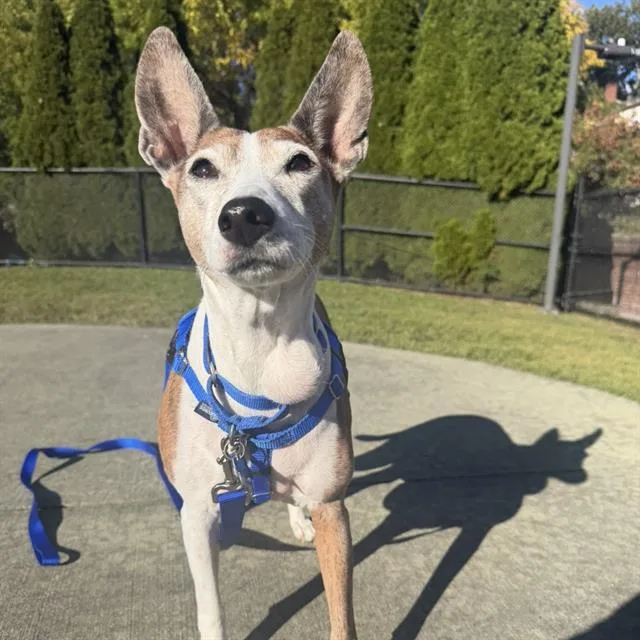
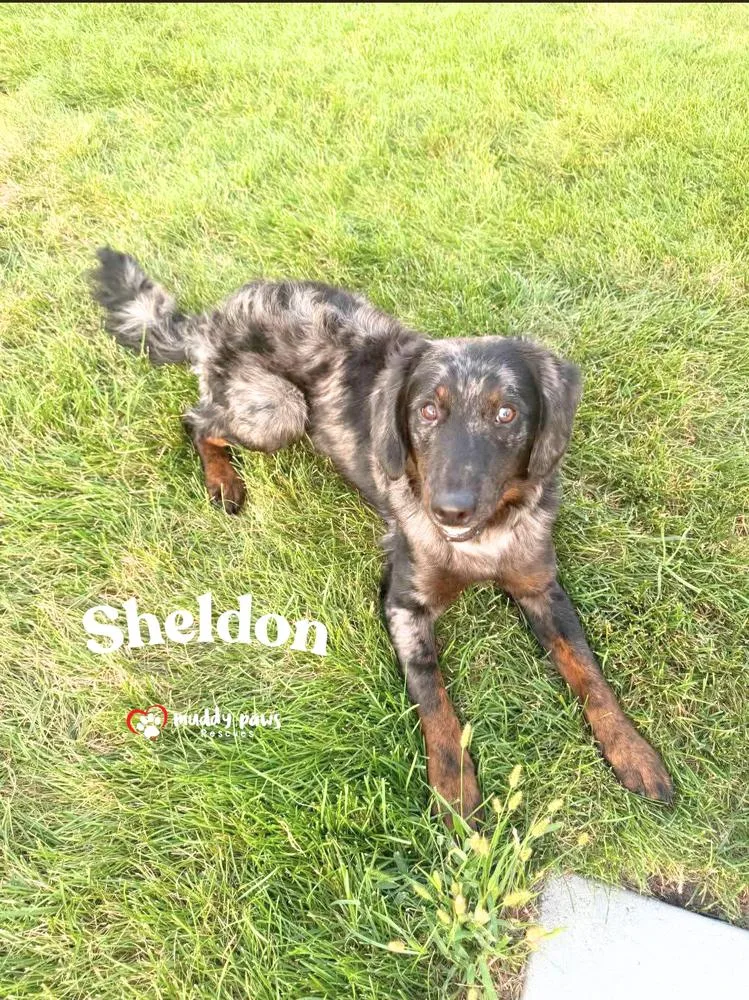
Bernese Mountain Dogs Available for Adoption Near Boston

About the Bernese Mountain Dog breed

Bernese Mountain Dogs come from the farms of Switzerland's canton of Bern, where they pulled carts of milk and cheese and drove cattle. The only long-coated member of the four Swiss mountain dog breeds, a Berner has a jet-black coat with rust and white markings and often weighs 70 to 115 pounds.

Most are gentle, affectionate and eager to please, though many are reserved with strangers. In Boston, the thick coat is a plus on January walks and a burden in humid July, and it sheds heavily all year. Lifespans are shorter than average, often 7 to 10 years, largely because of cancer. Early training matters, since a pulling adult is hard to manage on a crowded sidewalk.

Weight
70–115 lbs
Height
23–28 in
Lifespan
7–10 yrs
Temperament
Gentle, Affectionate, Calm
Group
Working
Shedding
High

Owning a Bernese Mountain Dog in Boston

Having a Bernese Mountain Dog in Boston

A soft, people-focused nature comes in a very large, heavily coated body. In Boston, that means planning around stairs, humid summers and salted winter sidewalks as much as personality, along with the breed's serious health risks.

Temperament

Berners are often gentle, patient and devoted to their families, and many are reserved with strangers rather than outgoing. That can suit quieter Boston streets, but busy sidewalks call for early practice with polite greetings. They respond best to warm, consistent training. Each dog differs, so the dog's own personality matters more than the breed label.
Exercise Needs

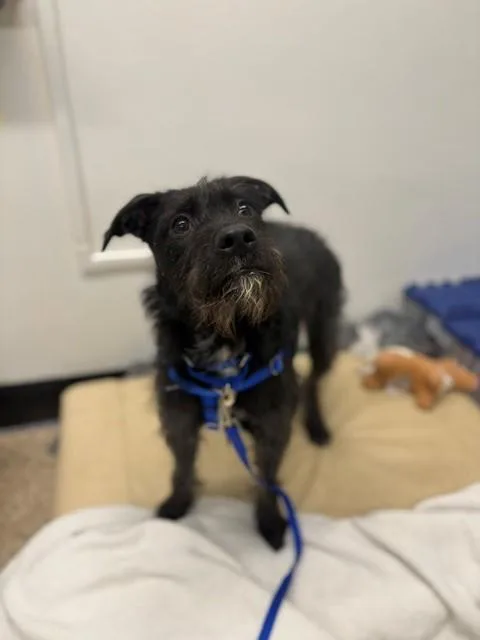
Plan on one or two good walks a day plus some play, and save longer hikes for cool weather. City parks require leashes of 8 feet or less, while the Boston Common off-leash area and fenced dog parks offer more freedom. Training games and scent work tire a Berner's mind. Puppies should avoid hard running.

Health Considerations

Cancer, especially histiocytic sarcoma, is the breed's biggest concern, along with hip and elbow dysplasia, kidney disease and bloat. Keeping a Berner lean protects its joints. Ticks are a risk on wooded Boston trails, so check the coat after walks and keep prevention current. Regular vet checkups help catch problems early.

Living Space

Berners need room to stretch out, and Boston's housing is often tight: about 64% of households rent, many in triple-deckers and walk-ups. Stairs are hard on a giant dog's joints, so a ground-floor unit or an elevator helps. A fenced yard is a bonus, and a cool interior matters in summer.

What it costs to own a Bernese Mountain Dog in Boston

ExpenseTypical costPer year
Food$80 to $160 per month$960 to $1,920
Pet insurance$85 to $170 per month$1,020 to $2,040
Routine vet care$250 to $500 per year$250 to $500
Other*$690 to $1,890 per year$690 to $1,890
Estimated yearly total (after year one)$2,920 to $6,350

Other costs are estimates and vary with size, age and health.

* Flea, tick and heartworm prevention, a dental cleaning allowance, the Boston dog license ($15 spayed or neutered, $30 intact), toys and large bedding, coat care for heavy shedding, and joint supplements.

Adopt a Bernese Mountain Dog in Boston.

Now that you know more, let’s find you a new best friend. These rescues and shelters below have dogs available in and near Boston.

Rescues and Shelters in or near Boston

Boston's city shelter and nonprofit adoption centers care for dogs of every size, and the ones below list their pets here. Here are the rescues & shelters in the Boston area with dogs available for adoption, worth asking whether a Bernese Mountain Dog is coming in.

Frequently Asked Questions

It can be, for the right household. Berners enjoy cold, snowy weather and daily walks, and Boston's parks give them space. The challenges are walk-up apartments, humid summers and heavy shedding. A ground-floor home or an elevator building, air conditioning and a steady walking routine make life with a giant dog here much easier.

Yes. Massachusetts law bars cities from regulating dogs by breed, so Boston has no Bernese Mountain Dog restrictions. You'll need a yearly license for any dog over six months, a rabies vaccination and a leash off your property. Keeping more than four dogs requires a kennel license under state law.

Mostly, yes. Winters with about 90 freezing nights a year suit a Berner's double coat. Summers are the catch: roughly two weeks reach 90°F, and humid heat waves can bring City heat warnings. Exercise early or late, keep the home cool, and expect the coat to need extra care in July and August.

The Arnold Arboretum, Franklin Park and Stony Brook Reservation offer long leashed walks with space for a big dog. Boston Common's off-leash area runs 6 a.m. to 11 p.m., with a license and ID tag required and a limit of three dogs per adult. Dogs aren't allowed in tot lots or ball fields.

Only at certain times. The MBTA allows dogs too big for a carrier off-peak, on a leash, but not on weekdays from 7 to 9 a.m. or 4 to 7 p.m. Dogs can't ride on seats, and staff may restrict access in crowds, so a giant Berner fits best on quiet midday trips.

Only at patios that have a City variance allowing dogs, so look for dog-friendly signs. Dogs stay leashed, off the furniture and outside, never inside the restaurant, and get water only. They need a current license and rabies vaccination. A Berner needs a roomy table, since it must lie out of the walkway.

Plan on brushing one to two times a week, and several times a week in spring and fall when the undercoat sheds heavily. In winter, wipe paws and the coat after walks to remove road salt. Professional grooming is optional, and coat care is part of the yearly Other costs listed on this page.

A Bernese Mountain Dog is a large to giant Swiss working breed originally used on farms to pull carts, drive cattle and guard property. It has a long, tricolored coat of black, rust and white and a sturdy, powerful build. Berners are known for their gentle, affectionate nature, though their lifespan is shorter than many breeds.

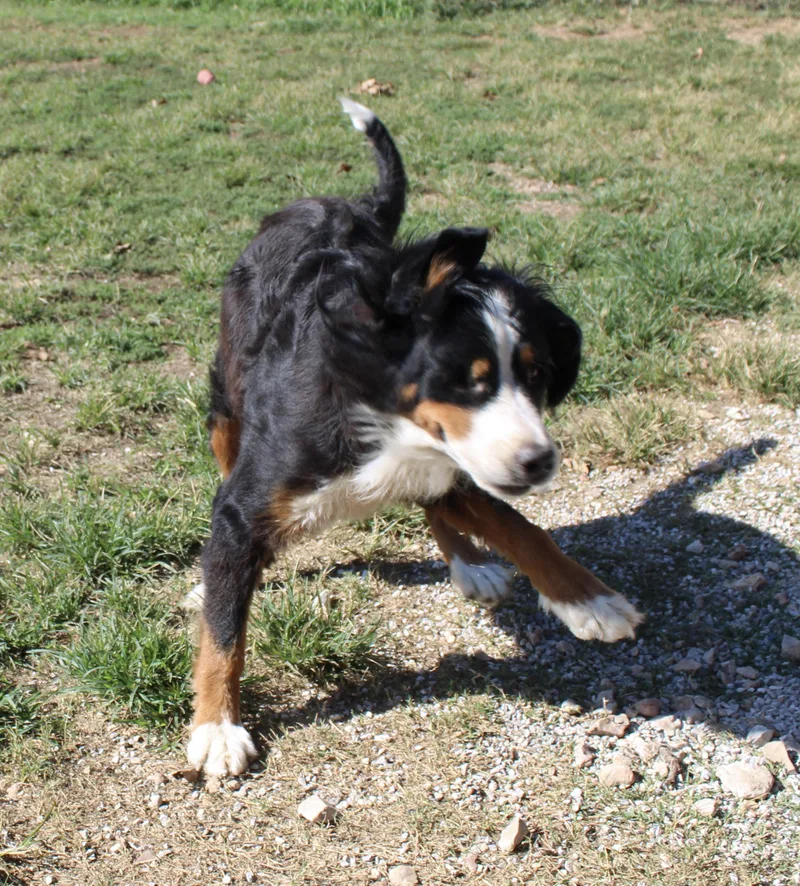
A Bernese Mountain Dog has a thick, moderately long coat that is jet black with rich rust markings over the eyes, on the cheeks, chest and legs, and white on the face, chest, feet and tail tip. The white chest marking often forms an inverted cross. They have a broad head, dark brown eyes and triangular drop ears.

Expect roughly $80 to $160 a month for food and $85 to $170 for insurance, which reflects the breed's cancer and joint risks. Routine vet care runs about $250 to $500 a year, and other costs add $690 to $1,890 a year. Together that's roughly $2,900 to $6,350 annually.

Find Bernese Mountain Dogs in Nearby Cities

Expand your search to find Bernese Mountain Dogs available for adoption near Boston.