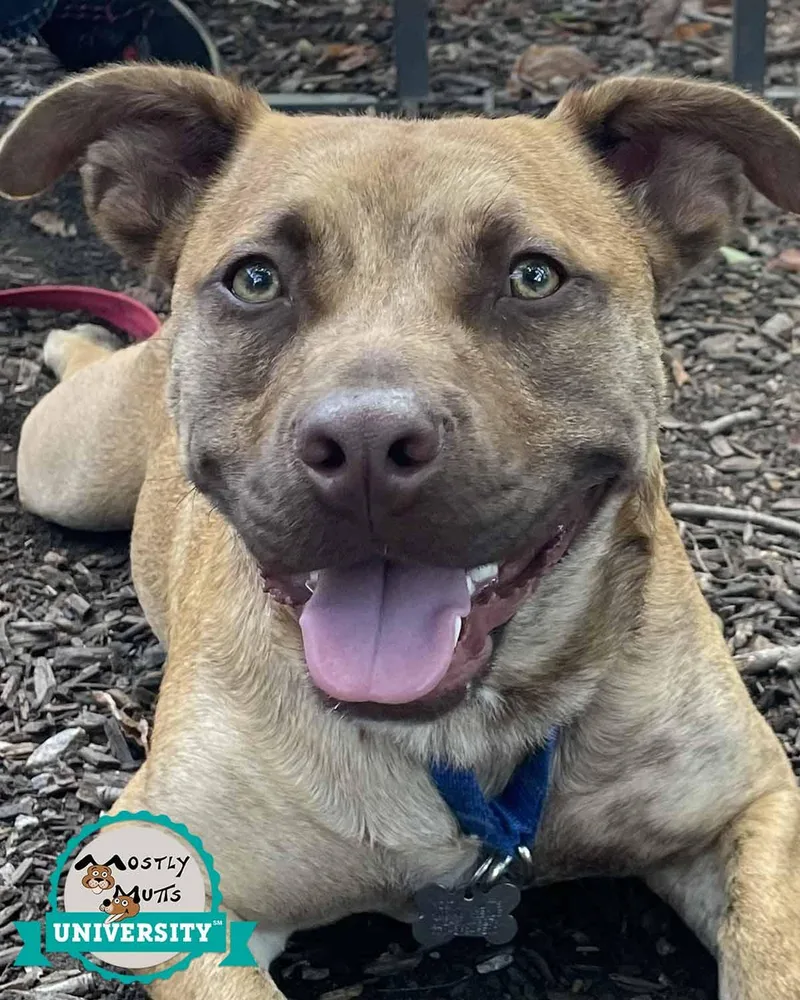
Swedish Vallhund Dogs for Adoption in New Orleans, LA

Your guide to finding and caring for a Swedish Vallhund in NOLA

A Swedish Vallhund fits a Mid-City shotgun double better than its herding-dog résumé might suggest. At 20 to 35 pounds, it's easy to lift up porch steps and easy to walk along the Lafitte Greenway, which gives a busy dog a long, flat route away from most traffic. Vallhunds are alert and vocal, so expect announcements for every passing streetcar and neighbor. Give one a daily job, like a training session or a loop out to Bayou St. John.

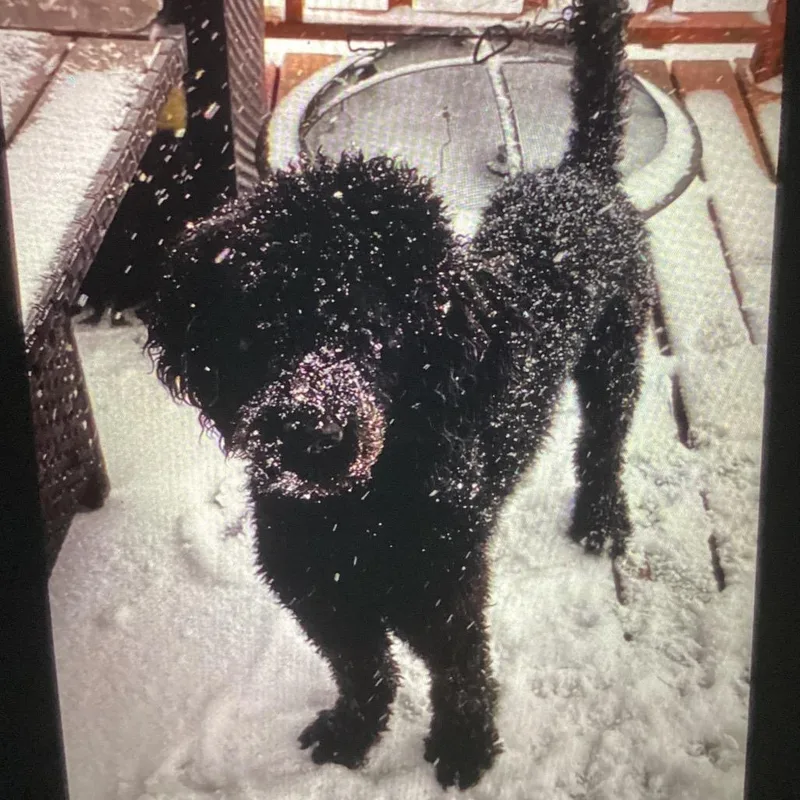
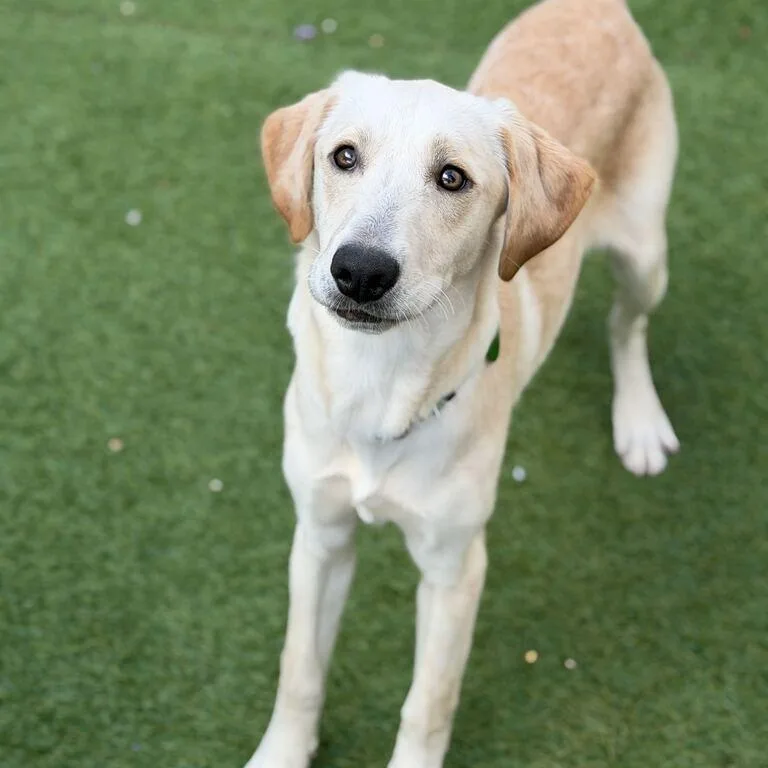
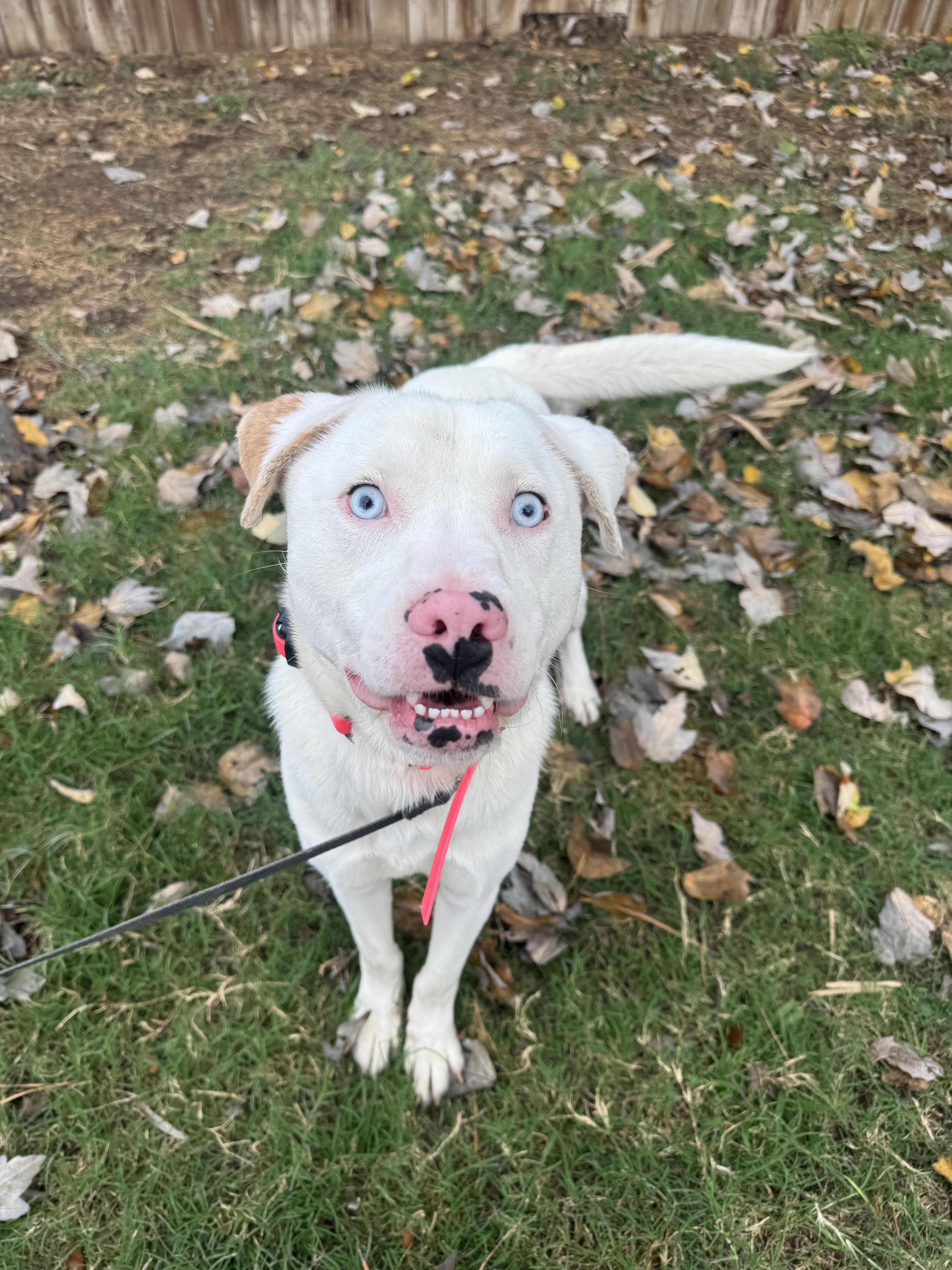
691 dogs similar to Swedish Vallhund available in New Orleans and nationwide

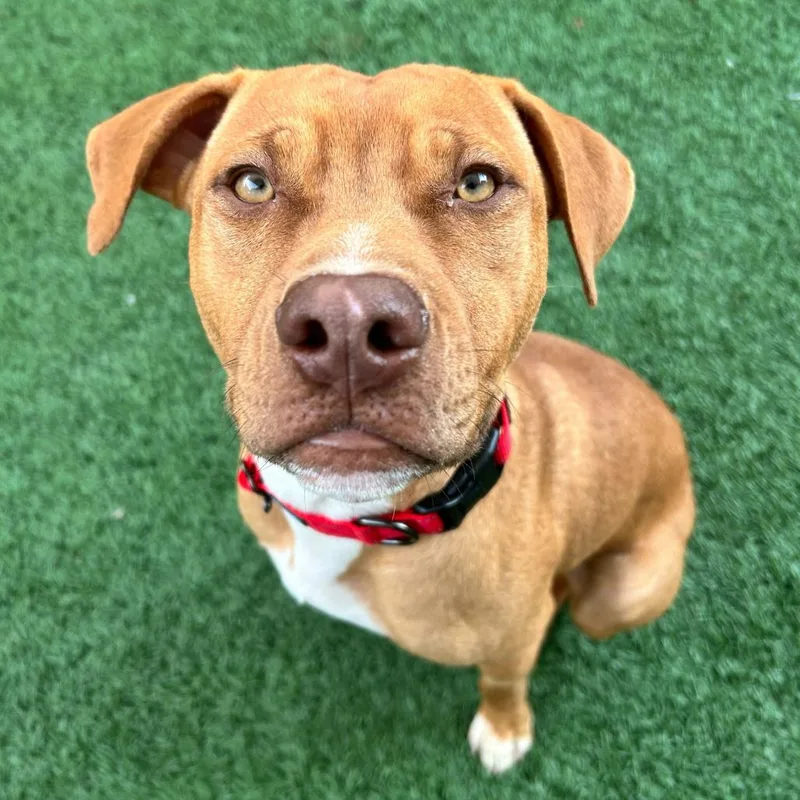
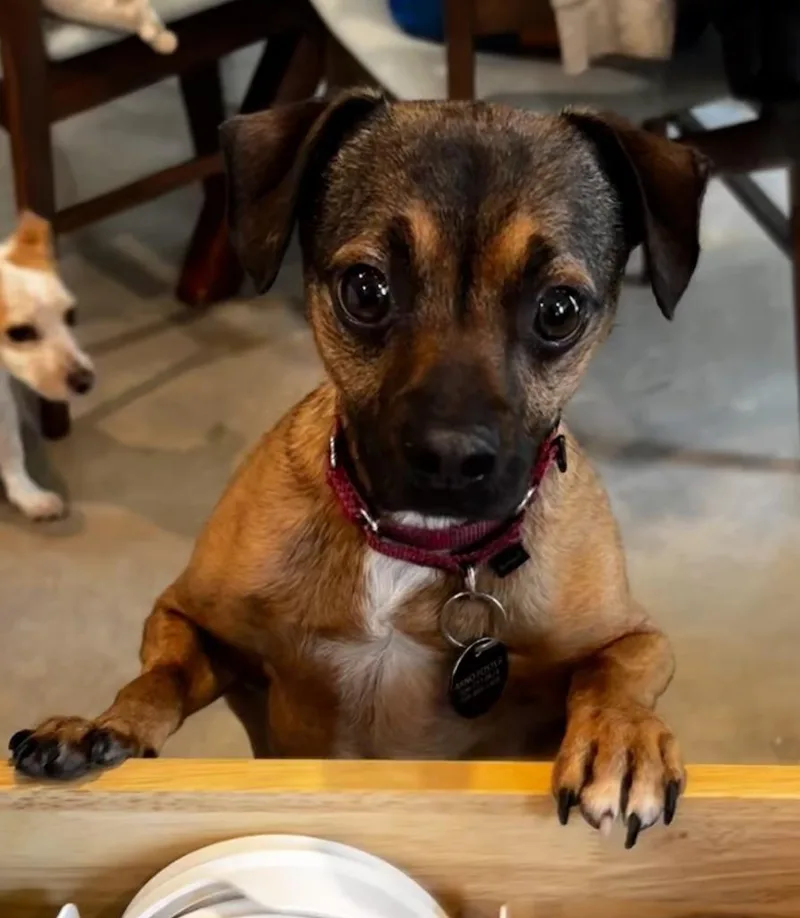
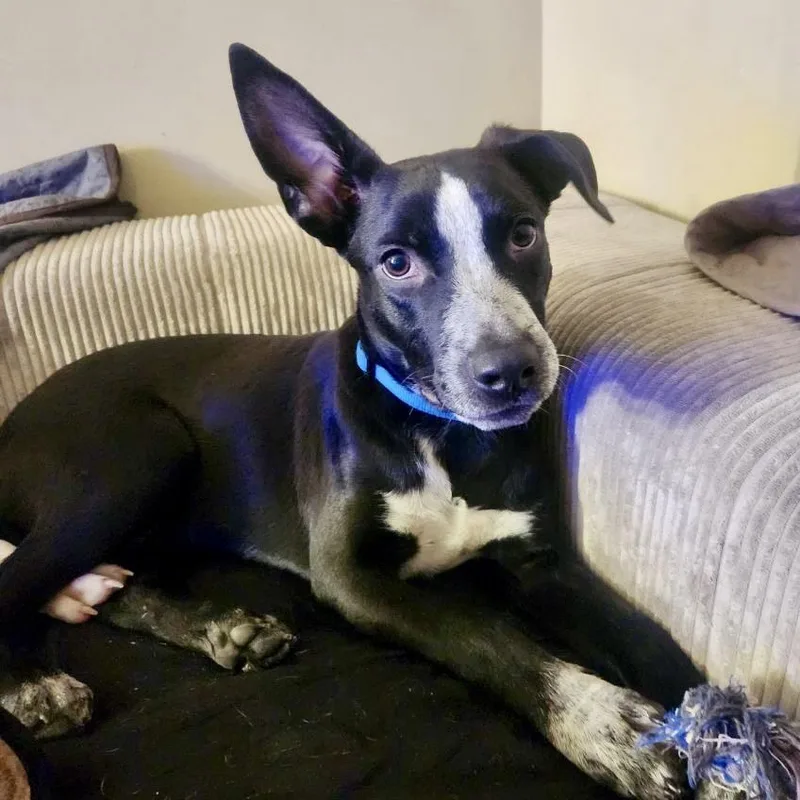
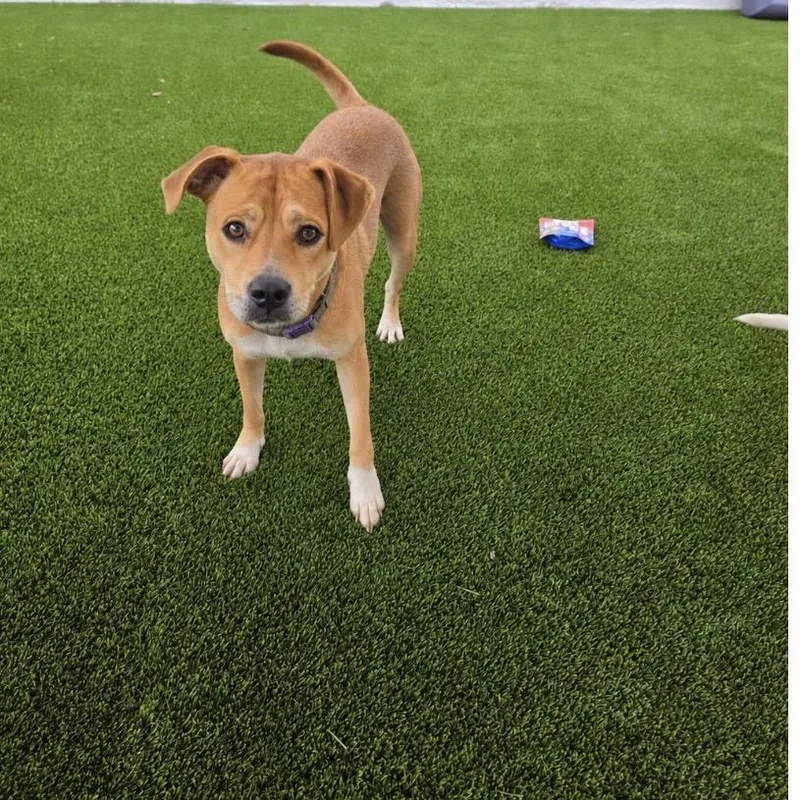
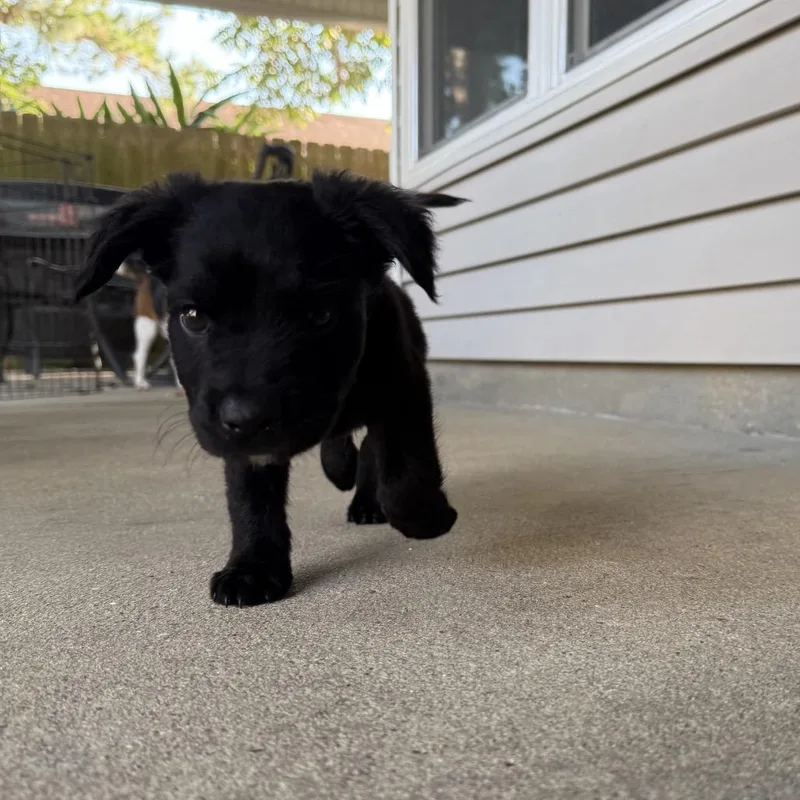
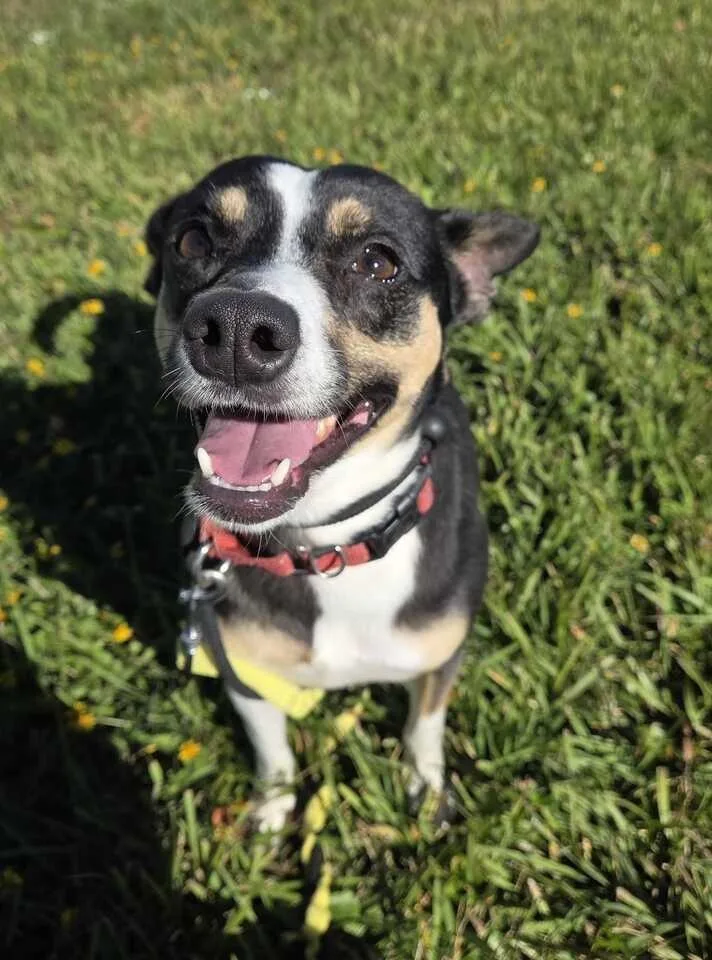
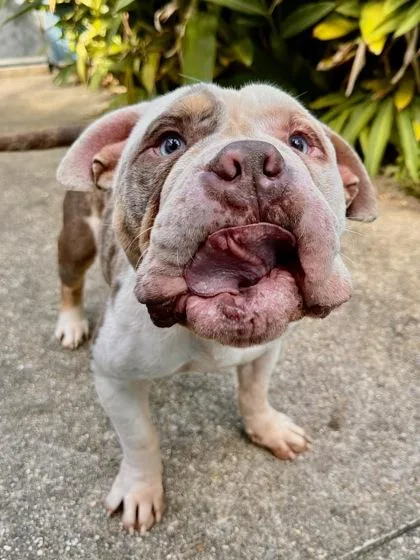
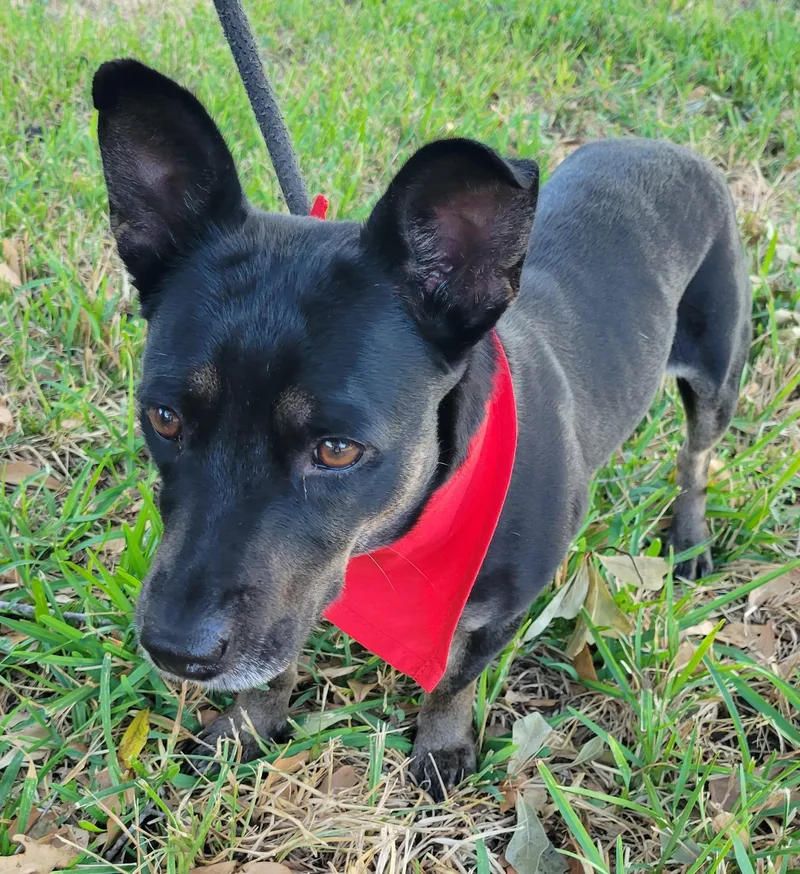
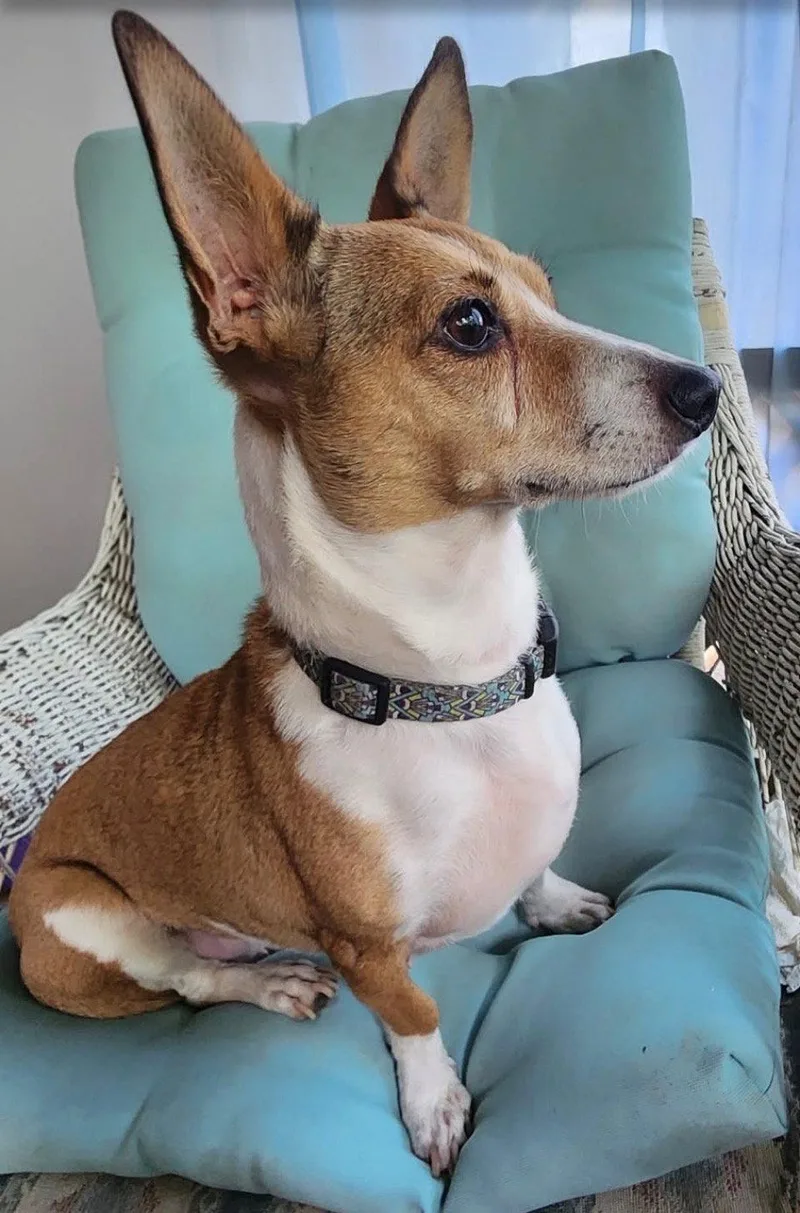
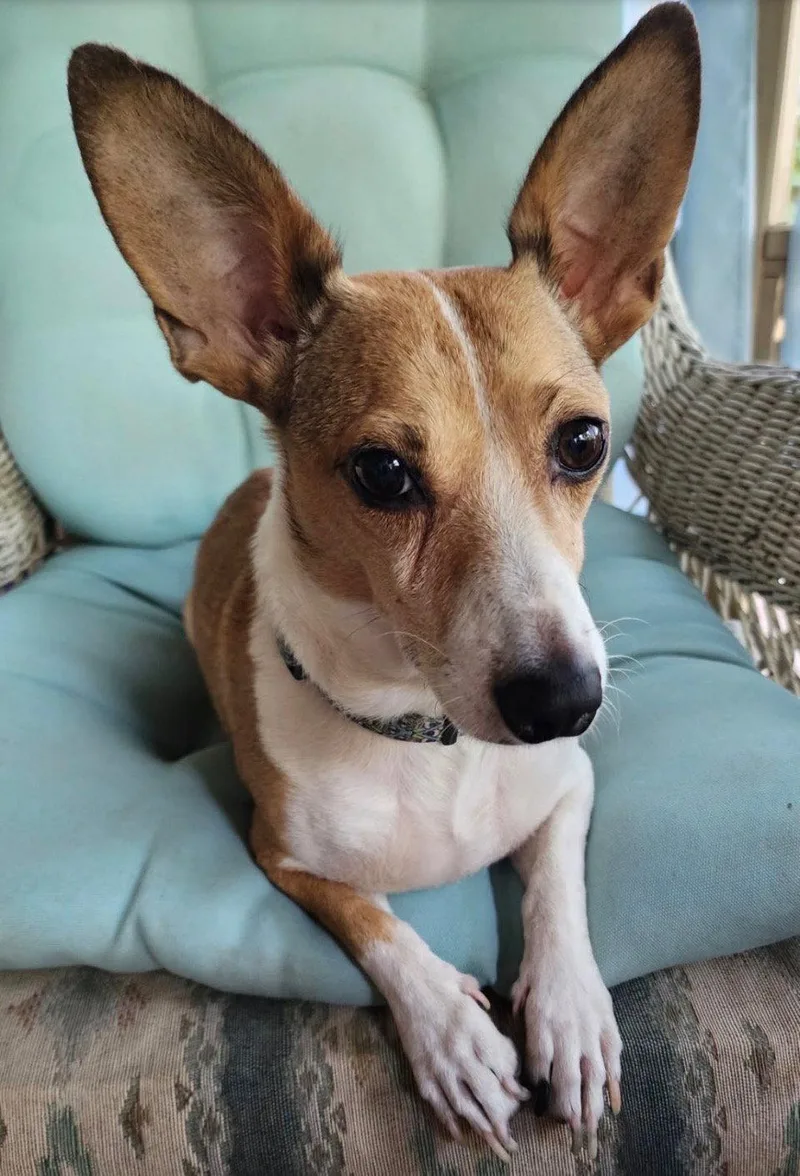
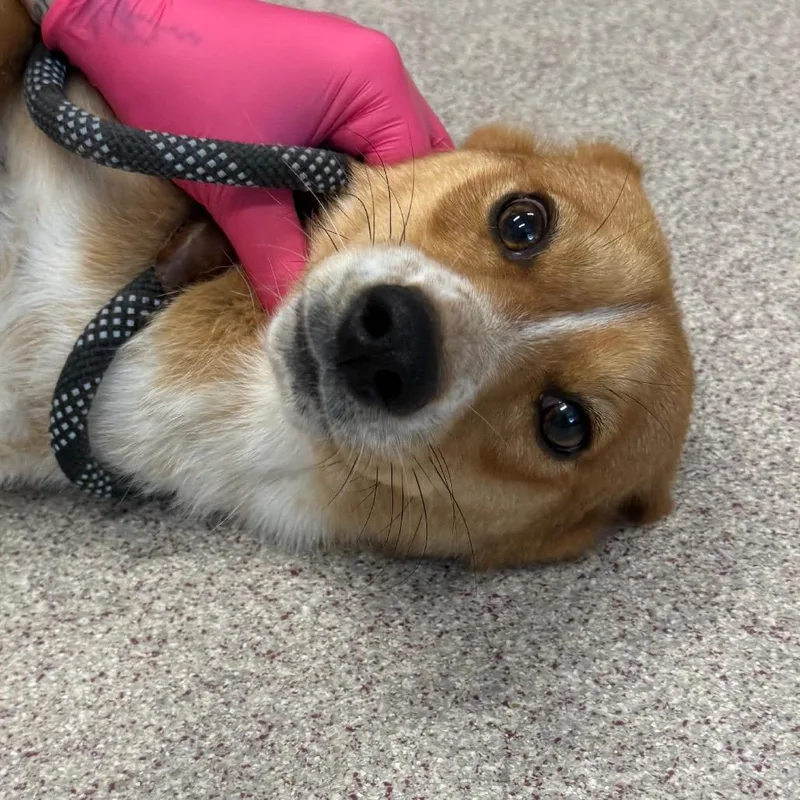
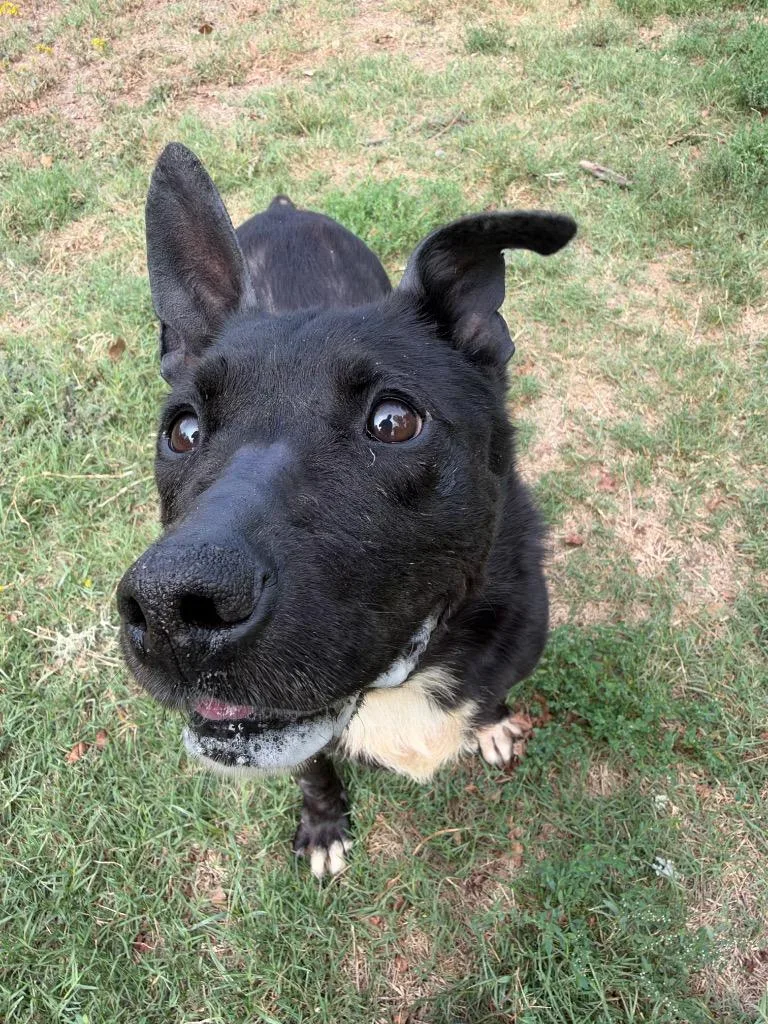
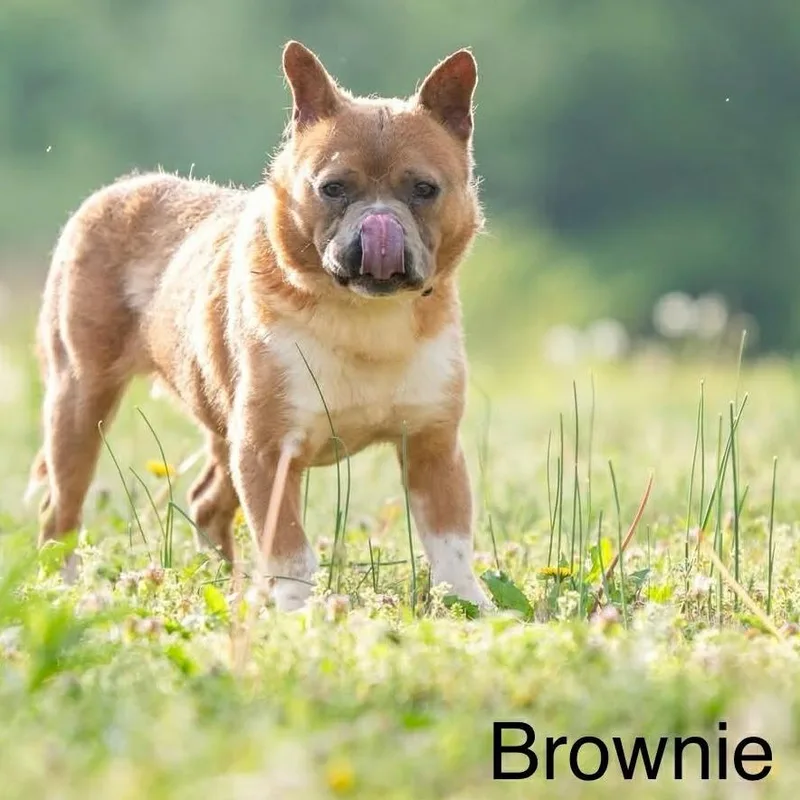
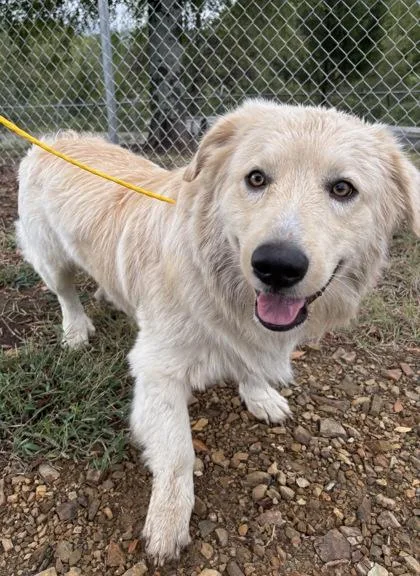
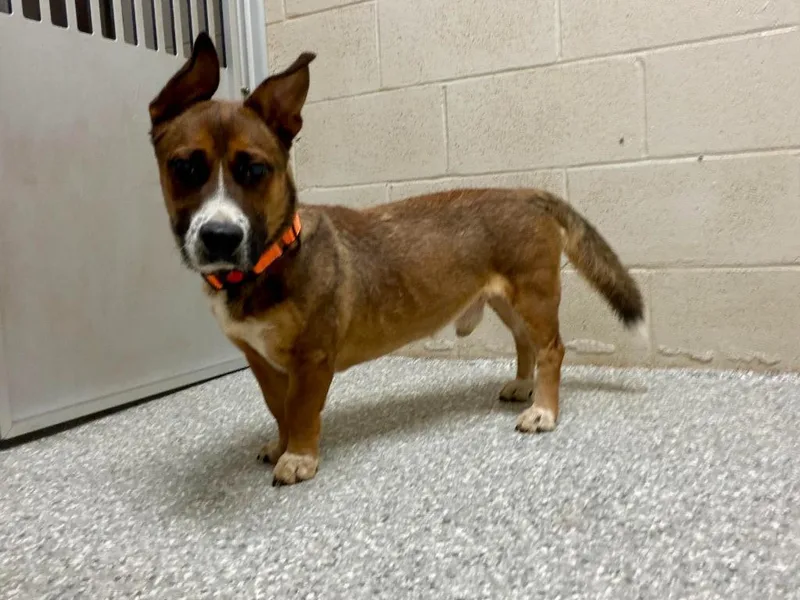
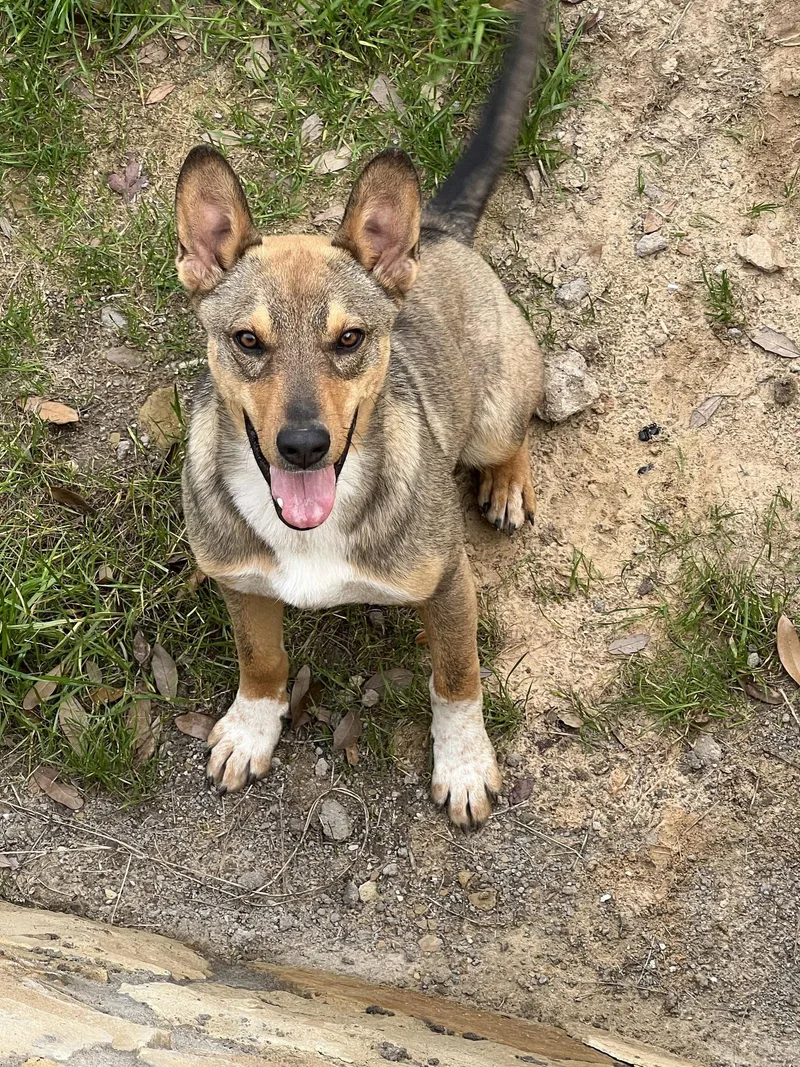
Meet your next Swedish Vallhund

While we don't have enough dogs near New Orleans, keep in mind that many rescues may offer transport.

Swedish Vallhunds and Similar Breeds Available for Adoption Near New Orleans

About the Swedish Vallhund breed

The Swedish Vallhund is an old spitz-type herding dog from Sweden's Västergötland region, built low and sturdy to nip at cattle heels and dodge hooves. Its harsh double coat, prick ears and sable coloring give it a foxy look, and the tail may be long, stubby or missing altogether.

In New Orleans, that heritage translates into a dog that wants a task. Trick training, scent games or agility keep it content in a small house, and its watchful nature means it notices everything on a busy street. The dense coat sheds heavily in seasonal waves, which matters in a long humid summer, so plan on regular brushing. Vallhunds vary, so spend time with the dog you're considering.

Weight
20–35 lbs
Height
11–14 in
Lifespan
12–15 yrs
Temperament
Alert, Energetic, Friendly
Group
Herding
Shedding
Moderate to High

Owning a Swedish Vallhund in New Orleans

Having a Swedish Vallhund in NOLA

Vallhunds combine herding-dog drive with a compact body and a coat built for cooler climates. In NOLA, the key questions are how much daily activity you can offer, how you'll manage heat and noise, and whether eye and joint checks fit your plans.

Temperament

Many Vallhunds are friendly, confident and attached to their people, but they're also watchful and quick to bark. In a neighborhood with porches, streetcars and parade-season noise, that alertness can mean a lot of announcing. Early socialization and reward-based training help redirect heel nipping. Each dog's personality differs.
Exercise Needs

Plan on daily walks plus play or training. Leashed walks on the Lafitte Greenway, around Audubon Park's 1.8-mile loop or along City Park's trails work well, and NOLA City Bark offers off-leash time with a permit. In summer, shift activity to early morning or evening and add indoor puzzle games.

Health Considerations

Retinopathy affects many Vallhunds, often showing as night vision loss in middle age, and hip and joint problems appear too. Keep the dog lean to protect the long back. New Orleans mosquitoes make year-round heartworm prevention important. A veterinarian can check the eyes and hips and set up a prevention schedule.

Living Space

At 20 to 35 pounds, a Vallhund can do well in a shotgun double or apartment, which matters because many New Orleans homes have small or shared yards. Barking can bother close neighbors on tight blocks, so training matters. A fenced yard helps but isn't essential. A cool indoor spot is.

What it costs to own a Swedish Vallhund in New Orleans

ExpenseTypical costPer year
Food$20 to $45 per month$240 to $540
Pet insurance$35 to $70 per month$420 to $840
Routine vet care$200 to $400 per year$200 to $400
Other*$485 to $1,264 per year$485 to $1,264
Estimated yearly total (after year one)$1,345 to $3,044

Other costs are estimates and vary with size, age and health.

* The $10 city license for a spayed or neutered dog, flea, tick and year-round heartworm prevention, a dental cleaning allowance, toys and bedding, and brushing and baths for seasonal shedding.

Adopt a Swedish Vallhund in New Orleans.

Now that you know more, let’s find you a new best friend. These rescues and shelters below have dogs available in and near New Orleans.

Frequently Asked Questions

Yes, with planning. Summer highs reach about 90°F with humid nights near 78°F, and a Vallhund's dense double coat holds heat. Walk at dawn or after sunset, test pavement with your hand, provide shade and cold water, and keep outings short. Never leave the dog in a parked car, and watch for heavy panting or drooling, which can signal heatstroke.

Yes. New Orleans has no breed-specific rules, and dangerous-dog decisions aren't based on breed. You'll need rabies vaccination, a yearly city license tag from a veterinarian, and spaying or neutering for dogs over six months unless you hold an intact permit. Off your property, keep the dog on a leash of six feet or less.

NOLA City Bark in City Park is the largest off-leash option, with a paid yearly permit and vaccine requirements. Wisner Playground and Crescent Park have free fenced runs. For leashed outings, try City Park's trails, Audubon Park's 1.8-mile loop or the 2.6-mile Lafitte Greenway. Stay away from lagoon and bayou edges because alligators live there.

Yes, if its exercise needs are met. At 20 to 35 pounds it fits most New Orleans rentals, from shotgun doubles to Warehouse District condos. The bigger concern is barking, since Vallhunds are alert and vocal. Training, daily walks and puzzle toys help keep the noise down. Read your lease's pet terms before signing.

Only in a carrier. RTA buses and streetcars allow pets only in a carrier that fits on your lap, and most Vallhunds, at 20 to 35 pounds, are too big for one. Service animals are allowed. New Orleans has streetcars rather than a subway, so plan on walking or driving for most outings.

Don't count on it. Louisiana has no state law allowing dogs in outdoor dining areas, so patio access depends on each venue's policy. Indoor dining rooms generally don't allow pet dogs. A Vallhund's alert barking can also make a busy patio stressful, so practice calm settling on a mat at home first.

Brush a couple of times a week, and daily during the heavy seasonal sheds in spring and fall. Don't shave the double coat; brushing removes loose undercoat and keeps air moving. Occasional baths are enough. Budget roughly $100–$300 a year for baths or professional help, which is included in the Other costs above.

The Swedish Vallhund is often called the Viking dog, and its breed club and the AKC describe it as known since the time of the Vikings, more than a thousand years ago. Firm archaeological proof is limited, so the link rests largely on tradition. Its resemblance to Welsh Corgis has fueled theories that Viking-era contact spread one breed's ancestors to the other.

You can adopt a Swedish Vallhund through breed-specific rescues, herding-breed rescues and occasionally local shelters, and GetBuddy lists adoptable dogs from shelters and rescues near you. Because the breed is rare, patience helps: set up saved searches and alerts, and consider a Vallhund mix or a similar herding breed. Adoption fees usually run from about $100 to $500.

Expect about $20–$45 a month for food and $35–$70 for optional insurance. Routine vet care runs roughly $200–$400 a year, and other costs such as prevention, dental cleanings, the city license and grooming add about $485–$1,264 a year. Heavy shedding means extra brushing supplies.