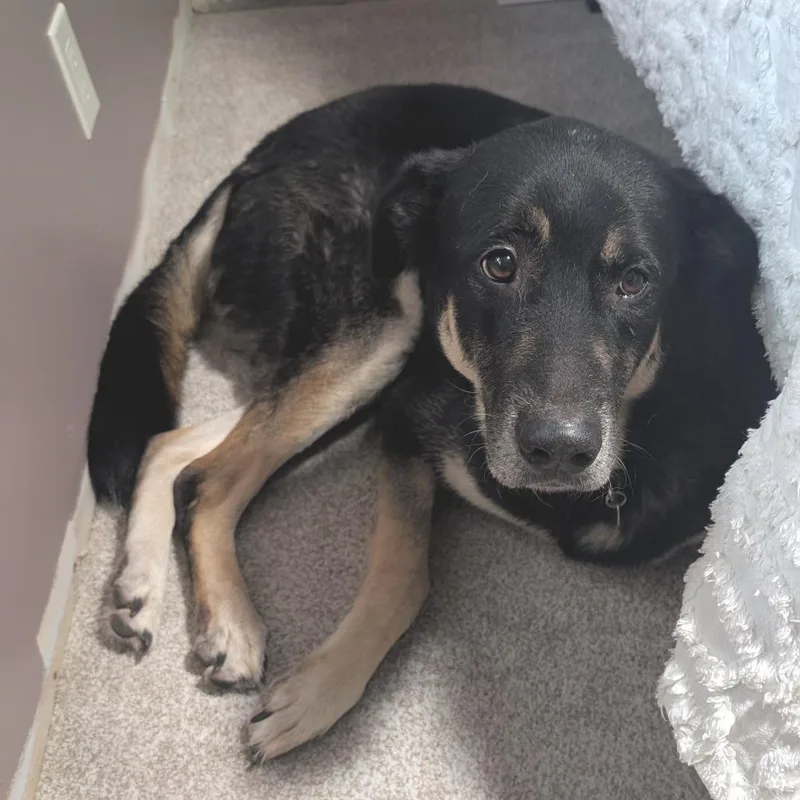
Mastiff Dogs for Adoption in Wichita, KS

Your guide to finding and caring for a Mastiff in Wichita

A Mastiff fits Wichita's one-story ranch neighborhoods better than you'd expect for such a big dog. In Benjamin Hills, the planned 1950s ranch homes mean no stairs for those heavy joints, and the Arkansas River Path is close for the slow daily walk a Mastiff enjoys. Most are calm indoors, so the real adjustment is space: a giant bed, a roomy car and a cool spot for July afternoons.

887 Mastiffs available in Wichita and nationwide

Give a Mastiff a home

While we don't have enough dogs near Wichita, keep in mind that many rescues may offer transport.

Mastiffs Available for Adoption Near Wichita

About the Mastiff breed

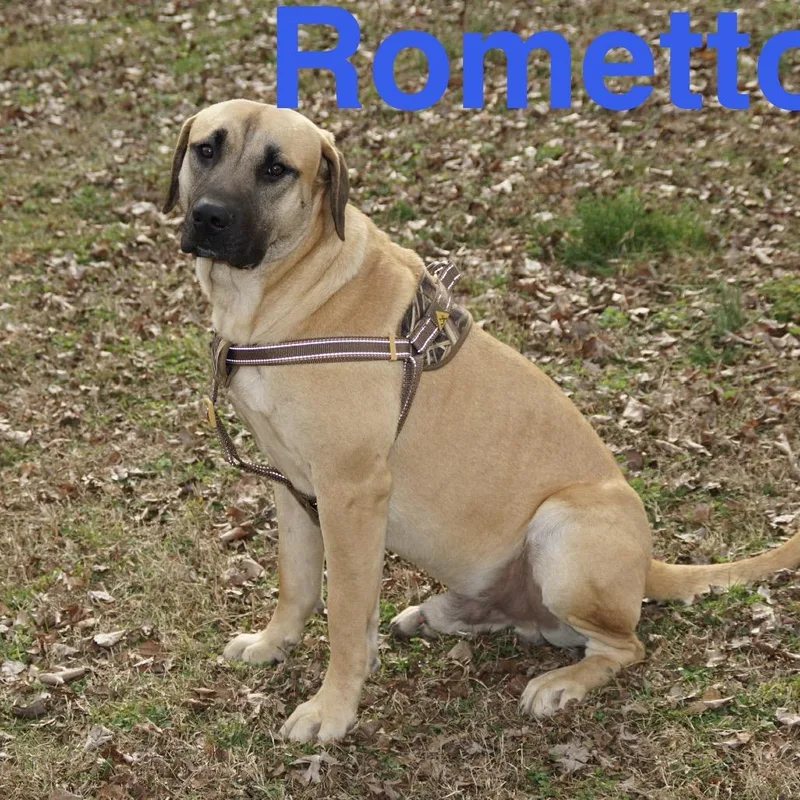
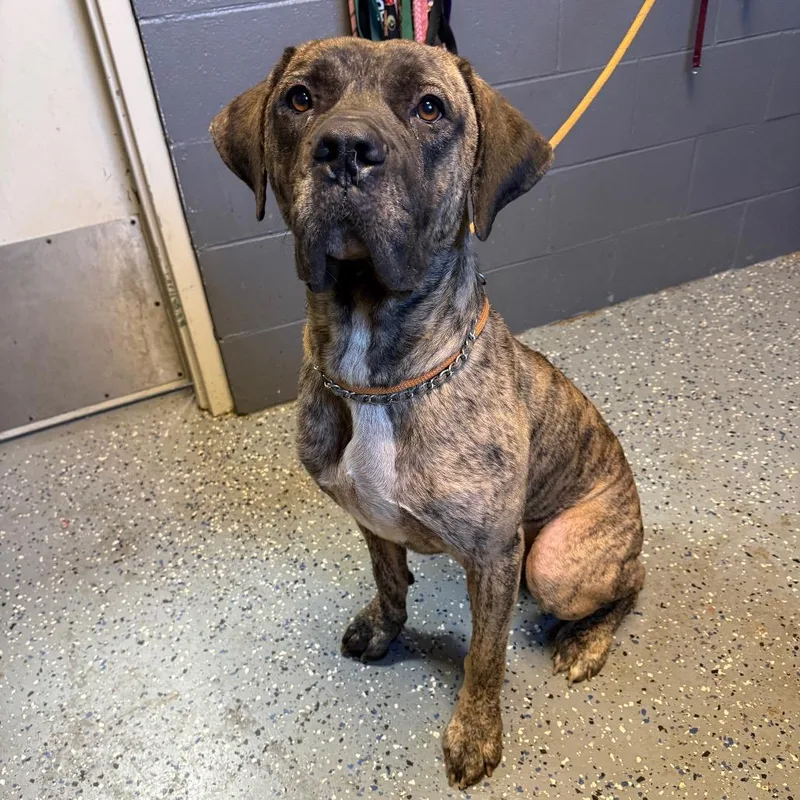
The Mastiff, also called the English Mastiff, is a massive, heavy-boned guardian with a broad head, dark mask and short fawn, apricot or brindle coat. Its roots go back to large British guard dogs, and the breed nearly vanished after World War II before a small group of dogs rebuilt it.

Most Mastiffs are calm, dignified and gentle at home, with a quiet watchfulness toward strangers. In Wichita, that means a dog who's happy with a moderate walk and a place to sprawl, but who needs early training and sturdy gear because an adult can weigh well over 150 pounds. Expect drool, moderate shedding and a lifespan that often runs under ten years. Dogs vary, so judge the dog in front of you rather than the breed label.

Weight
120–230 lbs
Height
27–36 in
Lifespan
6–10 yrs
Temperament
Gentle, Dignified, Protective
Group
Working
Shedding
Moderate

Owning a Mastiff in Wichita

Having a Mastiff in Wichita

A Mastiff packs a gentle, steady nature into one of the heaviest bodies in the dog world. These cards cover how that size shapes exercise, health and housing in Wichita, so you can judge whether a giant companion fits your home.

Temperament

Mastiffs are usually calm, affectionate and patient with family, and watchful but aloof with strangers. That quiet guarding streak makes early, reward-based socialization worthwhile, since a stubborn adult this heavy can't be managed by strength. Every Mastiff differs, so watch how a dog handles new people, noises and handling before deciding.

Exercise Needs

Expect a moderate routine: a couple of leashed walks and some relaxed play rather than long runs. In Wichita, the Arkansas River Path and Pawnee Prairie Park offer room for unhurried outings, best in the morning or evening. Mastiffs overheat easily, and puppies should avoid forced running and repeated jumping.

Health Considerations

Mastiffs are prone to hip and elbow dysplasia, bloat, obesity and bone cancer, and some carry heart or eye conditions. Bloat is an emergency, so learn the signs: a swollen belly, retching with nothing coming up, restlessness. Keep the dog lean, and have a veterinarian check hips and heart early. Giant breeds also age faster.

Living Space

Mastiffs are quiet indoors, but a giant dog does best with room to sprawl. Wichita's single-story houses and homes with yards suit them well, and apartments can work with a ground-floor entry or an elevator. Plan for an extra-large crate, a roomy car, washable covers and drool towels. A Mastiff should live indoors.

What it costs to own a Mastiff in Wichita

ExpenseTypical costPer year
Adoption fee$150 to $250, one time$150 to $250 in year one
Food$80 to $160 per month$960 to $1,920
Pet insurance$85 to $170 per month$1,020 to $2,040
Routine vet care$250 to $500 per year$250 to $500
Other*$590 to $1,690 per year$590 to $1,690
Estimated yearly total (after year one)$2,820 to $6,150
First-year total (with adoption fee)$2,970 to $6,400

Adoption fee is the range of fees on Mastiff listings in Wichita on GetBuddy today. Other costs are estimates and vary with size, age and health.

* The $15 Wichita dog license for a spayed or neutered dog, giant-dose flea, tick and heartworm prevention, a dental cleaning allowance, durable toys and bedding, basic coat care and joint supplements.

Adopt a Mastiff in Wichita.

Now that you know more, let’s find you a new best friend. These rescues and shelters below currently have Mastiffs available.

Rescues in Wichita with Mastiffs Available

Wichita's shelters and rescues care for dogs of every size, and the groups below list the ones available. Here are the rescues & shelters in the Wichita area where you can find Mastiffs and other dogs available for adoption.

Frequently Asked Questions

Yes, with careful management. Wichita sees about 65 days a year at or above 90°F, and Mastiffs overheat easily, so walks belong at dawn or after dark, and afternoons belong in air conditioning with fresh water. Excessive panting, a staggering gait or unresponsiveness means a veterinarian right away. Never leave a Mastiff in a parked car.

Yes. Wichita has no known breed-specific rule for Mastiffs. Adopters need a city dog license, a microchip for any dog five months or older, and rabies vaccination at least every three years. Three dogs per household are allowed without a permit. Because a Mastiff is so heavy, also make sure your lease allows a giant dog.

It can be, for the right household. Wichita's single-story houses and leashed trails suit a calm, low-key dog. The trade-offs are summer heat, spring storm planning and giant-dog costs. A Mastiff does best with someone home much of the day, a cool indoor space and a budget for food and veterinary care.

Yes, if the lease allows a dog over 100 pounds. Mastiffs are quiet and calm indoors, but a ground-floor unit or elevator building matters, since coaxing or carrying a giant dog down stairs is hard, especially if it's hurt. Daily potty walks, a large bed and floor space to sprawl are the real requirements.

Try the Arkansas River Path, about 10 miles and Wichita's longest multi-use trail, and Pawnee Prairie Park's five-mile marked loops, both on leash. A Mastiff does best with an unhurried stroll, so choose shorter loops and go early in summer. Off-leash parks such as Naftzger Bark Park downtown require neutered dogs.

Almost certainly not, unless the dog is a service animal. Wichita Transit runs buses only, and a pet that isn't a service animal must ride in an approved carrier that fully contains it, which no adult Mastiff will fit. Service animals must be declared when boarding. Plan on driving a roomy vehicle for vet visits and outings.

Sometimes, on patios. Kansas law lets restaurants admit leashed dogs to outdoor areas, and microbreweries can allow dogs indoors, but each venue decides. A Mastiff takes up real floor space and can't be on tables or fed from restaurant dishes. Pick quiet times, bring a water bowl and a mat, and don't count on access anywhere.

Not much. Weekly brushing handles the short coat, with extra sessions during heavier shedding stretches, plus regular nail trims, ear cleaning and wiping the face folds and drool. Wichita's dust and heat make a quick rinse after muddy walks useful. Most of this can be done at home, so grooming stays a small part of yearly costs.

We have 1 rescue with Mastiffs available: Beauties and Beasts Rescue. You can see every rescue with Mastiffs available in the list above these questions, or scroll to the top to see the Mastiffs near Wichita.

Plan on roughly $2,800 to $6,150 a year for a Mastiff in Wichita, depending on appetite, coverage and health. Food runs $80 to $160 a month and insurance $85 to $170, while routine vet care is $250 to $500 a year. Other costs add $590 to $1,690 yearly, and emergencies like bloat surgery can add thousands.